
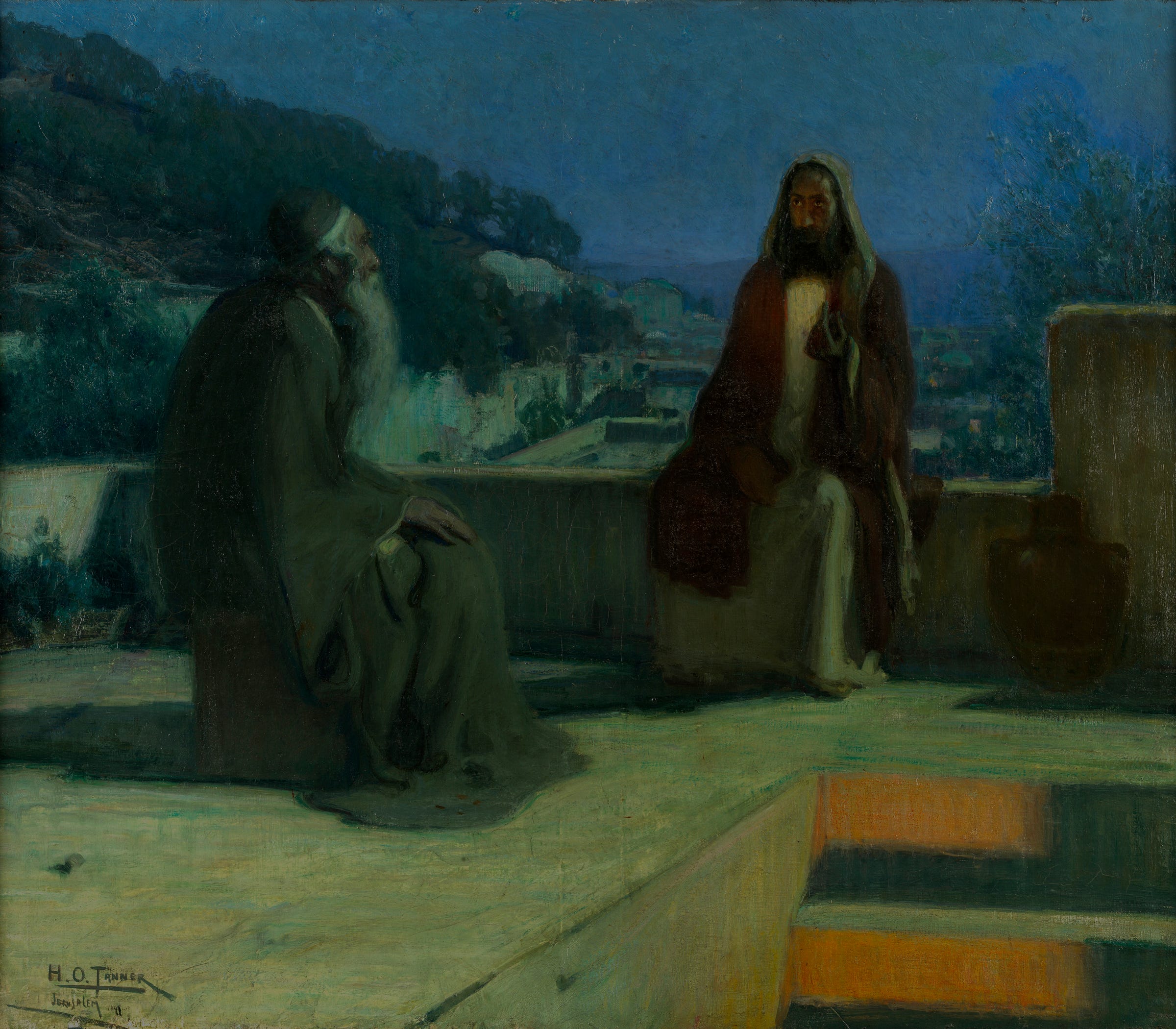
I read the Bible daily. Are you surprised? My friends are primarily secular professionals who have never read the Bible. It has never occurred to them to read it. Why am I different?
I never read the Bible, even when I regularly attended church. Serving as a lector in my Anglican parish changed me.
In our church, the lector is a layperson who stands before the parish (at a lectern, naturally) and reads scripture portions appointed for that week. A priest reads the Gospel lesson, and lectors read lessons from the Old Testament or the other books of the New Testament.
Thanks for reading I Have Serious News. This post is public, so feel free to share it.
The texts I was asked to read often seemed opaque. Most lectors read in a monotone, flavoured with a touch of fervour. They don’t understand what they are reading.
Why should anyone expect a 21st-century person to understand these texts? The Bible was written in ancient languages by people who lived in circumstances we can barely imagine. The authors wrote for an audience that knew what it meant to tend sheep or live in a tent under the stars.
The Bible is mostly a collection of stories, many of which are paradoxical, and the paradoxes are never explained. It also contains detailed genealogies, tendentious histories, and impassioned letters.
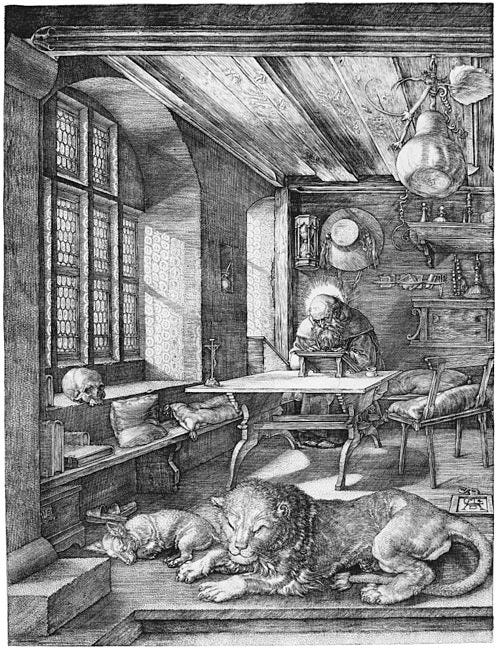
So, how did I prepare to read these mysterious writings?
I read the text aloud repeatedly until I could say the words as if I were the speaker in the text, speaking to the listeners in the text.
I read the text until I could imagine living in a primitive house or serving in a rich temple in a world of camels, date palms, and sandstorms. Sometimes, the characters presented theological or moral arguments, but even then, they responded to specific situations and contexts.
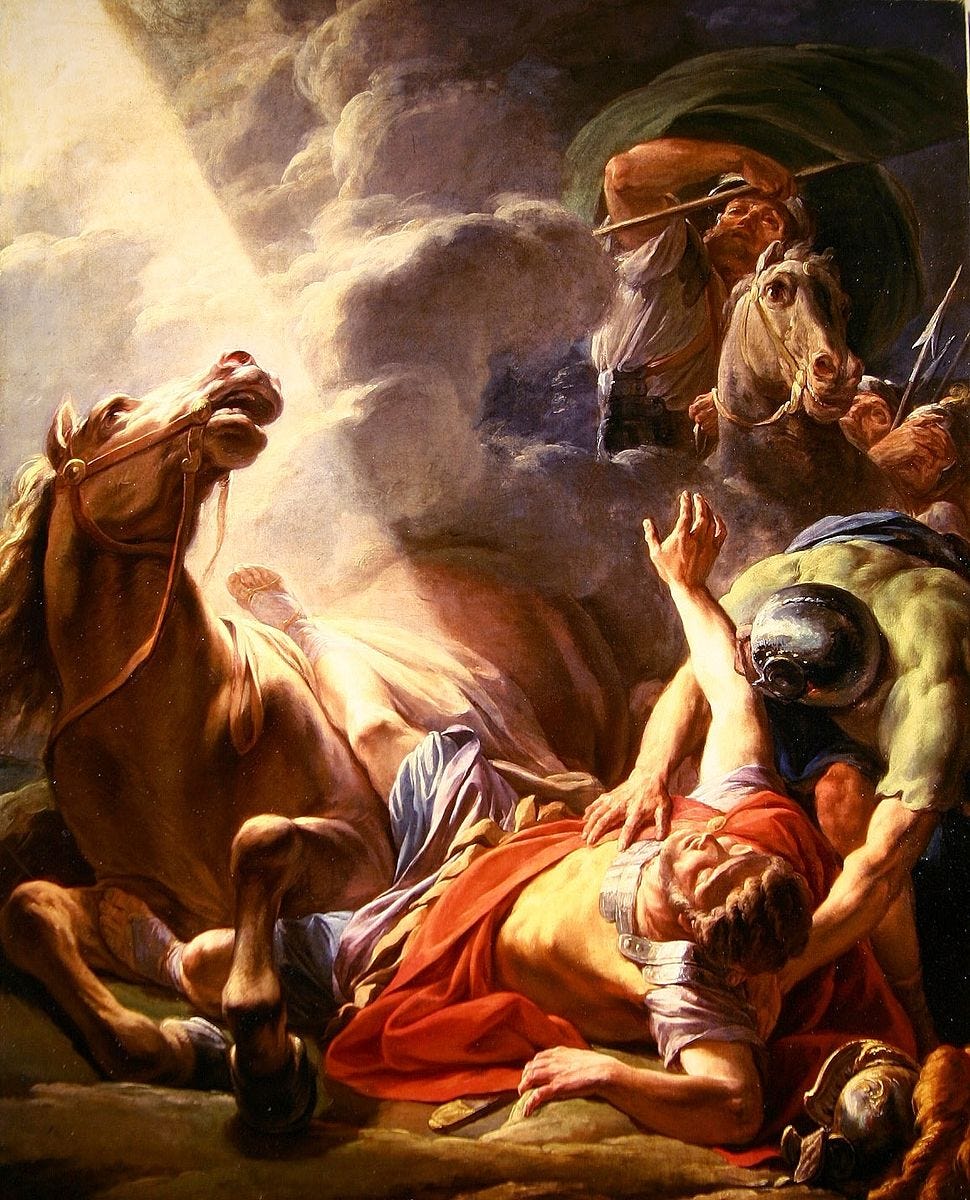
St Paul was transfixed by a vision of something too great for words. Unsurprisingly, his arguments often appear in an illogical order. He wrote as if his soul was at stake because it was.
To understand St Paul’s text, I had to identify what was at stake for him. To find that crux, I read the words aloud repeatedly until the text cohered.
When I could read the text fluently, as if I were the writer or speaker, I grasped that the Biblical characters were interacting with God.
The Bible resonates with the energy of those encounters. In my imagination, I shared those characters’ experiences. I won’t say that God speaks to me in scripture. Instead, I share the experiences of people interacting with God.
Scripture was suddenly compelling. I joined Bible study groups, read the Anglican daily lectionary (the official list of scripture portions assigned for priests’ daily services), and read the writings of saints, seeking again how their words resonated with the encounter with God.
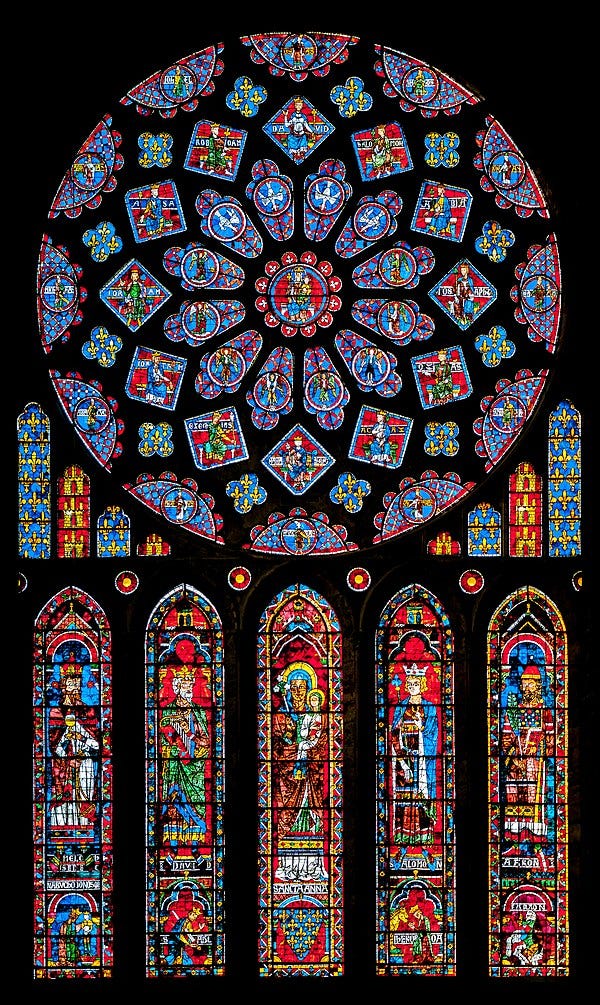
And I started praying. Again, my words were often opaque, even to me. But every so often, something resonated. Perhaps it was God.
Comments
Nothing yet. Say the first thing.
Sign in to join the conversation.