
Among the zillions of wild events now happening in nature, few are as prolific and profound as reproduction.
—Bryan Pfeiffer, from his essay, “The Promise of an Insect Egg”
Summer birding doesn’t suck!
—Nathaniel Bowler, from his essay, “Summer Birding Doesn’t Suck!”
Making Mom Proud (Maybe)
My mother adores House Wrens. For decades she has festooned her yard with nest boxes, always in the hope that each spring breeding pairs of the indefatigable Troglodytes aedon, newly arrived from their wintering grounds, will fill the vacant domiciles, first with nesting materials, then with a clutch of eggs, then with a healthy brood of chicks. More often than not, the strategy works, and the payoff is six months of constant chatter and a yard brimming with boundless wren energy, or wrenergy©, as I suddenly realize it should be called.
With the goal of being just like Mom, and to add some class to the first spring we’d experience in our new Pittsburgh home, I bought a beautiful hand-made, hand-painted birdhouse in April of 2023. Our son Santiago and I found what we thought a choice location for the box—the Japanese maple in the front yard, easily viewed from our bay window but reasonably concealed among branches that were quickly leafing out.
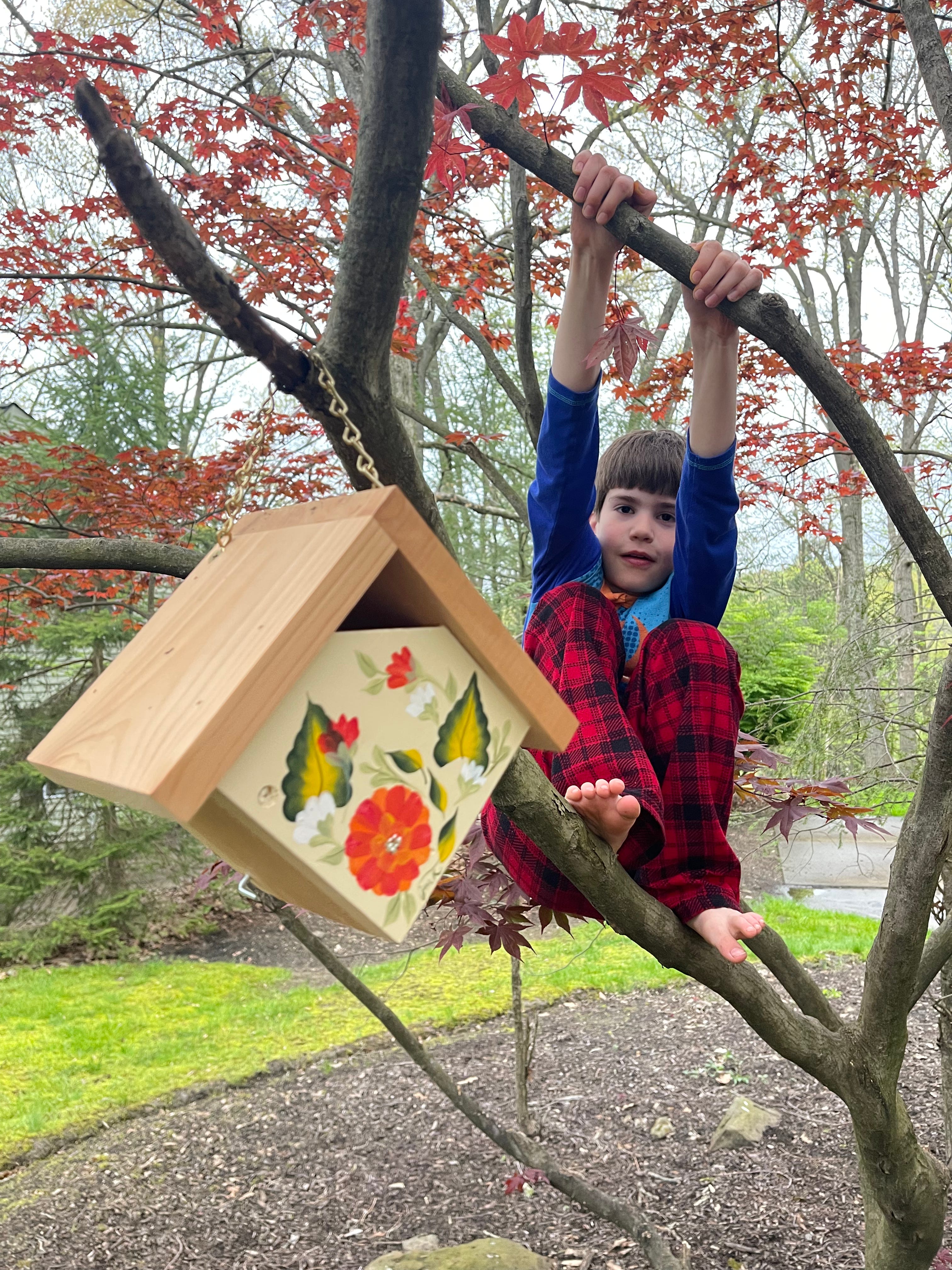
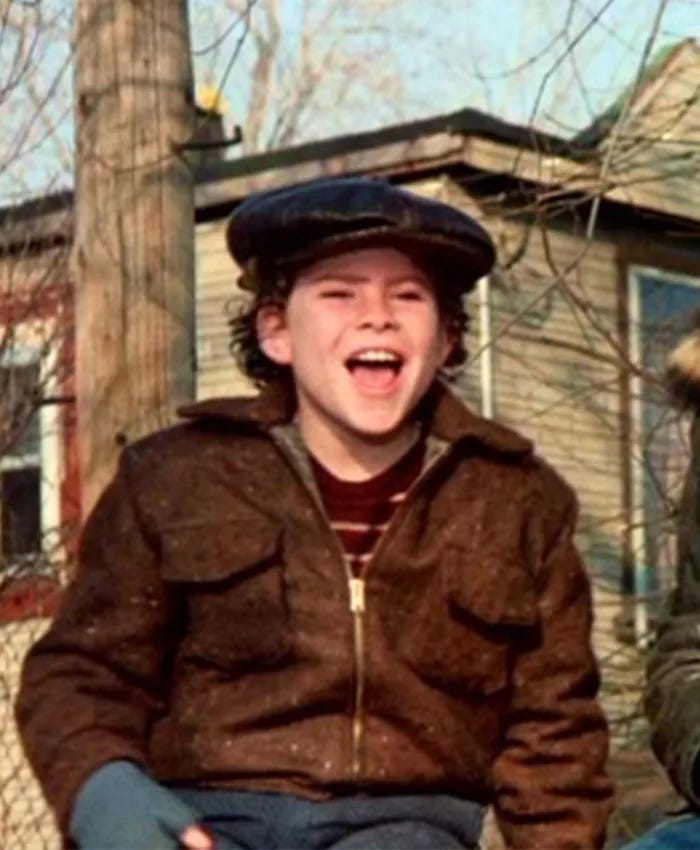
The objective was clear—provide some elegant privacy for a horny pair of House Wrens (yeah, I know they don’t actually do it in the bird house, but it was fun to write) and spend the ensuing months observing a growing wren family. Like my mother, I love the relentless chatter of one our tiniest oversummering songbirds. For me, their loudness, smallness, and perhaps-not-as-tough-as-they-think-they-are-ness liken them to one of the great cinema toadies of all time.
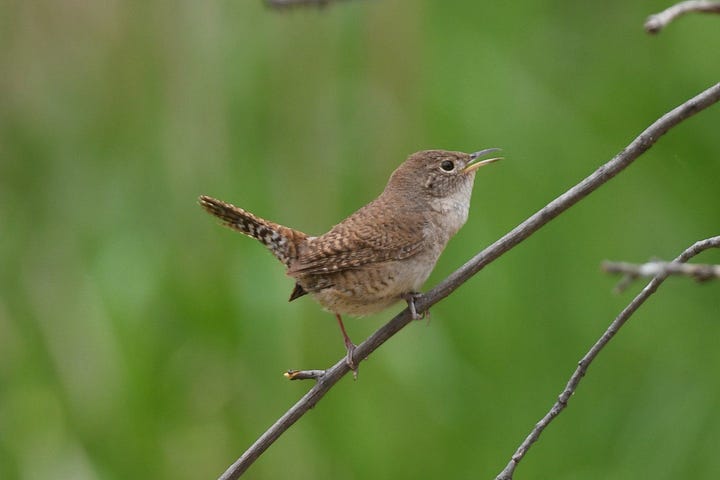
I’ve never been one to deny a bit of instant gratification, so you bet I was tickled when, just a few days later, a single stick could be seen jutting from the cavity. Every morning for the next several days there was more nesting material in the box.
I was excited. So was Santiago. So were the House Wrens, who filled our days with their pleasantly incessant trill.
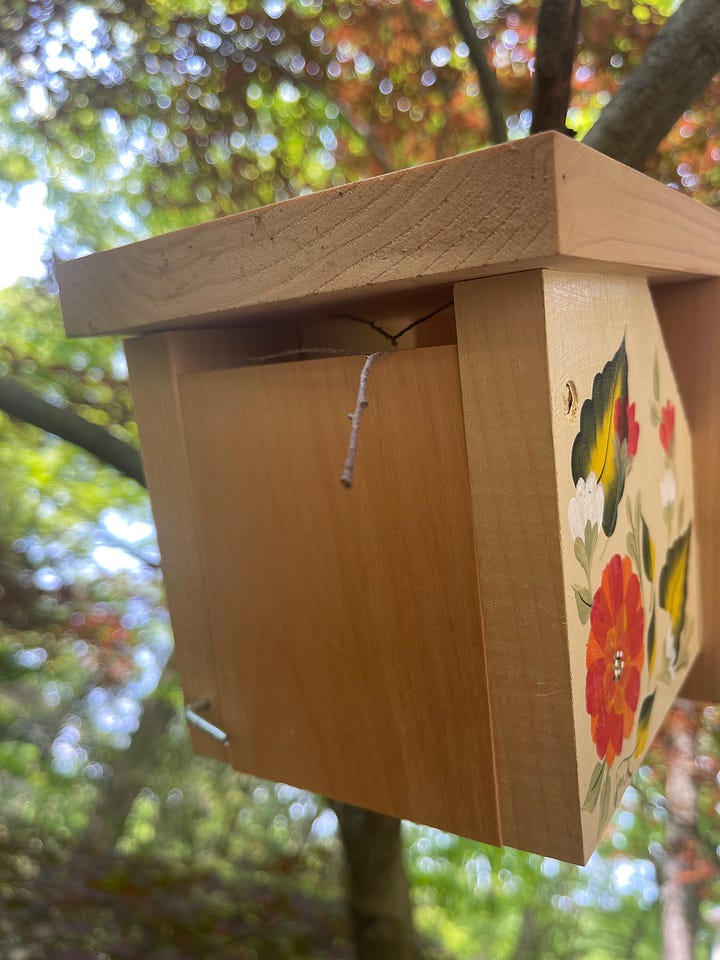
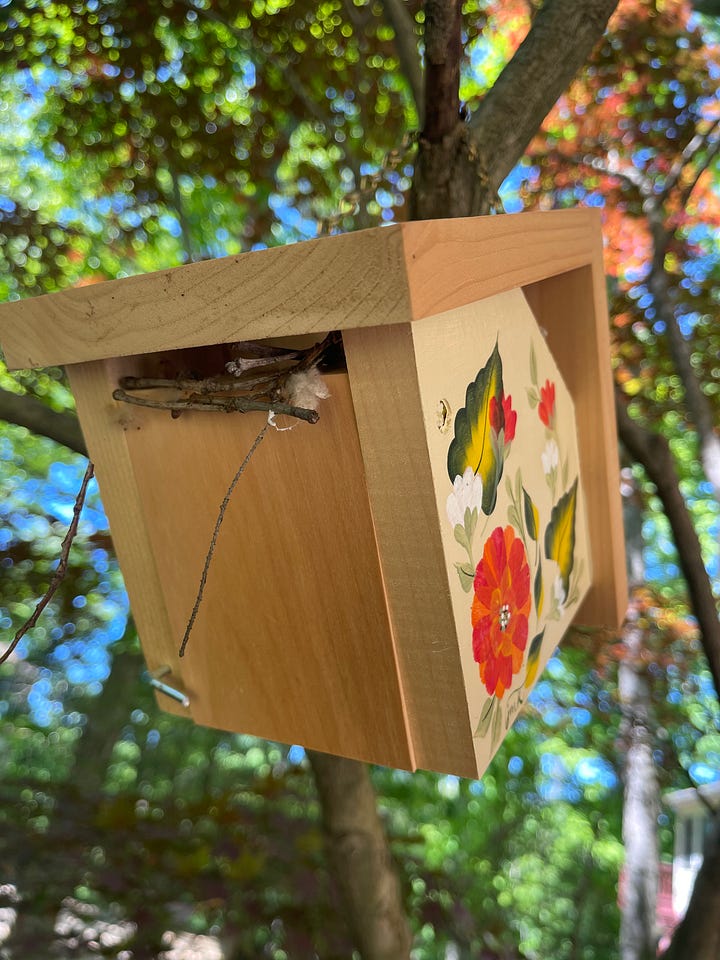
But then one morning the chorus was missing a layer of sound. Same thing the next day, and the next, until finally there was no choice but to accept reality—plans had been abandoned for whichever of the myriad reasons birds ditch a nesting project. Perhaps the House Wrens had been chased off by territorial Carolina Wrens, annual breeders at our home. Perhaps this nest had been serving as a dummy nest, a decoy meant to throw off potential hostiles. Is that a thing? my wife Alex asked while editing this piece. Yes! Some birds do indeed build decoy nests.
Things only got worse from there. For the next two years, nary a twig found its way to the box, even as I moved it around the yard to what I hoped might be more advantageous locations. Why this bird house failed to take I cannot say, especially when House Wrens aren’t known to be particularly fussy when it comes to an abode, and a forgotten shoe might appear as inviting as any masterpiece of woodworking from the local bird store. Was there something about this box in particular? A design flaw? Was the diamond shape somehow inhospitable?
I don’t know. All I know is that this spring I moved the box, still sturdy but by now weather-darkened, into a quieter, more concealed corner of the back yard, just at the edge of the woods. I remained hopeful, but my expectations were subterranean.
But birds have a way of dashing expectations, high and low. This May, I noticed some sustained House Wren activity around the back yard, and once again sticks were protruding from the openings in the box. Would there be an active nest this time? Incubating eggs? A passel of chicks? Would our yard be home to a new generation of House Wrens? To learn whether the House Wrens of 2026 completed what they started and finally got in a family way, you’ll have to read to the bottom of this post (scrolling past the intervening paragraphs is illegal in 49 of 50 states and Guam). Until then, rest assured this year’s backyard bustle had me feeling something like this:

The Owls of Crouse Run 🦉
Twice yearly birders everywhere rightly celebrate the incredible phenomenon that is migration. Understandable. The migration of billions (with a b!) of birds from from wintering to breeding grounds in spring and back again in fall makes for spectacular birding. Crammed in between is a different kind of phenomenon that, although no less spectacular, somehow draws the short end of birder affection. A real middle child, as it were. As a middle child myself, one crammed between two spectacular siblings I’m sure my therapist tires of hearing about, I can relate.
The summer phenomenon I am speaking of is of course avian reproduction.
In the previous two installments of this three-part series, I wrote how one of my main birding patches, Crouse Run, is fascinating for: 1) once being the site of the largest dance hall in the eastern United States, and 2) once being the stomping grounds of possibly the most important conservationist of the 20th century.
Today, the valley stream located in the northern suburbs of Pittsburgh is perhaps best known for… well, judging by the dearth of people hiking the trail on a daily basis, it isn’t particularly well known at all. But it should be known, for its history, for its beauty, and for the reproductive bonanza that takes place there every year. I first got a load of procreation Crouse Run-style in the spring of 2024, when a foraging pair of Louisiana Waterthrushes led me to a nest full of ravenous thrushlings.
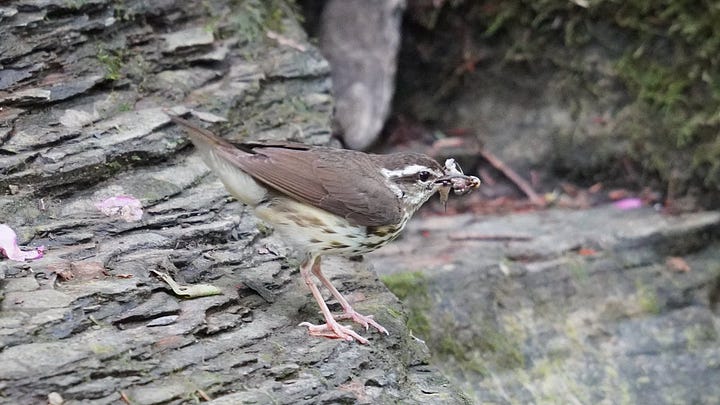
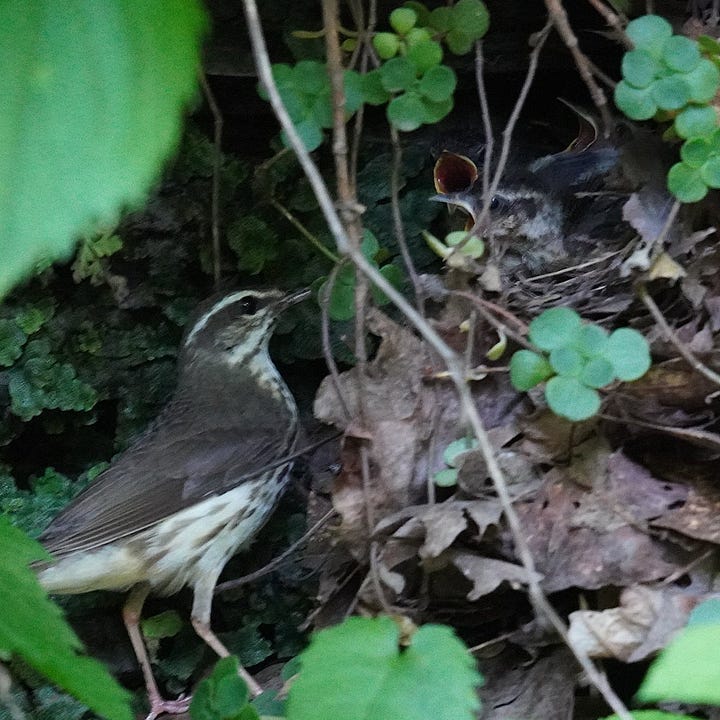
Locating and observing that nest immediately vaulted the Louisiana Waterthrush to the top of my favorite warbler list, and it remains the crowning find of my birding life. So moved was I that I vowed to make finding a Waterthrush nest at Crouse Run an annual endeavor.
In the intervening years, I’ve been fortunate to find numerous breeding birds at Crouse Run. Or at least evidence of breeding birds. Birds like American Robins.
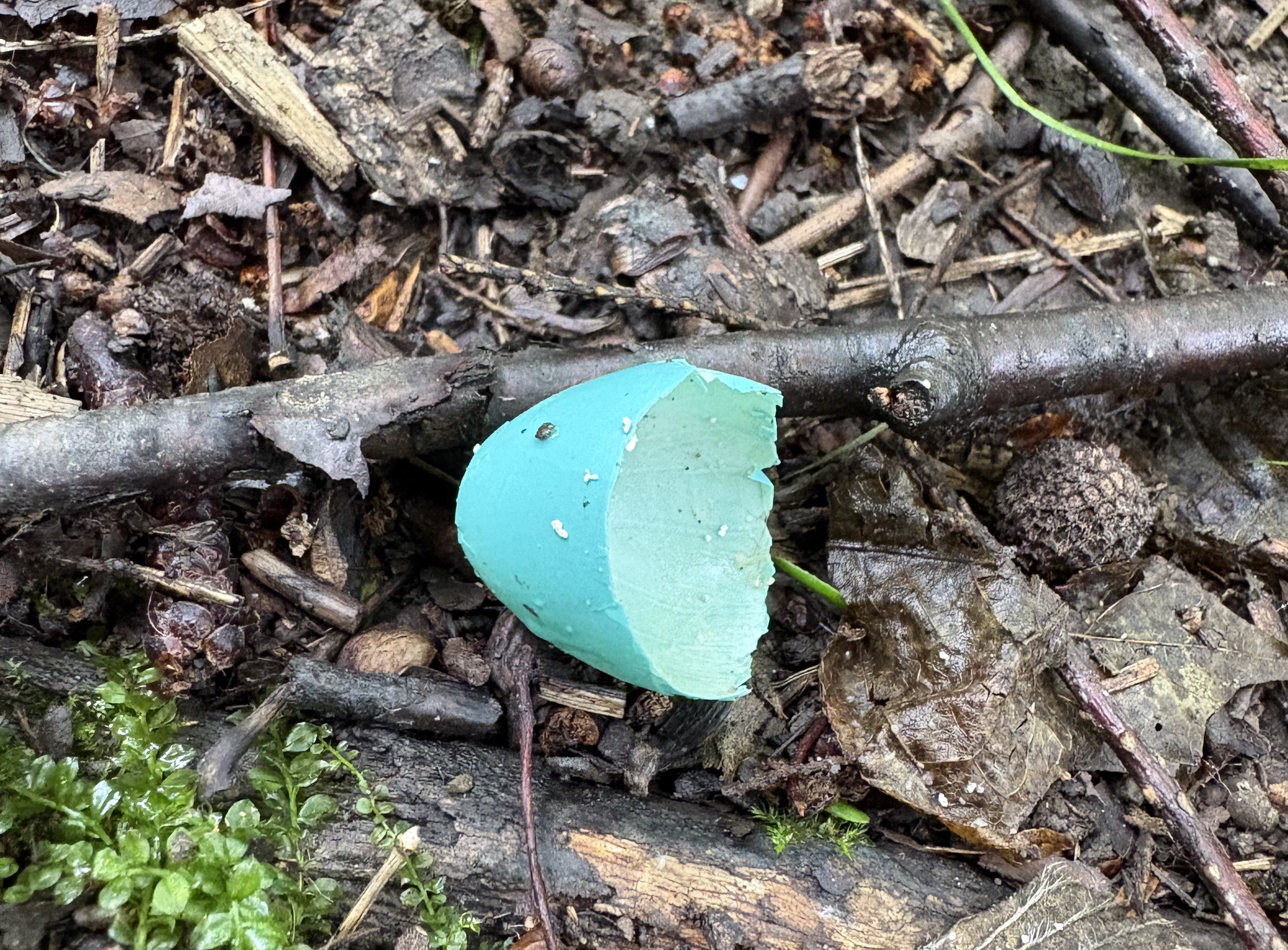
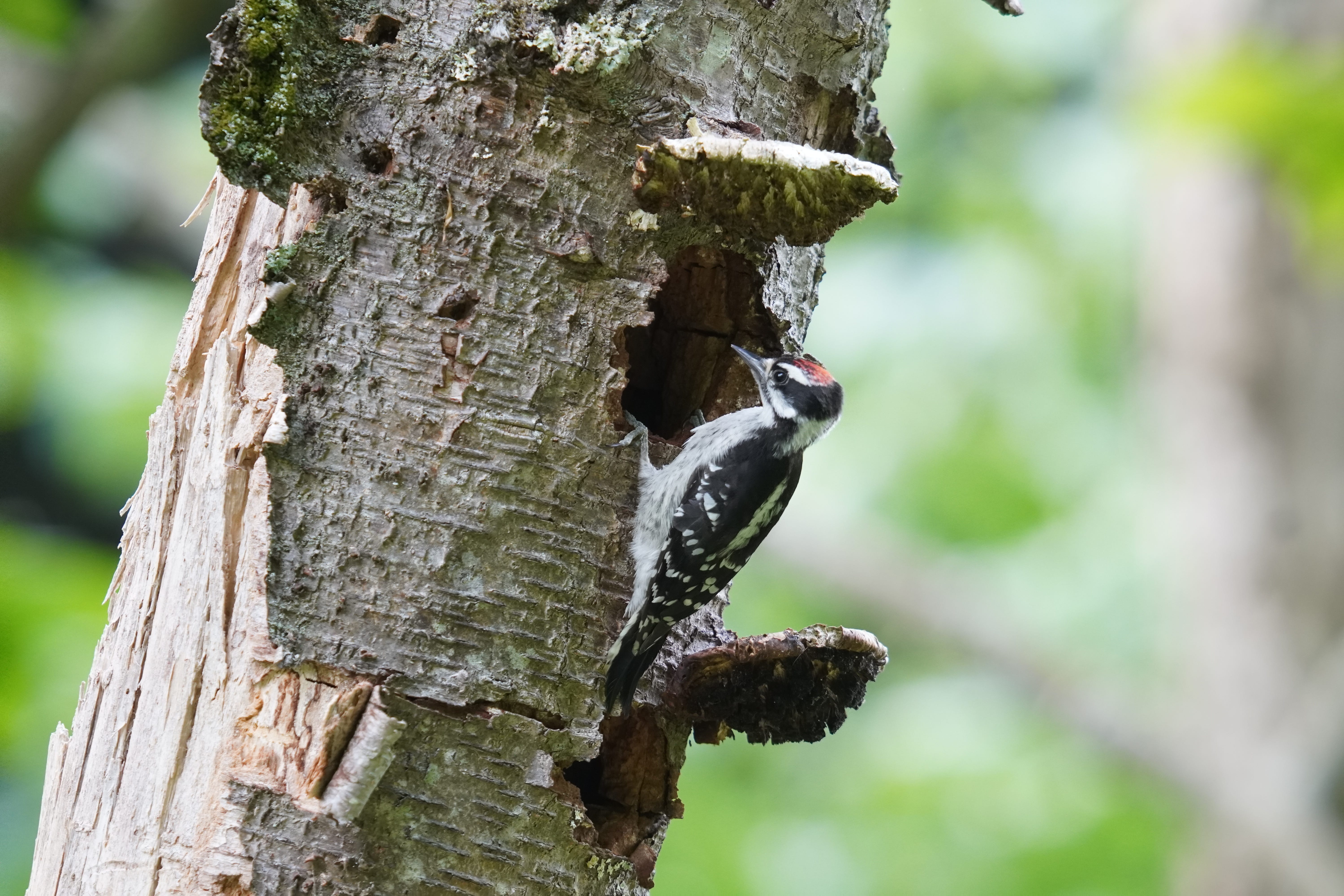
Aside from Robins, I’ve never found a thrush nest at Crouse Run, but I’ve seen plenty of fledgling Veerys and Wood Thrushes. Red-bellied and Downy Woodpeckers are reliably fruitful there too. So are the Hairy variety of woodpecker, like this foraging fledgling.
Three flycatcher species commonly breed at Crouse Run, including Eastern Phoebes and Eastern Wood-Pewees, though I’ve only ever found the nest of the former. Last year I sniffed out two Acadian Flycatcher nests, one of which I lost track of due to summer travels. The other? That one had the misfortune of being targeted and parasitized by Brown-headed Cowbirds.
There have been some non-avian youngsters in the mix as well, like this White-tailed Deer that wildlife rehabber and former podcast guest Jess Andersen assured me looked healthy, was likely only calling for its mother, and was better off for me having ignored my human impulse to meddle.
Then there are the owls.
Breeding season started off hot at Crouse Run this year, and early. On April 11th, I received the following text from Elizabeth Pagel-Hogan. I replied with the exact amount of enthusiasm warranted by an owl-related text:
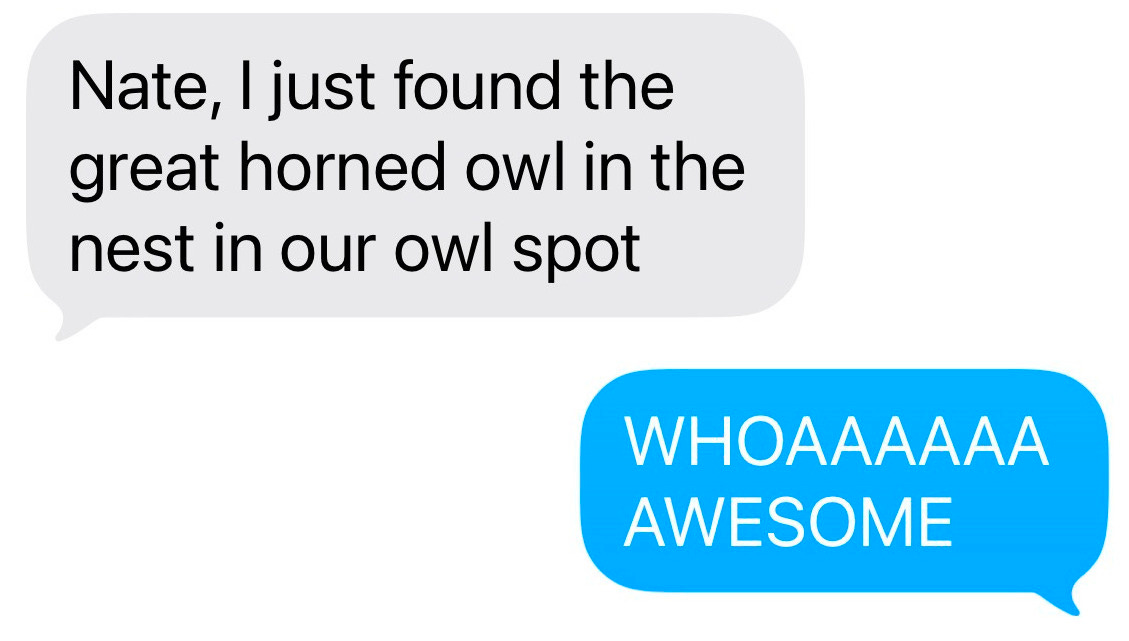
Elizabeth and I had heard a Great Horned Owl vocalizing during a Crouse Run weeks earlier. We knew roughly where they were, but finding the nest was an impressive feat, more so given its location.
The following morning I was up early and on the trail. Per her instructions, I was able to locate the nest too, situated midway up an eastern hemlock wayyy high up in a hilltop hemlock stand. Aside from the nest, I was encouraged by the solid, moving mass I was able to see though my binoculars. It’s always good to practice proper owl etiquette (and proper birding etiquette in general), but there were no worries about disturbing this remote nesting site. A more legitimate worry was getting any kind of usable media from such a distance. An overcast sky wasn’t helping, but I took a few photos and was happy to discover the mass had wings, though even a maxed out zoom on my Sigma 150-600 lens failed to capture anything identifiable.
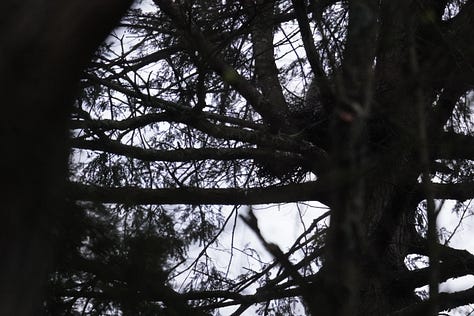
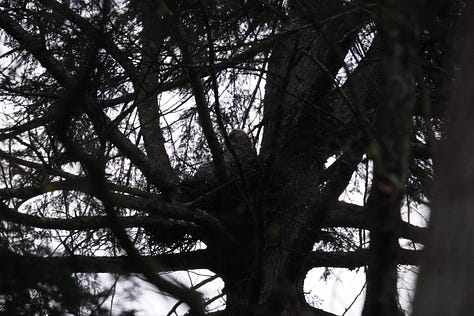
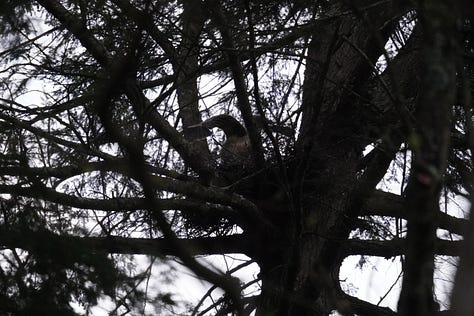
Luckily, I had a hack, and I came back the next day with a tripod. I fixed my lens on the nest and turned the focus wheel, which gave me the close-up I needed.
A brief aside: Perhaps one of my brilliant readers can explain why the act of focusing my Sony a6400 provides a wonderfully zoomed-in image until the exact moment the shutter button is pressed.
What I saw had me second guessing whether or not I was causing a disturbance, because this Great Horned Owlet was staring me deadass in the eye with a look to curdle the very blood.
The spasm of terror didn’t last, and now I wanted to get my own progeny involved. Remember a post from earlier this year when, after an unsuccessful American Woodcock excursion, Alex vowed she’d never go birding again? When I announced to our boys just one week later that I was going to take them to see the owl nestling, she lifted her birding embargo in record time. After dinner, our quartet made its way to the site and set up our makeshift observatory.
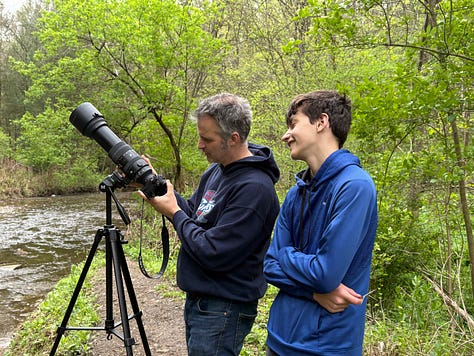
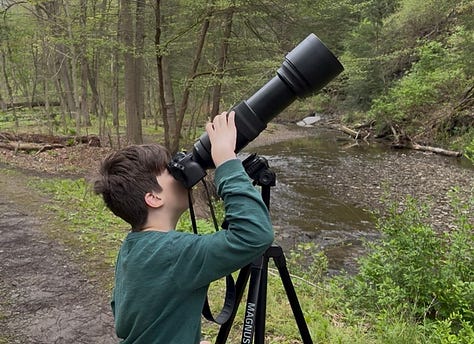
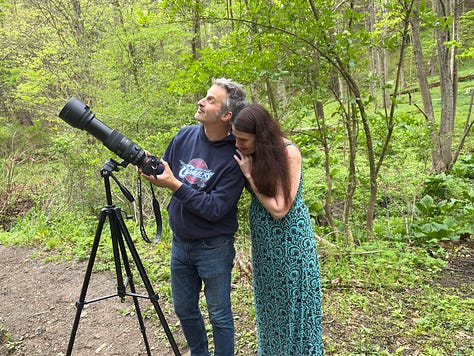
And lo!, a pair of young humans (and a pair of middle-aged ones) beheld a pair of young owls!
You know what’s incredible? How fast the reproductive cycle is for birds. No nine months incubating. No 18 years (or more!) in the nest, eating everything in sight, leaving empty wrappers and cans on the floor and sticky evidence of a peeled orange or a bag of stale, half-eaten popcorn or whatever snack that wasn’t properly sealed as I’ve instructed fifty goddam times...
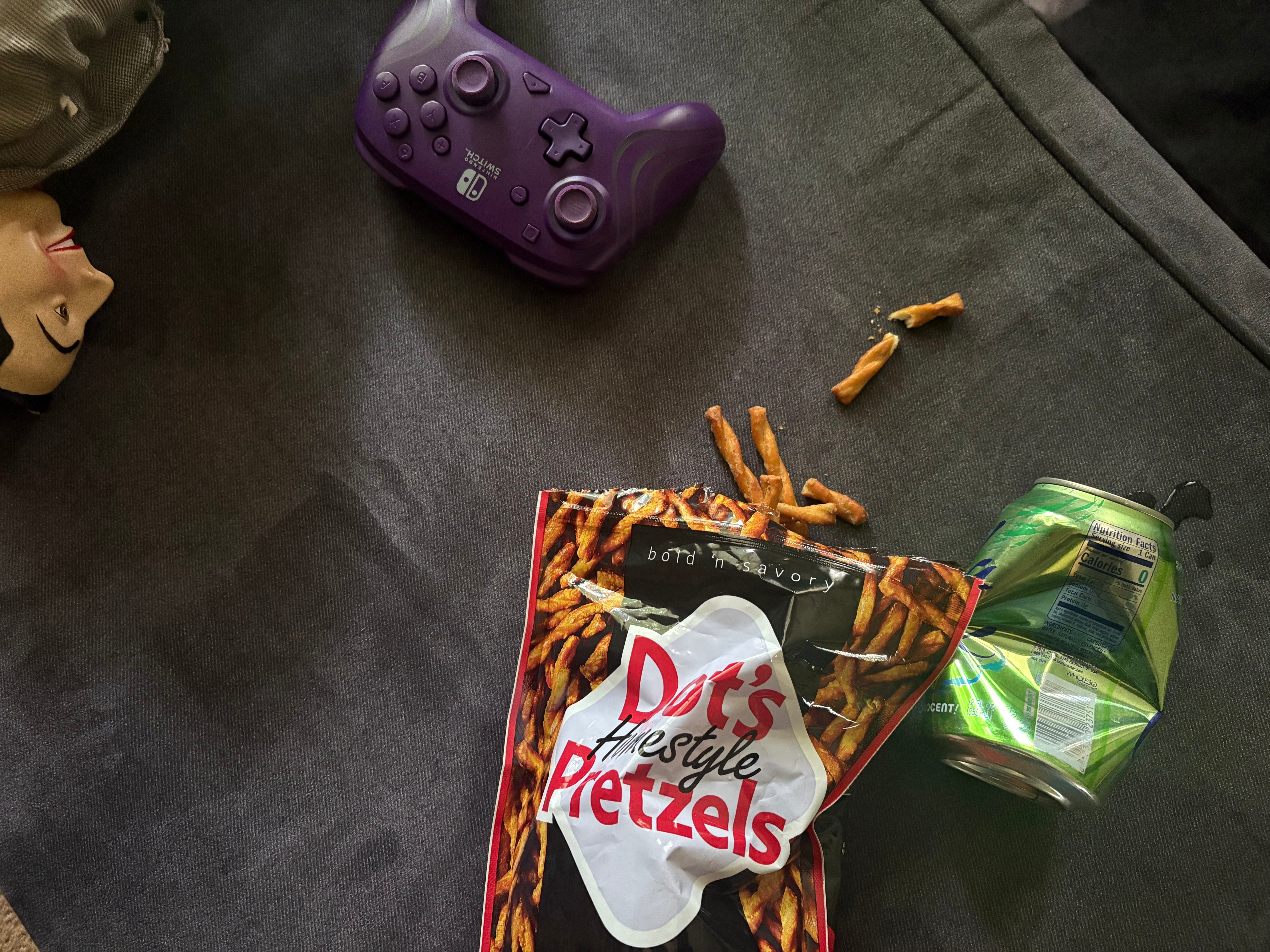
No, a Great Horned Owl egg, once laid, will sit in the nest for an incubation period of four to five weeks. The hatched owlet will remain there for another six weeks or so before being ready to venture out onto the surrounding branches, as I found them. At seven weeks they may begin testing their wings with short flights. At eight weeks, the birds may be ready to fledge.
This pair must have been right at that stage because, a mere two days after taking my family to visit their family, the gang had dispersed, and I have not observed them by eye or ear ever since, though the consistent presence of marauding crows tells me some of the owls at least remain at large.
The Turkeys of Crouse Run 🦃
Wild Turkeys are easily one of my ten favorite birds, but I’m more likely to encounter them in our yard than at Crouse Run, where I’ve documented only a handful of sightings, usually a lone hen that quickly vanishes into the brush. What follows is a magnificent exception—Wild Turkeys attempting to cross the run. Warning—you are about to melt into a sentimental puddle and are advised to protect your electronic device from an impending cascade of tears.
Afraid my presence was stressing the chicks out and interfering with their ability to climb the bank of the stream, I moved on. By the time I doubled back a half hour later, there was no trace of the family. May their mother keep her brood safe from foxes, coyotes, crows—all the perils that await them in the wild. (I know predators need to eat, but how can I not root for these Turkeys!)
The Flycatchers of Crouse Run (there is no flycatcher emoji 😢)
My luck in finding Louisiana Waterthrush nests the previous two years did not continue in 2026, and though my favorite warbler abounded at Crouse Run as per usual, their nests remained successfully concealed from my prying eyes. Well done!
Acadian Flycatchers also showed up in force this spring and were perhaps even more abundant than last year. One pair was good enough to begin constructing its nest at the point where the Rachel Carson Trail diverges from Crouse Run and turns east. That made for easy observation right from the comfort of the path.
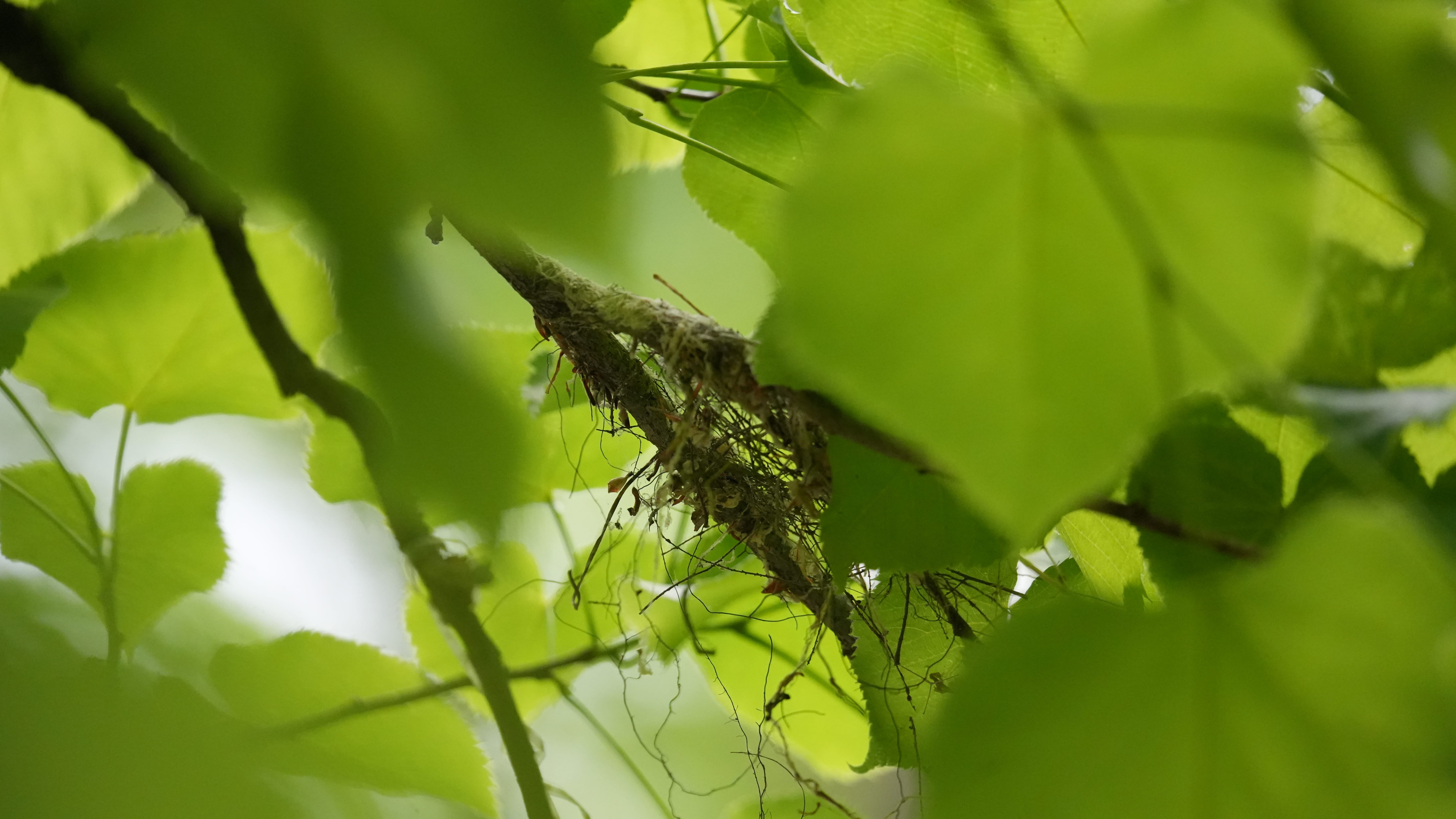
That’s where I set up shop for the next several days as the Acadians added twigs and rootlets and spider webs to their porous construction, until at last they had something resembling a livable abode.
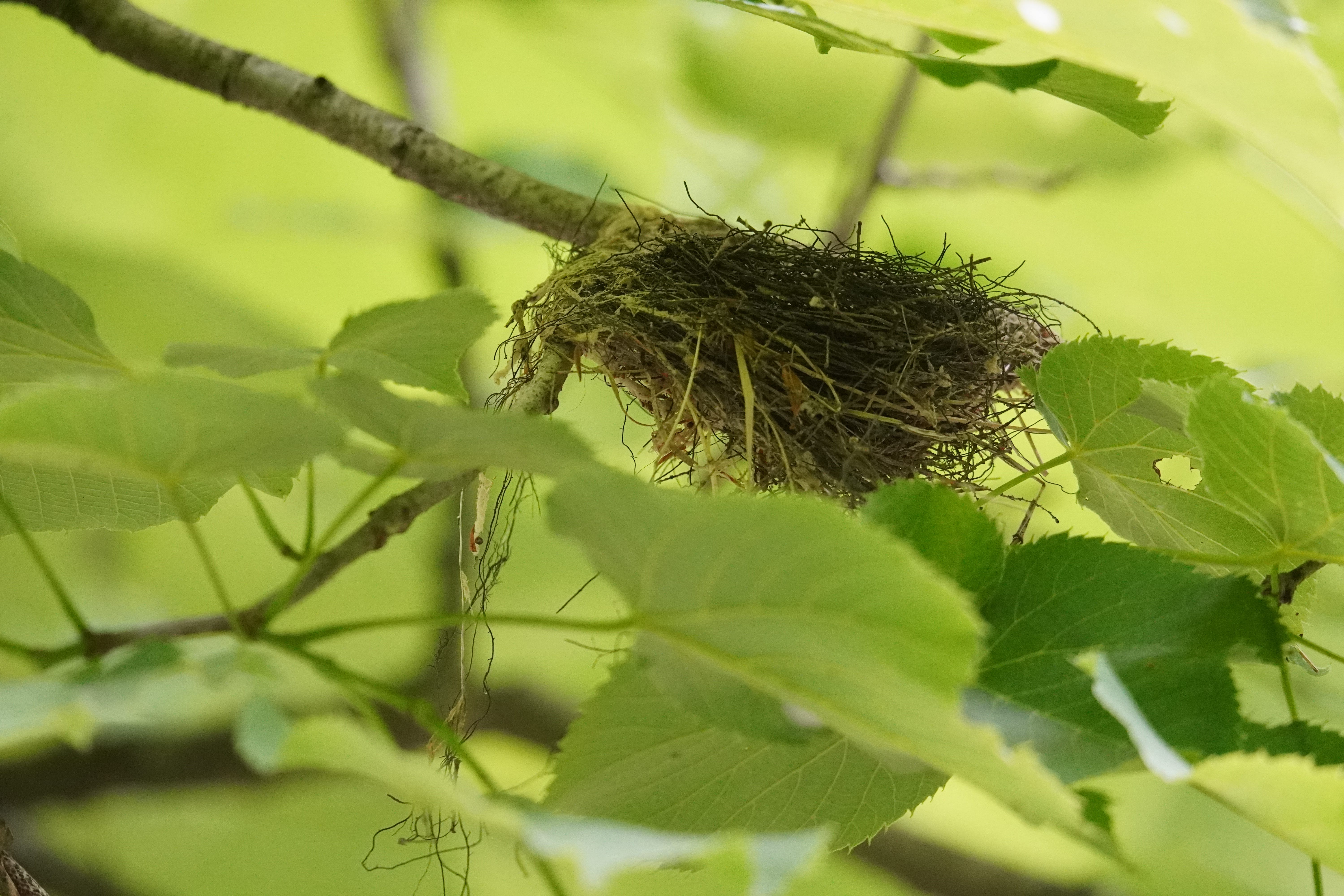
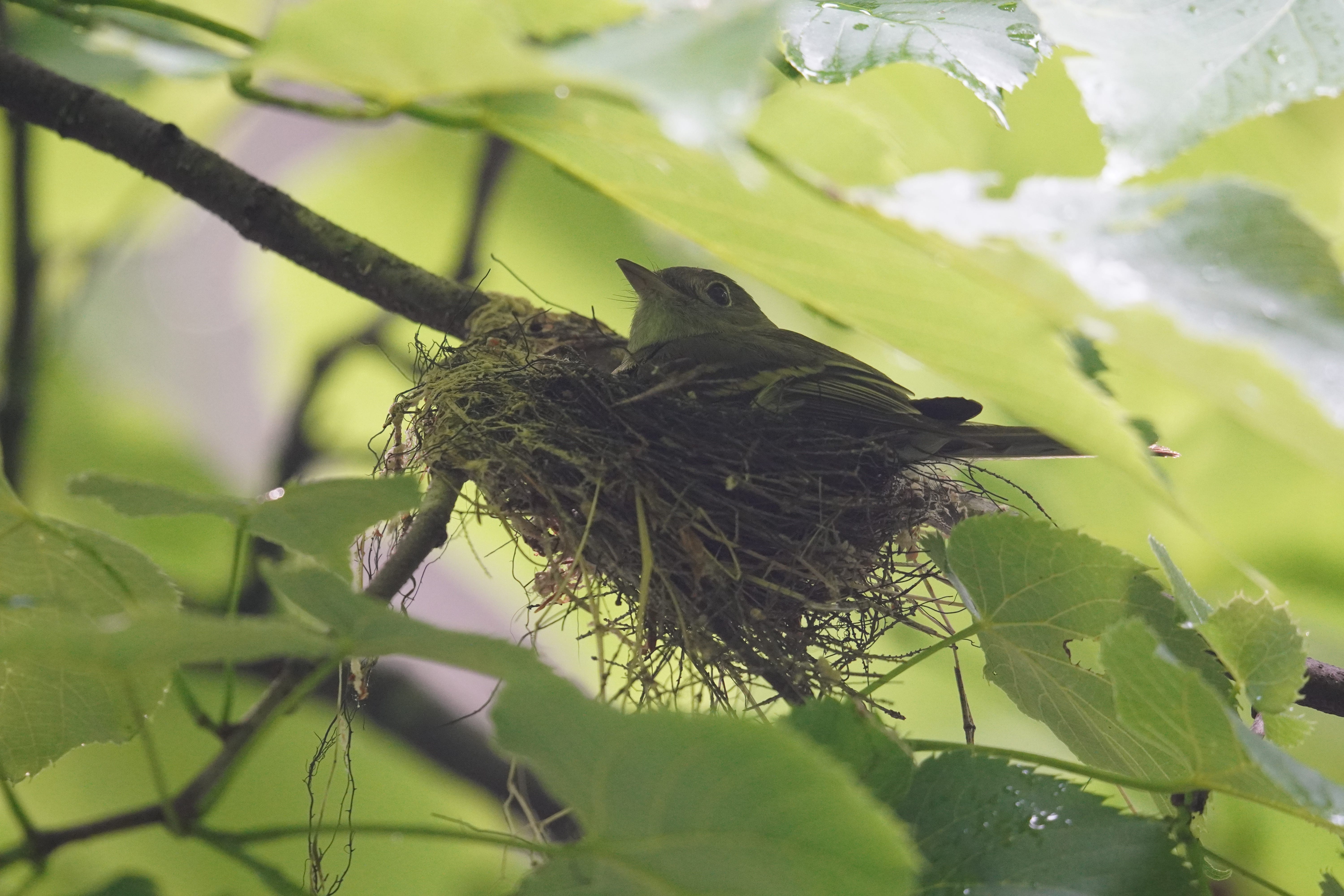
At the expense of some of my other favorite birding spots, I visited this nest site at Crouse Run daily, ever hopeful I’d witness Acadian Flycatcher adults feeding Acadian Flycatcher babies. After two alarming days of finding no Acadians at the site and fearing for the worst (namely: Blue Jays ate the eggs), my luck changed on June 29, much to the delight of myself and a curious passer-by.
Parents took turns gleaning insects and spiders from the surrounds and delivering them to their two hungry offspring. No Brown-headed Cowbirds had invaded this nest, and I was able to observe this feeding activity over the next several days.
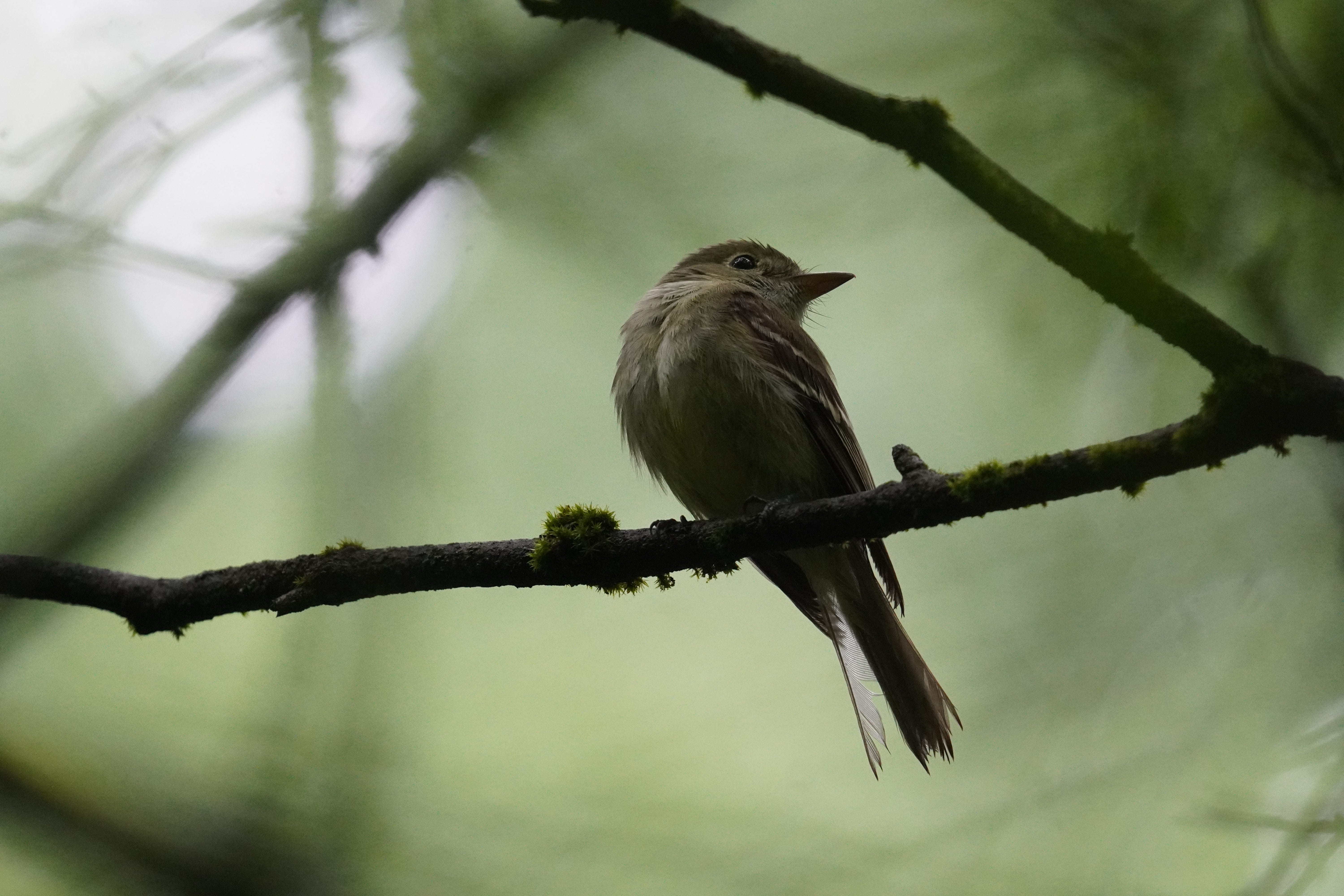
Other birding business lured me away from Crouse Run after capturing this footage, including a miserable failure of a lifer quest. When I returned, the nest was empty. Acadian activity could still be heard in the vicinity though, and I can only hope these first-year birds were able to fledge and are now busily fattening up for their impending journey south. It’s a punishing world out there for birds, and the youngest ones are especially vulnerable. Still, I have a good feeling about my newly minted Acadians, and I believe I was able to photograph one of them alive and well and looking scruffy above the banks of Crouse Run.
Back to Mom
What a summer it was at Crouse Run. Things were quiet during our walk there yesterday, though the occasional piercing chirp of an Acadian Flycatcher could still be heard. As for our yard wrens? On June 19, as I was dumping some table scraps on the compost heap, I heard a telltale ruckus that compelled me to start recording.
Babies! They hatched! Later they fledged! They brought all the wrenergy a yard could handle. For one year at least, I was just like Mom.
I’ve spent a good deal of time talking about my dad and my paternal grandparents since launching this newsletter. No mystery there—all three were avid birders who took me on my earliest birding adventures. But when I think about the chatty little bastards who finally deigned to nest at our house, I can’t help think of Mom and the peaceful way she has observed House Wrens from her kitchen window over the years, and the joy she gets as their song serenades her hours in the garden. Thanks for passing that adoration on to me, Mom. Whenever I think of House Wrens, I think of you, and in your honor I vow to add more nest boxes to the yard in the future. And who knows? Maybe those tiny brown birds will catch on around here. Capture some younger imaginations. Maybe one day when your grandsons see a House Wren, they’ll think of you, the GOAT, too.
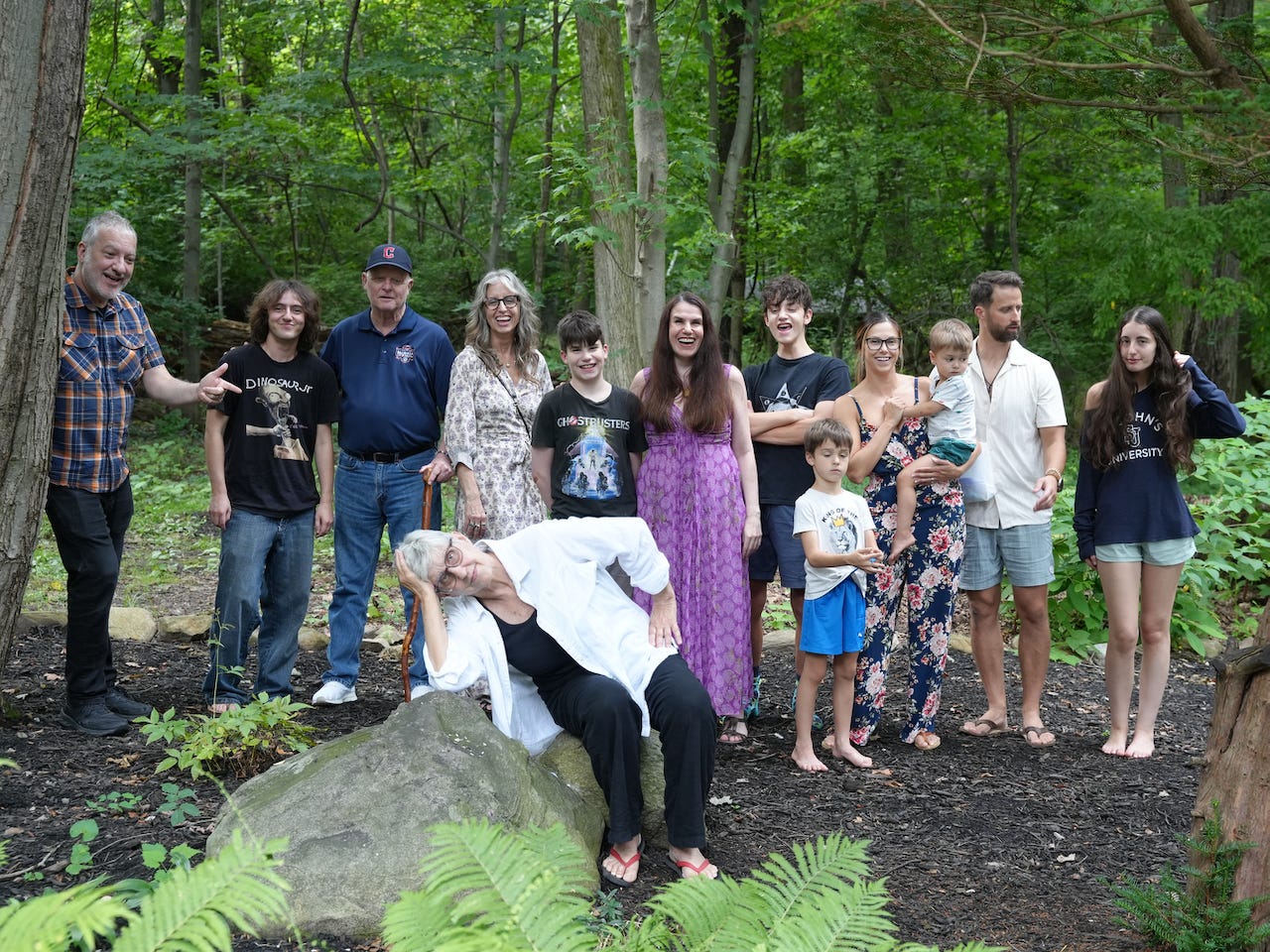
Now, as I sit typing this on the back deck a month and a half after seeing those feeding wrens, I’m aware that not a single one can be heard. That layer of sound is absent once more. Breeding season is winding down, and fall migration is warming up. Soon House Wrens, Acadian Flycatchers, Eastern Phoebes, Veerys, and many of our other nesting birds will be gone.
So too will our children, for at least part of the day, when they migrate daily to school—our youngest, Santiago, to seventh grade, and his brother William to ninth. That’s right, high school. He’ll be fifteen this fall, old enough to get a learner’s permit in Pennsylvania, and he’s keen to drive. The boy wants to make like an owl. Branch out, so to speak. Spread his wings. Take some test flights.

What do birds think and feel when their offspring leave the nest? We can’t possibly know (although I’m sure scientists are working on that, come to think of it). Does fledging come with any of the joy and pain and pride and fear that I’m anticipating feeling when the time comes for our boys to take off? No idea, but I always think bird emotions are much bigger and more complex than we give them credit for, and I’ll be contemplating that as so many billions of baby birds make their first journey south.
Happily, this kid and his brother won’t fledge for many more years. In the meantime, they can clean up their f*#%ing mess.
Speaking of gifting things from generation to generation—as parents, Alex and I gently nudge our kids in certain directions when it comes to sharing the things we love and grew up on, while also giving them plenty of room to find interests of their own. I haven’t had much luck passing a passion for birding on to my family, nevermind an adoration of House Wrens. Much more contagious has been my lifelong Pee-wee Herman fandom. Please enjoy our contemplation of Pee-wee’s enduring magical universe.
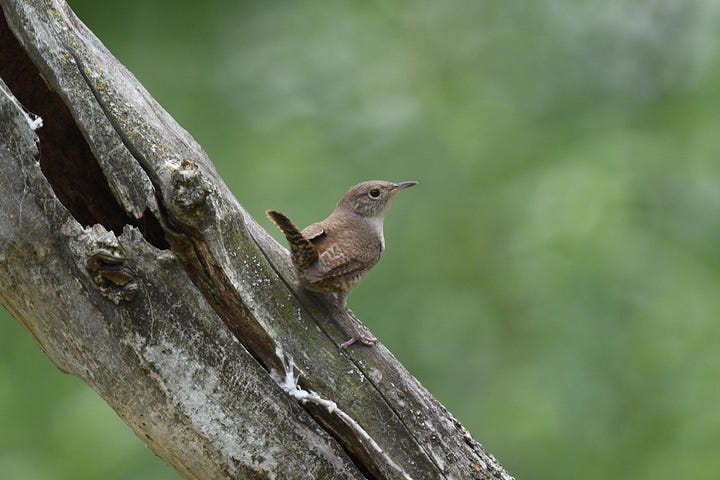
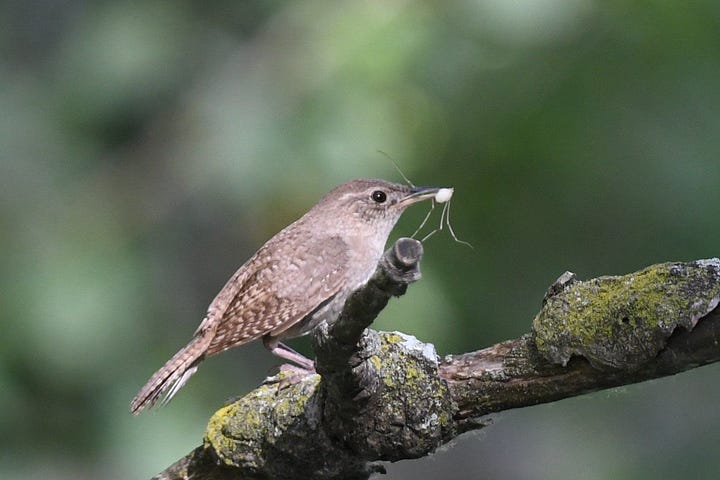
I’ve featured my friend Chris here before, and I’m featuring him again with no apologies. When a search of my files for a House Wren photograph incredibly turned up nothing, I came to Chris with a last-second plea. In what seemed mere nanoseconds later, Chris provided not just the photo above, but these two stunners and a third not included here because Substack can’t handle its dimensions.
Oh to be so talented. Oh to be so organized.
That’s all for this week. Have you observed any avian reproduction this breeding season? Have you seen some nesting activity at your home? Any luck with nest boxes? Do you have any human offspring that will be fledging way too soon? Or any that have already fledged? Tell me about the babies in the comments!👇
Until next time, thanks for reading, and don’t forget to breed your ass off (but only if you want kids)!
nwb
Like what you read? Help me write for a living by upgrading to a paid subscription. As always, 5% of earnings donated to the American Birding Association.
Not up for a subscription? Use the tip jar to help me buy a bird house!
This post was human-generated. All media by Nathaniel Bowler, except where noted.
Developmental edits by Alexandra Hidalgo.
No posts
Comments
Nothing yet. Say the first thing.
Sign in to join the conversation.