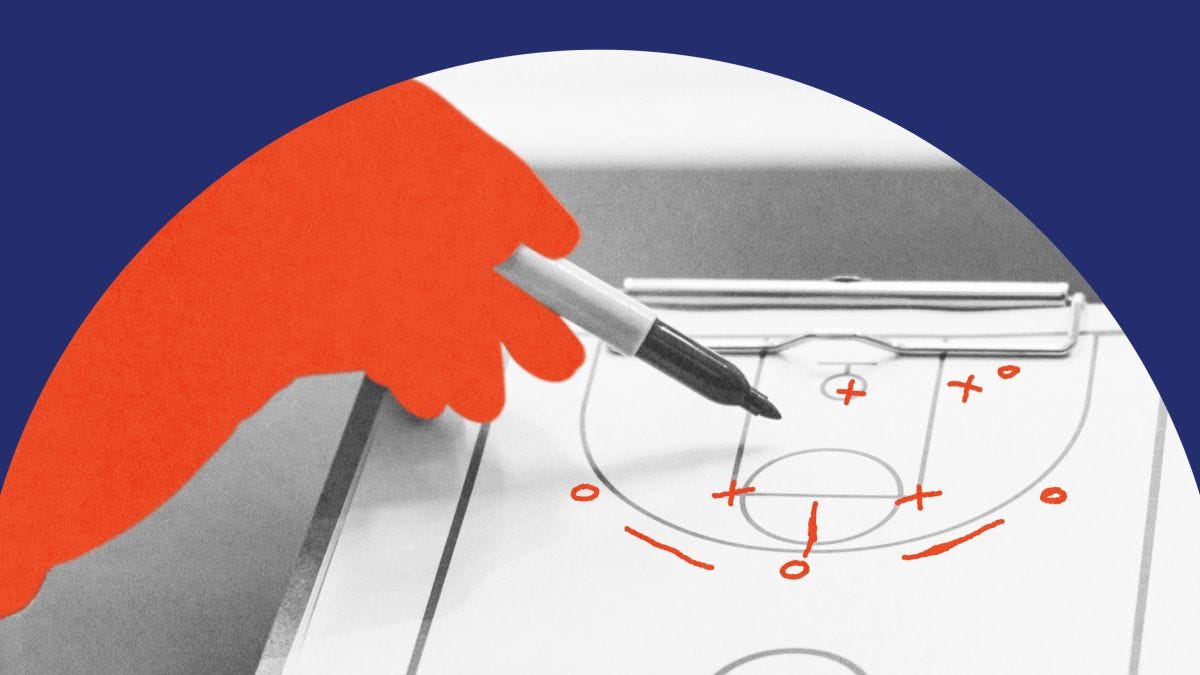
How not to confuse good outcomes for good decision-making
A good decision can blow up, and a terrible one can pay off.

Strategic insights and transformative thinking from visionary leaders.
Live Last read · last published · next check
A good decision can blow up, and a terrible one can pay off.
People whose jobs deal with actual emergencies are trained to slow down first. Here's how to borrow their strategies.
You don't talk yourself out of it. You out-evidence it.
Focusing on the process is essential, but it can also become a subtle way to avoid vulnerability and commitment.
When someone asks you a question they genuinely don’t know the answer to, hold on to them for dear life. Then learn to do it for others around you.
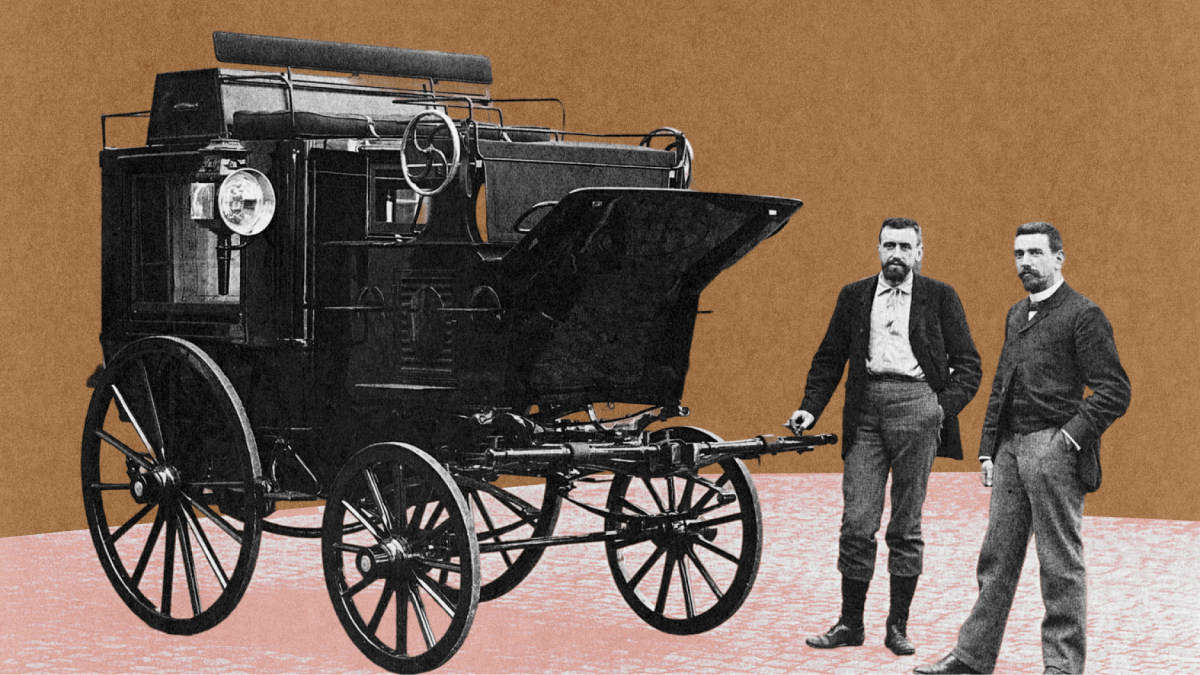
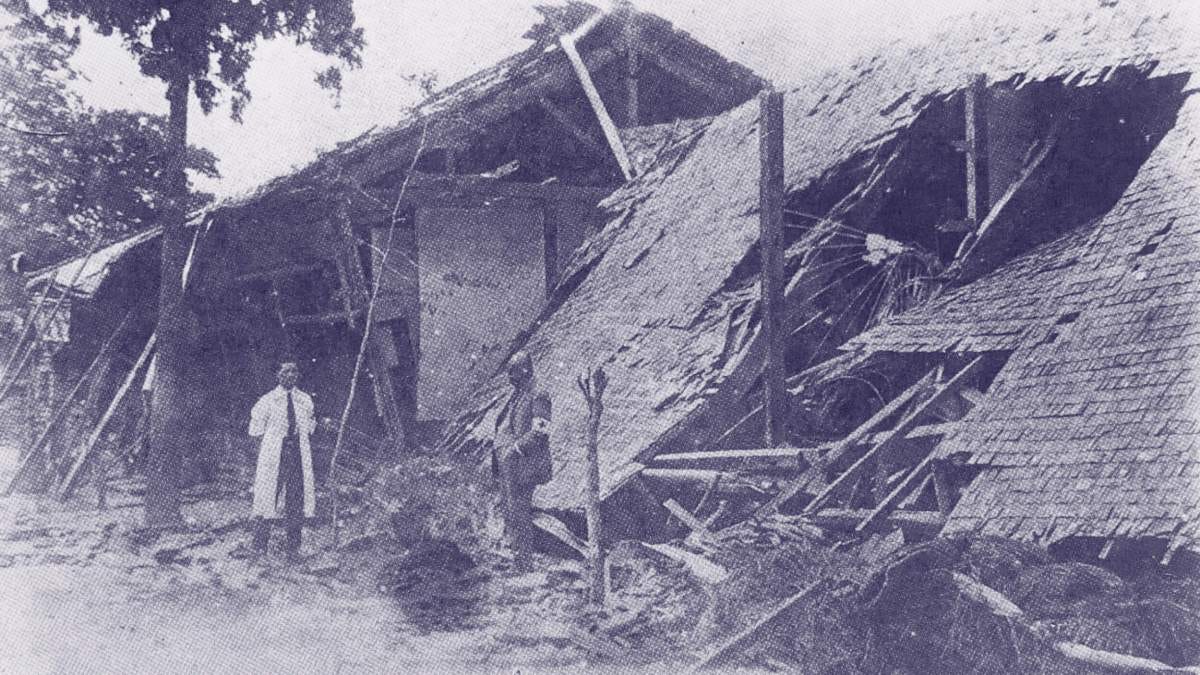
This carriage maker didn’t get wiped out by the automobile. Instead, it became one of the most successful car businesses in European history.
Being always available is costly. Here's how to reclaim your sharpest hours.
Your inner monologue doesn't have to devolve into toxic "chatter."
"Self-distancing" explains why the advice you’d give a friend in five minutes is the advice you can’t give yourself in a month.
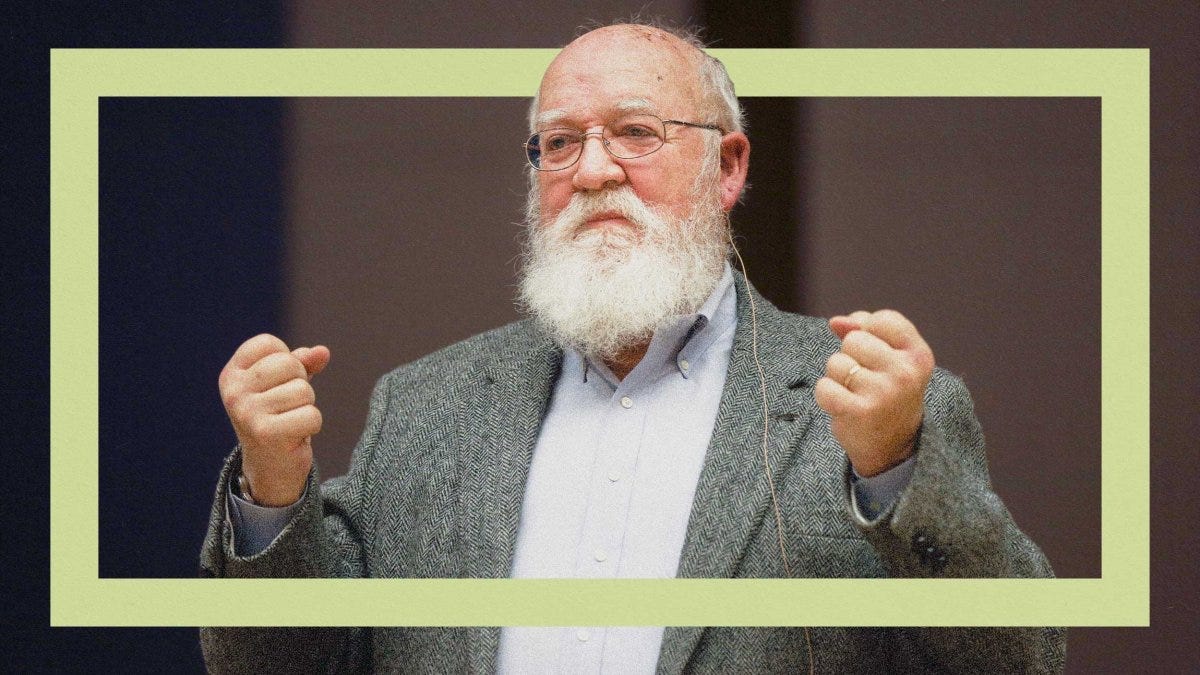
The late philosopher suggested adding a couple of “Occam’s heuristics” to your critical thinking toolbox.
Long before “move fast and break things,” aerospace pioneer Kelly Johnson built the Skunk Works — Lockheed Martin’s R&D arm famous for its problem-solving and revolutionary creations.
Get clear on what you actually have to offer.
A counterpoint to zero-sum thinking from Japan.
Feedback only feels high-stakes when you've been saving it up.
The excavation most career advice skips.
You don't start the day behind, you start at zero. Everything after is a choice.
They just have to get out of the way.
Welcome to Work Wise: A behavioral scientist's weekly playbook for smarter work and life
A practical framework for using AI more effectively.
Leadership isn’t about mastering a fixed set of skills, but creating the meaningful, human-centered experiences that inspire others.