
It was well into the Noon hour and Polk’s men had been at it since early morning. The cool of the morning had given way to oppressive heat. The butternut woolen uniforms of his men damp with sweat and blood.
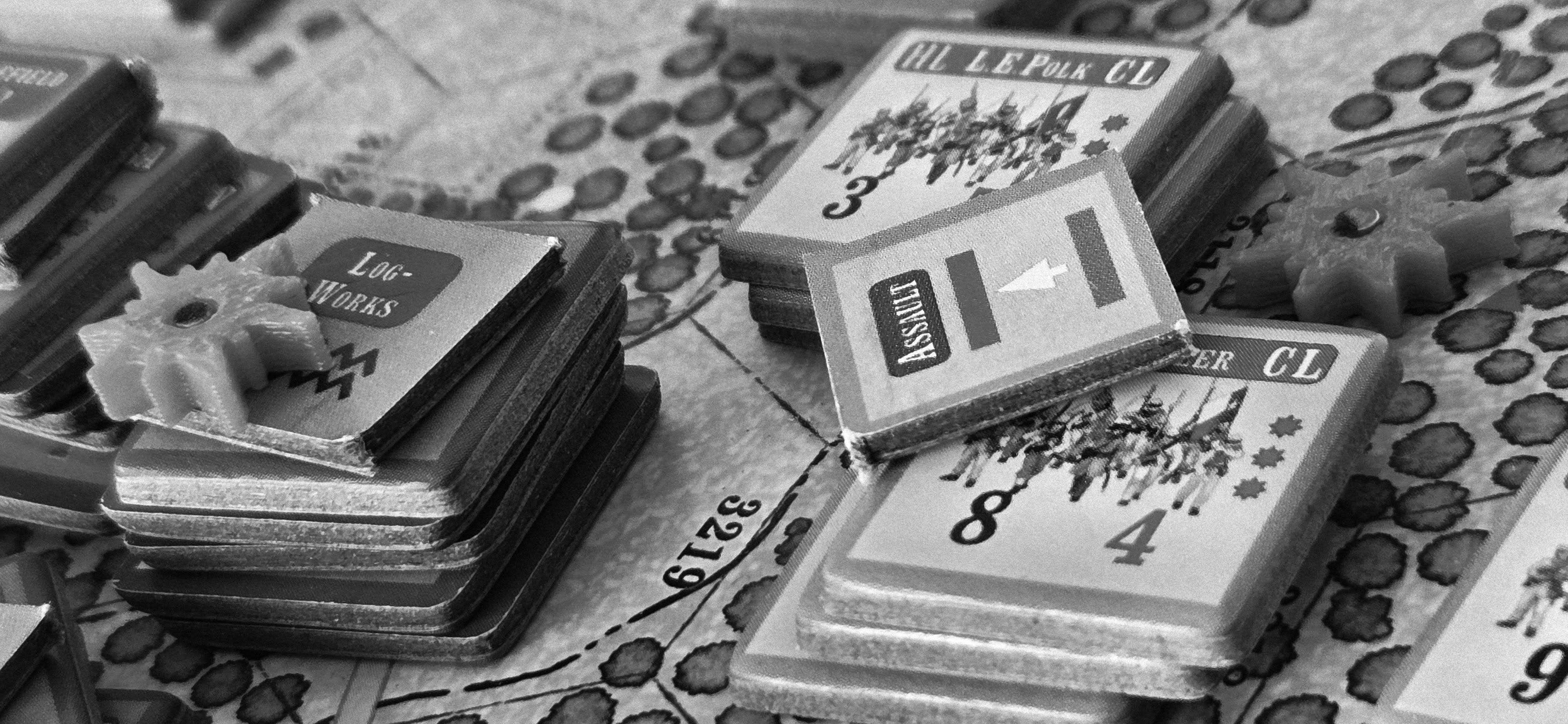
All day they had attempted time and time again to force this ridge. Woods, dense copse trees, thrown together barricades and of course a swarm of resilient Union fighters had thwart the assaults.
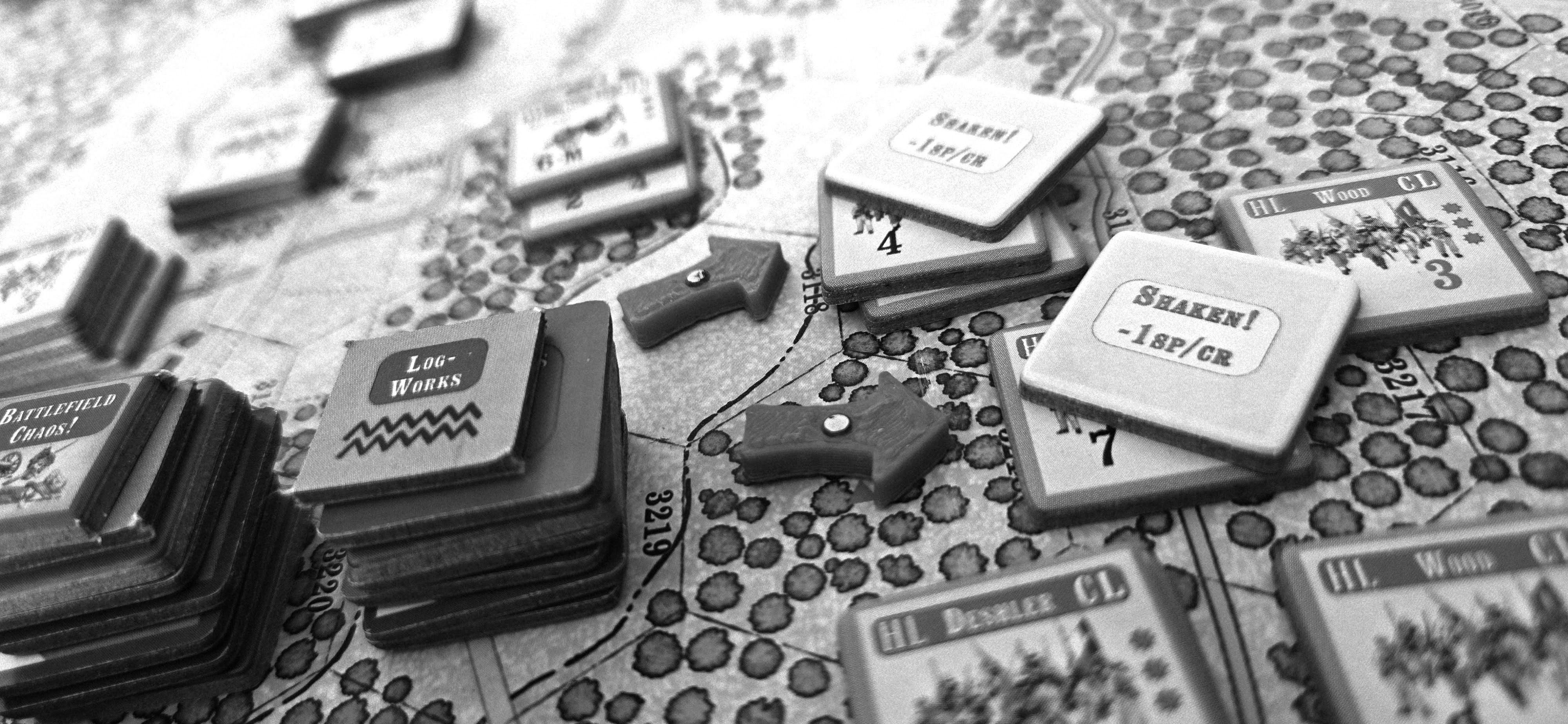
Polk saw Browns men finally crest the ridge as a wave of Union soldiers skedaddled, causing a mild chain reaction to their rear. At roughly the same time Polks own men crested the ridge.
In a surge they raced up the slope, bayonets at the fore, desperation this time is what carried the men. Wether it was the desire not to run up the hill again or sheer anger at being repulsed so many times we shall not know. But up they came, in and through. Cries of success outweigh the cries of fear and pain.
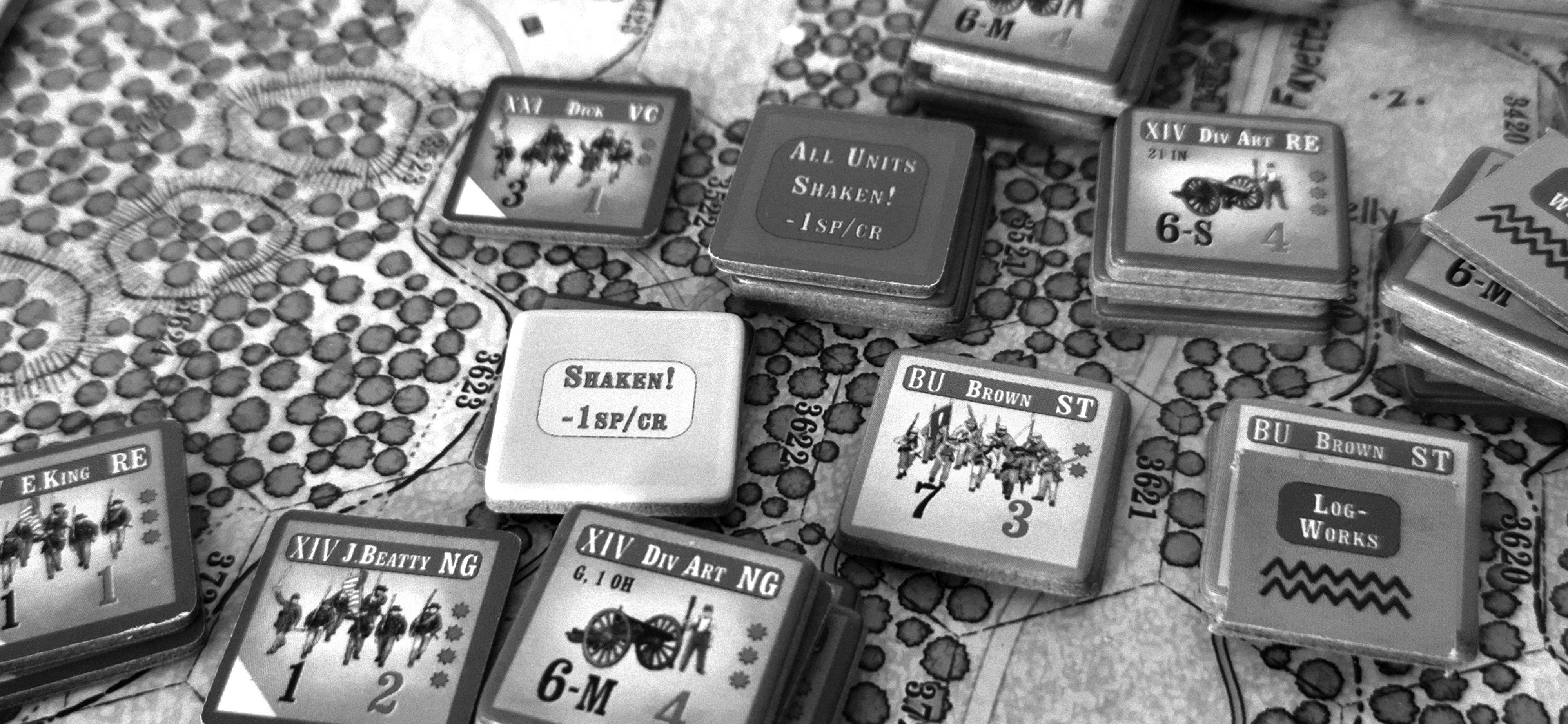
Polk cast about. He needed more men. They had secured a foot hold. Helm had done his job keep the Union lads pinned, now they need to exploit the gap.
There was nothing! Polk sent riders. Three of them, then a fourth. The woods swallowed them like a pond swallows a stone — not even a ripple back. He had a hole punched clean through the Union line and nothing to pour into it but his own spent men, leaning on their muskets, sucking wind. Somewhere behind him was what he needed. It might as well have been in Virginia.
The Union situation at the Noon hour had forces racing along the ridge top roads to reinforce and stem the tide.
Polk had his men and others beging to dig in. No rest for the wicked and weary. He suspected a counter attack at any moment. Dust rising off the ridge roads north and south, Union columns coming at the double, officers whipping them along. He could count the minutes he had left the way a man counts thunder after lightning. Buford’s gunners were still man-hauling pieces up the narrow trails, cursing, shoulders to the wheels — good men doing an hour’s work in a fight that would be decided in twenty minutes. The gap was there. The gap was closing..
The men knew before Polk did. You could see it in how they worked; no talk, remaining cartridge boxes counted and shared out, bayonets checked, a fence rail dragged here, a dead man’s rifle stood against a tree there. Nobody said reinforcements weren’t coming. Nobody had to.
A boy from some back water county stacked rocks like he was mending a wall back home, and maybe in his head he was, it calmed his mind for what was to come. They had taken the ridge.
Now the ridge would find out what it cost to keep.
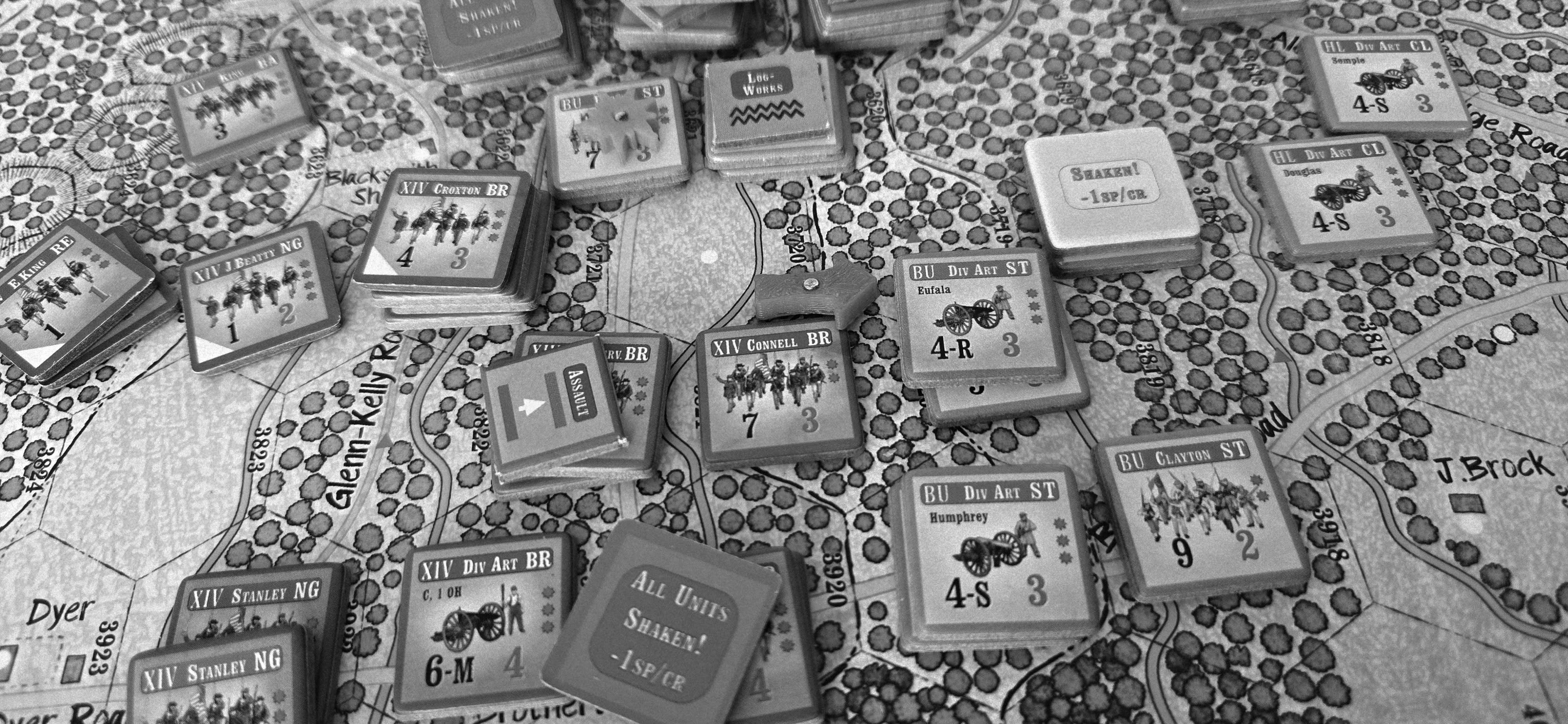
A bugle sounds, the pennants and flags are waved. ‘Here they come boys.’ Was all he had time to say. His weary men were almost immediately thrown back by a hail of fire and bristling bayonets outnumbering them two and sometimes three to one. No amount of valour would keep the men from breaking. And break they did.
Bayonet tips dropped. The colors wavered in the dank air. Eyes looked left and right instead of dead center.
Then it happened. The cumulative effect of the day, the small choices, made, poor timing, the chaose, like that one unlucky roll in a craps game that sweeps away all your winnings. The order was to hold, the order was to stand fast for Dixie, the order ran counter to reality.
The woods offered protection.
Survival.
The Rebels did not give ground.
They broke, for the sanctuary offered by the woods.
The Union XX pursued. The ridgeline was resecured.
By evening the ridge was just ground again. The same copses, the same dense woods, dusty trails, the same thrown-together barricades, holding no one. But the story of who was there, where they died and when, was etched into the blood stained dirt, the musket ball ridden trees and the swelling bodies.
A whole day, and all its dead, spent to give it back.
Comments
Nothing yet. Say the first thing.
Sign in to join the conversation.