
The field of endocrinology tends not to be associated with that of conservation biology. Endocrinology, which is the study of hormones and the cells and tissues that produce them, generally evokes an image of a white-coated physician or researcher in a sterile laboratory. For me, the word “endocrinology” brings me back to third grade when I made several visits to an endocrinologist, visits that always ended in a blood draw followed by my mother buying me a chocolate milkshake.
But in recent decades, a few endocrinologists have started to measure hormones in wild animals living in their natural habitats. Work like this has become of increasing importance to conservation, and Dr. John Wingfield, Emeritus Professor of Physiology and Behavior at the University of California, Davis and a recent guest on Big Biology, has had a large hand in this success.
Big Biology is listener-supported. To receive new posts and support our work, consider becoming a paid subscriber.

Wingfield pioneered the study of field endocrinology, bringing a predominantly lab-based science into the habitats where organisms actually live (similar to what previous Big Biology guest Nachum Ulanovsky is now trying to do for neuroscience).
Historically, endocrinologists studied hormones under controlled conditions in the lab. But hormones, after all, didn’t evolve in laboratories. They evolved to help organisms navigate real-world challenges like finding food, avoiding predators, competing for mates, raising offspring, and surviving environmental change.
Understanding hormones therefore requires understanding the ecological contexts in which they operate. In Wingfield’s first year studying white-crowned sparrows in the field with Don Farner at the University of Washington, Wingfield recalls: “I got the assays done, compiled the data, and we looked at the pattern, and it was completely different from anything we saw in the lab.”
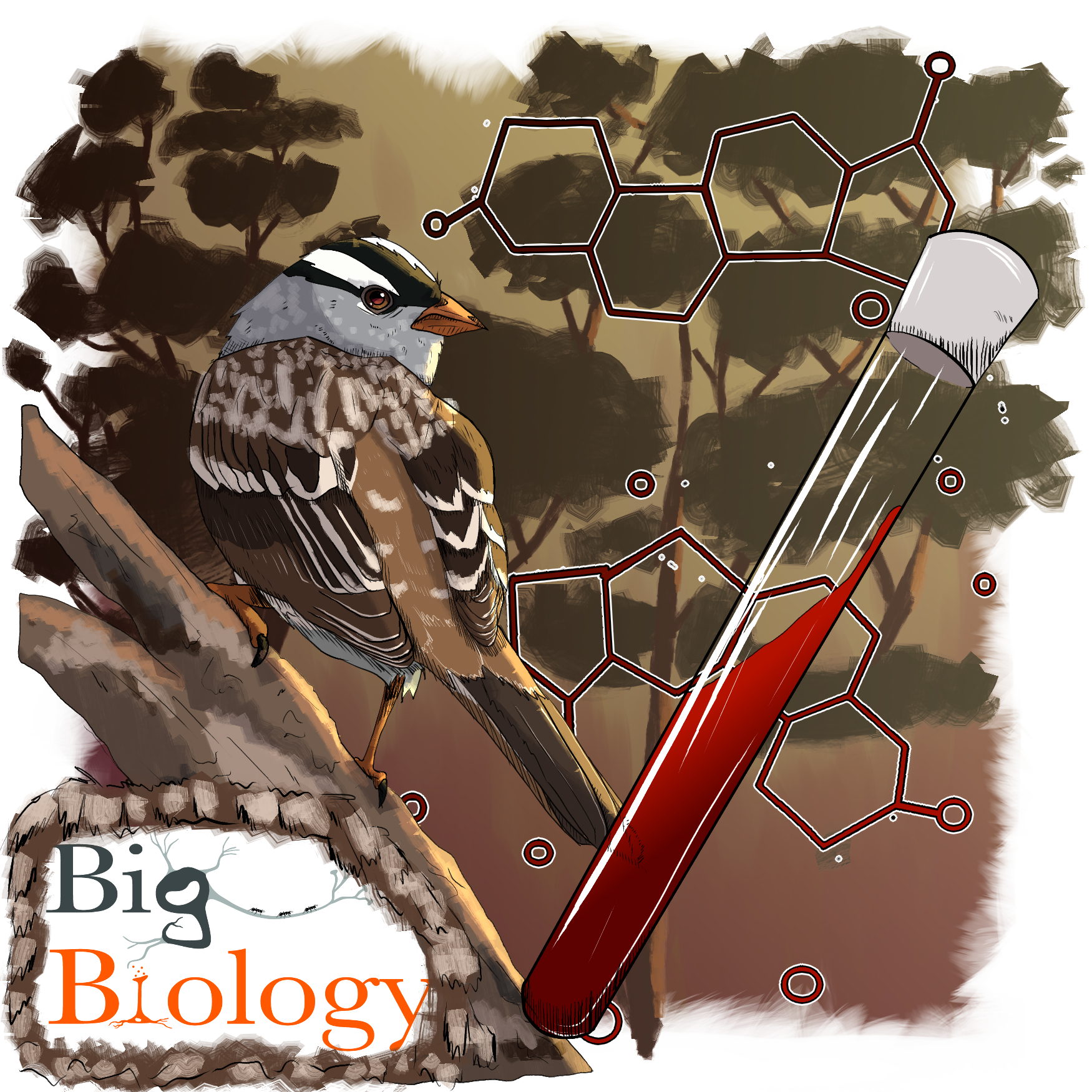
And so began field endocrinology.
Over the following decades, Wingfield helped transform our understanding of hormones from simple regulators of internal physiology to mediators of how organisms interact with their environments. Much of his work focused on glucocorticoids—so-called “stress hormones.” Rather than treating these hormones as straightforward indicators of stress, Wingfield showed that their significance depends heavily on ecological context.
For example, a brief surge in corticosterone can actually be beneficial. It mobilizes glucose, sharpens attention, and helps an animal respond to immediate challenges such as predators, storms, or food shortages. But animals are not constantly responding to emergencies. They must also migrate, reproduce, molt, defend territories, and raise offspring. Through studies of birds in the Arctic, temperate regions, and deserts, Wingfield has demonstrated that endocrine systems are finely tuned to these changing ecological demands, allowing animals to shift resources among competing priorities as conditions change.
This work led to some of Wingfield’s most influential ideas, including the “emergency life history hypothesis,” which describes how animals temporarily redirect energy away from activities such as reproduction and toward immediate survival when faced with unexpected challenges. More broadly, it helped establish the view that hormones are not merely internal signals but mechanisms through which organisms integrate information about the outside world and adjust their behavior and physiology accordingly.
This insight is important not only for understanding animal biology, but also for tracking and assessing the impacts of environmental change.
In a 2005 paper titled “Field Endocrinology and Conservation Biology,” Wingfield and colleagues argued that endocrine measurements could provide conservationists with information unavailable through traditional monitoring approaches such as population surveys. Population surveys can reveal whether numbers are declining, but hormones can reveal how animals are responding to environmental change long before those declines become apparent.
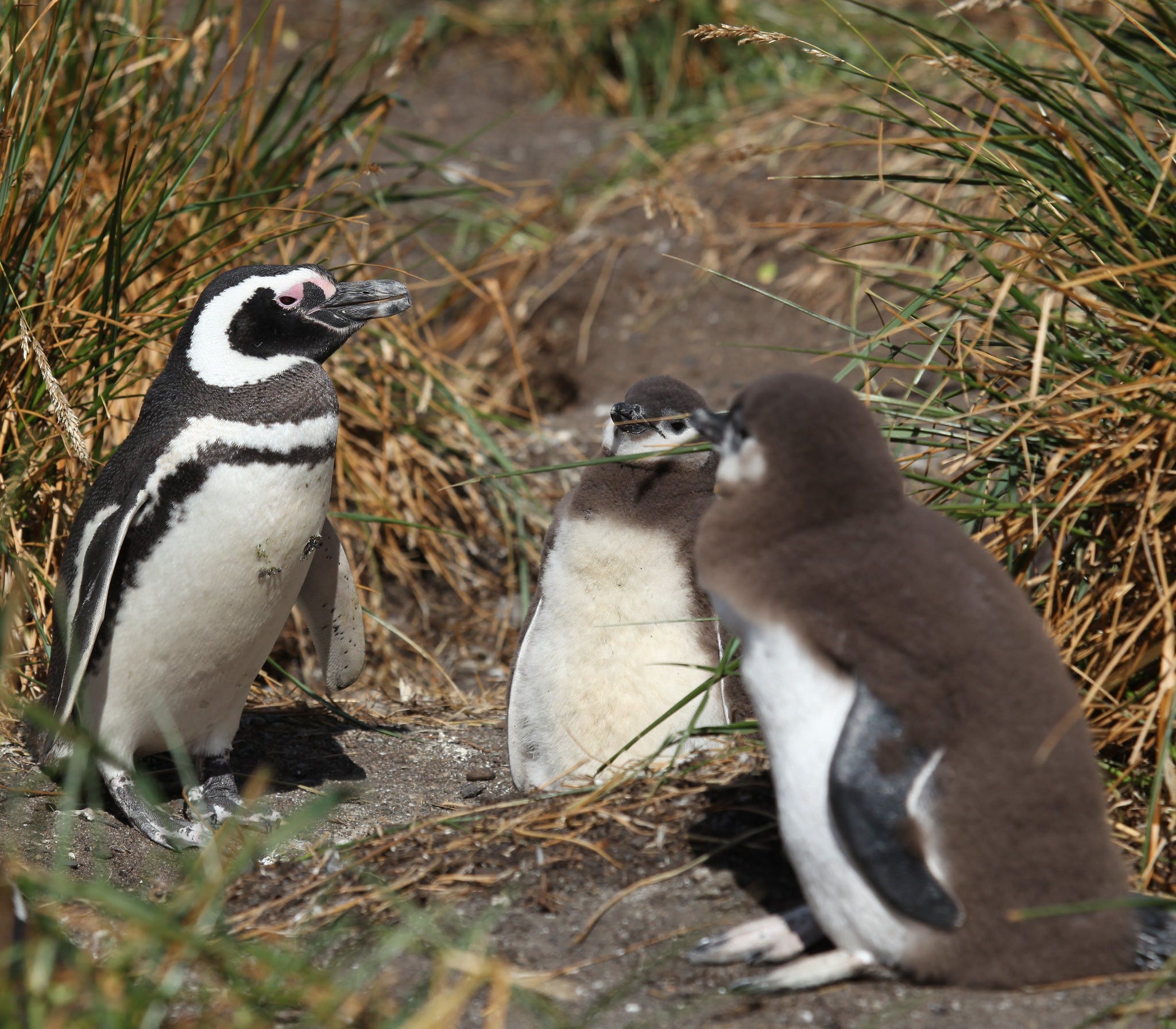
For example, Wingfield and colleagues measured the glucocorticoid stress response to evaluate the effects of ecotourism on Magellanic penguins in Argentina. Although adult penguins appeared largely habituated to human visitors, chicks in areas with tourists exhibited significantly elevated glucocorticoid levels as compared to chicks in areas without tourists, revealing impacts that would have been difficult to detect through behavioral observations alone.
Hormone measurements have also been used to monitor environmental stress in imperiled amphibian populations. Amphibians are among the most threatened vertebrates on Earth, facing pressures from habitat loss, disease, pollution, invasive species, and climate change. By measuring glucocorticoids and other physiological indicators, researchers could assess how populations are responding to these challenges and identify signs of chronic stress before declines become severe. Narayan and colleagues, for example, used non-invasive hormone monitoring methods in Fiji to help show how the invasive cane toad (Rhinella marina) is reducing the reproductive success of the endemic Fijan ground frog (Platymantis vitiana).
Similar approaches have also been used to study endangered whales and assess the impacts of environmental contaminants on alligators. Across taxa and ecosystems, hormones are increasingly being used as tools for understanding how animals experience a rapidly changing world.
Importantly, changing hormone levels does not come without a cost for organisms. To understand these costs, Wingfield helped popularize the concept of allostasis, or “stability through change.” Rather than keeping internal conditions fixed, organisms maintain stability by continually adjusting their physiology to meet changing demands. Hormones are central to that process because they help regulate energy use, reproduction, immune function, and stress responses as conditions shift. But these adjustments are not free. Repeated or chronic challenges that prompt hormonal shifts can accumulate physiological costs, known as allostatic load, and eventually push organisms beyond their ability to cope, a condition termed allostatic overload.
In other words, changing hormone levels can help organisms adjust to environmental change—but only to a point. What starts as an adaptive stress response can become a physiological burden if environmental disturbances are too frequent or too extreme, preventing hormones from reverting to their regular cycles.
From a conservation perspective, this framework shifts the question from simply asking whether animals are present in a habitat to asking how much it costs them to remain there. Field endocrinology offers ideas about how to measure those costs. By identifying populations experiencing chronic stress before declines become visible in demographic data, hormones can serve as early warning signals. And by measuring hormones in wild animals, researchers gain access to something population surveys alone cannot provide: a glimpse into how environmental change is experienced from the perspective of the organisms living through it.
Hear more about this in our episode:
Big Biology is listener-supported. To receive new posts and support our work, consider becoming a paid subscriber.
Comments
Nothing yet. Say the first thing.
Sign in to join the conversation.