
Back in the day I spent a lot of time in hippie-raver circles. I’m not a stranger to psychedelics, although I never went really hard on them. I was aware of ketamine in the party scene in the ’90’s and 00’s. I knew people who took it regularly at lowish doses, mostly in liquid form. People would fall deep into the ‘K hole’ on a sofa in the corner of the room and pass out, limp and unresponsive. One night I wound up sitting with a distraught and frightened young woman for hours until the K wore off. Some became dangerously addicted. The drug wasn’t attractive to me and I never tried it.
Fast forward to the beginning of this year, when I was in a rut. While not clinically depressed or deeply disturbed, after a long slog of fruitless job-hunting I found myself once again in that recurrent life situation: feeling hopeless, helpless, and old; spiritually drained and quite simply stuck. I needed a boost to lift my wheel back onto the track, and that was when a friend and benefactor offered me a gift: a course of ketamine-assisted therapy. I was surprised to hear about ketamine as a therapeutic psychedelic medicine, applied in a clinical setting – this wasn’t my old association with Special K as a party favour. But offered the course – which would normally run to thousands of dollars – my psychonautical curiosity was aroused, and I accepted the gift.
Thanks for reading Bicycle Buddha! Subscribe for free to receive new posts and support my work.
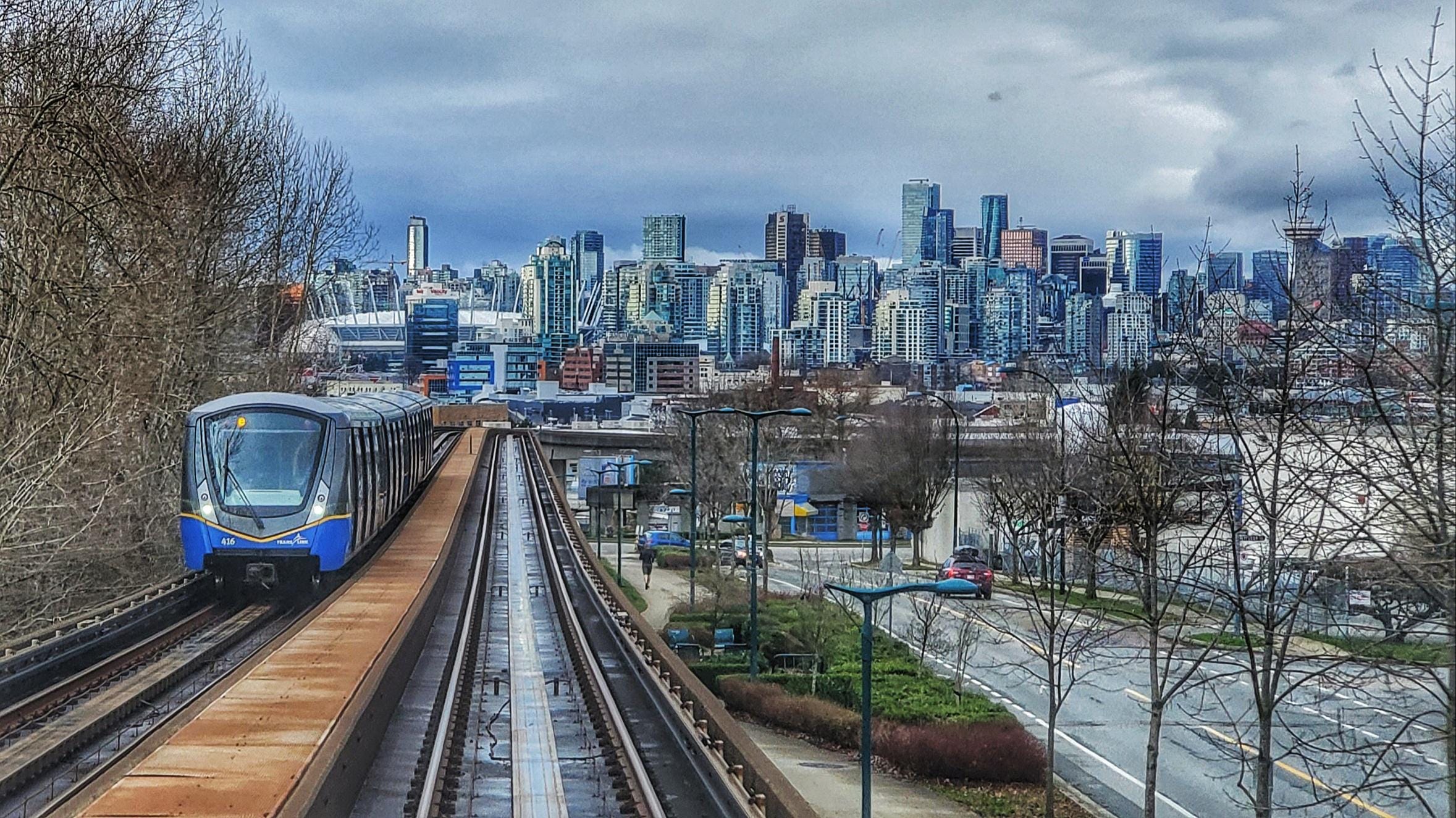
The treatment is offered through several Vancouver providers and mine is Empower Health – a pleasant clinic in an unobtrusive medical building on Commercial Drive near Broadway, under the SkyTrain. The clinic offers acupuncture, massage, naturopathic medicine and regular counselling, as well as psychedelic assisted therapies. My intake process included an MD’s consultation and discussion with a nurse to determine who would be my counsellor and how we would manage the course. I chose Farhad, a registered therapist with a background in transpersonal psychology and psycho-spiritual guidance, familiar with Zen and deeply immersed in traditional Aboriginal practices. We met for a preliminary session in a sunny room with comfortable chairs and colourful abstract paintings, enlivened by the SkyTrain whooshing by every few minutes, right outside the window. I got the feeling that this journey would not be a ouija board sort of deal where I would go in with questions to be answered, but more of a neural reset in conjunction with talk therapy. I would be having three full ketamine-assisted sessions within three weeks, plus a number of integration and counselling sessions.
When I arrived for my first KAT session a comfy foam bed had been prepared for me on the floor with cushions and bolsters. Low music piped through a speaker. Farhad and nurse Sharie sat by me in low chairs.
I held the words of Dogen in my mind: “To study the Buddha way is to study the Self, to study the Self is to forget the Self, to forget the Self is to be actualized by the myriad things,” my intention being simply, to let go and open myself to the myriad things. Just let go: so easy to say and yet so hard to do. I put on my eye mask and took a few deep breaths, then Sharie gave me the first injection. “I trust you,” I said, “I trust, I trust.” Within a couple of minutes a rosy glow started to roll through me. In twelve minutes Sharie asked, are you ready for the second injection? Yes, I said. Yes.
It is hard to describe what passed during those 45 minutes of deep immersion, but I wouldn’t want to try to be overly descriptive. Everyone’s journey is unique, and there’s nothing more boring than listening to someone relate their dreams or drug trips. I will say that I experienced my ‘little self’ dissolving into the great cosmic mush. I moved beyond grasping and nostalgia. At some point I recalled that there might be a ‘me’ out there somewhere that walked around on the street and shopped and talked, and I wondered if that self really existed, and if it would ever come back to me. A bit lost, I asked, ‘are you there?’, and Farhad and Sharie answered ‘we’re here’, and briefly took my hands. The warmth of their hands comforted me. I was no longer afraid. Every few minutes in a distant parallel universe the SkyTrain whooshed past, connecting the humming city, interconnected with my own neural network. I am told that every time the train passed, I laughed.
I did two more KAT sessions over the next two weeks with gradually increased dosages. I began each session by making an incense offering. In the second session I found myself a bit caught up in rumination, but the third session was absolute release. Settling back into the warm sunlight of East Vancouver, I returned to my true home.
The medicine is not entirely without side-effects. My short walk home was exhausting, even in a protective cocoon of sunglasses and noise-cancelling headphones, and seemed to take forever. After each session I felt faintly nauseous and wobbly for a couple of hours. But after #3, once the queasiness passed, I spent a glorious afternoon sprawled on the parquet floor, basking in the sun and eating ice cream. What had seemed so dark and heavy felt, and continues to feel, much lighter.
Of course I know that a shot in the arm alone won’t change my deeply ingrained patterns. Another shot isn’t the answer either – drugs can be a finger pointing to the moon; I’ve seen people waste years in fixation on the finger. Nope. It’s back to the zendo, back to the books, back to the wall, back to the daily ups and downs. I also recognize that much is circumstantial. The timing of my treatment coincided with my finally snagging a really promising job (more on that soon), and that opportunity itself would certainly have brightened my outlook. But the chemical reboot sure didn’t hurt.
To sum up my experience of KAT in one word I would say this: safety. Absolute all-encompassing safety, which once bodily experienced cannot be unseen. Safety = courage, power, and freedom beyond words.
I’m not a psychedelic evangelist but I can’t think of many people who could not potentially benefit from a dose of deep psycho-spiritual reassurance (medical/psychological exceptions notwithstanding*). I know KAT can be particularly effective in the treatment of chronic depression, PTSD, end-of-life care, or existential dread (which is to say, for anyone over 40). It should be available for personal growth and life enhancement. Neuroplasticity is real and we always have time to tweak the wiring.
I hope and believe that it’s just a matter of time — and maybe not much time, things are happening fast! — before psychedelic medicines are re-integrated into therapeutic practice in western medicine, as they have always been in many cultures. Healing should be accessible to all.
May I pay this forward.
*Here is an excellent episode of the podcast Back from the Abyss, which examines the therapeutic value and differences between ketamine, MDMA, and psilocybin. Click here to listen.
Thanks for reading Bicycle Buddha! Subscribe for free to receive new posts and support my work.
Comments
Nothing yet. Say the first thing.
Sign in to join the conversation.