

My bibliotherapy practice always starts with a simple question to my clients: what do you need from a book right now?
Beyond what we ought to read or the award-winning books, or what seems to be the flavour of the month.
Over the last seven year, from working with people who come to books at moments of transition, grief, restlessness, uncertainty or hope, I have noticed that often people would come to me looking for books that offered them an ability to ‘self-report’. To share what they have been going through, and living with - asking for a book that outlines what they cannot say directly.
In times of acute grief or stress, many people do not want books about grief or stress. At least not immediately. They want structure, gentleness, and the reassuring sense that someone else is in control, reaching for books with strong narrative arcs: mysteries, quest novels, campus novels, books with maps, books with seasons, books that offer a space or narrative to hold what the reader cannot.
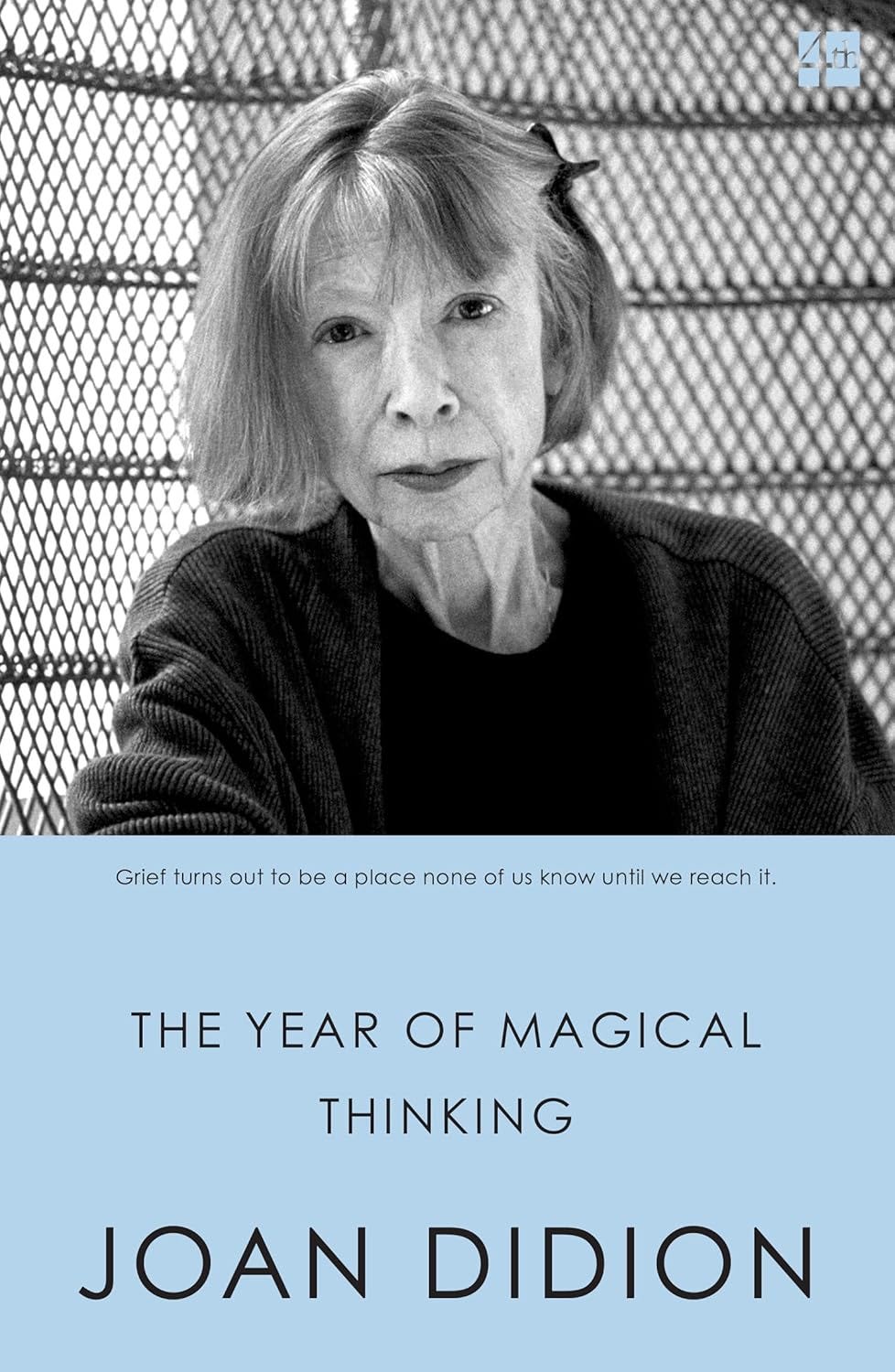
A person in the middle of a family crisis might not be ready for Joan Didion’s The Year of Magical Thinking, even though it is a really helpful book on bereavement. They might be better served, at first, by something like Alexander McCall Smith’s The No. 1 Ladies’ Detective Agency, where human difficulty exists but which lightens the narrative with humour and offers moral clarity at the same time. Or by Tove Jansson’s The Summer Book, which explores loss indirectly.
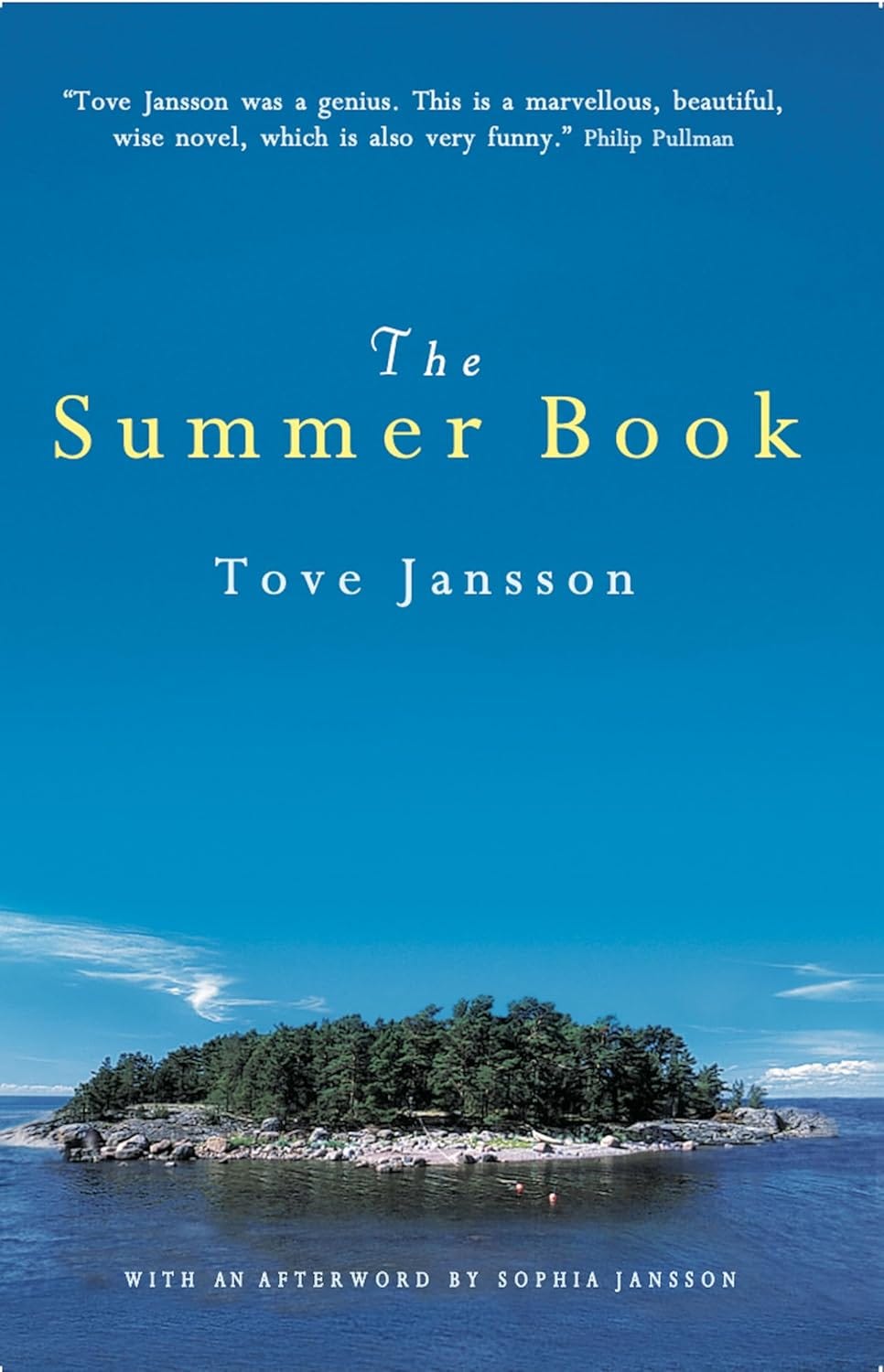
There is a misconception that bibliotherapy is always about matching our pain to a painful narrative: you are grieving, so here is a grief book; you are lonely, so here is a loneliness book. There is a place for direct matching. And there is also a case for sideways matching, i.e., a book that distracts, soothes, reframes, validates, or simply creates a few hours in which the reader does not have to immediately connect with their own distress.
When people feel stuck, the books they ask for often contain some form of transition. Not necessarily action, but motion: travel, transformation, escape, reinvention. They want to be reminded that a life can change shape. For some, that might mean Elizabeth Gilbert’s Eat, Pray, Love, with its unapologetic hunger for self-recovery.
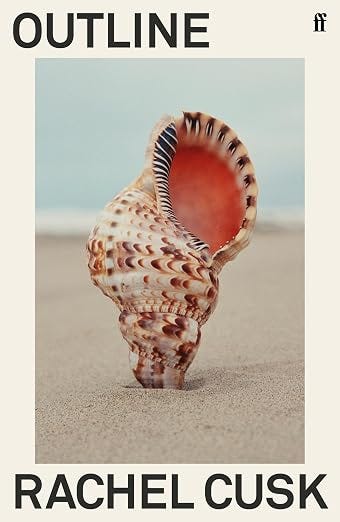
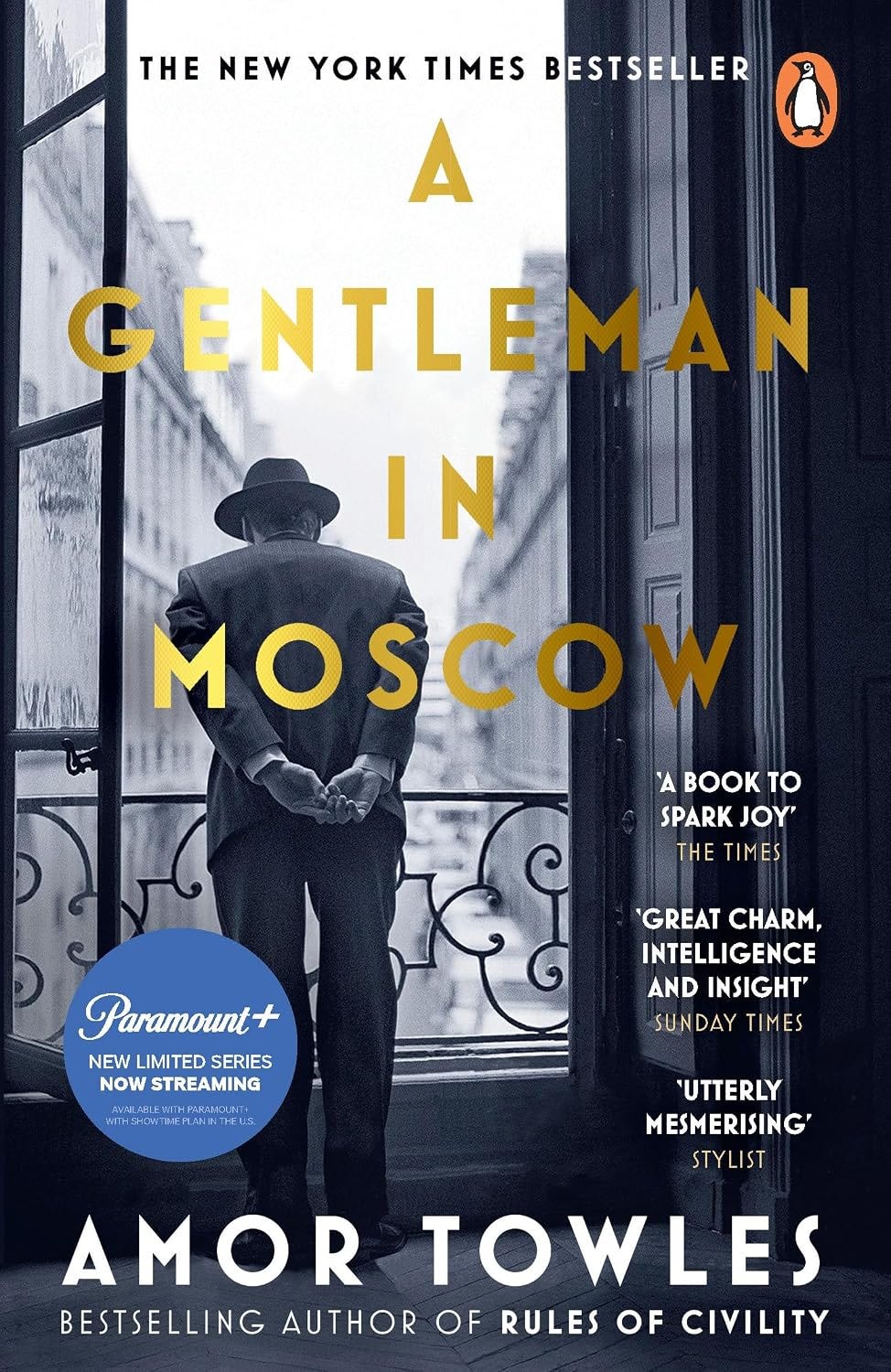
For others, it might be Rachel Cusk’s Outline, where the transition is more interior, the self becoming visible through conversation and absence. I have seen people respond strongly to Amor Towles’s A Gentleman in Moscow, not because it is a conventional escape story, but because it shows a life becoming expansive under conditions of constraint. That is a powerful fantasy when one feels trapped, unable to escape from the room and also about the discovery of rooms and spaces within the room, and beyond the room.
At moments of burnout, readers often ask for books that are “absorbing but not demanding.”
Comments
Nothing yet. Say the first thing.
Sign in to join the conversation.