
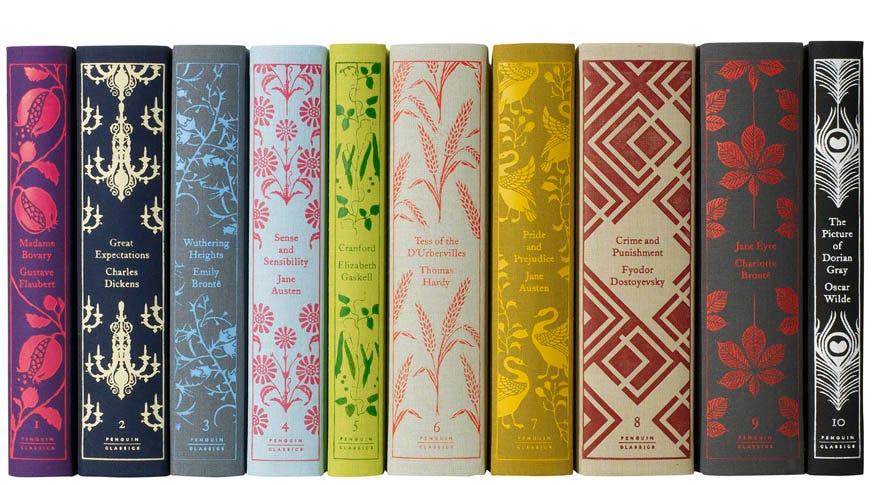
Failure to cultivate an appetite, appreciation, and affinity for beautiful, complex, and challenging literature in the past should not be a barrier to restoring such works to K-12 classrooms in the future. Every parent knows that it takes time, repeated exposure, and sometimes creative approaches to cultivate healthy eating habits in children. Those habits generally become more refined, and their tastes become more adventurous as children mature into adulthood.
The same concept applies to reading. The earlier children are introduced to good reading habits and a taste for quality literature, the easier it is for them to stick to those habits and explore more challenging works. But lack of early exposure should never be an excuse to deny students an encounter with some of the greatest things ever written. It’s never too late to replace bad habits with good ones.
Recently, the Texas Education Agency ignited a firestorm over a proposed reading list for all K-12 public schools. Some of the controversy centered on the usual arguments about a “lack of diversity” and concerns that the selections weren’t “culturally relevant”, allowing students to “see themselves” in the stories. Both arguments lack standing, given that we’ve seen a dramatic increase in “culturally relevant literature” published and used in schools over the past several decades, while fewer people are reading books than ever before.
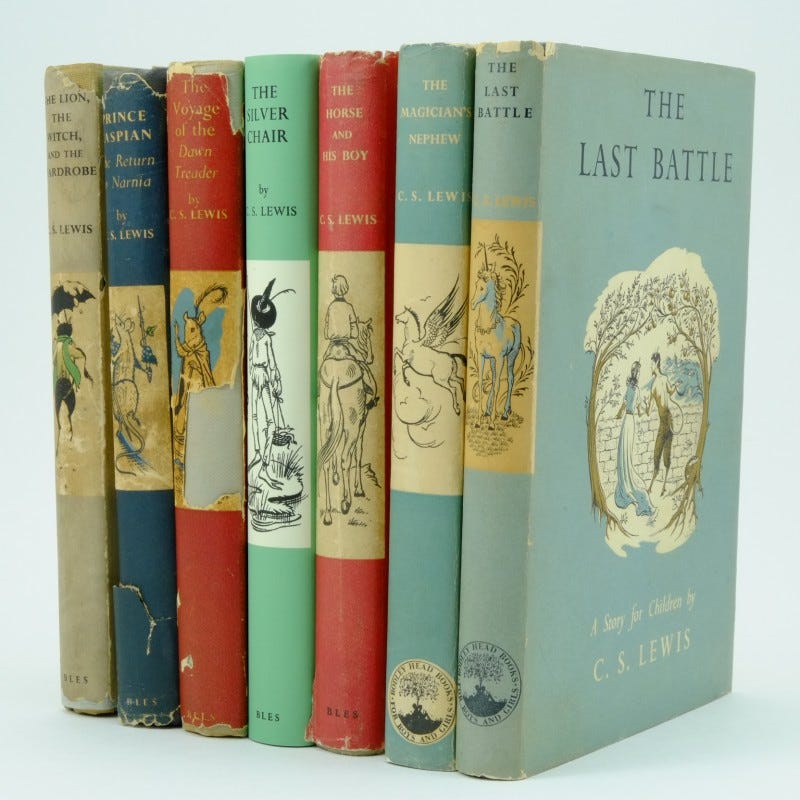
Another area of concern regarding the list, and the one I want to focus on here, was its rigor. If the recommended list in Texas is approved, high school students will encounter time-tested, complex, and beautiful works such as Hamlet, The Odyssey, Pride and Prejudice, The Divine Comedy, and many others. Current high school students who cut their teeth in their early elementary years on books like Dork Diaries and Captain Underpants rather than D’Aulaires’ Book of Greek Myths or The Chronicles of Narnia might find the shift a bit daunting, but that should not be a reason to deprive them of those encounters. It just means they’ll need time for their literary palates to adjust.
Though I always loved to eat, I admit to being somewhat of a picky eater as a child. I never steered too far from the standard peanut butter and jelly, macaroni and cheese, and cereal. As an adult whose palate has matured and greatly expanded, I know that I was missing out on so many culinary delights, and I now enjoy discovering new favorite foods all the time.
Similarly, I have always loved to read, but admit to having a rather limited palate regarding my book selections as a child and young adult. I generally read only what interested or entertained me and usually what I found easy to digest. Because of this, I now know that I missed out on so many wonderful literary delights. In recent years, thanks in part to some great resources, I have enjoyed discovering new favorite books, including many classics I missed in my younger years.
A large number of the books in the recommended reading list for Texas are considered classics. While wholly worth the time and effort, they can be tough to read and understand for those unaccustomed to the vocabulary, dialect, and style of language used in many of the texts. Just as adding a bit of ketchup or another condiment to an unfamiliar food can make it more palatable the first time we taste it, teachers can add explanations, clarifications, and illustrations to help students digest the complexity of classic literature. Fortunately, there are resources available to help educators with this task.
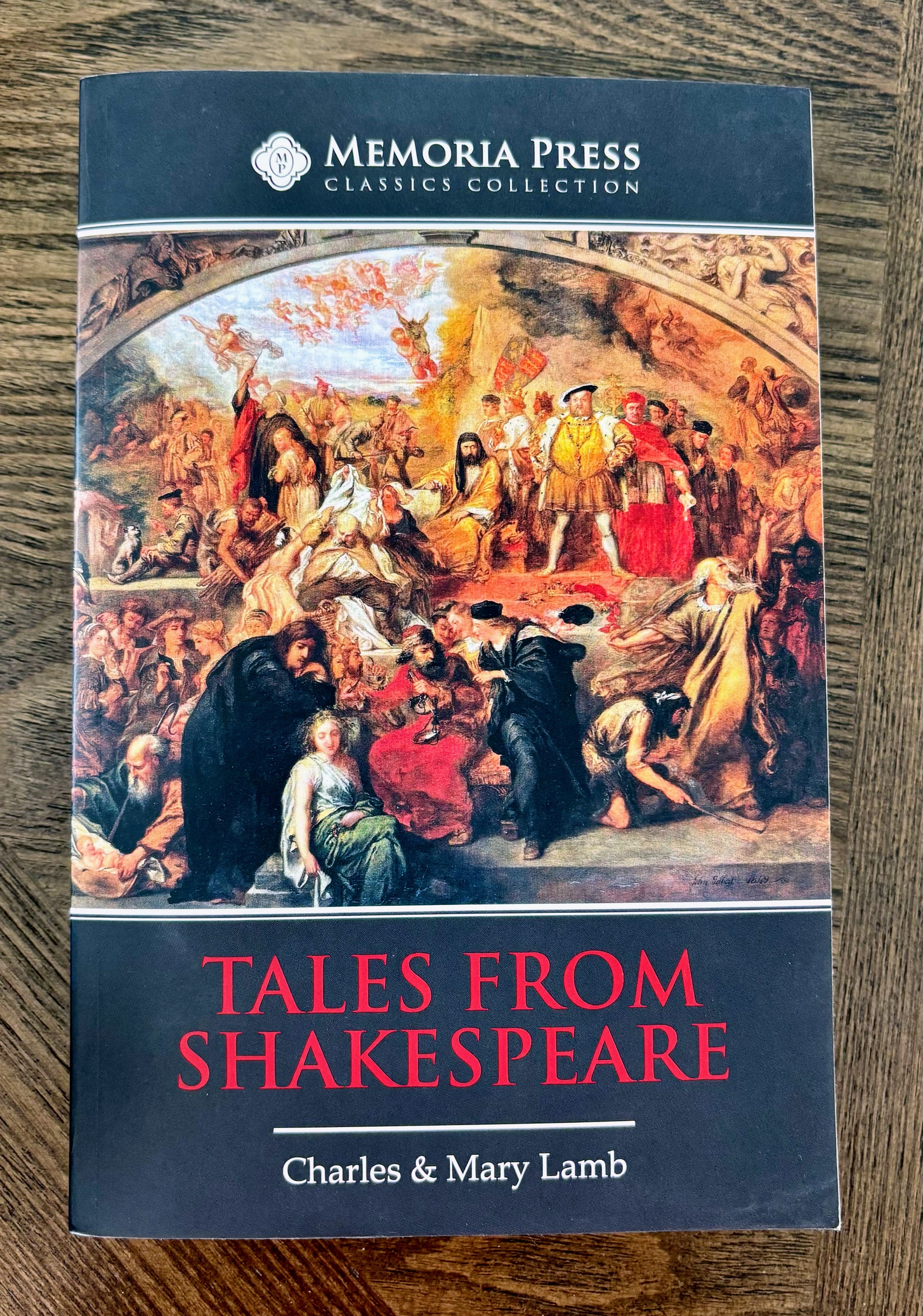
Dr. Benedict Whalen, an associate professor of English at Hillsdale College, provided a great example of this when he spoke about using Tales from Shakespeare by Charles and Mary Lamb during a Hoogland Center for Teacher Excellence seminar titled, “The Art of Teaching: Children’s Literature.” Though a classic in itself, Tales from Shakespeare, which focuses on the narratives of Shakespeare’s works, is not meant as a substitute, but rather as preparation and anticipation for the original. Though Dr. Whalen recommended it for 5th-grade students, high school students (and adults) who have never encountered Shakespeare would definitely benefit from it.
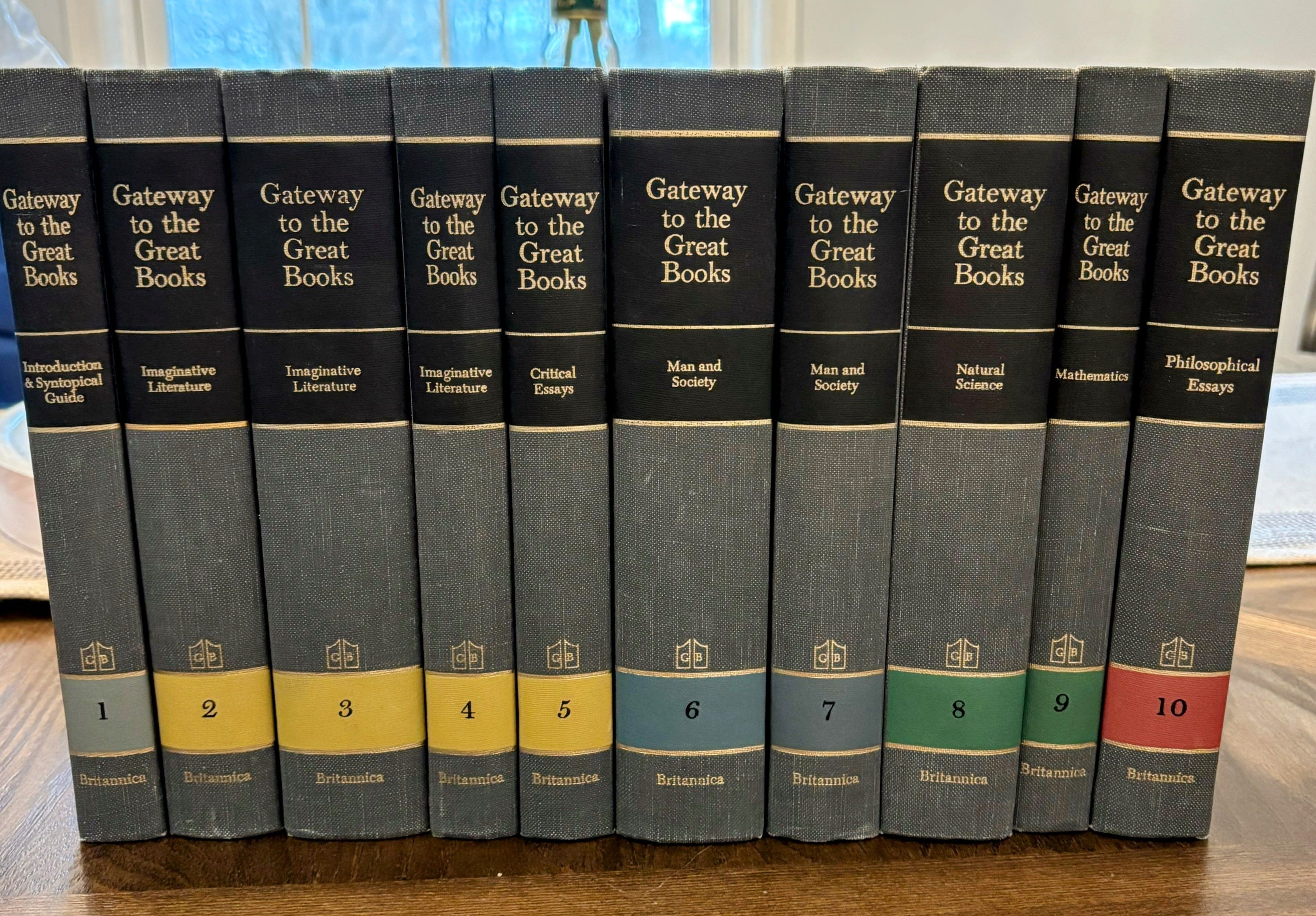
I learned of another wonderful resource on a recent visit to a used bookstore, as I stumbled upon a complete set of Robert M. Hutchins and Mortimer Adler’s Gateway to the Great Books. Although I have often joked that certain works by an author of classic literature are a “gateway” to reading more by the same author, I did not know a ten-volume set like this existed. It was yet another reminder that it’s never too late to embark on reading the timeless classics, and there are amazing tools available to help along the way
I share my personal experience and discovery of great literature later in life to encourage parents, educators, and even students who may scoff at the idea of restoring complex and challenging books to the K-12 curriculum. We owe it to students to introduce them to the best ideas, stories, and works ever written, even if it requires a bit more effort.
When every state, district, and school leader determined to improve student literacy, stands resolute in their mission, and adopts an excellent reading list like the one proposed in Texas, rising elementary and middle school students will organically develop refined literary palates. The day will come when high school students will encounter books like The Odyssey and Frankenstein with enthusiasm rather than trepidation.
No posts
Comments
Nothing yet. Say the first thing.
Sign in to join the conversation.