
Because it’s one of the fastest ways to learn about risk management and vigilance.
Vigilance requirements are rarely black and white. They depend on your product, how well you know it, your experience, and… context.
The rules say to report field corrective actions or recalls only if a product has caused or could potentially cause a patient’s death, serious injury, or a serious public threat (Explained well here). That sounds extreme and technically, it could include almost anything. But of course, reporting everything doesn’t make sense. By analyzing what other companies actually report, you can understand the approach and apply it wisely to your own products.
Today you will read in this issue:
a quote worth reflecting on
a recall worth learning from
a linkedin post worth reading
Why does it take so much time and money to determine whether a regulatory change affects a company, even though RAs have an abundance of data to make decisions?”
The other day, someone DM’d me with this question
The answer is simple: it’s complexity, interpretation, and cross-market impact.
Regulatory intelligence (the data, the regulations, the guidance, the knowledge what to do in a compliant mannner) is not sufficient to “be compliant”.
Let`s analyze labeling updates for IVDs. A seemingly minor IVDR update on symbols or kit information sets off a chain reaction. RA must interpret the change carefully, review every affected product, and consider each market, changes in one jurisdiction can trigger re-registration, submissions, or translations in others. Then we coordinate with production, marketing, and quality to implement updates correctly.
And then there's documentation. If your system runs on Word and PDFs, what looks like a small update suddenly becomes anything but.
Even with all the right information at hand, RA work takes time, because our role is to ensure every regulatory change is interpreted, applied, and communicated across markets.
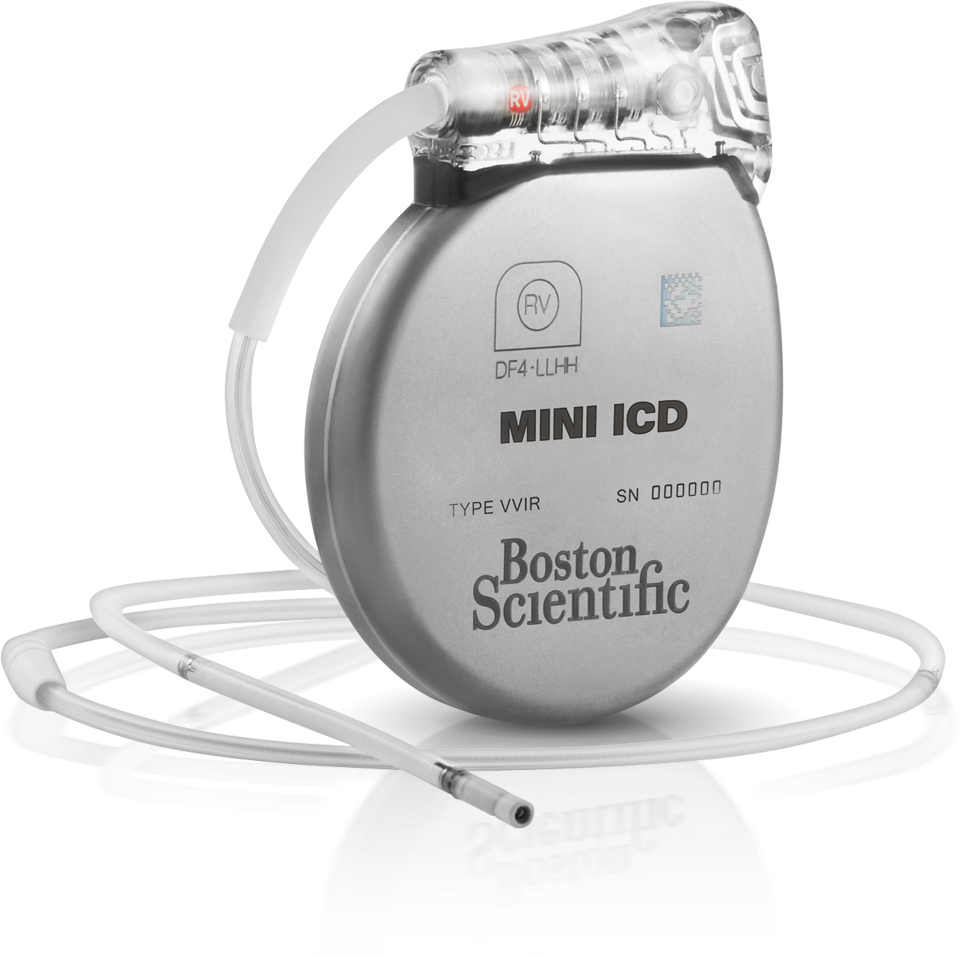
Sometimes, the device works exactly as designed. Until time changes it.
This week, I am looking at implantable defibrillator leads used in ICD (Implantable Cardioverter Defibrillator) systems.
RELIANCE™ defibrillation leads (by Boston Scientific), manufactured between 2002 and 2021, showed a gradual increase in electrical resistance over time.
The device itself was not defective.
The issue developed inside the body. Calcium deposits formed on the coated shocking wires (ePTFE), slowly increasing impedance.
With higher resistance:
The shock may not be strong enough
The therapy may be incomplete
The system may fail routine testing
No serious adverse events have been reported so far.
But the risk is clear.
What makes this challenging is that this is not a sudden failure. It is a slow, silent change that happens over years.
For regulatory and quality teams, this highlights a few key points:
Long-term material behavior matters as much as initial performance
Implantable devices require continuous vigilance, even decades later
Not every issue leads to removal, but every signal requires evaluation
A device can remain intact and still lose reliability over time
Performance in the body is a long-term question, not a one-time validation
Vigilance does not end at implantation, it evolves with the device’s lifetime
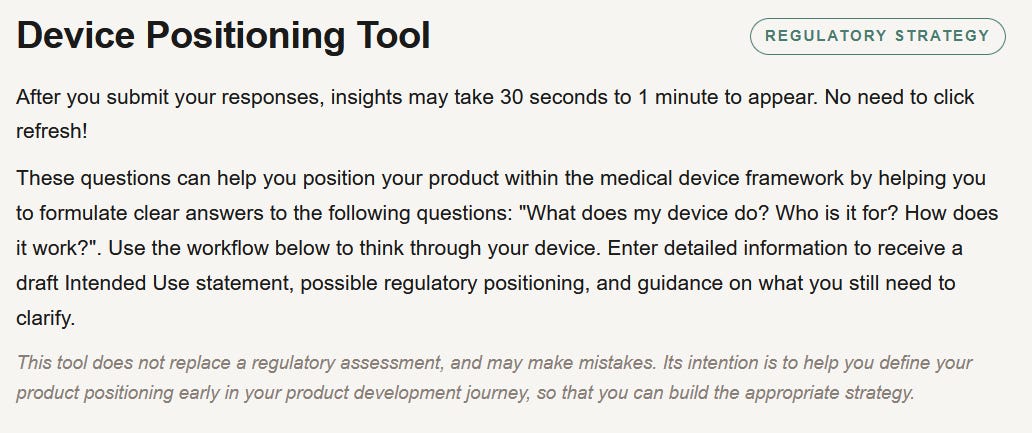
Erica Perrier, PhD, MS, CSCS, created a free tool that enables you to understand the regulatory positioning of your medical device. Her post explains the tool in detail, here is my summary for you:
It makes you to answer the following questions:
What does my device do?
Who is it for?
How does it work?
Does your device diagnose, treat or monitor?
Who exactly is the target population- what condition, what patient?
How does it interact with the body?
What outputs does it provide?
The tool provides a possible intended use and regulatory positioning, which of course should be clarified further. I experimented with it myself and recommend you do the same. It’s like a real-life example that also shows you what to consider in your positioning based on regulatory guidance.
If you like, you can use my example created by ChatGPT. As you go through the tool, feel free to brainstorm with ChatGPT.
Name: CardioTrack Pro
Type: Wearable cardiac monitoring device
Use case: Continuous ECG and heart rhythm monitoring for patients at risk of arrhythmias, with AI-based early warning alerts sent to both patient and physician.
Key features: Wireless, comfortable for long-term wear, integrates with smartphone app, generates automated reports, FDA/CE compliant, cloud data storage, battery lasts 7 days.
Enjoy!
Before you go, tell me:
That is it for this week! :)
Have a great week and see you in the next issue!
No posts
Comments
Nothing yet. Say the first thing.
Sign in to join the conversation.