
If you’ve ever played the original Ticket to Ride board game, you know the goal is to build continuous train routes across North America according to your ticket. And whoever builds the longest route scores extra points. What if we could play this game in real life, in southwestern Ontario?
The journey starts in Toronto, then goes to Guelph, Kitchener, Waterloo, London, St. Thomas, Port Stanley, and back to Toronto.
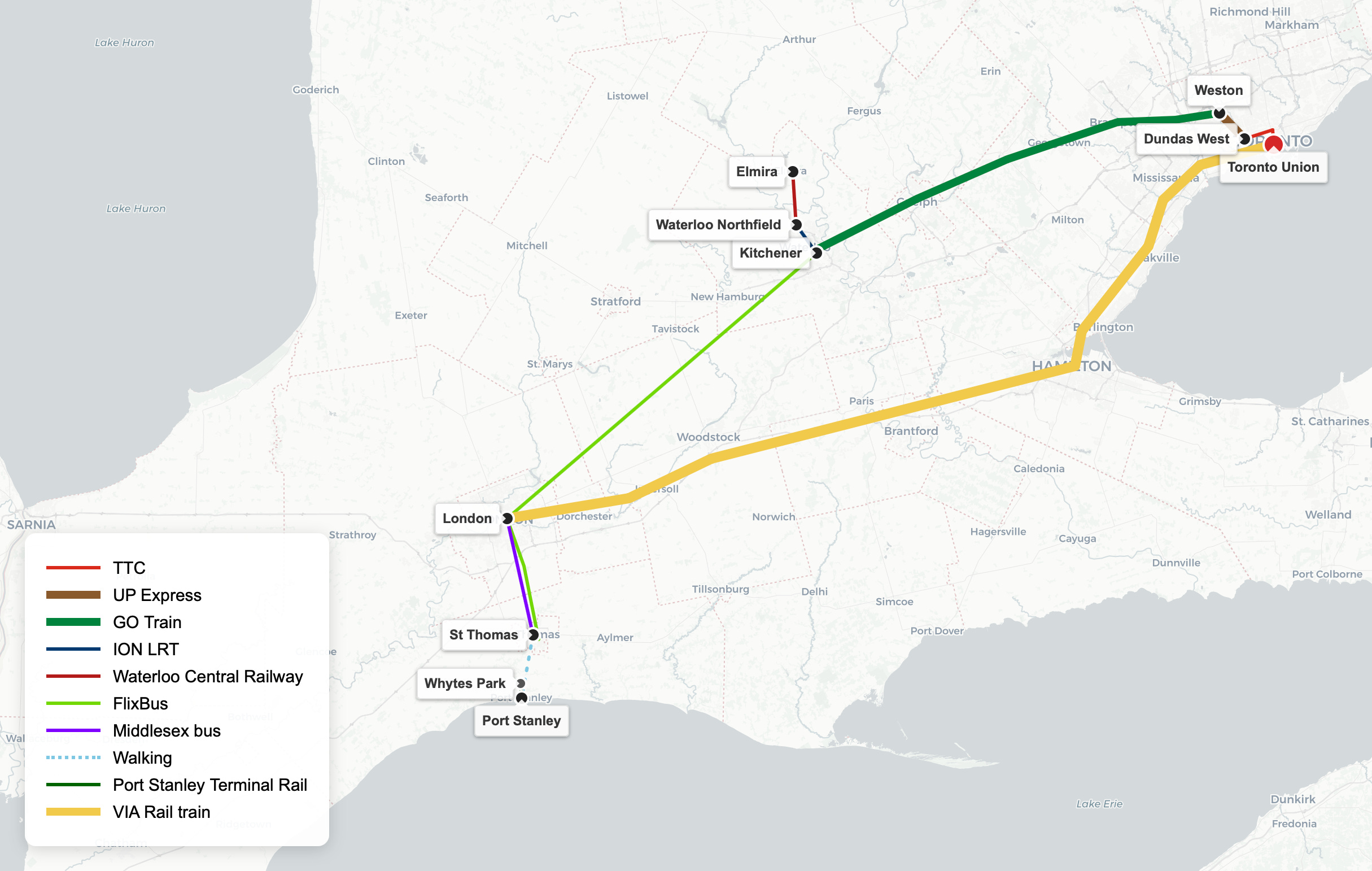
And to make things more interesting, what if the goal was to take as many different types of trains as possible - streetcars, subways, light rail, commuter and intercity trains, heritage railways, and even toy trains?
This was exactly the challenge I set for myself over one beautiful weekend in June last year. Along the way, I enjoyed vibrant urban centres, beautiful countryside, delicious food, and historical places. In retrospect, I can say it was one of my favourite train journeys I’ve ever done - and the crazy thing is, it was right in my backyard.
Now, if you want to try my itinerary, be warned: there are a few “gaps” on the map where no trains run. For instance, there is no train connection between London and St. Thomas anymore. Also, train schedules might not play in your favour. There is only one train per day between Kitchener and London, and if I had taken it, I would have missed my bus from London to St. Thomas. So instead, I took an intercity bus. Of the two heritage railways I rode, one runs on weekends, and another runs only on Saturdays. After all, they cater to weekend tourists, not commuters.
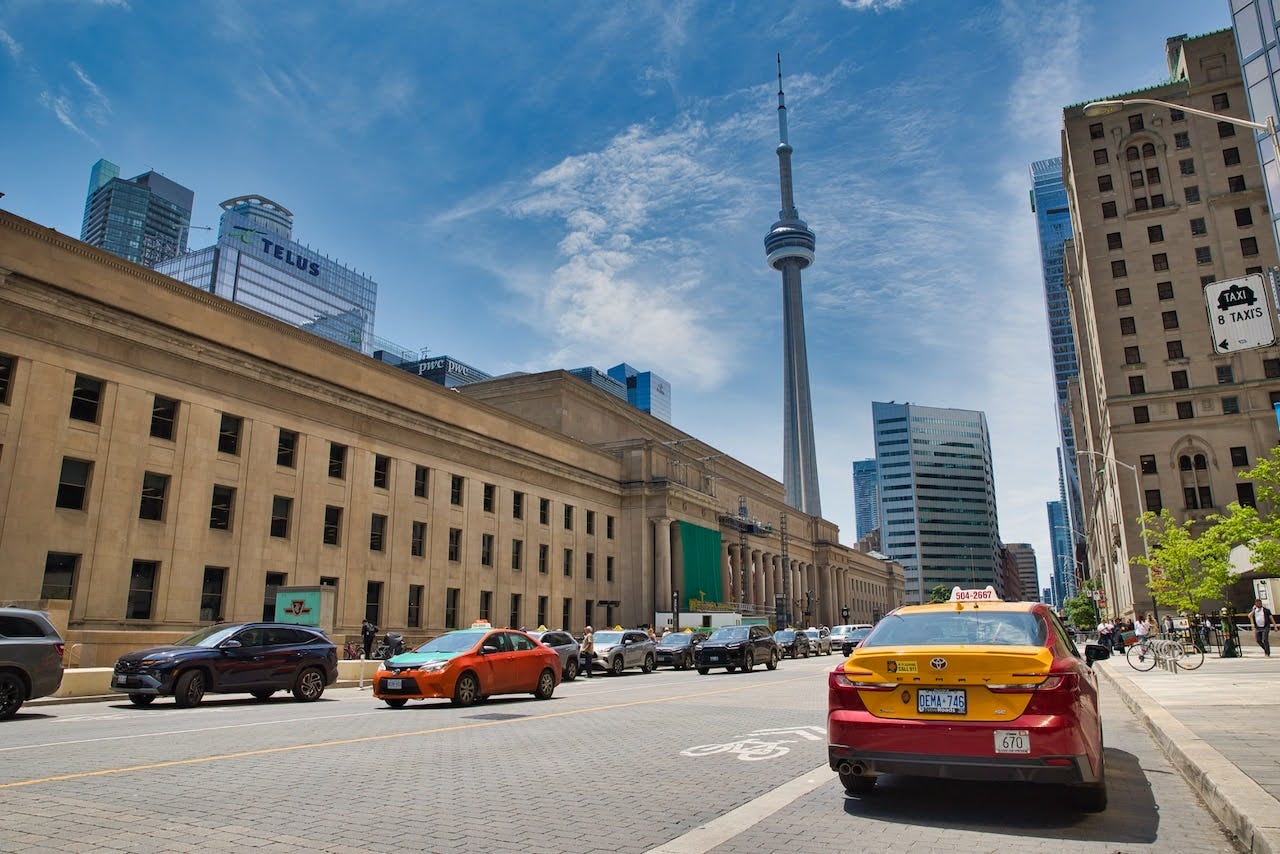
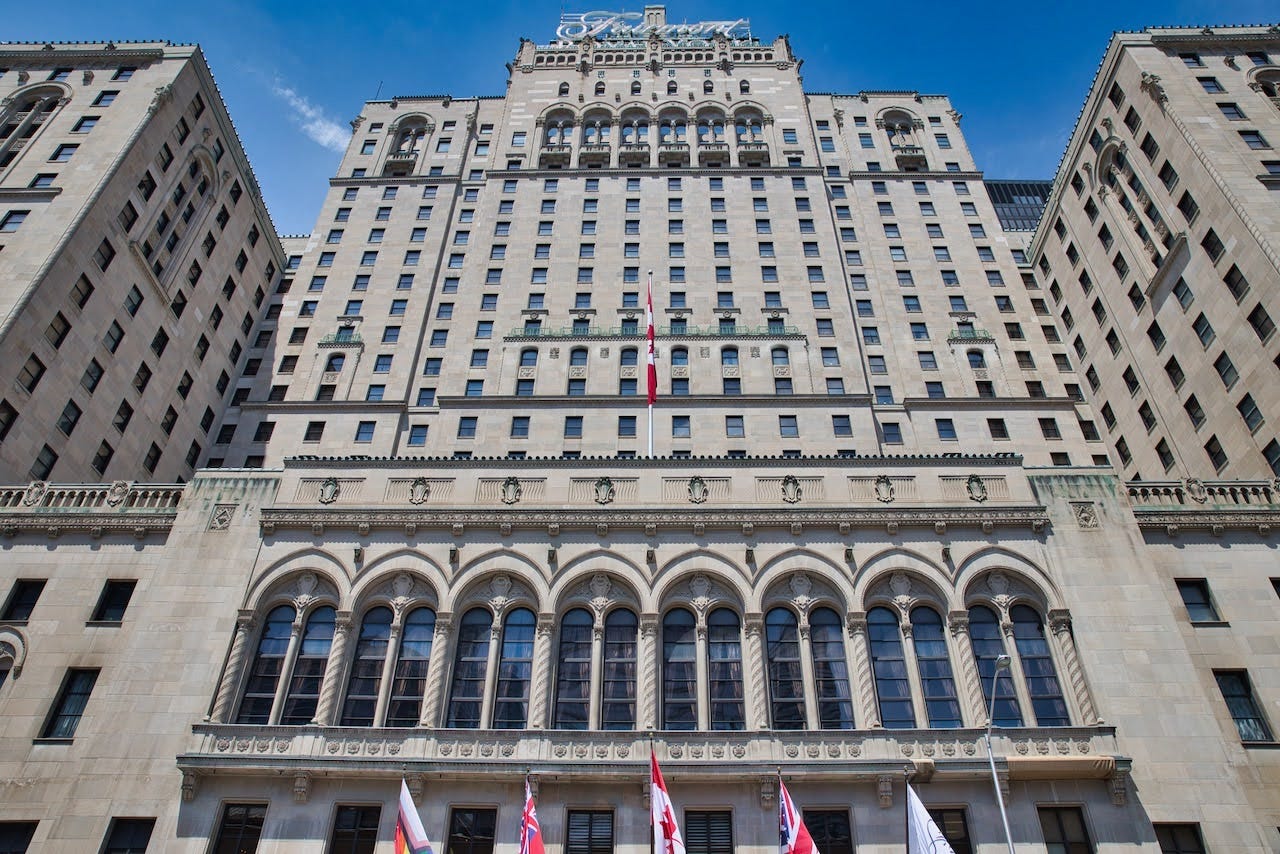
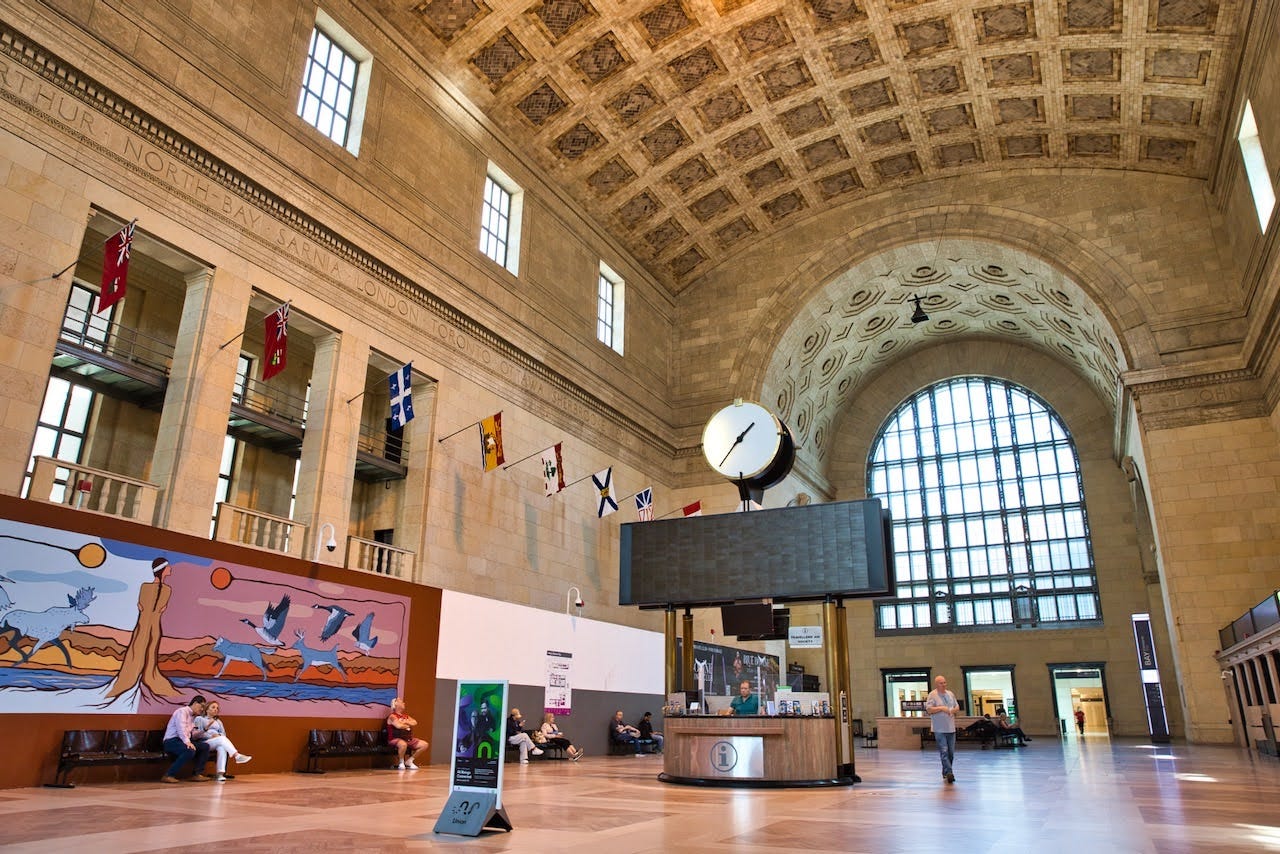
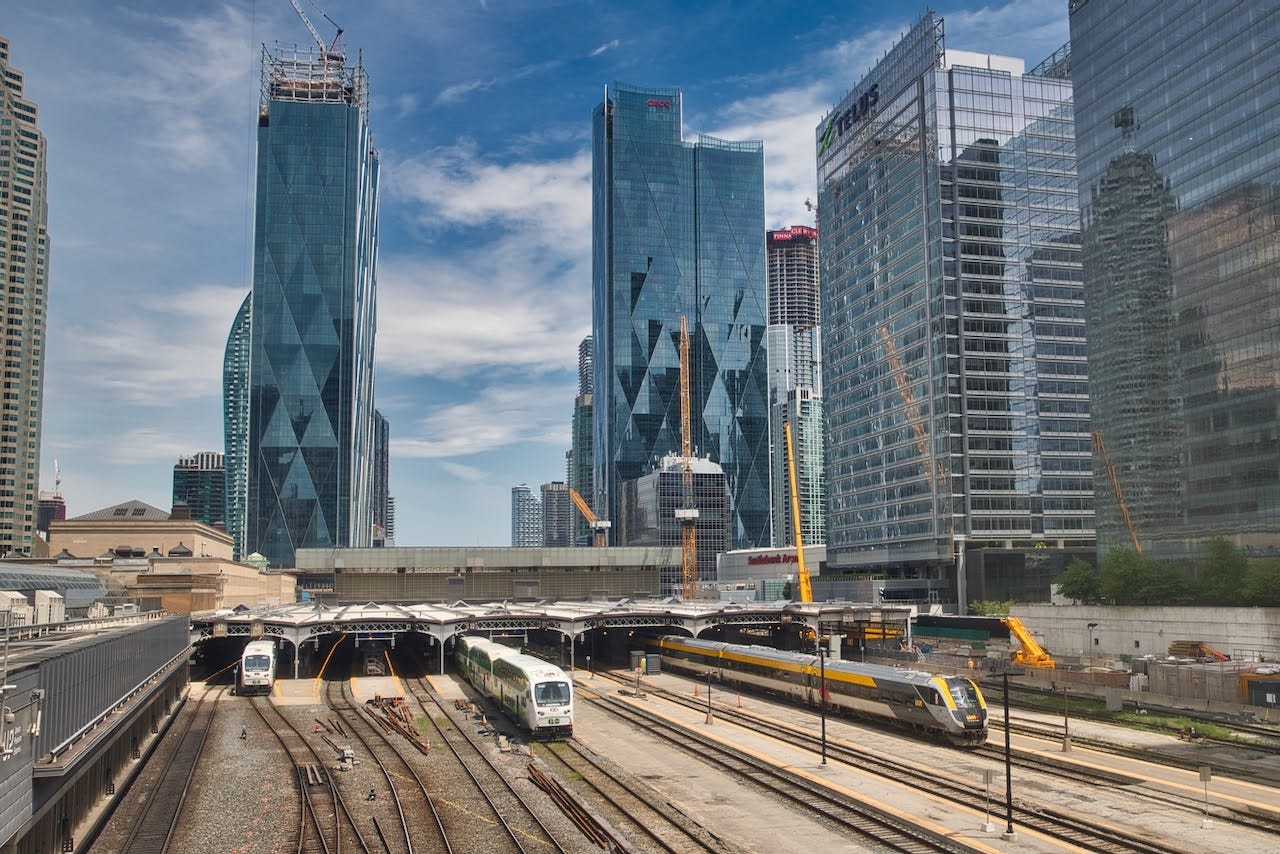
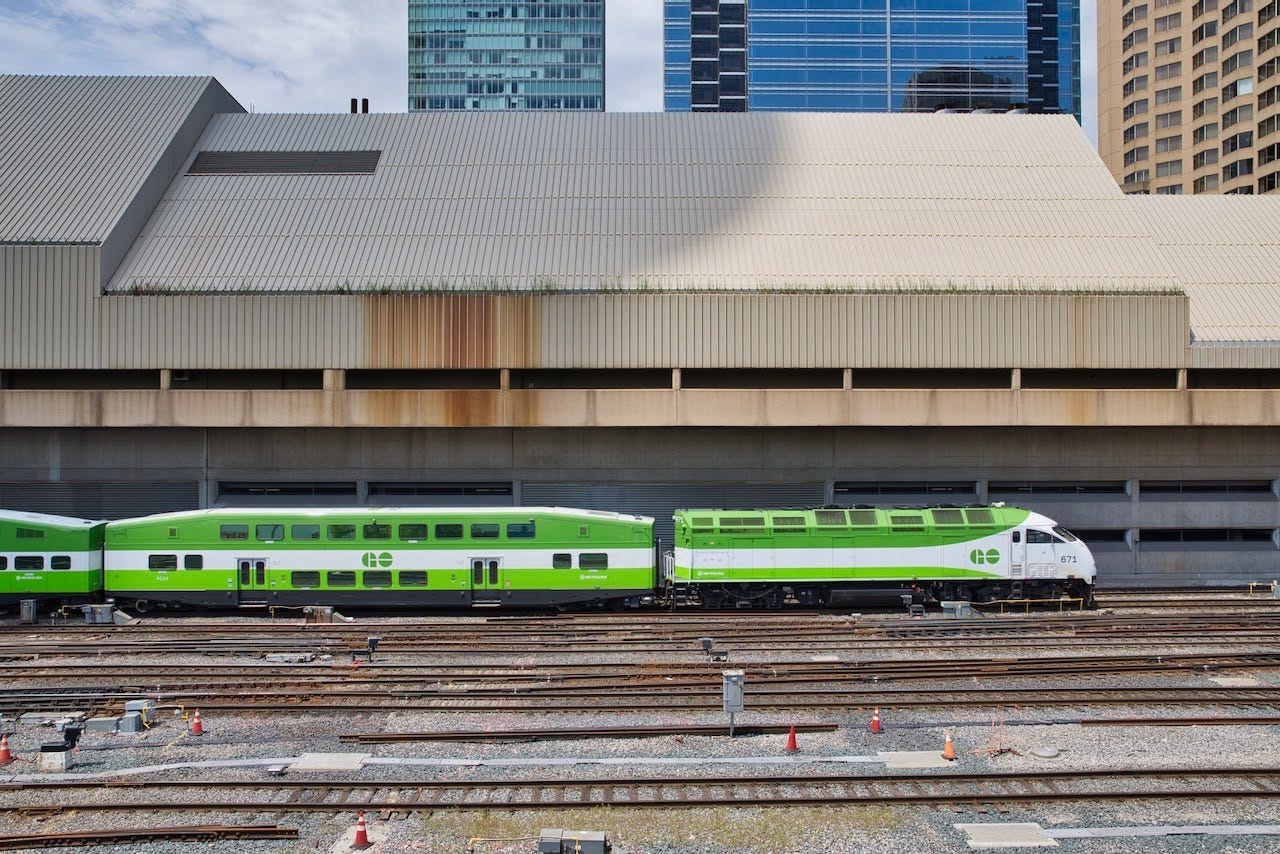
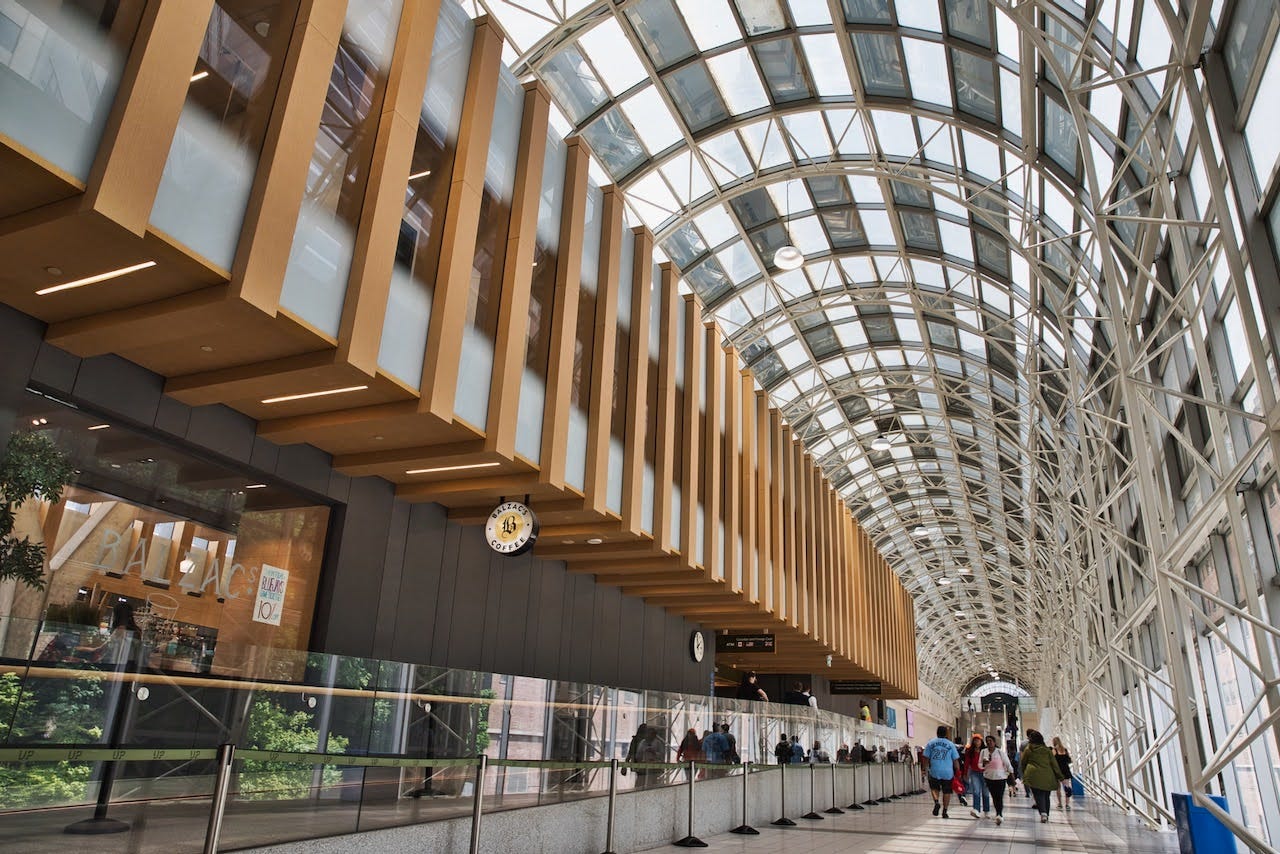
My journey began at Toronto Union Station. The goal of the day was to get to Kitchener, where I had booked a hostel bed. It would have been much easier to take a direct train, but where’s the fun in that?
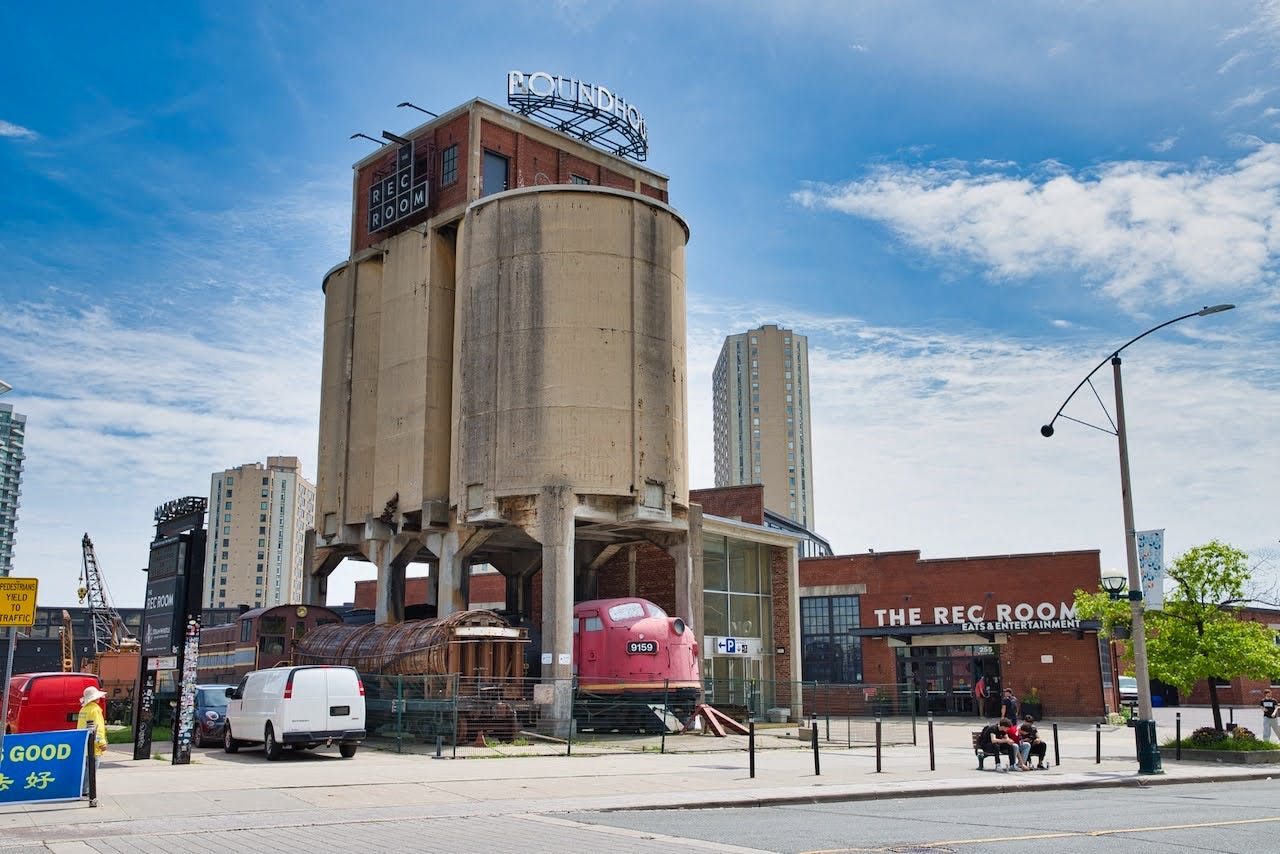
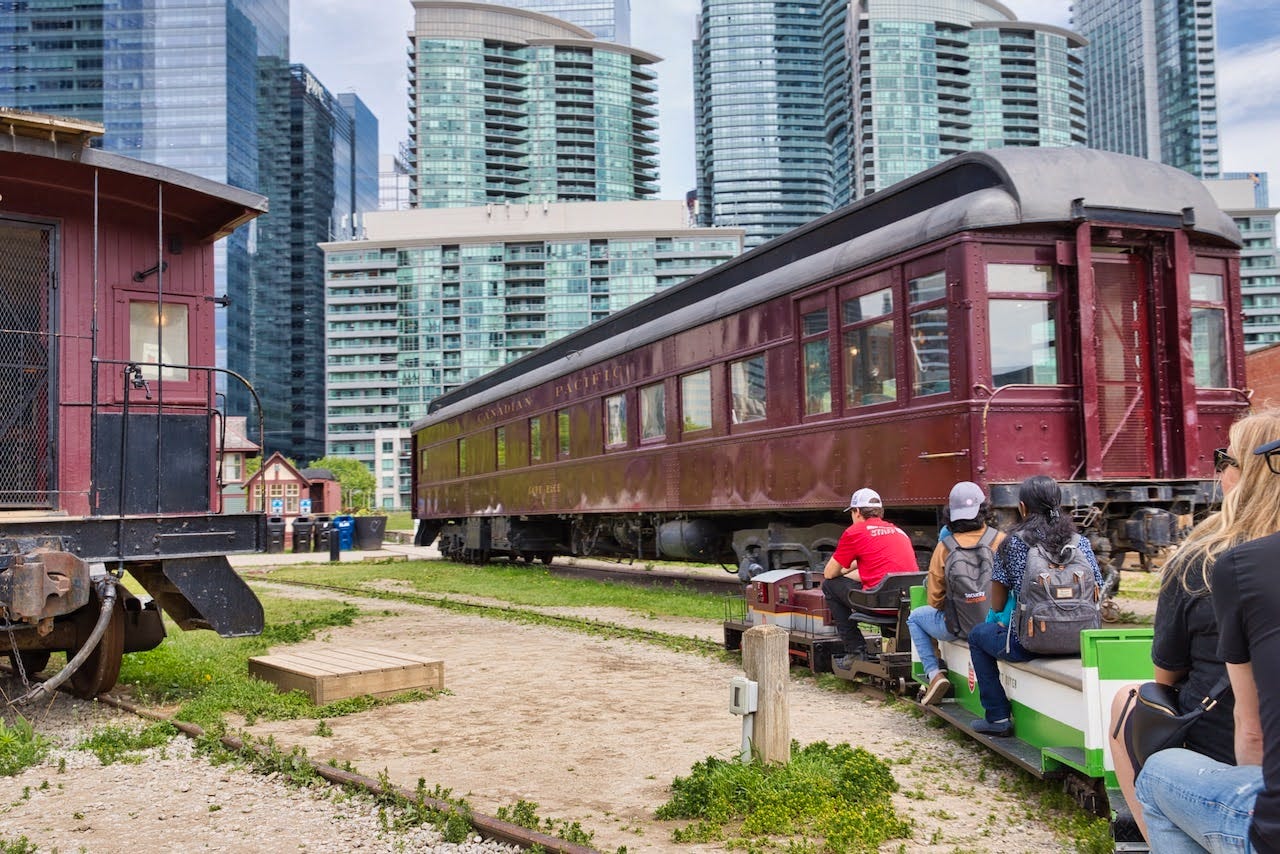
A 15-minute walk along the SkyWalk brought me to the Toronto Railway Museum, a busy place located in the former CN Roundhouse.
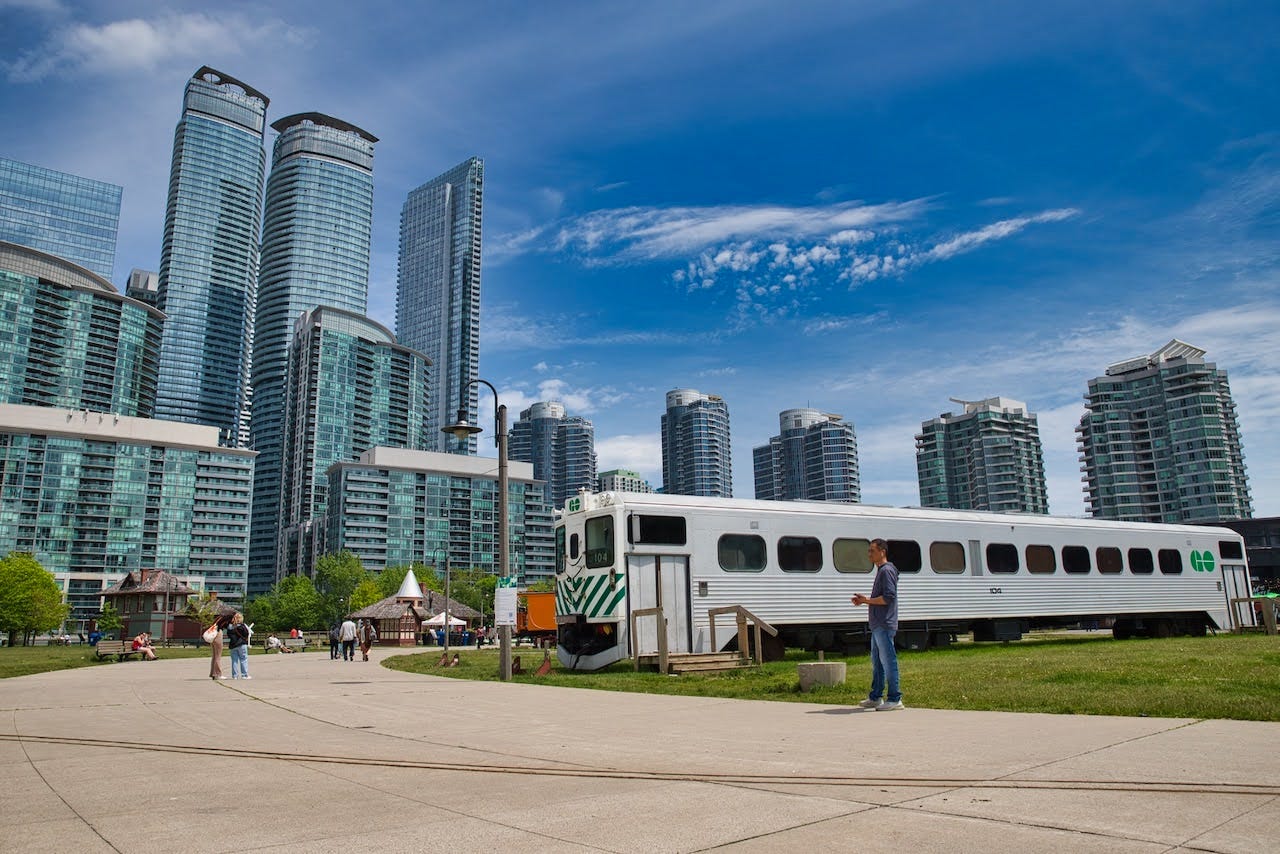
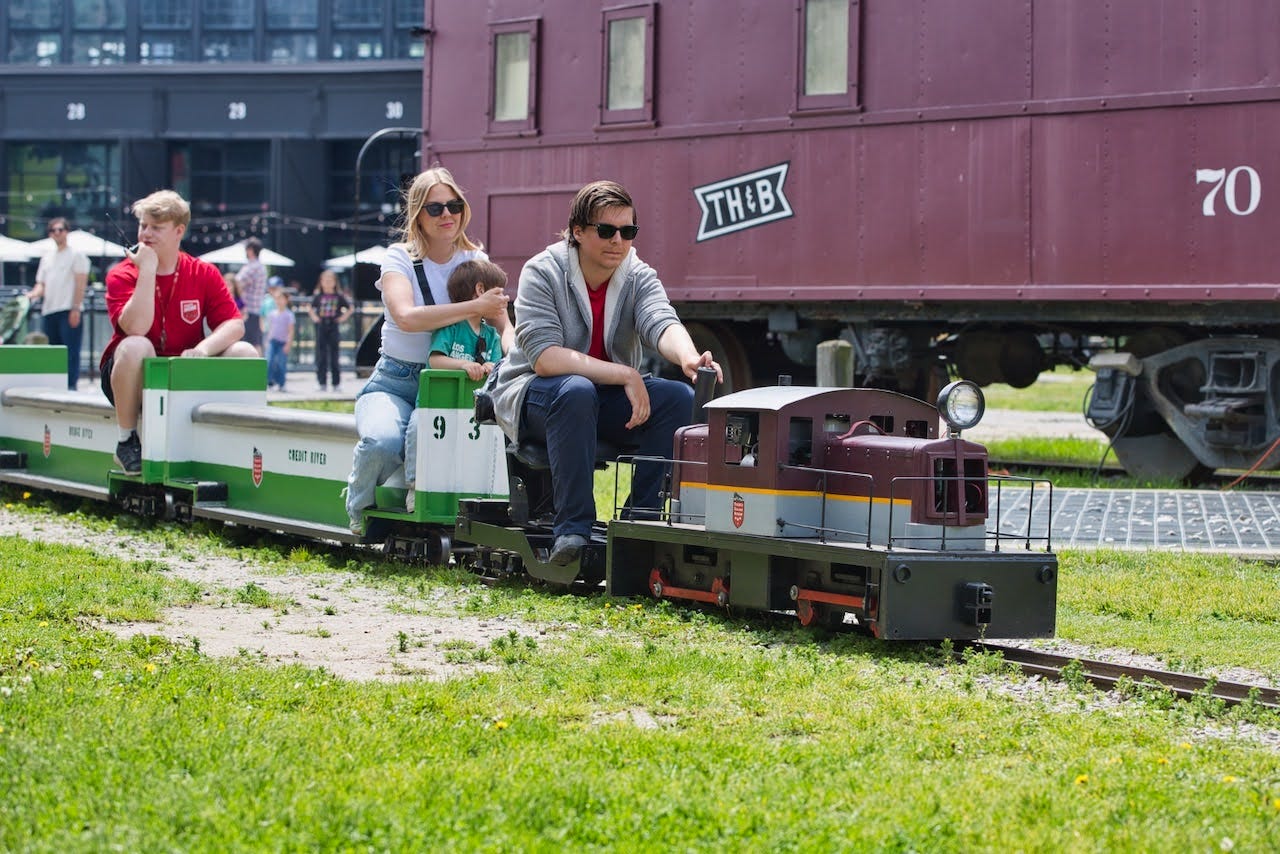
One of the best things here is a beautifully preserved steam locomotive, 6213, which made its last run in 1959. Nearby, there are a few old coaches, including the very first GO Train from the 1960s, set against the striking downtown skyline. But the highlight was the miniature train that loops around the museum in an almost perfect figure eight. The ride takes about five minutes, but it’s fun for kids and adults alike - and only $9.99.
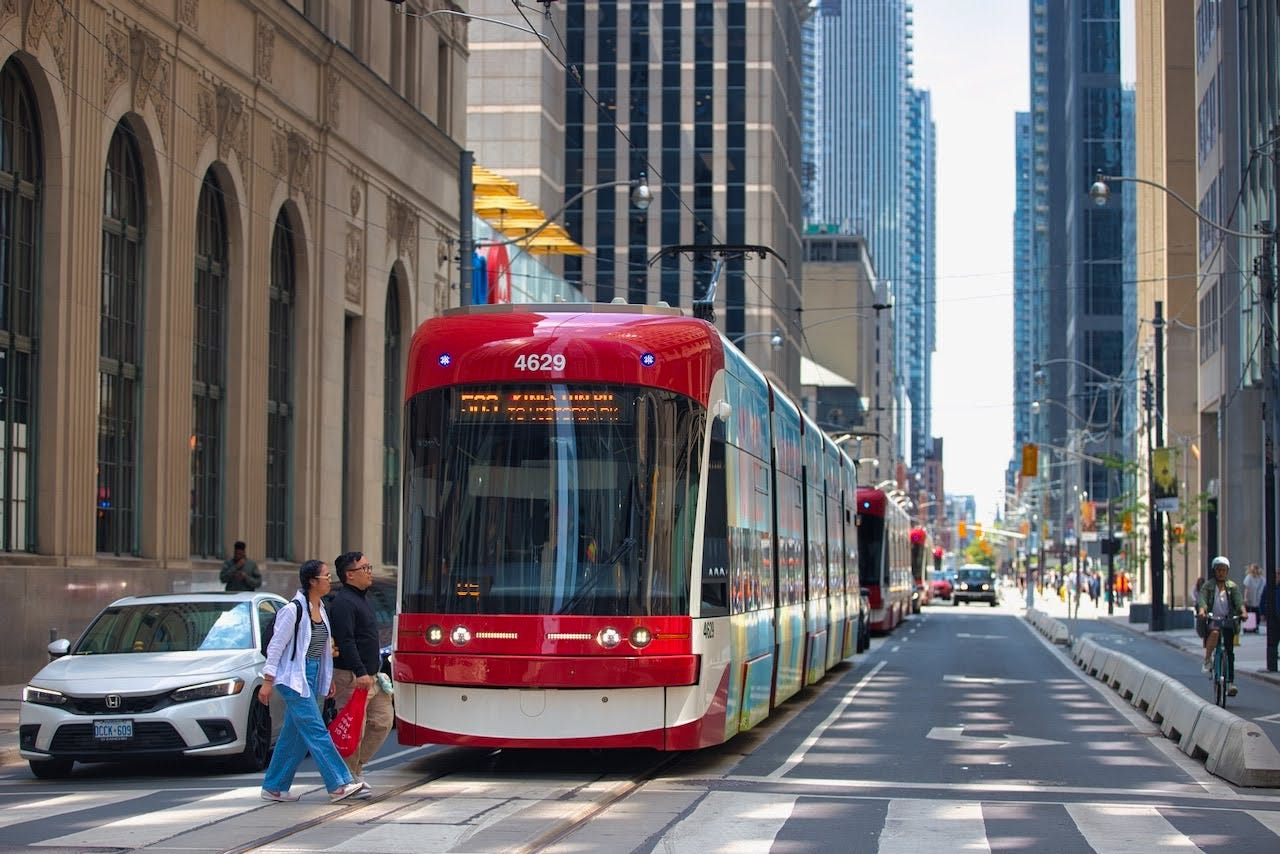
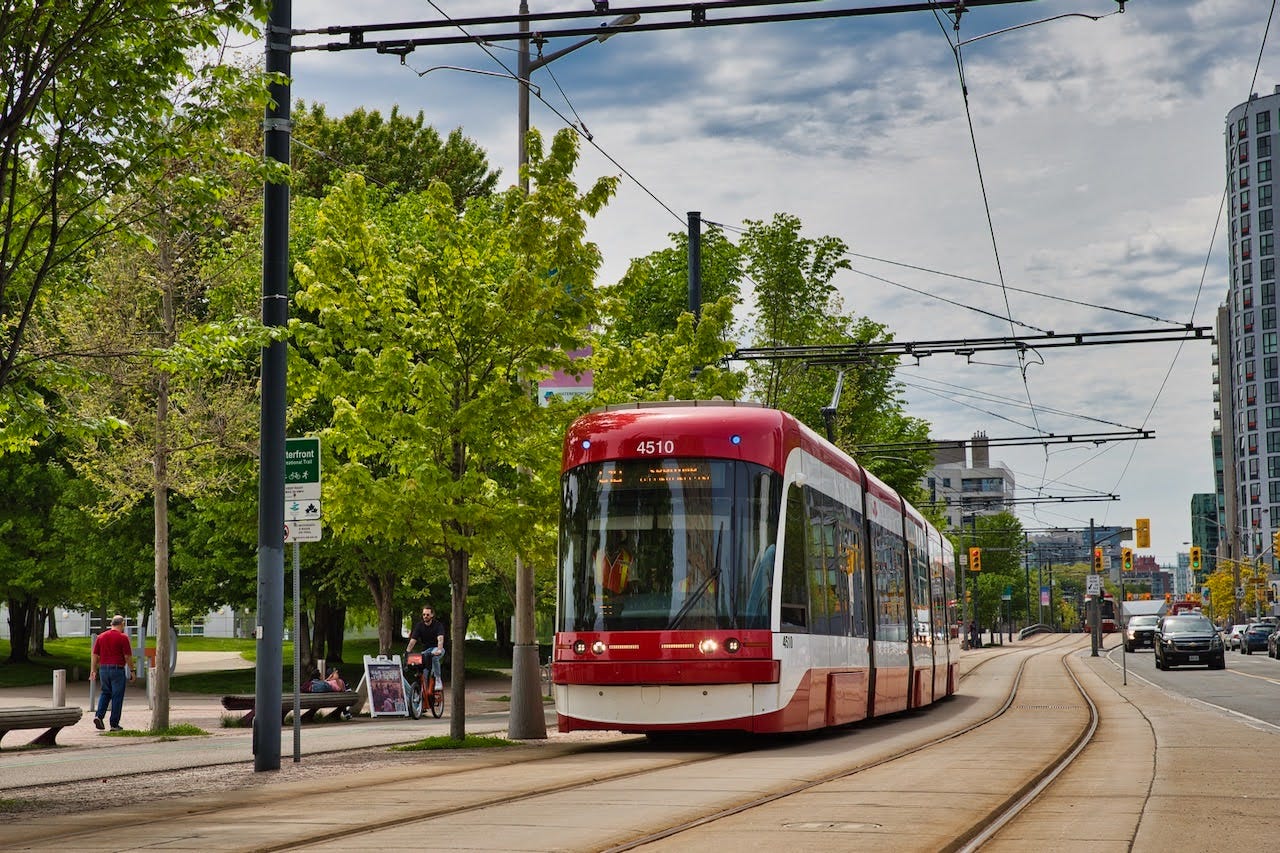
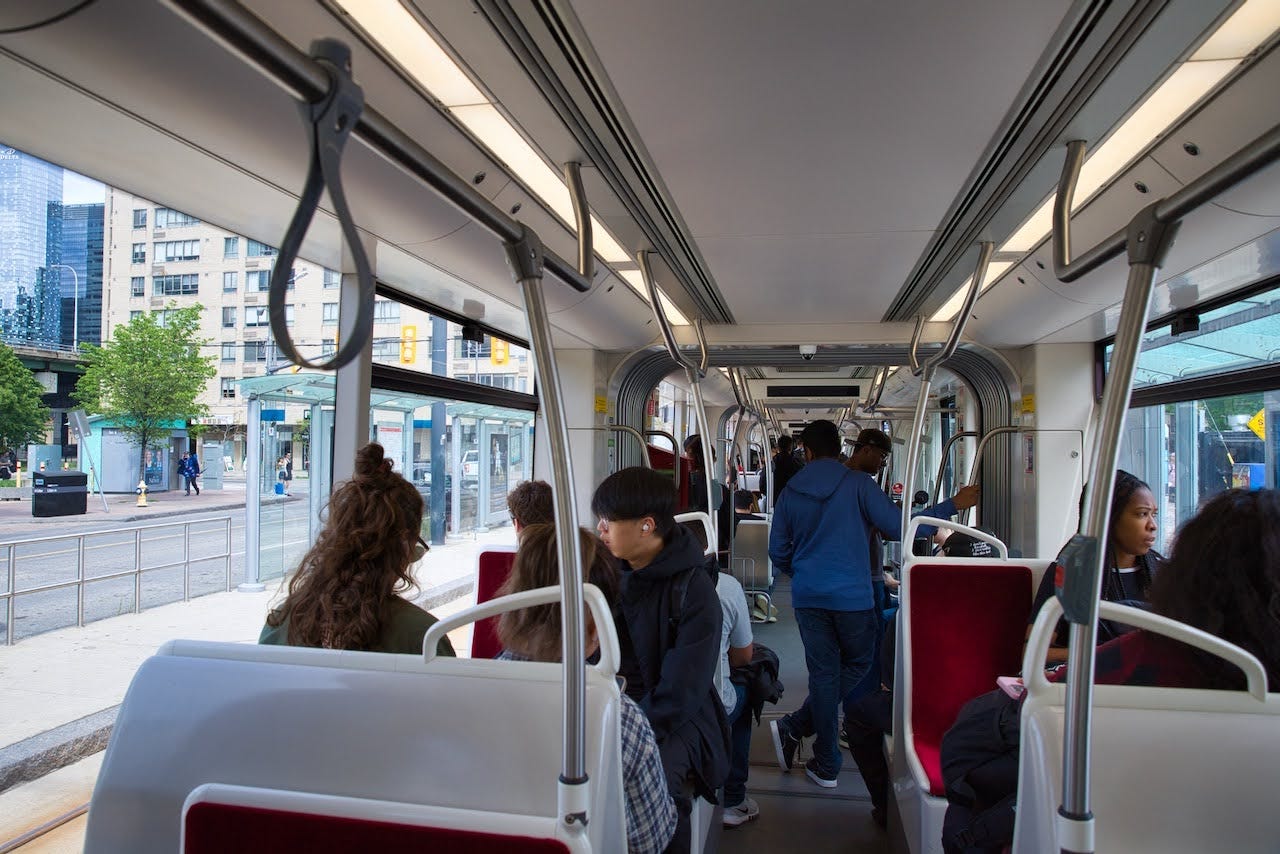
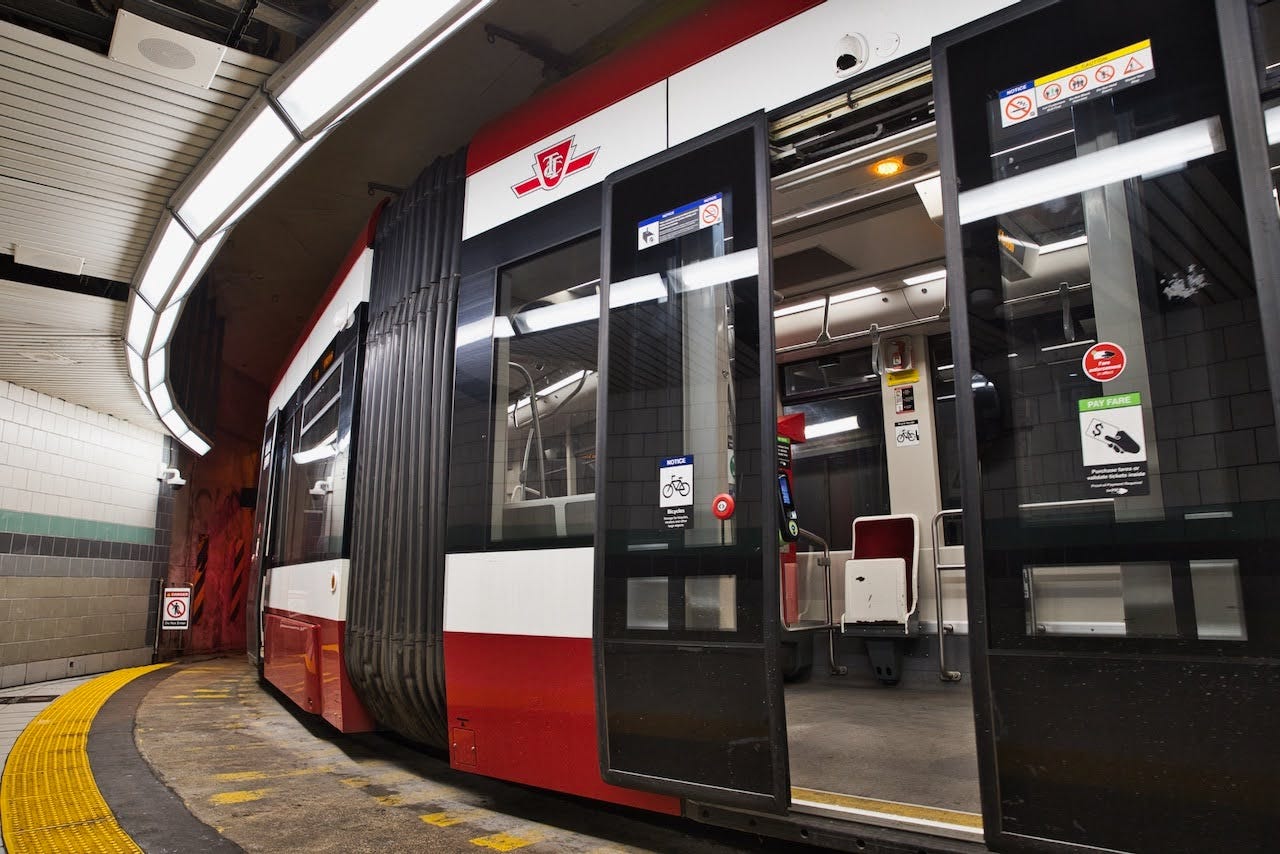
Riding toy trains is fun, but I needed to get going. I wanted to reach Kitchener before dusk. I walked to Queens Quay and took a Spadina streetcar - train number two - back to Union Station. Streetcars, North America’s name for trams, have a love-hate relationship with Toronto residents. Despite being the slowest in the world in a car-centric city, many Torontonians, including myself, still love them. They bring back memories of when I lived in Etobicoke and rode one five days a week to work at King and Bathurst. You would find me people-watching or reading National Geographic along the way. The ride is slow, but surprisingly smooth and enjoyable.
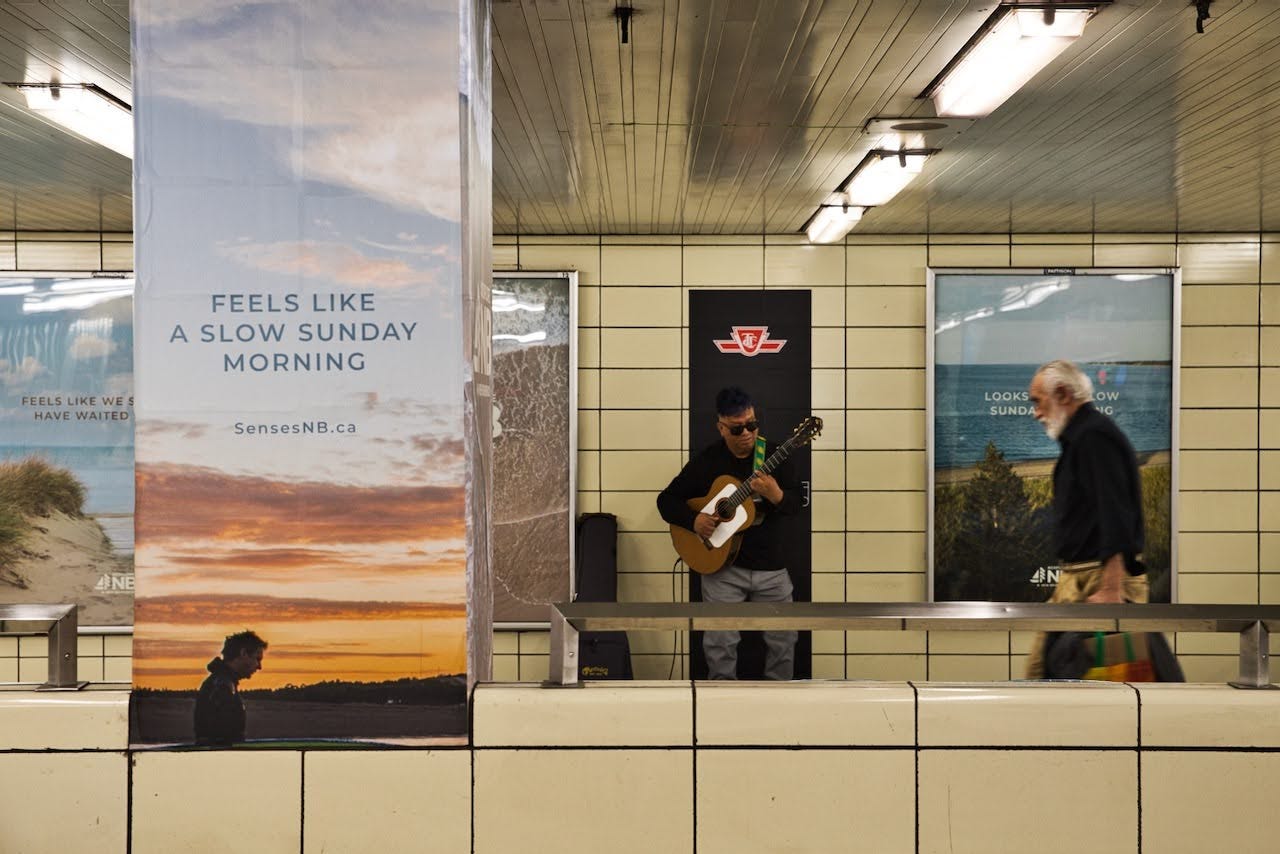
At Union Station, I transferred to subway Line 1 toward Finch, train number three. It was my least favourite leg, as the car was predictably crowded during rush hour. Still, it was quick, only about a 10-minute ride to Bloor–Yonge.
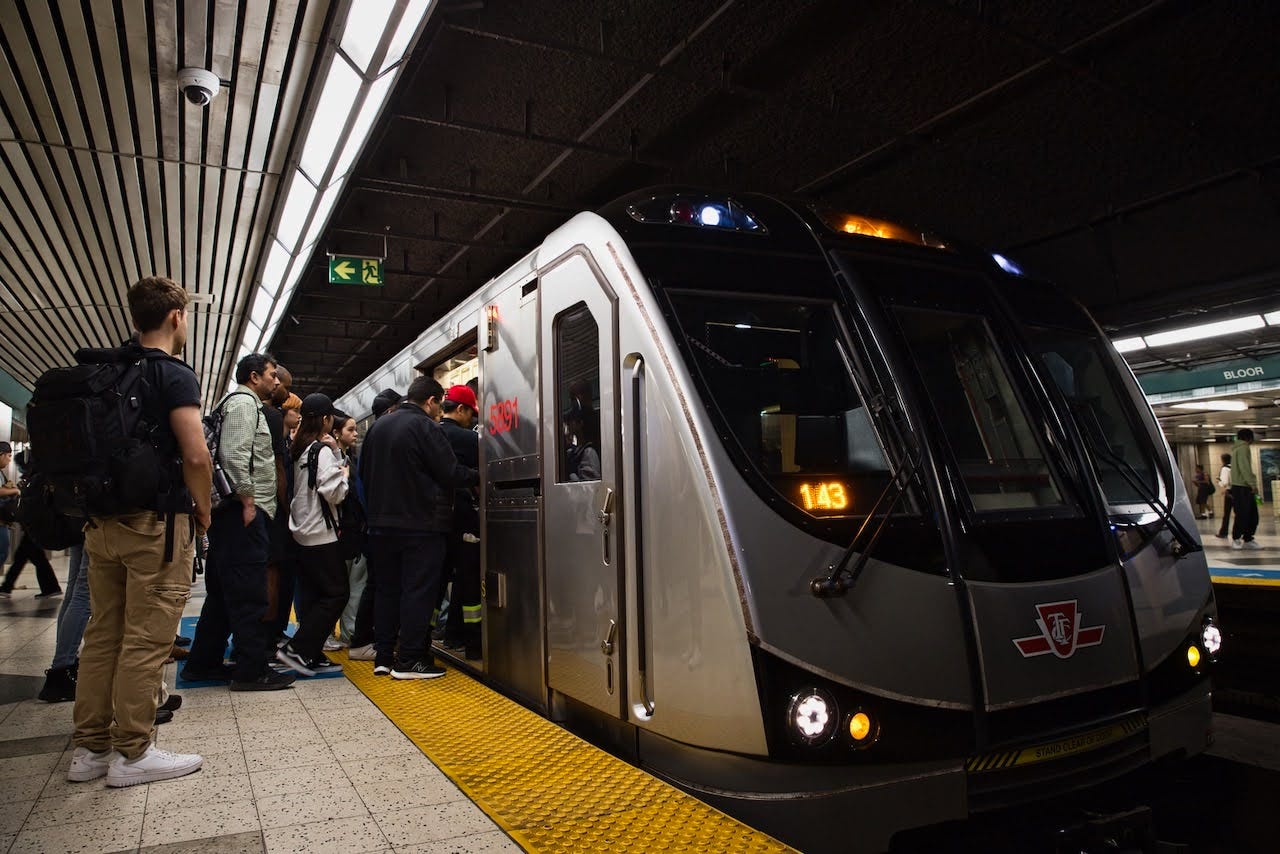
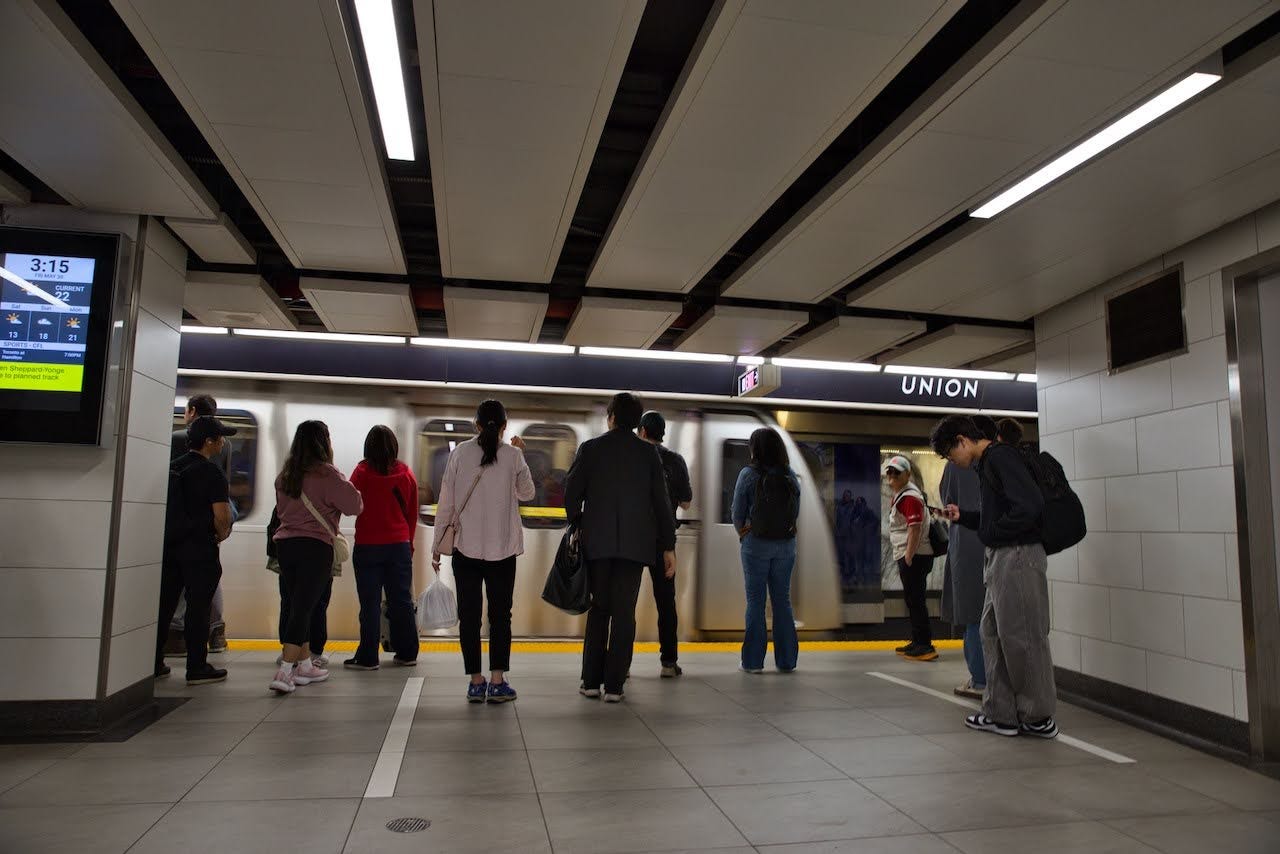
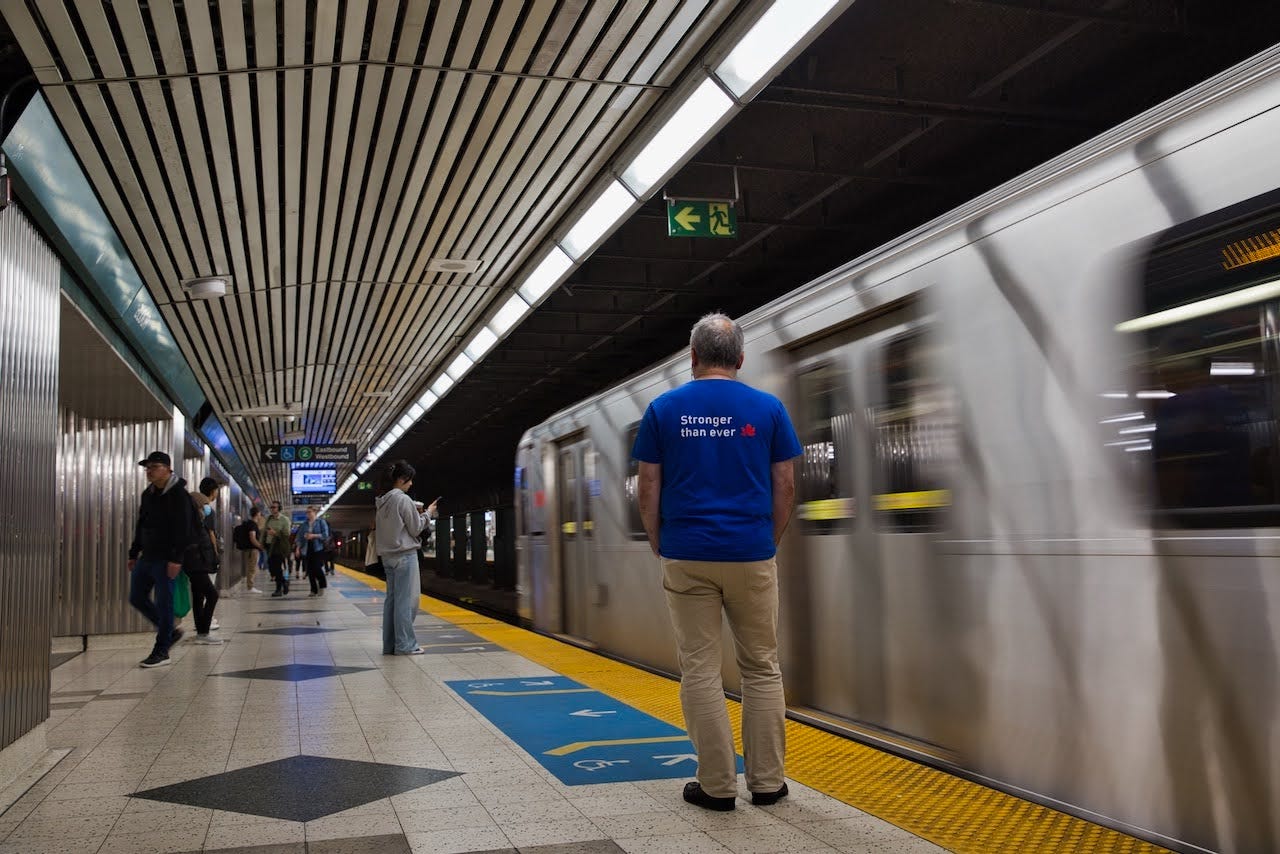
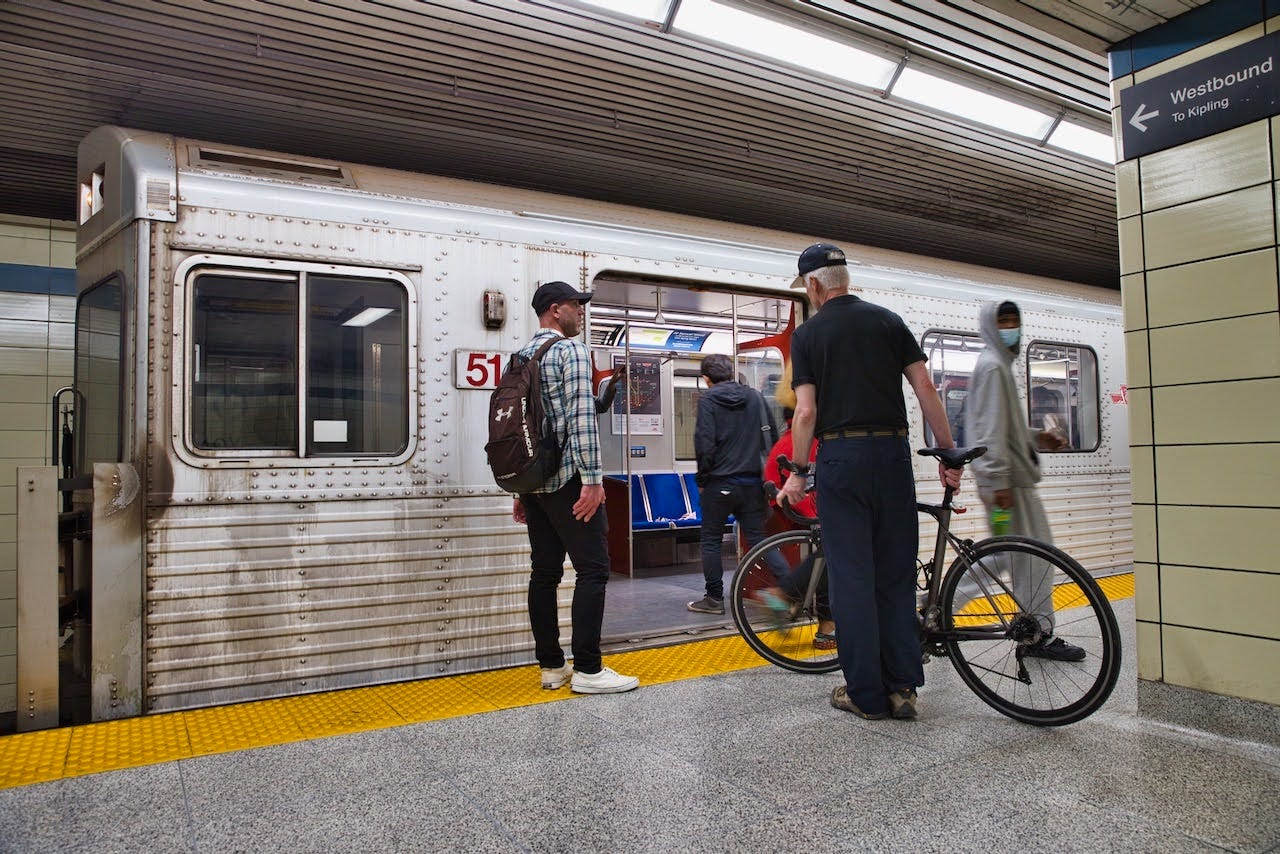
Subway Line 2, train number four, operates sturdy, tank-like trains that already looked dated when introduced in the 1990s. Inside, however, they’re clean and comfortable, and among the few in North America that still offer a partially unobstructed driver’s view through the front window. I took it to Dundas West Station, where I connected to regional trains operated by Metrolinx.
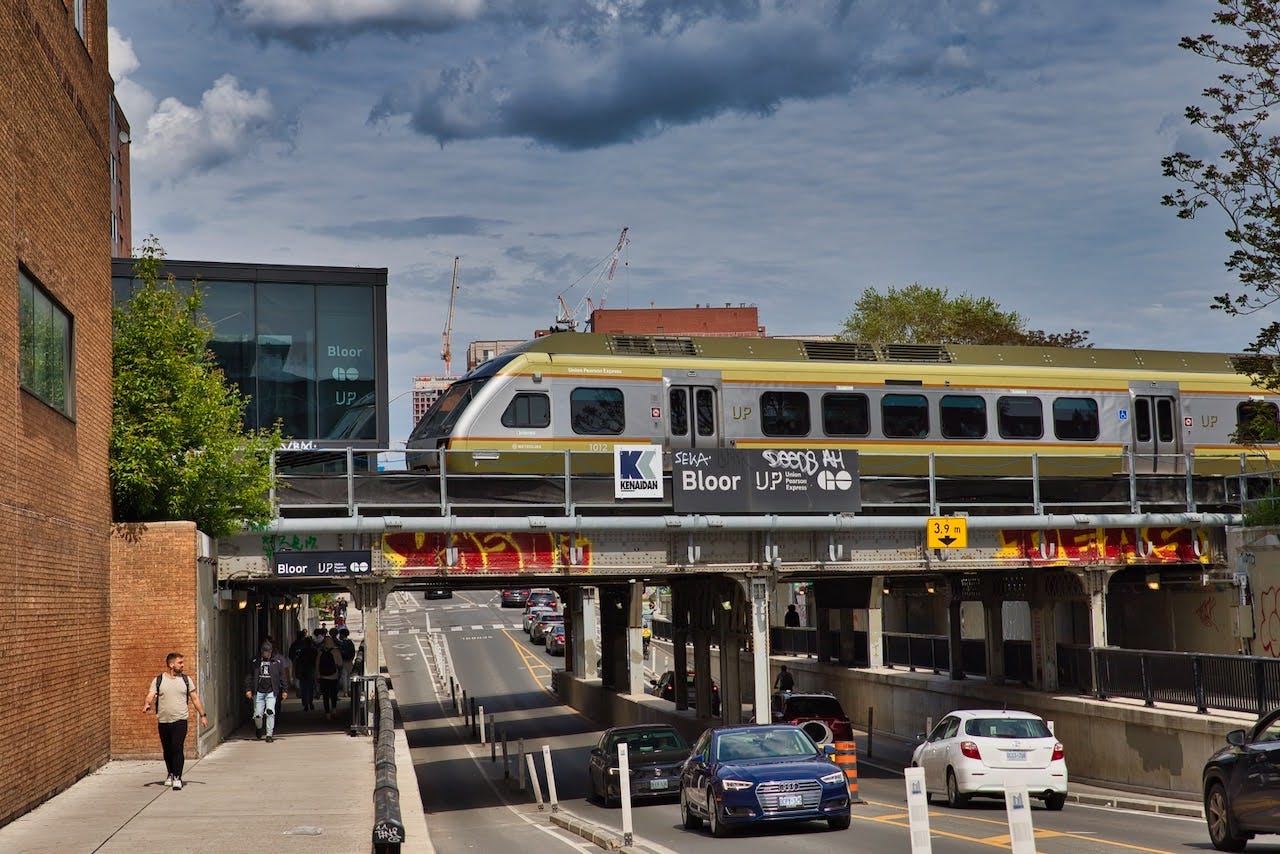
Train number five, the Union Pearson (UP) Express, took me to Weston Station, a short five- to seven-minute ride. The UP Express is fast, frequent, and serving not only Pearson Airport but communities such as Roncesvalles, Mount Dennis, and North Etobicoke. My only complaint is that it can get crowded, making a trip less than ideal especially with large luggage.
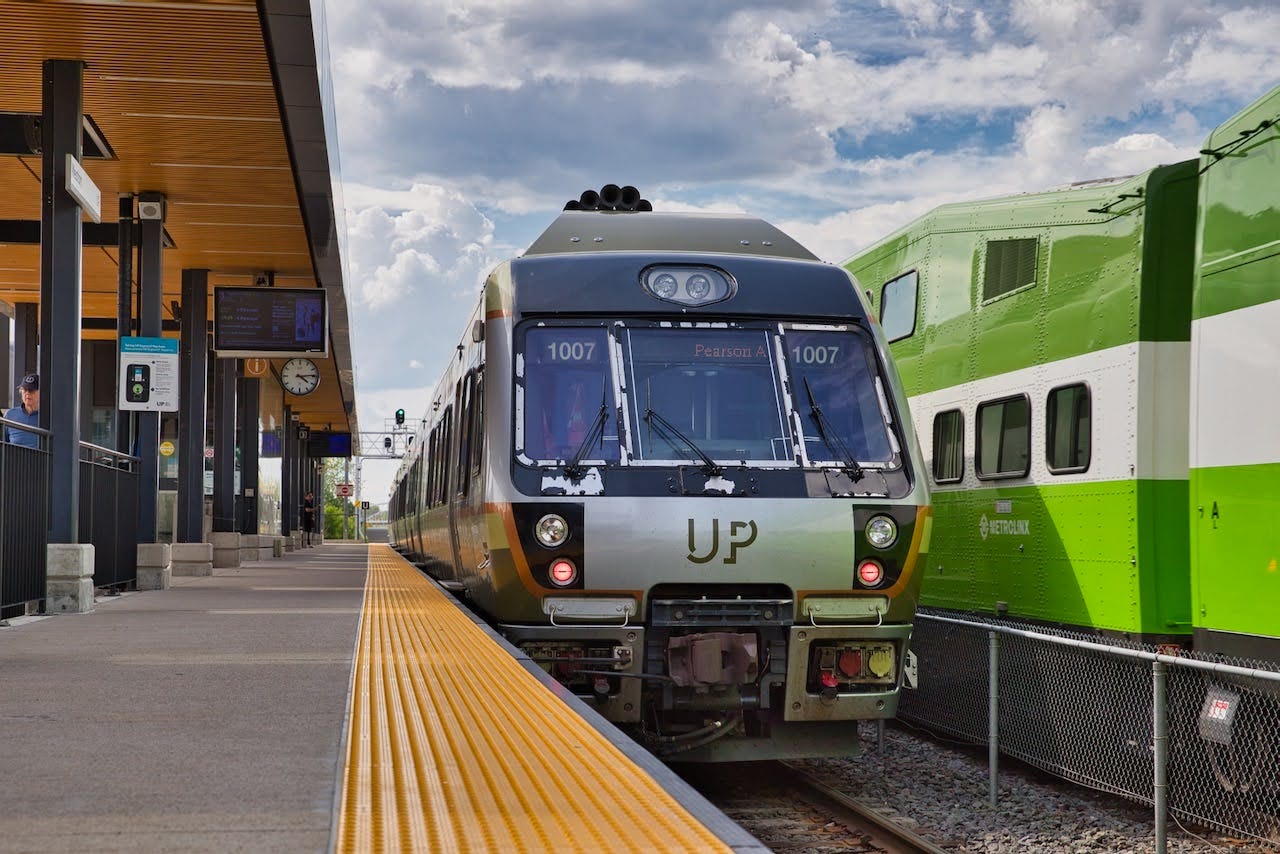
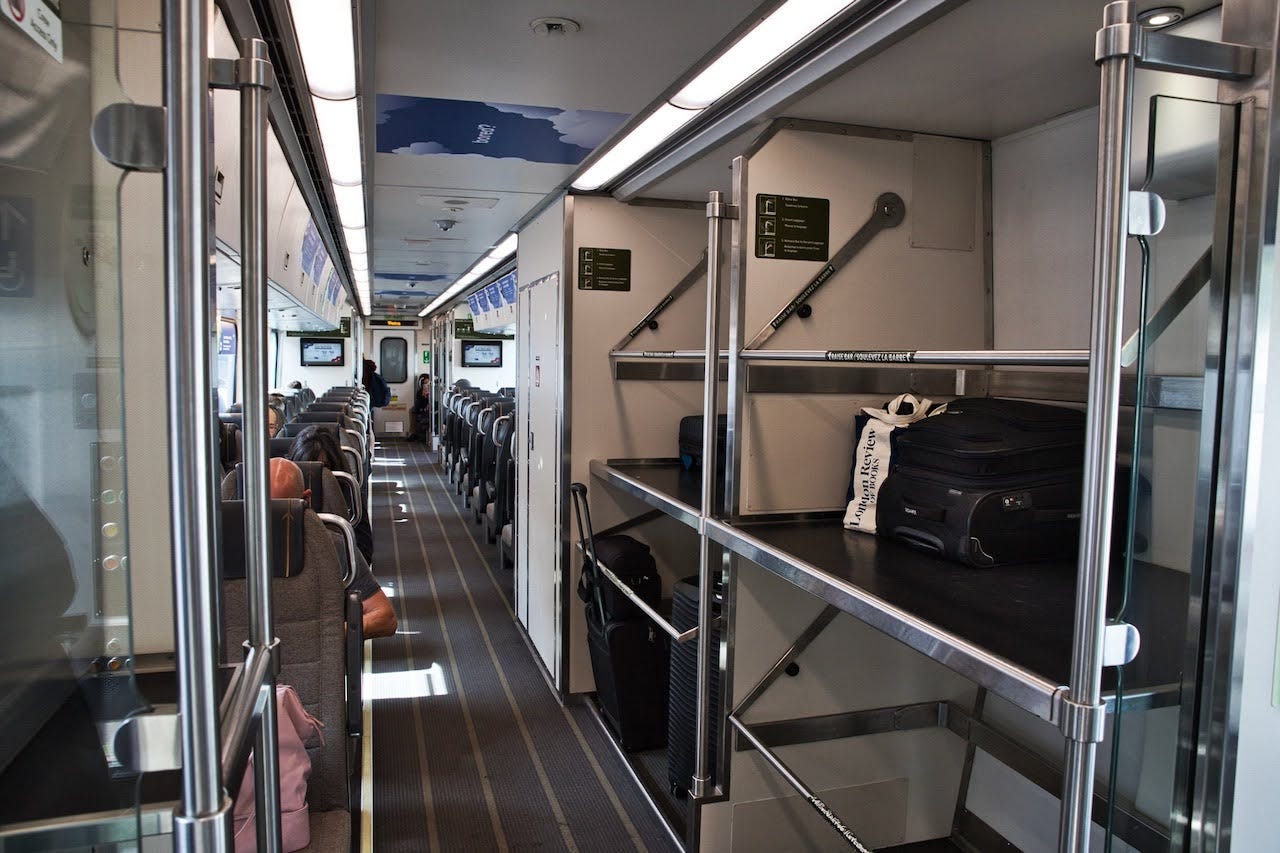
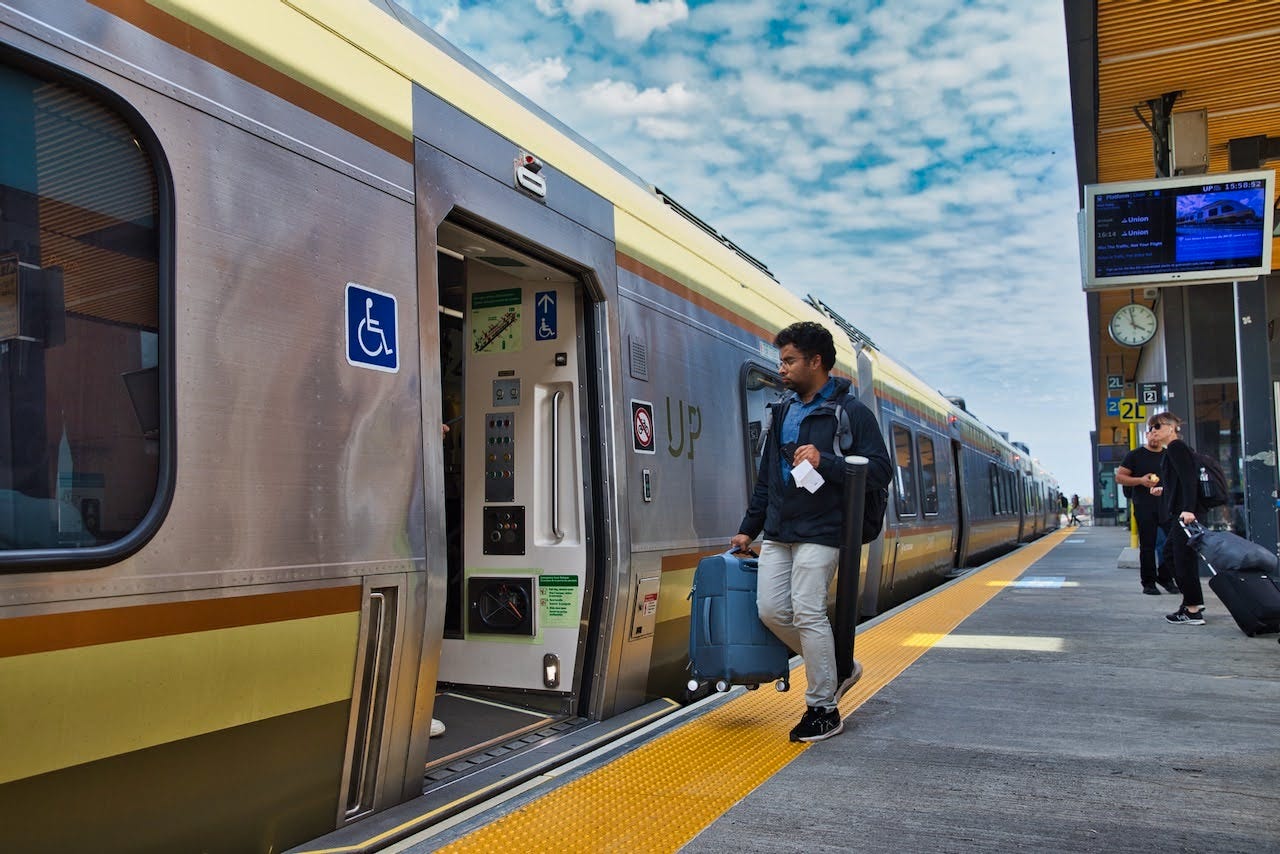
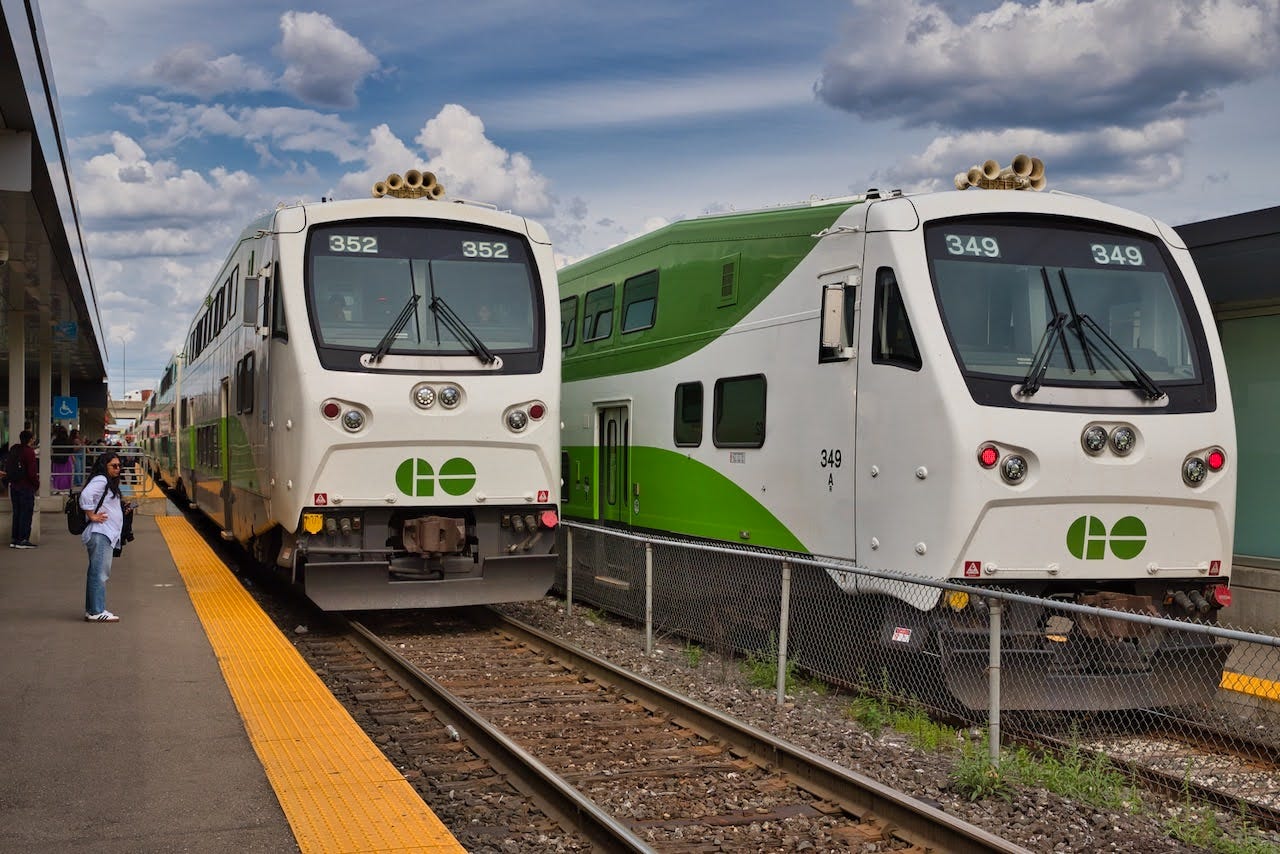
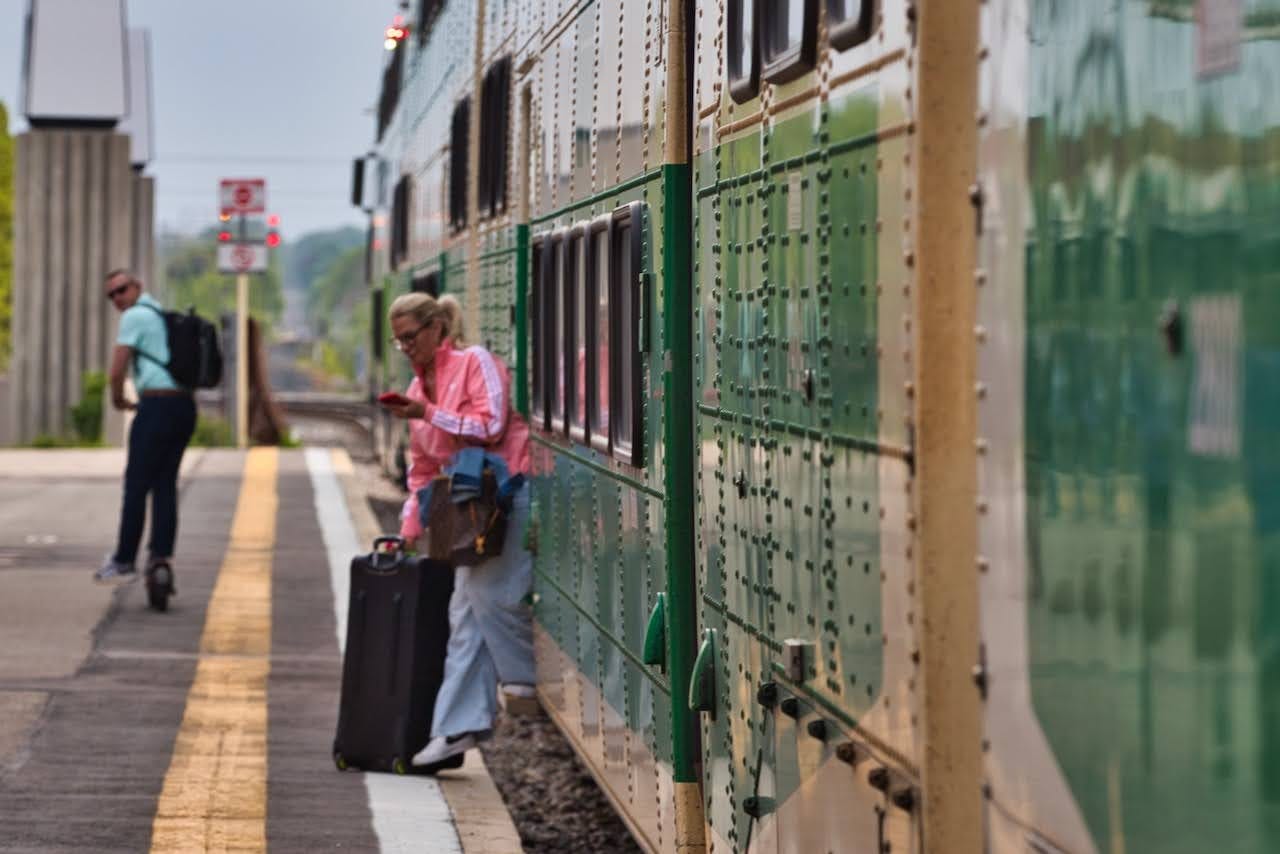
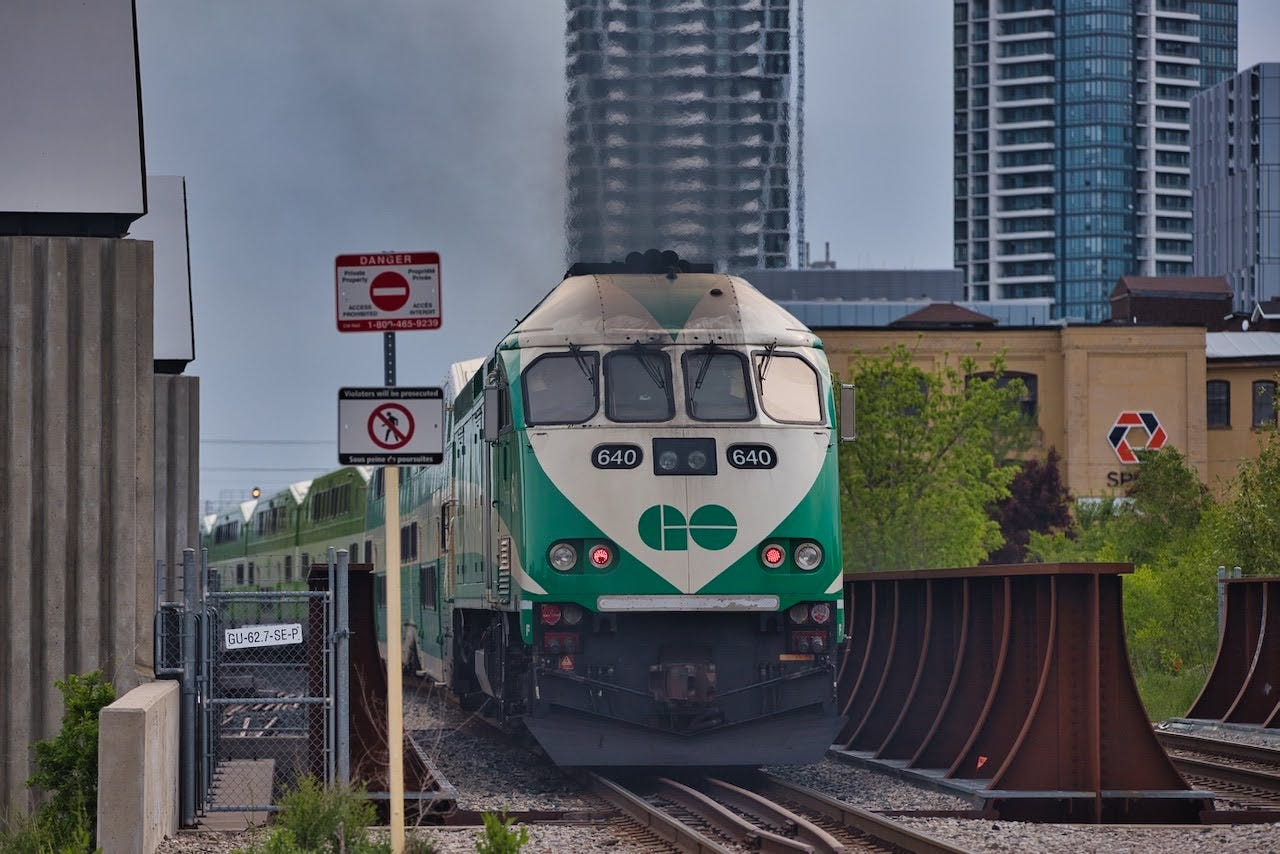
At Weston, I walked along the platform to catch a GO Train to Kitchener, train number six. This line is evolving from a commuter service into a true regional rail line. The difference is simple: commuter trains bring passengers downtown during peak hours, while regional trains run all day in both directions. Metrolinx is investing heavily in upgrades, including electrification and double-tracking for added capacity.
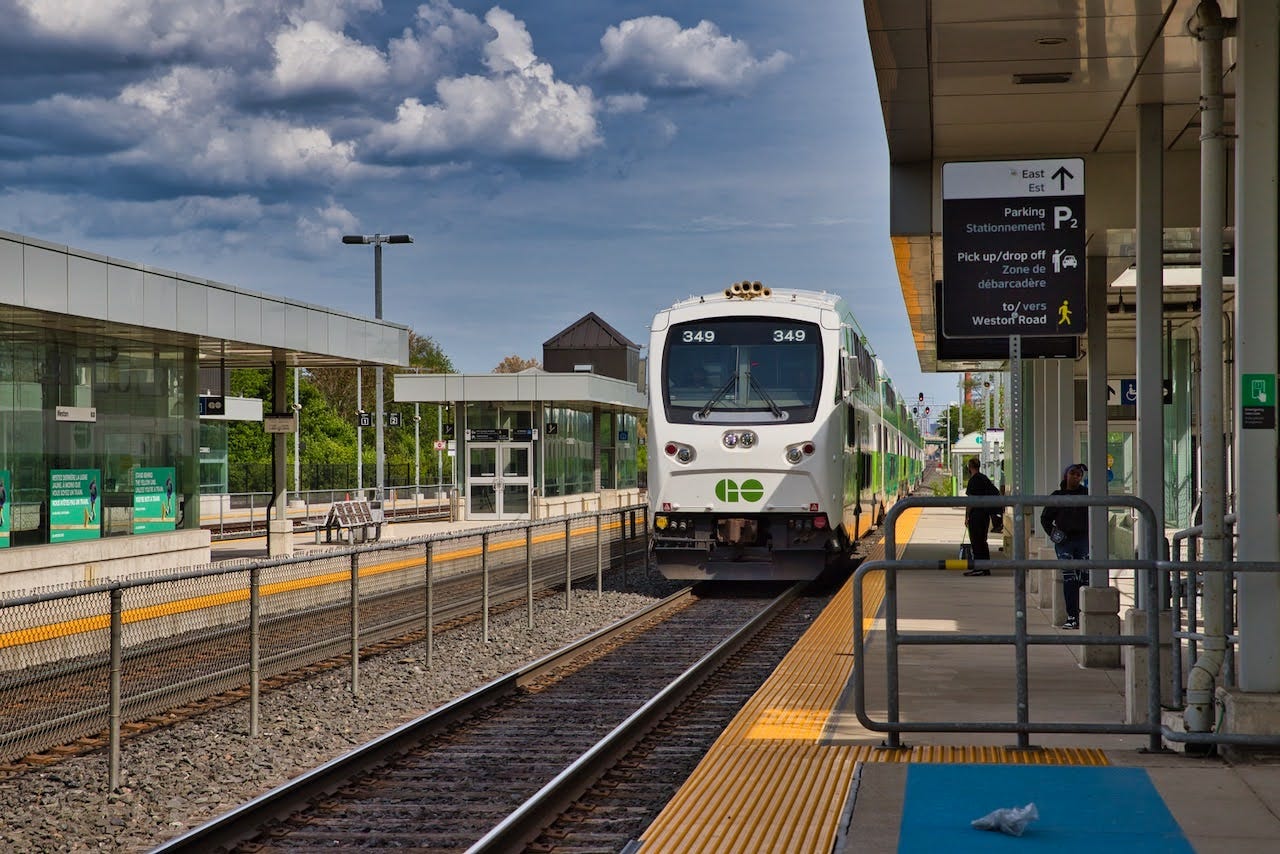
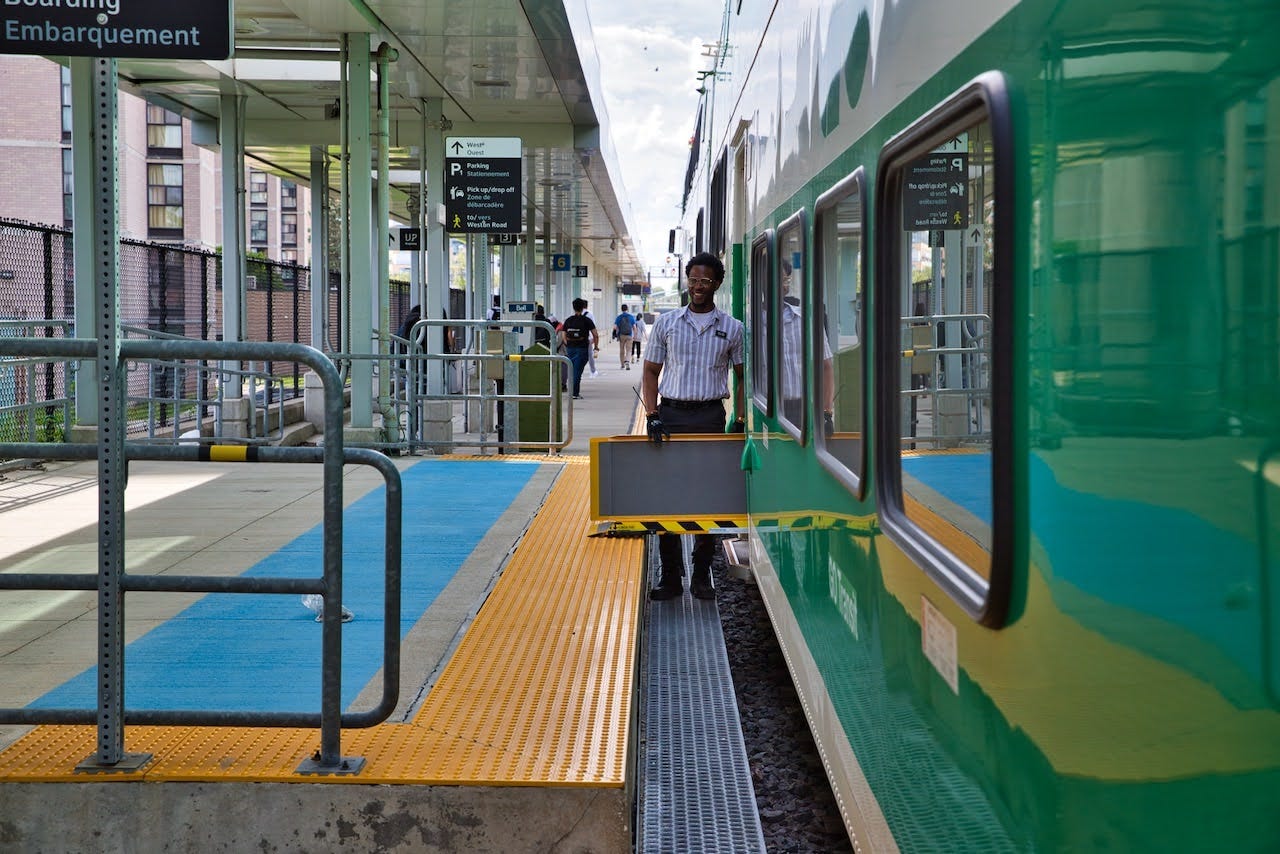
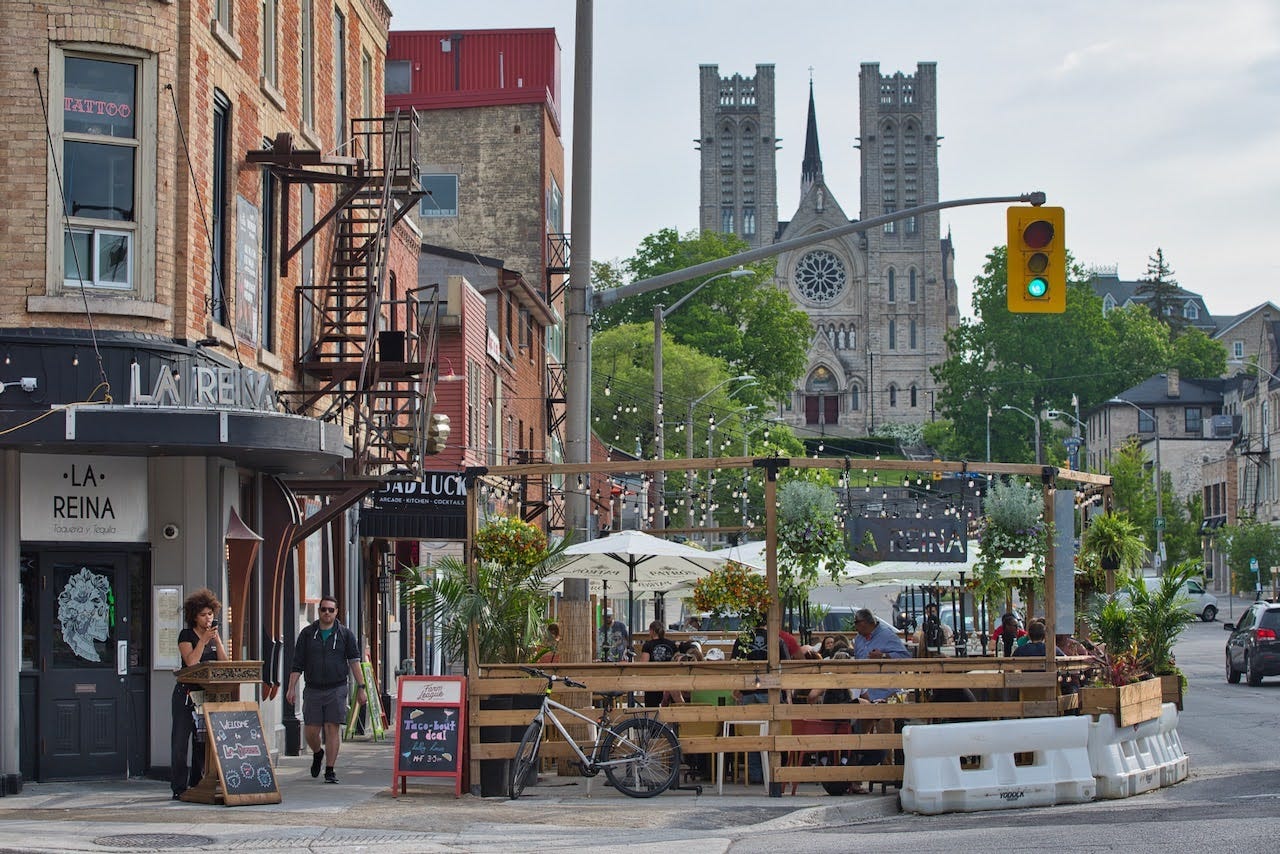
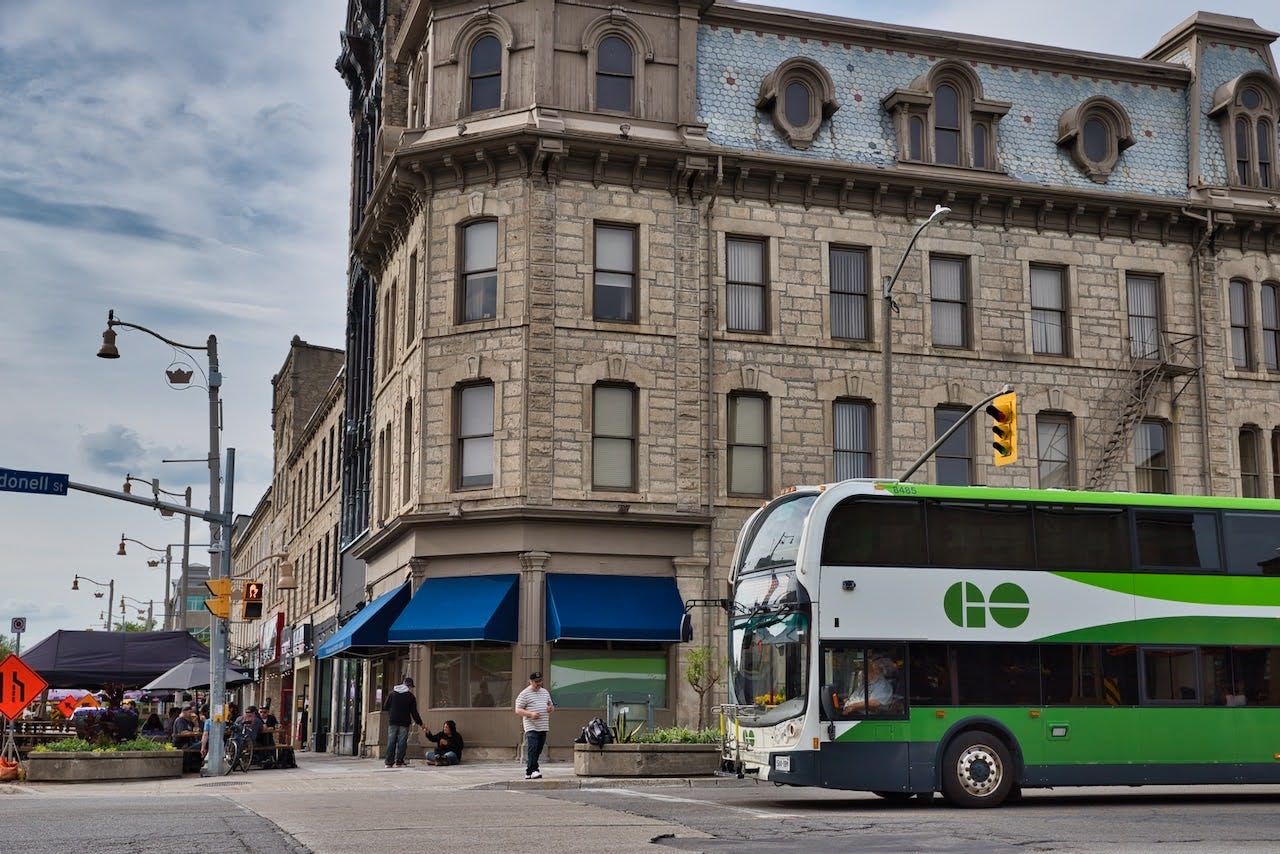
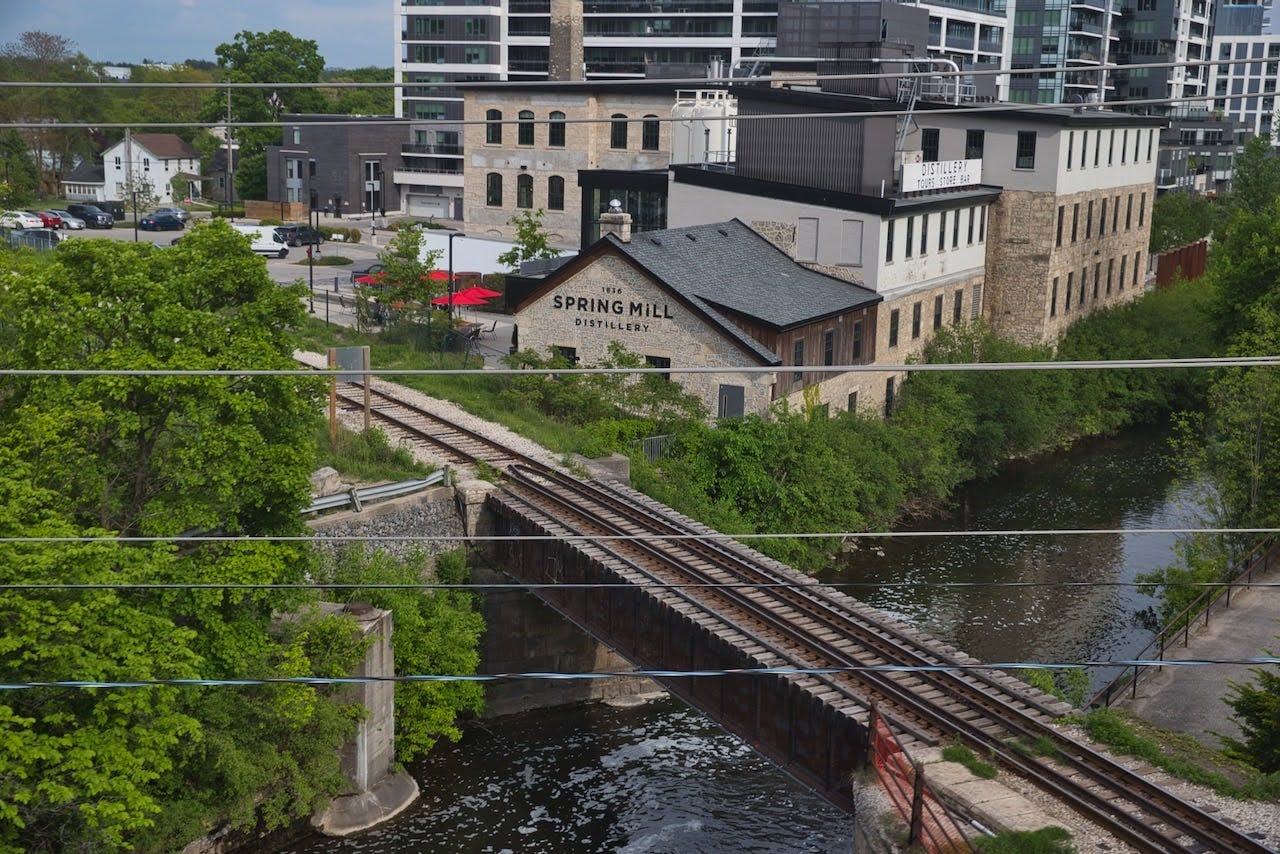
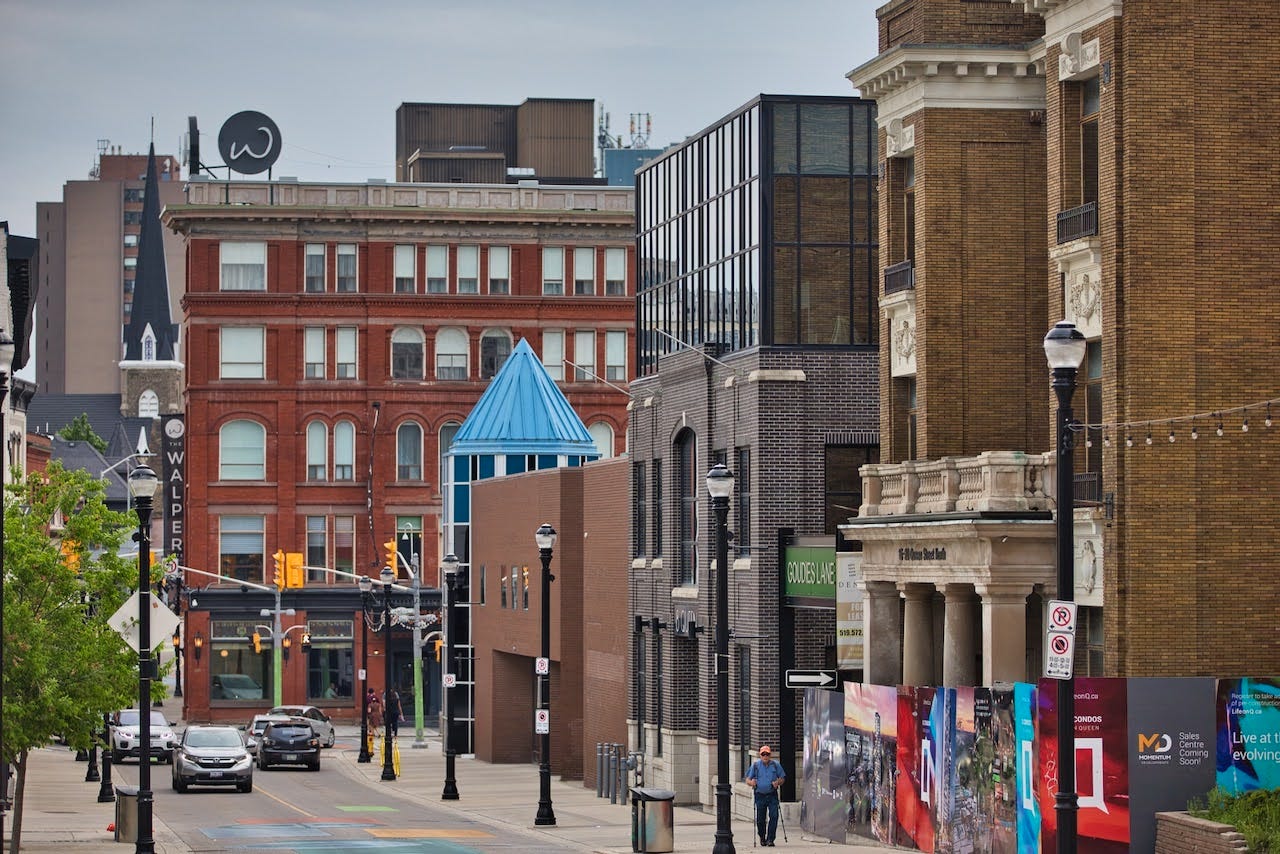
Instead of staying on the train to Kitchener, I got off in Guelph and caught the next one. I didn’t regret it. Guelph is worth a visit. This might be a stretch, but I’ll say it anyway: it reminds me of Old Quebec City, only smaller. Colonial stone buildings, cozy cafés, lively patios, and the magnificent Basilica of Our Lady Immaculate dominate this picturesque town.
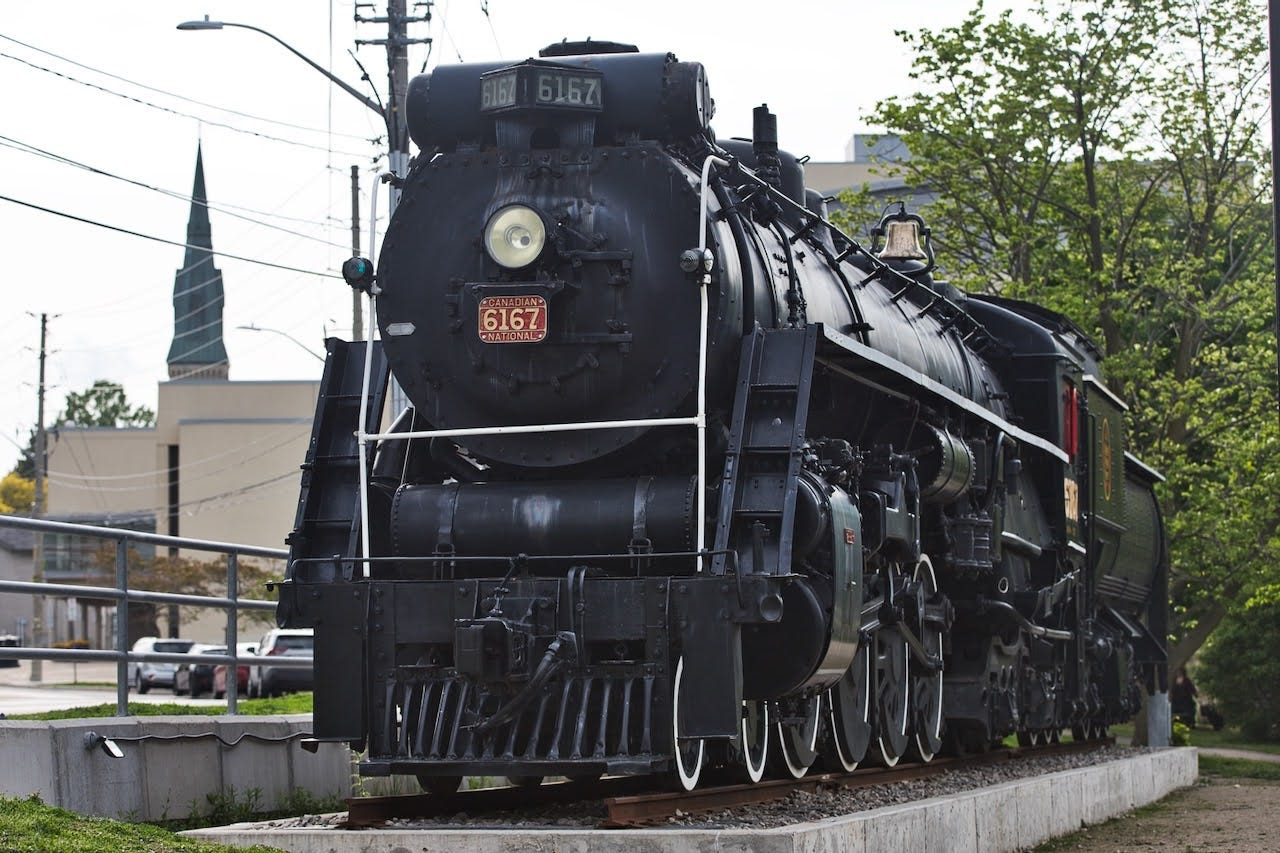
I also paid homage to steam locomotive 6167, which was involved in a tragic head-on collision on July 6, 1943, near Montmagny, Quebec. Both locomotives were thrown roughly 5 metres / 15 feet into the air before crashing back onto a bridge. Remarkably, 6167 was repaired and returned to service until its retirement in 1964. Just wow.
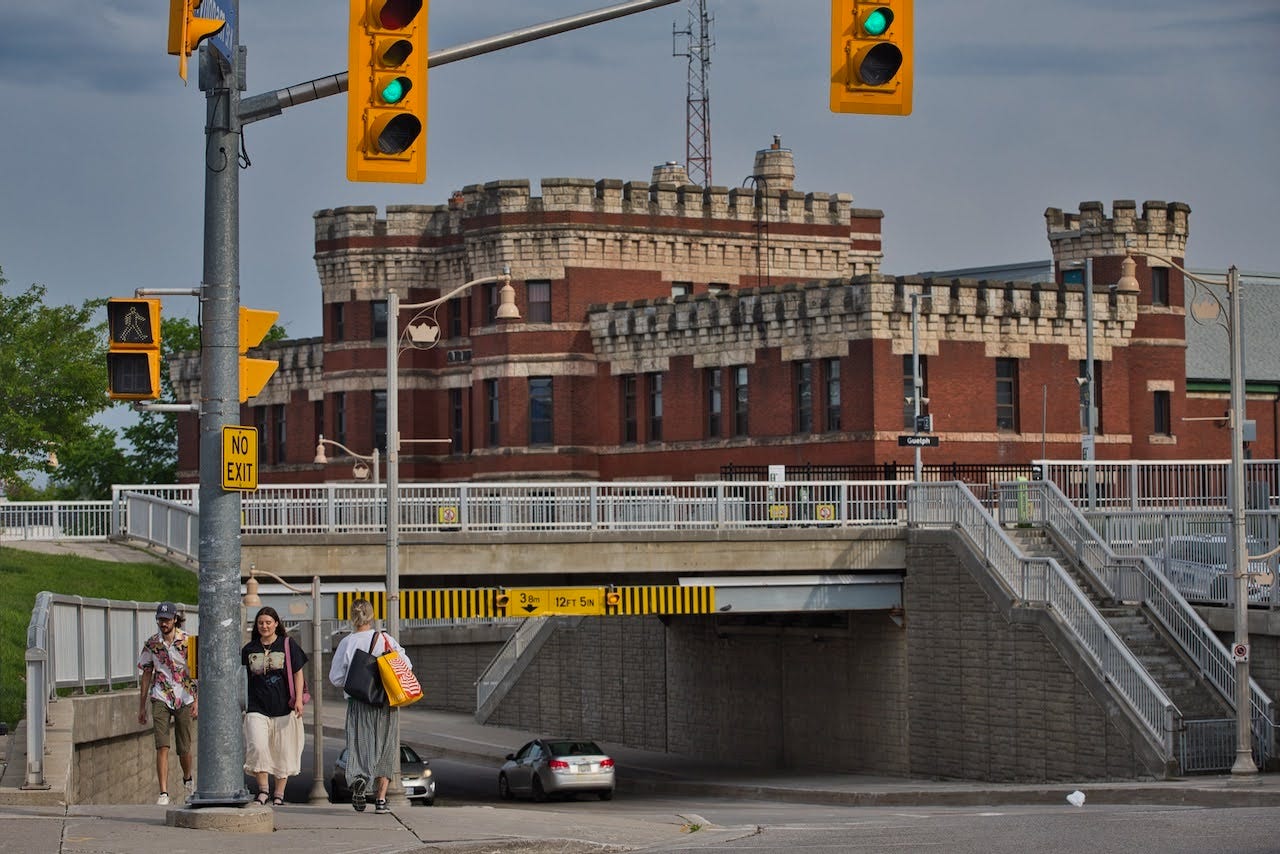
Kitchener is only about 20 minutes from Guelph. It’s a gritty city with a strong industrial character and you can see it right from the station. Unfortunately, you can also see a large encampment where homeless people live. Still, Kitchener has its highlights: summer festivals, a weekend farmers’ market, and an excellent Indian food scene. I couldn’t resist a Mumbai-style dosa with tender chicken and spicy chutneys, possibly the best I’ve had.

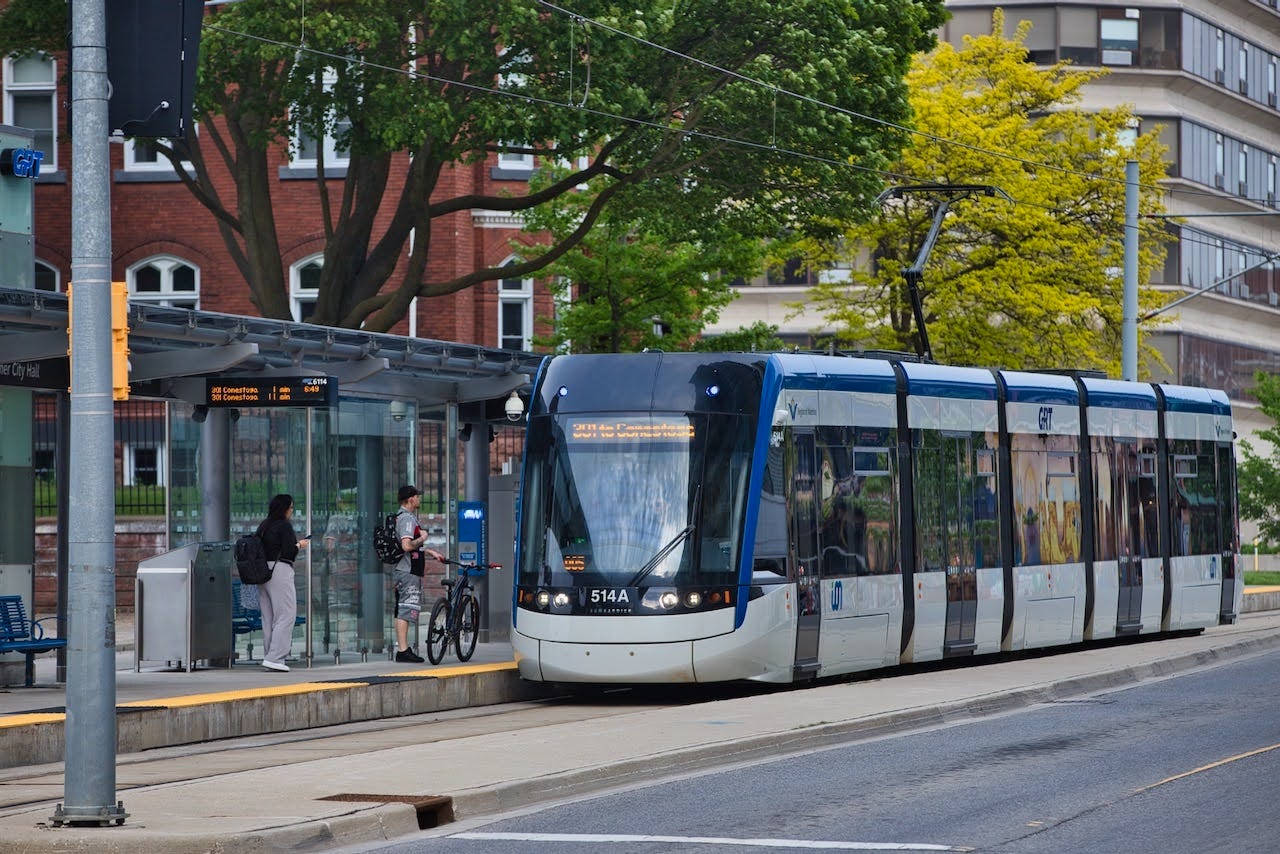
After a good night’s sleep in a hostel, I took train number seven, the ION LRT, to Waterloo. My destination was the Waterloo Central Railway, a heritage line operating on Saturdays between May and October.
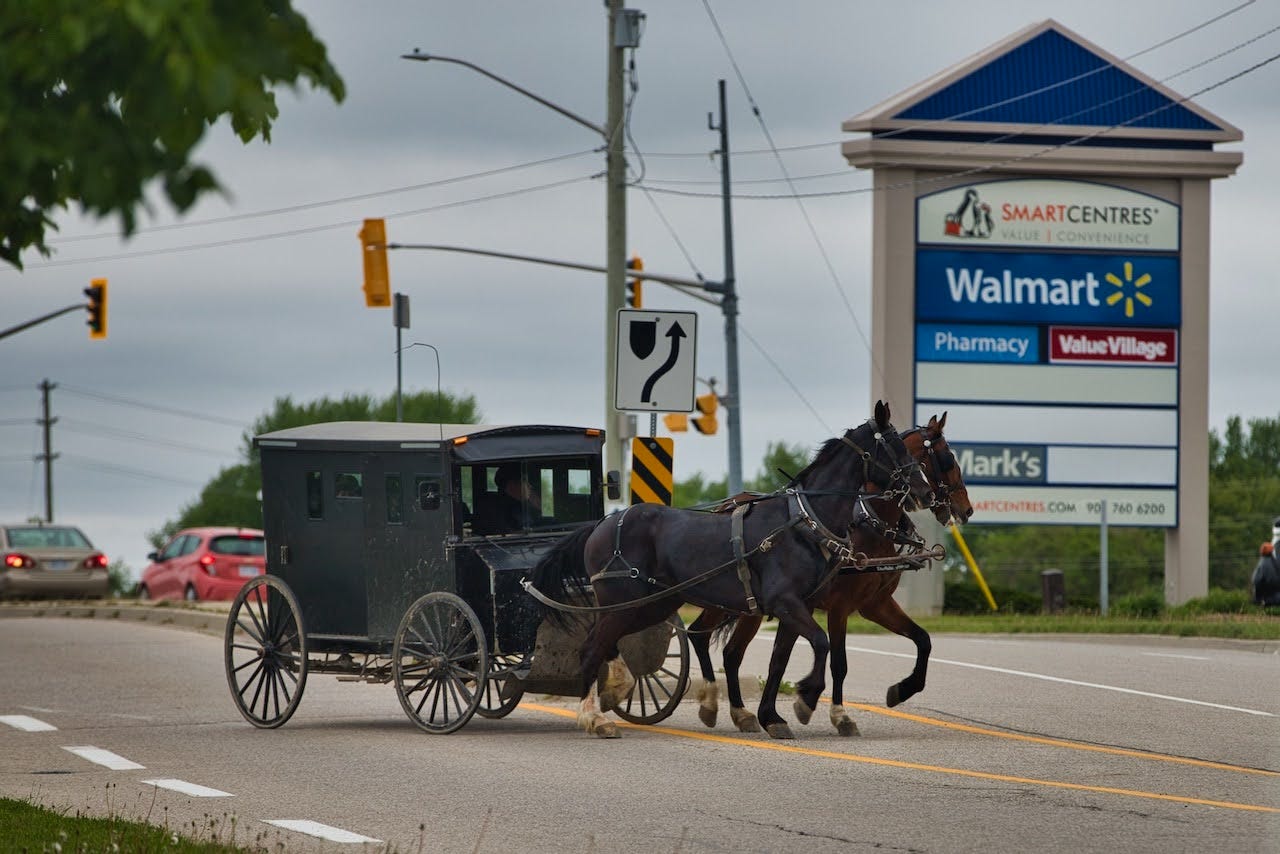
Unsure if Northfield Station was operational, I walked a few kilometres to St. Jacobs Farmers’ Market. It’s a must-visit, and easily worth a day trip from Toronto. As one of Canada’s oldest markets, it offers fresh produce, meats, and famous baked apples with ice cream. Waterloo is also home to the country’s largest Mennonite community. Whether you’re interested in traditional auctions, horse-drawn buggies, or simply people-watching, Thursday and Saturday mornings are the best time to visit. Be careful not to rub your ear or touch your nose, or you’re risking to accidentally buy a horse or a buggy!
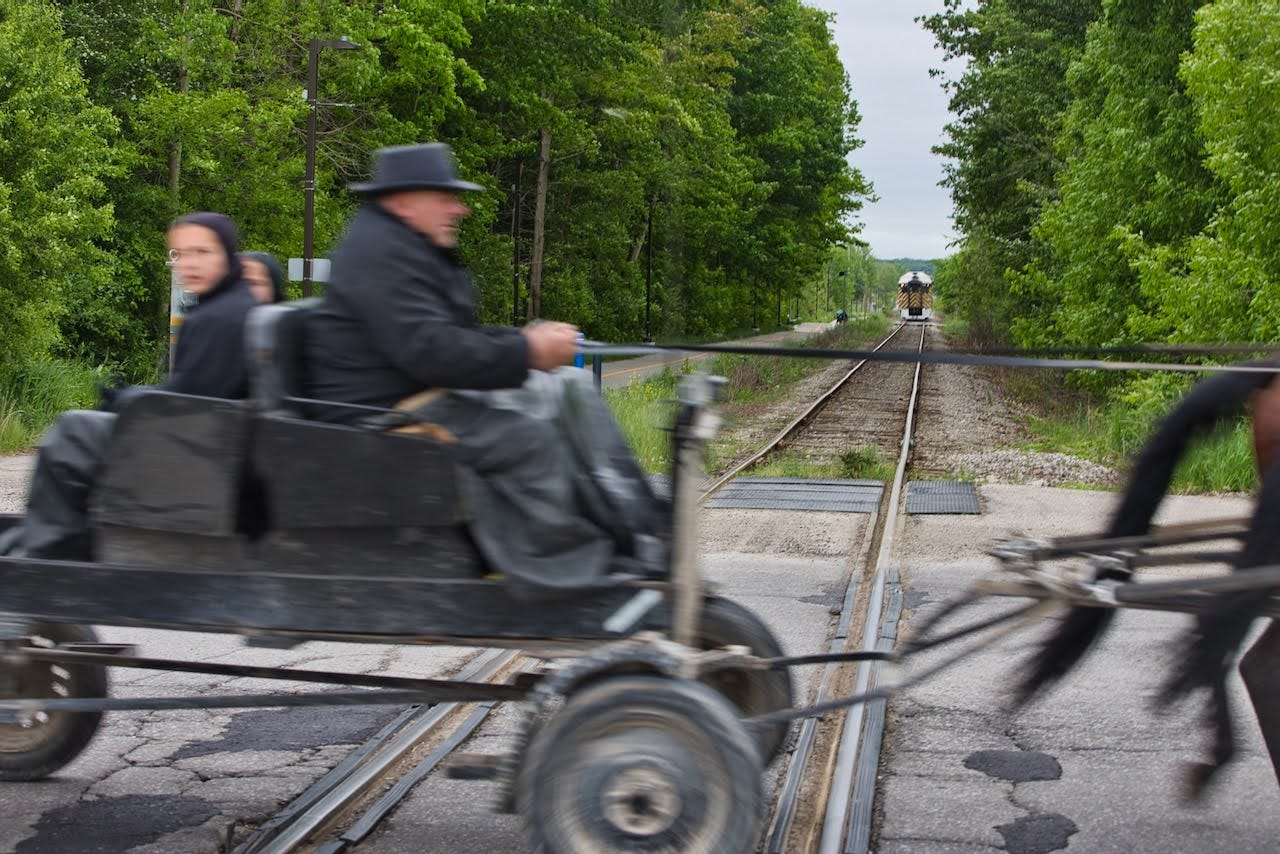
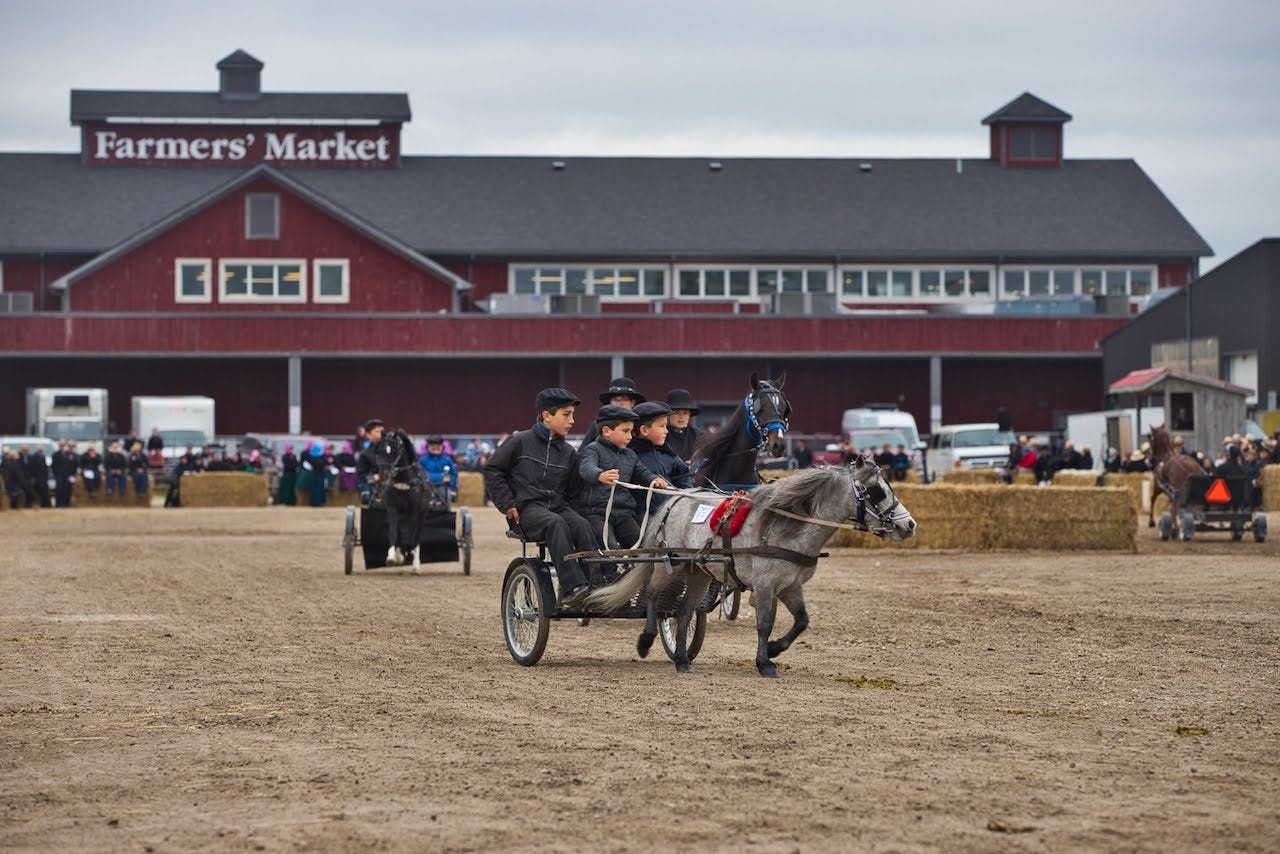
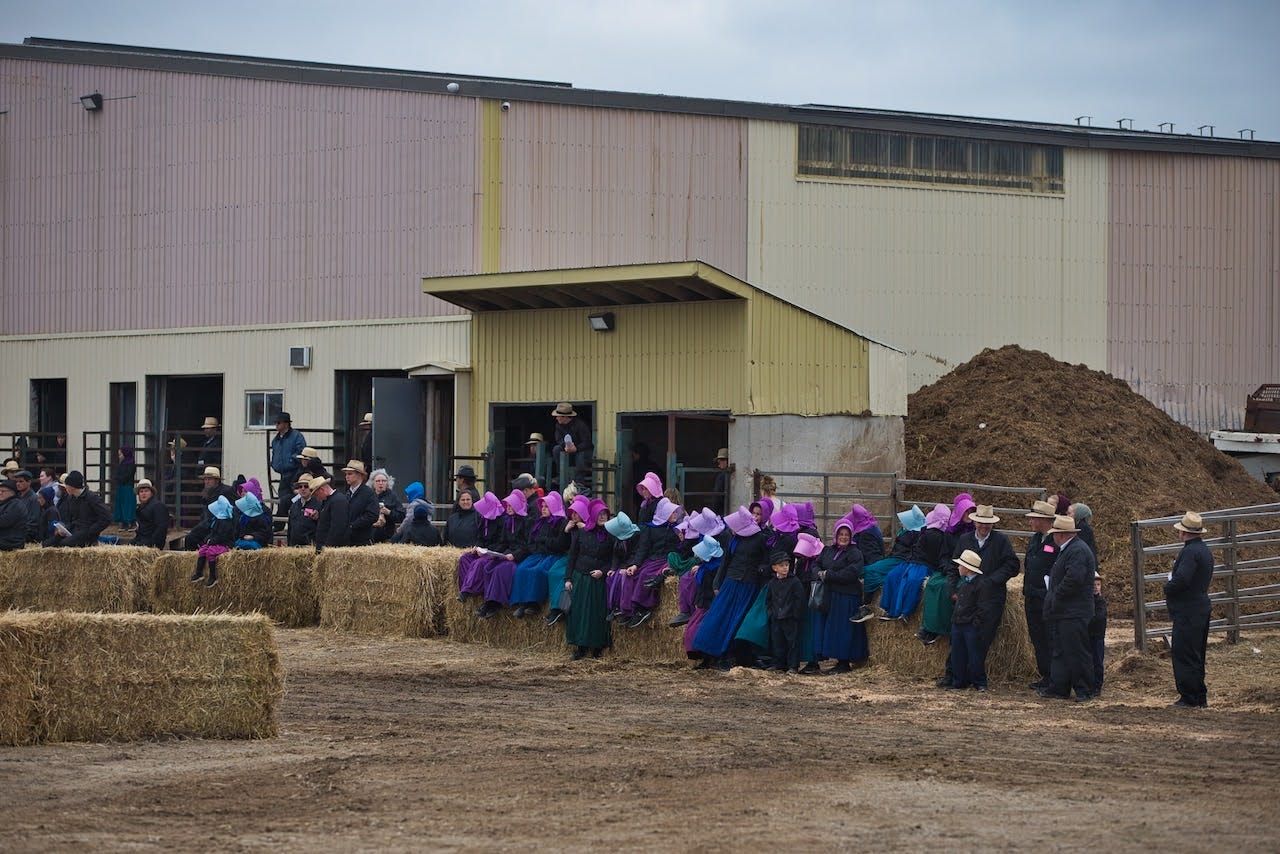
Mennonite culture is fascinating, albeit with strict traditions. The most conservative groups avoid motorized vehicles and electricity, relying instead on horse-drawn transport and manual labour. I was told that those who seek “civilization” might be pushed out from the community forever. Anyway, bring cash when going to St Jacob’s Market: you will definitely want to try some of Mennonites’ traditional hand-made sausages and freshly baked pastries.
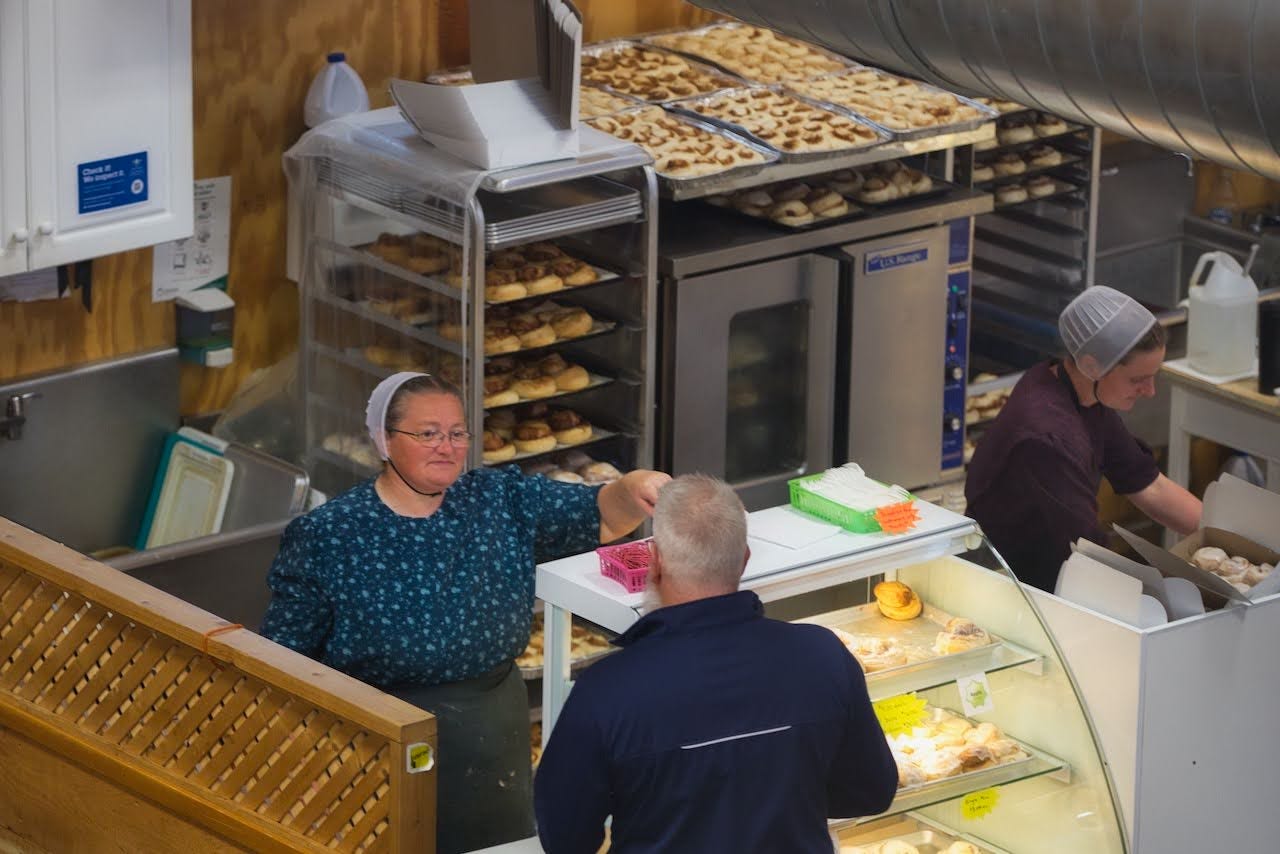
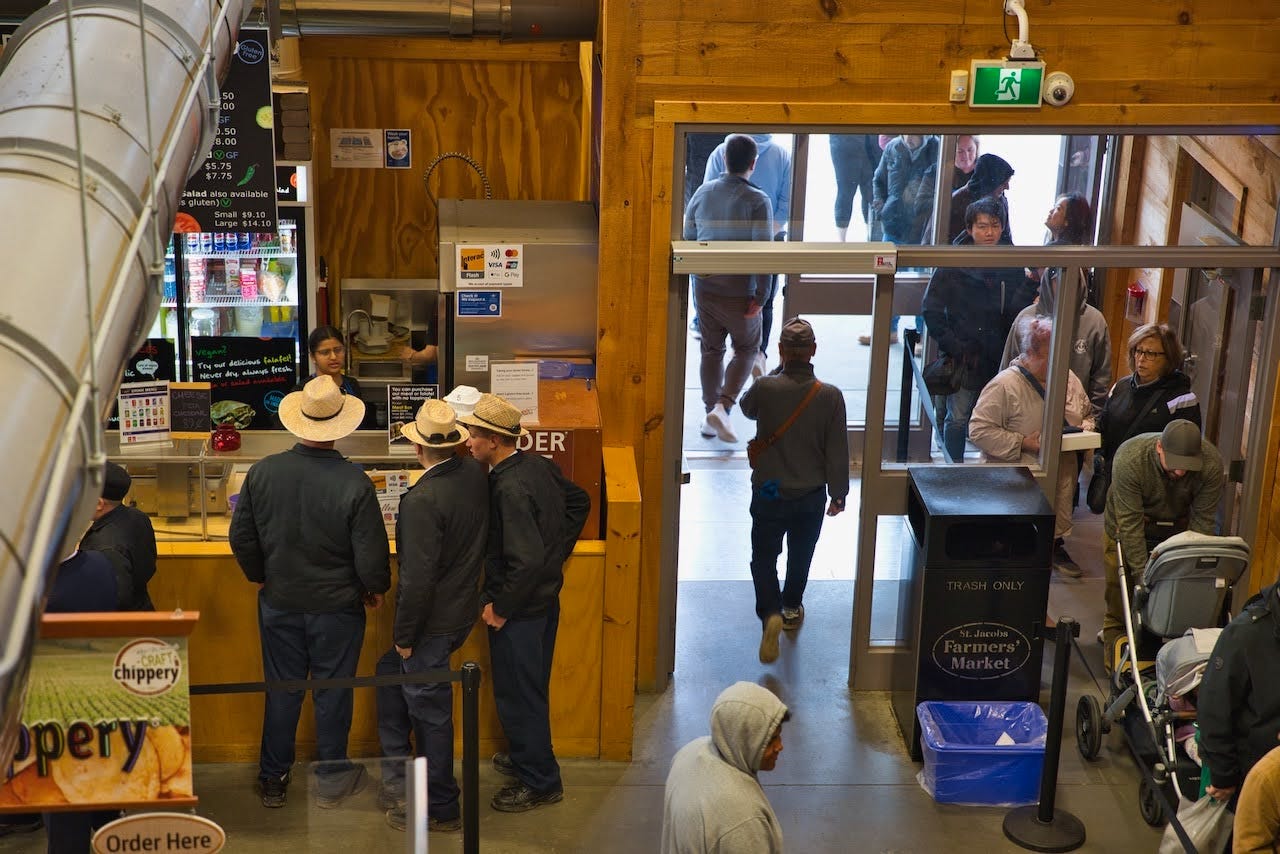
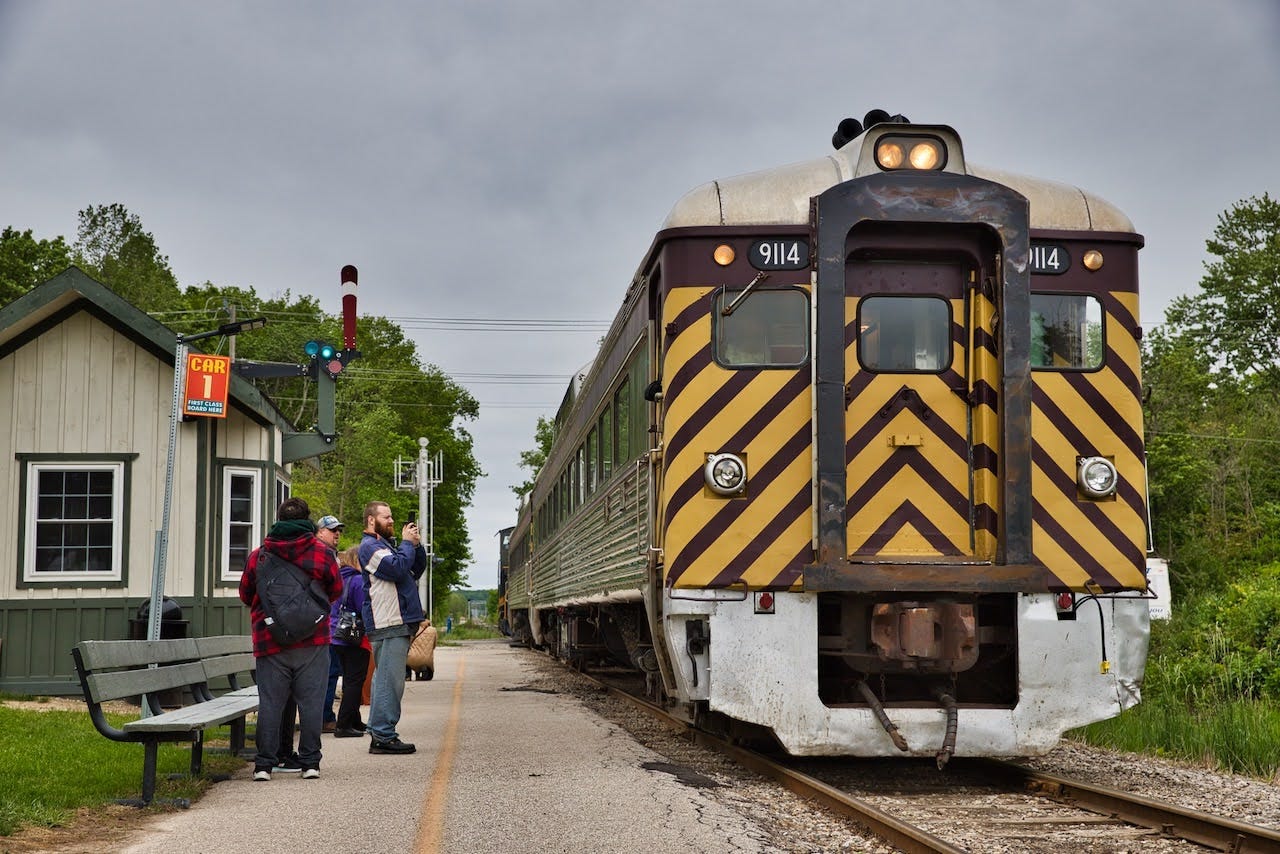
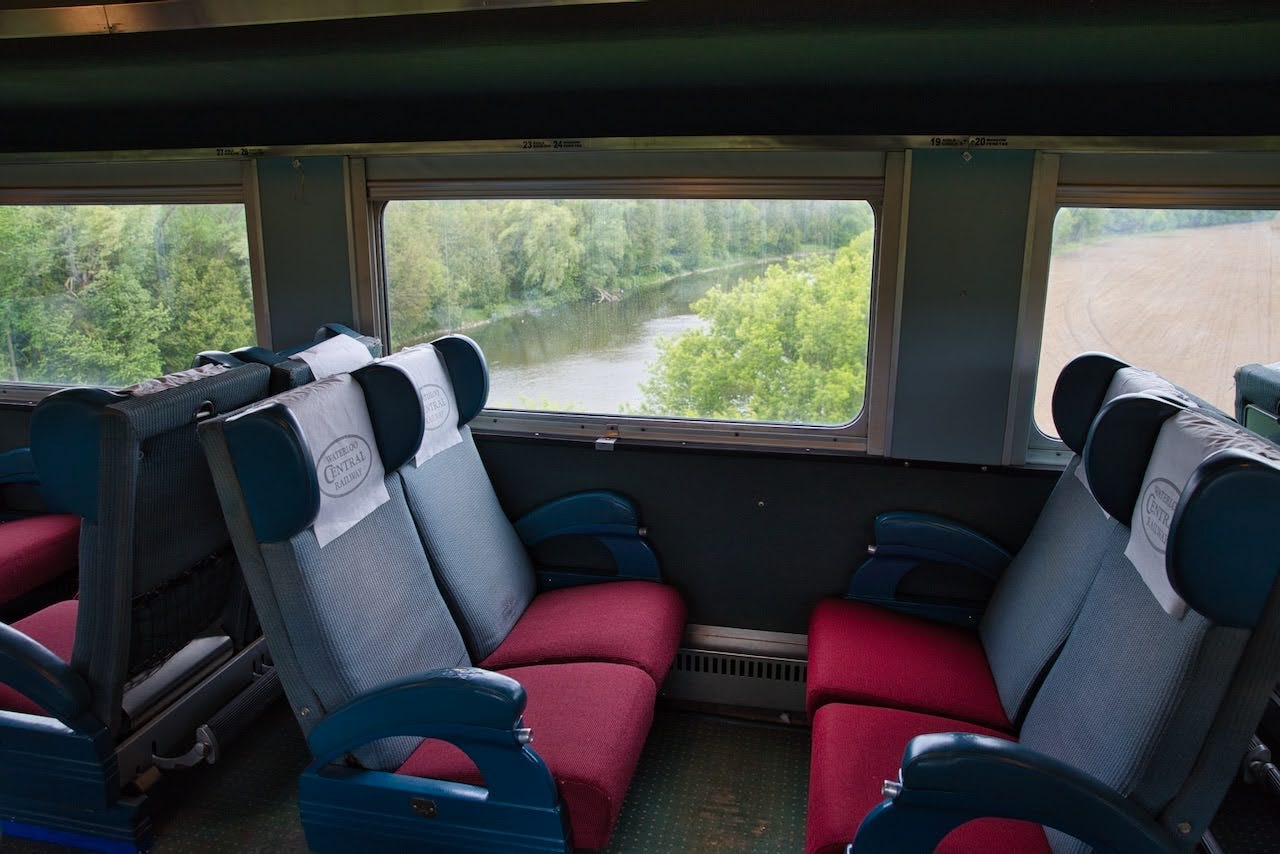
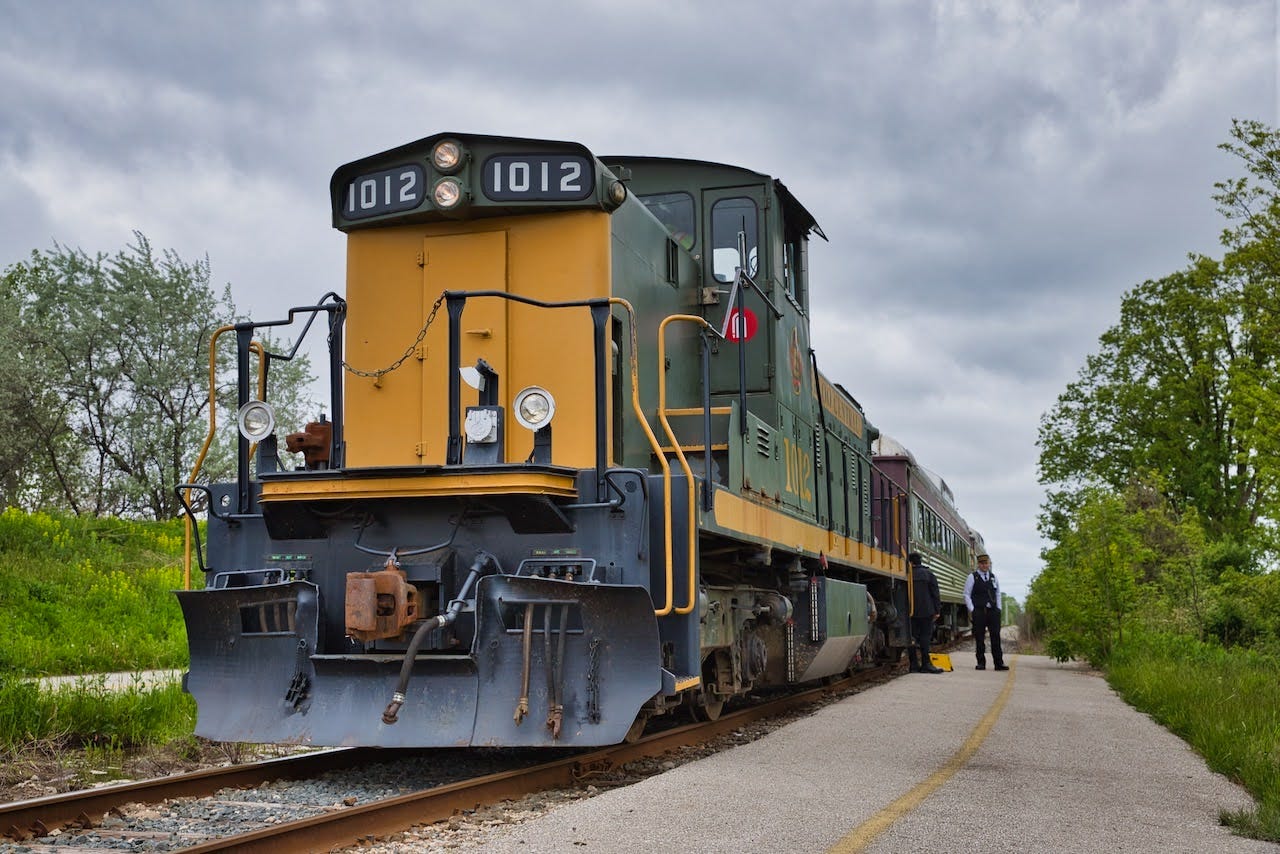
The volunteer-run Waterloo Central Railway offers a nostalgic ride through farmland and suburban edges. Train number eight was a retired Budd car from VIA Rail, once used on Vancouver Island. The railway runs three round trips every Saturday and allows passengers to hop on and off to explore towns like St. Jacobs and Elmira. St. Jacobs, in particular, is worth a stop: it features the world’s largest broom store.
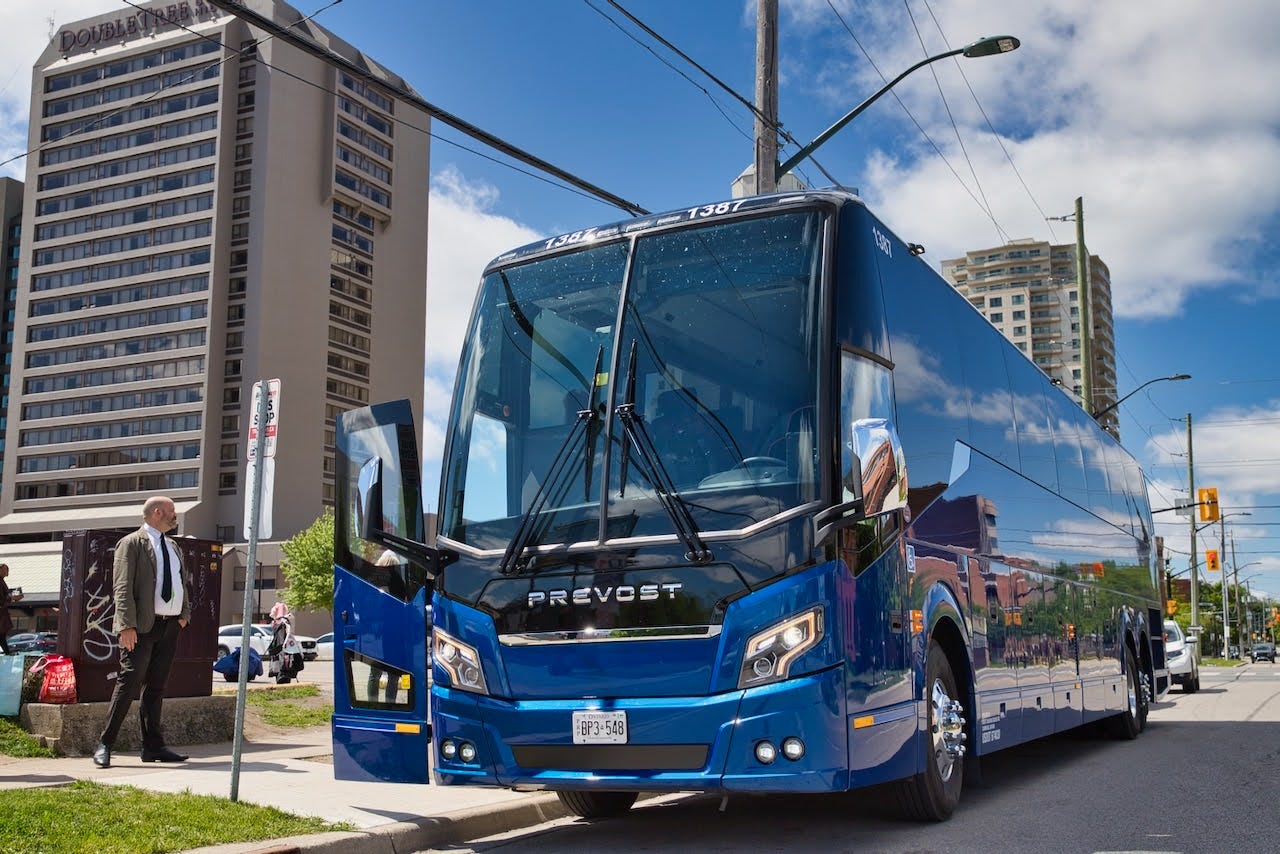
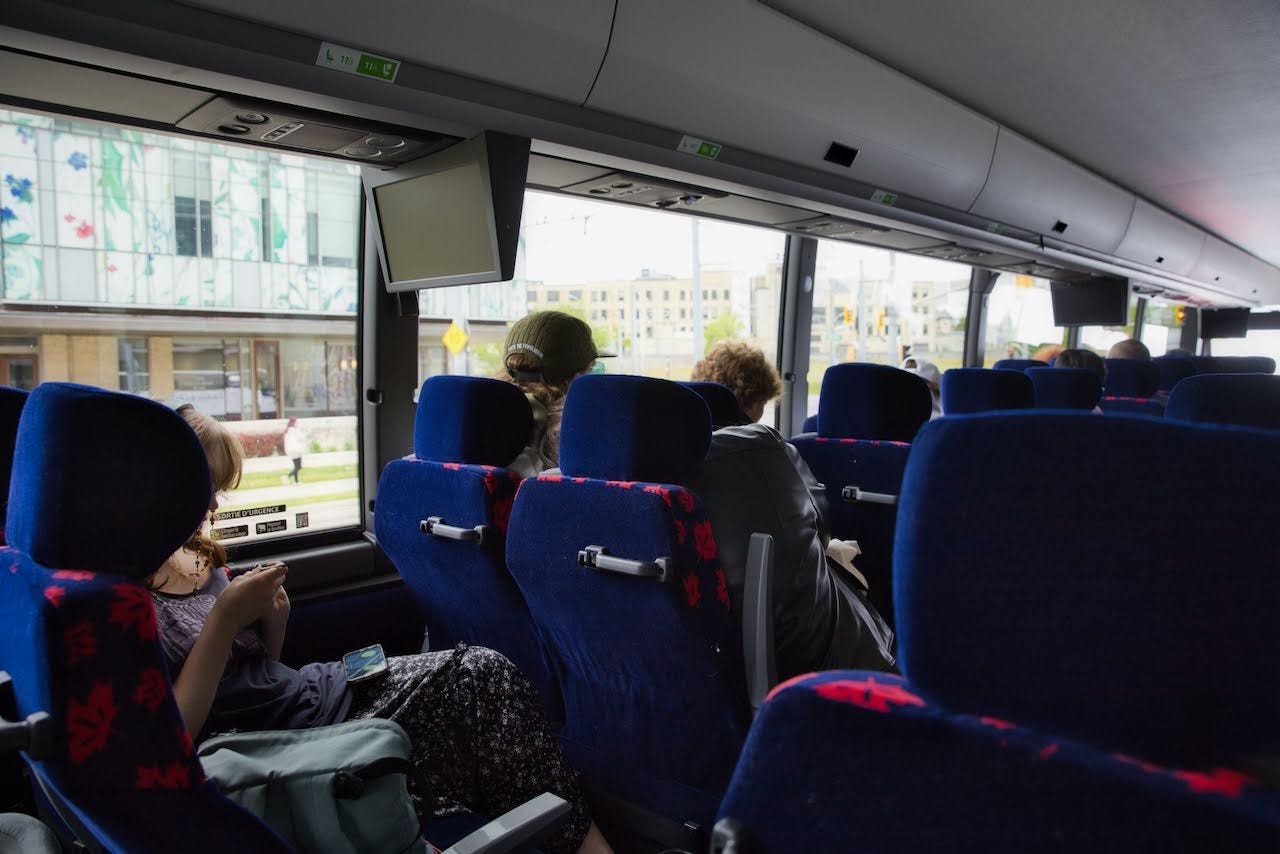
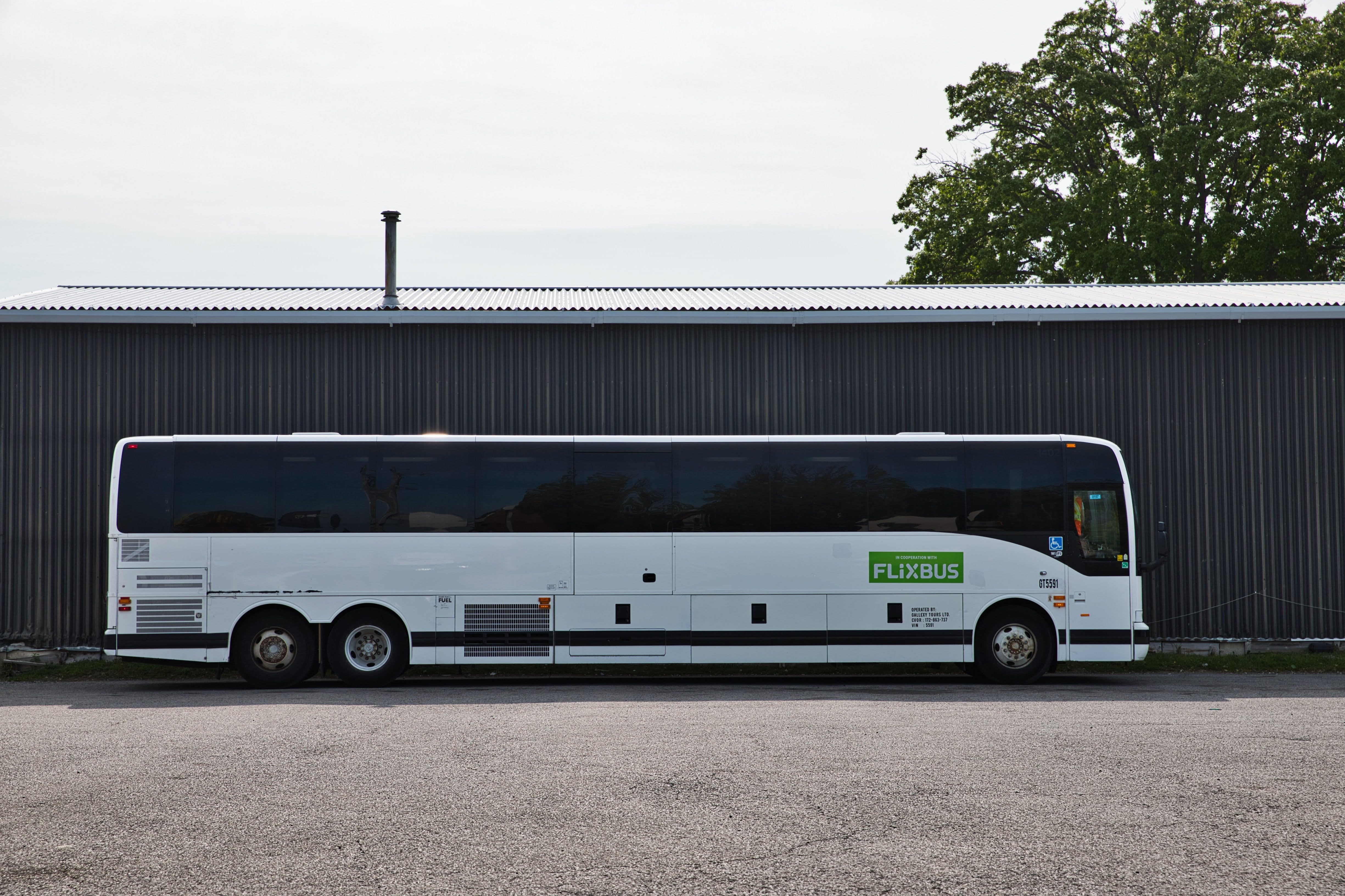
I still had a long way to go, so I returned to Kitchener and caught an intercity bus to London. It’s worth mentioning that a GO Train once connected London and Toronto via Kitchener. It was the longest commuter line in the world that would take whooping 4 hours in each direction! Due to low ridership, it was discontinued in October 2023. On the bright side, as of July 2026, the Kitchener line is extending to Stratford, home of the renowned Shakespeare Festival.
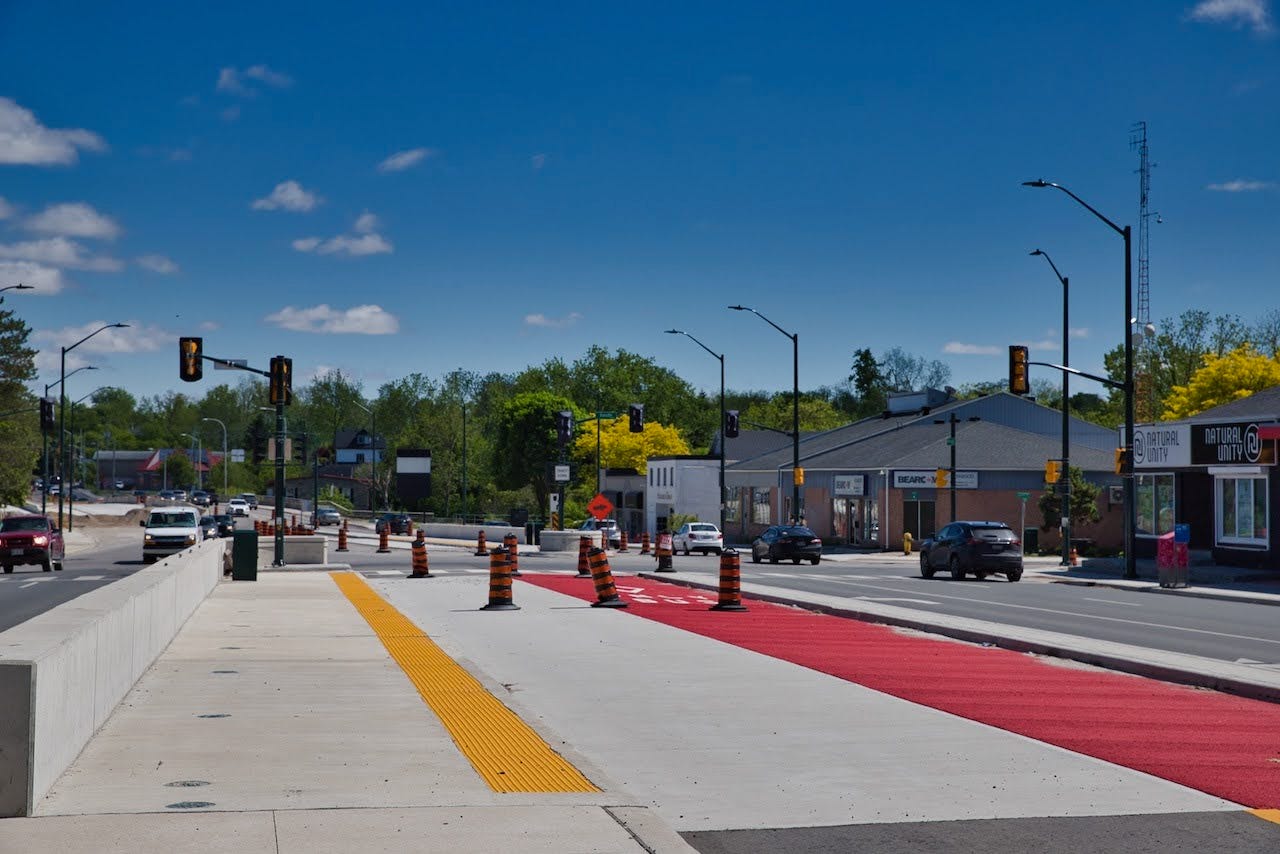
I saved London for the final day and headed straight to White Oaks Mall to catch a bus to St. Thomas. The walk along Wellington Road, future corridor of the city’s first BRT line, was far from pleasant. Missing sidewalks and construction made it challenging, but such projects often lead to necessary urban revitalization.
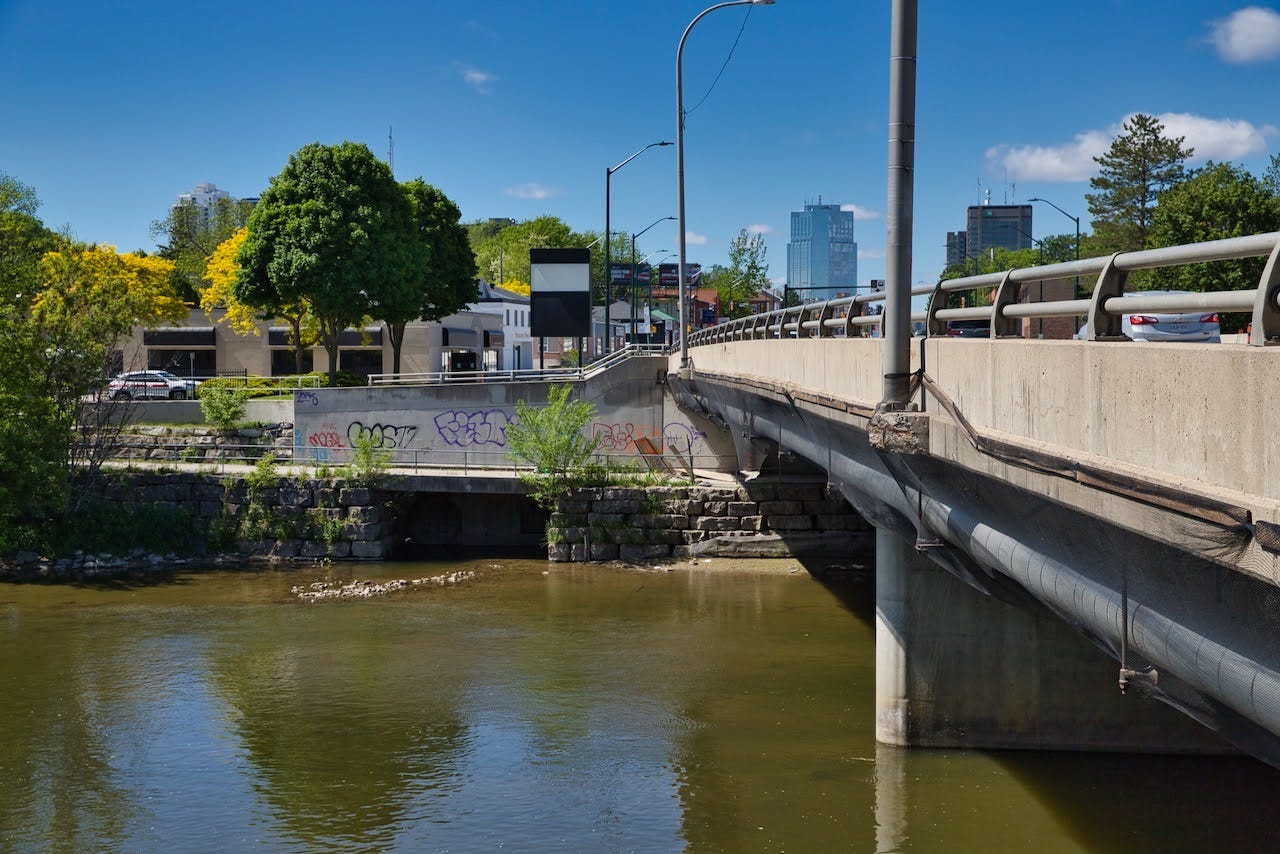
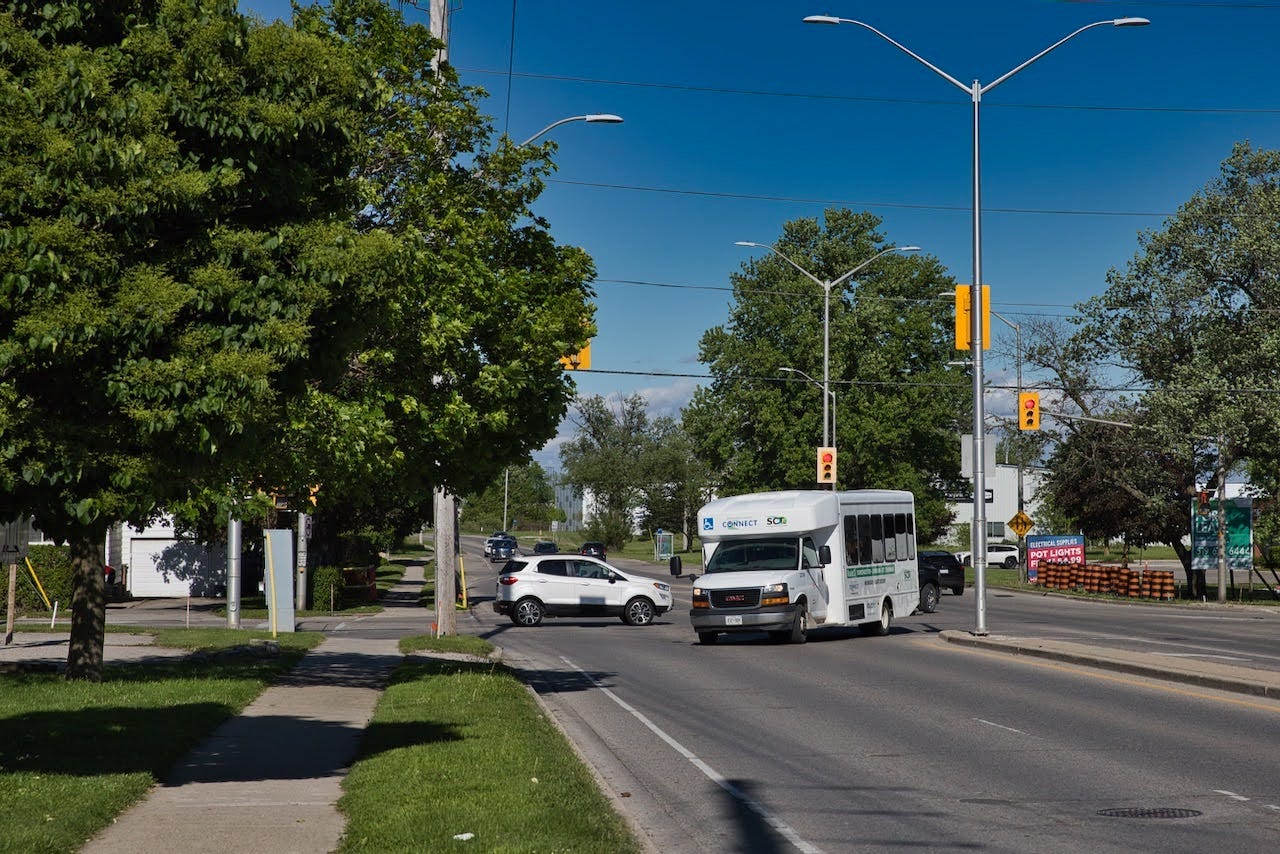
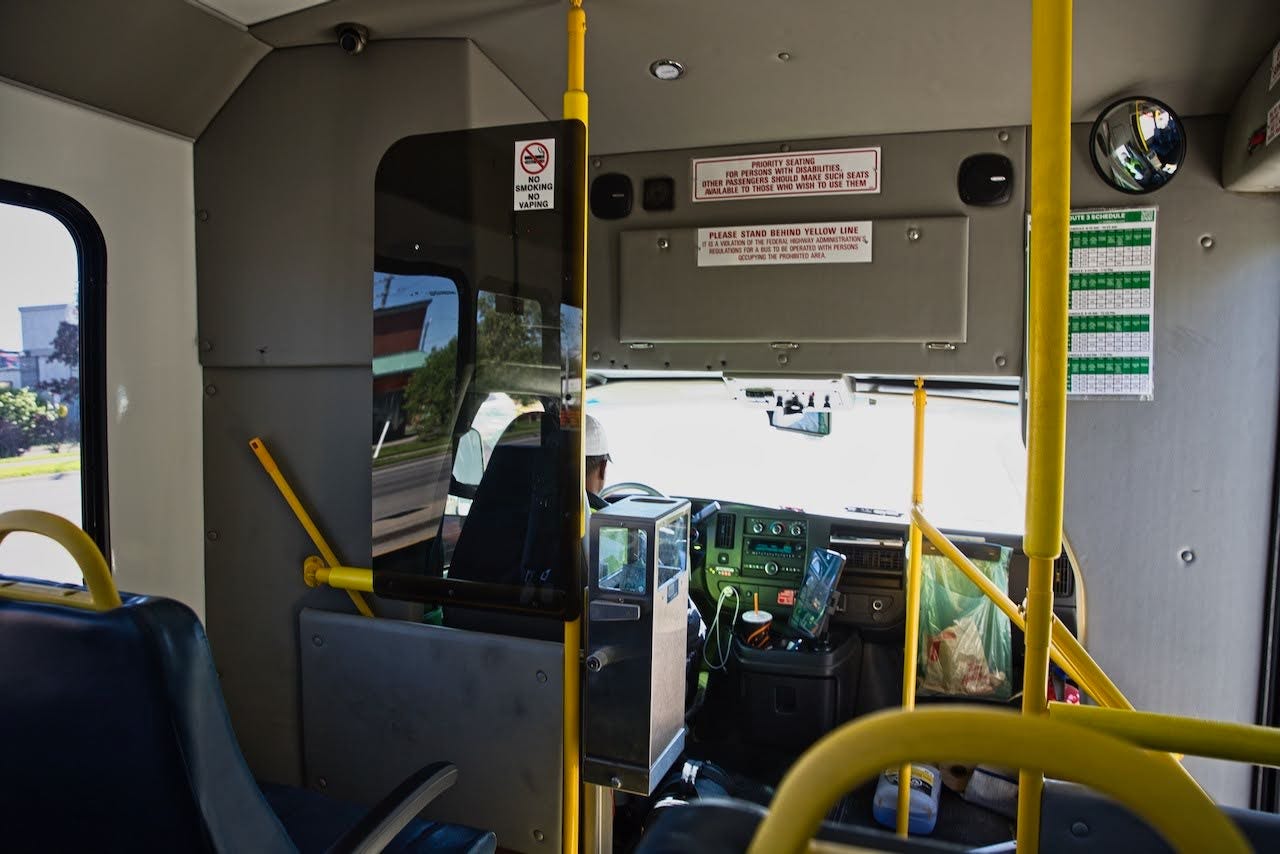
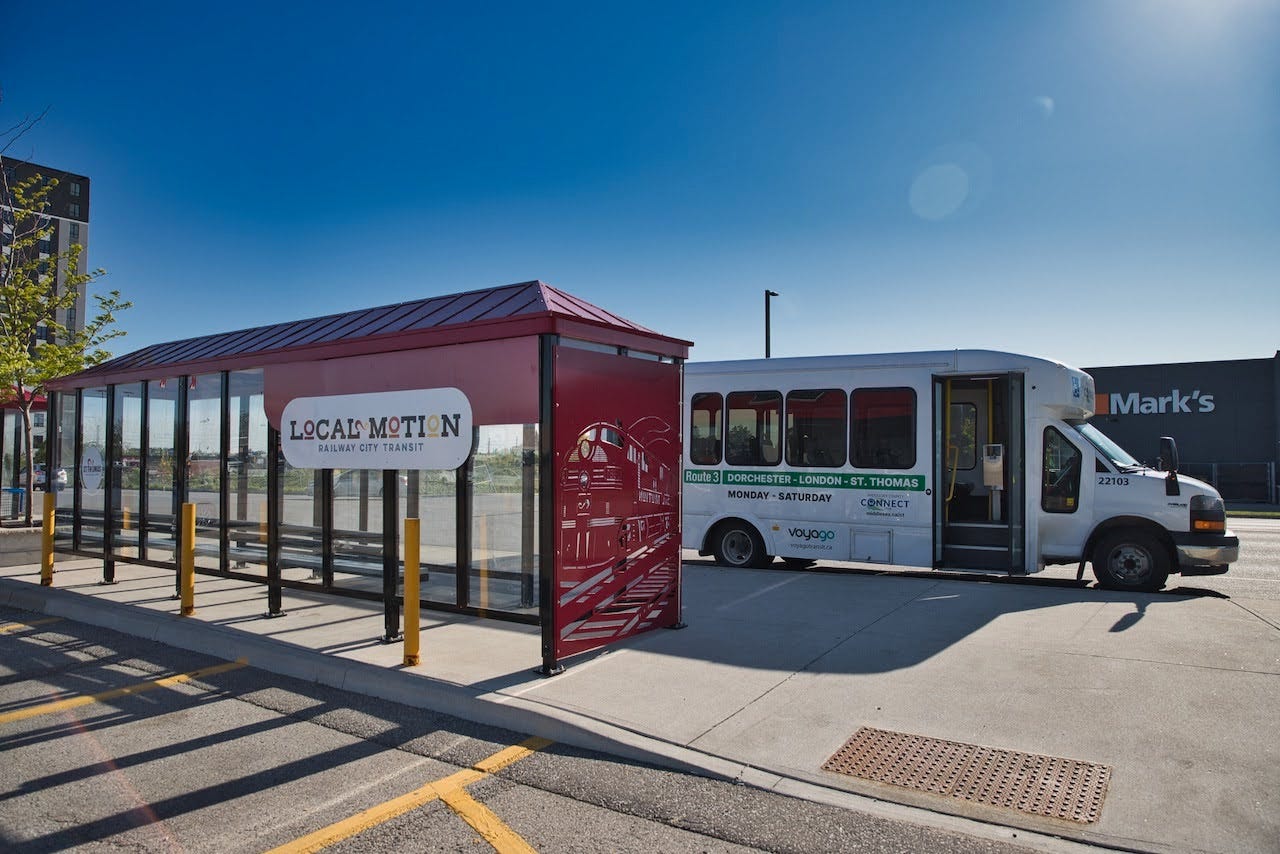
My minibus to St. Thomas arrived on time. I was the only passenger for the 30-minute ride to St. Thomas. I’m forever grateful to the taxpayers of Essex Country - my $5 went a long way!
In St. Thomas, I stayed in an old home rented out by a friendly host. Like London, I saved exploring the town, and its rich railway history, for the next day.
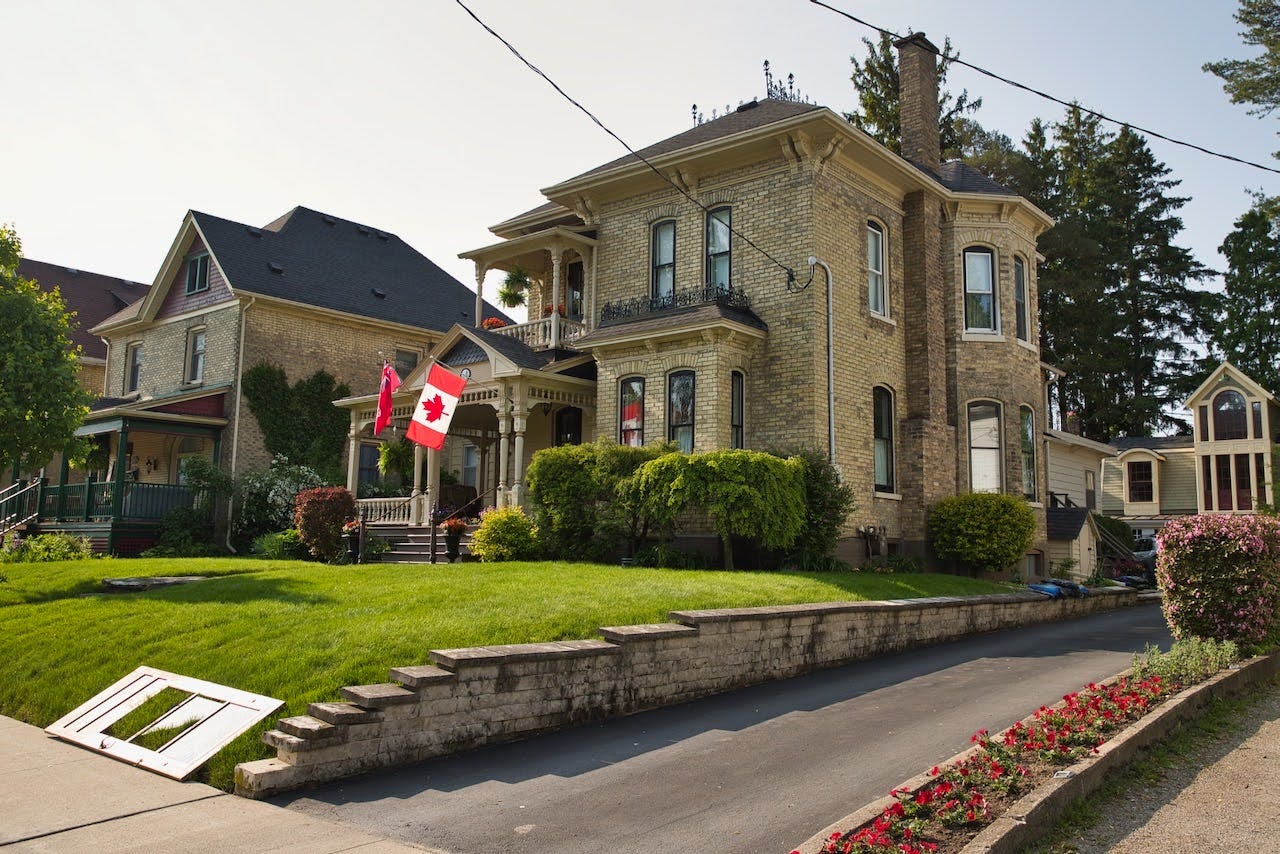
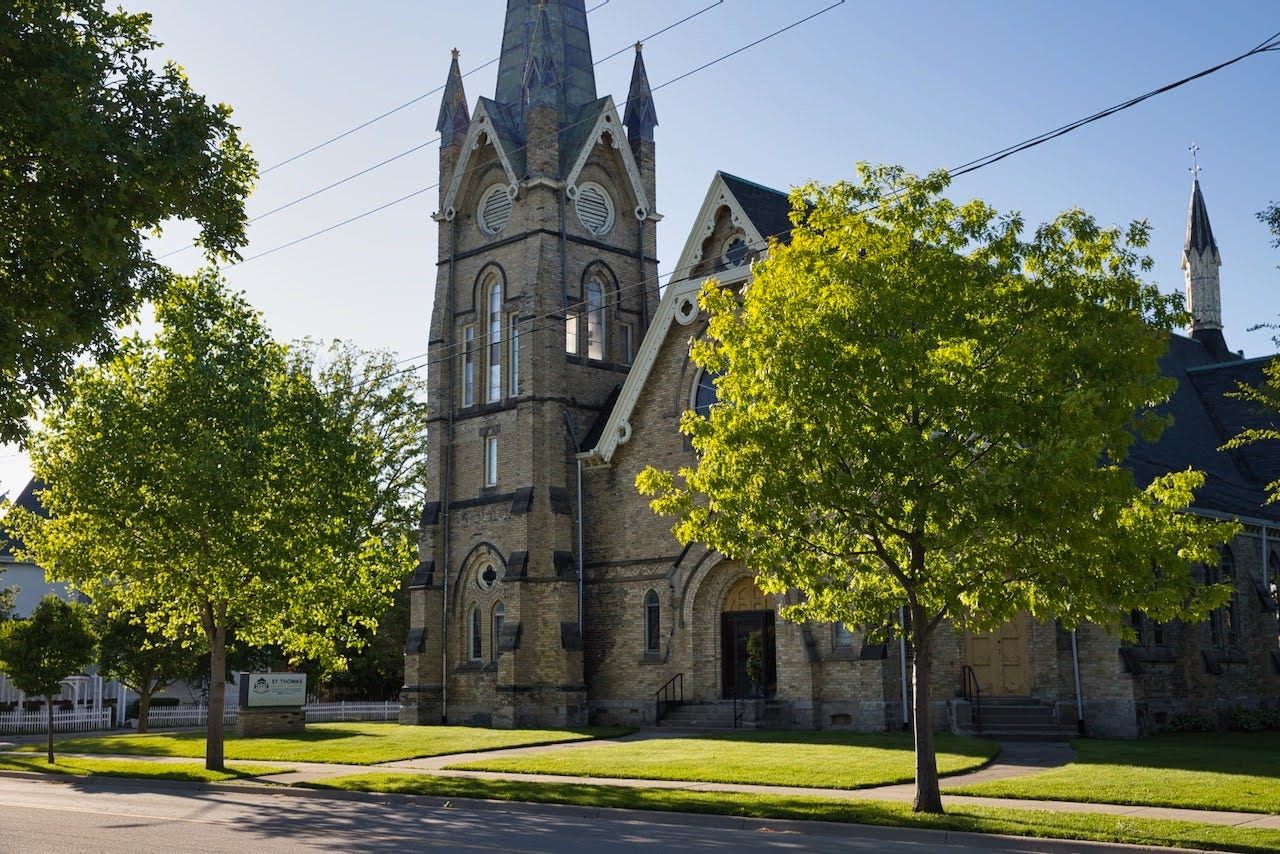
The final day was memorable but physically demanding. I had to bridge a major transit gap - 15 km / 9 miles between St. Thomas and Port Stanley - each way. I logged 39,000 steps that day, a record I still haven’t beaten.
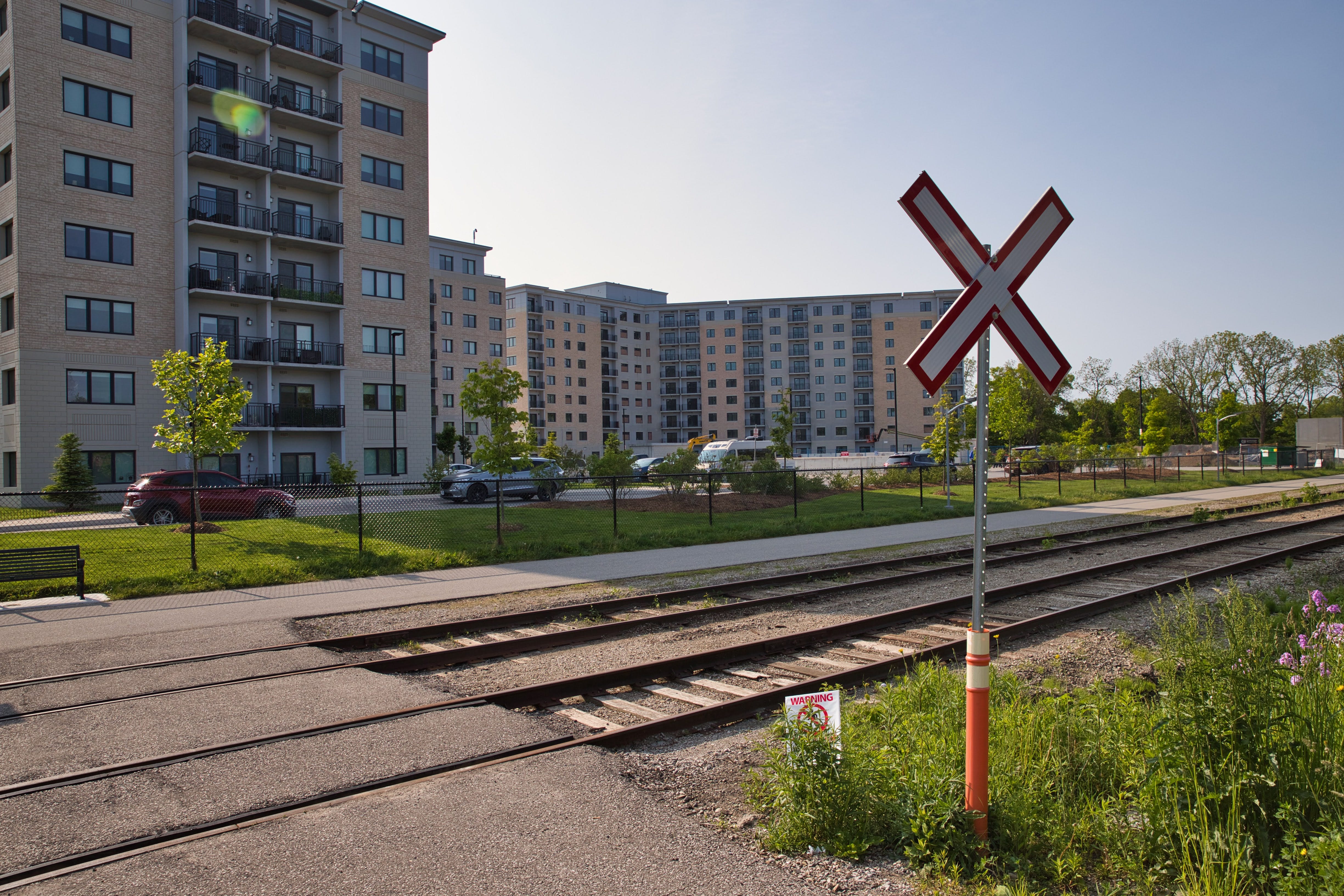
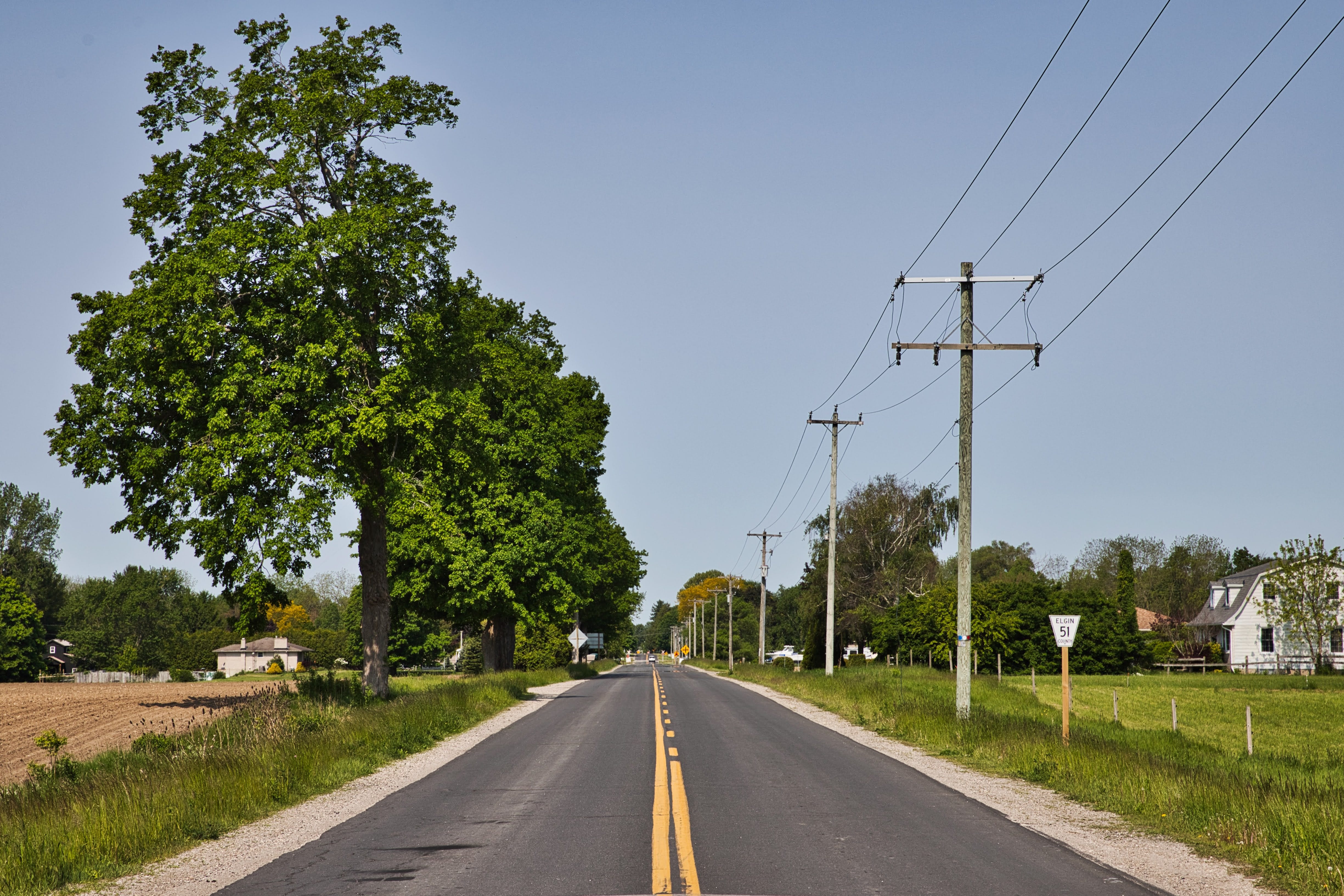
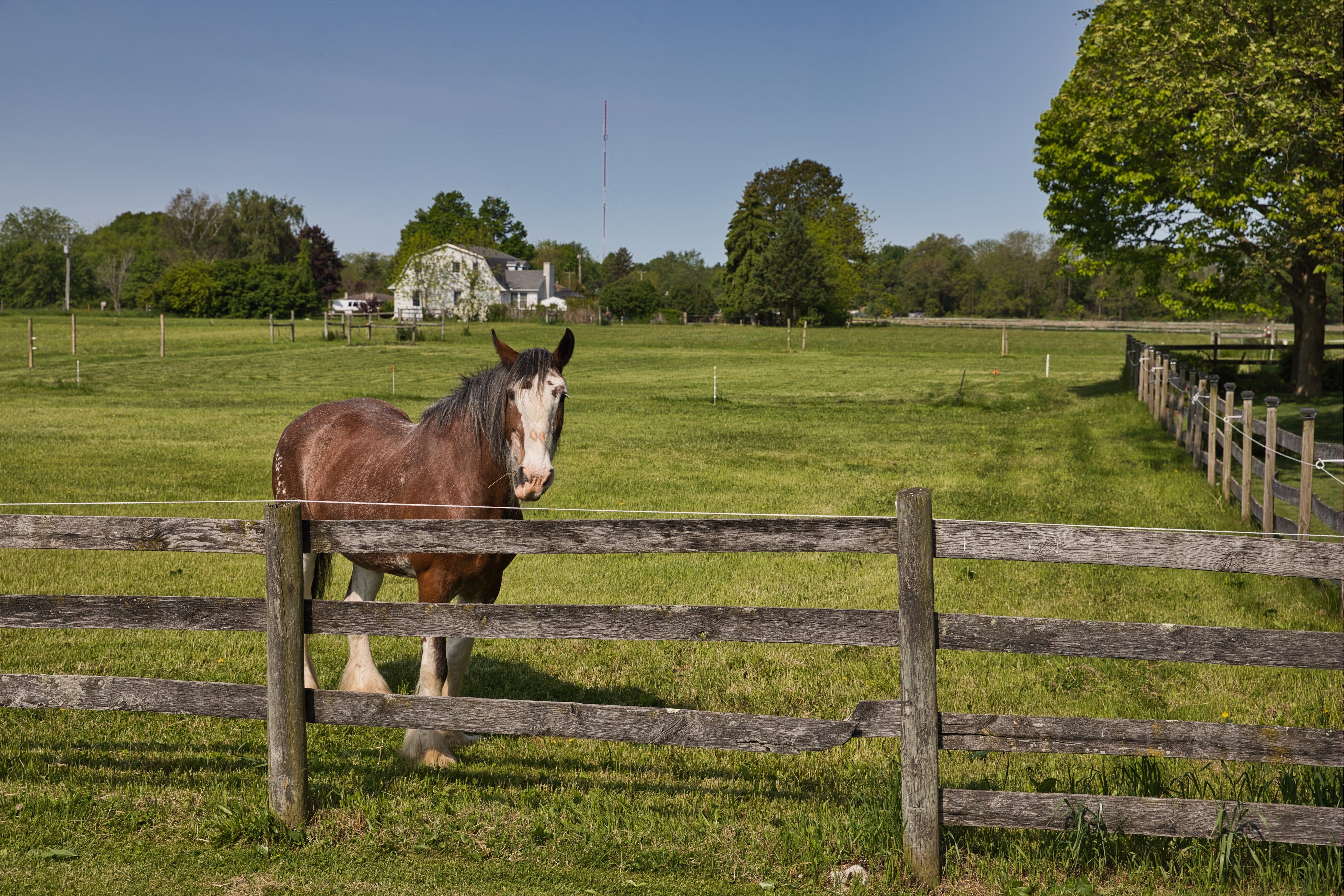
My goal was to ride the Port Stanley Terminal Railway, train number nine. However, me being me, I didn’t want to walk all the way to Port Stanley so I thought: what if I catch the train at an intermediate stop - at the old Union Depot. It would save me about 5 km / 3 miles of walking. Plus, I saw some vintage photos where people were getting off a train and walking near Union Depot, so I headed straight there. To my surprise, the train came and went and didn’t even slow down. It rushed somewhere farther north, in the direction where I came from. I called the office and was told that Port Stanley is the only station where passengers can get on and off the train. I assessed my situation and thought I had no choice, but to walk further down to Port Stanley and hope that I can get my ticket exchanged to the next train departure that day.
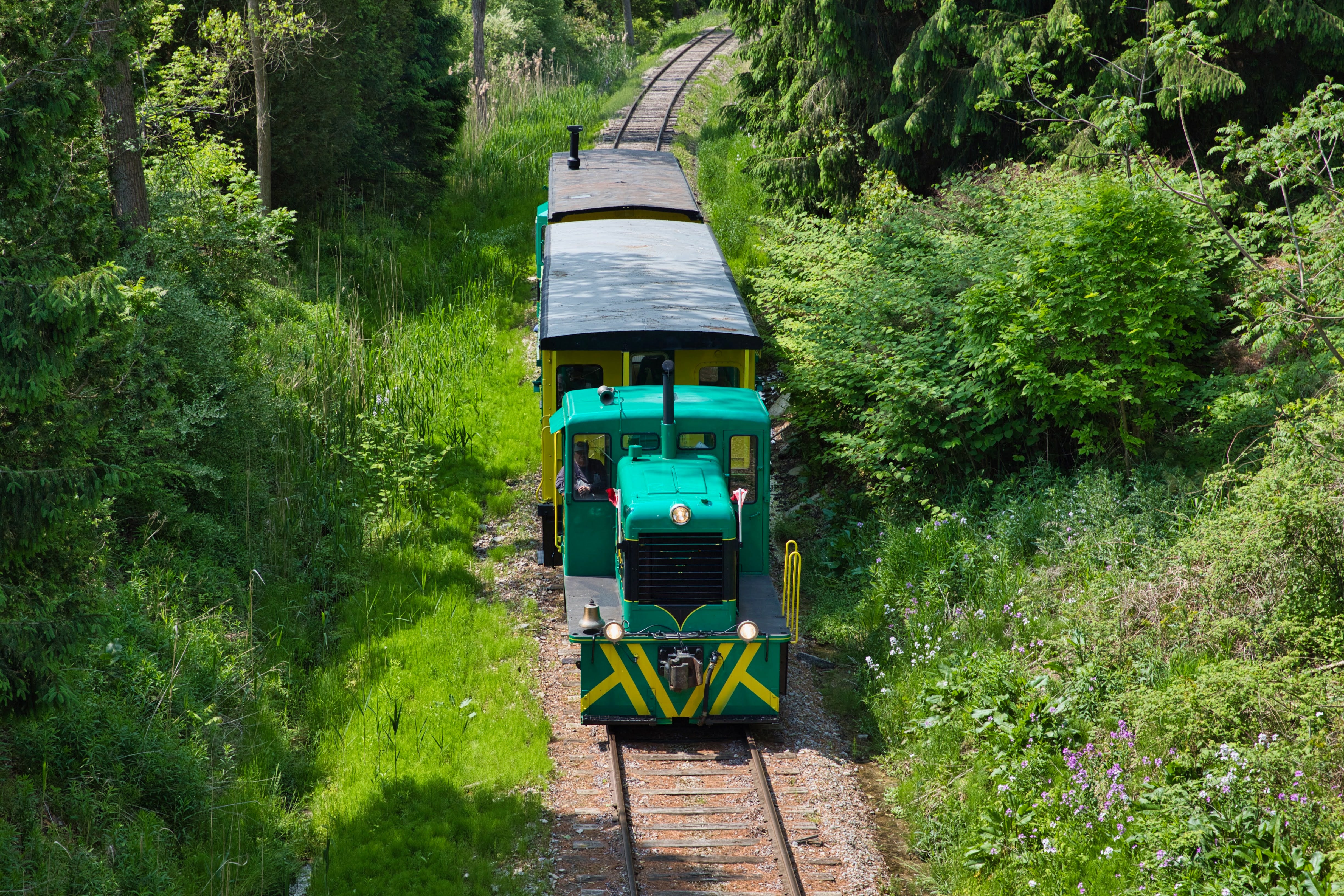
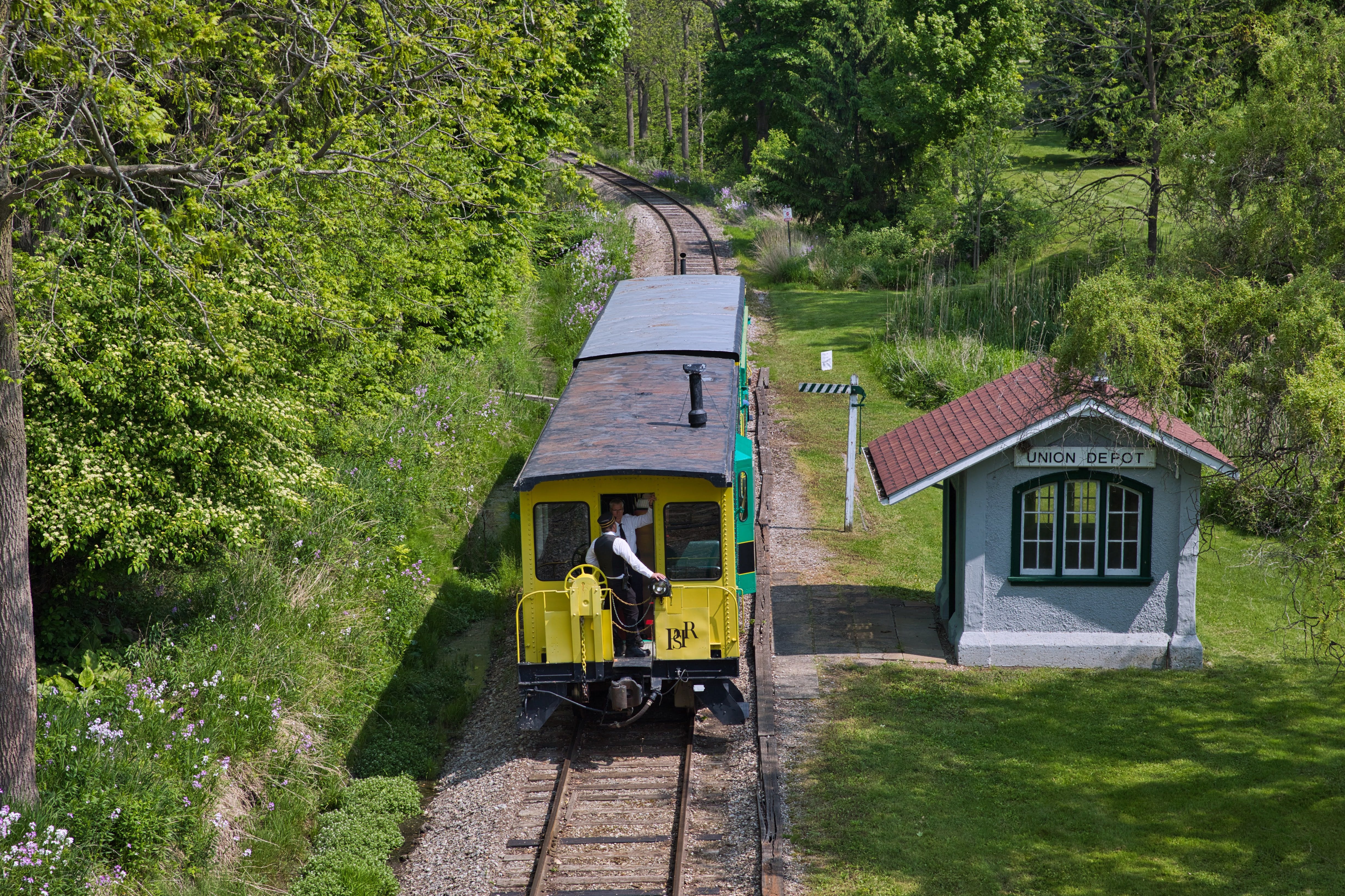
Both a ticket clerk and a train manager were genuinely surprised when they heard my story and the fact that I walked all the way from St Thomas to catch the train at Union Depot. They said that it’s been a long time since they would stop there. Instead, the train goes non-stop from Port Stanley to Whytes Park. And they certainly didn’t mind exchanging my ticket to the next departure as there was plenty of room on the train.
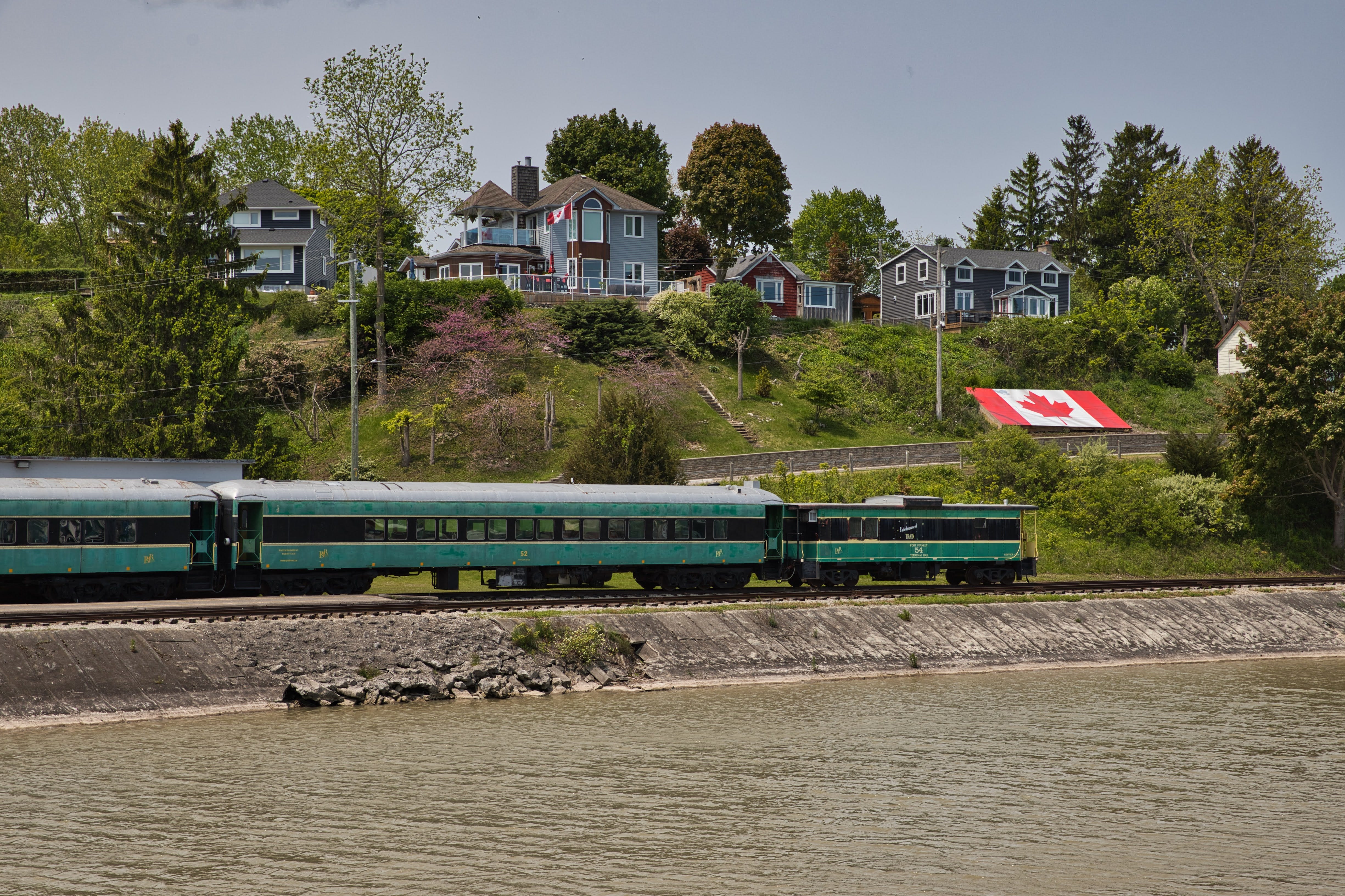
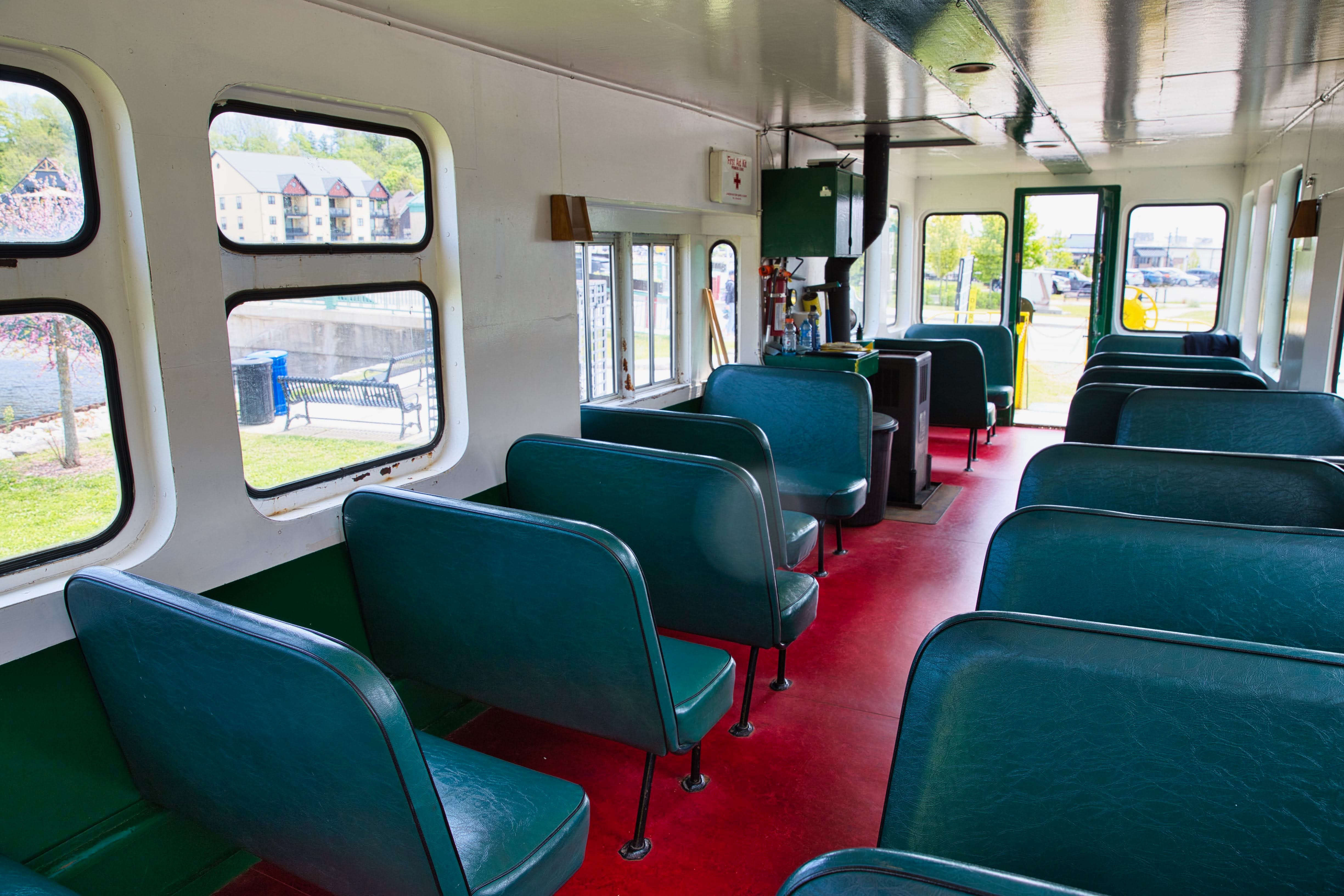
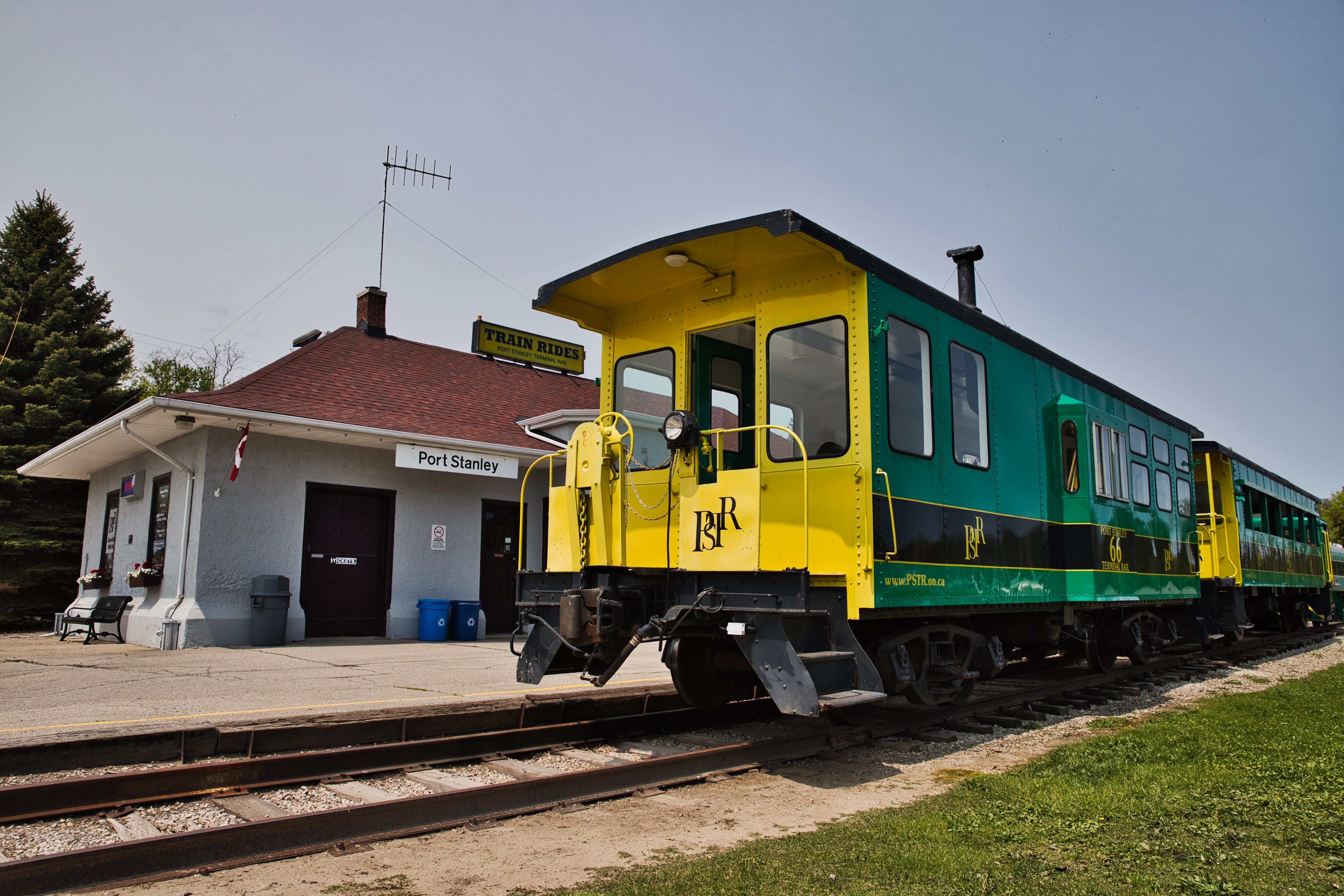
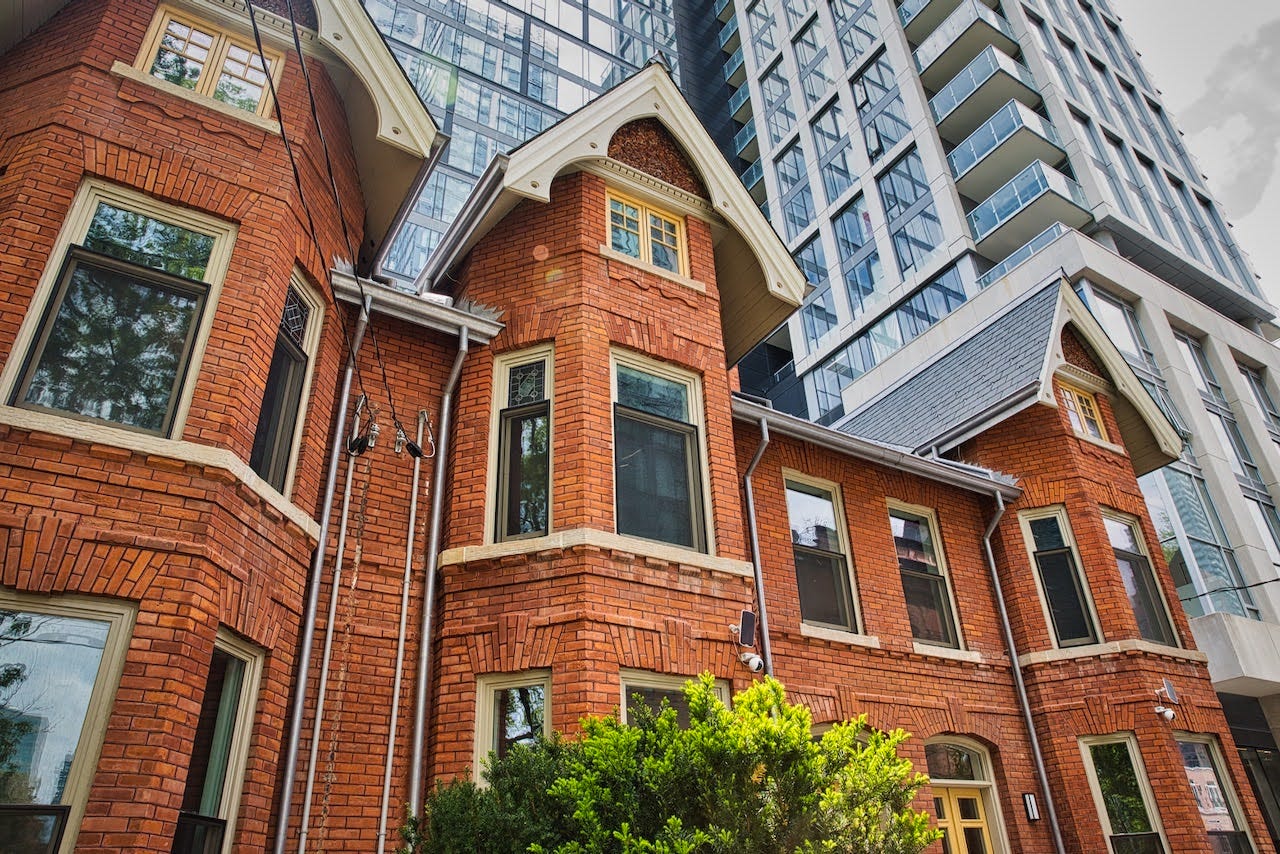
The 30-minute ride was delightful: crossing a tall bridge, waving at golfers, and spotting deer along the route. It’s exactly why people enjoy heritage railways. Port Stanley itself is worth exploring too, with its charming Victorian homes, cozy eateries, and relaxed lakeside atmosphere.
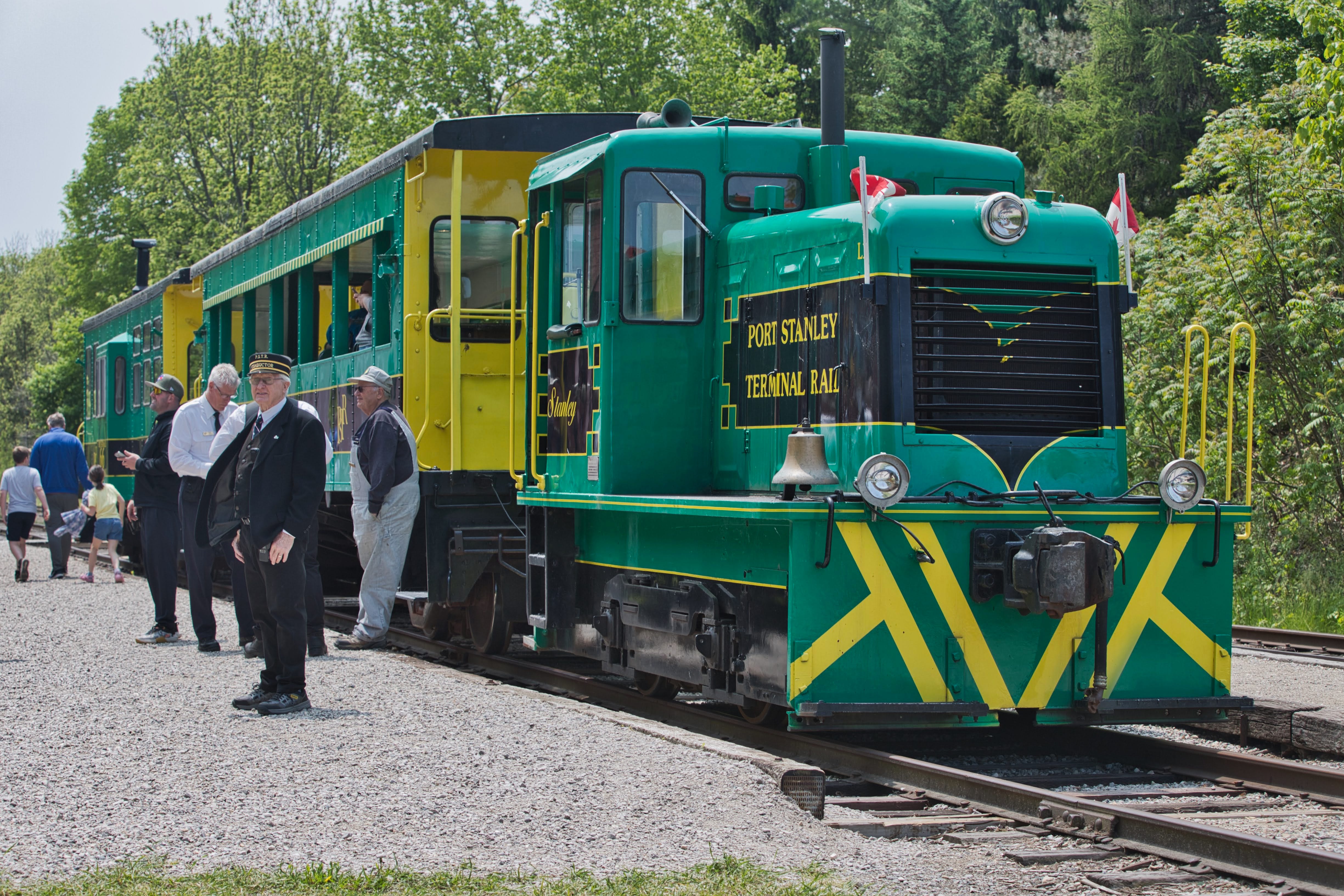
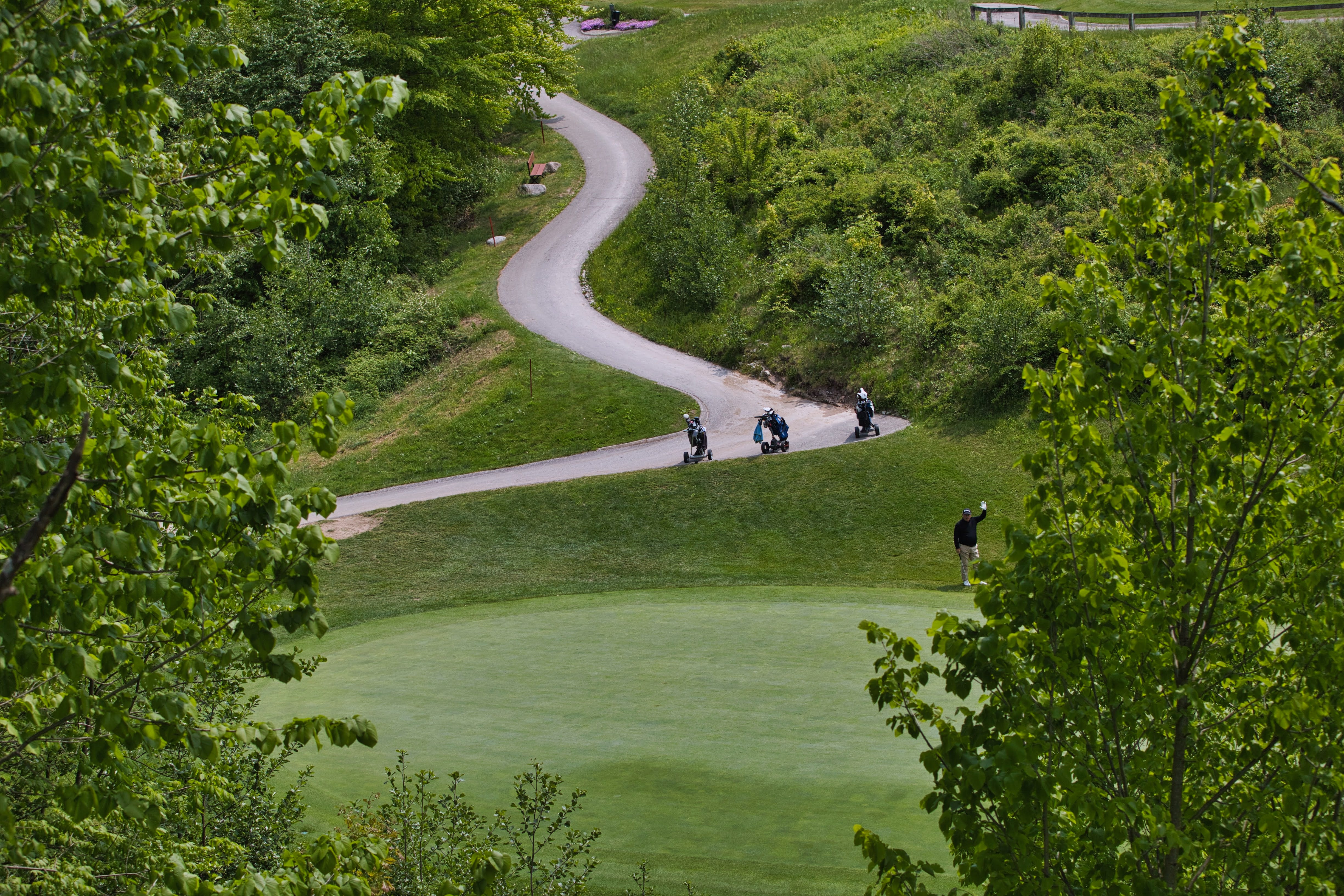
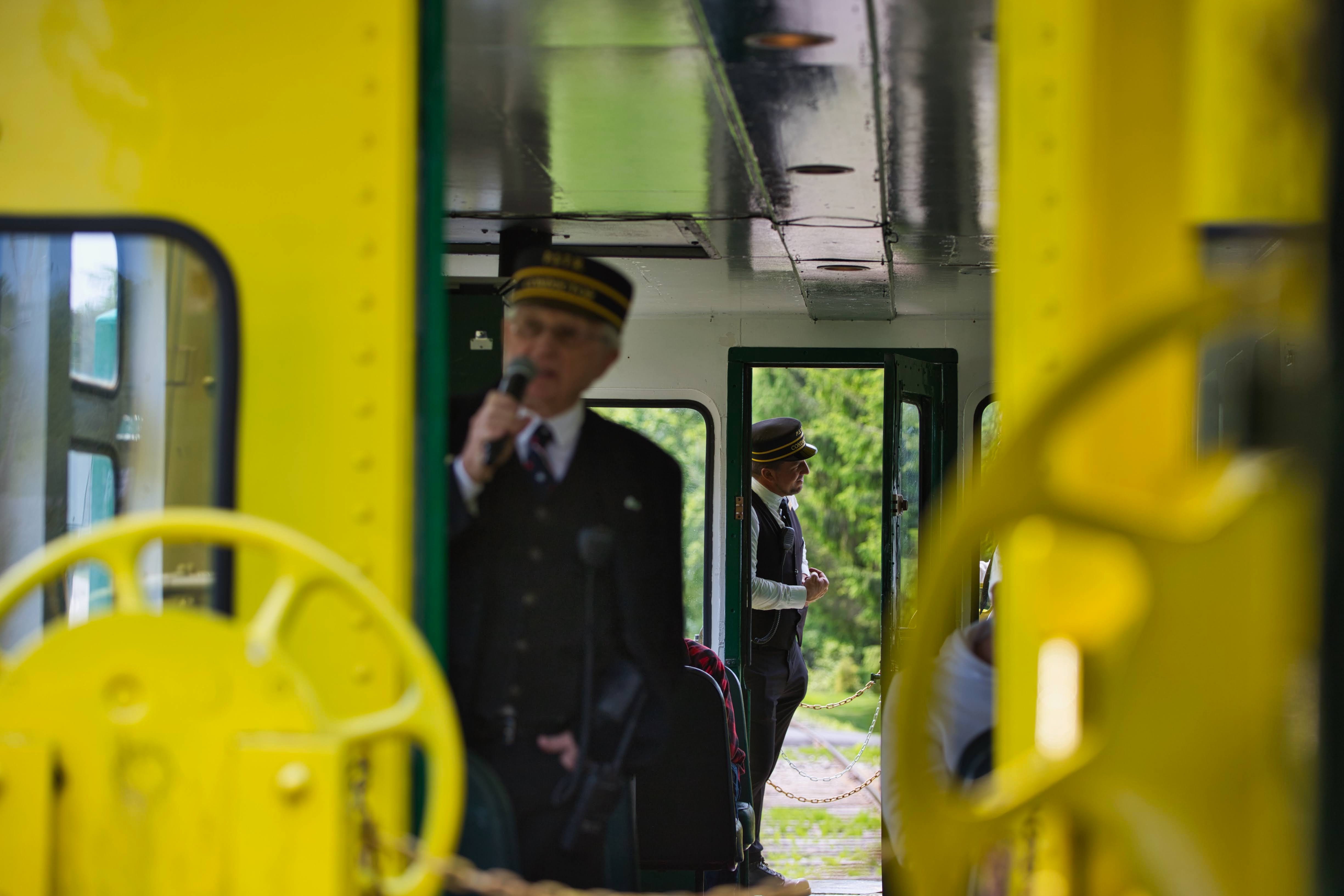
The walk back to St. Thomas was tiring: Sunset Drive is a busy road after all. Back in town, I visited the Elgin County Railway Museum, currently undergoing restoration. I wanted to see Car 14, part of the historic London and Port Stanley Railway, which operated from 1856 to 1957 and was one of the few electrified railways in Canada. The beautifully restored coach returned to service briefly in May 2025, its first run in almost 70 years.
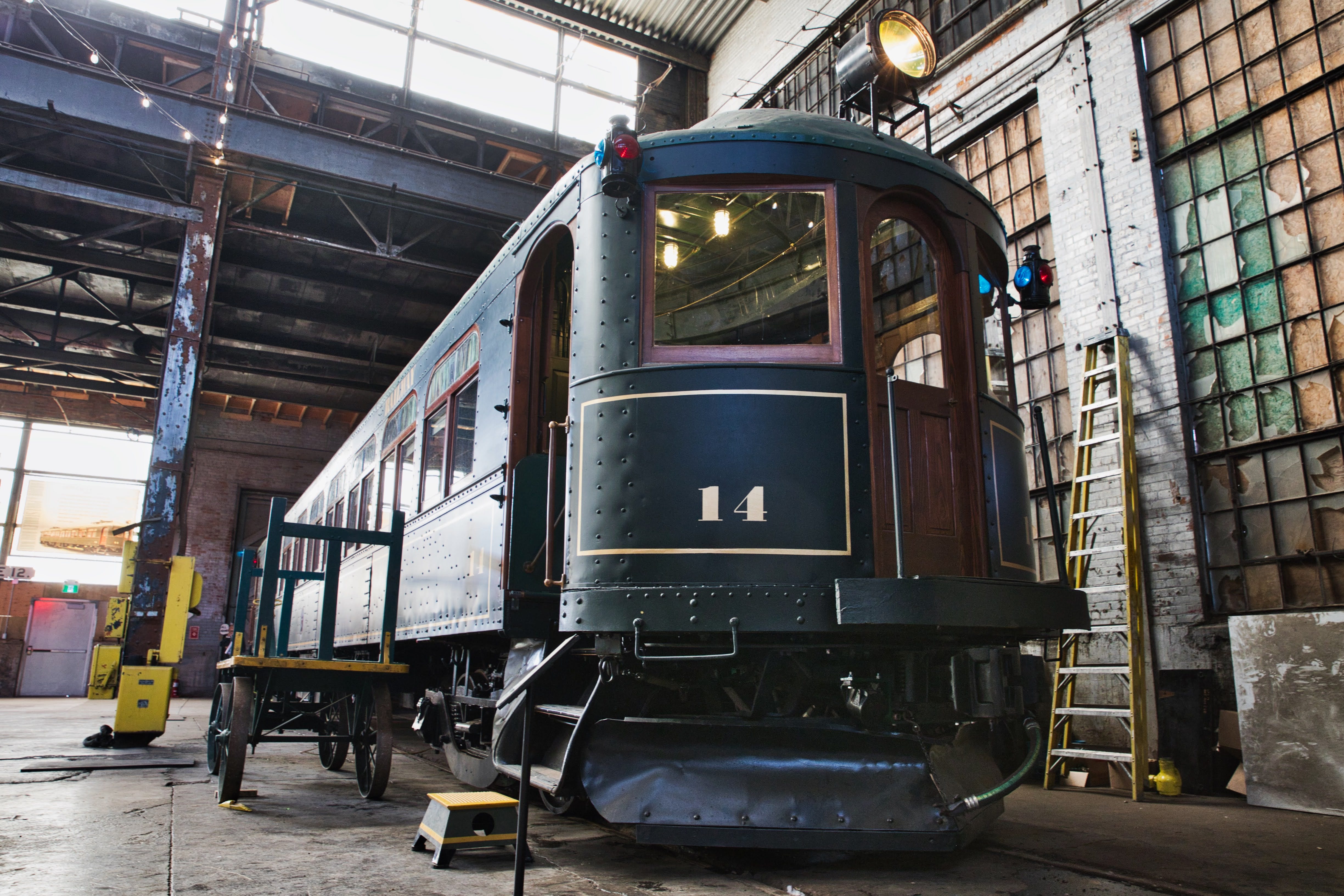
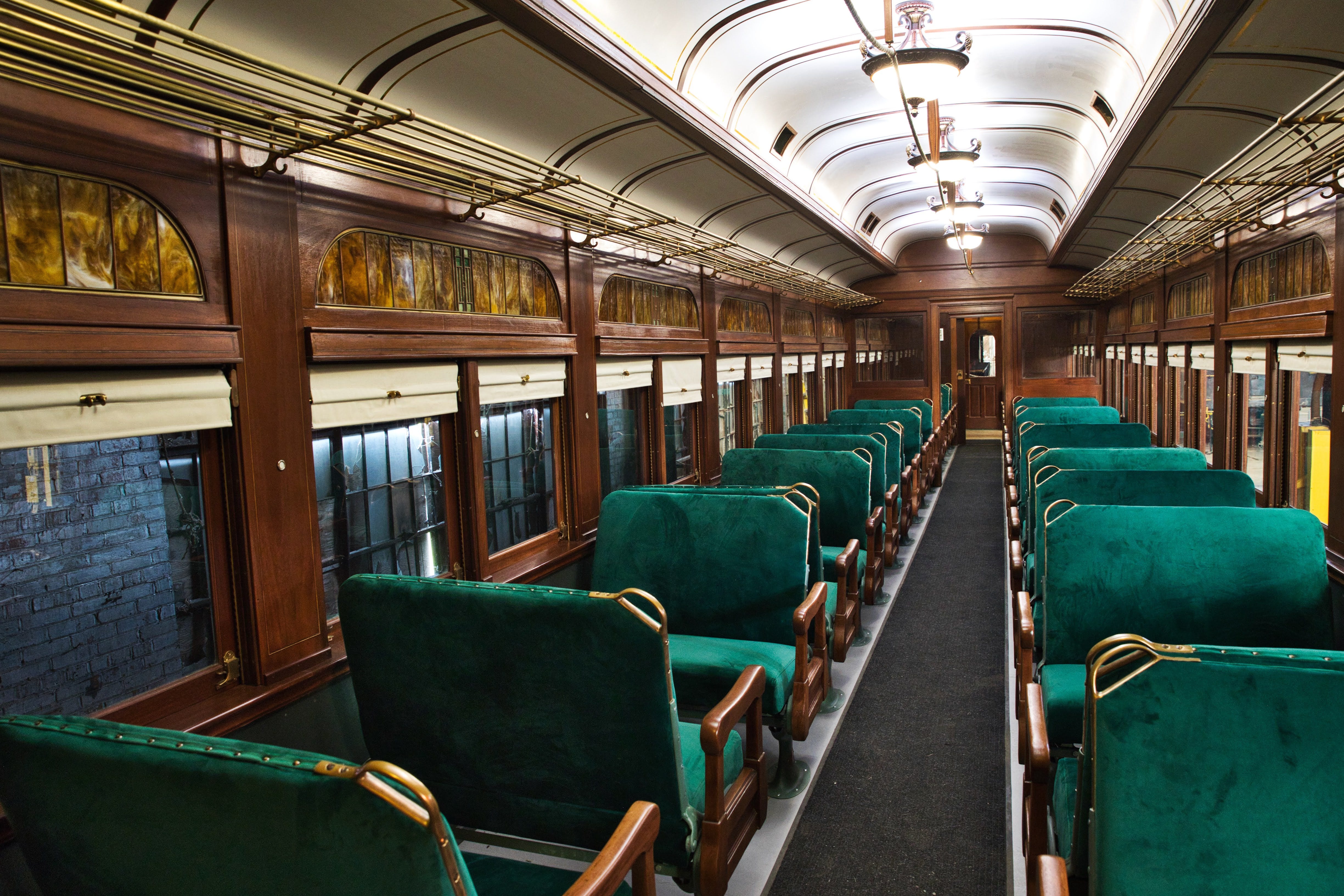
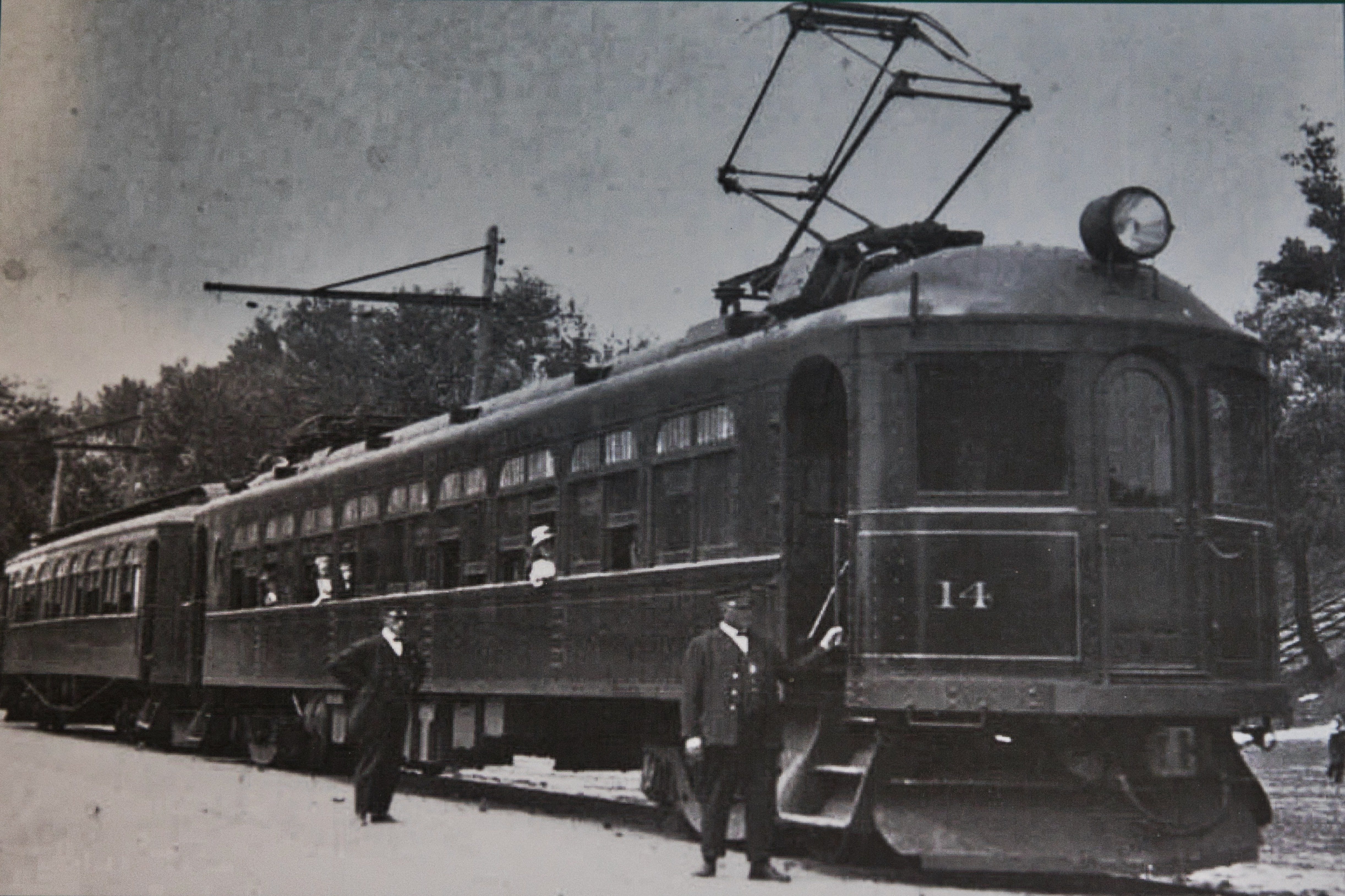
The Elgin County Railway Museum overall is well worth the visit.
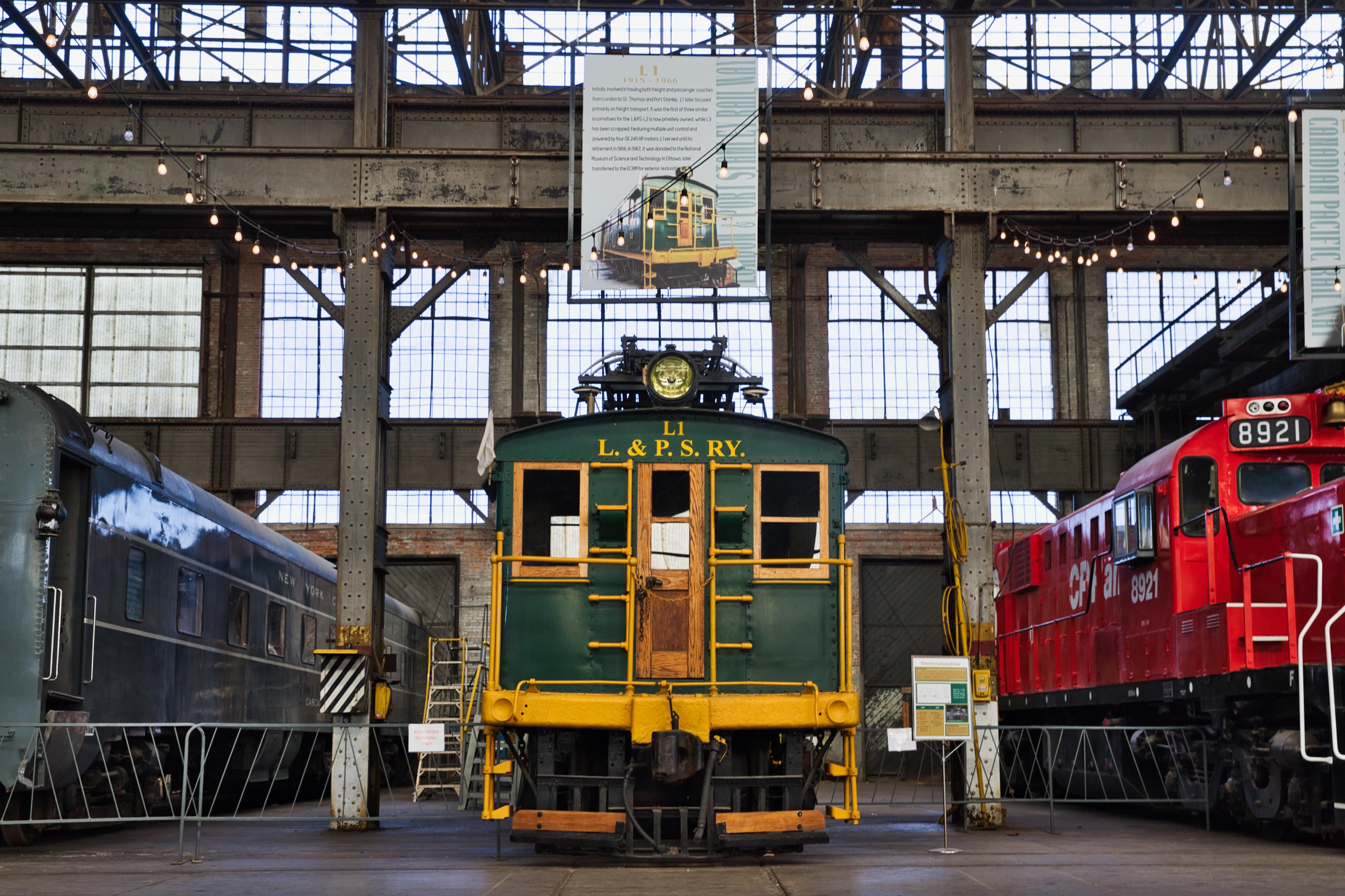
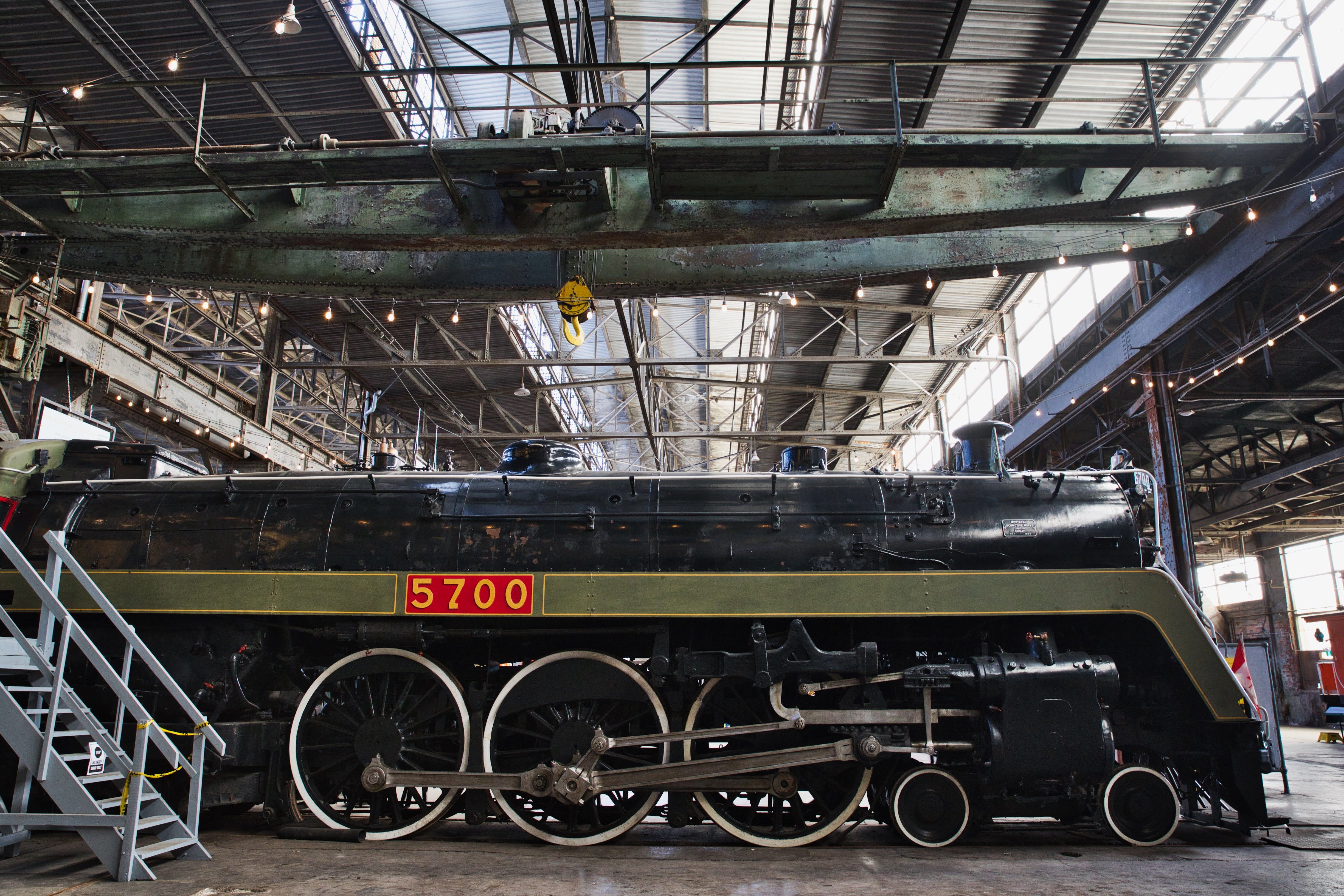
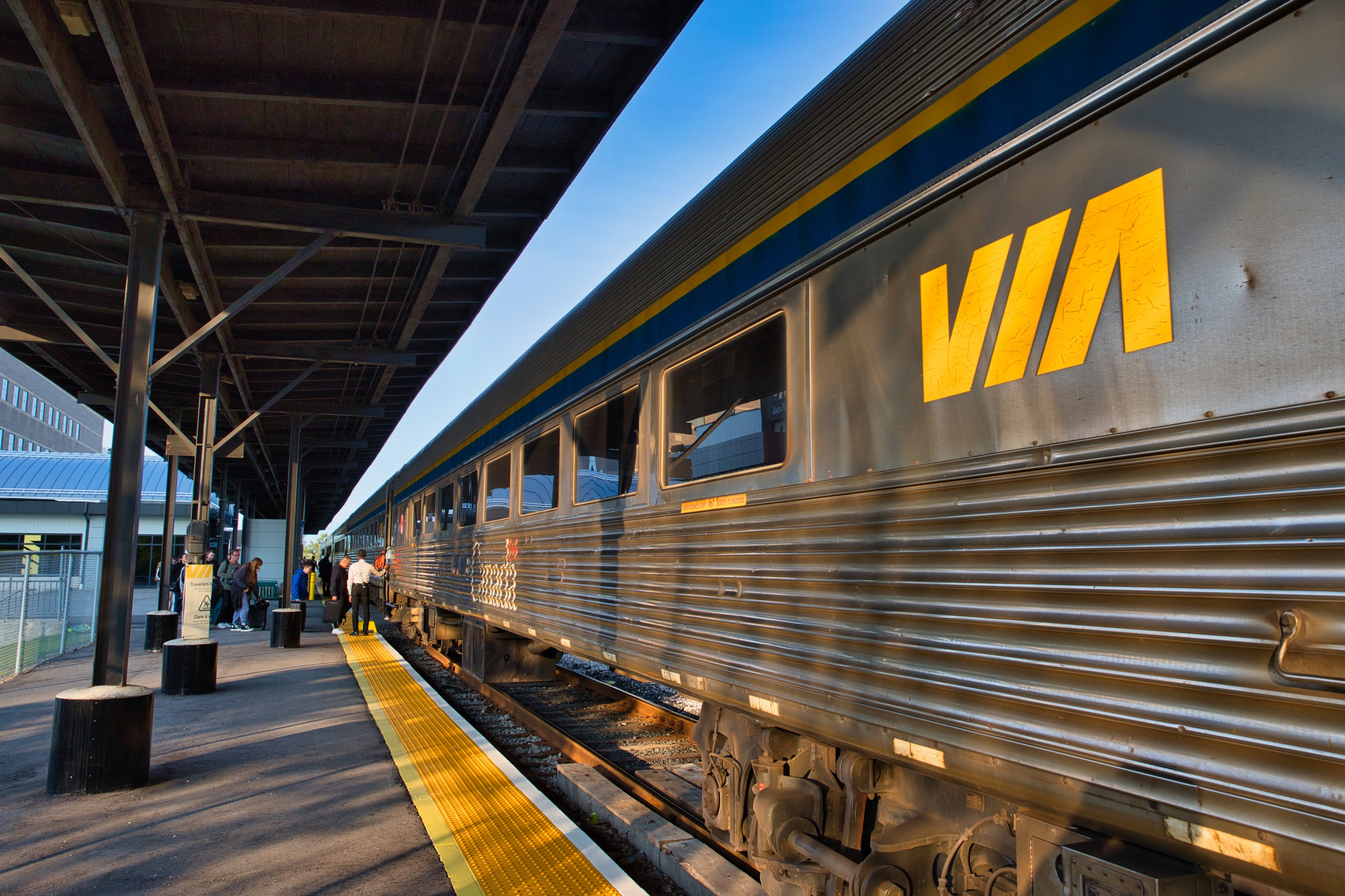
Exhausted but happy, I took an intercity bus back to London, where I had a few hours to kill before boarding VIA Rail, train number ten, to Toronto.
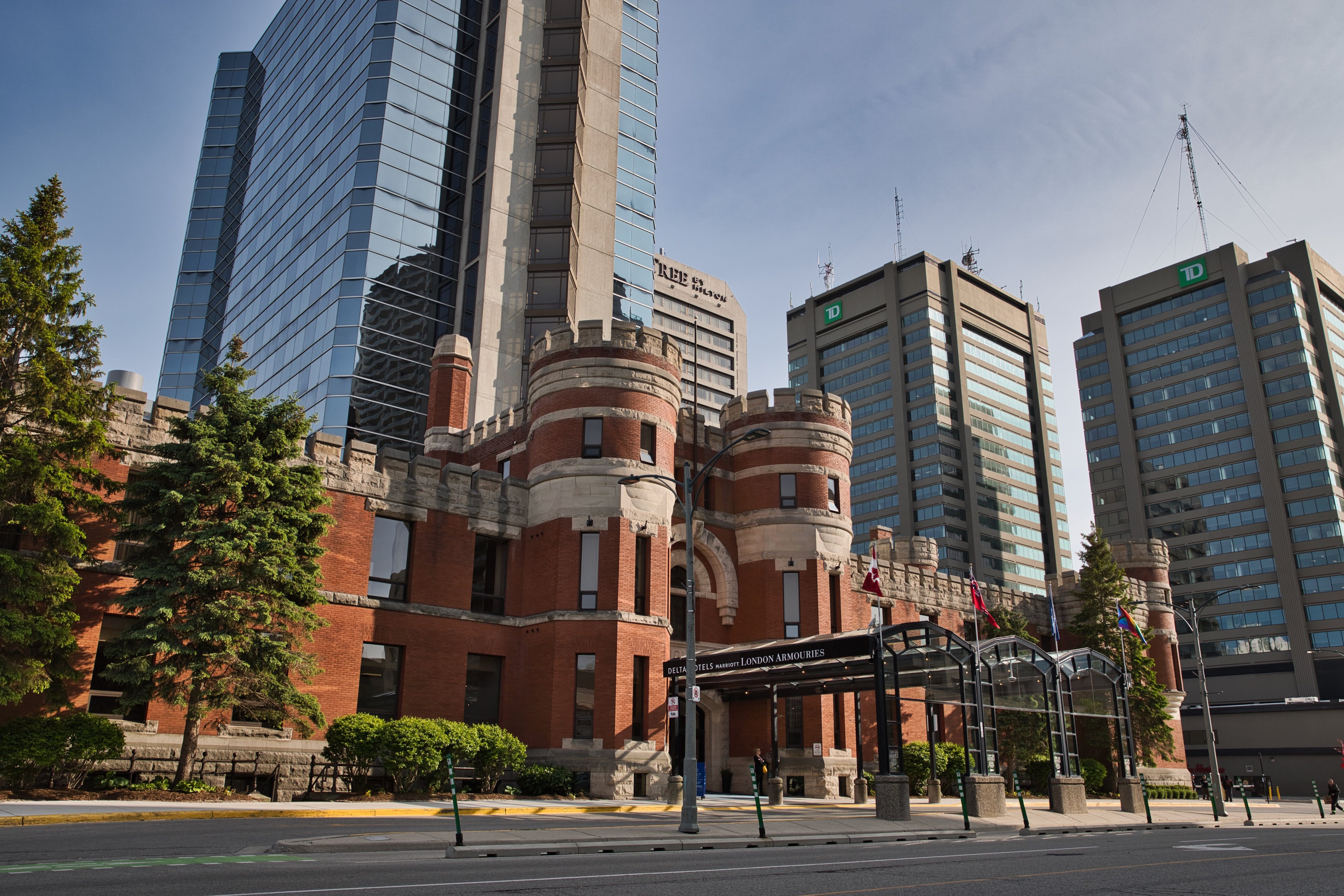
London’s downtown felt like it’s seen its better days and is now in deep decline, with plywood-boarded storefronts and visible social challenges. To understand the state of despair, London’s VIA Rail station is the only station in Canada I’ve been to where armed security guards checked my ticket before allowing me to enter the station.
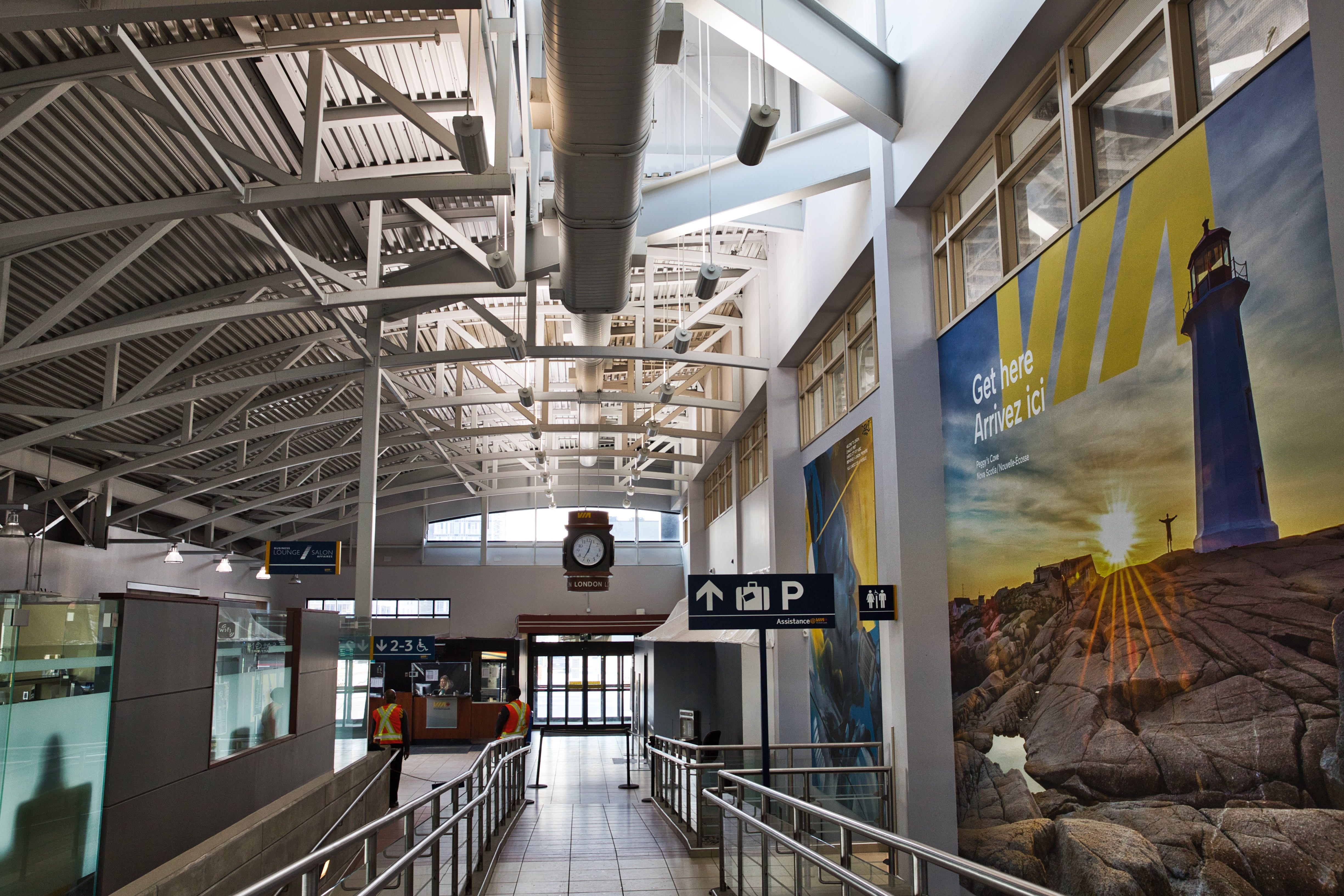
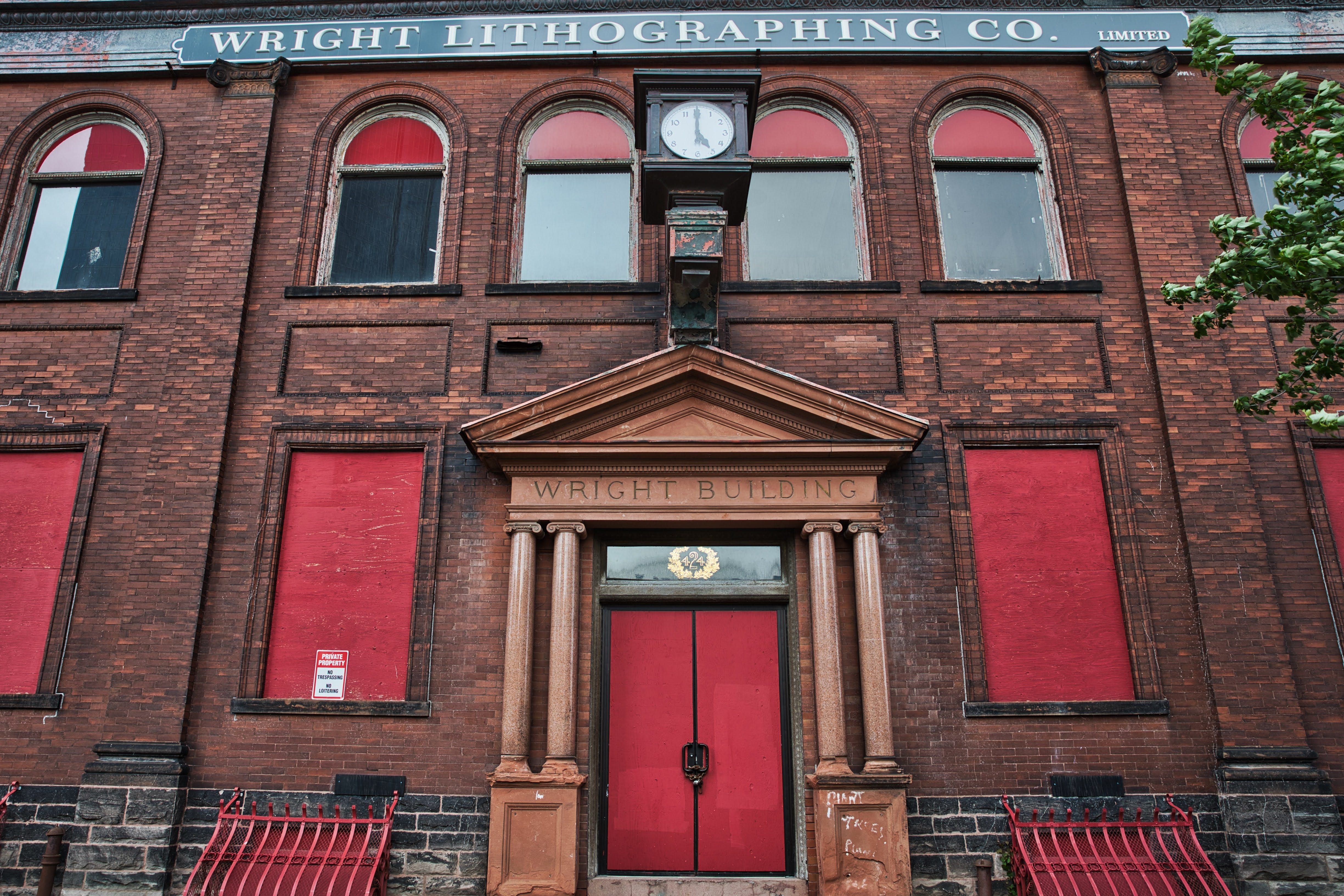
Don’t get me wrong, London is still worth the visit, but I recommend doing it on a market day in full daylight. A few hours are enough to explore historical downtown core, the Thames River, and grab a bite.
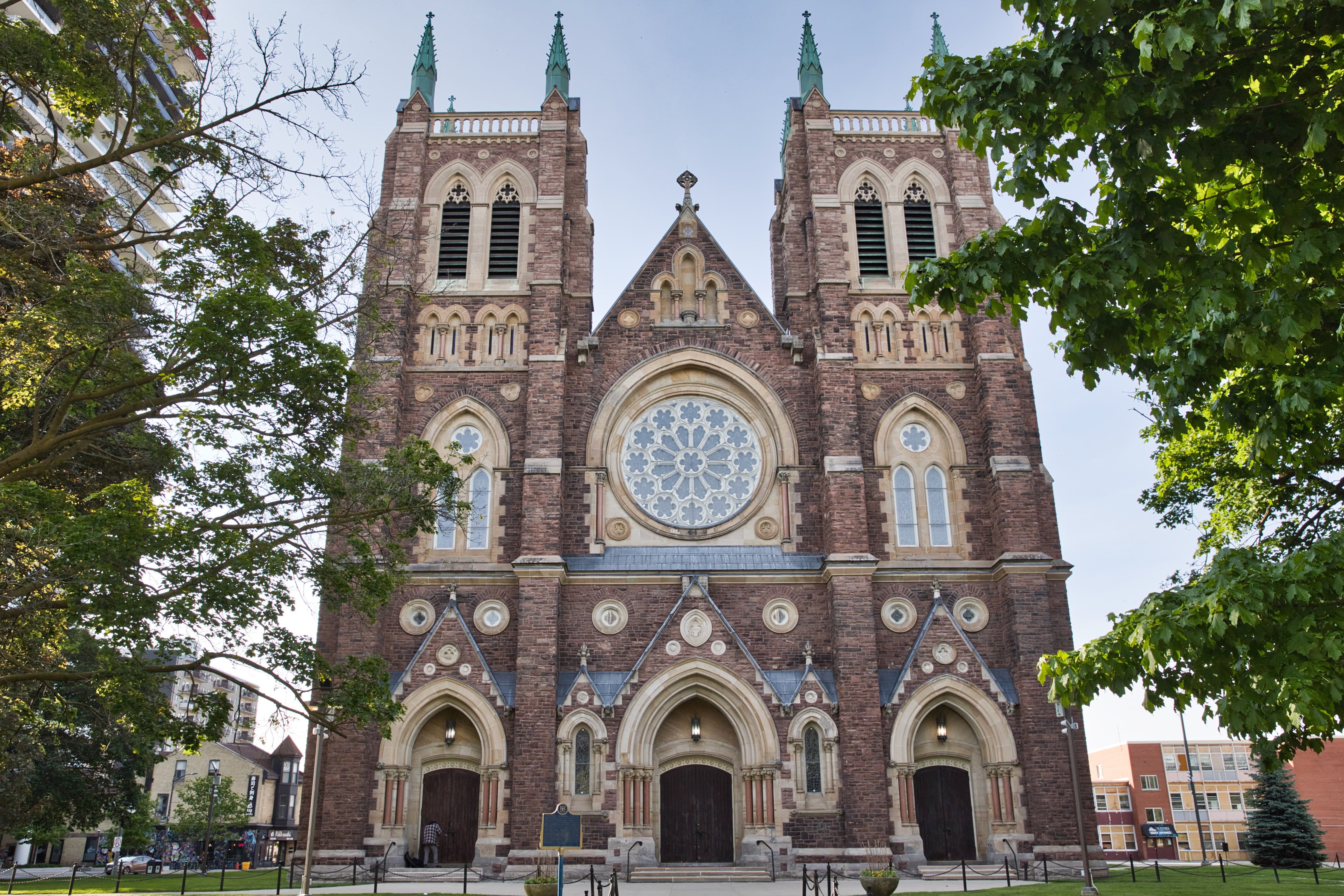
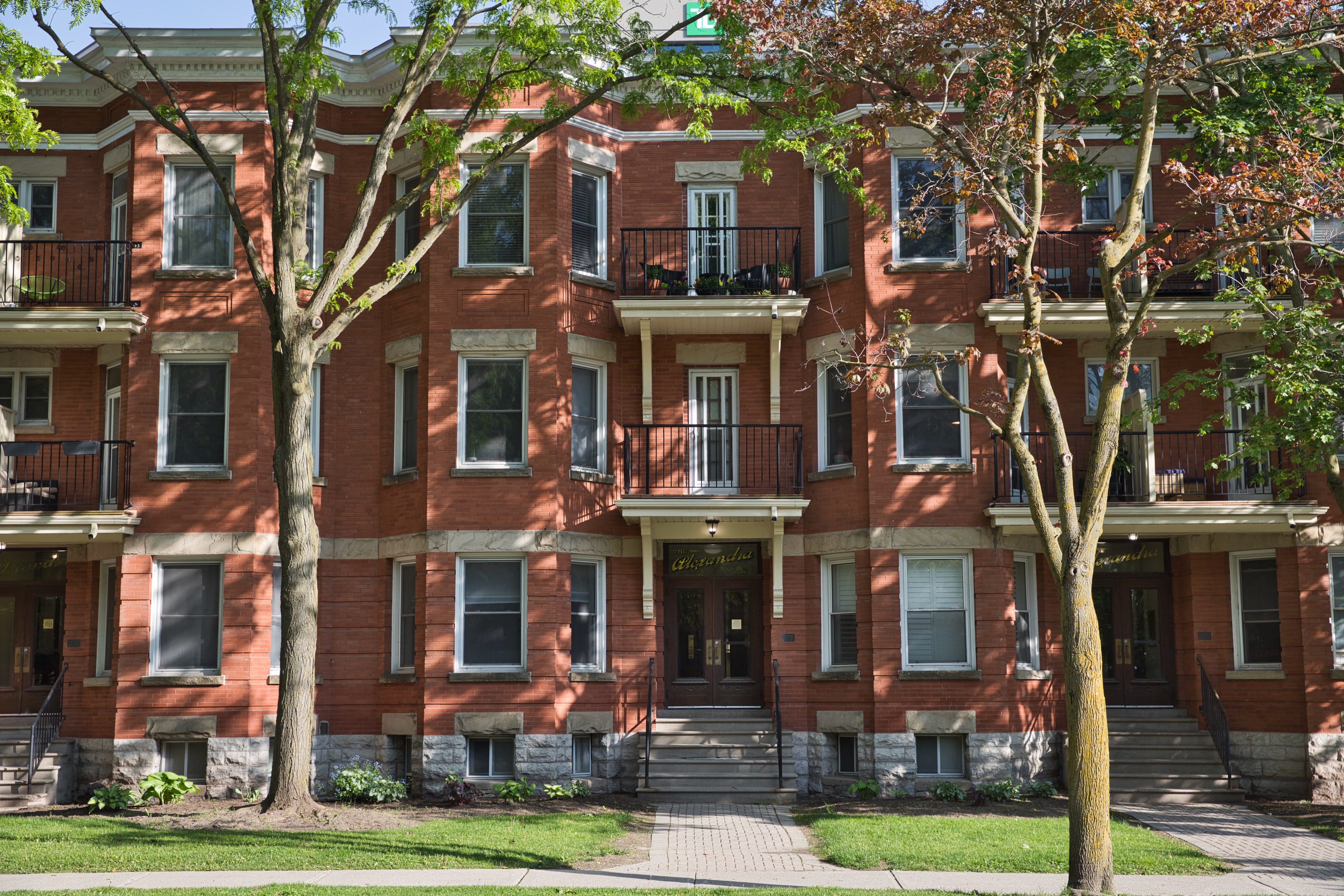
I felt relieved when my train to Toronto arrived and I settled in an worn, but super comfy economy seat. A cold beer from the cart sweetened the two-hour ride home. The views over the Grand River near Paris were a highlight. Otherwise, farmland gradually gave way to urban sprawl on the approach to Hamilton.
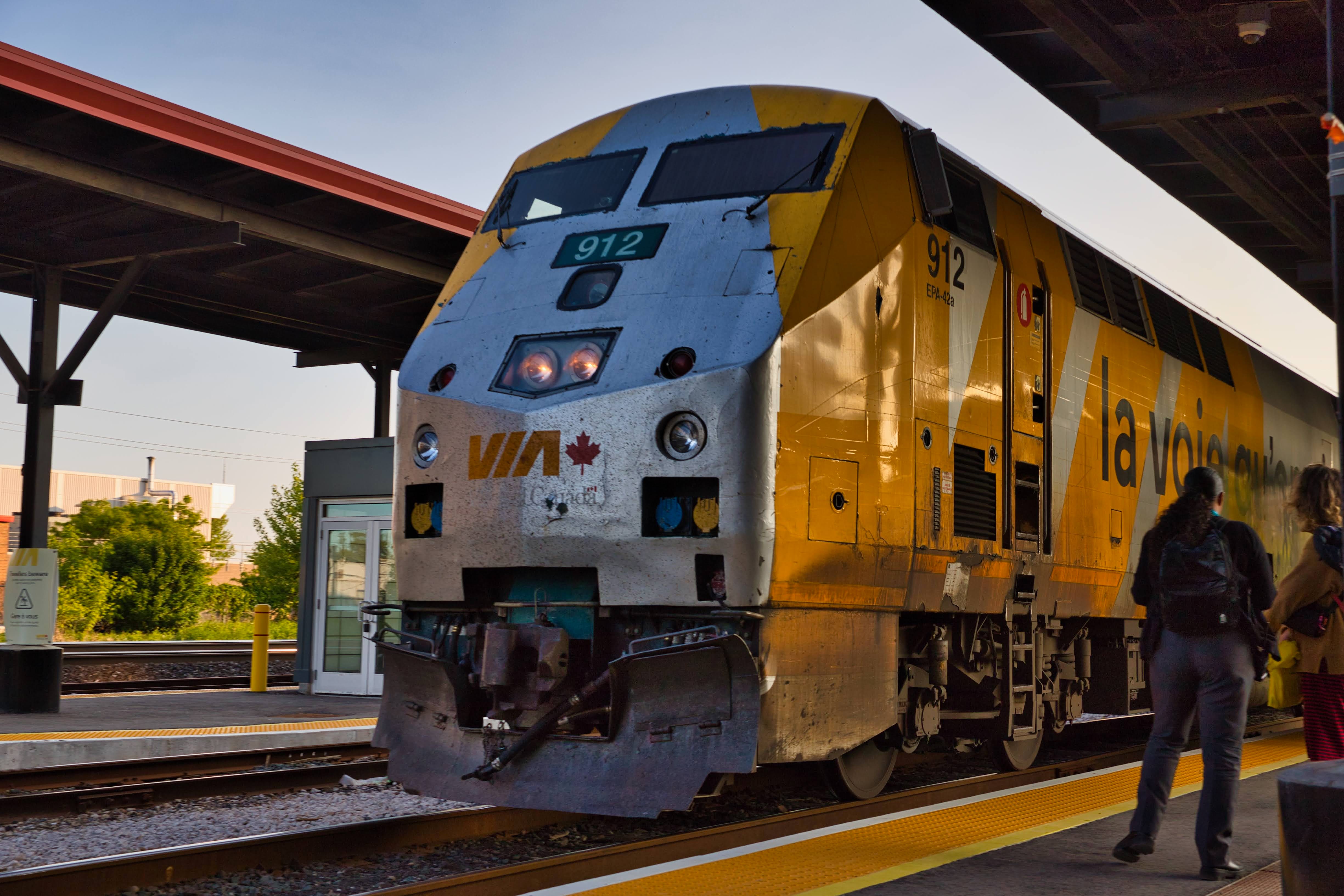
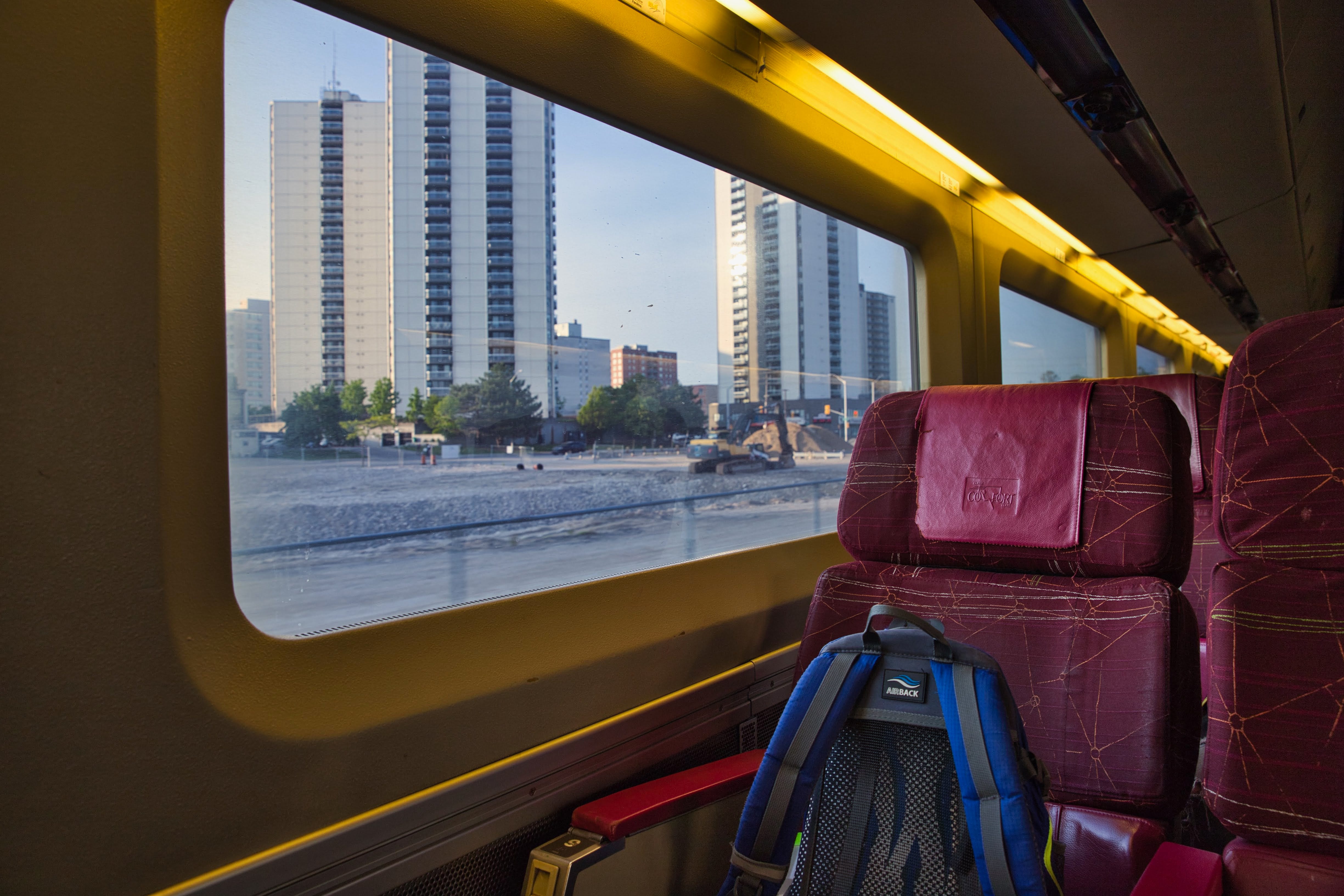
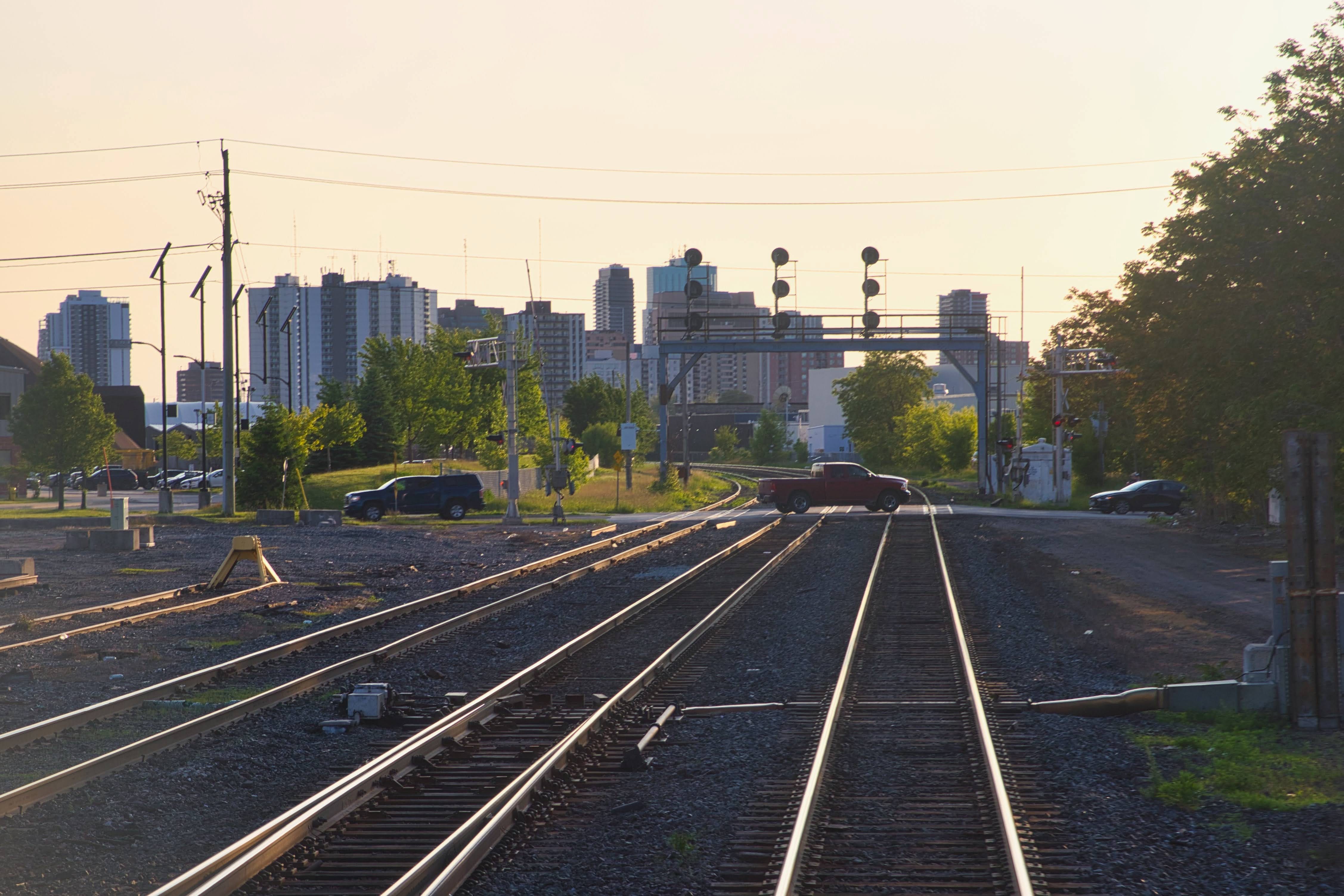
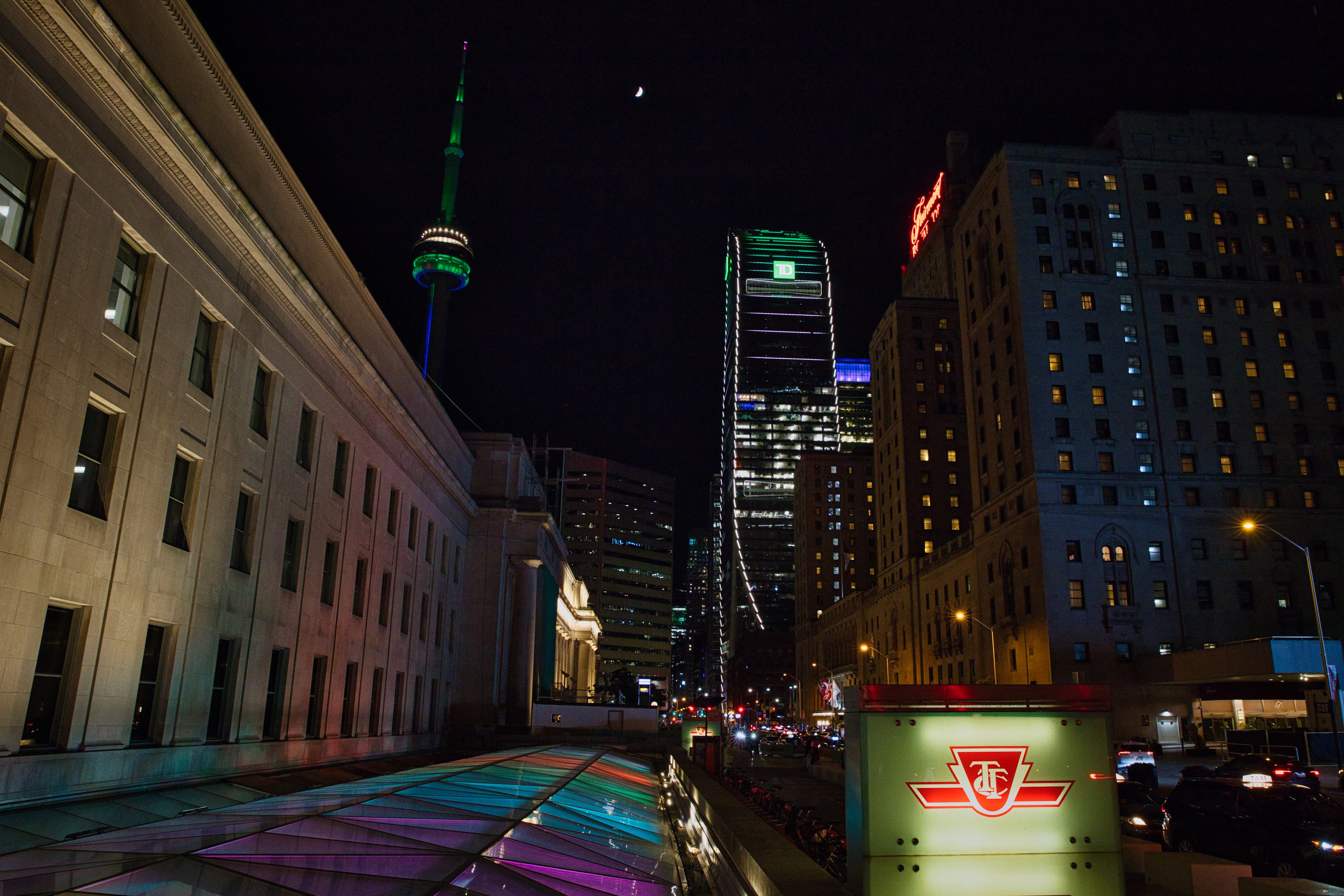
As the train slowly rolled into a bustling and fully illuminated metropolis called Toronto, it marked the end of my 2½-day journey across southwestern Ontario, a real-life Ticket to Ride adventure.
Want to see more train journeys like this? Subscribe to my newsletter and stay tuned∎.
No posts
Comments
Nothing yet. Say the first thing.
Sign in to join the conversation.