

LEGO collecting is much more than stacking bricks. For some, it’s a way to reconnect with childhood, for others it’s an investment strategy, and for many it’s a creative outlet that leads to lifelong friendships. Regardless of why you collect, having a plan can help you enjoy the hobby without burning out or losing money. This guide distills years of collector experience and recent market data into a conversational roadmap for every stage of the collection lifecycle. It covers how to track set retirements, when to buy, what kinds of sets appreciate, how to present and preserve them, grading and condition standards, where to sell, pricing strategies and mistakes to avoid. The tone is direct and community‑focused, written for seasoned veterans, aspiring investors and casual builders who want to make smarter choices.
Most retail sets remain on shelves for about two to three years before retiring. The retirement window can be shorter for seasonal or promotional items and longer for flagship products like Ultimate Collector Series (UCS) models. Knowing when a set retires matters because prices often spike once production ends. Sites such as Brick Ranker compile expected retirement dates, but these are estimates – always verify them on LEGO.com or in the LEGO® Insider program because schedules can shift.
Several high‑profile sets are scheduled to retire by the end of 2026 or 2027. The following table summarizes notable examples and why collectors care. Always cross‑check with official sources before making a purchase, as retirement dates can change.
Set Theme/Type Expected retirement (estimated)Why collectors care75192 UCS Millennium Falcon Star Wars (UCS)31 Dec 2026Largest UCS set to date; previous Falcon (10179) exploded in value after retirement; legendary status among fans10294 Titanic Icons Not yet announced; still in production Massive display model; may follow the value trajectory of other large Icons sets75331 Razor Crest Star Wars (UCS)Likely 2024–2025Mandalorian flagship; includes exclusive minifigures; UCS sets generally appreciate after retirement10316 Rivendell Icons (Lord of the Rings)Estimated 2025–2026 First large Tolkien set in a decade; limited production and high demand21338 A‑Frame CabinIdeas2025Ideas sets typically run for two years; unique design appeals to nature lovers Modular Buildings (e.g., 10297 Boutique Hotel, 10312 Jazz Club )Icons Approximately 2–3 years after release Modulars retire annually; previous entries like Assembly Square climbed sharply after retirement75382 TIE Interceptor Star Wars2026–2027Anniversary UCS set that taps nostalgia; limited run75388 Jabba’s Sail Barge Star Wars31 Dec 2027Iconic movie scene with numerous minifigures; scarcity expected
Pre‑retirement discounts – Most sets see the deepest discounts in their final year on retail shelves. Large retailers like Amazon, Target and Costco often undercut LEGO’s suggested retail price. Double Insiders (formerly VIP) events also boost value; for example, the Brick Post reported that from 14 October to 20 October 2025, LEGO Insiders members earned double points across all purchases. Double points effectively translate to a 10 % rebate in reward credit and are a prime window for big purchases or soon‑to‑retire sets.
Post‑retirement price spike – Once production ends, scarcity drives secondary‑market prices upward. Historically, retired LEGO sets appreciate around 10 – 11 % per year. However, this average hides wide variance: iconic models like the original UCS Millennium Falcon skyrocketed while others barely keep pace with inflation. Buying just before retirement can lock in retail pricing while leaving room for appreciation.
Avoiding scalpers – High‑profile releases often sell out on day one. The guide warns against paying inflated “scalper” prices at launch – LEGO usually restocks within weeks. Patience can save you from overpaying.
Brick Ranker and community spreadsheets – volunteer‑maintained lists collate projected retirements based on official information and retailer stock levels. They’re excellent for long‑range planning but treat them as guidance rather than gospel.
LEGO Insiders “Retiring Soon” section – the most reliable, albeit sometimes last‑minute, indicator of sets in their final months.
Collector newsletters – beyond official channels, many fans rely on community newsletters. Beyond the Brick, for instance, sends out regular updates on retirement rumors, new releases and price drops. It’s not a sales pitch – just a way serious collectors stay ahead of the curve and snag discounts before a set vanishes.
Smart buying starts with patience and planning. Jumping on every new release is fun but can strain budgets and leave you with shelves of sealed boxes. Here are the main windows to watch:
Pros: you guarantee stock and enjoy the build right away. Cons: no discounts and limited knowledge of quality issues. For sets likely to sell out quickly (e.g., limited‑edition Ideas or gift‑with‑purchase exclusives), early purchase may be the only option. But avoid paying inflated secondary‑market prices during this phase; LEGO often replenishes supply.
As sets mature, retailers start competing on price. Keep an eye on:
Double Insiders (VIP) points events – Usually held two to three times per year (historically in March/April, June and October). The 2025 event ran 14‑20 October. During these promotions you earn double reward points, which effectively cuts the future cost of another purchase. Combine double points with gift‑with‑purchase promotions for extra value.
Seasonal sales – Black Friday, Cyber Monday and May the 4th (Star Wars Day) often bring 15–30 % discounts and exclusive promotional items.
Big‑box retailer discounts – Target, Walmart and Costco sometimes undercut the LEGO shop. Sign up for their loyalty programs to stack store coupons with sale prices.
Price‑tracker alerts – Third‑party sites and Amazon price trackers notify you when a set dips below retail. Always confirm that the seller is LEGO or a reputable partner to avoid knock‑offs.
Once a set appears on Brick Ranker’s retiring‑soon list or in LEGO’s “Retiring Soon” section, assume discounts will dry up. At this stage, the priority is securing the set before it leaves production. It’s common for big sets to go on backorder in their final months; ordering during a stock window ensures you get it at retail.
The average appreciation of 10 – 11 % per year for retired sets doesn’t mean every box will double in value. Several factors influence secondary‑market performance:
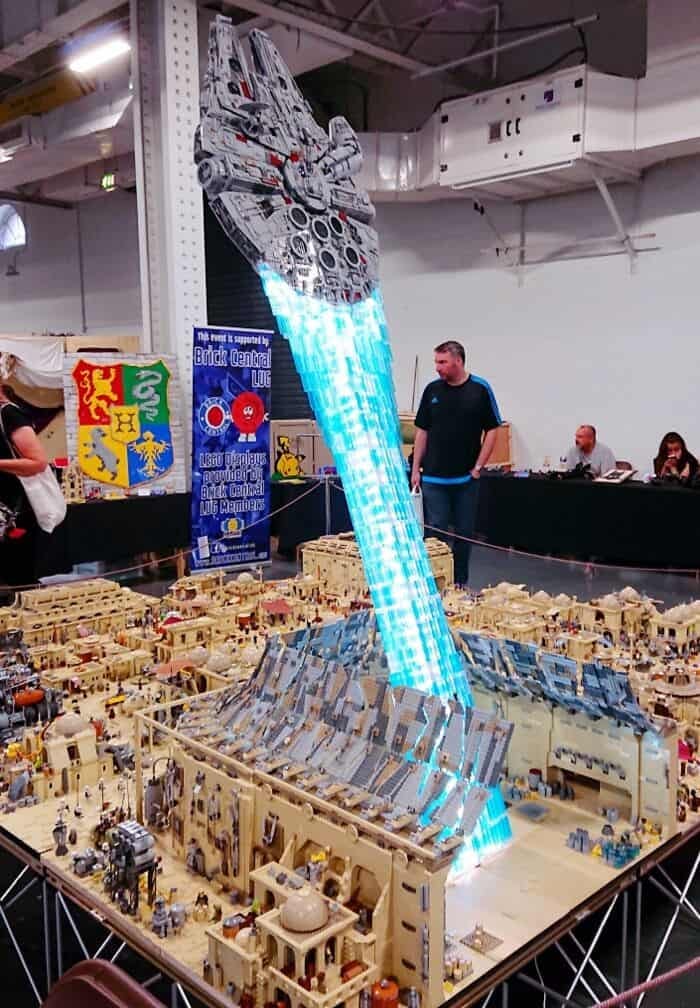
Licensed themes drive demand because they tap into wider fandoms. Star Wars, Harry Potter and Lord of the Rings sets consistently command high premiums once retired. The guide notes that scarcity, limited production runs and popular themes such as Star Wars or Harry Potter are key drivers of appreciation. UCS sets like the Millennium Falcon or Razor Crest and large Lord of the Rings icons (Rivendell) tick all three boxes: they’re expensive to produce, appeal to a broad fan base and include exclusive minifigures.
Large display models (Titanic, Eiffel Tower, modular buildings) often rise quickly because they become coveted centerpieces. Once retired, replacement options are scarce – there may be only one large-scale Titanic model for years. Modular buildings retire annually and previous entries like Assembly Square have shown strong appreciation.
Sets containing exclusive minifigures or printed pieces (e.g., UCS Razor Crest’s Baskar armor minifigures, limited Star Wars troopers) often see aftermarket premiums. The 2026 Siege of Mangalore Battle Pack, for example, includes highly sought‑after Mandalorian Commandos; the guide notes fans waited years for their return.
LEGO Ideas projects are fan‑designed and typically have shorter production runs. The 21338 A‑Frame Cabin is expected to retire in 2025 and appeals to a niche audience. Past Ideas sets like the Saturn V and Medieval Blacksmith have appreciated sharply after retirement.
Researchers examining the secondary market found that retired LEGO sets can outperform stocks, bonds and gold. Another study highlighted that the market for second‑hand sets rises about 11 % per year, with scarcity and popular themes being the main drivers. However, the study also cautioned that not every set is a winner; diversification across themes and set sizes helps mitigate risk.
Displaying LEGO is an art and a practical necessity – after all, shelf space is finite and dust is relentless. Good presentation not only brings joy but can influence perceived value if you ever decide to sell.
Home improvement blogger Love & Renovations shares how their family manages a growing LEGO collection. They installed floor‑to‑ceiling floating shelves and grouped sets by category (Disney, Star Wars, Harry Potter and Marvel). This organization makes the display feel curated rather than cluttered. They also added a small cabinet for overflow and plan to add more shelving to accommodate large sets. The simplest and most space‑saving solution, according to the article, is bookshelves or wall‑mounted shelves. The writer recommends choosing shelves deep enough to accommodate large models – shallow bookcases can cause airplanes or ships to hang over the edge.
For households with children, a glass‑door bookcase provides a dual benefit: it keeps little hands away from fragile displays and reduces dust. Display cases designed for single sets are perfect for showcasing particularly special builds, and wall‑mounted hooks can elegantly display LEGO cars.
Dust accumulation is inevitable. The Brick Blogger emphasises the importance of consistent cleaning: giving your display a quick wipe or compressed‑air blast once a month is much easier than tackling years of built‑up grime. For large displays that can’t be easily disassembled, tools such as soft brushes, compressed air and micro vacuum attachments can help. Inconsistent cleaning allows dust to settle into crevices and can dull colours, reducing appeal to future buyers.
Lighting matters too. Another Brick Blogger article warns that direct or strong indirect sunlight will eventually discolor bricks, especially whites and blues which turn yellow or brown when exposed. Even intense artificial lighting placed too close to displays can cause fading. Place shelves away from windows or use UV‑filtering glass, and opt for soft LED lighting at a safe distance.
Minifigures often clutter shelves when displayed alongside sets. The Love & Renovations article suggests using frames to create dedicated minifigure displays near their corresponding theme. Not only does this clear space, but it also highlights rare figures for potential buyers.
The guide emphasises rotating sets rather than leaving everything out indefinitely. Photograph builds before dismantling them and store them in labelled bins; this allows you to enjoy more sets over time and prevents long‑term sun exposure on any single model.
Sealed boxes hold the highest resale value. To maintain their condition:
Cool, dry environment – Brickem’s storage guide advises keeping sealed sets in a climate‑controlled space, away from direct sunlight, heat or humidity. Attics and garages are discouraged because temperature and humidity can fluctuate widely.
Airtight plastic bins – Clear, airtight tubs protect boxes from dust and moisture. Stack boxes carefully and avoid mixing sizes so weight is distributed evenly.
Check periodically – Inspect sealed boxes every few months for signs of warping, pest damage or broken seals. The Brick Blogger notes that high temperatures and humidity can damage sticker sheets and the adhesive seals on boxes. If your collection contains sets with electrical components (trains, motors), bring them indoors to avoid rust.
Preserve instructions and boxes – Flatten boxes and store them along with instructions; sealed sets or complete boxes command higher prices.
If you enjoy building and dismantling, invest in drawer units or clear organisers. The guide warns that mixing bricks without organisation quickly turns building into a frustrating scavenger hunt. Label bins by colour, element type or theme. Keep stickered pieces and printed elements separate to prevent scratches. For long‑term storage, ensure containers are airtight to avoid dust.
As noted earlier, direct sunlight discolors bricks. For built models on display, face them away from windows, or use UV‑blocking film. Keep sets with electronics out of hot environments – heat can warp plastic and degrade electrical contacts.
If you buy or sell used sets, clean them gently with mild soap and lukewarm water. Avoid harsh chemicals that can dull the plastic. Use compressed air for crevices and ensure parts are completely dry before storage.
Condition is one of the strongest determinants of value. Brickem’s LEGO Condition Grading Guide outlines the standard categories used by collectors and resellers:
CategoryDescriptionImplications for valueNew Sealed (Mint)Box is sealed and undamaged; factory seals intactCommands the highest price; highly sought by investorsNew Sealed, Damaged BoxContents untouched but outer box has dents or creasesSlightly lower value; some investors will pay less despite sealed contentsNew Open BoxBox opened, but inner bags remain sealedValue decreases compared to mint; still attractive to builders who want all new partsPreowned With BoxSet built once or displayed; includes original box and instructionsValue depends on completeness and box conditionPreowned No BoxBuilt or played with; missing original packagingLower value; ideal for builders rather than investorsBuilt, Unverified As IsBulk bricks or assembled sets sold without inventory verificationSignificant discount; risk of missing pieces
For minifigures, the grading scale differs: categories include New, Like New, Lightly Used and Heavily Used. Scratches, loose joints, cracked torsos and faded prints all reduce value.
Transparency – Accurate grading builds trust between buyers and sellers. Under‑describing condition leads to disputes and negative feedback.
Pricing – A mint, sealed set can command a premium. Damage, missing pieces or wear drastically lowers value. Know how to assess your items before listing.
Inspect packaging for dents, creases or punctures; note any price stickers.
Verify that all numbered bags, inner boxes, instructions and sticker sheets are present.
Check printed elements and minifigure accessories for scratches or fading.
For used sets, run an inventory check via Brickset or Rebrickable to ensure all parts are included

.

When it’s time to thin your collection or fund new purchases, choosing the right platform and pricing strategy is crucial.
BrickLink is the largest dedicated LEGO marketplace. It attracts serious collectors who value accurate inventory listings. According to Brickem’s fee breakdown, BrickLink charges a 5 % final value fee on the total sale price, including shipping. There are no listing fees, which makes it appealing for large inventories. However, payment processing adds costs: PayPal charges 2.9 % + $0.30 for U.S. transactions and 4.4 % + $0.30 for international sales, while BrickLink Payments costs about 2.5 %. Cross‑border transactions also incur currency conversion fees of 2.5–4 %. These extras mean your actual fee can approach 8–12 % of the sale price.
Pros:
Highly targeted audience; buyers know LEGO values and pay fair prices.
Flexible inventory upload tools; no listing fees encourage large catalogues.
Robust catalog with official part numbers; reduces listing mistakes.
Cons:
Fees accumulate (commission + payment processing + currency conversion).
Shipping must be arranged manually; sellers need a postage scale and packing materials. The Brick Blogger’s guide to starting a BrickLink store recommends investing in a postal scale, bubble mailers, ziplock bags, boxes and shipping tape to calculate postage accurately.
Requires consistent upkeep. Sellers should update inventory, respond promptly to messages and pack items carefully.
Pricing tips: Use BrickLink’s Price Guide to check recent sales for your set and condition. Aim to price slightly above the average for mint sets and slightly below for used sets; adjust for exclusive minifigures or damaged boxes. Consider setting minimum order values to reduce the impact of payment fees.
eBay offers a broader audience and multiple selling formats (auction or fixed price). Its fees, however, are higher. A 2026 fee guide from Taxomate states that most categories incur a 13.6 % final value fee plus a $0.30 to $0.40 per‑order fee. The fee is calculated on the entire sale amount, including shipping. Books and media have higher rates (15.3 %) and some categories have lower rates; check current fee tables.
Pros:
Massive audience; good for obscure themes or non‑LEGO audience cross‑overs.
Auction format can drive bidding wars on rare items.
Shipping labels can be purchased directly through eBay, simplifying postage.
Cons:
Higher fees than BrickLink; effective rates around 14–15 %.
Potential for non‑paying bidders or returns; maintain clear photos and descriptions to avoid disputes.
eBay’s audience is broader and less specialised, so your listing must stand out with high‑quality photos and detailed condition notes.
Pricing tips: Use eBay’s sold listings filter to see what similar sets actually sold for. Price competitively and factor in the fee percentage plus shipping. Auctions work well for rare retired sets where demand is uncertain, while “Buy It Now” suits mainstream items. Offer combined shipping discounts to encourage multiple purchases.
LEGO buy/sell/trade groups on Facebook and community forums offer fee‑free or low‑fee selling. There is no authoritative data on fees, but transactions often happen via PayPal Goods & Services (3 % fee) or cash for local meetups.
Pros:
No platform commission; you keep more of the sale price.
Direct communication with buyers; possibility of trades.
Local pick‑up eliminates shipping costs and risk of damage in transit.
Cons:
Higher fraud risk. Only deal with members who have positive feedback; ask for references; avoid deals that seem too good to be true.
Lower liquidity; specialised sets may take longer to find a buyer.
No structured catalog, so you must describe your item thoroughly.
Pricing tips: Research pricing on BrickLink and eBay, then discount slightly to account for reduced platform protection. Meet in a public place and accept secure payment methods (e.g., PayPal Goods & Services) to protect both parties.
Regardless of platform, competitive pricing requires research and realism.
Check recent sales – Use BrickLink’s and eBay’s price guide to view the last six months of sales for your set in similar condition. Note highs, lows and median prices.
Factor in fees and shipping – Calculate net proceeds after platform and payment fees. On BrickLink, expect ~8–12 % combined fees. On eBay, plan on 14–15 %. Adjust your asking price accordingly.
Consider box condition – A dinged corner or creased flap can reduce value. Price new sealed sets with damaged boxes below mint but above used sets.
Watch market trends – Prices fluctuate with media releases, anniversaries and rumours. For example, speculation about a new UCS Falcon can dampen demand for the current one. Subscribe to market newsletters (such as the Beyond the Brick community newsletter mentioned earlier) to stay aware of trends and deals.
Be flexible – If your set doesn’t sell after a month, reduce the price or offer free shipping. Patience pays off for rare items but holding onto a common set too long ties up capital.
Even experienced collectors sometimes sabotage their own investments. Here are pitfalls to avoid:
The guide strongly cautions against purchasing unlicensed Lepin or other clone brands – they violate LEGO’s intellectual property and have inferior clutch power. Collectors shun knock‑offs, and owning them can hurt your reputation when you sell.
Paying inflated prices on day one enriches resellers and rarely provides value. Unless a set is extremely limited, LEGO restocks within weeks. Patience saves money and denies scalpers a market.
Used sets can miss parts, have discoloured pieces or include substitutions. The guide recommends always requesting photos and inventory lists. Until you’re confident assessing condition, stick to new or “like new” sets.
Sealed sets or complete packaging significantly increase resale value. Flatten boxes and store instructions separately. Keep sticker sheets unused; applied stickers reduce value.
Storing sets in attics or garages exposes them to temperature swings and humidity. Sunlight and heat can discolor bricks and damage box seals. Always choose a cool, dry, stable environment.
Building and displaying sets is the essence of LEGO, but heavy play can scratch pieces and loosen minifigure joints. If investment is a priority, consider buying two sets: one to build and enjoy, and one to keep sealed.
Not every license becomes a grail. Some sets remain widely available and fail to appreciate. Buying what you love ensures you won’t regret the purchase even if it doesn’t skyrocket.
Failure to track purchase dates, prices and inventory can lead to mispricing or tax headaches. The guide recommends using spreadsheets or apps like Brickset and Rebrickable to document your collection. Documentation helps when selling and provides proof of authenticity.
Collecting LEGO should be fun. Start by defining why you collect – for nostalgia, for display, for investment or all three. Buy what you love and be mindful of budgets and retirement schedules. Use price trackers, double points events and community newsletters to find deals and plan purchases. Display your models proudly in dust‑free, sun‑safe spaces. Store sealed sets carefully to preserve value, and learn the grading standards so you can communicate condition clearly. When it’s time to sell, choose the right platform, account for fees, price competitively and pack your sets as if you were sending them to a friend.
Above all, remember that the joy of LEGO lies in the build. Don’t let market speculation consume your hobby. Collecting becomes most rewarding when shared with others – join local user groups, participate in online forums and stay connected through resources like Beyond the Brick’s newsletter. Trading tips, celebrating new releases and mourning retiring icons together is what makes this community special. Happy building!
No posts
Comments
Nothing yet. Say the first thing.
Sign in to join the conversation.