
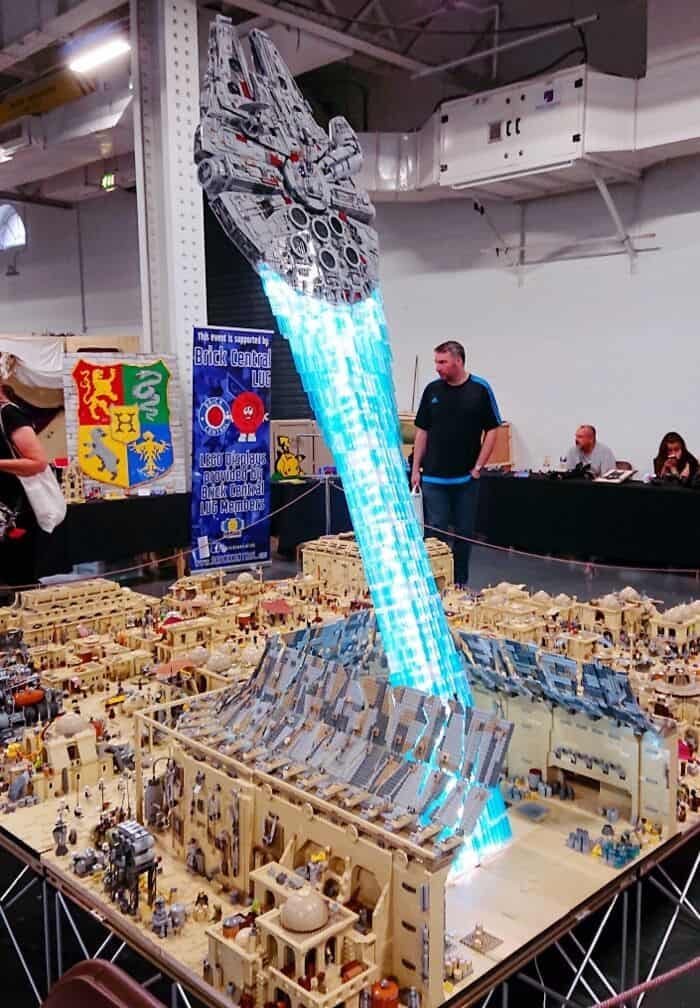
Lego is more than a toy—it’s a creative medium and a visual centerpiece that deserves to be shown off. As collections grow, the question becomes how to display Lego sets in a way that does them justice. Whether you’ve just completed your first modular building or you’re planning a room‑spanning diorama, presenting your builds effectively elevates them from playthings to curated art.
This comprehensive guide explores everything you need to know about displaying Lego sets, from room layout and shelving options to organization, lighting and dust protection. We break the advice down by skill level, so beginners, intermediate collectors and master builders can all find tailored strategies that suit their space and collection.
Before diving into specifics, take stock of your collection and the rooms you want to work with. Ask yourself:
How much space do I have? A dedicated Lego room provides freedom for large builds and custom shelving, while a bedroom, office or living room requires balancing display with everyday function.
What types of sets do I own? Large Icons and Star Wars UCS models require deep shelves or display cabinets; small City sets and minifigures can fit on narrow floating shelves. Mixed collections need zoning to avoid clutter.
What’s my budget? You can create striking displays with simple bookshelves and LED strips, but premium glass cabinets and custom cases deliver museum‑quality presentation.
Use this assessment to set priorities. For instance, if your goal is a living‑room display that doesn’t overwhelm the décor, you may choose compact wall‑mounted frames and neutral lighting. If you want a dedicated hobby room, you can experiment with modular shelving, risers and custom backgrounds. With a clear goal, the following sections will help you build an effective display system.
Beginner collectors often own a handful of sets—perhaps a few Creator cars, small Star Wars models or a Classic brick box. The goal here is to display builds neatly while leaving room for growth. Displaying Lego sets at this stage means learning how to use existing shelves and affordable accessories to highlight your creations.
Floating shelves and bookcases: For small collections, floating shelves are perfect because they take up minimal floor space and visually lift sets to eye level. Wall‑mounting shelves in a bedroom or office instantly creates a display zone without furniture footprints. Choose shelves with at least 10–12 inches (25–30 cm) of depth for small to medium builds, and install them at staggered heights for variety.
Repurposed furniture: Don’t underestimate existing bookcases or wardrobes. A basic bookshelf with adjustable shelves can become a Lego gallery when you leave space between sets and adjust shelf heights. As design experts note, adjustable shelves allow flexibility as your collection grows.
Clear acrylic risers: When multiple small builds share one shelf, use clear risers to create tiers. This ensures back‑row models remain visible without crowding, and risers can be swapped as collections change.
Group by theme or color: To keep the display cohesive, organize sets by theme (e.g., Star Wars, City) or by dominant colors. Interior designers recommend grouping items by collection, color or size to create visual unity.
Limit the number per shelf: Even for beginners, avoid cramming too many sets together. A pro tip from display experts advises limiting groups to 3–5 items per shelf for balance and maximum visual interest.
Rotate displays: If you have more builds than space, rotate them every month or season. This keeps the space dynamic and allows you to dust and reorganize regularly.
Good lighting immediately transforms even a simple shelf. You don’t need complex setups; start with inexpensive LED strips or battery‑powered puck lights:
LED strips: Adhesive LED strips run along the underside of shelves, casting an even glow over models. According to a guide on illuminated display cabinets, LED lighting intensifies colors, reveals intricate details and helps highlight features that ordinary room lighting might hide.
Battery‑powered spotlights: Small puck lights or clip‑on lamps draw attention to a favorite build without wiring. Choose warm or neutral white to match the mood—warm tones enhance vintage or medieval sets, while cool white suits sci‑fi models.
Avoid heat and UV: The same guide notes that LEDs emit minimal heat and UV, preventing damage or discoloration. This is crucial because prolonged exposure to heat and sunlight can warp or fade plastic.
Open shelves look sleek but attract dust quickly. To keep your collection looking fresh:
Acrylic display boxes: Individual acrylic cases protect a single build or group of minifigures. They’re lightweight and shatter‑resistant, making them ideal for beginners. Use them for favorite models like a classic car or small architecture set.
Glass‑front cabinets: If you already own a small cabinet, consider adding a clear door. A DIY guide explains that installing a hinged acrylic or glass door blocks dust while keeping the display fully visible. This simple upgrade dramatically slows dust accumulation and preserves your Lego.
Regular cleaning: Even with cases, dust will eventually appear. Gently brush sets with a soft makeup brush or use compressed air on low pressure, and avoid chemical cleaners that could degrade ABS plastic.
Beginners often build sets of varied sizes—perhaps a Creator vehicle next to a Brickheadz figure. To avoid visual clutter:
Use risers for depth: Place smaller sets on taller risers behind larger ones, ensuring each piece is visible. Transparent acrylic risers blend into the background.
Balance heights: A display with varied heights keeps eyes moving and adds energy. Arrange tall sets (e.g., towers) opposite low, wide models (e.g., vehicles) so they complement rather than compete.
Leave breathing room: Follow the rule of odd numbers; three sets on a shelf often look more curated than two or four. Resist the urge to squeeze everything together.
Budget: Start with what you have—repurposed bookcases, floating shelves, and LED strips cost little. Add a few acrylic cases for special models. The LEGO Classic Large Creative Brick Box 10698 is an affordable set that doubles as both a build and an attractive display item; its bright colors look great in clear cases, and the amzn.to link above supports our content.
Premium: If you’re ready to invest, a small glass display cabinet with integrated lighting gives professional polish. Look for adjustable shelves and magnetic doors. These cabinets provide dust protection and even come with remote‑controlled LEDs

.
Intermediate collectors have multiple medium‑sized sets across different themes—modular buildings, Technic cars and licensed franchises. At this stage, you need to curate rather than merely store, exploring layout, organization and display techniques that highlight the narrative or aesthetic connections between your builds.
Dedicated hobby corner: If you don’t have a full Lego room, carve out a hobby corner in a guest bedroom or office. Use a combination of freestanding bookshelves and wall‑mounted display frames. Wall displays are ideal for collectors with limited floor space; they make Lego feel like art.
Modular shelving systems: For growing collections, invest in modular bookcases or cube storage units. Choose units with adjustable shelves or inserts. Clear acrylic or glass doors can be fitted onto each cube to keep dust out.
Corner cabinets: If your living room has a neglected corner, convert it into a showcase. Corner cabinets with glass panels allow viewing from multiple angles and free up wall space for art or photos.
Wall‑mounted frames for minifigures: Display frames with recessed slots let you line up minifigures by theme. These frames often include backlighting or printed backdrops (e.g., city skylines or space scenes) to enhance storytelling.
Create zones by scale or theme: A key tip from display experts is that grouping by scale or theme improves visual impact. Dedicate one shelf to modular buildings, another to Star Wars starfighters and a third to Technic vehicles. This allows viewers to appreciate similar details together and prevents mismatched proportions.
Storytelling displays: Arrange sets to tell a story. For example, place the Hogwarts Express arriving at Platform 9¾ next to the Hogwarts Castle; line up a fleet of Avengers vehicles with their respective minifigures. Use brick‑built scenes or custom backgrounds to tie elements together.
Color gradients: Organize smaller builds by color gradient for a striking wall display. For instance, group blue, white and grey Star Wars Microfighters together, then progress through warmer colors with Marvel builds.
Labeling and signage: Use small nameplates or printed cards to identify sets, release year or personal notes. This museum‑style approach encourages discussion and reminds you of each set’s context.
Lighting becomes an artistic tool at the intermediate level:
Layered lighting: Combine LED strips for general illumination with spotlights or puck lights to emphasize specific sets. For example, accent the LEGO Creator Expert Bookshop with warm lights to evoke a cozy atmosphere, and use cool white lights for a Technic supercar to highlight its engineering detail. The BrickZoneHub guide suggests using remote dimmers and color options to match the theme—warm for vintage, cool for sci‑fi.
Color temperature: Choose appropriate LED color temperatures; 2700–3000 K (warm white) suits historic or fantasy builds, 3500–4100 K (neutral) balances varied themes, and 5000–6500 K (cool) accentuates technical or space‑themed models.
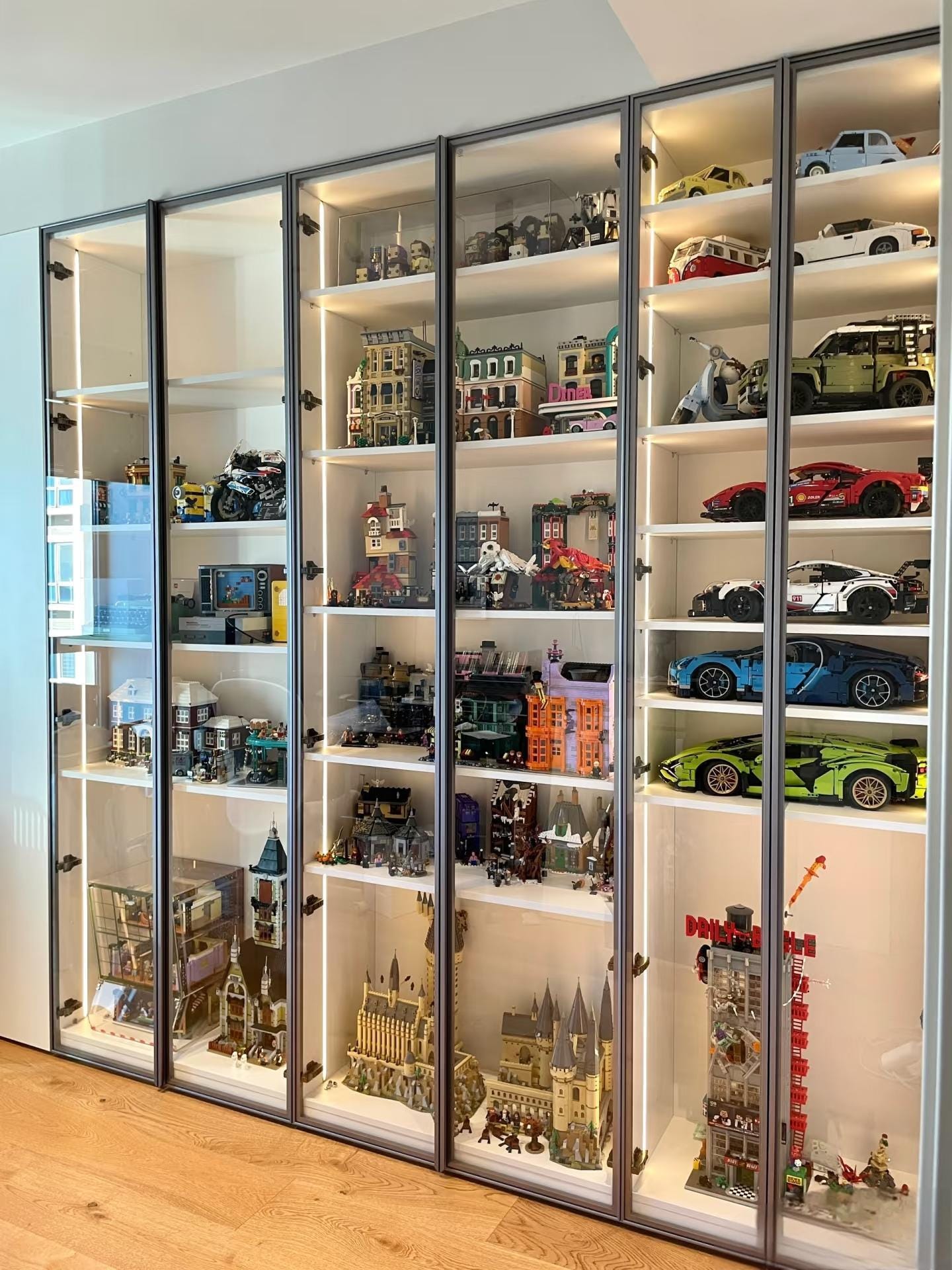
Backlighting: Install LED panels or strips behind transparent displays to create a halo effect. This works particularly well for translucent sets like the LEGO Ideas Ship in a Bottle or the LEGO Icons Orchid, making them glow
.
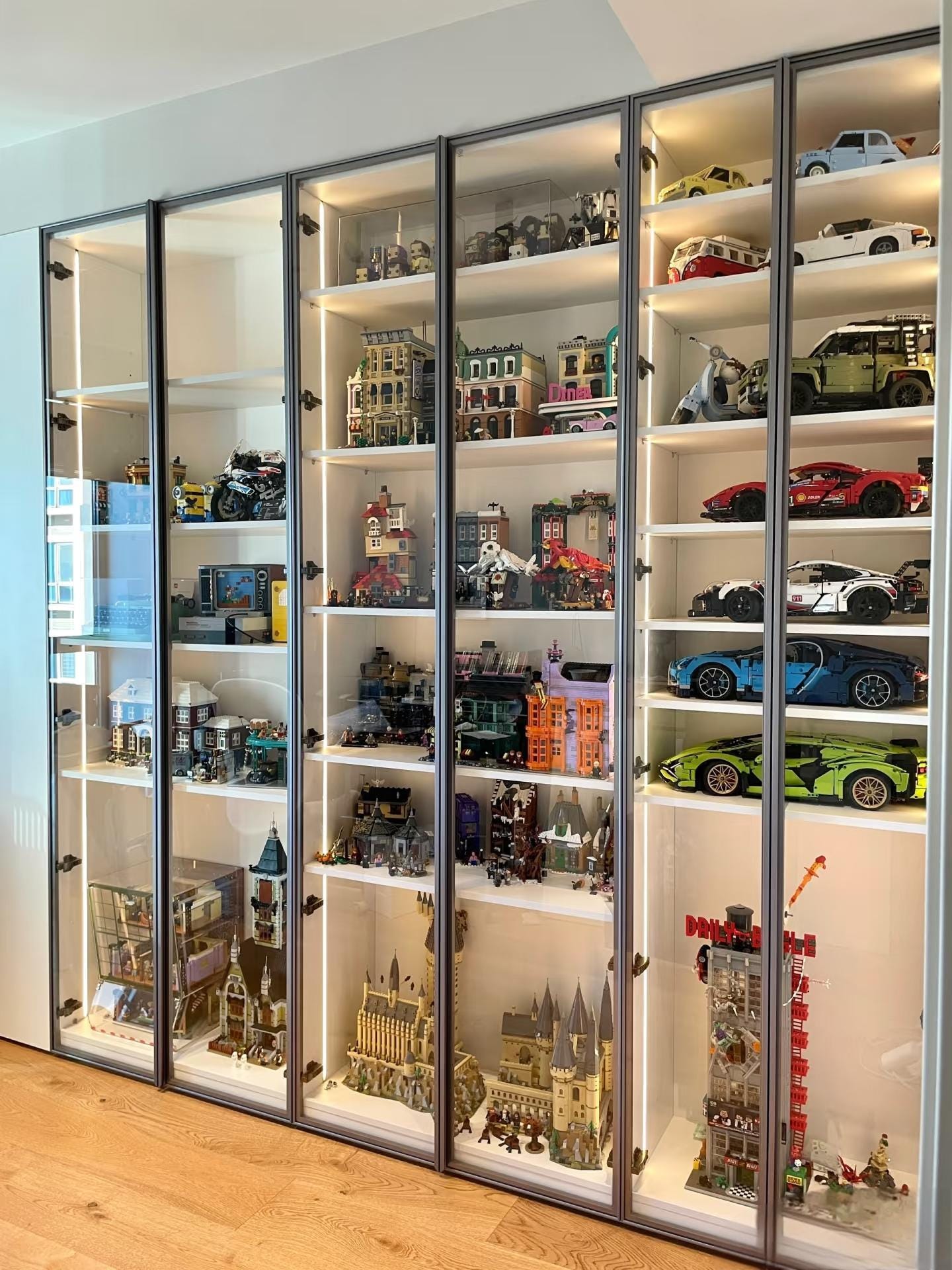
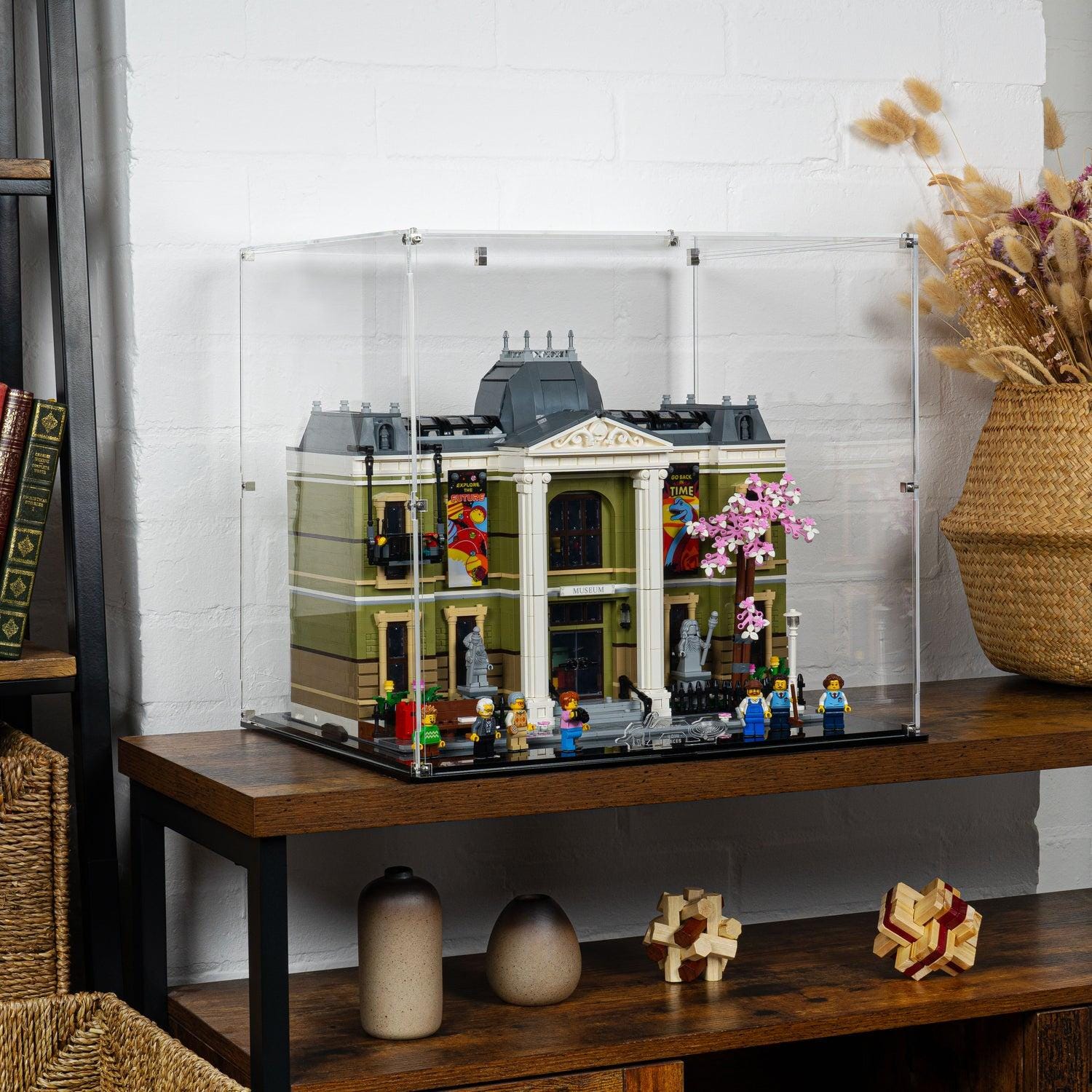
Enclosed display cases: Consider investing in display cases designed for Lego sets. Acrylic cases with magnetic front panels are both dustproof and modular. Many come in stackable designs that can be expanded as your collection grows.
DIY doors on existing furniture: Following the Brick Nerd example, you can retrofit your shelf or cube storage with a hinged acrylic or glass door. This solution is cost‑effective and flexible—choose full overlay doors for a seamless look or inset doors to match your furniture style.
Proper placement: Avoid positioning displays near direct sunlight or heating vents. Sunlight fades colors, while heat can cause warping. The BrickZoneHub guide warns against placing Lego in direct sunlight and highlights the importance of UV‑blocking lighting.
Intermediate collections include both large sets (e.g., LEGO Creator Downtown Diner, Technic Bugatti Chiron) and small builds. Tips to harmonize them:
Use tiered shelving: Arrange tall sets on lower shelves and shorter models on higher shelves to maintain sightlines. This also reduces the risk of taller builds toppling from high places.
Employ risers and display stands: For vehicles or aircraft, angled stands or wall mounts showcase shape and detail. The BrickZoneHub guide notes that Technic and car models benefit from angled or elevated displays, and that display stands create a “museum‑style” look.
Balance your visual weight: Pair large, neutral‑color sets with smaller, colorful builds. For example, flanking a black UCS TIE Fighter with vibrant Ninjago dragons can highlight both without the black model dominating.
Reserve one or two focal points per shelf: Let your largest set anchor the arrangement and support it with two or three complementary models. Avoid stacking large builds side‑by‑side on the same shelf—spread them across different levels or corners.
Budget: You can create stunning mid‑range displays with DIY solutions. Add acrylic doors to existing bookcases as described in the Brick Nerd article. Use affordable LED strips and puck lights for layered lighting. Choose modular cube storage units from big‑box stores and fit them with clear acrylic panels. For collectors seeking themed building sets that double as display pieces, consider the LEGO Architecture Neuschwanstein Castle 21063; its intricate turrets and color palette look impressive under neutral lighting.
Premium: If you’re ready for museum‑quality displays, consider custom glass cabinets with integrated programmable LEDs. These cabinets often feature lockable doors, UV‑blocking acrylic or glass and adjustable shelving. Combine them with professional printed backdrops or custom vinyl graphics to create immersive scenes, such as a city skyline behind your modular street or a galaxy backdrop for your Star Wars fleet.
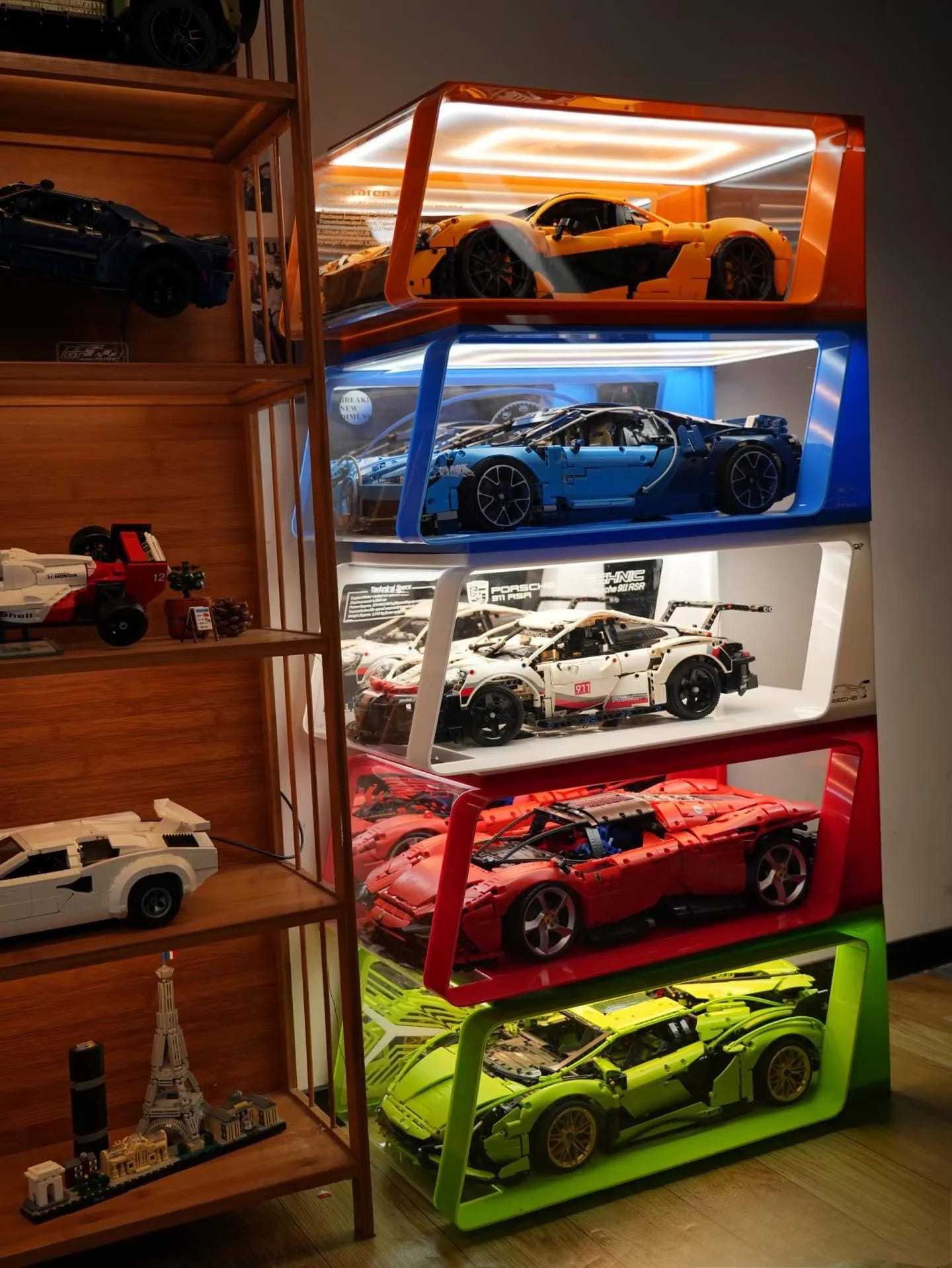
Master builders and serious collectors often invest in flagship sets—UCS models like the Millennium Falcon and Imperial Star Destroyer, modular building streets, and custom MOCs (My Own Creations). They may also have entire rooms dedicated to Lego. At this level, displaying Lego sets becomes a blend of interior design and museum curation
.
Dedicated Lego room or museum‑style gallery: When space allows, convert a spare room or finished basement into a Lego gallery. Layout options include long runs of shelving along walls, island displays in the centre and even built‑in cabinets. Plan for comfortable viewing distances—roughly 30–36 inches (75–90 cm) of aisle between shelves—and incorporate work surfaces for building and sorting.
Custom built‑ins: Commission or DIY built‑in cabinets with deep shelves for UCS sets and glass doors for protection. Include drawers or cabinets below to store instruction manuals, extra pieces and accessories.
Modular display walls: Use grid systems or slat walls with adjustable brackets. Wall‑mounted display boxes are perfect for MOCs or large collages; modular panels allow you to rearrange them as your collection evolves. Ensure fixings can support the weight of heavy models—use anchors and consult load ratings.
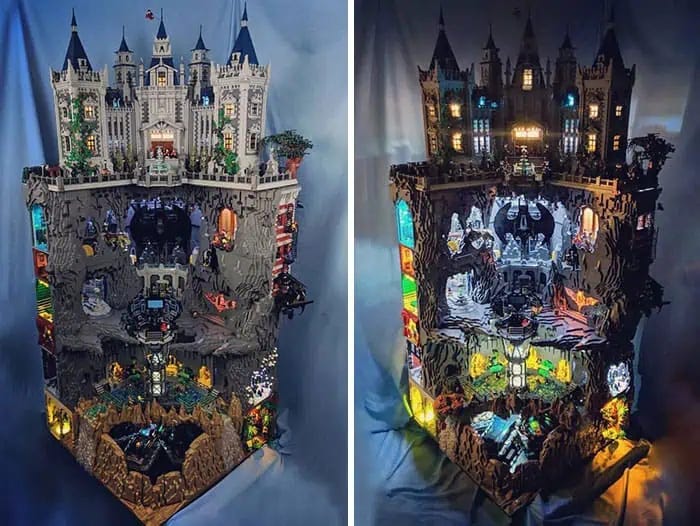
Pedestals and plinths: For the most prized builds, display pedestals turn them into sculptures. According to design advice, pedestals with acrylic cases allow a single item to take centre stage, turning a collectible into a conversation piece.
Thematic curation: Curate displays like mini exhibitions. For example, dedicate one wall to space exploration: start with the Saturn V rocket, move through the International Space Station and finish with your own Star Wars creations. Another wall could host a modular city street with vehicles and minifigures, accompanied by custom lighting and signage.
Chronological storytelling: Arrange sets in order of release year or in‑universe chronology. A Star Wars shelf might start with the original trilogy’s UCS Millennium Falcon and progress to sequel‑era ships. This not only looks cohesive but also tells the story of Lego’s design evolution.
Custom labels and digital displays: Use small plaques with set names, numbers and release dates, or install a digital photo frame displaying building instructions or concept art. This adds educational context and engages visitors.
Archive and rotation: Master collectors often own more sets than they can display. Store older or less favoured builds in labelled bins, and rotate them quarterly to keep the room fresh and allow sets to rest away from light exposure.
Professional lighting systems: Invest in high‑quality LED systems with programmable colours and effects. For example, create a sunrise effect over your modular city or a hyperspace blue behind your Star Wars ships. The BrickZoneHub guide notes that LED lighting can be customised with colour options and remote controls.
Spotlights and track lighting: Track lights mounted on the ceiling provide adjustable spotlights that can be repositioned when displays change. Use narrow‑beam bulbs to accent high‑detail areas without washing out the scene.
Integrated lighting in MOCs: Master builders often incorporate light kits directly into their models—think interior lights in modular buildings or engine glow in a UCS starship. Match the colour temperature to your room’s lighting for consistency.
Museum‑quality cases: Premium collectors might opt for custom display cases with UV‑blocking glass, lockable doors and built‑in climate control. Such cases protect against dust, curious hands and environmental damage..
Sealed cabinets with filters: In dedicated rooms, sealed cabinets with small air filters reduce dust infiltration. This is important for large, intricate models that are difficult to clean.
Humidity and temperature control: Keep the room at a stable temperature and moderate humidity (around 40–50 %). Avoid placing displays near vents or windows. While Lego is durable, extreme conditions can degrade stickers and printed elements.
Displaying multiple large sets together—such as the LEGO Star Wars UCS Millennium Falcon 75192 and Imperial Star Destroyer—requires careful planning. Here’s how to avoid a cluttered look:
Anchor the space: Give your largest model its own shelf, table or pedestal. It becomes the focal point and sets the theme for surrounding displays. The Millennium Falcon can span two shelves or rest on a custom stand angled for better viewing. Consider adding the LEGO Star Wars UCS Millennium Falcon 75192 to your collection; it’s the ultimate display piece and the affiliate link supports our work.
Use complementary builds: Surround the centerpiece with smaller sets that belong to the same universe. For the Falcon, add X‑Wings, TIE Fighters or micro‑scale ships on risers. Vary their heights using stands to create dynamic flight scenes.
Minifigure dioramas: Create minifigure‑scaled scenes in front of large models. A city street can feature everyday scenes, while a pirate ship can sail past a rowboat. Keep the dioramas proportional so they don’t distract from the main model.
Integrated backgrounds: Custom backdrops or printed panels behind each display add depth. Use starry skies for space sets or cityscapes for modular buildings. LEDs behind the backdrop can simulate sunrise, sunset or hyperspace

.
Budget: Even master collectors can save money with DIY solutions. Build your own wooden cabinets and fit them with acrylic doors following the BrickNerd guide. Use off‑the‑shelf LED strips combined with smart plugs for automation. Repurpose IKEA‑style glass cabinets and enhance them with custom light kits and printed backgrounds. For a budget‑friendly large set with high display value, try the LEGO Architecture Neuschwanstein Castle 21063, which offers intricate detail and fits on modest shelves.
Premium: Commission custom furniture built around your collection. Museum‑grade display cases with UV‑protected glass and integrated lighting can cost thousands but provide unmatched presentation and protection. Combine them with climate control and security features to safeguard valuable sets like the LEGO Creator Expert Taj Mahal 10189 or rare retired UCS models. Add interactive elements—motion sensors that activate lights when someone enters the room, or app‑controlled colour scenes for events like May the 4th.
Summarizing the advice across all skill levels reveals the universal key points of displaying Lego sets:
Plan your space: Measure shelves, account for set dimensions and consider line of sight. Wall displays save floor space.
Group intentionally: Organize by theme, color or scale for cohesive displays. Limit items per shelf to avoid clutter.
Light strategically: Use LEDs to enhance colors and details. Choose appropriate color temperatures and layer different types of lights for drama.
Protect from dust and damage: Acrylic or glass cases, DIY doors and closed cabinets keep dust out while maintaining visibility. Avoid direct sunlight and high heat.
Mix sizes thoughtfully: Use risers, stands and varied heights to give each set presence without overcrowding. Anchor large models and complement them with smaller builds.
Invest wisely: Balance budget and aspirations. Start with inexpensive solutions and upgrade to premium cases and lighting as your collection grows. When choosing sets to display, consider those with high visual impact like the LEGO Star Wars UCS Millennium Falcon 75192 or the versatile LEGO Classic Large Creative Brick Box 10698.
Rotate and curate: Treat your Lego like art. Rotate displays to refresh the room, dust regularly and present builds with space to breathe.
When outfitting your display area, focus on generic product categories rather than brand names. Here’s a quick reference:
Product Category What It Does Best For Floating shelves Wall‑mounted shelves that appear to “float” without visible brackets. Offer a minimalist look and preserve floor space. Small collections, living rooms and bedrooms Modular cube shelving Stackable cube units with adjustable shelves or doors. Can be combined into larger configurations. Growing collections, hobby rooms, those who want flexibility Glass display cabinets Floor‑standing cabinets with glass doors and shelves. Often include built‑in lighting and lockable doors. Premium displays, living rooms, protecting high‑value sets Acrylic display cases Clear boxes that protect individual sets or minifigure groups. Lightweight and stackable. Beginners, intermediate collectors, those needing dust protection without heavy furniture LED strip lights Flexible adhesive light strips that run along shelves or inside cabinets. Provide even illumination and are energy efficient. All skill levels; budget lighting upgrades Puck lights / spotlights Small, round lights that provide targeted illumination. Often battery powered. Highlighting special models or areas Acrylic risers Clear platforms of varying heights. Create tiers on shelves so every set is visible. Mixing set sizes, maximizing shelf space Display pedestals Floor‑standing plinths with optional acrylic covers. Turn a single set into a centerpiece. Master builders, showcasing flagship build
s
To help you build your collection and find display accessories, explore our curated resources:
Affiliate links: The following products not only enhance your collection but also support this publication when purchased through the provided links. For beginners, the LEGO Classic Large Creative Brick Box 10698 offers a versatile parts selection and colorful display potential. Intermediate builders might enjoy the detailed LEGO Architecture Neuschwanstein Castle 21063, while master collectors can add a grail set like the LEGO Star Wars UCS Millennium Falcon 75192 to anchor their display. We also recommend visiting our Amazon LEGO New Releases page to stay updated on the latest sets.
Beyond the LEGO Brick resource page: For a full list of affiliate links and resources, consult the Beyond the LEGO Brick – Affiliate Link Resource Page (available as part of this project). It includes links to hard‑to‑find sets, best sellers and themed Amazon pages, along with an affiliate disclosure.
Lego is a medium for storytelling, engineering and artistry. Properly displaying Lego sets transforms your builds from toys to sculptures, sparks conversation and keeps you motivated to create more. Remember that display is an evolving process—start simple, learn what works in your space, and refine as your collection expands. By planning your layout, organizing thoughtfully, lighting strategically, protecting from dust and curating like a museum, you can create a home gallery that brings joy for years to come.
Happy building and happy displaying

No posts
Comments
Nothing yet. Say the first thing.
Sign in to join the conversation.