
0:00
-3:15
Someone sent me a copy of a New York Times article with the above lead in. When I got around to reading it I was horrified to find the situation happened in my home state of Washington.
A woman who had years before worked as a certified nursing assistant feeding dementia patients when they could no longer recognize loved ones, feed or bathe themselves, or utter more than a few words, AND who had told her daughter she would NEVER want that care.
But the woman had never put that in writing.
When family found information on the “minimal comfort feeding,” the memory care unit, which the woman had moved into at age 64, flat out refused to stop hand feeding her three meals a day. So they took her home. The facility called Adult Protective Services on them.
Please forgive these run on sentences, but I just can’t stop typing.
For those of you that can access the New York Times the piece was authored by Kate Raphael on May 8th.
See the link here to see my previous post on comfort feeding. I can still remember my nonverbal mother reaching for chocolate candy and pushing other offerings away with her hands and grimacing. It’s not rocket science.
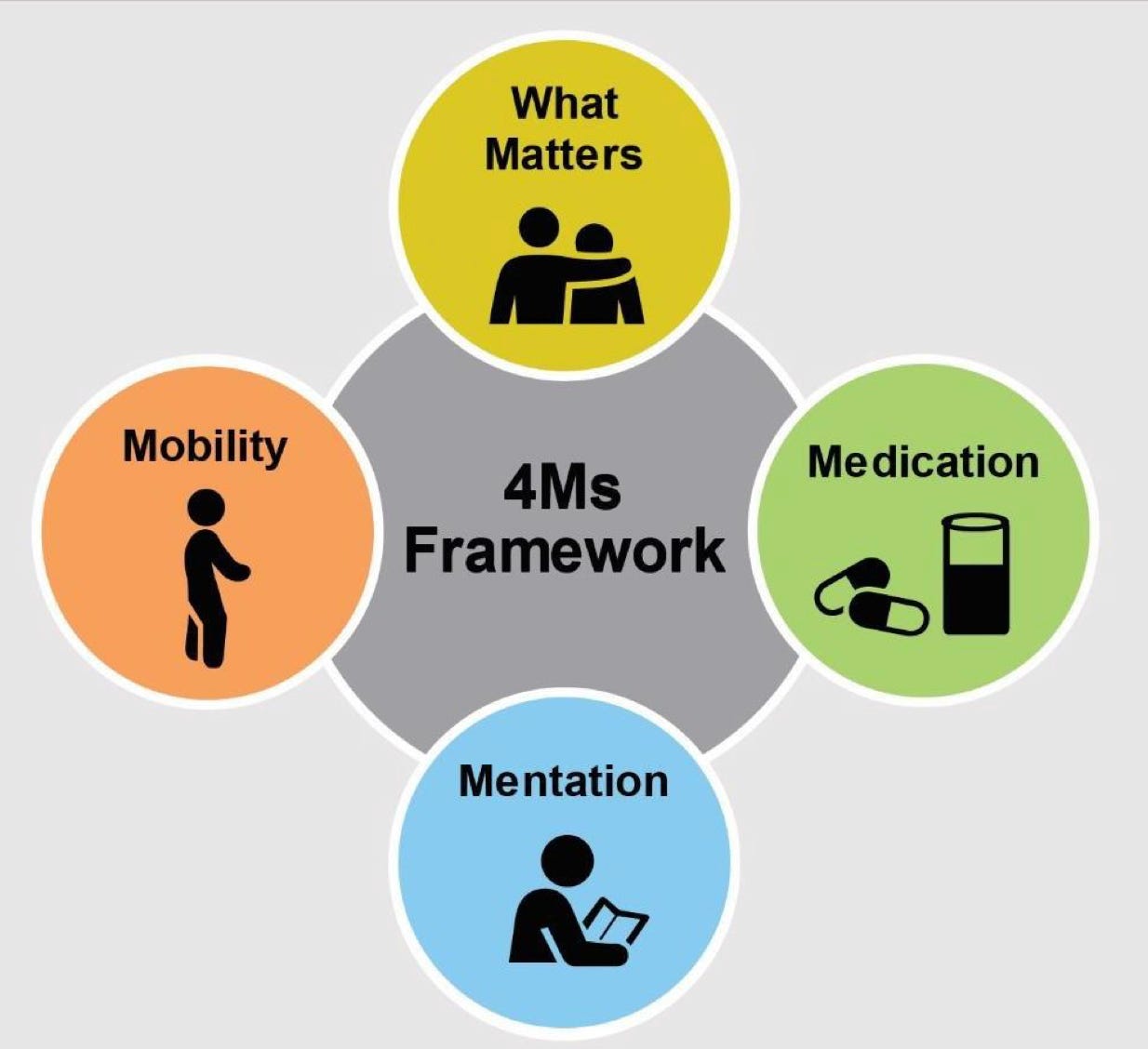
The Institute for Healthcare Improvement here in the U.S. describes the four M’s of caring for the elderly in nursing homes:
What Matters to the patient
Using only Medication that does not interfere with what matters
Managing cognitive impairment, depression and delirium
Assuring that the patient Moves safely every day to maintain function to do what matters
See the summary here
And for goodness sake if you are like me (watched my mother and husband go through dementia at end of life), document your wishes for what matters to you in an advance directive that addresses dementia. I know. I know. Nobody wants to even think about that (and believe me neither do I), but just do it.
In Washington there are a couple of places to start - here and here. If you don’t have something like this in your state, make your own and put it as an addendum to a standard advance directive and identify and have “the talk” with your durable power of attorney about your feelings on what constitutes prolonging life. Consider making a video of yourself explaining specifically what kind of care is acceptable or unacceptable and why.
Exhale.
Okay, I feel better now.
No posts
Comments
Nothing yet. Say the first thing.
Sign in to join the conversation.