
I’ve been out of the count for a little bit thoroughly enjoying becoming a new dad - I honestly thought I could get some potential gaming time in, but my little one appears to have been born with a severe case of FOMO and doesn’t nap (She’s adorable though so defo worth it).
Instead of writing, I’ve been spending more time watching from the sidelines and having one on one chats with loads of incredibly learned people in this space. I’ve truly upgraded my understanding of the bridge between music & gaming, and made some friends along the way.
Turns out one of my music-industry theories I documented years ago seems to have become particularly important in recent months, and I’d like to share this in order to help anyone sift through repetitive news and understand what really matters to them.
Is That Headline Important To You?
The ‘Billboard’ Theory
The Pre-Mainstream Window
Optimal Artist Strategies
Amongst the plethora of AI-generated thought-leadership pieces from execs on my Linkedin, there’s been lots of chat regarding some of the Roblox games that have seen vast numbers of concurrent players. I’ve seen headlines like:
“Millions are flocking to grow virtual gardens in viral Roblox game created by teenager“ (AP News)
“Roblox’s Steal a Brainrot becomes first game to surpass 25m concurrent players”(Pocketgamer)
I’m sure there’s loads of gamers out there who love this news - but this substack will not be doing a deep dive on it (Industry insights here). Instead, I can’t help but feel like a number of artists, brands and collaborators will be running towards these headlines like its a new target for them. Suddenly, the idea of soundtracking or collabing with Grow A Garden or Steal A Brainrot is on the hitlist.
It’s very temping to chase yesterday’s success story instead of understanding tomorrow’s logic - I’m here to dissuade you from this. Even Grow a Garden - one of the biggest viral hits in Roblox history - lost more than half its active players within a month of its peak. Smaller games fade even faster as platform algorithms push fresh experiences to the front page.
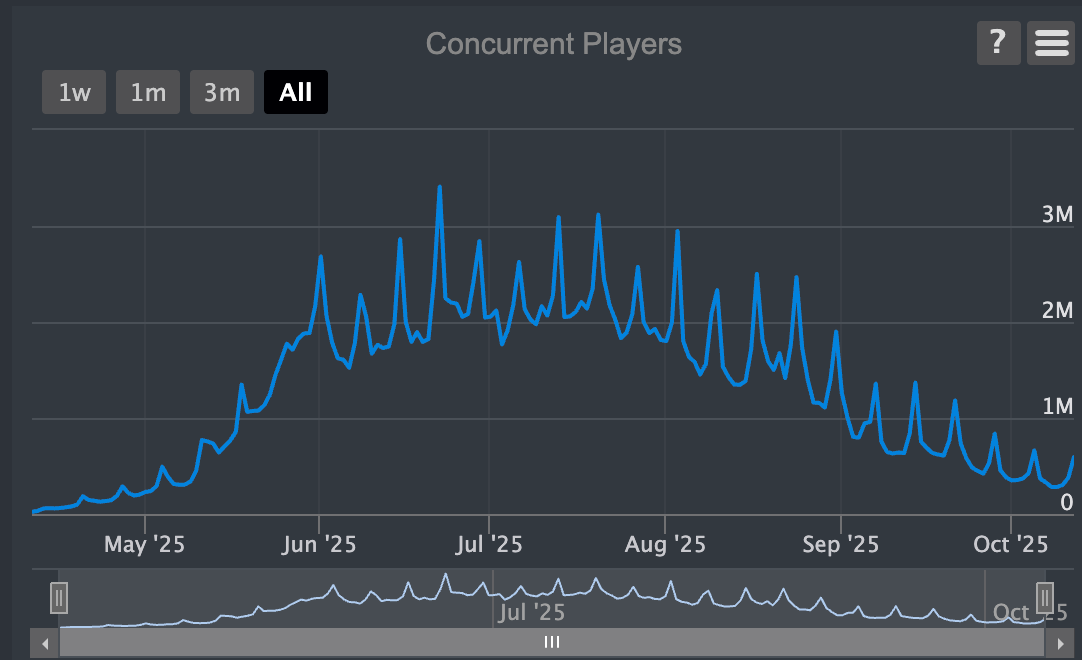
The first point I’m getting at here is that no one could have predicted that games like Grow A Garden or Steal A Brainrot would have been as big as they were. With the addition of UGC (User-Generated Content - how Roblox allow 3rd party developers can make games for their platform) it takes a specific skillset to understand how to make a good, fresh and relevant experience in Roblox. This also goes for modern console and PC games too even if their skillset and foundation is vastly different - some of these games come into our lives and unpredictably did better than expected (Stardew Valley was built by one person and selling over 30 million copies is an example that comes to mind)
I recall a live agent friend of mine who showed me an email where many years ago they were offered Billie Eilish as a support slot - which at the time they turned down. They had no idea what was to come, and even if they said yes, would it have changed anything for them at that time?
Anyway, my point is that the news is not your to-do list. So how can we spot the opportunities that apply to us instead?
Imagine a billboard on the side of a busy motorway…
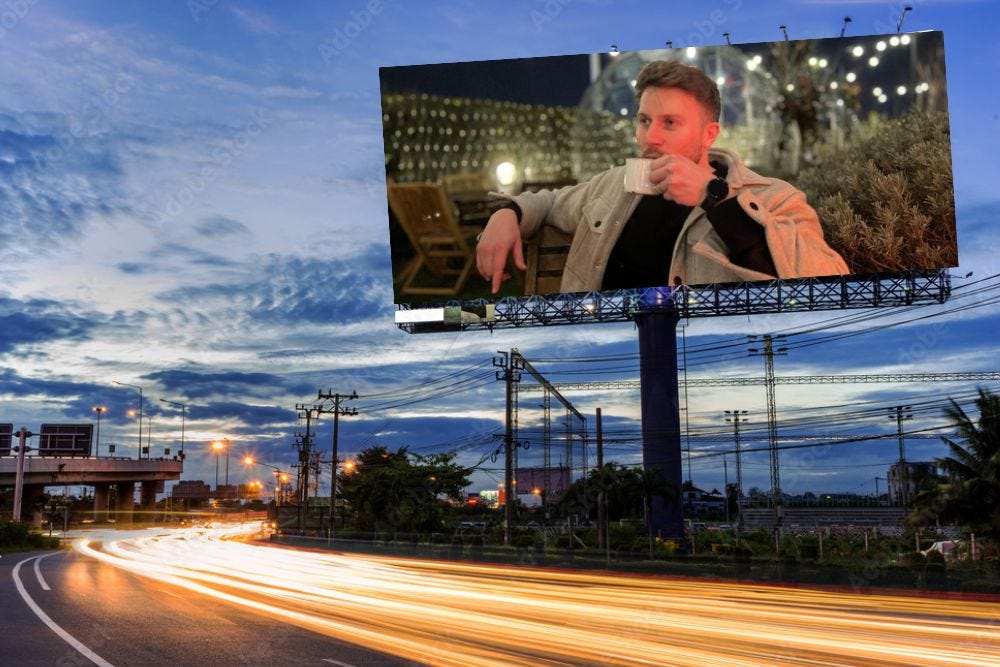
Lots of people will see this billboard. That makes it a valuable location, and therefore quite expensive to access.
Let’s say you’re an emerging artist, and you notice lots of the big artists are on billboards and you think to yourself “Yeah I wanna be on a billboard” - completely understandable.
…But earlier that day, you’ve been past loads of billboards, and my guess is that you don’t remember them all. Have you ever discovered a new artist from a billboard before? Perhaps you only will remember the more established artists that have comprehensive campaigns linking the exposure of that billboard with loads of other touch points too.
Artists like Adele, Ed Sheeran, Lewis Capaldi etc can justify this spend (which is YOUR money if you’re signed btw! Don’t forget that) purely on an impact standpoint - lots of work that benefitted from this exposure was done before the billboard and therefore this billboard is purely a reminder to the masses.
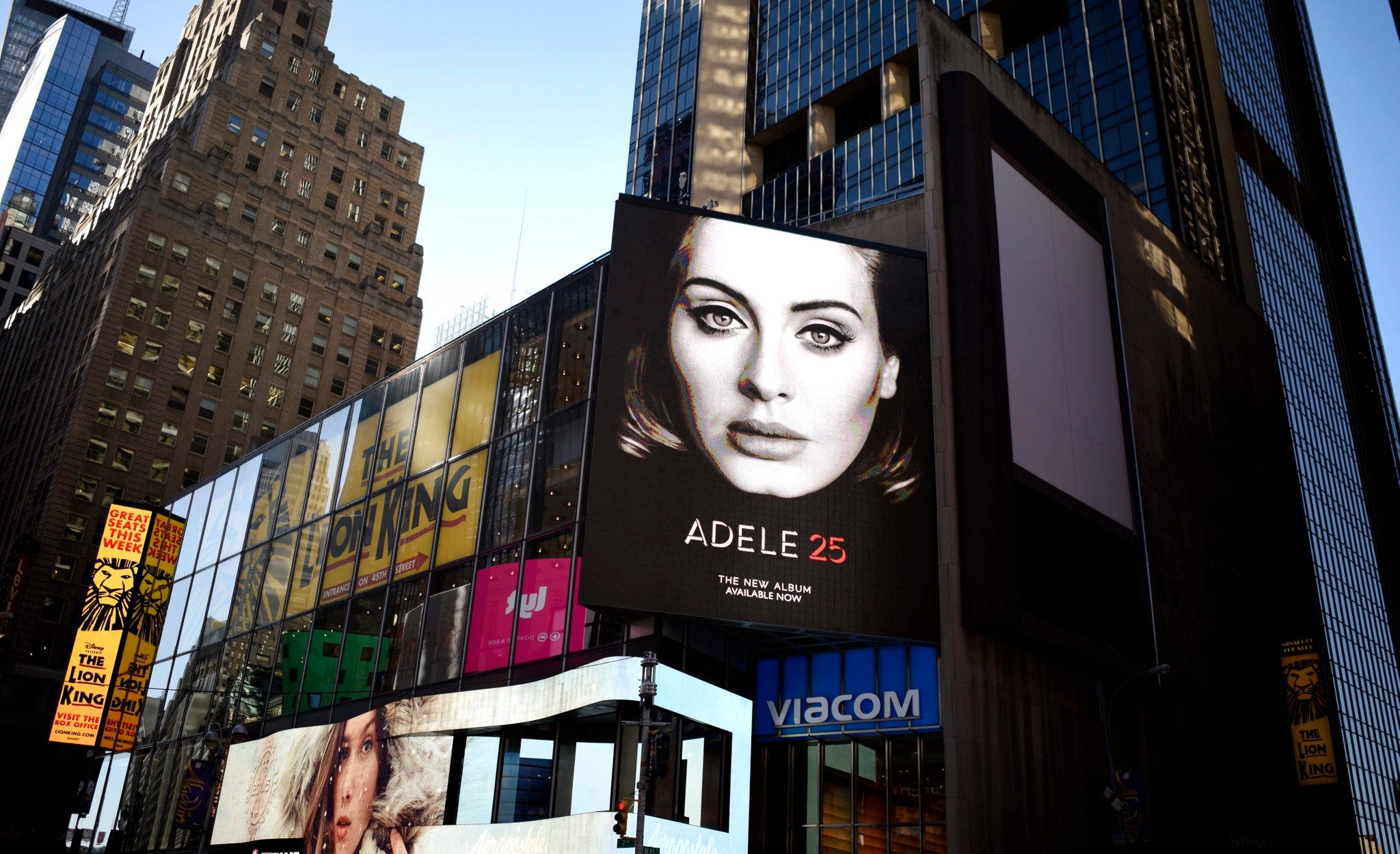
To justify billboard spend, you need other marketing activations to happen both before and alongside it to make it make sense. If you don’t have a bigger plan in place linking these together, the billboard probably isn’t worth the excessive expense. You’ll lose your ‘underdog’ status if you’re not careful too.
So to apply this here, treating video games like a standalone billboard is not a good strategy. An average strategy would be to collaborate the billboard amongst many other moments, an excellent strategy is to have a narrative that links everything together, and the best strategy is all of the above but also where all the fans agree that the artist is a perfect fit, both from passion and direction.
You can read my original ‘Finding Your Identity’ deck here. I made it for all my mentee’s I worked with across 5 years, collecting exercises to determine the best way to do targeted trial & error to move towards an articulated goal. Sharing is caring!
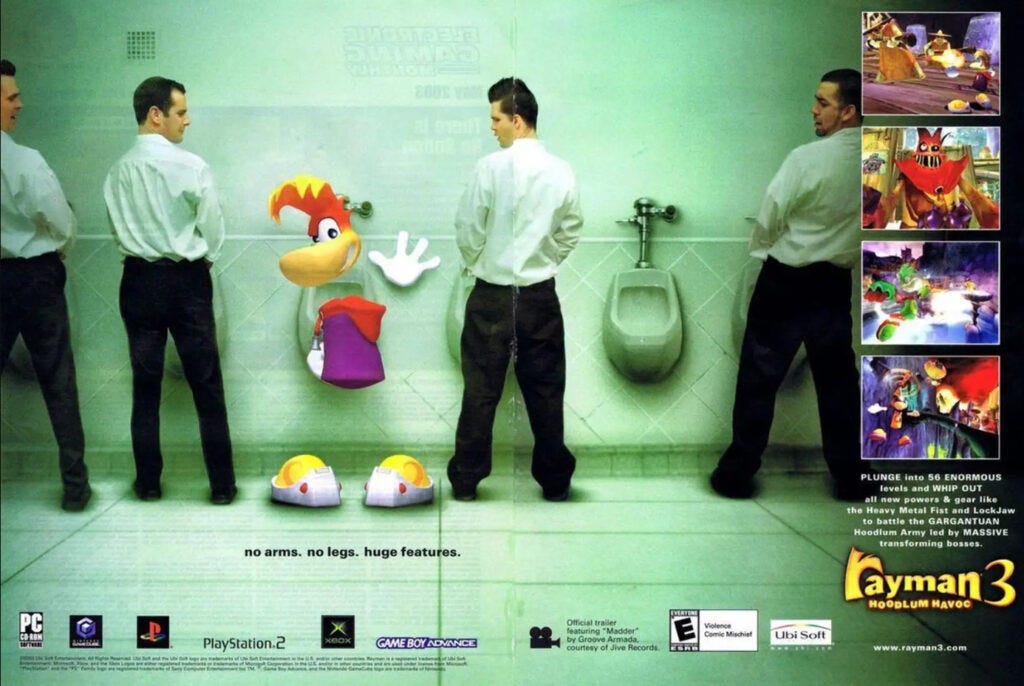
All those concurrent hits for some of these headline games are a pretty good indicator that gaming is a mass-market entertainment platform, but for some reason it feels that gaming has not been accepted as ‘mainstream’ from any other medium.
Traditional media still talks about gamers rather than to them, and that keeps the culture feeling insider-led. To me, this has created a small and short window where genuine involvement from artists in games still feels authentic, not like an advert. Once gaming becomes totally absorbed into pop culture as an accepted equal medium, every activation may look like an ad - unless proven otherwise. That sounds expensive.
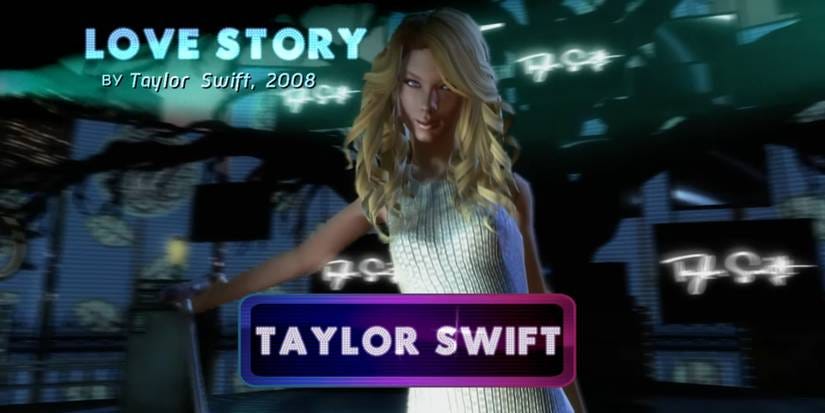
Looking at this in the perspective of the Billboard theory - even being on a video game feels like it gives you an air of authenticity at the same time as legitimacy, but this will not last for long. Some of the bigger games you will notice are garnering partnerships from the artists that can afford this access (see recent Lady Gaga in Roblox’s ‘Dress To Impress’ game or The Daft Punk Experience in Fortnite examples) and they are making the most out of these experiences while accessing statistical uplift from their exposure.
These expensive billboards have always been reserved for artists that can justify it, and now it’s the same for games. This means there will be opportunities away from these more formal, carved out larger experiences to re-allocate authenticity to smaller, more discovery-focused gaming activations. Imagine smaller, more tailored billboards…
Gaming’s accessibility makes it an incredible discoverability tool for music, especially given how non-curated and unpredictable some of the biggest experiences are. Now we understand that some video games price out smaller artists - how can any artist spot the opportunities that matter to them?
So we now know that gaming doesn’t act the same as other mediums, either by access or reputation. Instead of spanking your latest advance cash-money on some coloured paper sat over the M4 flyover in London, I’d advise thinking carefully about buying your way to success and consider your wider strategy when interacting with a game.
In the case of the billboard pic I provided earlier - We can guarantee Adele’s team did not put up a billboard alone, she appeared in many places at the same time, or at least in close succession. Some of these places made perfect sense for Adele as she was going for the reputation that I’d summarise as ‘timeless prestige’, and I bet we didn’t see her advertising across Tiktok influencer campaigns or with energy drinks etc.
Naavik’s State of UGC Games 2025 report backs this up. The most successful experiences on Roblox and Fortnite Creative came from games which had high discoverability and retention. Games spread because they’re easy to find, fun to replay, and built for social momentum through sharing and word-of-mouth. In this case, momentum beats marketing - and this is the exact strategy I recommend considering.
That same principle applies to music. You don’t need a six-figure Fortnite world to make impact; you need a moment that feels native to the space and true to your audience’s behaviour that can carry momentum to the next place - in or out of the video game experience.
Here’s what I’d think about when considering the billboard:
Where is the billboard? Find games that reflect you, your values, and ideas that your audience would easily associate with you. A super cool game that fits your vibe with a smaller audiences is still the right billboard location.
What happened before and after the billboard? Having a game inclusion/partnership with nothing planned before or after is a waste as people will forget. If you’re an artist first, your aim is to supplement the game so well that you make fans - so give them an origin story and somewhere to go next.
What’s the story behind the billboard? Your artist journey both in and out of gaming has a narrative. Does this game partnership make sense? Or do you risk ‘selling out’ by pursuing such an inclusion that doesn’t fit?
Will people remember this billboard? Memory is the greatest metric for being part of a game inclusion. Is it emotional? or unique? A small memorable win outlives a standard billboard.
Seen any other billboards you like? Others are allowed to pave their way, what can you learn from those successful experiences - but most importantly - how can you translate (not apply) this to you and your plans?
Naavik’s data showed that the most viral UGC games succeeded through interaction loops, creative replay, and social energy. That’s very similar to the way an artist would design their own campaign with highly responsive communication as opposed to a lavish and expensive stand-alone billboard placement.
Also, if you’re an established artist and can afford to jump into the big experiences, more power to you! The above explorations still apply to ensure the experience aligns so you make the most out of it, and crack that whip over those pesky label interns to ensure they are prepping the next steps of your campaign.
Not all news is relevant, but some of it is worth learning from. The best outcome is finding more opportunities that work in alignment with the artist’s journey regardless of the size. Working with a game with a memorable inclusion as part of a wider narrative so that fans know where you started, where you are going and how to join the community is a great strategy to stay authentic while enriching the experience of the video game.
There’s a time and place for a Billboard. Asking yourself if it’s worth it could save yourself a whole load of ‘missing’ royalties.
Comments
Nothing yet. Say the first thing.
Sign in to join the conversation.