
Whenever I write, a myriad of thoughts spin through my mind.
Do I have something to say?
What makes my storytelling unique?
Does anyone actually read what I write?
We all grew up hearing stories. We listened to and read them in books, heard them in songs, and watched them unfold in movies. They were told around family dinner tables, at bedtime, and holiday gatherings.
I loved to hear my granddad tell stories. Before I go any further, I’ll tell you that I call my grandfather “Hon.” My grandma called him “Hon,” as in short for “Honey,” and my sister and I picked up on it.
I spent many hours sitting in the living room with Hon. The brown plaid couch cushions scratched the backs of my knees. The sound of a baseball game on TV hummed in the background. Hon sat in his recliner and told stories. I always thought I should write them down, but I just listened, never putting pen to paper.
My grandfather was born in 1927, two years before the Great Depression hit. He’d tell about growing up in a sharecropping family, his brothers and sisters, and his parents whom he called Mamie and Dad. He took me to the places where he grew up. We went to a plot of land with a cave on it and walked beneath the rock shelter where they’d place cold storage foods in the spring flowing through the cave. We drove down a dirt road to an abandoned silo that still bore the tar-painted names of Hon and his older brothers and the year—1935.
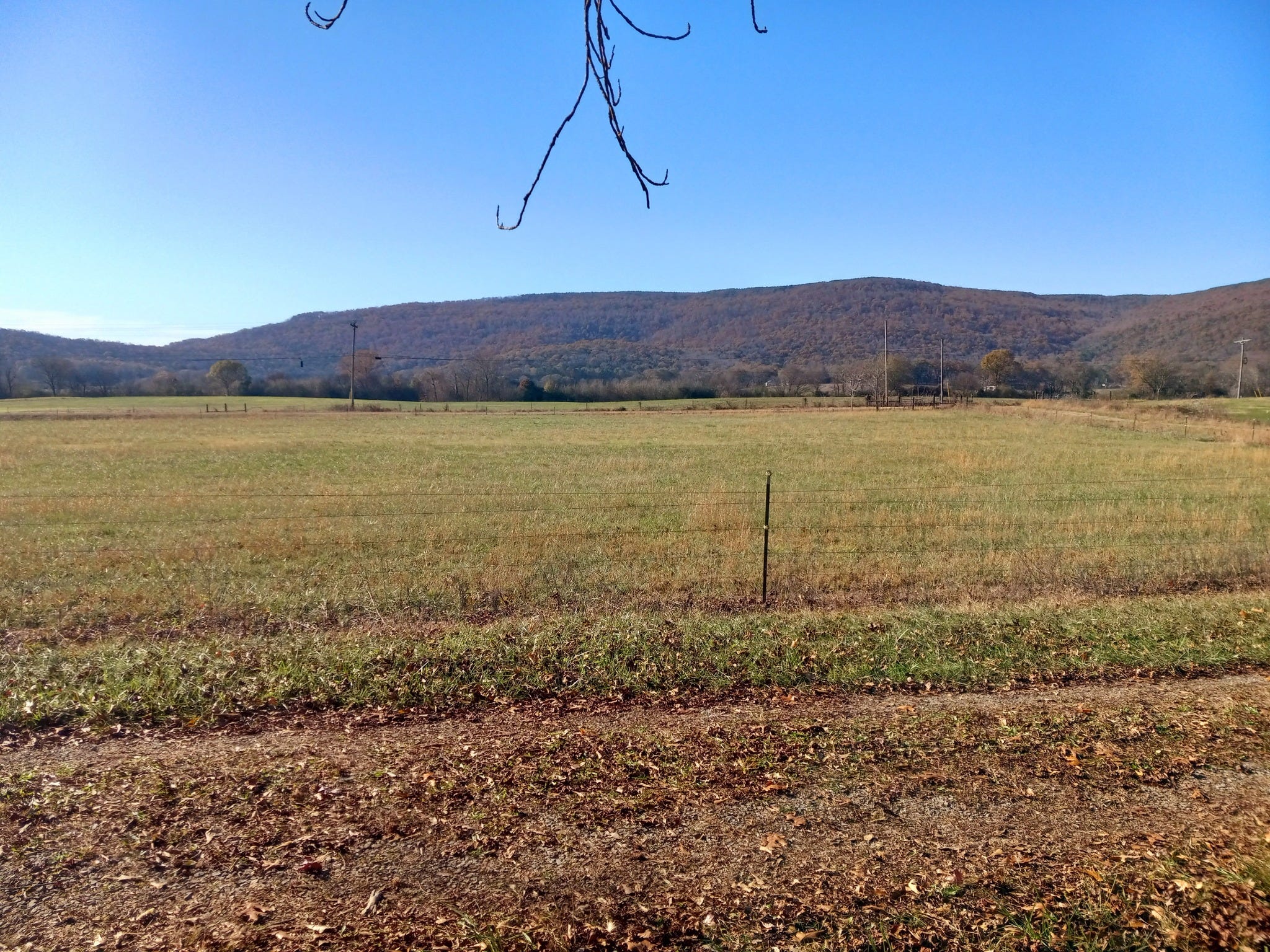
He told me about a Union soldier buried in a cove in the Appalachian Foothills and took me to see that soldier’s final resting place.
Last fall, I started plotting a new short story. I went back to that cemetery. Standing in the cove, I imagined the mountains etched in moonlight and a tale about how a Union soldier came to Alabama. My ancestors fought for the Union during the Civil War. They were small farmers who turned to sharecropping and tenant farming in the desperate years that followed. I thought about Hon a lot when writing because this short story is deeply woven into my past. It’s expected to be published this winter, and I cannot wait to share it with the world.
So now, I’m going to answer my own questions.
Do I have something to say? I hope so. I hope my words evoke emotions. As I teach my students, we make three basic connections to stories—story to self, story to story, and story to world. Maybe, you’ll experience at least one of those connections, and it will be meaningful.
What makes my storytelling unique? That’s harder to answer. We all have unique perspectives, but human frailty is a binding thread. Tell stories and listen.
Does anyone actually read what I write? If you made it this far, yes.
Which family story of your own stands out to you and weaves your present to your past? I’d love to hear it.
Sincerely,
Beth Anne
Book Recommendation: Since I highlighted my granddad’s growing up in the Depression Era, my recommendation this month is Bea and the New Deal Horse by L.M. Elliot. My students and I read it for book club last spring. Historical fiction brings history to life. Read with your children and tell them stories. They will remember.
A Little House Keeping: My newsletter is free. Never feel obligated to pledge or pay for my content.
If you’re interested in my library of stories or want to learn more about my writing, please check out my website.
No posts
Comments
Nothing yet. Say the first thing.
Sign in to join the conversation.