
© Photo by Bertie
My daughter Noa is a first-year medical student. She’s studying the pelvis now — that compact tangle of anatomy at the center of the body. Bones, muscles, vessels, nerves, organs — all pressed into a ring, everything passing above, below or between something else, making it hard to visualize in three dimensions.
In the anatomy lab, nothing looks the way it does in diagrams. Fat and fascia blur the borders. Each dissection is a small act of faith — that underneath the mess there’s a structure. The skeleton, they learn, is divided into axial and appendicular — the central and the peripheral. The pelvis is considered appendicular, grouped with the limbs. But I think of it as axial — part of what holds it all together.
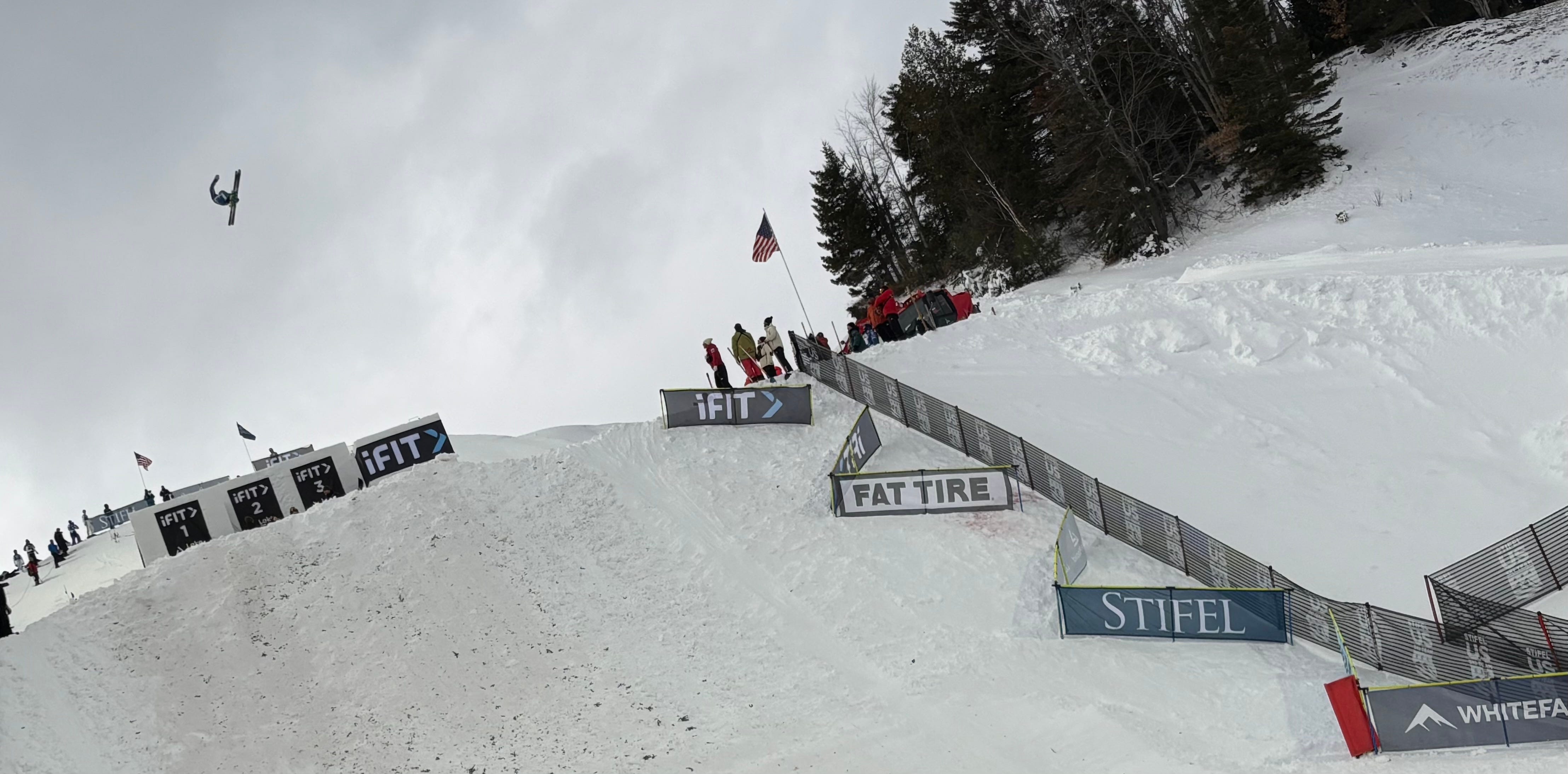
Years ago, a friend went off a snowboard jump, landed wrong, and fractured his pelvis. It was a small, nondisplaced fracture — nothing dramatic on the scan — and yet the pain was unbearable. The slightest movement caused agony, let alone bumping down the mountain on a ski patrol sled.
So when they say a kidney stone is the worst pain, I dissent and cast my vote for a pelvic fracture. Or maybe the worst pain is the other one they say — childbirth — an approximation of a pelvic fracture, where the pelvic ring expands and widens, the bones and sinews stretching almost to the point of dislocation, to let the baby’s head pass through.
That said, the flip side of pain is power. Athletes and dancers know this instinctively. Martial artists learn that the power of a strike comes not from the hand or arm but from the hara — the body’s center of gravity in the pelvis. Hit a brick hard enough and you can break your hand. Drive your fist through it from your hara and you can break the brick.
Either way, the pelvis goes mostly unappreciated. It is said you never notice your little finger until you break it, but that gets it backward. The little finger is exactly the kind of thing you notice. You use it consciously every day — typing, gripping, touching. When it’s injured, it throbs and complains, but you can still go on.
The pelvis is the opposite. Most of the time it attracts no attention and makes no demands. And yet when it breaks, you can’t do anything at all. In that respect, the pelvis is a good metaphor for whatever supports us but goes unnoticed - until we come to understand, usually too late, how important it was all along.
Of course, my little ode to the pelvis is the last thing a medical student in anatomy lab needs to hear right now. What she needs is to memorize the path of the pudendal nerve. Waxing poetic about the pelvis will probably make her hate the damn thing even more.
Still, I maintain that the pelvis has a lesson larger than gross anatomy. A lesson relevant to the trials of medical education. A life lesson some learn by experience and others by example — that sticks and stones may break your bones, but a stable core will hold you.
Comments
Nothing yet. Say the first thing.
Sign in to join the conversation.