
Welcome to the Dyer’s Almanac—a monthly log and exploration of plant dyes set in a seasonal and ecological context. Each month on the full moon, I share a new almanac exploring a different theme, partly inspired by engagement with my home ecosystem, yet with plant stories, ecology, natural dye recipes, and inspiration for anyone inclined to creatively engage with natural cycles and the land where they live.
The full June almanac is available to paid subscribers of this newsletter. I appreciate your support, and I hope you enjoy!
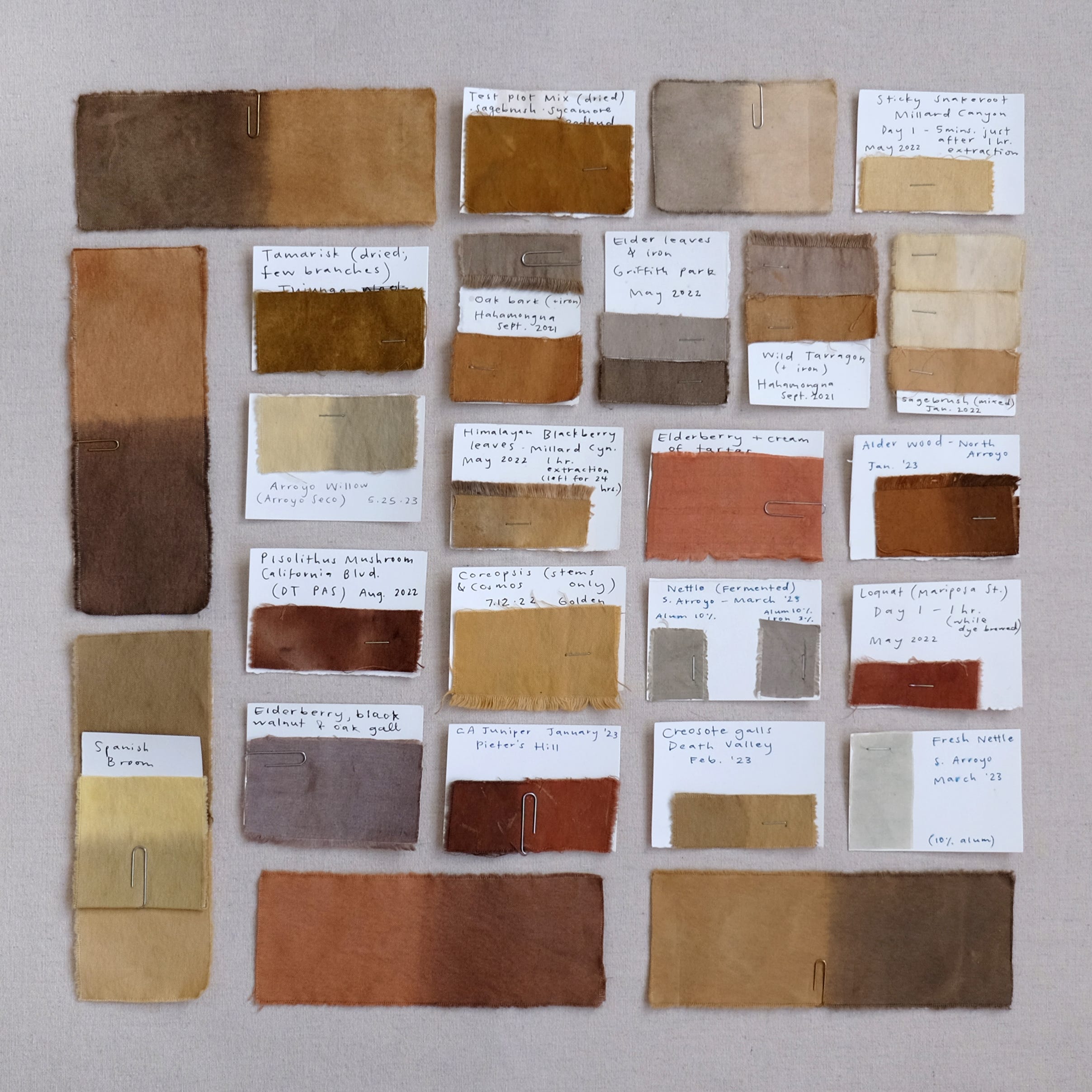
This month I’m honored to have written the tutorial featured in The Dogwood Dyer’s A Year in Natural Dyes. It’s all about dyeing with your local plants, specifically non-native and invasive plants (which, for a number of reasons, I’m opting to call introduced plants instead—more on that in the future).
A Year in Natural Dyes has a worldwide audience, so for my contribution I scoured lists of introduced plants found all over the world, looking for genera I recognized as dye potent, for documented ethnobotanical use, for species called tinctoria or tinctorum, for yellow-flowering members of the Asteraceae family.
With a blend of evidence and dyer’s intuition1 I made lists of plants I knew or keenly suspected to be color potent. This was similar to how I began working with local plants as dyes some years ago—with a natural curiosity, and just enough knowledge to hunger for more.
You don’t need much beyond that to begin. But maybe the lists and recipe below will be useful to you. (And if you make it to the essay below the lists, I hope there are some helpful bits of wisdom in there, too.)
On Saturday, June 28th, I’m teaching a natural dye workshop at La Esquinita (formerly River Garden Park) in Los Angeles as part of a community workday tending the park’s Ethnobotanical Garden. The event is in partnership with Test Plot and Mujeres de la Tierra and the workshop will feature a translator for Spanish speakers. For more information and a link to sign up (or join the waitlist), go here.
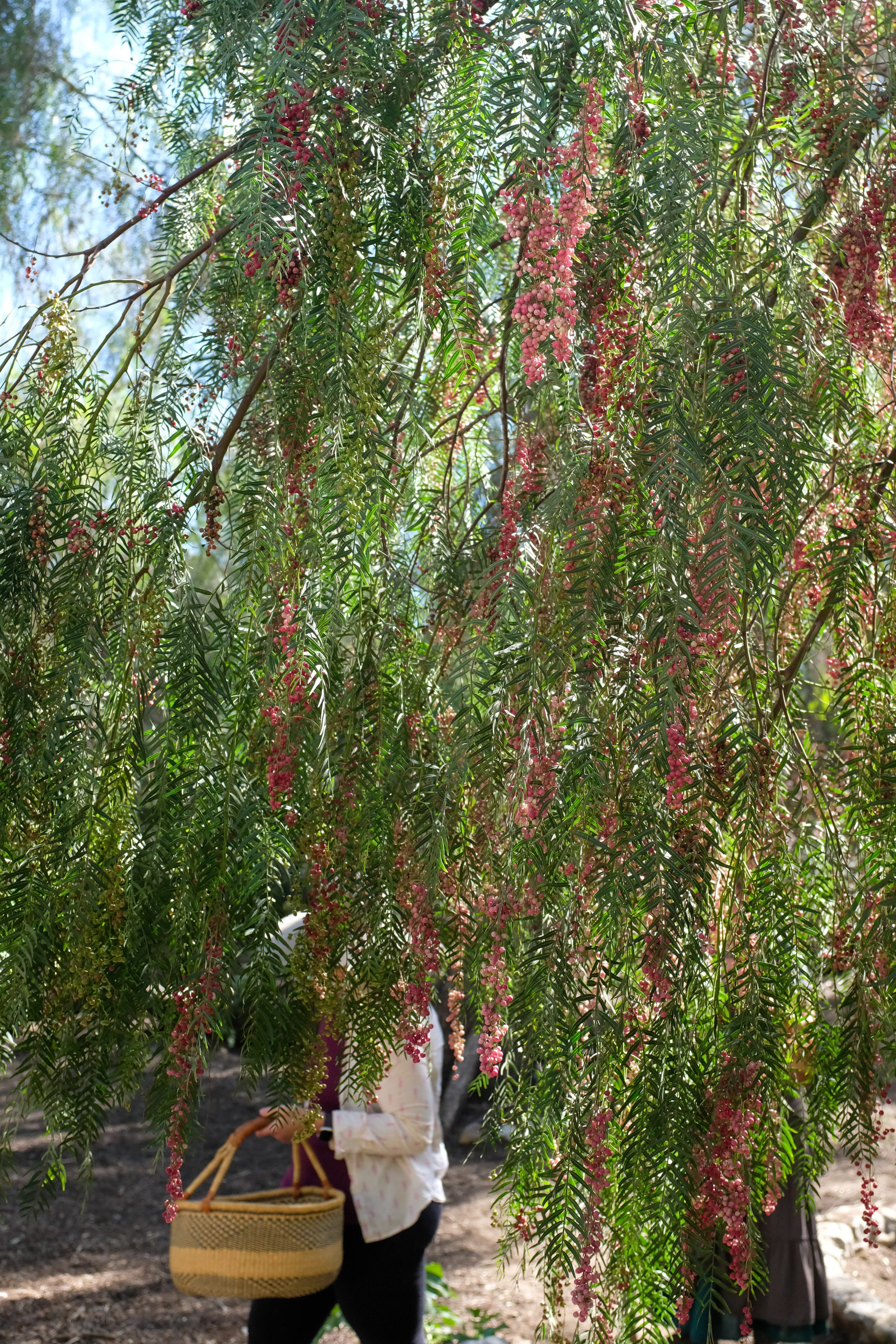
California Dye Plants
Introduced (Non-Native) Plants
Butterfly bush (Buddleja davidii)
Castor leaves & stems (Ricinus communis)
Curly dock (Rumex crispus)
Dyer’s woad (Isatis tinctoria)
Eucalyptus spp.
Fennel (Foeniculum vulgare)
French broom (Genista monspessulana)
Garland daisy (Glebionis coronaria)
Himalayan blackberry (Rubus armeniacus)
Peruvian pepper tree (Schinus molle)
Pokeberry (Phytolacca americana)
Purple loosestrife (Lythrum salicaria)
Ragwort (Jacobaea vulgaris)
Salt cedar (Tamarix ramosissima)
Scabiosa/pincushion (Scabiosa atropupurea)
Scotch broom (Cytisus scoparius)
Sourgrass (Oxalis pes-caprae)
Spanish broom (Spartium junceum)
Sticky snakeroot (Ageratina adenophora)
Tansy (Tanacetum vulgare)
Tree of heaven (Ailanthus altissima)
Wattle (Acacia spp.)
Yellow toadflax (Linaria vulgaris)
Thanks for reading Tinctoria. Feel free to share this post.
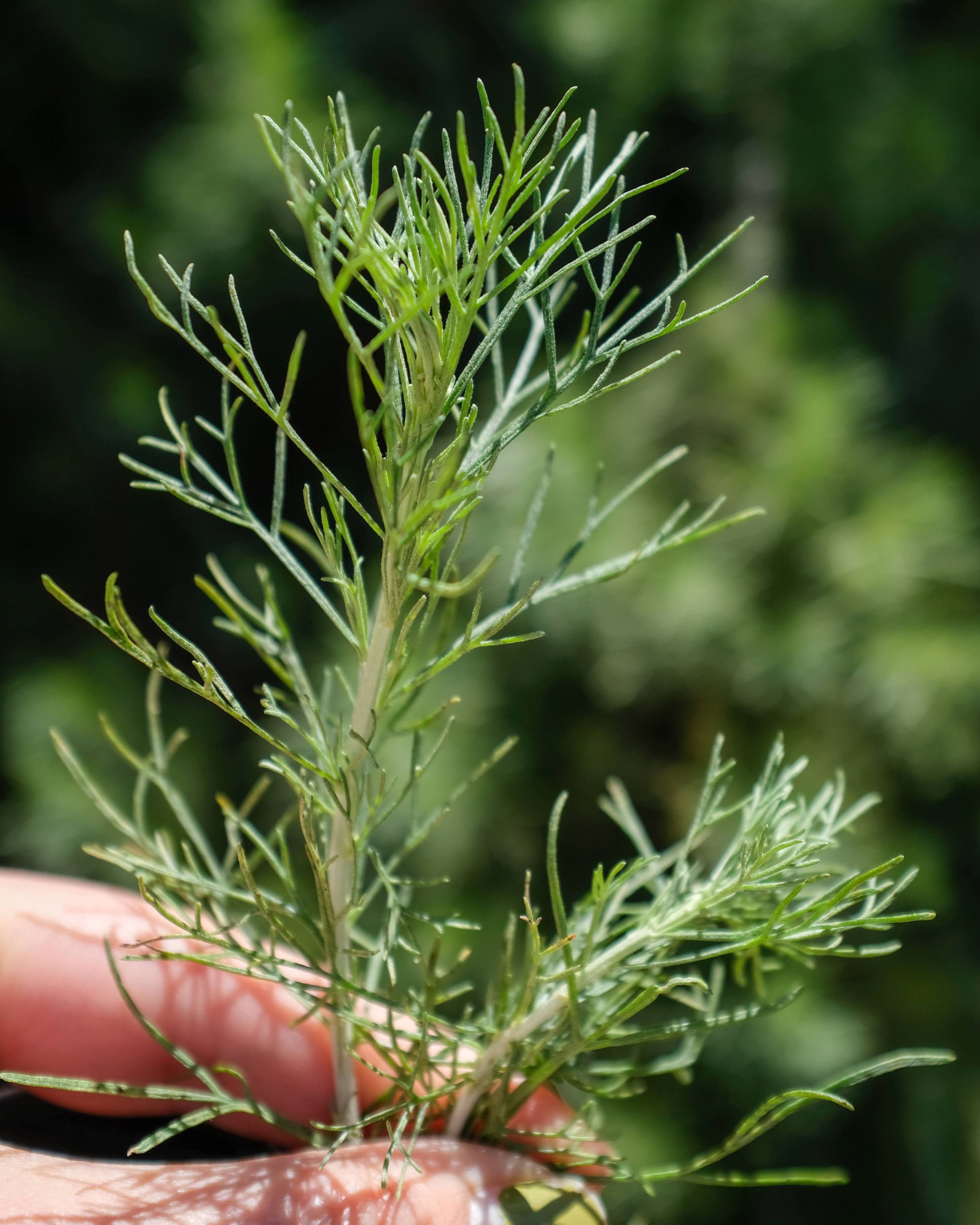
Native Plants
Black walnut (Juglans californica)
Coffeeberry (Frangula californica)
Elderberry (Sambucus mexicana)
Laurel sumac (Malosma laurina)
Oak (Quercus spp.)
Prickly pear (Opuntia spp.)
Sagebrushes (Artemisia californica, A. tridentata)
Toyon (Heteromeles arbutifolia)
Wild tarragon (Artemisia dracunculus)
These lists are by no means complete accounts of California’s wild dye plants. They are lists of plants which I’ve personally worked with as natural dyes, or which I can confirm with a degree of certainty are dye potent.
Comment or reply with your favorite California dye plant, especially if you don’t see it listed here!
On my website, you’ll find further guidance for working with the listed plants as dyes, along with recipes for mordanting textiles and modifying their dye colors. Scroll to the very end of this Almanac for my Master Dye Recipe to read how to brew dye from these (and other) plants.
Comments
Nothing yet. Say the first thing.
Sign in to join the conversation.