

Returning from a superhero-themed event in Jonesboro, Arkansas, motorist Christopher Hellenthal noticed a man in a wheelchair struggling to cross a busy intersection as the traffic lights were about to change. BBC reports that Hellenthal, dressed in a full Spider-Man suit, immediately jumped out of his car to safely guide the man across the road.
The Prohuman Foundation exists to promote the foundational truth that every person is a unique individual, united by our shared humanity. More than an act of simple kindness, Hellenthal’s deed was an expression of character strengths that support lasting social harmony—strengths like courage and compassion, which are central to our core programming, from the Prohuman K-12 Curriculum to our Ambassador Program.
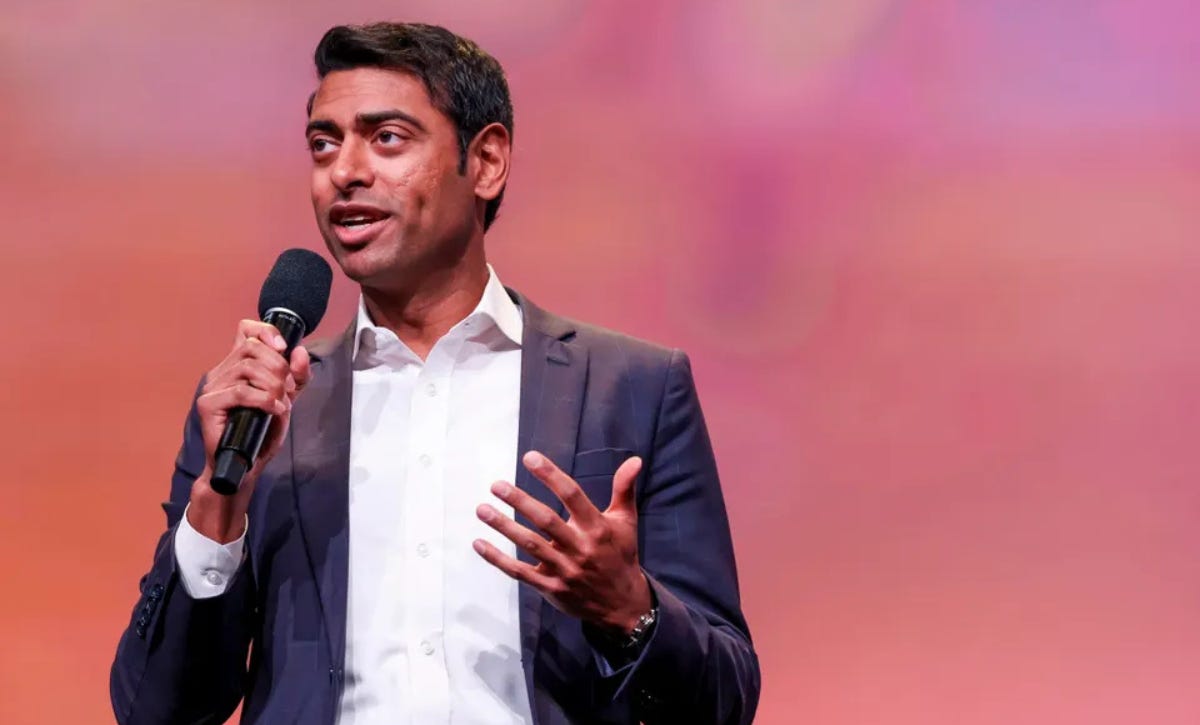
For Forbes, Afdhel Aziz profiles Prohuman Foundation advisor Steven Olikara, who founded Bridge Entertainment Labs to counter the “division industrial complex” by advising Hollywood studios on stories that inculcate pluralism and humanize opposing views. Drawing from his music and political background, he promotes principles like curiosity, contact, complexity, and good conflict to build unity through narrative.
If the division-industrial complex is the disease, Olikara believes storytelling is the cure—the oldest one humans have. Storytelling, and what researchers call narrative transportation, is “one of the only mediums that we have as a human race to truly connect with the lived experience and open our hearts to a human journey that’s different than our own.” Fear, he points out, is taught—the assumption that people unlike us want to destroy what we hold dear. A nuanced portrayal dispels it. You may still disagree with a character, but you can no longer pretend not to understand them.
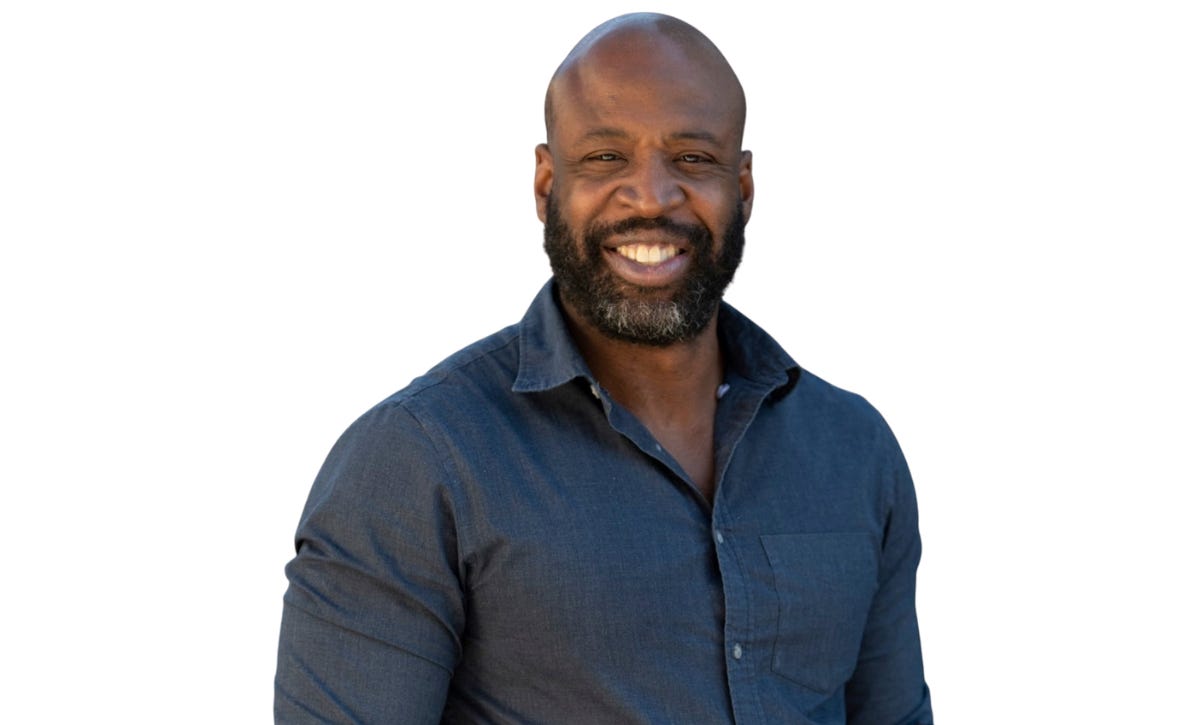
Prohuman Foundation advisor Erec Smith, writing in Mutual Persuasion, argues that universities should prepare students for a “VUCA” world by building critical thinking, adaptability, and rhetorical skills to navigate volatility, uncertainty, complexity, and ambiguity as everyday realities. He outlines practical ways to integrate these competencies into existing courses and assessments, stressing that true rigor includes deliberating across differences without seeking to eliminate them.
American universities are showing renewed interest in civic education. Some states have established civics institutes (e.g., Ohio and South Carolina) while others have strengthened requirements in American history, constitutional government, or political thought. These reforms address a genuine problem: Many students are not being prepared to understand the institutions with which they will interact post-college. But institutional knowledge is only one component of civic preparedness. Citizens must also be able to think critically and communicate effectively even in circumstances that prove challenging to navigate, which is often the case in a civil and pluralistic society.
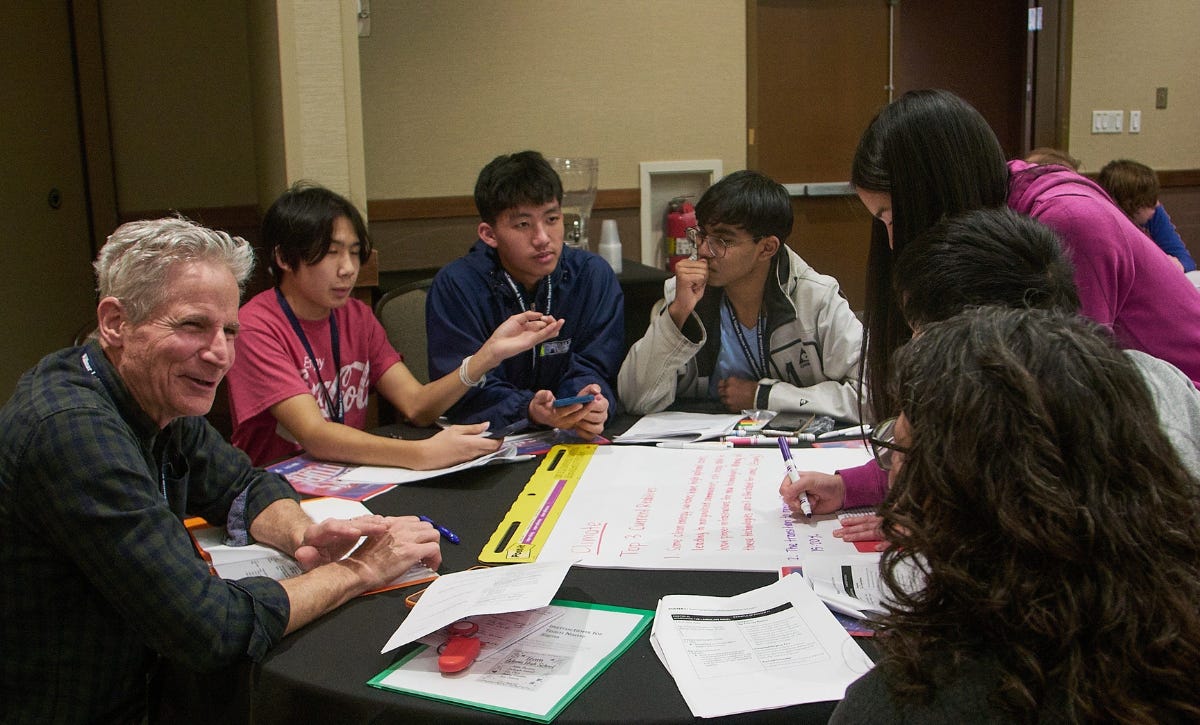
In Spirit & Sword, Prohuman Ambassador Alexandra Vollman explores how building connections outside of partisan politics—focusing on shared values, pluralism, and the public good—offers a stronger path to sustaining democracy than reducing civic life to elections and ideology. By embracing complexity, humility, and collaborative community engagement, citizens can rebuild trust and agency.
In 2020, Libby Stegger was living in Minnesota’s Twin Cities when the nation caught fire.
With the pandemic still in its early days, the region experienced a more tragic and personal blow – the death of George Floyd on the streets of Minneapolis. The resulting public outcry gave way to a wave of violent protests that would define that summer, while a divisive election loomed.
It was in this context that Stegger caught herself doing something uncharacteristic.
“I realized I was making assumptions about a lot of people who I didn’t know that weren’t true,” she says. “I had become a victim of polarization, and I realized there was some cognitive dissonance. I saw myself as a bridger—as someone who respected people from different experiences and walks of life—yet somehow I was led to believe an entire group of people were fundamentally opposed to my worldview.”
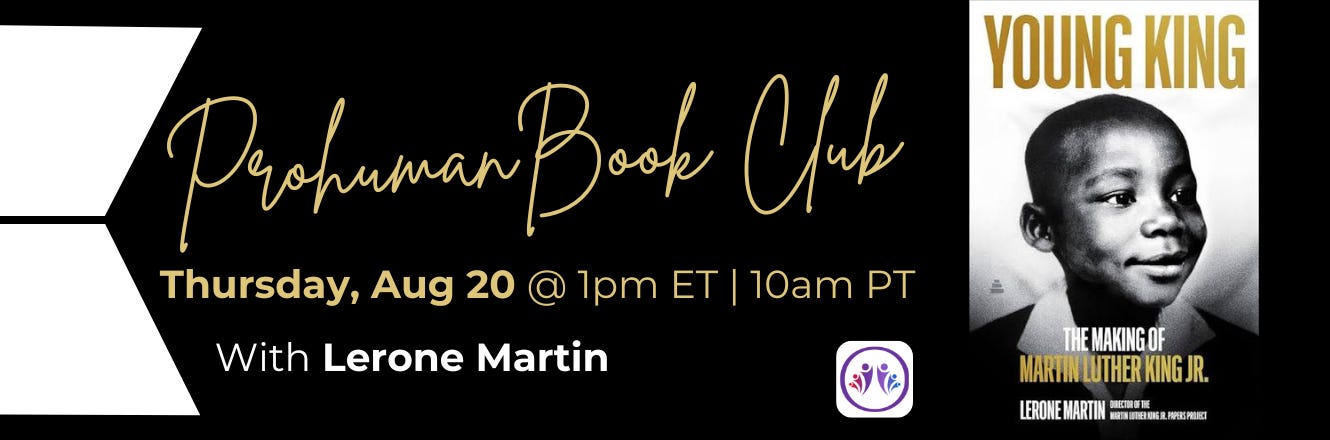
Join the Prohuman Book Club on August 20 for a conversation with Lerone Martin about his book, Young King: The Making of Martin Luther King Jr.
The book examines the formative experiences, faith, and principles that shaped Martin Luther King Jr.’s youth. We’ll explore how individual conscience and character develop, and the Prohuman Approach to cultivating shared humanity and the foundations of constructive civic leadership.

The plaque that marks the exact spot where Dr. Martin Luther King Jr. shared his dream on the steps of the Lincoln Memorial is fading. So is the brotherhood he called America to build.
Both can be renewed.
Help us reach our goal to restore the MLK marker and advance a culture of brotherhood over division.
Opinions expressed in selected articles do not necessarily reflect those of the Prohuman Foundation. We value diverse perspectives that enrich our understanding of topics close to our mission: to promote the foundational truth that we are all unique individuals, united by our shared humanity.
No posts
Comments
Nothing yet. Say the first thing.
Sign in to join the conversation.