
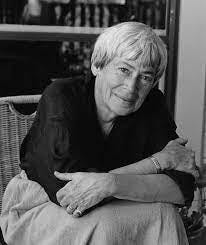
Ursula K. Le Guin, the science-fiction writer, was one of the most influential authors of the 20th century. She was noted, among other things, for shifting the ‘sci’ in sci-fi from physics to anthropology. Stories more about the cultures on other worlds than the spaceships you take to get there.
This — science-inflected stories about other peoples — was a family business.
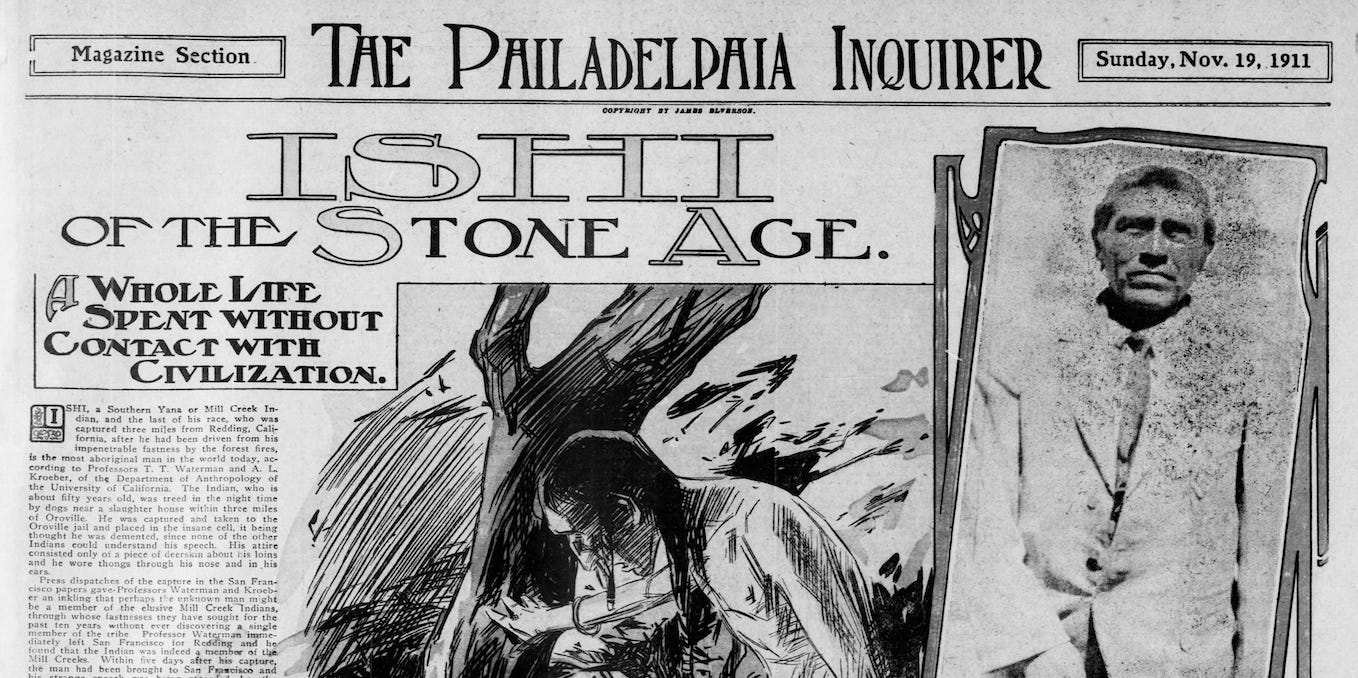
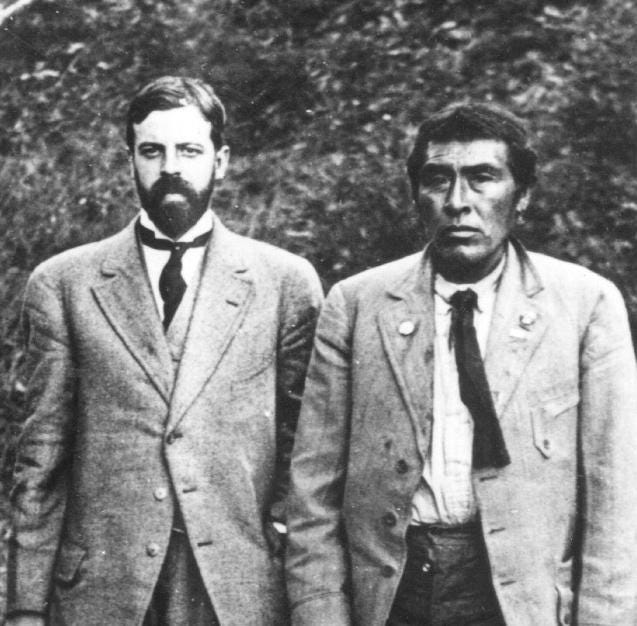
Her father, Alfred Kroeber, was a major anthropologist at the turn of the 20th century. He rose to national celebrity partially through his famous and now much contested relationship with a Native American man known as Ishi, the last surviving member of the Yahi people.
I believe that relationship is a powerful and underrated engine of Le Guin’s fiction. That’s this past week on The Last Archive — “The Word For Man Is Ishi.”
I got to read a lot of Le Guin and call it research for this episode. My favorite novel of hers, hands down, is The Dispossessed, but I wound up cutting it from the piece. Podcasting is not for the faint of heart.
But newsletters on the other hand…
The Dispossessed & the atom bomb
The Dispossessed (1974) is about a brilliant physicist, Shevek, who lives on a utopian anarchist moon called Anarres. The anarchists are outcasts from Urras, a lush, capitalist planet, and the two civilizations have limited contact. Shevek is on the verge of a major breakthrough in physics, but the politics & poverty of his own planet’s academy keep getting in his way. So he decides to go to Urras as an envoy and visiting scholar.
On Urras, he’s a source of endless fascination to the Urrasti press and high society. He’s given a room in the university, but he’s both guest of honor and prisoner. If you’ve listened to this week’s Last Archive, you’ll recognize Ishi’s position — beloved and trapped; respected for his unique knowledge and kept like a curio. As Le Guin once said:
“A lot of my protagonists are alone of their kind, among people of another kind. This is Ishi's situation. Also the situation of a field anthropologist, also the situation or so it seems to me of most adolescents, most intellectuals, most artists, I, a stranger and afraid in a world I never made.”
Shevek is an echo of Ishi, but he’s mainly based (by Le Guin’s own admission) on another of her father’s friends: J. Robert Oppenheimer, the physicist who led the development of the atomic bomb at Los Alamos & worked at Berkeley alongside Kroeber in the 1930s. Like Oppenheimer, Shevek becomes troubled by the dark ends to which the Urrasti will put his theories — something he learns slowly as he comes to understand their culture. Shevek is a palimpsest of those three men, each lonely in their knowledge — Ishi; Oppenheimer; and a field anthropologist like Kroeber.
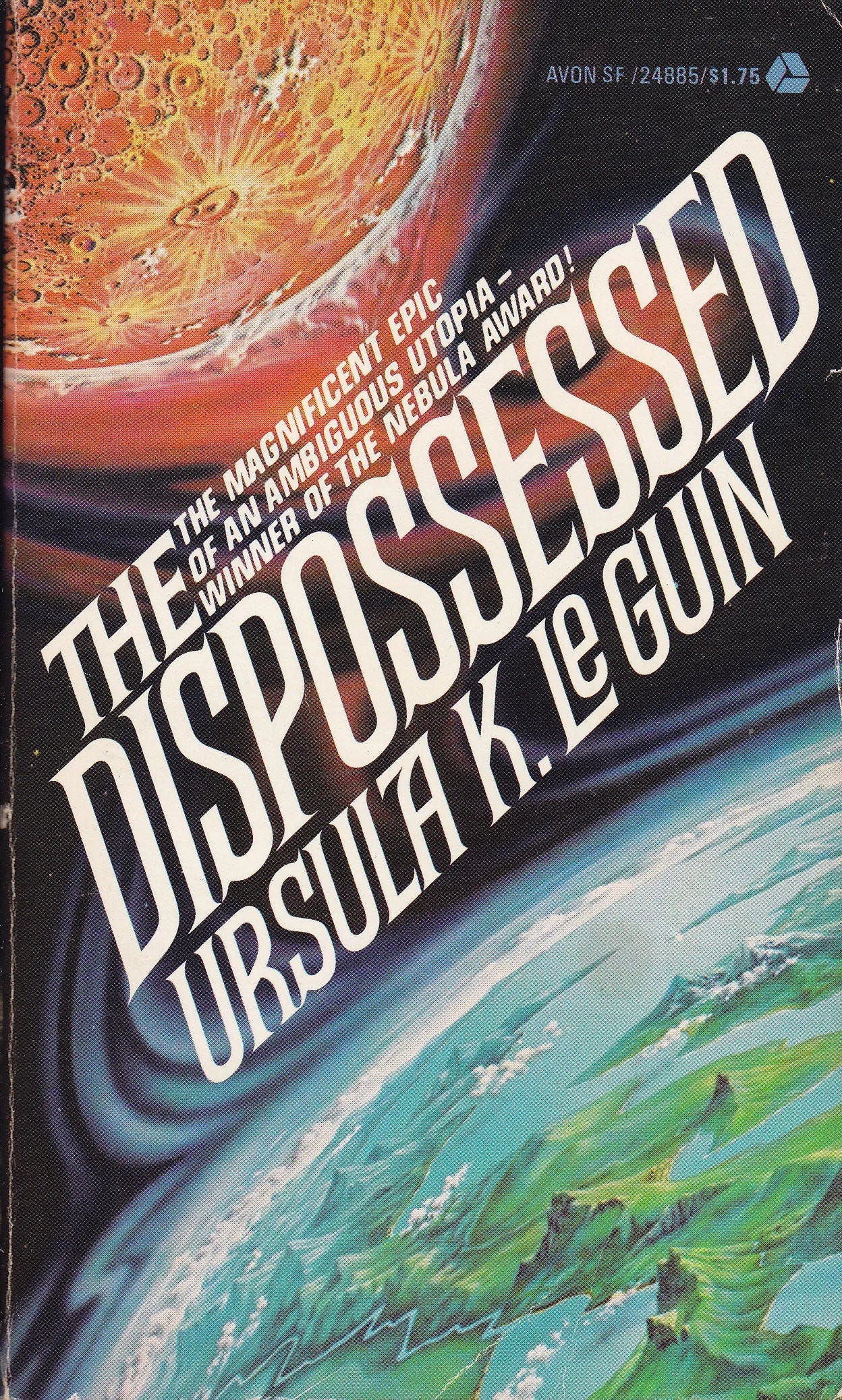
That palimpsest is like a skeleton key to her fiction. Le Guin’s books are more than the sum of her personal experiences. But she began writing them immediately after learning the fraught story of her father & Ishi through her mother’s book Ishi In Two Worlds. Le Guin helped move sci-fi out of physics and into the realm of anthropology, but in The Dispossessed she twins anthropological knowledge with the physics of the bomb. I think that’s because Le Guin knew that writing about other worlds and other people were projects as urgent and dangerous in the 20th century as atomic physics. People tell stories to navigate difference; when they can’t do that, they destroy. As she wrote of Shevek in The Dispossessed:
“And he had been fool enough to think that he might serve to bring together two worlds to which he did not belong.”
Bridging two worlds is no easy task, but it makes good work for a science-fiction writer.“It is a strange realism,” she once said of her preferred brand of sci-fi. “But it is a strange reality.”
Some reading & listening
Le Guin wasn’t alone in reinventing sci-fi in the ‘60s & ‘70s, and if you’re looking for more great stuff, check out: Joanna Russ, Samuel Delany (who was recently profiled in the New Yorker), Octavia Butler, and Alice Sheldon - writing as James Tiptree Jr. (Julie Phillips, Le Guin’s biographer, wrote an amazing book about her called James Tiptree Jr.: The Double Life of Alice B. Sheldon). For some great Le Guin non-fiction, check out “The Carrier Bag Theory of Fiction” (many thanks to Sara McCrea for putting me onto this).
Some music I’ve been enjoying lately:
Let The Moon Be A Planet by Steve Gunn, David Moore and Bing & Ruth
The Happiest Times I Ever Ignored by Hayden Pedigo
It’s Time — phenomenally cheesy 1970s synth by Don Muro, for those who secretly kinda like Boston (the band)
And finally a reminder to like, subscribe, share, review, etc. etc. The Last Archive so we can keep bringing you these essential science-fiction family histories & so I can keep reading Le Guin and calling it work.
Thanks for reading. Next up: Invasive parakeets.
Comments
Nothing yet. Say the first thing.
Sign in to join the conversation.