What would actually reduce AI risk
11 priorities for surviving the AI transition

A guide to the AI transition
Live Last read · last published · next check
11 priorities for surviving the AI transition
How the first week has gone
Why moved from global health to AI and pandemics ten years ago, and what we're focused on today.
We all want to find a dream job, but what does they actually mean? Decades of research has found five key factors, and it's not as simple as "following your passion".
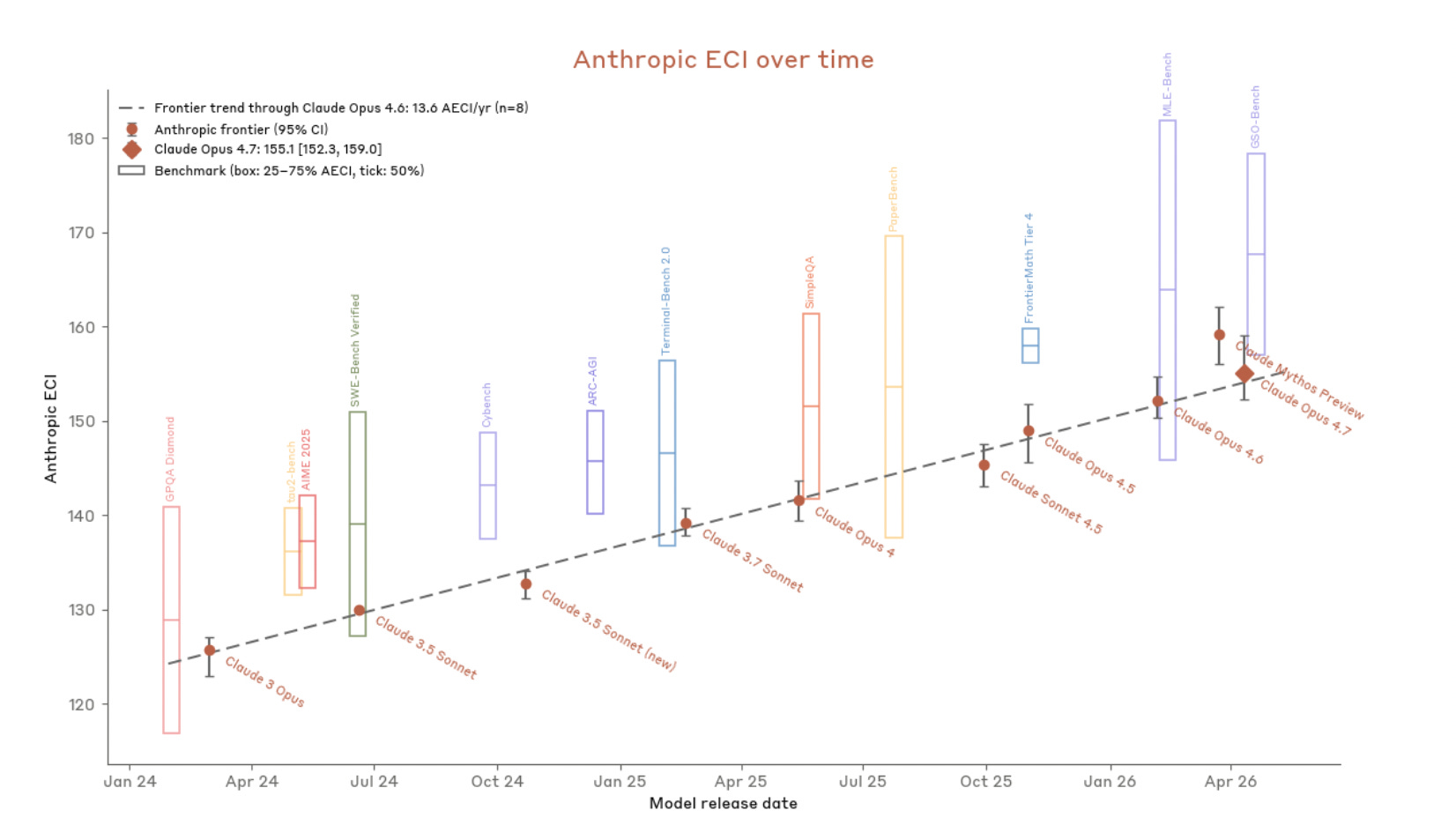
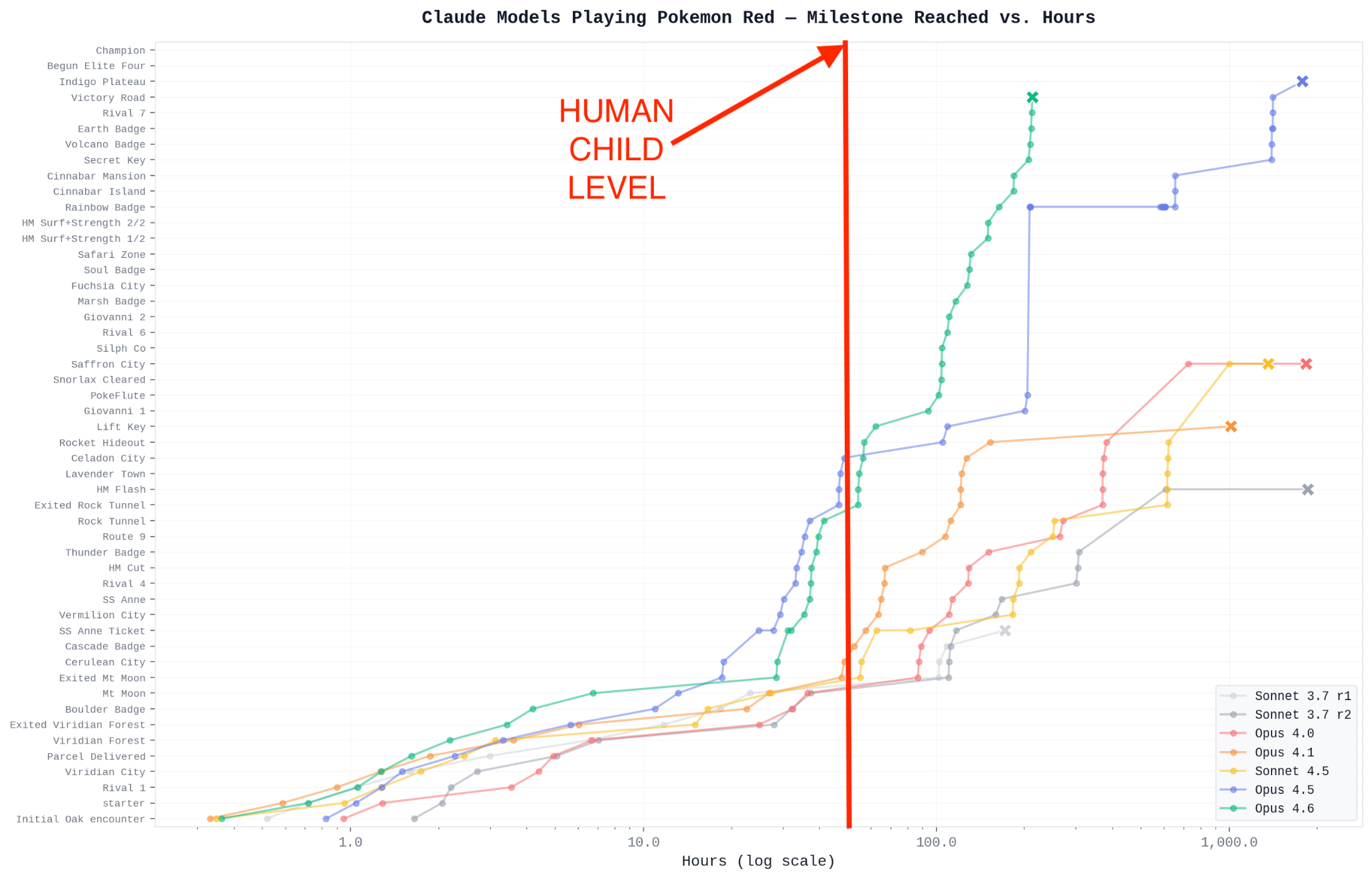
Most public commentary is debating whether AI has hit a plateau.
Four reasons to expect misalignment
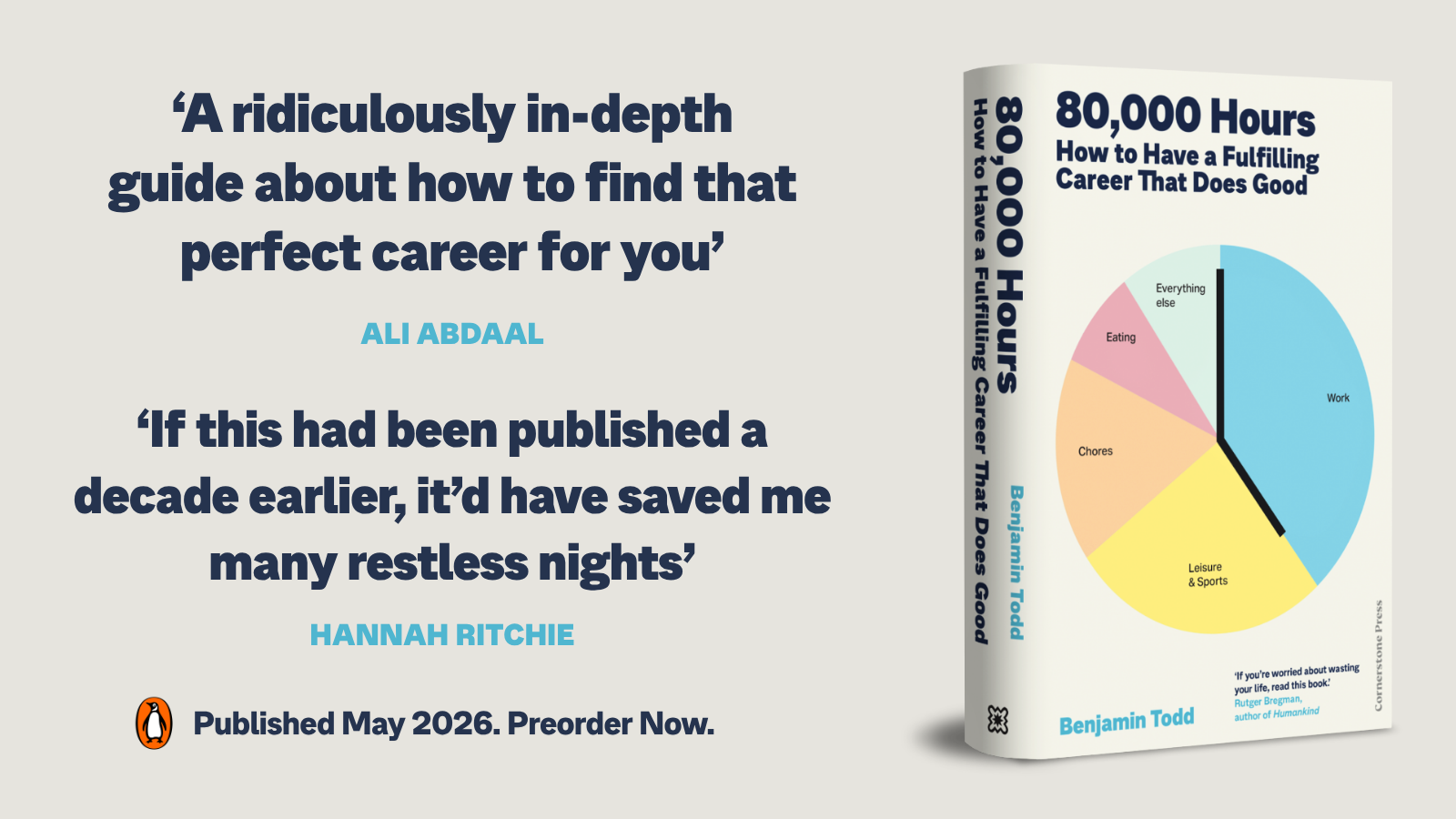
I wrote 80,000 Hours ten years ago because I was frustrated at how terrible career advice can be.
What AGI means, and why we don’t have it yet.
A primer on the intelligence explosion
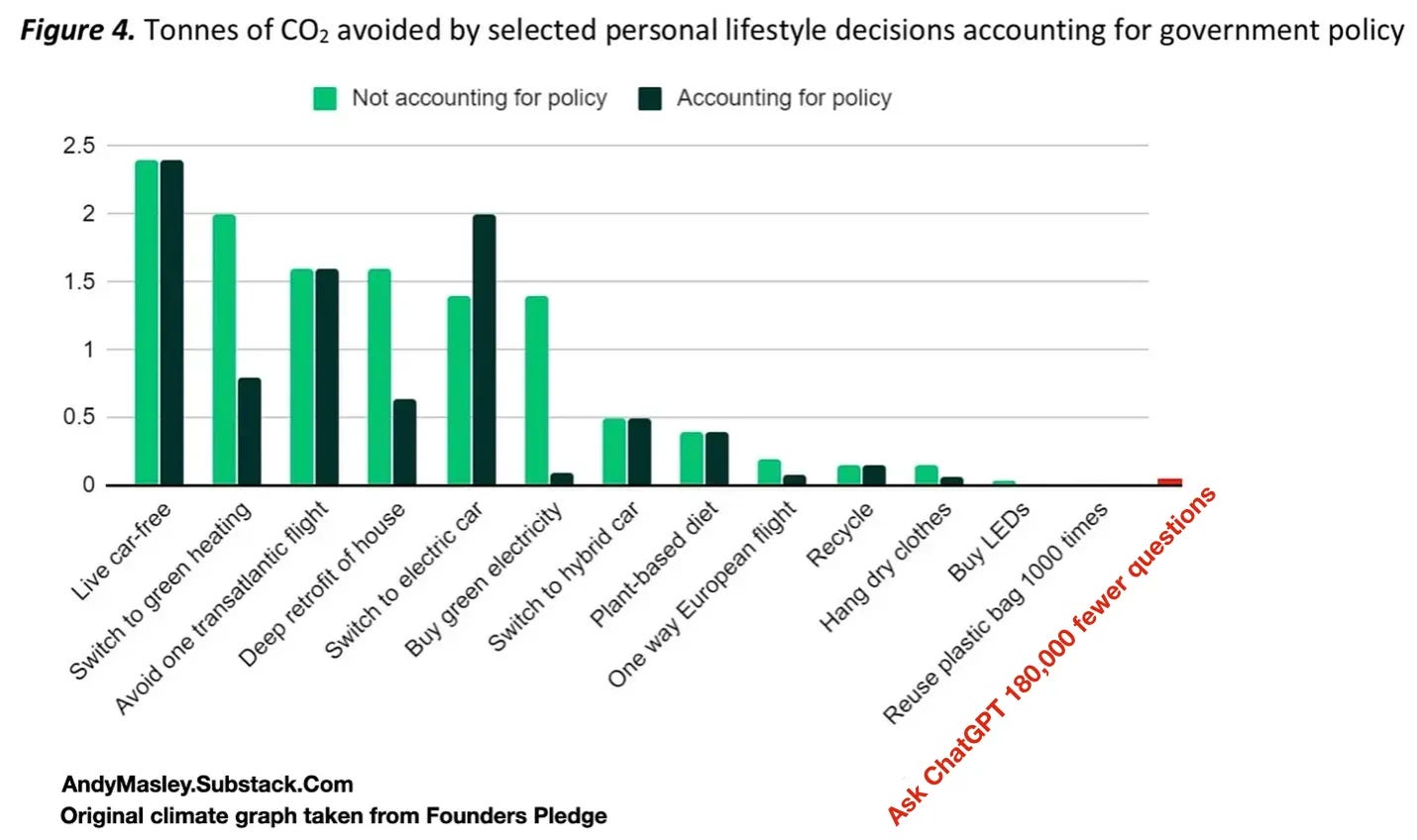
People are saying you shouldn’t use ChatGPT due to statistics like:
I recently joined Gus Docker on the Future of Life Institute Podcast. We debated many of the recent themes of this Substack:
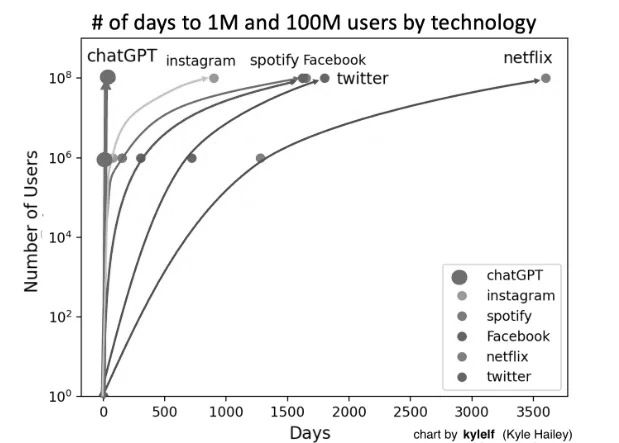
7 charts about AI deployment
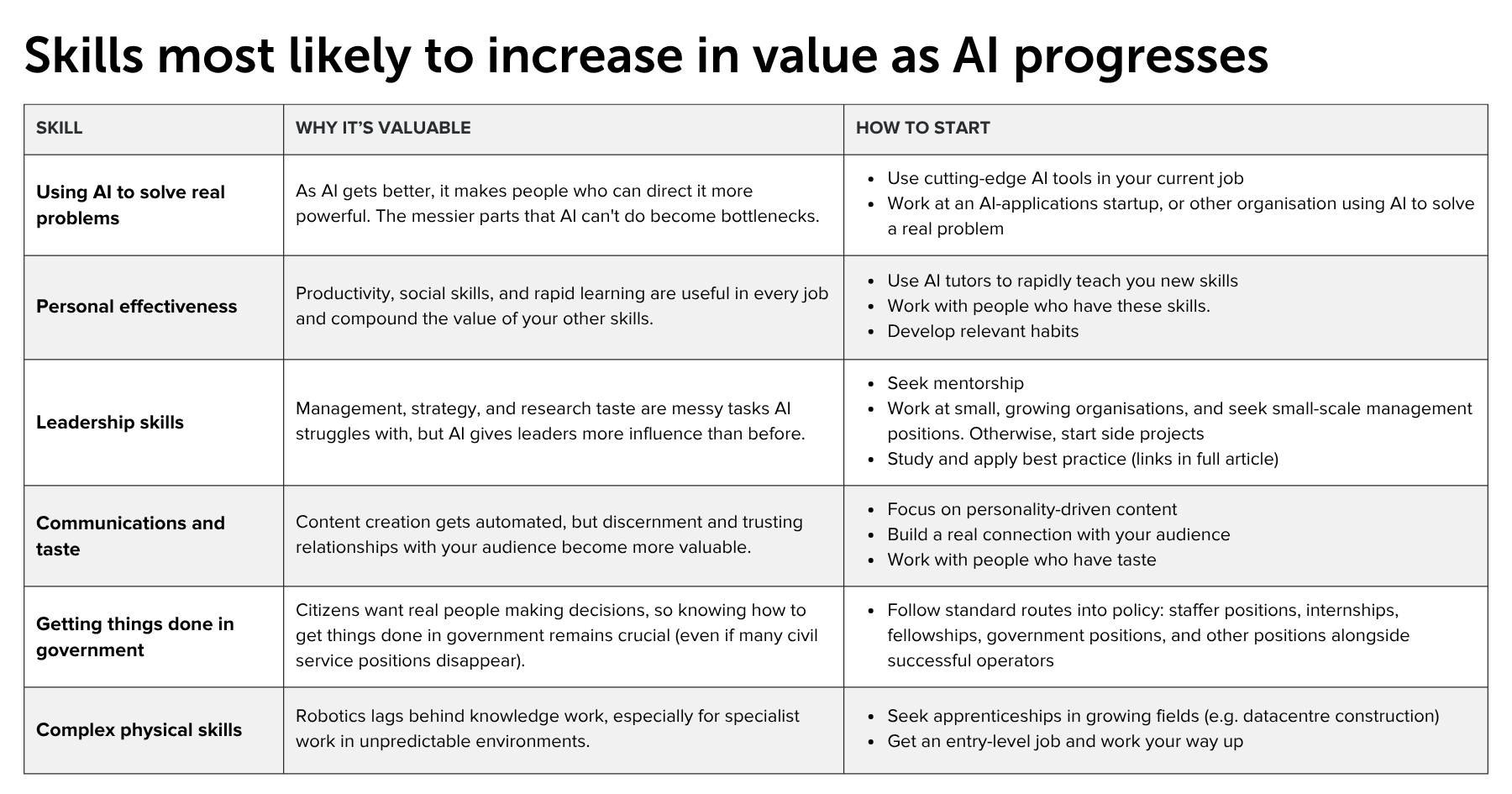
The skills AI will make more valuable (and how to learn them)
In five years, we could have AI systems capable of accelerating science and automating skilled jobs.
As a non-expert, it would be great if there were experts who could tell us when we should expect artificial general intelligence (AGI) to arrive.
In recent months, the CEOs of leading AI companies have grown increasingly confident about rapid progress:
I’m writing a new guide to careers to help AGI go well. Here's a summary of the key messages as they stand.
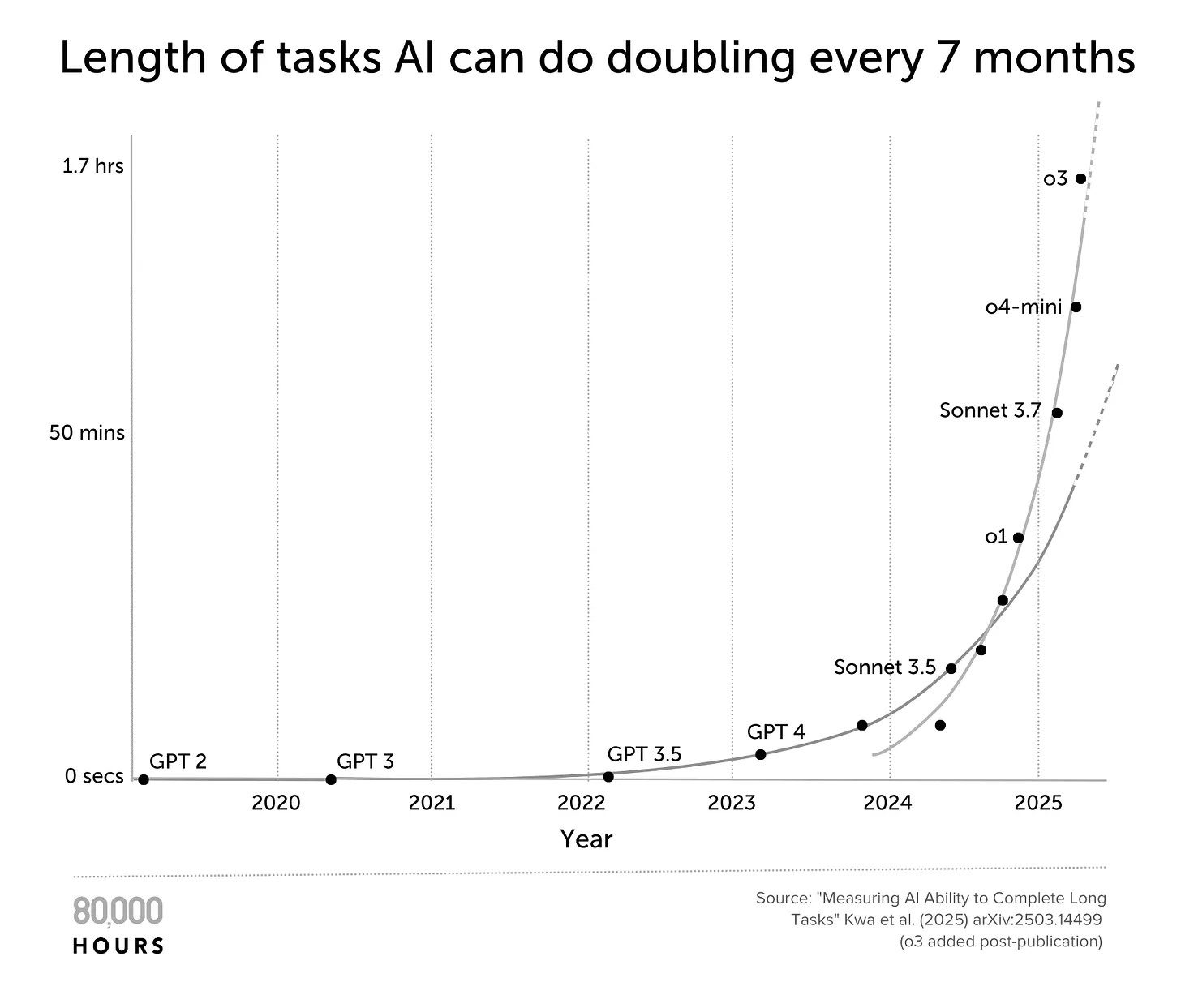
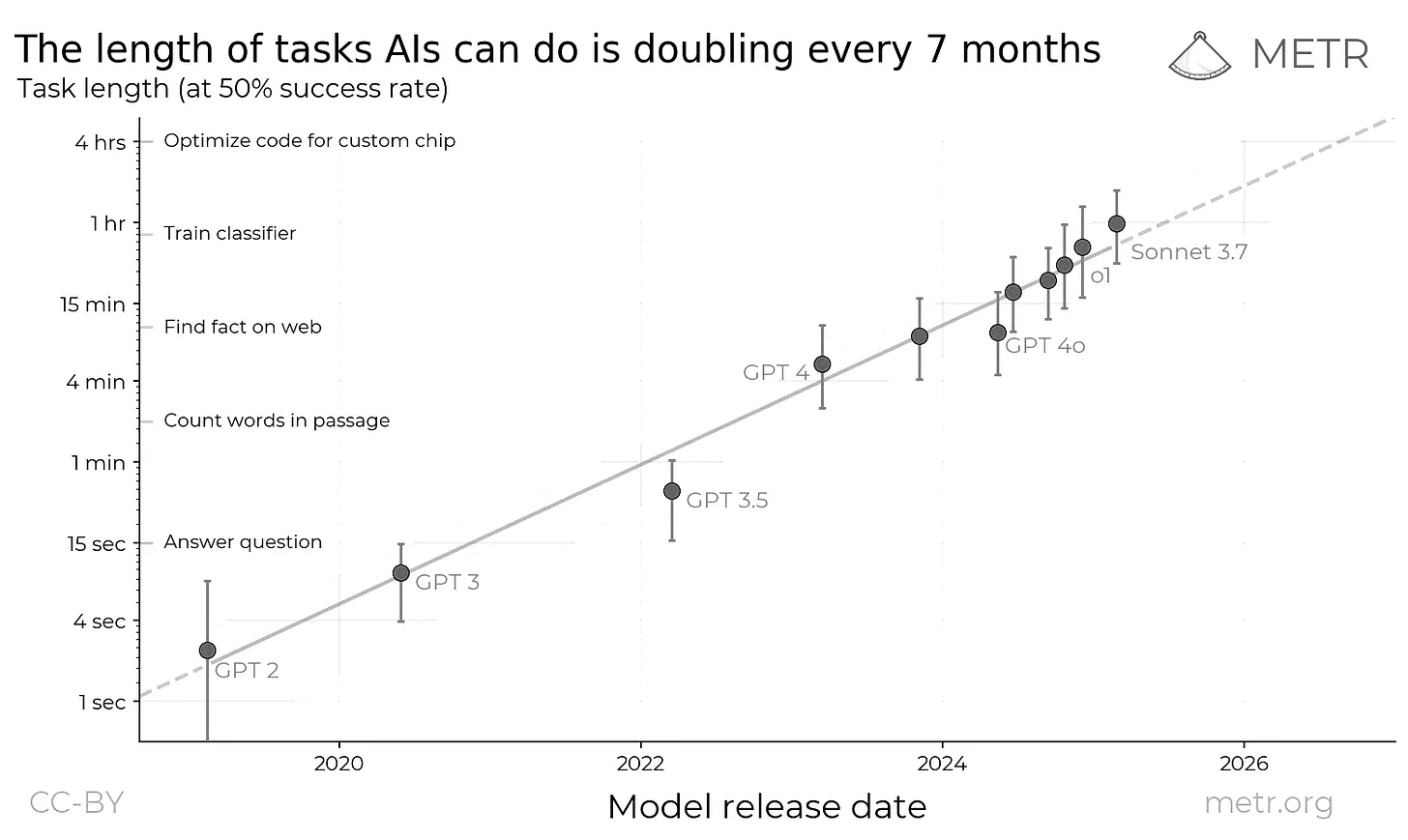
To understand how close we are to transformative AI, here’s the metric I find most interesting right now: how long are the tasks AI can do?
Most people think of AI as a pattern-matching chatbot – good at writing emails, terrible at real thinking.
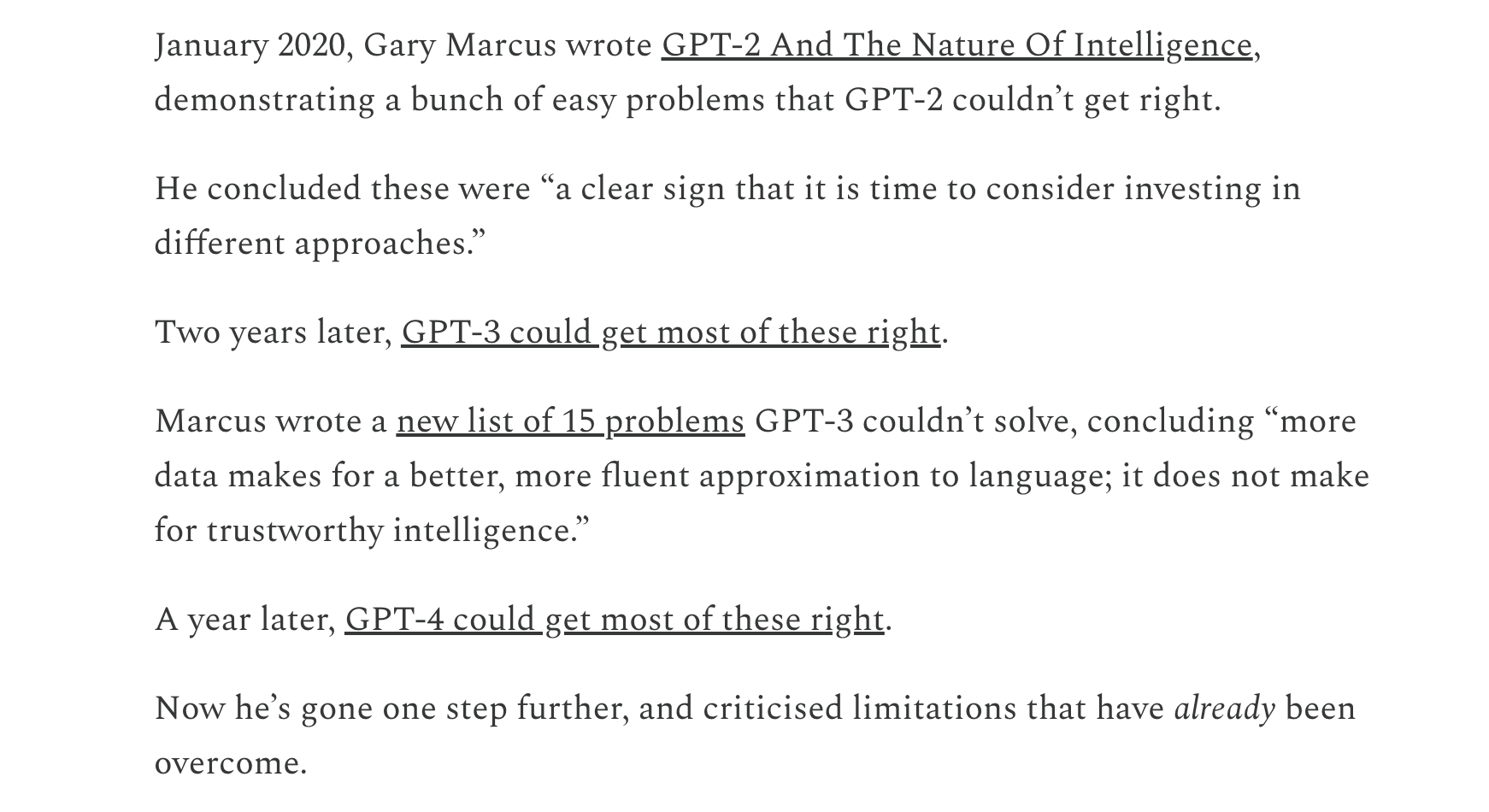
The problem of criticising AI using outdated models