
Hey!
Every financial advisor tells you the same thing:
Keep 3–6 months of expenses in an emergency fund.
Sure. Great advice.
But here’s the thing,
When a REAL emergency hits, somehow that number never feels like enough 😂
Emergencies don’t always show up in little ways,
Sometimes they show up like an avalanche. Or in some big way that feels like disaster.
I.e. a major home repair, medical bills., loss of income, family needs money etc.
Two or three things happen at once because when it rains it pours lol.

That’s why I think people should also think about access to capital.
You might have $100,000+ sitting inside the equity of your house...
But if something happens tomorrow, can you actually access it?
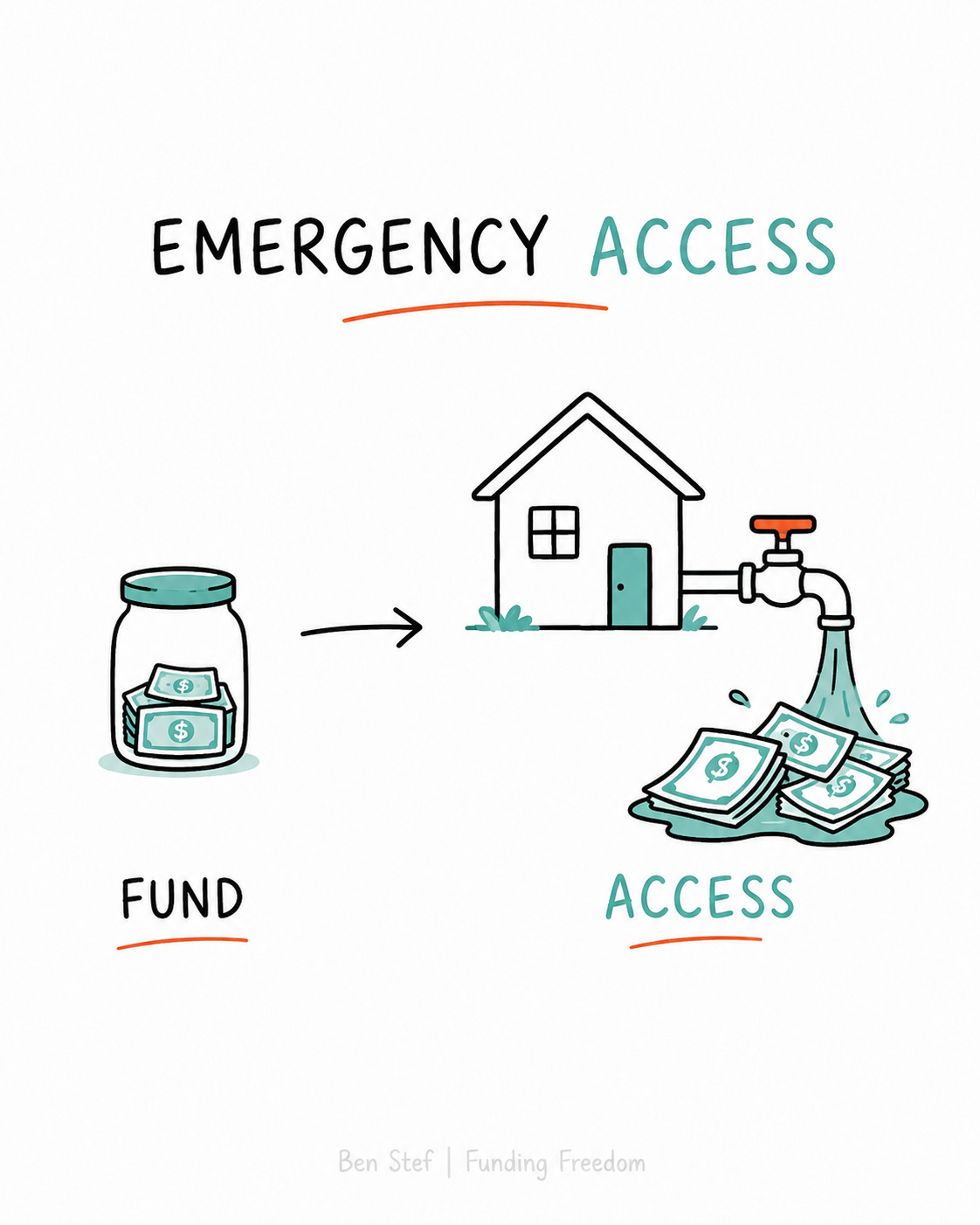
That’s a different question.
This is where a HELOC can be genuinely useful.
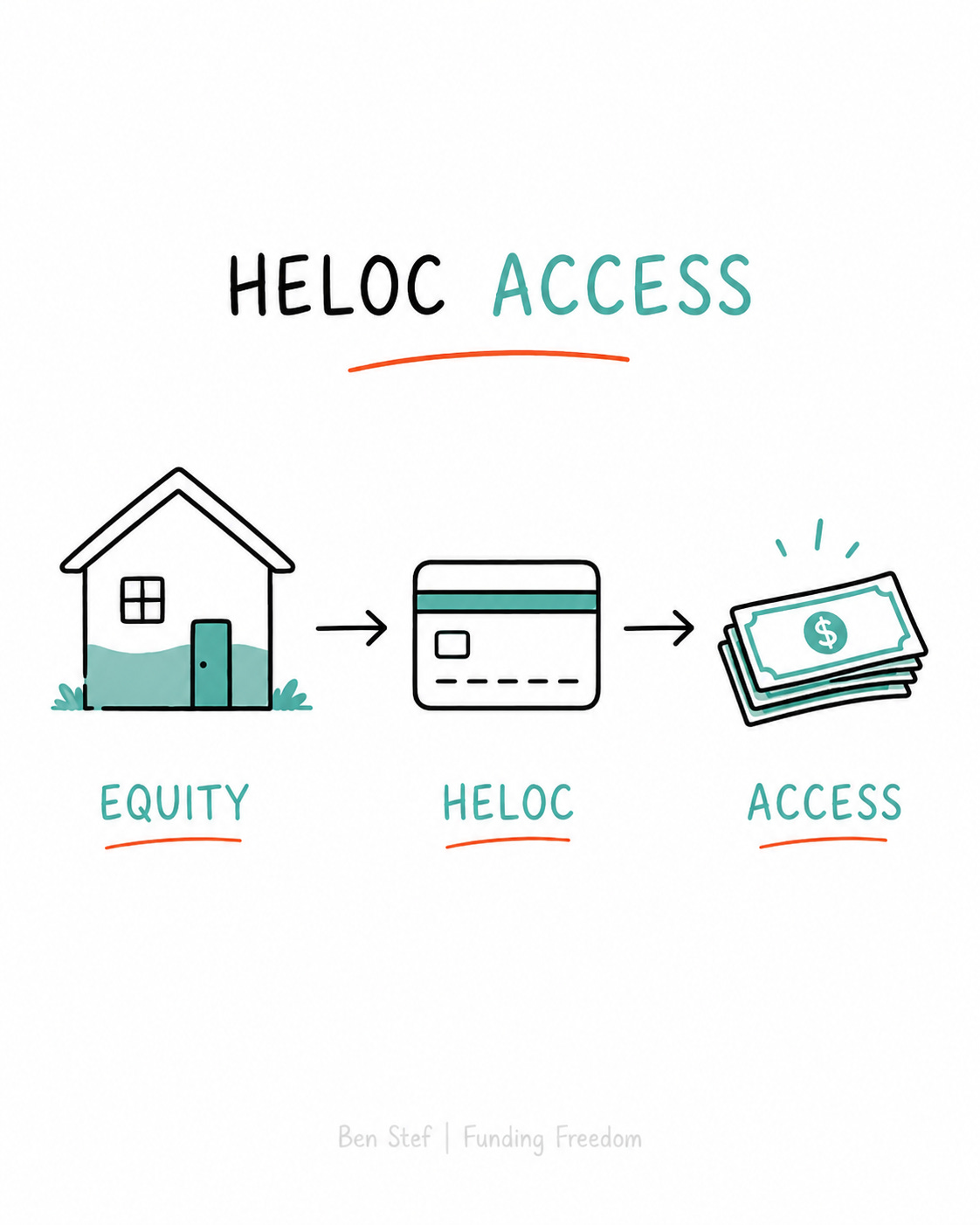
A HELOC is basically a credit line secured by the equity in your home.
You get approved for access to a certain amount of money, then you can use that line when you need it.
What I like about it is you can use and reuse the money over and over again, whereas a fixed lump sum, like a cash-out refinance, once you use it, it’s gone.
It’s also great if you want to have that money to play offense when it comes to investing, whether it be buying another rental property or fixing one up that you have....or literally just updating your kitchen.
And personally, I’d rather figure this stuff out before an emergency happens.
Because seriously...
The worst time to start looking for money is when you desperately need money. Especially if going to a lender/bank for it because it might be too late.
Your income could change.
Your credit could change.
Property values could change.
whatever the case might be.
Having the access already available gives you options.
This can also apply if you’re sitting on equity in an investment property or trying to qualify using different income documentation.
So essentially to solve this problem, I have two HELOC options depending on the situation. 👇🏻
HELOC Links
PLAN A (property cannot be in LLC) 👇🏻
Use the soft-check tool below to see how much equity you may be able to access:
PLAN B (for properties in LLCs or as a Plan B if first one doesn’t work) 👇🏻
This option can work for situations like LLC-owned investment properties, uses a no-appraisal process, and can use bank deposits for income qualification.
Use the soft check here:
Video of the week
If you want to buy a rental check this out:
Mortgage Expert: 4 Red Flags First Time Investors NEED to Avoid
Hope that helps.
Benjamin Stef
Senior Loan Advisor, NEXA Mortgage
NMLS# 2018674
Company NMLS# 1660690
Comments
Nothing yet. Say the first thing.
Sign in to join the conversation.