
When you start learning something new, the goal is usually to make fast progress. The problem begins when that goal meets reality. Reality can cause even the best-laid plans to get tossed into the dustbin. The good news is that, sometimes, this reality is something we create through our own bad habits. And if we can create it, we can also change it.
This applies to learning Python too. Regardless of your goal, learning Python can seem difficult because of a reality shaped by poor learning habits. For example, you might want to learn Python for data analysis, so you decide to skip the basics and focus only on the libraries used in data analysis. That might seem smart, but it’s actually holding you back.
In this article, I will explore some of the bad habits that may be preventing you from making steady progress as you learn Python.
When I was learning Python, I thought typing everything out from memory was the real sign of progress. Silly me. Python is used to solve problems. You don’t need to remember every function or method. What matters more is knowing how to think through a problem, how to break it down, and how to find the right tools or syntax when you need them. You can always look up things that you don’t remember. Everyone does it.
Instead of burning yourself out by trying to remember everything, focus on understanding core concepts (e.g., variables, loops, functions) and learn to look up details as needed. Practice challenges and build small projects to apply what you know, and let repetition naturally reinforce your memory.
I get it; you want to jump straight into machine learning and data analysis with scikit-learn or web development with Django, and you don’t want to get bogged down by those ‘boring’ Python fundamentals (e.g., loops, conditionals, data structures). You might even argue that now that we have AI writing all the code, we don’t have to worry about the fundamentals. I don’t blame you; I want the flashy things too. But let’s be honest, a flashy building built on a weak foundation is a disaster waiting to happen.
Let’s be honest, without a solid foundation, that AI-generated code will play you for a fool. You’ll struggle to understand why code works (or doesn’t), leading to confusion, slower progress, and frustration. For instance, if you don’t grasp list comprehensions, you’ll find most pandas operations much harder.
Don’t rush. Start with the basics: variables, lists, dictionaries, loops, and functions. You’ll be surprised how much all the advanced stuff is nothing but a love child of the basic stuff. Practice writing simple programs. Even a simple calculator will teach you a lot about the Python basics. Write a to-do list, a simple chatbot, etc. Once you have built that strong foundation, you can move on to libraries or frameworks. A strong foundation lets you pick up advanced topics faster later on.
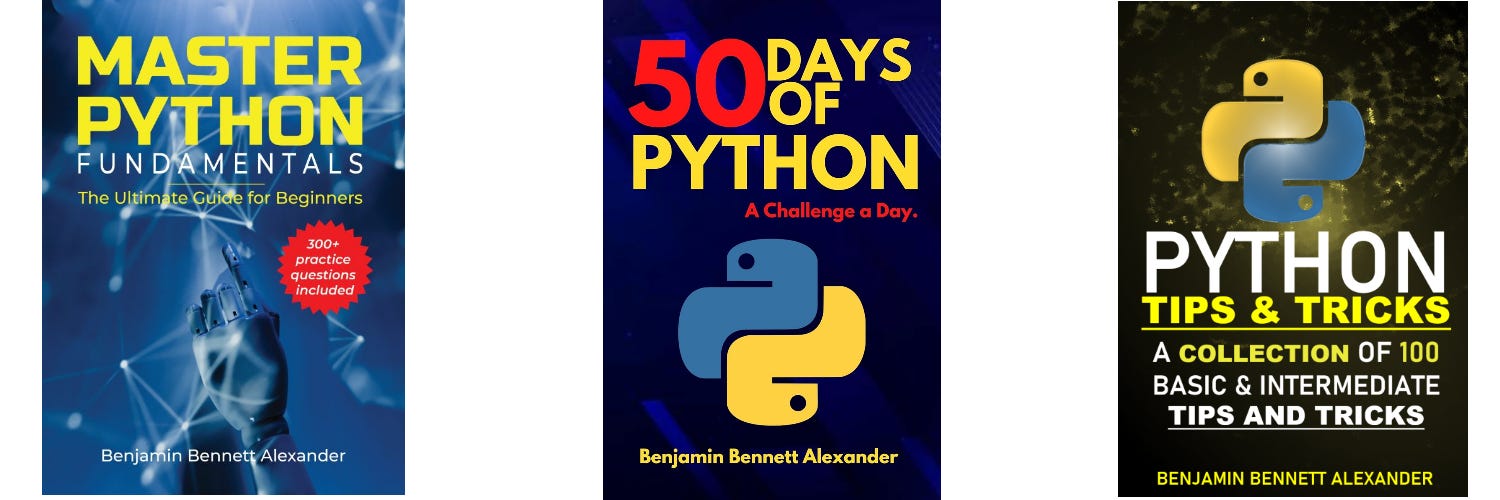
Master Python from the ground up with a hands-on learning bundle designed for beginners who want more than just theory. This bundle combines three practical Python books that help you build strong fundamentals, write cleaner code, and develop real problem-solving skills through consistent practice.
Watching tutorials or reading books feels productive, but you can’t watch them like it’s Prison Break; that’s passive learning. Without hands-on practice, you won’t internalize Python’s syntax or logic. For example, you might understand a for loop in theory, but if you don’t write one yourself, you’ll freeze when asked to iterate over a list in a real problem.
Code along with tutorials, pausing to type out examples yourself. Instead of copy-pasting the code, write it down. Run it. Pay attention to how it behaves. After watching a tutorial, recreate it, then take it further and challenge yourself to create your version of the code. After covering a particular topic, find challenges on that topic. Visit online platforms that offer practice questions. Write your own mini-projects (e.g., a number guessing game). Always ensure that you are actively learning.
This is similar to skipping the basics and jumping into advanced stuff. Don’t complicate your practice by taking on complex projects too soon. I know you are dying to build something more complex, like a full web scraper with libraries like BeautifulSoup with advanced techniques like decorators that you don’t yet grasp. This can work for you, but it can also lead to frustration, burnout, and a slower learning curve as you get bogged down in details you’re not ready for.
When you are new to the gym, you don’t grab the heaviest item there. It will frustrate you. Worst-case scenario, it will injure you. Start with simple, achievable problems that match your current skill level. Gradually increase complexity as you gain confidence and learn more things. Small wins build momentum and keep you motivated. Check out some manageable challenges in 50 Days of Python: A Challenge a Day.
Learning shouldn’t be a solitary activity. It’s the perfect time to connect with others, showcase what you’re learning, and expand your network. The problem with ‘hiding in the cave’ while learning is that you might not even realize when you’re going down the wrong path. You could be reinforcing mistakes, bad practices, and unproductive habits. You might also be wrestling with a problem that someone else has already solved.
Don’t hide away! Engage with the community early on. Share your small projects with friends or on social media platforms like X (formerly Twitter), LinkedIn, etc. Ask for feedback on your code. Use their advice and even criticism as fuel to push yourself further. If you’re stuck, don’t hesitate to ask for help. Reach out to AI, search online, or post in relevant forums. Join Python groups to see how others approach and solve problems. Make time to read other people’s code. Exploring how others write code exposes you to best practices and new techniques much faster.
Did any of these habits sound familiar? Well, you know what they say: “If the shoe fits, wear it.” The first step to solving a problem is acknowledging that it exists. The good news? None of these habits are deal-breakers. With a bit of effort, you can make the right changes and start making real progress in your Python learning journey. Thanks for reading, and keep coding!
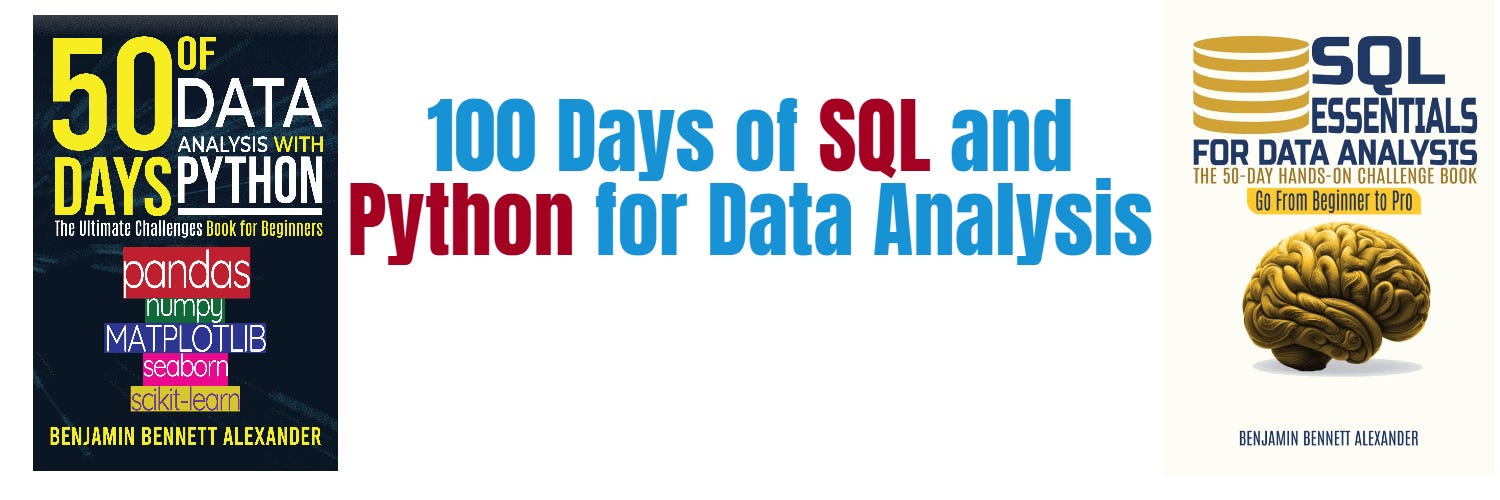
These are the best hands-on materials that teach how to use the important libraries in data analysis: pandas, Matplotlib, seaborn, NumPy, etc. You will also learn to write SQL queries by answering questions that data analysts face in the world, using real datasets. Get the bundle if you want real, practical learning.
No posts
Comments
Nothing yet. Say the first thing.
Sign in to join the conversation.