
by Édi Longwave
Apples, Festival Square
Although they were perfectly edible, the visitors found the fibrous, bitter
apple cores unpalatable. Packed into rucksacks for their journeys to
Edinburgh, then forgotten, they found the fruits again as they searched for
their maps. They ate them hungrily as they walked across the Square. Since
the public bins were always full in August, the visitors thought nothing of
dropping the cores as they crossed the broken flagstones, on their way to the
next attraction.
Twelve years later, tender stems pushed up through the cracked granite
slabs. After many more years, an apple tree flourished at each earthy
intersection. Rhythms changed, geometries softened. The east wind no longer
chapped faces, even in summer. As autumn turned, the Square became green
and fragrant; Polish Honeycrisps and Turkish Pink Ladies flourished
alongside Fujis and Kashmirs.
People began to sit under the apple trees, to shelter, talk and play. The Square
became known for its year-long International Festival of Games. Anyone
could play or just stop to watch. Apple pip tiddlywinks nourished their
spirits as fresh cores sustained the soil.
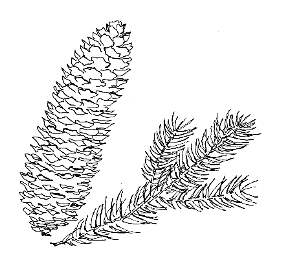
Norwegian Spruce, The Mound
Every year, at its darkest point, a Norwegian spruce tree sparkles over
Edinburgh. A spectacular gift of international friendship, the Christmas tree’s
dense needles hide late-flowering pine cones which loosen as festive lights
are untangled. The cones roll down the embankment, bounce off railings and
lodge themselves in the municipal gardens below. As the fairground rides
and market stalls are dismantled, nobody notices the saplings take root.
A spring-time dispute between the city council and its gardeners persists and
Princes Street Gardens are locked. Disgruntled residents are mesmerized as
the ceremonial flower beds re-wild; buddleia and willowherb entangle with
gorse. The spruces thrive undisturbed.
Three years later, industrial relations resume and the gardens re-open. Now
there is a young forest, which foxes, mice and a lost ferret have made home.
The council wants to cut down the trees and sell them, but residents, who
have since learned that wisdom takes other forms, resist. Now every year, at its
darkest point, a winter skating pond forms in the middle of the forest for
visitors and residents to enjoy together. But they have learned from the
rhythms of the seasons. When the ice melts, people leave the garden-forest to
recover and re-seed until it becomes cold and dark again.
by Michelle Silvestri
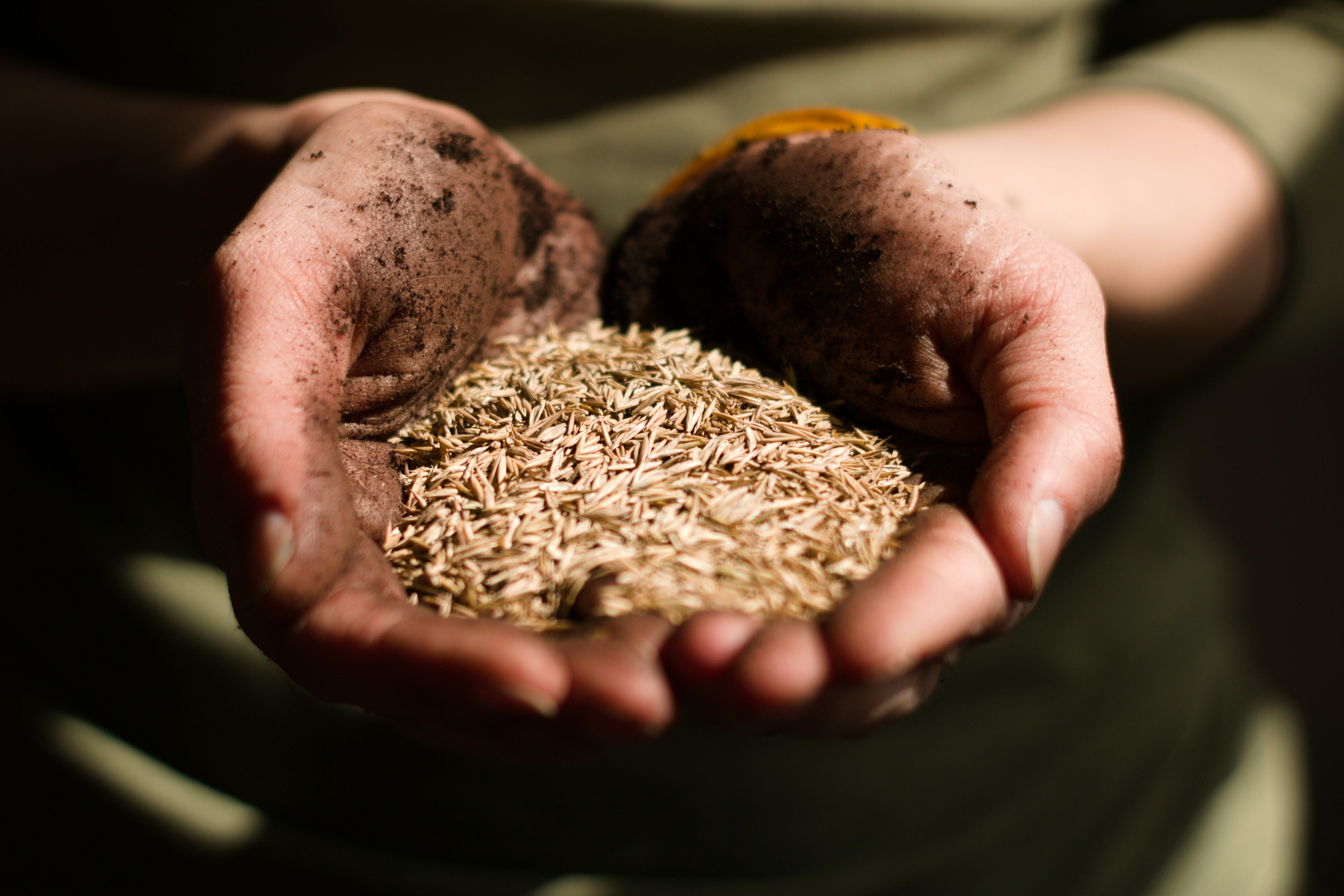
Wheeling the return bin over to the desk, Vanessa grabbed a book, only to notice something odd about it. There was a slight gap between some of the pages. She flipped the book open and found something tucked inside. She pulled it out, eyes narrowing with curiosity at the intruding object.
Pumpkin seeds? Complete with instructions and positive affirmations about gardening. Weird. Why would these be here? Someone probably used it as a bookmark and forgot. At least it wasn’t gum this time, Vanessa reflected. She set it aside and continued scanning the books into the system before reshelving them.
***
Her hand brushed along the spines; Vanessa stopped at the book she needed to add to the hold list. A young child bumped into her as he ran past, causing her to drop it. “Sorry!” He yelled over his shoulder as he kept running. “No running in the library!” Vanessa called after him, but he was long gone.
The book had landed face down, open. She carefully picked it up, flipped it over to check for damage, and noticed something on the floor where it had fallen. Tomato seeds? Again, the same style of instructions and positive affirmations. She took the book and seeds to the front desk, her curiosity continued to grow.
***
“Did you plant them?” One girl whispered.
“I did!” Another squealed. “I’ve got little sprouts already!”
“I hope mine do that soon. I think I might be overwatering them.”
“Go back over the instructions. Remember ‘Every sprout starts somewhere and can only grow’.”
“You’re right.”
Vanessa allowed her thoughts to drift to the seeds on her desk. Were others finding them and actually using them? This hadn’t really occurred to her before.
***
Another packet of seeds, hidden in a book. Vanessa stared at it, thinking back to the girls and how they’d found joy in them. This time, she didn’t remove it. She returned the book as it was, seeds tucked inside for someone else to discover.
***
A new display was set up at the front of the library, focusing on gardening and DIY. The books were snapped up quickly, and more chatter about growing food at home filled the library. Vanessa ordered more titles and organised a workshop for the upcoming school holidays. Spots filled so quickly she had to arrange for several follow-up sessions.
***
Dirt pressed down gently over the seeds, she gave them water before she sat back. Vanessa only had a small backyard she’d never used, but adding lattice to a fence made it possible to hang pots. It brought life to the mostly concrete space. She moved an old chair and table outside and began to enjoy her morning coffee there.
Over time, she watched her small garden bloom to life and reflected on the mysterious seeds. More patrons were talking about, even adding to, the seed packets, judging by the variety of handwriting.
It seemed small and silly, but from what she had seen, the community needed this.
She needed this.
by Ilse Pedler
Seed swaps and seed banks play an important role in protecting the diversity of crops and garden plants. A seed swap or share is an event or organised scheme where gardeners exchange saved seeds with one another, usually for free, allowing different varieties to be shared and grown. A seed bank is a collection of seeds that are carefully stored so that plant varieties can be preserved for the future such as the Millennium Seed Bank near London, the largest seed bank in the world, and the Svalbard Global Seed Vault in Norway. Together, these systems help keep older and less common plant varieties in circulation, ensuring they are not lost.
Heritage Seed Library
When I started gardening in the 1980s I experimented with all sorts of vegetables often finding the most joy in nurturing the more unusual varieties; yellow beetroot, purple runner beans and big square looking tomatoes. I discovered an organisation called the Henry Doubleday Research Organisation Association (now known as Garden Organic) which amongst other things, runs a Heritage Seed Library. This was set up in 1975 to protect hundreds of rare and heirloom vegetable varieties that were in danger of being lost. It distributes these to its members and encourages them to grow, save, and return seeds each year. What I particularly love are the details and history of each variety. Here’s one from the next village to where I used to live in Essex!
Blacksmith’s Bean - This bean originated in Broxted, Essex, and was given to our donor by an old man who had been growing them and saving their seeds since before WWII. Pinkish-lilac flowers and pale green, slightly curved, stringless pods that become purple veined when mature. Pods have a sweet and nutty flavour.
Community Seed Swaps
Community seed swaps are often organised by local gardening groups and allotment societies and are a great way to meet like-minded plant people and increase your veg varieties; more than that, local seed swappers have a vital role to play in ensuring we can feed ourselves in the future. As Anna Kilcooley, communications manager at the Sustainable Food Trust highlights:
Diversity is essential for sustainable food systems, and seed diversity has been in rapid decline since the 1900s. Relying on just a few plant species for our food means we are vulnerable to pests and diseases, and less resilient to climate change. Seed swaps within local communities are one of the best ways of preserving heritage seeds and encouraging greater diversity in plants.
By growing and sharing local heirloom or rare varieties of plants, gardeners act as custodians of plant heritage, helping to ensure that useful genetic traits are not lost and can be drawn upon in the future. In doing so, they help create a more resilient and sustainable food system.
Get Involved
Why not get involved with your own community seed share projects and become a custodian gardener?! They happen all over the country. Here’s one called Seedy Sunday in Brighton. Seedy Sunday - seed swap & sale - Brighton and Hove Food Partnership
Édi Longwave is a human geographer and interdisciplinary artist based in Edinburgh, UK. She explores how imaginative, speculative and experimental practices can help us think about environmental futures. Her fieldwork, artistic practice and writing is often collaborative. She has exhibited and presented her work in the UK, Europe and US. Édi is on Instagram @deidremacporty.
Édi’s fieldwork and writing explores how artistic methods - notably imagination, speculation and openness to experiment - can help engage people in thinking creatively and positively about environmental, thrutopian futures.
Michelle Silvestri was born in Scotland and grew up in Australia, where they currently reside. They write fantasy fiction stories and are working on their debut novel. When not writing, they work as a teacher and enjoy a variety of games and spending time with their partner and two dogs. Michelle is on Tik Tok @michelle_silvestri90, and on Blue Sky @michelle-silvestri.bsky.social.
“Thrutopia’s focus on hopeful, action-oriented climate fiction immediately resonated with me and aligned closely with the themes I care about in my writing”. ~ Michelle Silvestri
Yesterday we shared a visit to Cambridge in the year 2030; today we’ve offered the seeds of ideas in stories and an everyday action; tomorrow, we’ll hear from writer Karen Elias about a new book, Eco-Spirituality in the 21st Century.
Comments
Nothing yet. Say the first thing.
Sign in to join the conversation.