
My back bowed beneath a weight like dead bodies. I had spent decades shivering on the ground in front of bulldozers.
I squirreled myself away in the corner of my room with my game screen, avoiding the endless bad news reels. The days were no different from the nights, with curtains shielding me from the light.
My chair practically stuck to my body when I got up to get my phone.
“Up for a mission?” my friend Lacy asked. “I’ve got an outdoor art gig in the projects and the guy I was working with just cancelled.”
“Hmmm…” I pursed my lips, pretending to mull this over. “Of course, Lacy, you know I can’t resist an outing with my favourite person.”
“You’re the goat, Tayla.” I could hear the smile in Lacy’s voice and the tightness in my chest eased a notch.
I brewed up black coffee for my travel cup, mussed my wolf cut around, and tied up my chunky sneakers.
“Can you believe what’s going on in Minneapolis?” I asked as I got into the car.
“Yeh, you see all those people rising up?”
“Everything’s gone to shit,” I said, wincing at my whining voice.
“Not everything. How about the Great Koala National Park?” asked Lacy.
“Fuckin’ psychopaths rule the world.” I ignored my friend.
“What about renewables overtaking coal production?” Lacy’s tone was sassy.
“Really?”
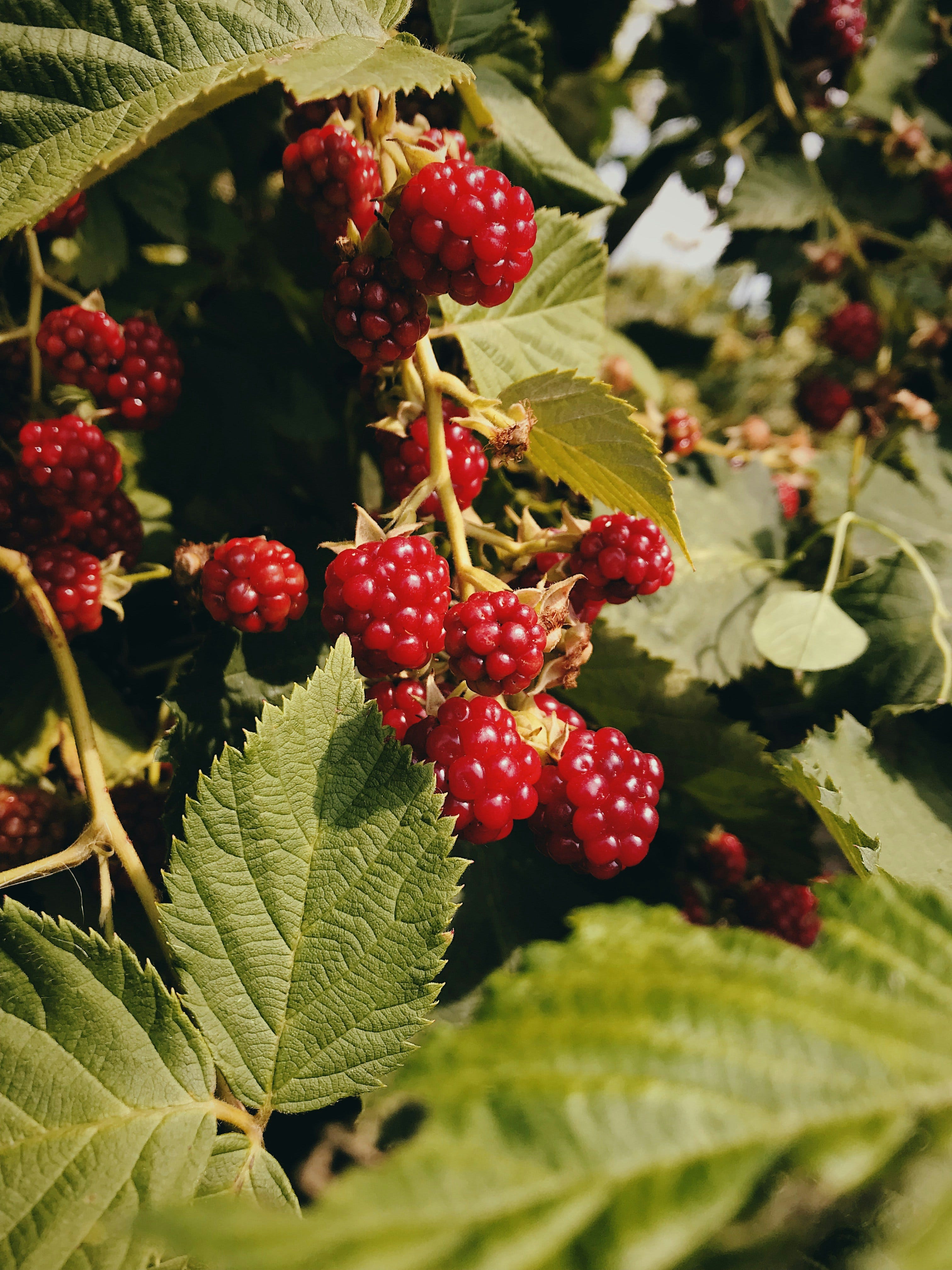
“It’s important to remember that a tiger jumped out at you by the bamboo, but isn’t it also useful to know where raspberries grow along the cliff edge?” Lacy said.
That makes sense, I thought, but I didn’t concede the point.
“I always thought we would be further along by now,” I said instead.
“I prefer to look forward and hitch myself to a star that pulls me along,” Lacy said.
I rolled my eyes.
“This is it,” I said. A mega grey high-rise was on our right.
“A relic of the ’70s,” Lacy said.
I shook my head as we drove through trash-strewn parking lots, pigeons scattering to the sills of cracked windows, dotting towers plastered with graffiti. It was easy enough to spot the one green area.
We pulled up and while Lacy unloaded our supplies—sapling branches, rocks, paint and rope—I surveyed the area, which was soiled with dog poop and cigarette butts.
“Here they come,” I said as a group of youth slowly approached. Glitch prints on zip-up hoodies, electric blue baggy track pants, and platform sneakers. Suddenly I felt very ordinary in my jeans and t-shirt. And a bit old. I pushed my shoulders back.
Lacy handed me a shovel and I began scooping up the shit—an appropriate task for someone like me—while Lacy started chatting to the youth, who stood around the edges, smoking, looking at their phones.
I picked up my djembe and laid down a groove. A few eyes glanced my way.
Lacy invited everybody to work together on a small shelter using the materials we had brought.
Nobody made a move. I caught some snide remarks in the air but kept the rhythm going, until my heart and drum beat together.
Mine and Lacy’s eyes met, a question mark lingering between.
Then a youth, tats snaking up his neck, grabbed the largest sapling and moved onto the grass. Soon hands were busy, intertwining twigs and branches with leaves into a circular wall.
A small boy with a broccoli haircut took to painting the rocks in swirls of colour.
A baseball-capped youth balanced rocks one on top of another, building little towers that marked the entrance. Lacy worked with a couple boys standing with their hands in pockets, to tether the structure to the ground.
A passing aeroplane was just another note amidst the chatter that rose and fell.
A girl with a shaved head in black hoodie and sweats stood on the sidelines, watching.
I kept the beat going. Hips moved subtly at first and then more energetically.
A couple hours later, a shelter stood ready for us. We ducked in through the entryway and sat down on the grass.
Everyone was quiet. Lacy looked to me and nodded.
I took a minute to thank everyone and the land we were on. The Ancestors.
Then I passed around a box with shakers, tambourines, and clap sticks. At first it was patchy but then clacks and claps, rocks on rocks and sticks on sticks filled the space with memories that flowed from our hands.
On this very forlorn lot of grass everybody bantered while eating snacks.
We said our final goodbyes.
“Can we keep this?” one boy asked, gesturing to the structure.
“You sure can,” Lacy said.
“We need to stop other people from pulling it down.”
Discussion filled the air about how to protect this little area. We got into our car, taking with us the strong voices, feet solidly on the ground, heads held high.
Driving home, I felt a hint of lightness.
“Glad you came?” Lacy asked.
“Duh,” I said. “Amazing. Did you see the girl who hung back at the beginning?”
“The thin one in black?”
“Yeh, first she watched on the sidelines but as she painted an emblem for the entryway, the other girls noticed and took an interest.”
“One piece at a time, people coming together with places—like a jigsaw puzzle.” Lacy knew I loved jigsaws.
“I always start with the outside ones, the scaffolding,” I joined in. “Then the easy ones, like all shades of pink or green.”
“Then the difficult parts like a clear blue sky,” Lacy said.
“I love the last bit.” I was filled with energy now. “Like slaloming down a ski hill, pieces practically flying into place themselves.”
“That’s it!” Lacy said, grinning. “Get it Tayzie?”
“You’re so positive, Lacy,” I complained. It was exactly what I loved about them.
“And sometimes it’s hard work, right? But you keep going.”
After our trip to the inner city, I honed my social media to have more raspberries than scary tigers. Sometimes when I overdid the doomsday scrolling through reels, I took a break to gaze at the Milky Way, let myself imagine hanging out with Lacy a bit more.
“Hey Lacy,” I rang my buddy up. “You wanna go to a forest protest with me? I feel the urge to lock-on, stand up for a tree.”
“Hmm,” they said. “Of course, Tayzie, you know I can’t resist an outing with my favourite person.”
“You’re the goat!” I replied.
Maybe today would be the day I told them how I feel about them. I scrunched up my face. Maybe I could just hug them a bit longer.
The doorbell rang.
I clicked the last piece of my jigsaw puzzle into place, pushed the puzzle around the table to see how it held together. A fresh puzzle sat waiting for when we returned.
I hesitated, then walked over to open the door.
Ruth Rosenhek is a writer based in Northern NSW, Australia. She is the author of The Meeting Place (2025), a dystopian, place-based cli-fi novel. Her short story ‘Married to the Sea’ is forthcoming in Flash Fiction Magazine, and her story ‘Highway Collision’ appeared in the collection The Last Plastic Fork & Other Green Epiphanies (Habitat Press) in February, 2026. Ruth is on Good Reads.
‘I found the thrutopia prompt a welcome relief from distress about the state-of-the-world. After a lifetime spent working towards environmental and social justice, it was inspiring to reflect on and seep myself in pathways we might navigate towards positive futures.’ ~ Ruth Rosenhek
Yesterday, we explored an educational road map complete with the ‘7 Rs’; today’s short story looks at change through a fictional lens; don’t miss tomorrow’s poems from our editors’ new thrutopian collection.
Comments
Nothing yet. Say the first thing.
Sign in to join the conversation.