
The Toxicology Networking Challenge: Wrap-Up
✓ Week 1: Join a Scientific Community
✓ Week 2: Define Your Networking Goals
✓ Week 3: Build Your Outreach List
✓ Week 4: Start Conversations
✓ Week 5: Defining Success and Keeping Momentum
While my intention was for the Toxicology Networking Challenge to last only 4 weeks, I wanted to add a bonus week for us to check in.
My hope is that, by the end of this challenge, you’ve made at least one new connection and feel a little more confident reaching out to fellow toxicologists.
The most common feedback I hear about networking is that people feel like failures when their efforts don’t immediately lead to the outcome they hoped for. A message goes unanswered. A conversation doesn’t turn into a referral. A new connection never follows up.
That’s disappointing, sure, but it’s not failure.
Networking is a lot like investing. Sometimes you see immediate returns—a response, an introduction, a referral. More often, the value compounds quietly over time until an opportunity unexpectedly appears after months or years of relationship-building.
Instead of focusing on outcomes, think of this challenge as building your professional skills.
Measuring networking success by outcomes you can’t control—such as landing a job, receiving a referral, or getting a response—sets you up for regular disappointment.
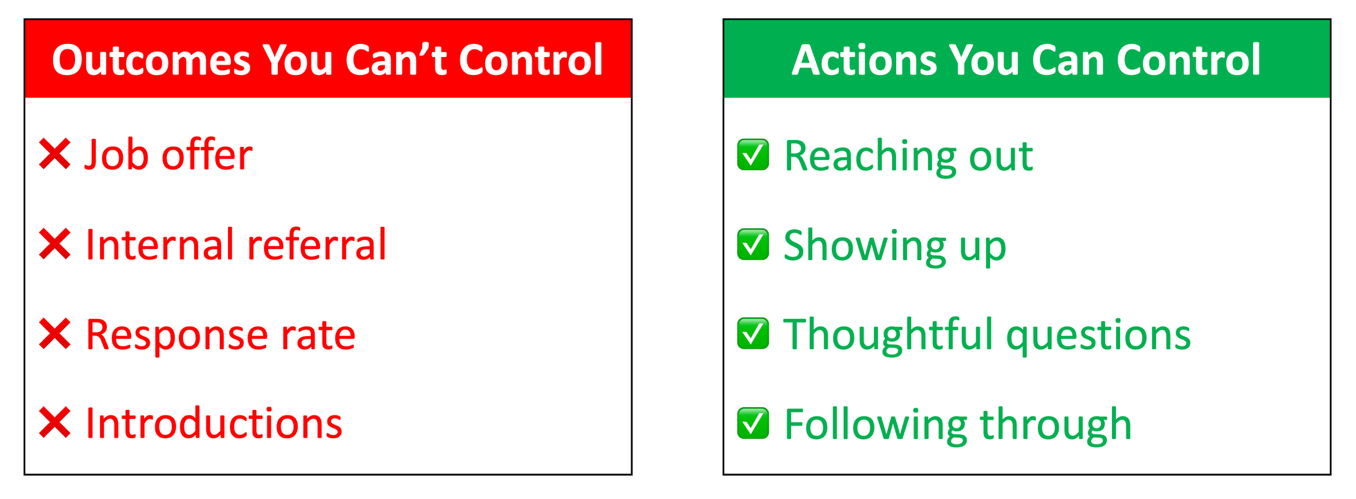
Referrals, time, and information are gifts freely given. Not everyone will say yes to an invitation or your conversation may not immediately lead to outcome you seek.
I’ve been ghosted by people who accepted a connection request or invitation to chat. Sometimes they eventually follow up, sometimes they don’t. I don’t take it personally. Instead, I give them the benefit of the doubt and hope we’ll get a second chance to connect at a future date.
Sometimes people miss notifications, are busy putting out fires at work, or find themselves suddenly navigating a personal emergency. Missed connections could be due to almost anything, but it’s not a reflection of your worth. It’s okay to feel disappointed, but don’t let that convince you that you should give up entirely.
A more productive way of measuring networking success is by using outcomes that you can control like:
reaching out,
following through,
asking thoughtful/meaningful questions, and
continuing to show up after disappointments.
Progress comes from showing up repeatedly, even when the outcome is uncertain.
When I was a student, I was commiserating with my best friend about how unexpectedly difficult every step of graduate school felt. She told me that she had expressed the same frustrations to her husband and he responded with, “You’re an egg.”
“An egg?” I thought. “Seriously, dude?”
She went on to explain that from the outside it looks like nothing’s happening. Yet inside, growth is taking place long before anyone can see it. Eventually, a chick emerges but this is only possible because of all the unseen development that came before.
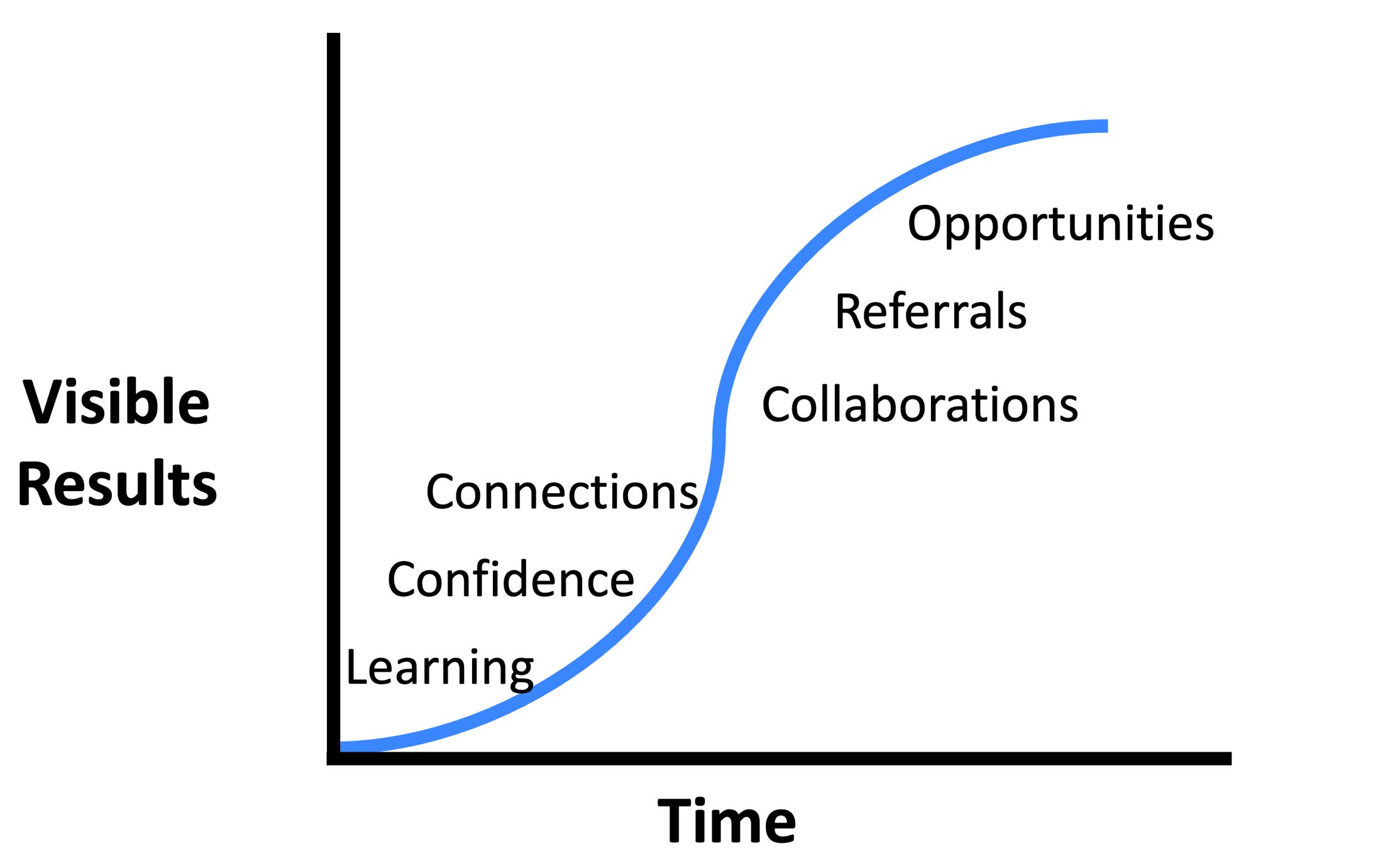
The visible results of networking often take time to appear.
When you first start networking, it may not feel like you’re making much progress initially. As you build your network, you also begin to build a professional reputation. Your reputation encompasses your professional interests, expertise, and personality. When you become known in your network, people start to reach out to you with questions or recommend you to others.
How Stay in Touch Without Feeling Awkward
Congratulate people on promotions, awards, or new roles.
Reach out after attending one of their talks or reading their paper.
Share an article, regulatory update, or resource relevant to their interests.
Set a reminder to check in at annual meetings or every 6–12 months.
Relationships grow through occasional, meaningful touchpoints.
No effort is wasted.
Rather than focusing solely on outcomes, focus on becoming someone who consistently develops skills.
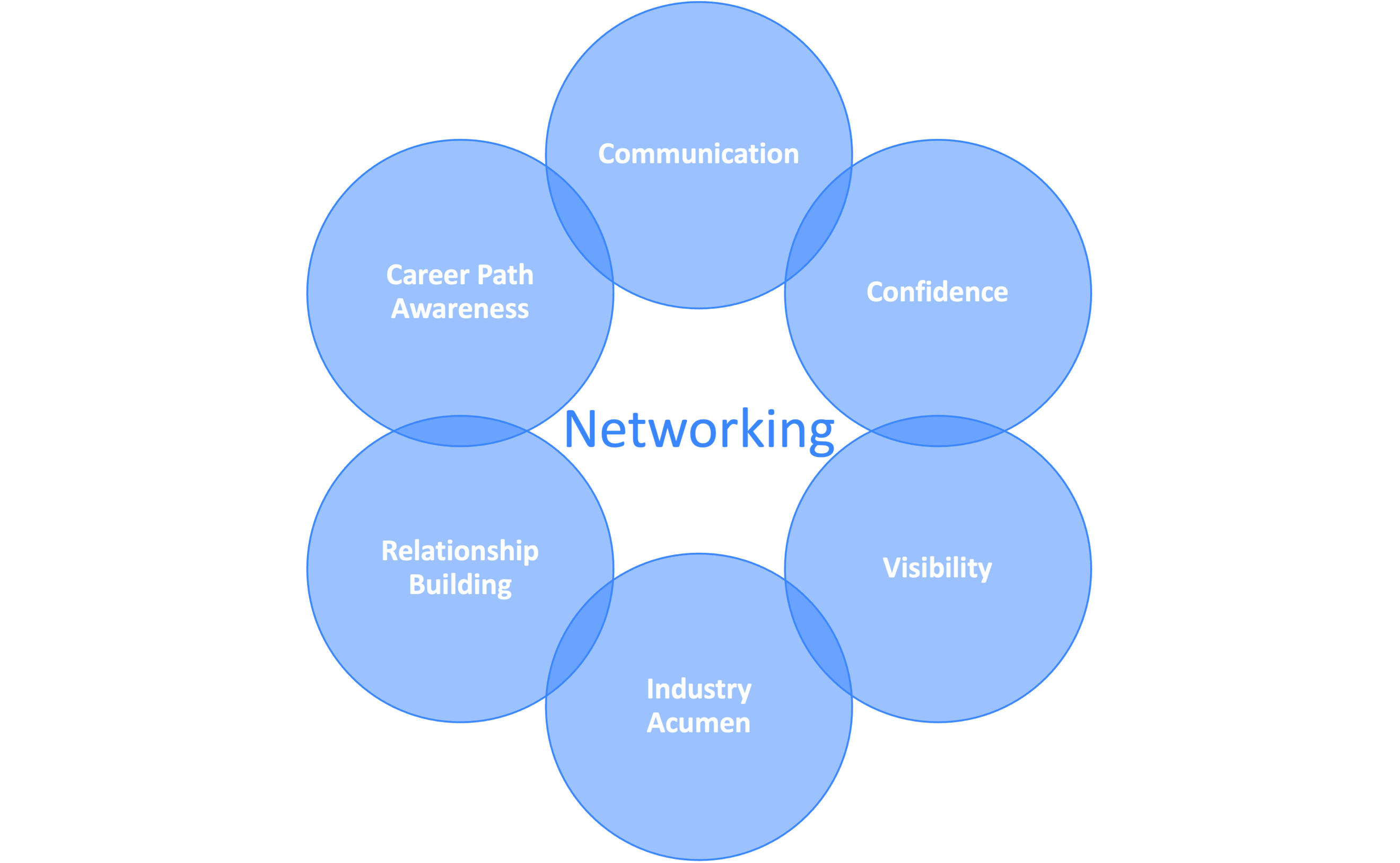
Every conversation teaches you something.
In a recent video, Hank Green discussed how the phrase “how no effort is wasted” influenced his view of previous experiences.
In his video, he uses the ocean sunfish (Mola mola) as an example: millions of eggs are produced, yet only a handful survive to adulthood.
Viewed purely through an outcome-based lens, a few adults from millions of eggs seems like a waste of time. But, without that initial effort, none of the survivors would exist.
The point of this networking challenge isn’t for you to lock in a 100% success rate. The point is to learn new skills and put them into practice.
Like any good investment, these assets compound over time.
Every conversation teaches you something, even when it doesn’t lead to the opportunity you hoped for.
Through a skill-building lens successful networking looks like:
Learning about a career path you didn’t know existed.
Discovering a skill gap you can address.
Becoming more comfortable reaching out.
Choose one action to complete in the next 6 months:
Attend one event
Send one message
Schedule one conversation
Volunteer for one opportunity
Follow up with one existing connection
Small actions, repeated consistently, build strong professional networks.
A strong professional network isn’t built in four weeks. It’s built through small, consistent actions repeated over months and years.
Success isn’t getting a job from one conversation but becoming the kind of person who keeps showing up, learning, and building relationships along the way.
Keep showing up.
Have you ever wondered “how did they get that job?”
Me too!
I’m considering adding a Career Paths interview series, and I’d love your help identifying the guests, topics, and resources you’d find most valuable.
Let me know here 👇
Thanks for reading From Bench to Beyond!
Subscribe for free to get weekly curated toxicology roles plus practical career insights to help you navigate the field with intention.
© 2026 Lauren Walker. All rights reserved. No reproduction without permission.
Disclaimer: This content is for informational purposes only and reflects personal opinions, not professional or legal advice
No posts
Comments
Nothing yet. Say the first thing.
Sign in to join the conversation.