
Welcome to Week 1 of the Toxicology Networking Challenge.
Over the next month, we’ll build a practical framework for expanding your professional network.
Whether you’re a student, job seeker, consultant, or established scientist, these tips and strategies are useful at any career stage.
This week, we’re starting with the foundation: finding a professional community.
At the start of my graduate career, attending professional conferences was a struggle.
I often found myself overwhelmed by the crowds and intimidated by the polished keynote speakers and organization leaders. The most difficult events, though, were the evening receptions.
Most people seemed to know someone already or were effortlessly introducing themselves to complete strangers. More than once, I found myself sitting alone, hoping someone would strike up a conversation before eventually giving up and leaving early.

What I wished I knew then is that most people feel awkward in networking situations. Many people are relieved and at times flattered that someone reached out to them first.
Building and—more importantly—maintaining professional relationships is one of the fastest ways to understand the field, explore career paths, and hear about opportunities before they’re publicly posted.
Joining a scientific society gives you immediate access to a community of toxicologists who share your professional interests.
Some toxicology societies focus on specific areas of toxicology like the Society for Birth Defects Research and Prevention (BDRP) or the Society of Environmental Toxicology and Chemistry (SETAC), while others provide a greater breadth of toxicology topics.
A few of the better-known scientific societies are listed in the table below. Note that this isn’t an exhaustive list.

The most common mistake people make is joining a scientific society and never participating.
Some societies have affinity groups that bring together toxicologists studying similar topics (e.g., immunotoxicology, risk assessment) or by providing a community space that champions professional growth and representation in toxicology. These groups provide a forum for networking with likeminded peers and open to all active society members.
Membership instantly expands your professional reach by connecting you to toxicologists across companies, sectors, career stages, and specialties.
Many scientific societies have an internal membership messaging system that members can use to directly communicate with each other. Here, you can search by name, company, and/or component group to find connections.
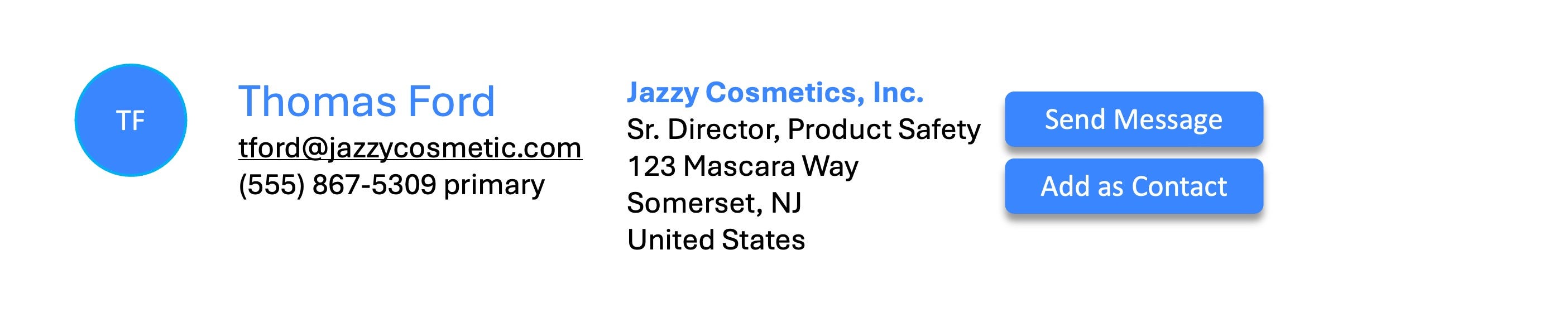
Example of a Profile within a Membership Directory
A society may also offer a digital “Open to Mentoring” badge on member profiles, indicating that a member is open to mentorship requests.
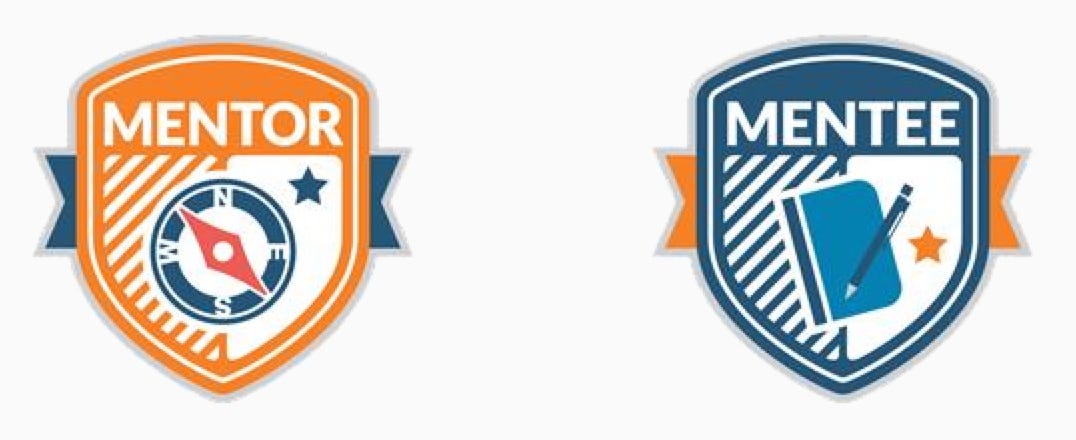
Digital Profile Badges offered by the Society of Toxicology
(More on the Mentor Match program here.)
Reaching out through a scientific society membership portal adds credibility to your cold call messages. Because you have to prove scientific affiliation to join a society, your recipient knows that the internal message is coming from some who is actively engaged in the field.
Professional Etiquette: While society directories are designed for direct networking, reaching out through internal messaging systems or LinkedIn is always a better first step than emailing or calling someone directly.
If you decide to go the DM route, below is a sample message that you can adapt for your own use.
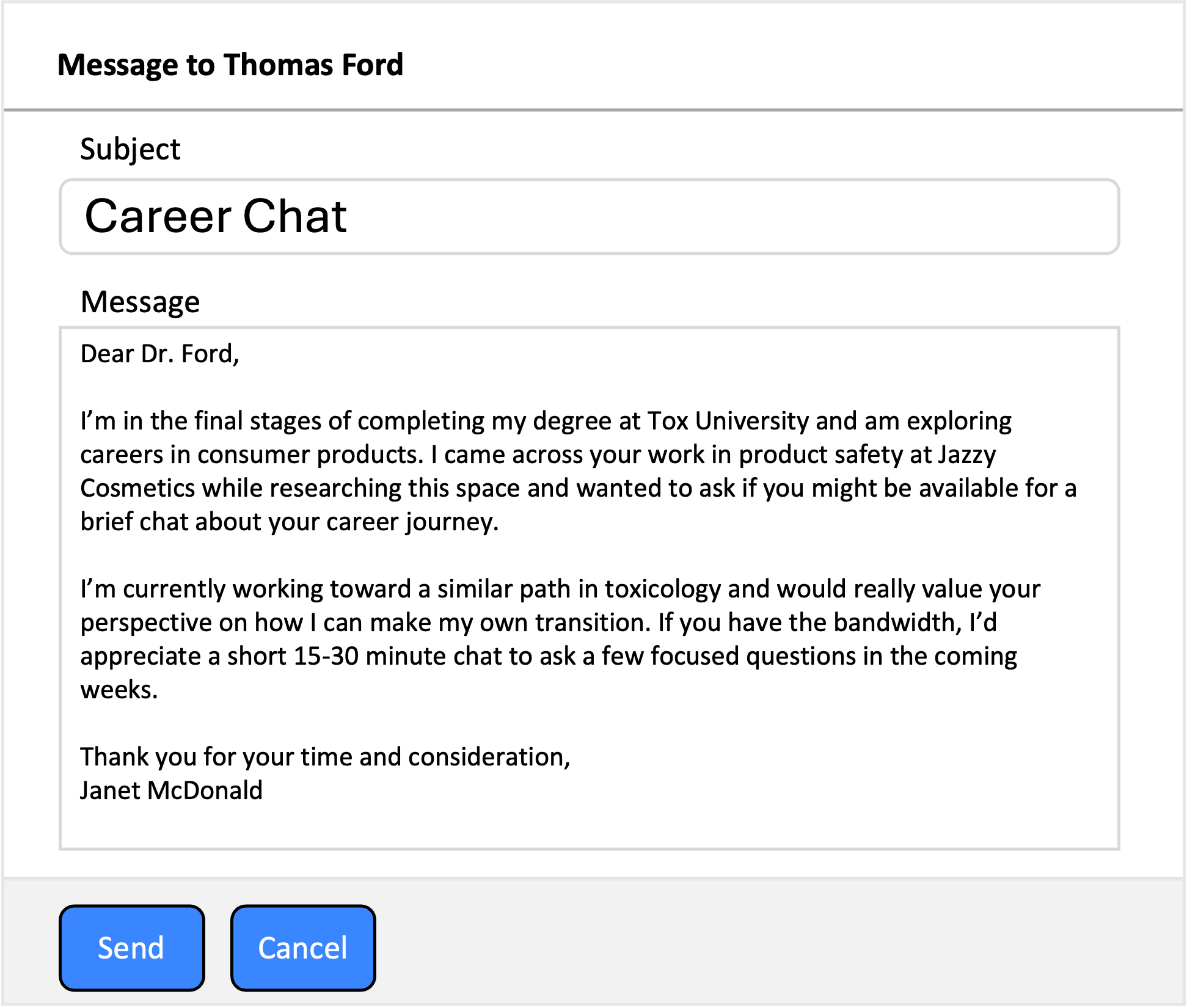
Some societies have an internal membership messaging systems like this.
Scientific societies also provide opportunities to build deeper relationships through mentorship, volunteering, committee work, and leadership roles.
Societies are generally member-led, which means that the programming is devised, implemented, and attended by members. Whatever your interest, there’s likely a committee or group of members already working in that area.
Not sure where you can make an impact? Try the Volunteer Opportunity Decision Tree below.
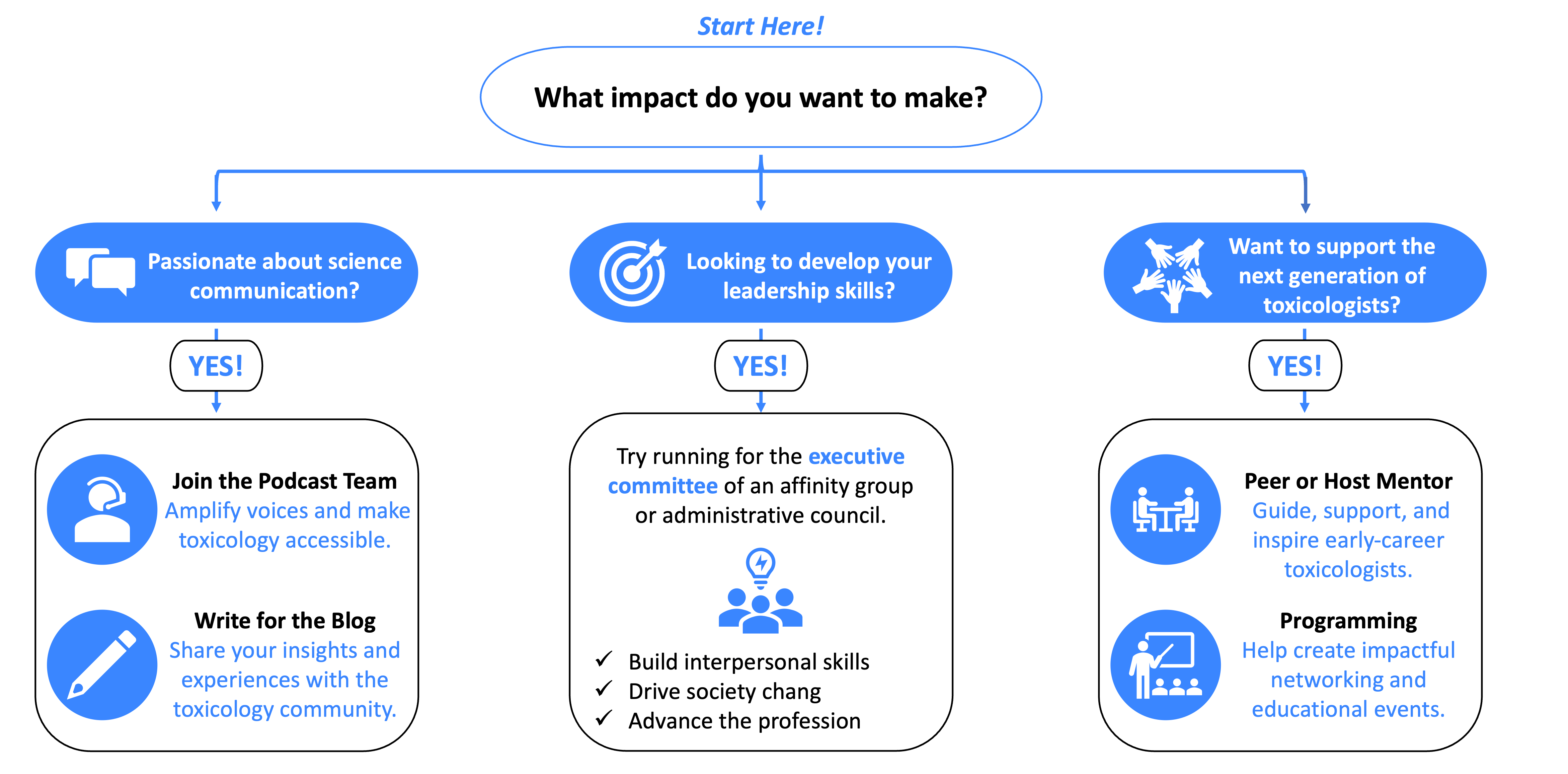
Volunteer Opportunity Decision Tree
After holding over 17 leadership positions in multiple scientific societies, I’ve found that volunteering frequently brings you in contact with deeply knowledgeable people who are also passionate about giving back to the community. Volunteering is an excellent way to build a network that feels especially meaningful.
Once you’ve joined a society, check the website to explore open volunteer opportunities or reach out to a current committee member for more information on how to get involved.
A professional network isn’t built in a single conference or a single conversation. It’s built through repeated participation in communities where people learn, volunteer, and grow together. Joining a scientific society is often the first step.
Try This 👉 Start Participating. Choose ONE of the following activities below.
Option 1: Join*
Join one scientific society, affinity group, or local chapter relevant to your interests.
Option 2: Explore
Use the decision tree above to identify three volunteer opportunities that align with your professional development and networking goals.
Option 3: Connect
Send one message through a society membership portal, LinkedIn, or mutual connection.
Option 4: Attend
Register for one upcoming webinar, local chapter event, or networking session.
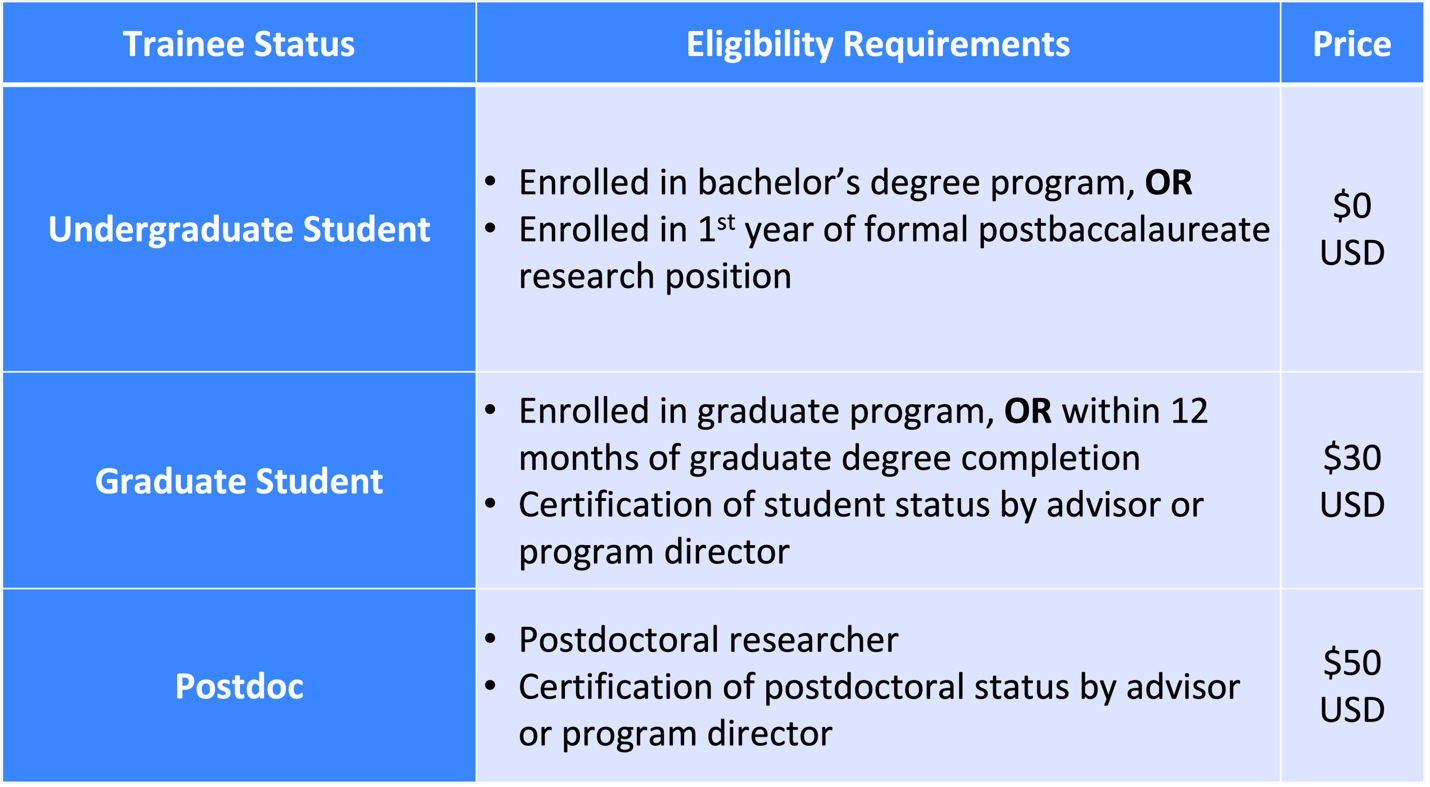
*Special note for trainees—societies often offer deeply discounted membership. Check the membership dues page before joining a society to see if they offer a discount.
As an example, I’ve included a breakdown of trainee membership eligibility requirements and pricing for Society of Toxicology below.
Scientific societies create opportunities to meet people, but meaningful connections come from showing up consistently and getting involved. Start with one community and build from there.
Joining a scientific society won’t transform your career overnight, but it can open doors that are difficult to find on your own. The sooner you start building those relationships, the more valuable they’ll become.
Which option are you taking this week?
Coming Next Week: Before reaching out to anyone, you need to know why you’re networking in the first place. In Week 2, we’ll build a targeted networking strategy based on your career goals, interests, and questions.
Thanks for reading From Bench to Beyond!
Subscribe for free to get weekly curated toxicology roles plus practical career insights to help you navigate the field with intention.
© 2026 Lauren Walker. All rights reserved. No reproduction without permission.
Disclaimer: This content is for informational purposes only and reflects personal opinions, not professional or legal advice
No posts
Comments
Nothing yet. Say the first thing.
Sign in to join the conversation.