
Home · Book · Start here · About · Pricing · Careers · Galleries · Archive . Collecting
The word “representation” covers a surprisingly wide range of relationships. A commercial gallery, art dealer, art advisor, artist representative, artist manager and an art consultant may all play a role in bringing an artist’s work to market. But they do not necessarily represent the artist, work for the same client, or have the same obligations.
For visual artists navigating the contemporary market, few phrases carry as much weight as “representation.” When someone approaches an artist with an offer of representation, the proposition can feel like validation and, potentially, a shortcut to greater career stability. Yet, in an ecosystem crowded with self-proclaimed intermediaries, “representation” means vastly different things depending on who is offering it. The word “represent” should therefore never be accepted at face value. An artist should ask: Represent me to whom? For what purpose? Under what authority? For what compensation? And with what obligations?
An introduction, a sales transaction, and ongoing representation are three different relationships. Artists should never assume that one implies the others.
The global dealer sector generated an estimated $34.8 billion in sales in 2025, representing approximately 58% of the global art market.
For most artists, the commercial gallery is the most familiar form of intermediary. But galleries are only one part of the wider ecosystem through which artworks are bought and sold. Artists may also encounter art advisors, independent art dealers, artist representatives, and artist managers. These businesses and individuals can perform overlapping functions, but they do not necessarily have the same relationship with the artist, the buyer, or the artwork.
Art advisors, for example, may advise collectors and source works from galleries, dealers, artists, and the secondary market. Their primary client may therefore be the buyer rather than the artist. An advisor may also work directly with artists, but this should not automatically be understood as artist representation.
Artist representatives and managers are different again. They are generally engaged directly by the artist to act on the artist’s behalf, whether in negotiating sales, developing opportunities, managing business affairs, or building the artist’s career. Their relationship with the artist is therefore potentially much closer to an agency or management relationship than to that of a gallery.
There are also independent dealers who buy and sell works without formally representing the artists whose work they handle. A dealer may acquire works on the secondary market, purchase works directly from artists, take works on consignment, or arrange individual transactions without assuming any ongoing responsibility for the artist’s career.
The terminology can therefore be misleading. A person may call themselves a dealer, advisor, representative, manager, or consultant, while the practical relationship may be quite different. Selling an artist’s work does not necessarily mean representing the artist. Taking an artist’s work on consignment does not necessarily mean representing the artist either.
For artists, the important question is not simply what the intermediary calls themselves. It is:
Who is the intermediary actually working for, what are they obligated to do, how are they compensated, and what relationship do they have with the artist?
Understanding these different business models is essential before agreeing to a commission, consigning work, or signing a representation agreement
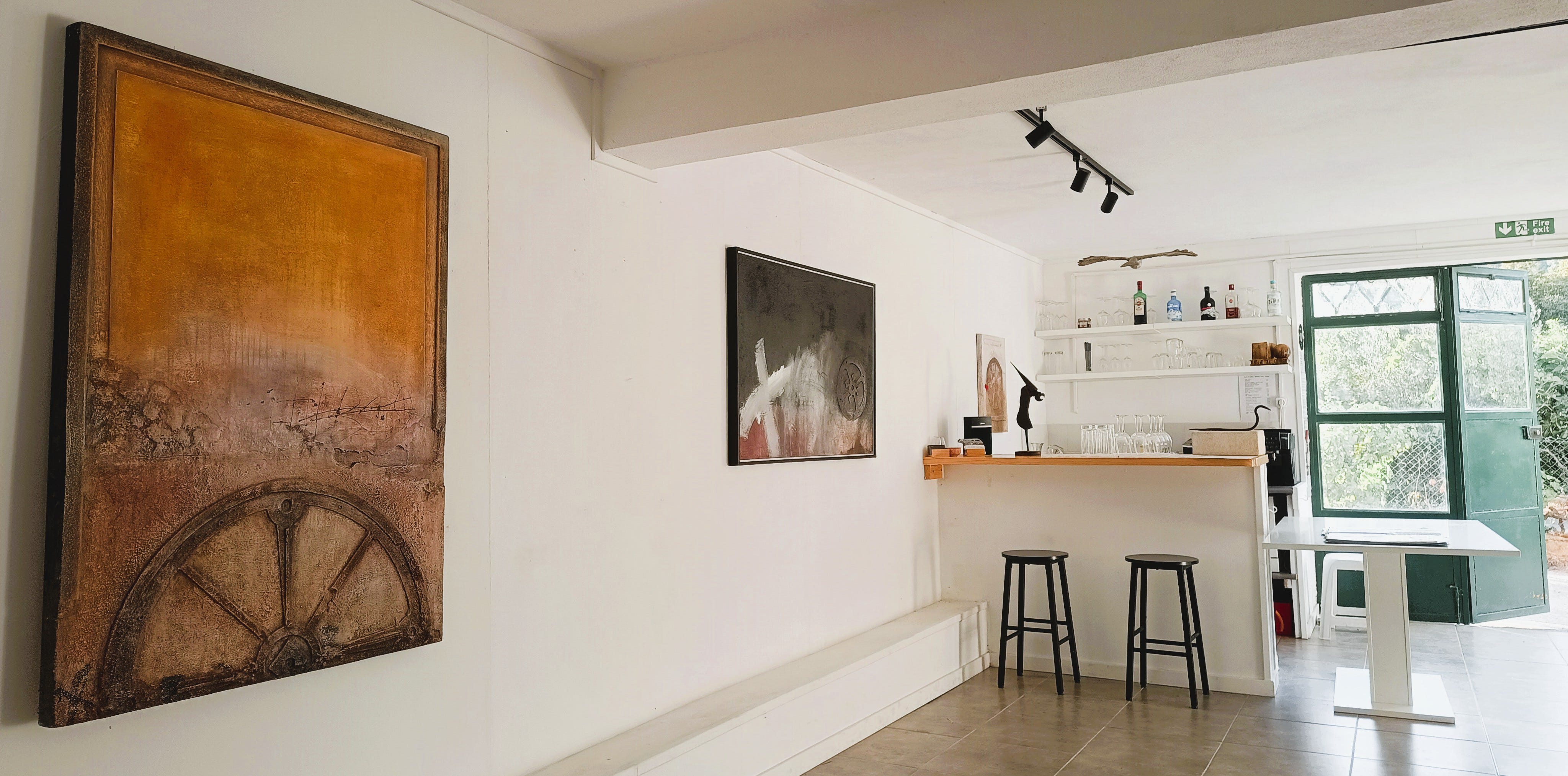
A commercial gallery is a business that facilitates the sale and promotion of art. The nature and depth of its relationship with artists can vary considerably from formal representation and career development to simply selling or consigning individual works. It may:
represent artists on an exclusive or non-exclusive basis
organize exhibitions
hold or consign inventory
promote artists to collectors
develop primary-market sales
cultivate relationships with museums and institutions
publish catalogues and other material
participate in art fairs
provide a physical or online exhibition platform
The important point is that a gallery can be involved in building an artist’s market and career, not merely facilitating an individual transaction.
An artist should not assume that they are represented by a gallery simply because the gallery takes their work on consignment. Consignment establishes an arrangement concerning the sale or custody of particular works; it does not, by itself, mean that the gallery represents the artist.
Lots of people call themselves art advisors but the title is used for a variety of different roles. Anyone with a phone and a contact list can call themselves an art advisor. When approached by someone calling themselves an art advisor artists need to carefully research both the person and what they are actually offering.
The main question artists need to ask is “who is the client?” With some advisors the collector is the client and with others, the artist is the client. In some relationships there can be conflicts of interest where for example an art gallery is adopting both an advisory role whilst representing the artist.
To evaluate an offer, artists need to separate out the various roles based on their primary duties and who the client is.
An independent art advisor does not represent artists. Independent advisors work on behalf of collectors rather than artists. They typically provide acquisition advice, market research, due diligence, and collection strategy. In this relationship it is usually the collector who pays the advisor. When an artist’s work is selected for a client, the artist generally pays no commission on sales.
The Association of Professional Art Advisors (APAA) maintains an ethical code of conduct for its members. Under that professional model, advisors do not maintain inventory or take consignments and are compensated by their clients through arrangements such as retainers or acquisition fees, rather than by receiving compensation from the sellers whose works they recommend. Their compensation structure and any potential conflicts of interest should be clearly disclosed.
Non-independent art advisors operate in a variety of business models and may have commercial relationships with artists, galleries, dealers, collectors, or other market participants. Unlike an independent collector-side advisor, they may receive commissions or other compensation from sellers, represent artists directly, maintain inventory, take consignments, or have ownership or commercial interests in works they recommend.
The term “advisor” therefore does not, by itself, tell an artist who the advisor is working for or how they are being compensated. An artist approached by an advisor should establish whether the advisor is acting for the artist, the collector, the seller, or some combination of these interests.
This distinction is particularly important where the advisor is recommending an artist’s work to a collector while also receiving compensation from the artist or gallery. Such arrangements are not necessarily inappropriate, but the parties should understand the commercial relationship and any potential conflicts of interest before entering into a transaction.
Artists should ask: Who is your client? Who pays you? Do you receive compensation from the seller? Do you represent any of the artists whose work you recommend? Do you maintain inventory or consignments? And are you recommending my work as part of an ongoing representation relationship or simply for a particular transaction?
Artist representatives and managers are individuals engaged directly by the artist to act on the artist’s behalf in commercial, professional, or career-related matters. Depending on the agreement, they may negotiate sales, seek exhibition and other opportunities, develop relationships with collectors and institutions, manage business operations, or assist with contracts and negotiations.
They are commonly compensated through commissions or other agreed fees. Commission rates vary according to the scope of the relationship and the services provided, and may in some cases fall within the 10%–20% range.
Representation may be exclusive or non-exclusive, and exclusivity is often limited by territory, client type, sales channel, particular activities, or duration. Where exclusivity is requested, artists should examine precisely what rights they are granting, what activities are covered, and what corresponding obligations the representative is undertaking.
Unlike a gallery, a representative or manager does not necessarily operate an exhibition space or maintain an inventory of artworks. They may nevertheless organise or facilitate exhibitions by collaborating with galleries, museums, institutions, art fairs, or other entities.
The key distinction is that the representative is engaged to act on behalf of the artist, whereas a gallery may sell an artist’s work without representing the artist.
Art consultants and brokers typically focus on sourcing and facilitating art transactions rather than representing an artist’s career. Consultants may work with corporate, hospitality, residential, or private clients to source and select artwork, while brokers are generally more transaction-focused, facilitating introductions and sales between buyers and sellers.
Their relationship with the artist can vary considerably. Some may simply approach an artist or gallery when they have a relevant client requirement; others may develop ongoing relationships with artists or receive commissions from sales. Artists should therefore establish whether the consultant or broker is acting on their behalf, on behalf of the buyer, or simply facilitating a particular transaction, and how they are compensated.
This distinction is important because an intermediary who sources an artist’s work for a particular project is not necessarily representing that artist.
1. How Art Representation Commissions Work
Commission percentages are not directly comparable across business models. Comparing commission percentages without evaluating the underlying service can create a false economy. Consider a $10,000 artwork sale.
If a gallery operates on a 50% commission, the gallery receives $5,000 and the artist retains $5,000. If an independent advisor or representative takes a 15% commission on the same sale, the advisor receives $1,500 and the artist retains $8,500.
At first glance, the lower commission appears to be the better deal. But the percentage alone doesn’t tell you what the advisor is actually being paid to do.
Galleries can create demand: A higher commission may support physical space, exhibitions, publishing, institutional outreach, client development, inventory management, and other activities intended to build an artist’s market over time.
Advisors and representatives provide a different service: A lower commission may reflect a more focused role such as introducing collectors, facilitating transactions, or negotiating individual sales rather than the broader infrastructure of a commercial gallery.
The important question is therefore not simply “What percentage are they taking?” but “What am I receiving in return for that percentage?”
A 15% commission may be excellent value for a representative who consistently opens doors to qualified collectors. Conversely, a 15% commission may be expensive if the intermediary is doing little more than forwarding an introduction. A lower commission does not necessarily mean a better deal and a higher commission does not necessarily mean better representation. The value lies in what the intermediary is actually obligated and equipped to deliver.
And that is where the economics of representation become more complicated.
Comments
Nothing yet. Say the first thing.
Sign in to join the conversation.