
Welcome to Being Animal. This newsletter explores the intricacies of human-animal relationships. Through personal stories, commentary on current events, and thought-provoking debates, I hope to challenge your assumptions and deepen your understanding of how animals are treated in our society. How we treat animals matters— for our own health, for our planet, and for our sense of morality and humanity.
I want to make the world a better place for animals. To do this, we have to change how we think about animals. This week, I’ve been enjoying time at home with my family, which has made me reflect on comfort and nostalgia. Being “home” is an animal feeling.
Just a few days ago, I pulled into the driveway of my parents’ home ahead of the holiday week. When my tires hit their gravel driveway, it felt like something in my body clicked into place. In the backseat, my dog sat up and looked outside, because he, too, knew where we were.
We were home.
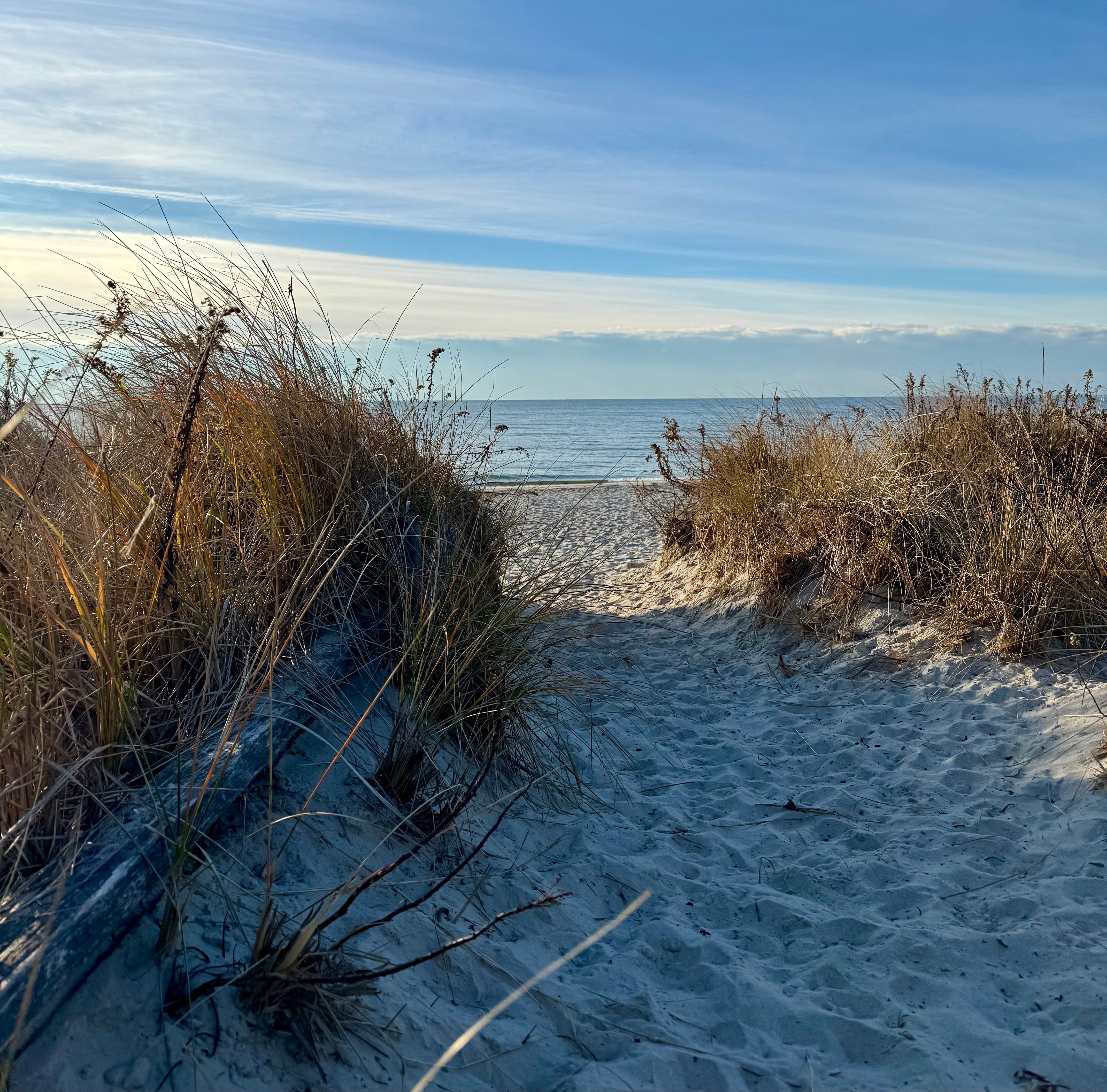
Coming home can be a beautiful, comfortable, wonderful thing. After a few years spent living in other parts of the country, I’m always grateful for the time I can be in New England. I’m captivated by the crisp air, the windy beaches, the crunchy leaves, the bare branches—November in New England has cast a spell over me. And I feel most myself when I am outside in the wintry air of Massachusetts.
And my family is a foundational support system for me. It’s such a gift to get to see my parents, to enjoy time with my sister and her husband, and to indulge in favorite pastimes. Home feels comfortable because we drop our guards, slip into our oldest selves, and spend time with the people who built us.
But coming home can also be hard and, frankly, weird. For many, being home for the holidays reminds us of lost loved ones, or of traditions we can no longer enjoy because of changed family dynamics. Sometimes a recent death casts a pall as families experience the first holiday without someone special, but sometimes the grief that sticks around is more subtle. Estranged family members can seem like phantom limbs. Fights erupt when old habits take over. Some people revert to our oldest, most immature selves. Sometimes we make each other into caricatures informed by who we used to be, rather than accepting the fullness of the person in front of us today.
Home is complicated.
The human instinct to find and enjoy home is an ancient one. In The Odyssey, Homer sings of a warrior spending over a decade trying to get home after a war. The pull of home is powerful enough to drive years of his efforts. But the curtain closes on that story when Odysseus finally reclaims his throne and reunites with his family. We don’t know how he adjusted back to life in Ithaca, or how he managed to cope with all that had undoubtedly changed. The draw to go home is strong; but the reality of home can be harder.
Home forces us to face a complicated question: how do you square the past with the present?
The word “nostalgia” comes from the Greek words for “pain” and “return” or “home.” Nostalgia is a strange feeling. It’s sour and strong, but sweet at the same time. It means we experienced something beautiful enough to want it back; but it also means recognizing that we cannot return to that same time and place. The past slips through our fingers no matter how hard we try to hold on. And holidays are an inflection point where we gather and inevitably compare year to year, gathering to gathering, forced to face the evolution of our family composition and makeup.
That’s why home is so complicated for so many. We can’t go back to how things used to be. But it’s comforting to remember the best parts of the past. There’s pain in this comfort, and solace in this familiarity. We wouldn’t have pain without the experience of deep love; that past love is what creates a present feeling of loss.
But this feeling of nostalgia is also a gift. We can engage with it from a place of curiosity and gratefulness instead of as a reminder of loss or change. Or we can use the fact of change as an impetus for reflection. It’s all a question of perspective.
Tomorrow, I’ll drive away from my old home, back to my current one. When we get there, my dog will finally relax and take a long-earned nap. My cats will welcome us back with lots of snuggles and meows. We will order our favorite takeout and settle in for the week ahead. But I’ll miss my parents. I’ll miss my sister and her new puppy, who brought so much joy to our Thanksgiving. I’ll miss the ocean air and the sideways light that hits northern states this time of year.
We are lucky to have many chances at “home” in this life. We can build homes, move them, recreate them, and expand them. We can find home wherever we are. We can create a safe one for others. We can engage with our memories in so many different ways.
As we move into December, when many of us spend time in all sorts of different homes, I hope you all reflect on what home means to you, and to the animals you spend your time with. Merging the past with the present is a constant project, but it’s part of figuring out how best to live this very human, all-too animal life.
Comments
Nothing yet. Say the first thing.
Sign in to join the conversation.