
Welcome to Being Animal. This newsletter explores the intricacies of human-animal relationships. Through personal stories, commentary on current events, and thought-provoking debates, I hope to challenge your assumptions and deepen your understanding of how animals are treated in our society. How we treat animals matters— for our own health, for our planet, and for our sense of morality and humanity.
I want to make the world a better place for animals. To do this, we have to change how we think about animals. This week, as the sun sets earlier and earlier, I’ve been thinking about the oncoming months of darkness, and how it offers a time to reflect and reset.
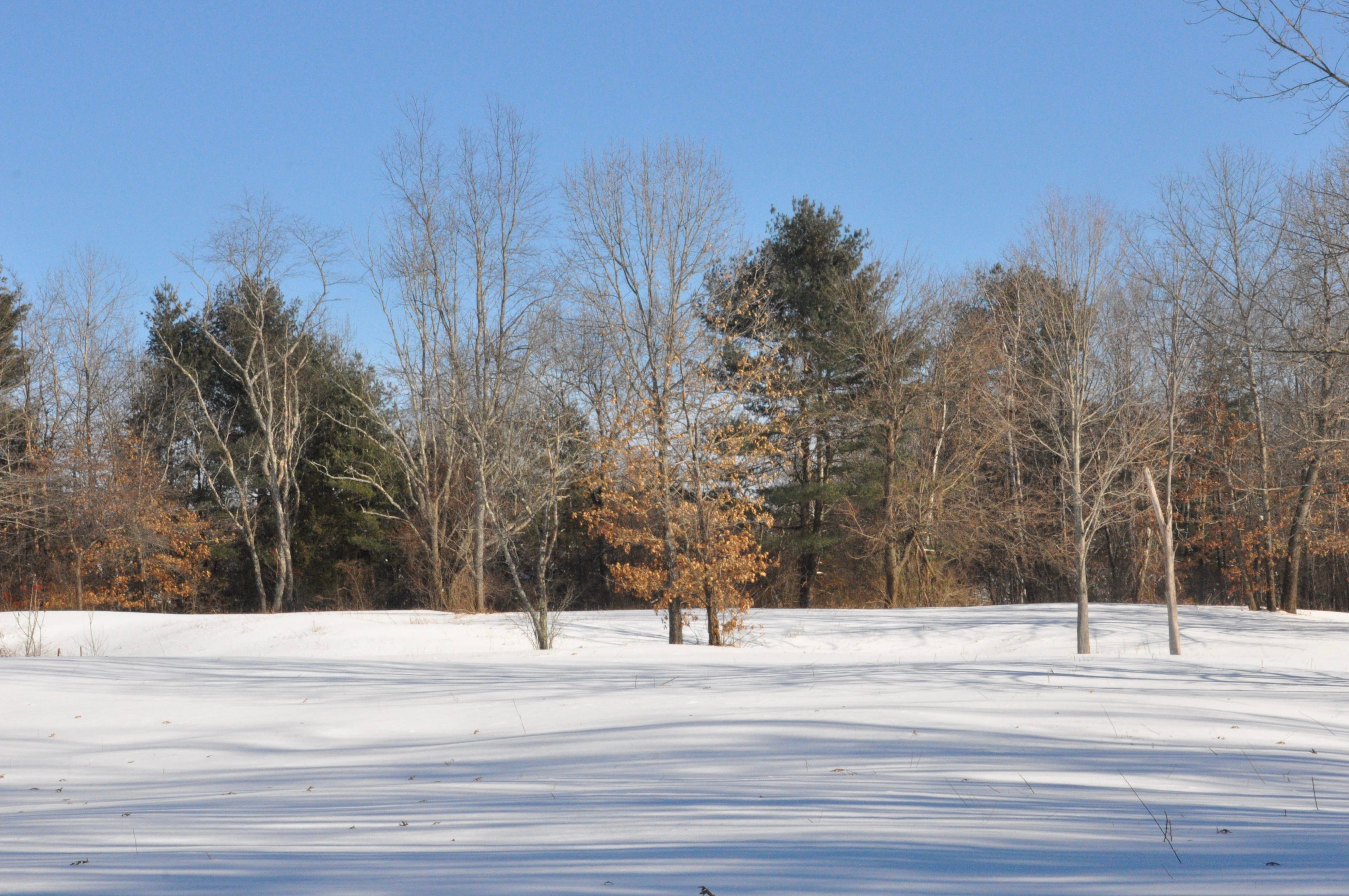
I used to hate winter.
I thought it was just a season of cold and dark. I hated waking up in the pitch black, leaving school and work in the pitch black, and bundling up every time I opened the door. The slushy mess that often swallowed New England for months was monotonous. The cold seeped into my bones. I couldn’t wait for more warmth and light.
But then I decided I wanted to learn how to love winter. After all, it comes once a year, and it sticks around for a long time. Why succumb to automatically hating months out of the year?
Re-writing my relationship with winter took effort.
I started spending more time outside during the day whenever I could. I would go for a quick walk at lunch when I worked in an internal cubicle. I would run outside, even in the cold, just to get the sun on my face and some fresh air in my lungs. I tried to go skiing a few times a season, or indulge in other winter-specific activities like snowshoeing and winter hiking. I decided to wake up a little earlier every day so I could read more novels in the long, pre-dawn quiet. And then I would purposefully stop to notice the beauty in the sunrise as I walked to work and drank my coffee.
Mostly, I realized I had to focus on what makes winter special in order to appreciate it.
Winter is a time of darkness, it’s true. The sun sets so early, casting a blue shadow over the world by mid-afternoon. It can be easy to bemoan the seemingly eternal night.
But we can reframe how we think about this darkness. Winter is when nature resets for the coming year. Some creatures even hibernate, fending off the bitter cold with an adapted deep sleep.
Winter is a season of hibernation for humans, too, I think. No, we don’t sleep for months at a time. But winter does offer a time to pull back and relish the quiet of the darkness. It’s a safe time, when we can retreat into ourselves and into our families to focus on what matters. We can try something new in the safety of our home. We can test new waters, look deep into ourselves, and start to lay the groundwork for the year ahead.
Human hibernation looks different than animal hiberation, of course. But we can lean into our animal selves, here—the ones that take cues from the natural world.
The extra darkness seems to afford us time. This is magic in and of itself. In a world where there is never enough time to do what we want to do, it’s a form of sorcery to have the sun set at 4pm; we often mentally feel like we could call it a day and go to bed at 5 or 6, but there’s hours left we can use.
I think winter is the perfect time to try a new hobby. I started painting during the long winter months years ago, and it is still my favorite time to pull out my easel. Reading extra books, training for my first half, and then full, marathons, learning how to play guitar—these are all things I’ve embarked on during the darkness of winter. Something about the extra time of darkness makes me feel safe and covered, like my mistakes won’t matter so much because no one will see them. The season of hibernation means I can dare to try something new. It means I have time I can use on a passion project, or on an idea.
Human hibernation is also symbolic. We often set resolutions at the New Year, and now is the perfect time to start thinking about those. What went well in 2024? What do we want to change about ourselves, about our lives? What steps do we have to take to get there? As we all pull back into ourselves over the next month, it’s a perfect opportunity to take stock.
My re-framing of winter has worked so well that I now look forward to daylight savings in November. I love feeling the days shorten. I love the feeling of finding light in the darkness. I love the opportunity to reflect and reset. It’s a gift we’ve been given by the axis of our planet and the animal cells that make up our body. We are being told: slow down, take stock, regroup. We are being shown: you’re alive, your body is warm, you have time.
We humans often fight how nature affects our bodies. We have electric lights and television sets and iPhones blasting our brains with artificial light, even as the sun tells us to slow down. We still work the same 9-5 hours, because the clock doesn’t magically change along with the sun. We insist on consistency, and for its sake we sacrifice the flexibility that’s required to align ourselves with the ever-changing planet.
So if you are someone who hates the early sunsets, I encourage you to reframe the next few months as something good, as a lucky opportunity. After Christmas, we’ll start gaining light back with every passing day. November and December offer a beautiful—and fleeting—window to rest and recover and reset. It’s a time to remember how animal we are, how the cyclical clock in our bodies is aching for a different pace. We can choose to heed that reminder.
Comments
Nothing yet. Say the first thing.
Sign in to join the conversation.