
Welcome to Being Animal. This newsletter explores the intricacies of human-animal relationships. Through personal stories, commentary on current events, and thought-provoking debates, I hope to challenge your assumptions and deepen your understanding of how animals are treated in our society. How we treat animals matters— for our own health, for our planet, and for our sense of morality and humanity.
I want to make the world a better place for animals. To do this, we have to change how we think about animals. This week, in honor of Labor Day, I write about the nonhuman workers we rely on in our society.
Happy Labor Day Weekend!
Dating back to the 19th century, Labor Day celebrates American workers and laborers. This holiday was established to recognize the human workers who toil away, and today’s iteration gives us a much-needed day off work to mark the end of Summer. It’s a simple holiday with a solid foundation in the working class of America. This Labor Day, I’m grateful for those who have spent hours and lives working so that our country and world could progress.
But humans aren’t the only creatures who work. Today, I’m also thinking about all the ways we use and have used animal labor in our country, and around the world. The sheer number of examples is striking.
Horses have been working for the American cause as long as humans have. They have worked as transportation vehicles, carrying riders on their backs or pulling carts and carriages and canons. They have worked in fields, and in military pursuits. Horses were a crucial part of America’s westward expansion, carrying explorers and commanders across the continent (the Railroad was even nicknamed the “Iron Horse” when it first spread across the nation). Today, horses still work on police forces and on ranches and farms across the country.
Sled Dogs have been used, especially in Alaska, for similar transportation purposes, carrying humans, provisions, and mail across the tundra in otherwise impassable conditions. In 1925, a relay team of sled dogs famously carried a lifesaving medication to a remote village in northern Alaska, ending a deadly diphtheria epidemic that was killing people and children in the remote outpost. Air travel was not reliable in the cold, the harbor was frozen over, and there were no roads for vehicles to cross. Dogs were the only option. Sled dogs are known for their reliability in tough conditions; where engines may falter or stall, dogs are flexible and eager to run, and they know the land and can sense a changing landscape quickly.
Dogs also have other jobs! Bomb-sniffing dogs are used to detect deadly weapons, and other dog scouts sniff luggage and people for illegal drugs or other scents. Dogs can be trained and employed as service dogs, helping blind humans navigate their worlds or alerting to prevent a human from suffering an allergic reaction or medical complication. Dogs can also be employed to treat PTSD, anxiety, and other conditions.
Rats have been trained to sniff out land mines, too. They are light enough that they won’t trigger the mines if they walk across them, but smart enough to detect the chemical compound in the explosive.
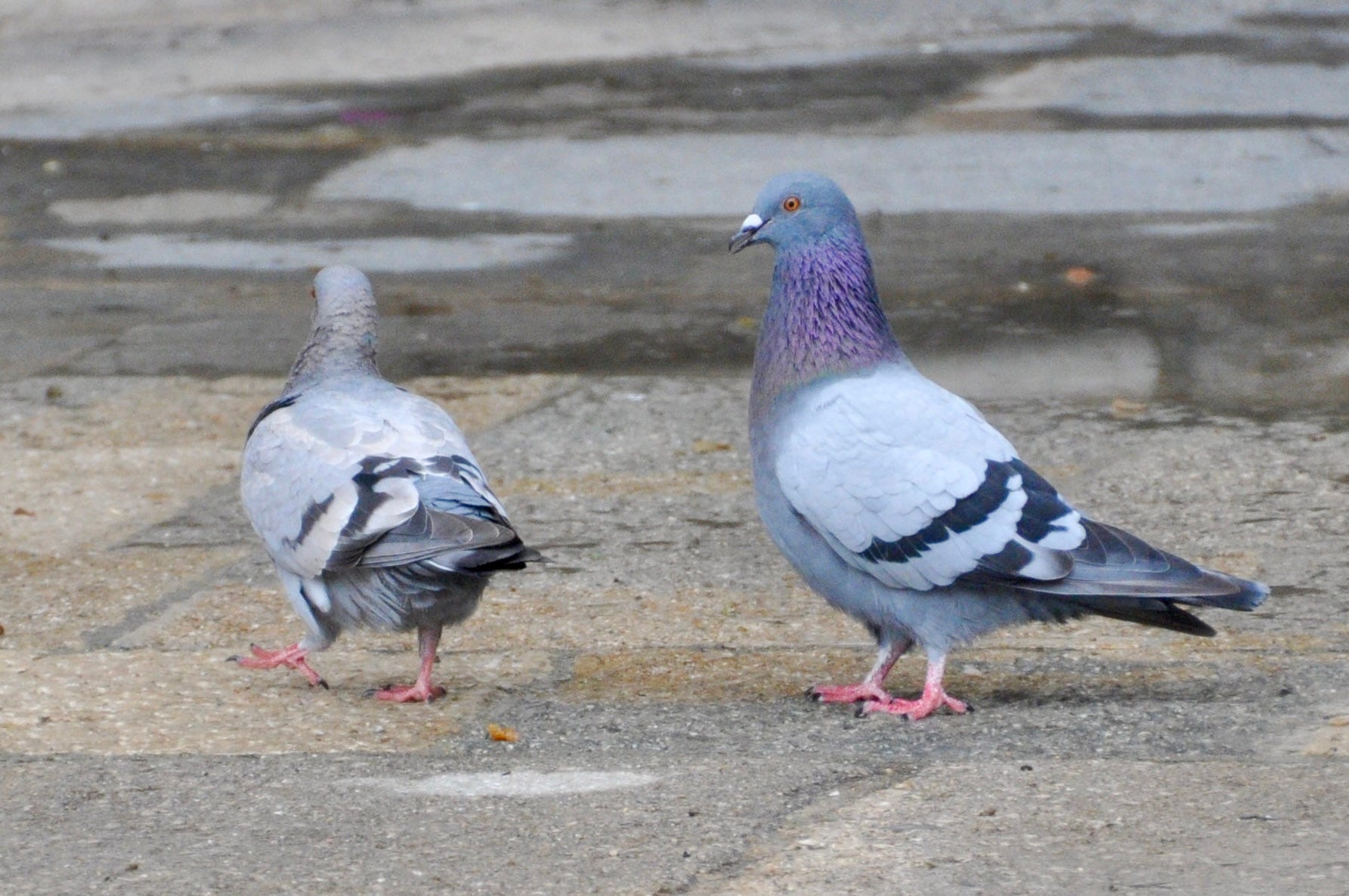
Pigeons have been employed as messengers dating back to to the time of ancient Rome and especially through the two World Wars. Pigeons were trained, including by both the Army and Navy, to deliver messages using their homing skills. Their steadfast determination to deliver their message meant they often faced extreme weather, suffered injuries, and even died of exhaustion.
Dolphins, seals, and belugas have also been trained by military forces in Russia and the United States to recover items and detect mines, among other tasks. Dolphins in particular have sonar detection abilities that make them useful in the military context.
Monkeys in Southeast Asia are trained and used to pick coconuts from tall trees. People have been employing monkeys in this way for over 400 years, since they are so agile and better able to climb the skinny trees. Tethered to leashes for much of their life, they are forced to scamper up and down the tree hundreds of times a day.
Beasts of burden, like ox, cattle, mules, donkeys, and camels have been used for centuries to plough fields, carry provisions, and work land. The British Prime Minister’s residence has a cat, known as the “Chief Mouser,” employed in the house to keep the population of mice down. Canaries were dropped down into coal mines to see if a buildup of toxic gas had occurred before sending human workers down the shaft. Sheepdog herd livestock and hunting dogs fetch carcasses. Goats are deployed to eat invasive plants. Ferrets carry wires through small shafts where humans can’t reach.
The list goes on.
And when you start to consider the animals who are used against their will for additional purposes—in research, for experiments, for entertainment, and more—the field of animal workers grows even larger.
There are also animals who work for themselves: ants, bees, beavers, and others use their time and talents to construct a society internal to their species, complete with their own structures and job descriptions.
In all of these examples (and more!) animals work for us, with us, around us. Animal workers are part of our society, and without them, our country would not be the same place it is today. Labor Day is a day to recognize human workers, it’s true.
But humans aren’t the only animals who work.
Comments
Nothing yet. Say the first thing.
Sign in to join the conversation.