
2-Minute Summary:
Pastel originated in the 15th and 16th centuries in Italy from experiments by Renaissance artists who were seeking more realistic drawing methods.
The medium is made of finely ground pigment mixed with a small amount of binder and a dry filler, all of which determine hardness, color intensity, and handling.
Its surface fragility requires strict museum conservation conditions and limits display time, despite its historical popularity for immediacy and portability.
From the 16th to the 18th centuries, pastel grew in popularity while also being devalued through gendered associations and entrenched academic hierarchies.
By the late 19th and early 20th centuries, pastel had fully entered modern art practice, used by artists such as Degas, Cassatt, Renoir, and Picasso to explore surface, speed, and hybrid identities between drawing and painting.
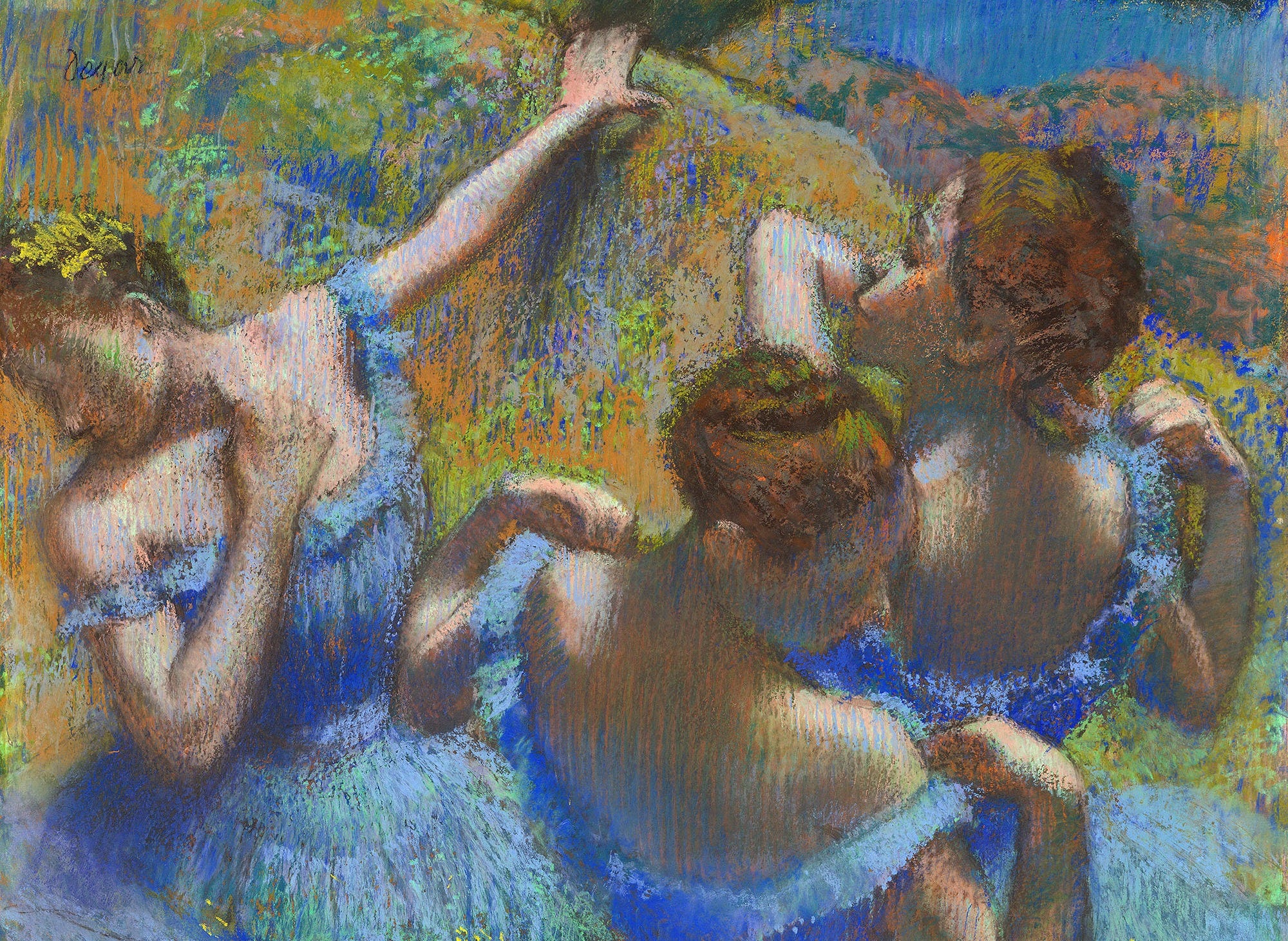
Last week, we looked into the history of oil painting, a medium built through layers of pigment, varnish, and light passing through glazes before returning to our eyes.
The English artist and writer Edward Norgate provides the first English account of pastel in his 1628 treatise Miniatura, where he described the medium simply as “Dry Colors.” And that description is still accurate four centuries later.
Historically, its identity has shifted constantly between the categories of drawing and painting, never fully settling into either. Too complete to remain a preparatory sketch, too exposed to fully resemble oil painting.
It is a medium celebrated for its “bloom,” which, admittedly, was a term that I had also never heard before researching this article. Unlike oil paint, pastel contains very little binder and no final layer of varnish. Because of this, the light that hits a pastel surface reflects back in a more diffused way. The powdery pigment particles and tiny pockets of air resting on the surface scatter the light outward, creating a kind of surface luminosity distinct from oil painting, where light travels through translucent glazes before reflecting back outward.
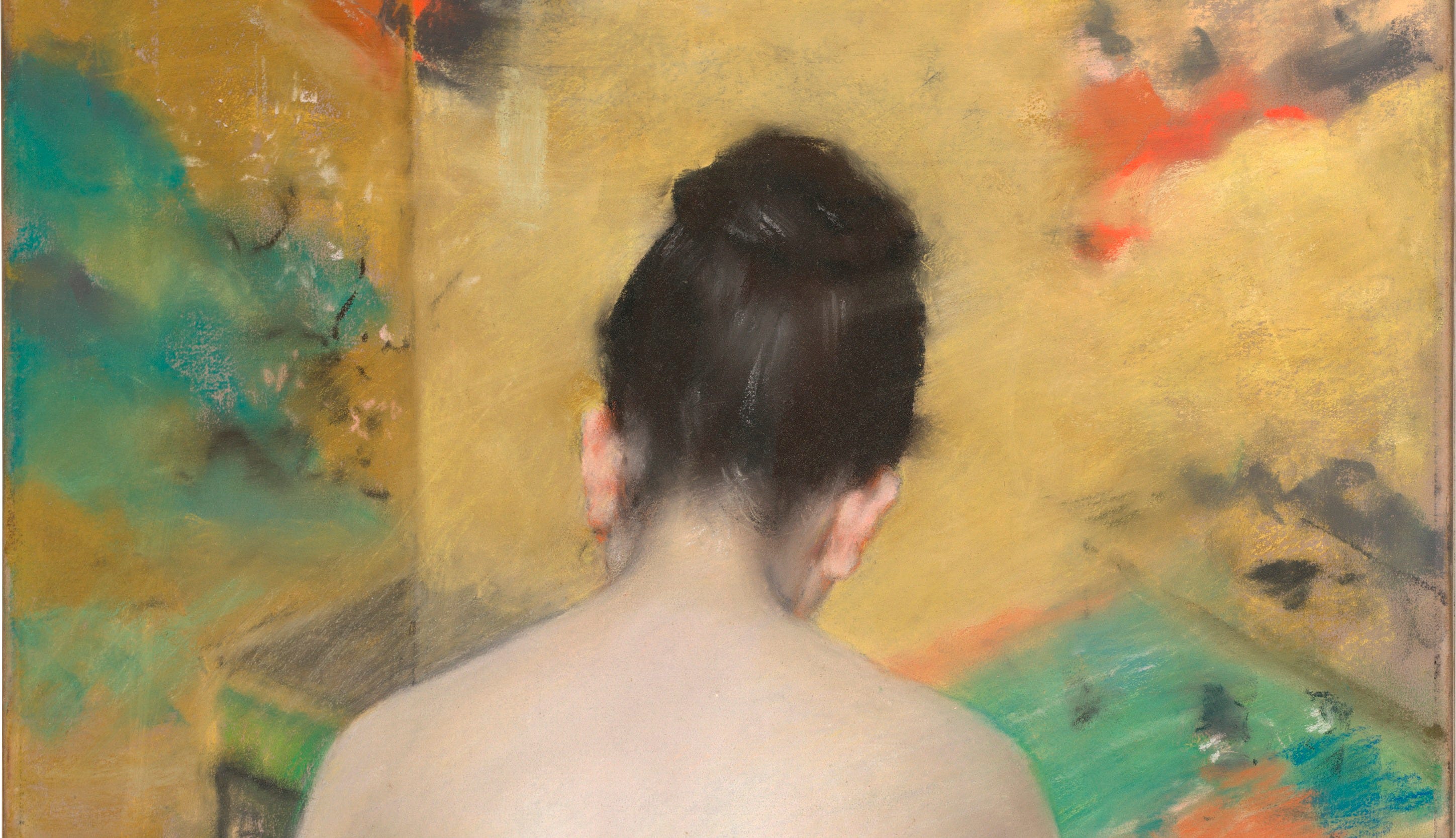
The result is something velvety, matte, and brilliantly saturated in color.
Faces seem to glow from within.
Fabrics soften.
Skin comes alive.
But with that delicacy comes a bit of danger. Pastel particles sit exposed rather than locked beneath protective layers, meaning preservation requires remarkably controlled conditions. Museums generally use UV-protective shatterproof glass, regulate the room’s temperature and humidity, and restrict light exposure severely, often displaying pastel works for only a few months at extremely low illumination levels.
Which all feels a bit ironic. This medium, which is celebrated for its immediacy and accessibility, has survived history behind glass, in darkness, and under the constant supervision of talented restoration experts.
But artists keep returning to it anyway. Partly because of its appearance, yes, but also because pastel provides practical advantages that few other mediums could offer; it requires minimal equipment, is portable, relatively cheap, and practically needs no drying time. This is what makes it efficient both in production and in use.
And all of this work, that of the artists and the museums, deserves our curiosity and attention.
In this piece, we’ll look at its:
Origins
Material and tools
Evolution
Modernization
Reminder: You can support Behind the Masterpiece and get access to members-only content for a few dollars per month, such as:
Access to paid subscriber articles
Unlock the full curriculum: From the ‘Language of a Masterpiece’ to the ‘History of Colors’
Ask me anything about your favorite works or upcoming museum trips
Ability to comment and join community chats
Pastel drawing first developed in Italy during the early 15th and 16th centuries.
Renaissance artists of the time were searching for tools and materials that helped them achieve a greater sense of realism. They began using naturally colored chalks within their drawings, which at the time was limited to black, white, red, yellow, and brown-ocher.
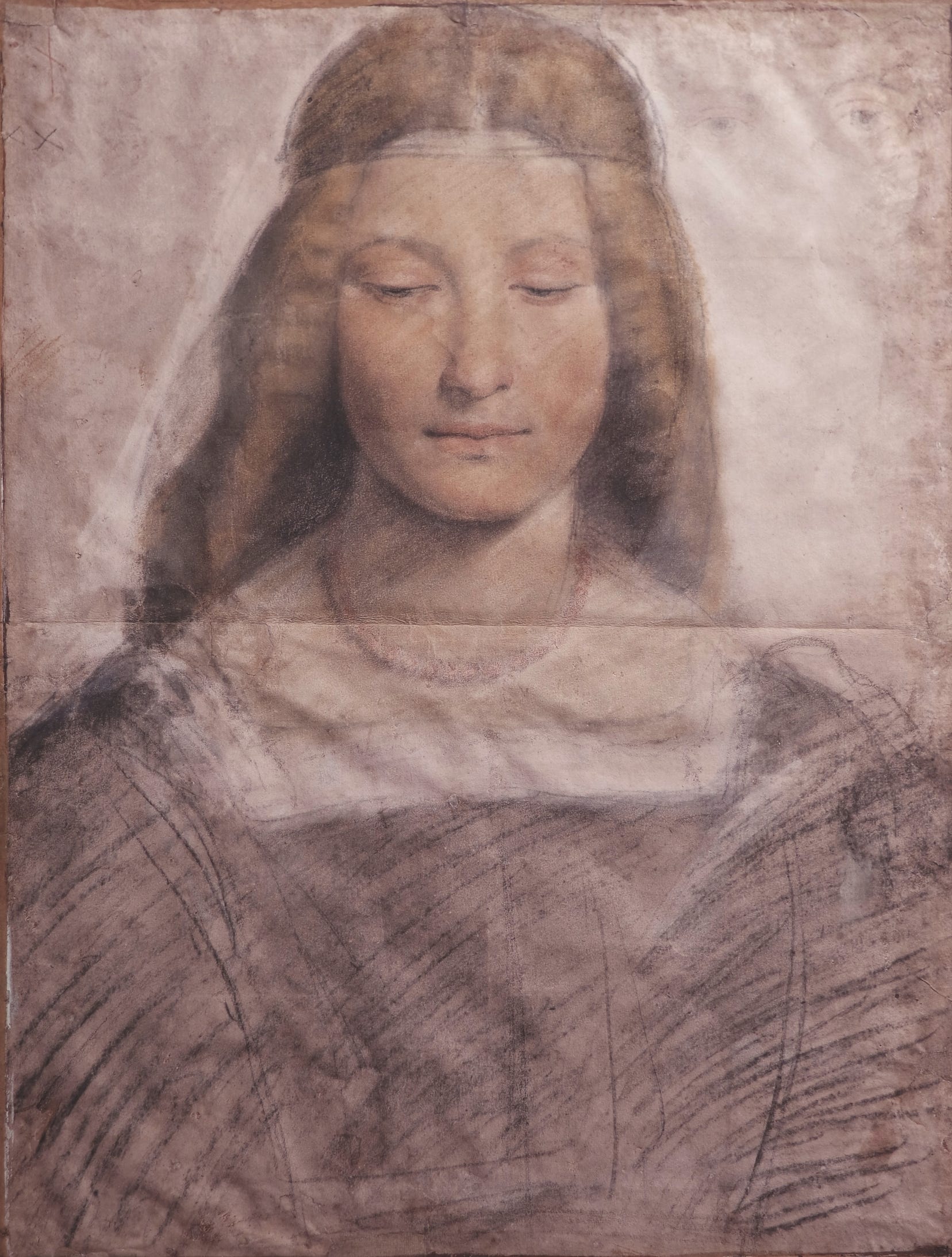
Two artists, Leonardo da Vinci and Federico Barocci played key roles in the medium’s development.
During the 1490s in Milan, Leonardo da Vinci, who was known for his obsession with anatomy, innovative techniques, and portraiture, was researching polychromatic drawing techniques and sfumato atmospheric effects. It was then that he met the French artist Jean Perréal. He later credited Perréal with a “method of coloring in the dry manner,” which led him toward his own experimentation, not yet with pastels but with colored chalk.
Leonardo began developing recipes to add color directly into chalk sticks and designed clay moulds used to compress white chalk together with wax and water into wood-cased color sticks. This created colored chalk, which he referred to as pastelli. Very few surviving works by Leonardo use pastel extensively. However, in the Portrait of Isabella d’Este, yellow ochre appears in the finishing touches.
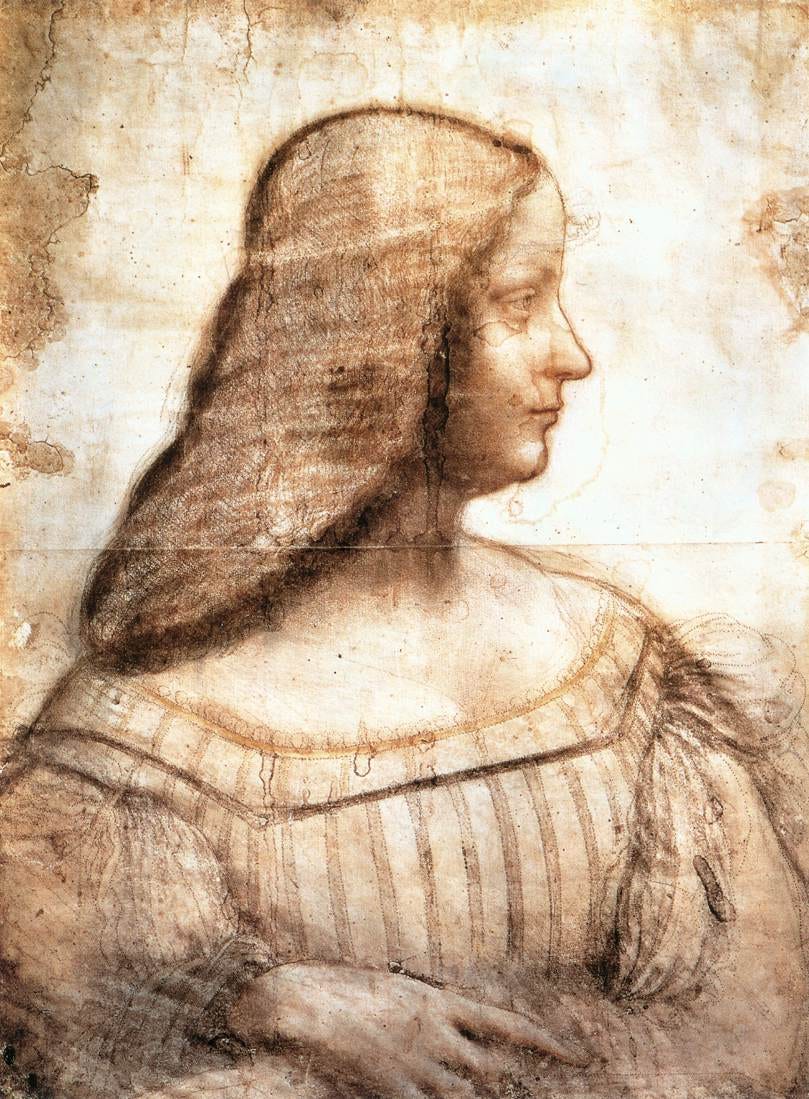
Leonardo’s technical influence continued through his contemporaries and followers across the region of Lombardy. Giovanni Antonio Boltraffio, Andrea Solario, Bernardino Luini, and Bernardino Lanino carried Leonardo’s pastel innovations into Milanese artistic circles.
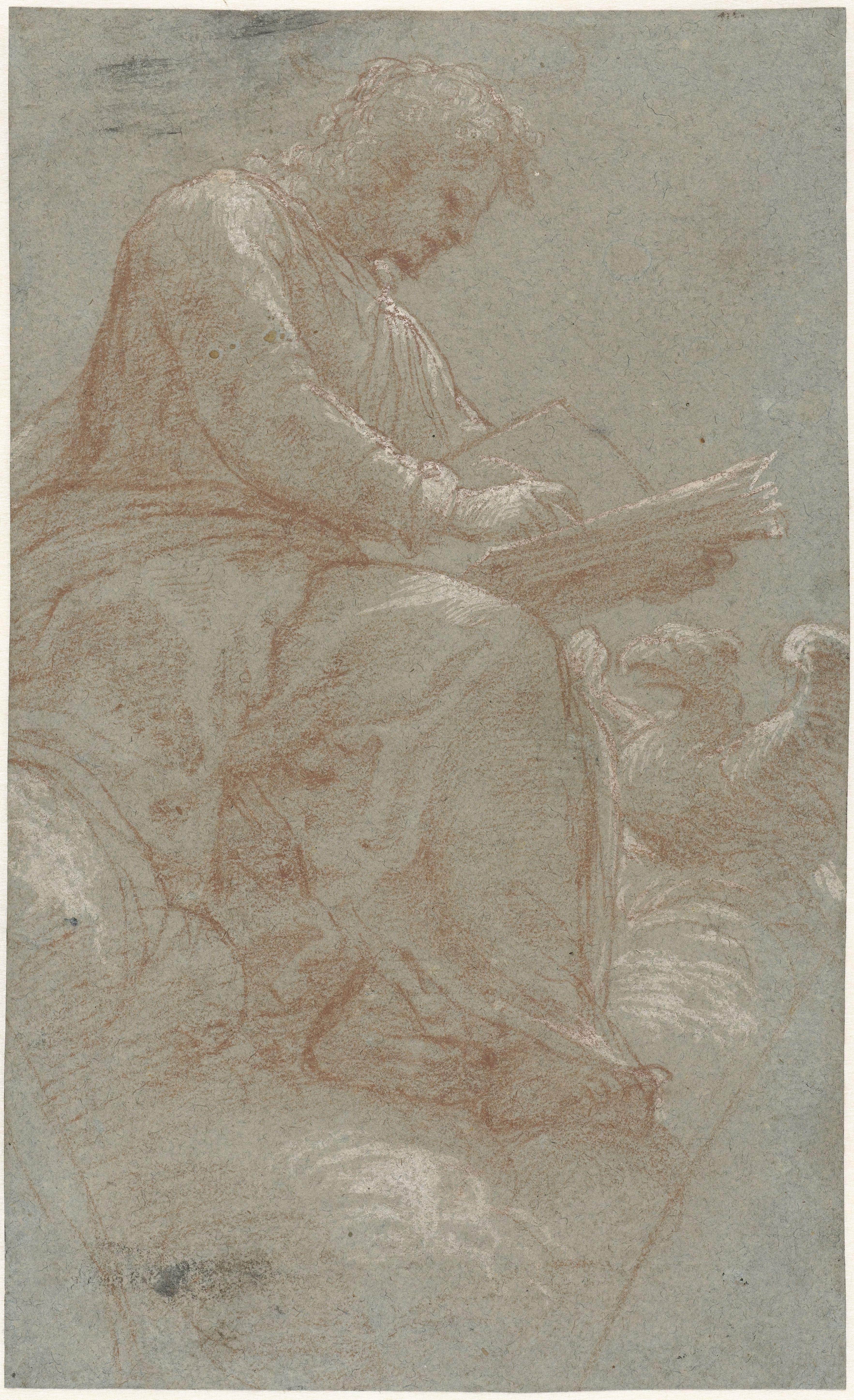
Lanino in particular used fabricated chalks to reproduce Leonardo’s soft pictorial effects and psychological subtlety.
In the 1560s, the artist Federico Barocci of Urbino pioneered the use of a fabricated peach-pink chalk by blending white and red chalks together specifically to represent flesh tones in Caucasian models. Barocci later passed this peach-pink recipe directly to his pupils, creating a clear line of technical transmission within his workshop and artistic circle.
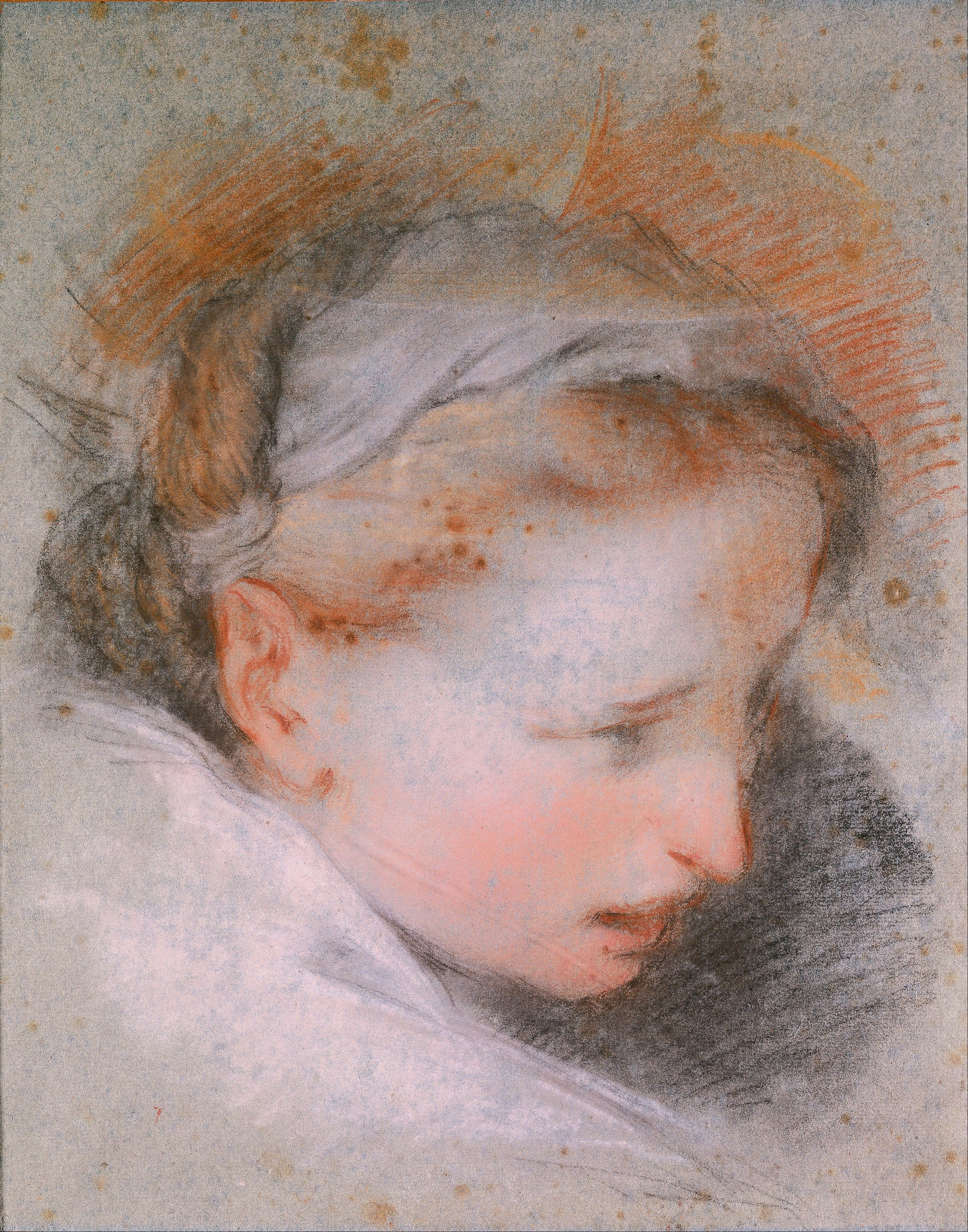
Pastel, also commonly known as crayon, is nearly pure color. It is made from finely ground pigments which are combined with water, a dry filler such as chalk or clay, and held together with a binder, traditionally a gum (sap from plants and trees) like gum arabic or gum tragacanth.
And the amount of filler used matters too. If an artist wanted to achieve lighter tones such as whites, pinks, and pearl greys, the pastel stick could contain up to twenty parts filler to one part pigment. Darker colors such as lampblack, Prussian blue, and indigo required significantly less filler, allowing the pigments to remain far more saturated.
Comments
Nothing yet. Say the first thing.
Sign in to join the conversation.