
Behind the Masterpiece is a free newsletter. If you love it, consider supporting it financially. For $5/month you’ll get my deep-dive art history series, access to reader Q&As, and a direct line to me to ask your art history questions, or museum recommendations. My work is reader-supported, hence the lack of ads or sponsors. Thank you for being here!
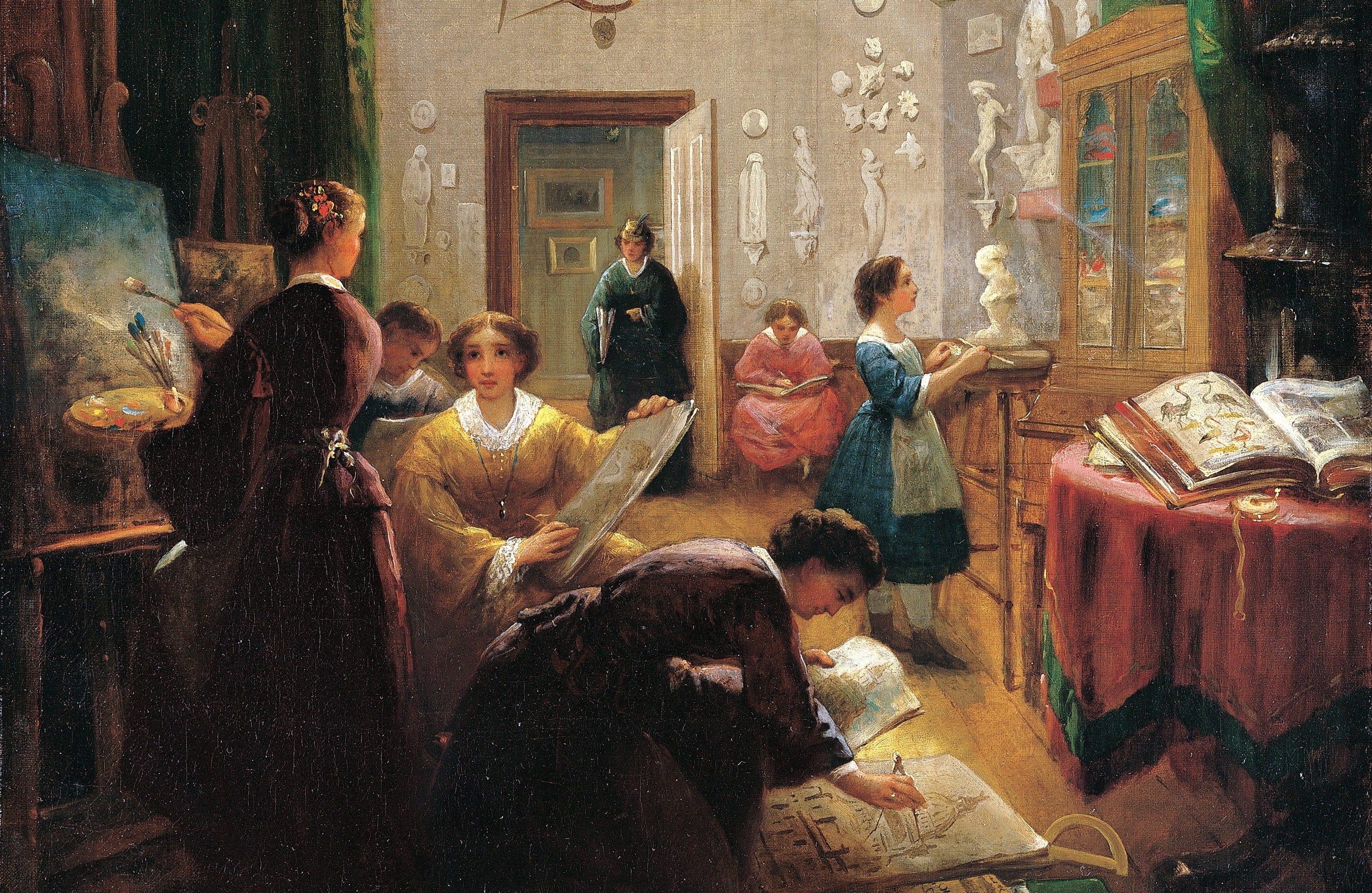
Most people see contemporary art (or the art of today) as separate from the movements that have preceded it for centuries. Yet whether it is explicitly mentioned or not, all art is connected to what has come before it.
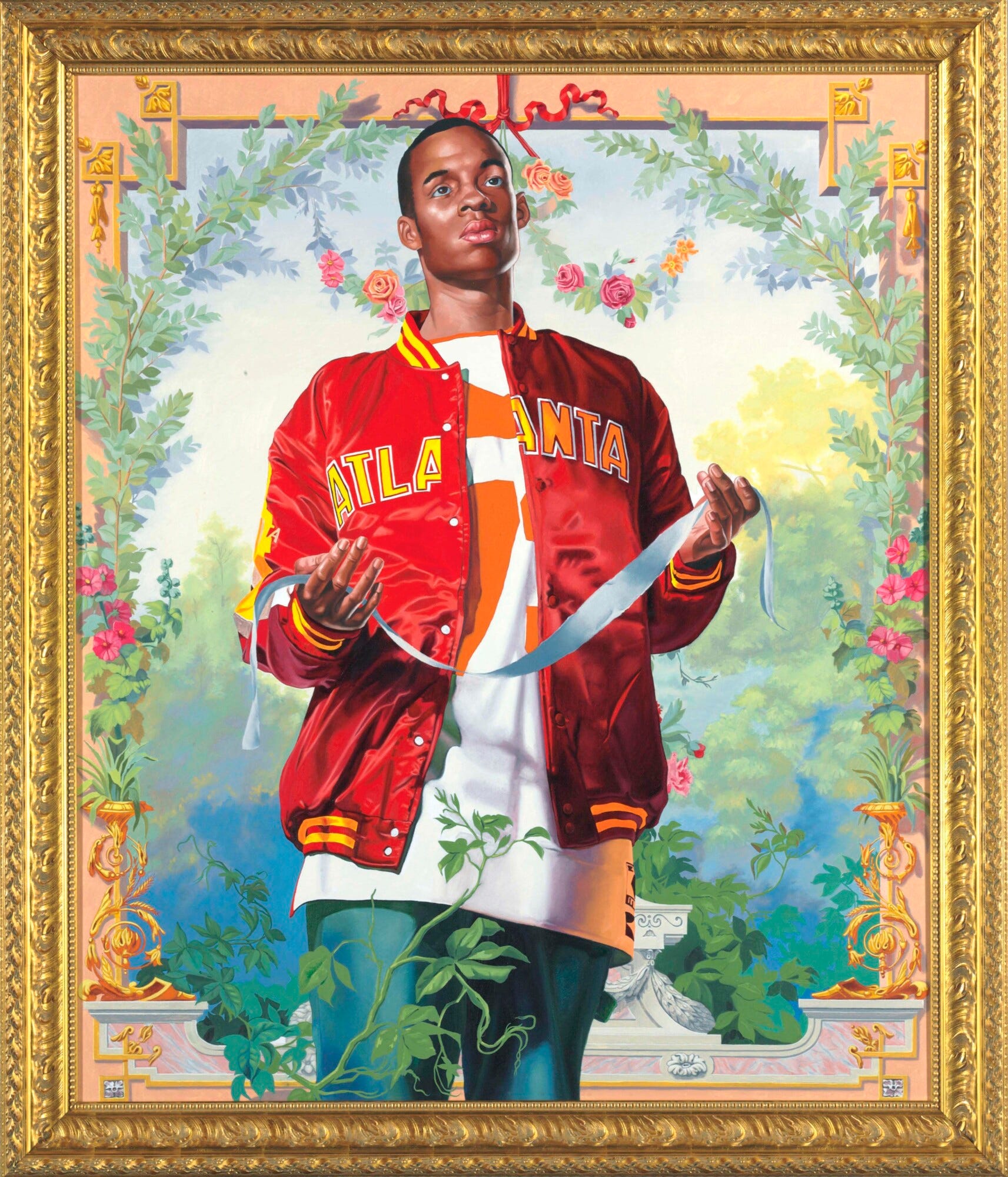
For example, the American artist Kehinde Wiley’s portraits reference the subject matter, lighting choices, and compositions of Old Masters, particularly those of the Renaissance. Yet the subjects are replaced with Black figures as a way to comment on the racial realities of history.
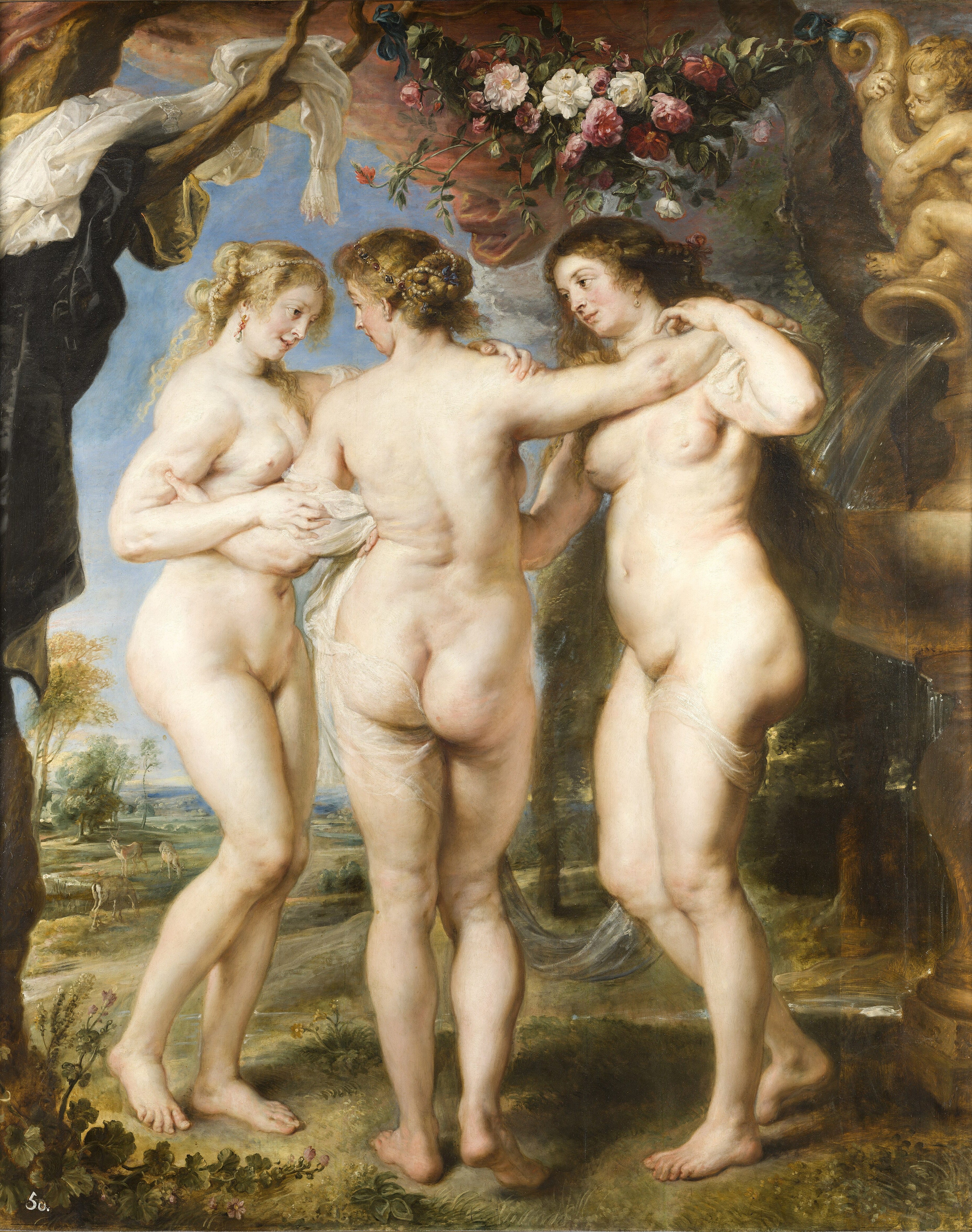
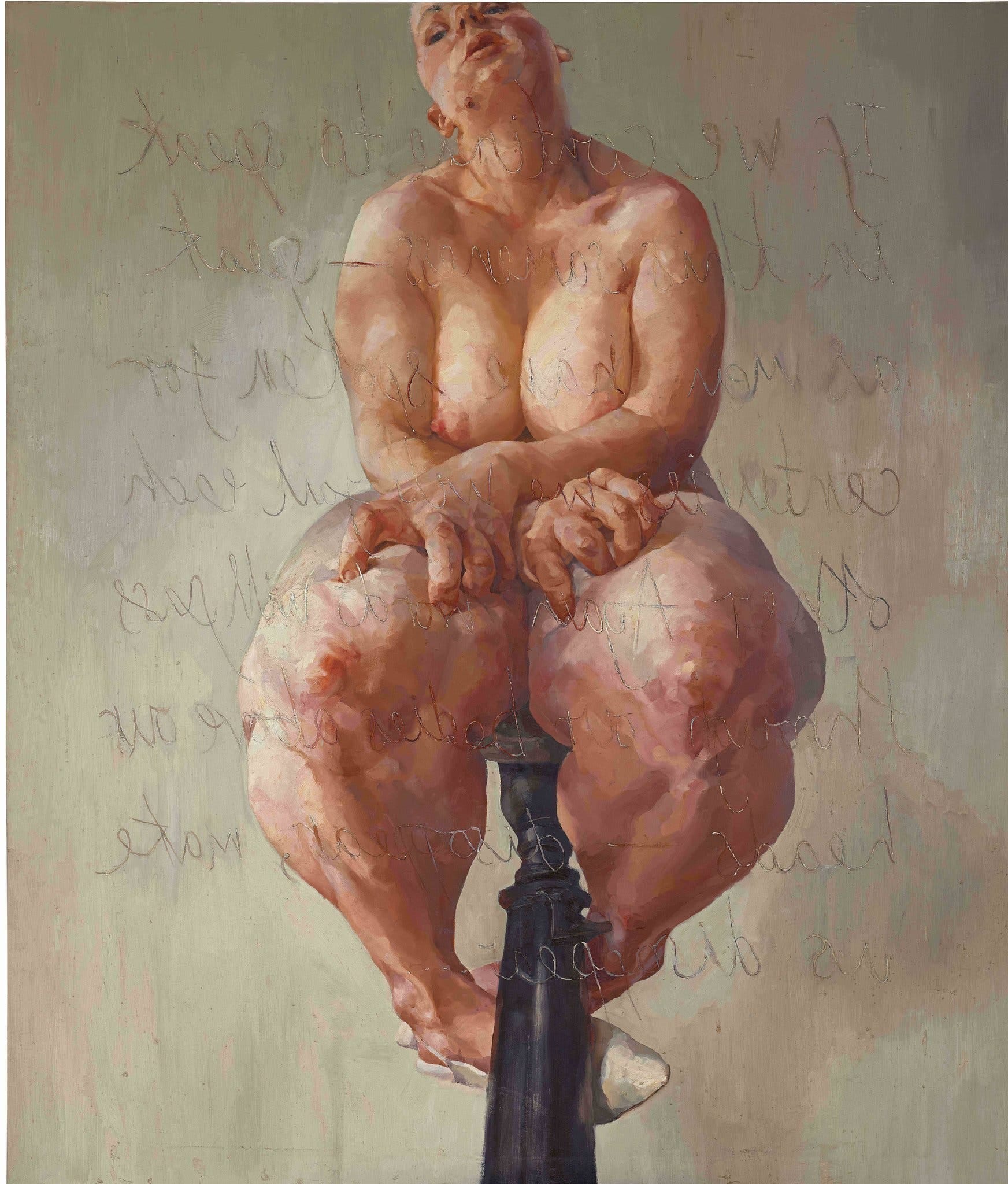
17th century Dutch portrait paintings like those by Peter Paul Rubens find their way into the works of Jenny Saville, in the human and honest depictions of the figures, especially those of women.
The influence of Pop Art can be seen in Jeff Koons’ sculptures, which use the visual language of the West’s consumer culture, advertising, and mass production. These ideas were first explored and questioned in the mid 20th century by artists such as Andy Warhol and Roy Lichtenstein.
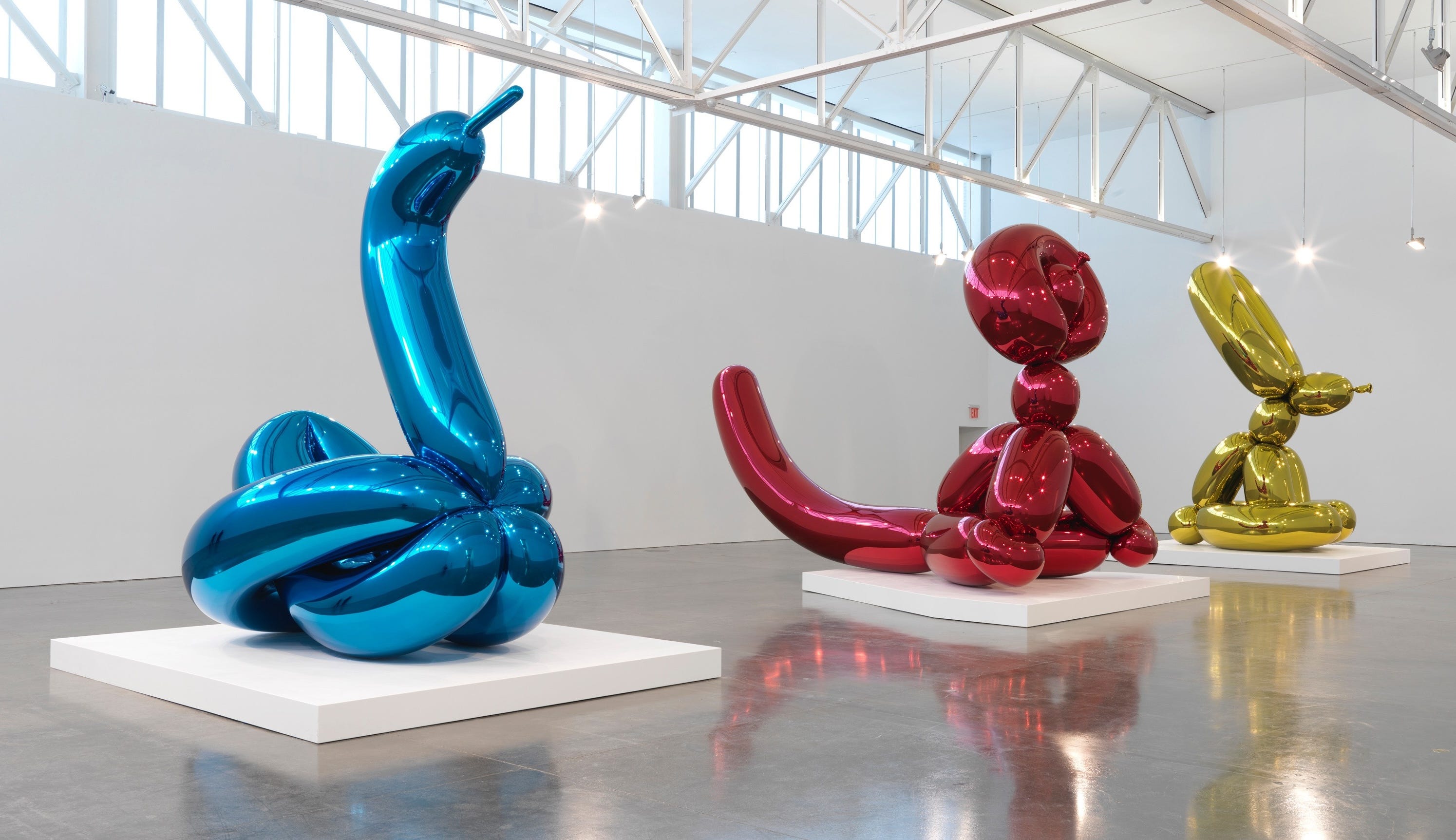
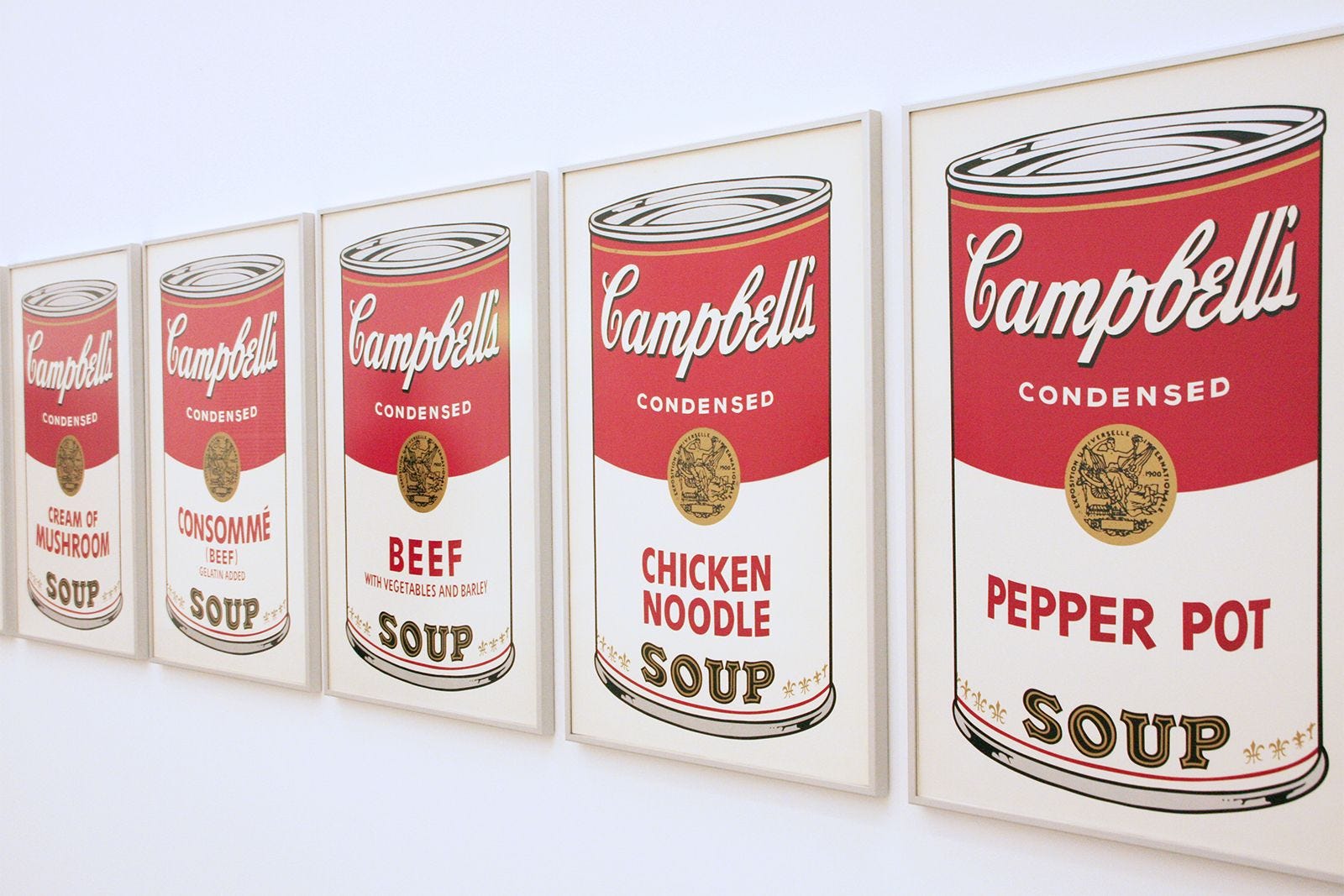
I’ve found in my experience that many people look the other way when it comes to contemporary art, but it may help to view it as a continuation of what Old Masters have accomplished. Artists do not create in isolation, not from their personal experiences nor from the collective history of art. They are always responding to centuries of ideas around composition, color, representation, power, and questions of what art has been, and more importantly, what it can become tomorrow.
Comments
Nothing yet. Say the first thing.
Sign in to join the conversation.