
This article is presented in partnership with leading experiential marketing agency Gradient Experience, which sits at the intersection of experience design and performance marketing.
For decades, success in the spirits industry was measured by one thing: getting bottles onto shelves and into consumers’ hands. While distribution remains critical, today’s brands are competing in a very different landscape. Consumers are drinking less, premium categories continue to expand, and no-and low-alcohol alternatives are reshaping the category. With more choice than ever before, brands can no longer rely on visibility alone.
Today’s consumers expect more from the brands they support. They are drawn to experiences that feel personal, memorable and worth sharing. That shift is changing the role of experiential marketing from a campaign tactic into a strategic driver of brand growth.
Anthony Coppers, Founder and Chief Impact Officer at Gradient Experience, explains:
“The brands winning right now understand that in a world saturated with synthetic content, participation, memory and belonging are the last truly scarce resources.”
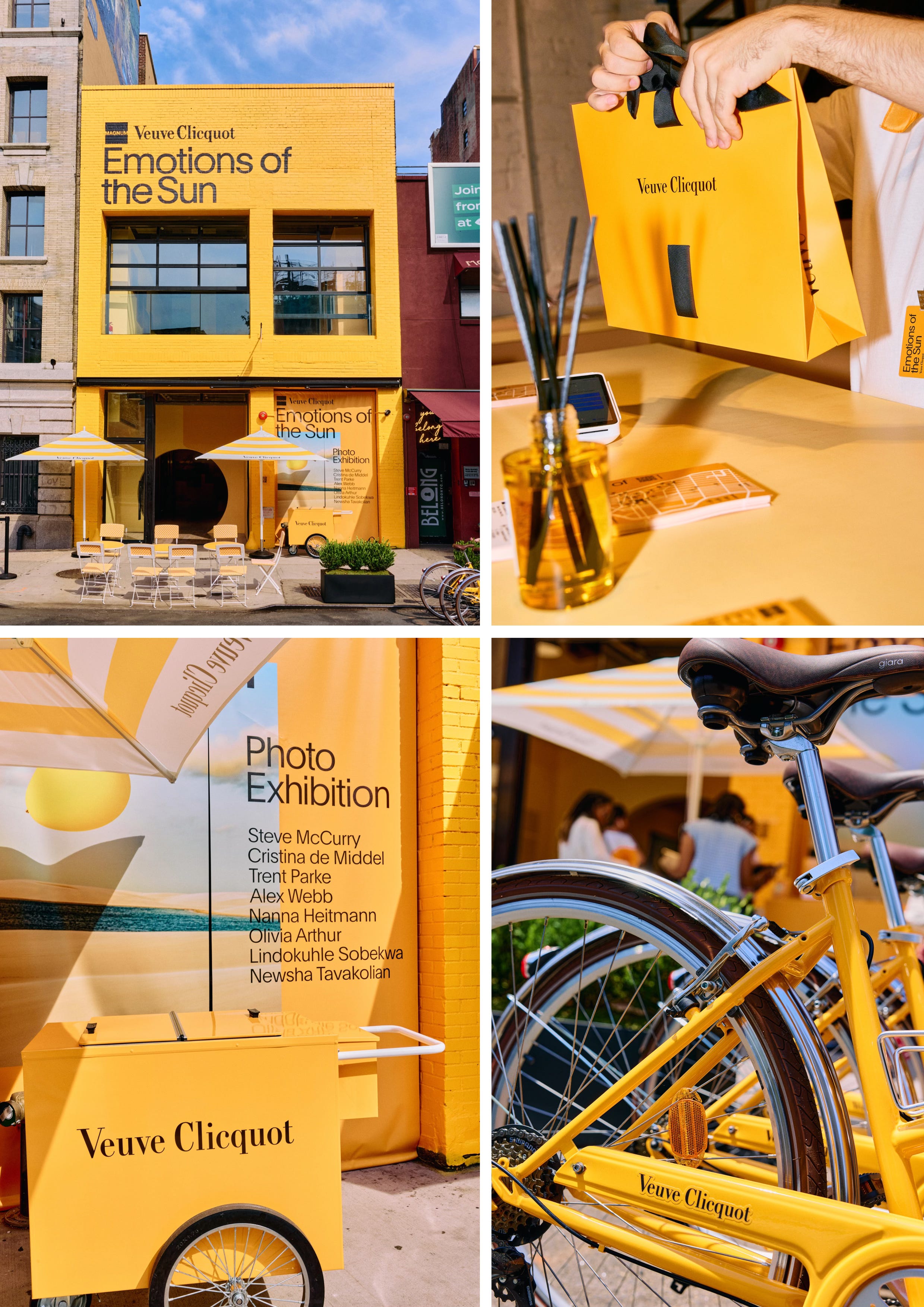
Consumers are no longer choosing solely between bottles on a shelf. They’re choosing the brands that create meaningful moments, participate in culture authentically and give people something worth remembering. Mental availability has become just as important as physical availability.
While experiential marketing has become an increasingly important part of the marketing mix, proving its value remains one of the industry’s biggest challenges.
Too often, experiences are measured by attendance and impressions rather than business outcomes. Without a consistent framework, it becomes difficult to demonstrate how experiential contributes to brand growth or justify investment alongside other marketing channels.
That’s exactly what Gradient Experience’s 2026 Spirits I.M.P.A.C.T. Report explores. Drawing on research with senior decision-makers from leading spirits brands, the report examines how marketers are integrating experiential into broader campaigns, measuring its impact and building the business case for long-term investment.
One of its clearest findings reveals a significant disconnect between intention and execution. While 81% of marketers believe experiential should be integrated at the beginning of campaign planning, only 25% say that actually happens today.
When experiential enters the conversation too late, opportunities are missed. Bringing it into the planning process from the beginning creates stronger campaigns, more meaningful measurement and greater opportunities for experience to influence everything from creator partnerships and earned media to retail and customer engagement.
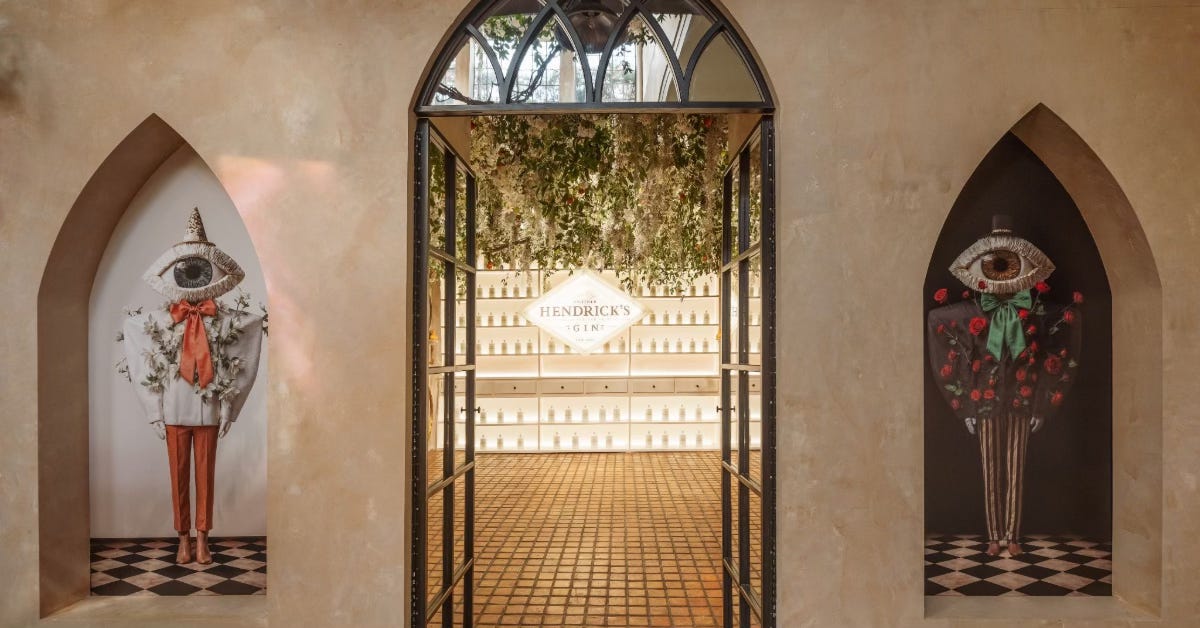
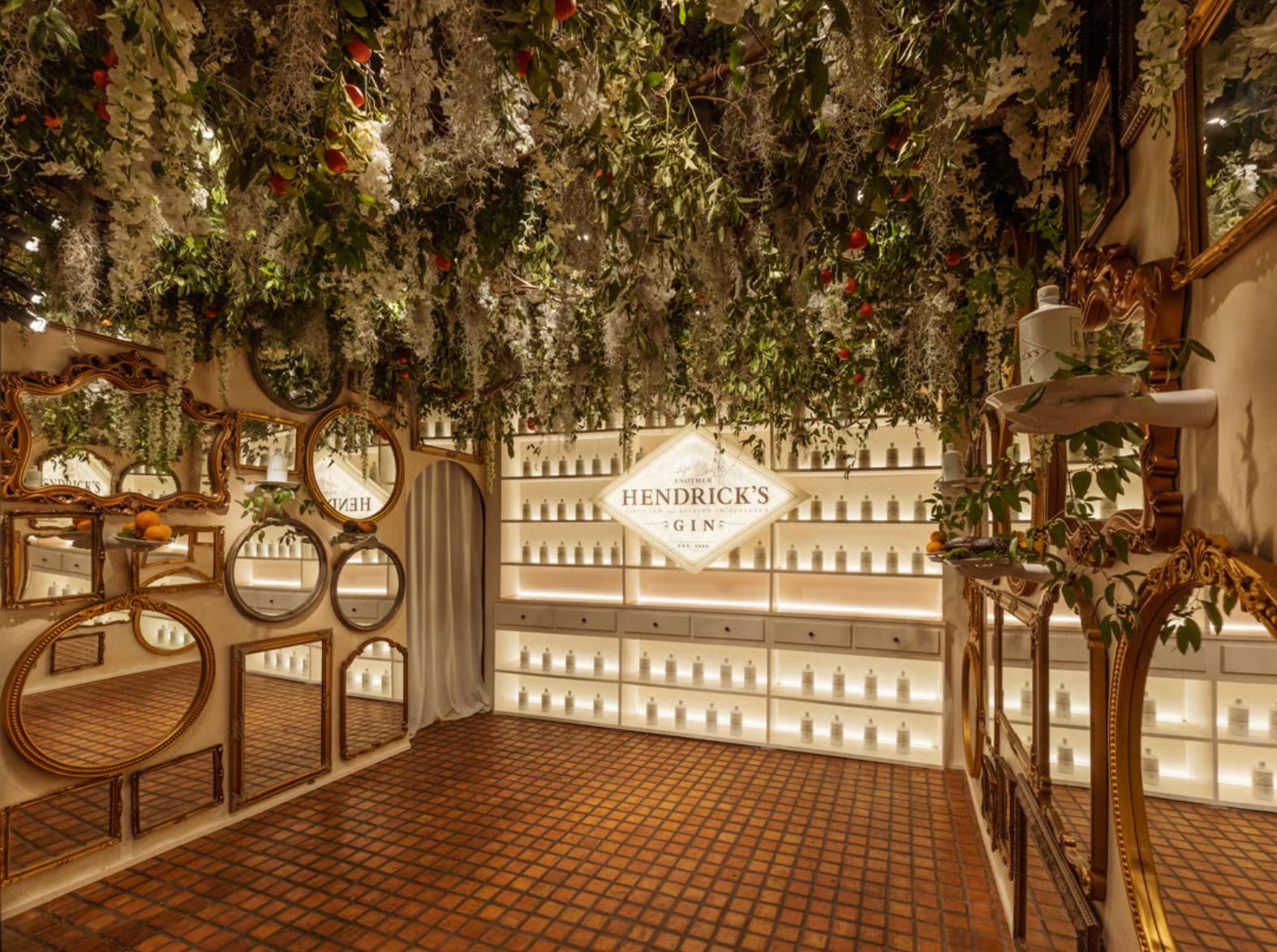
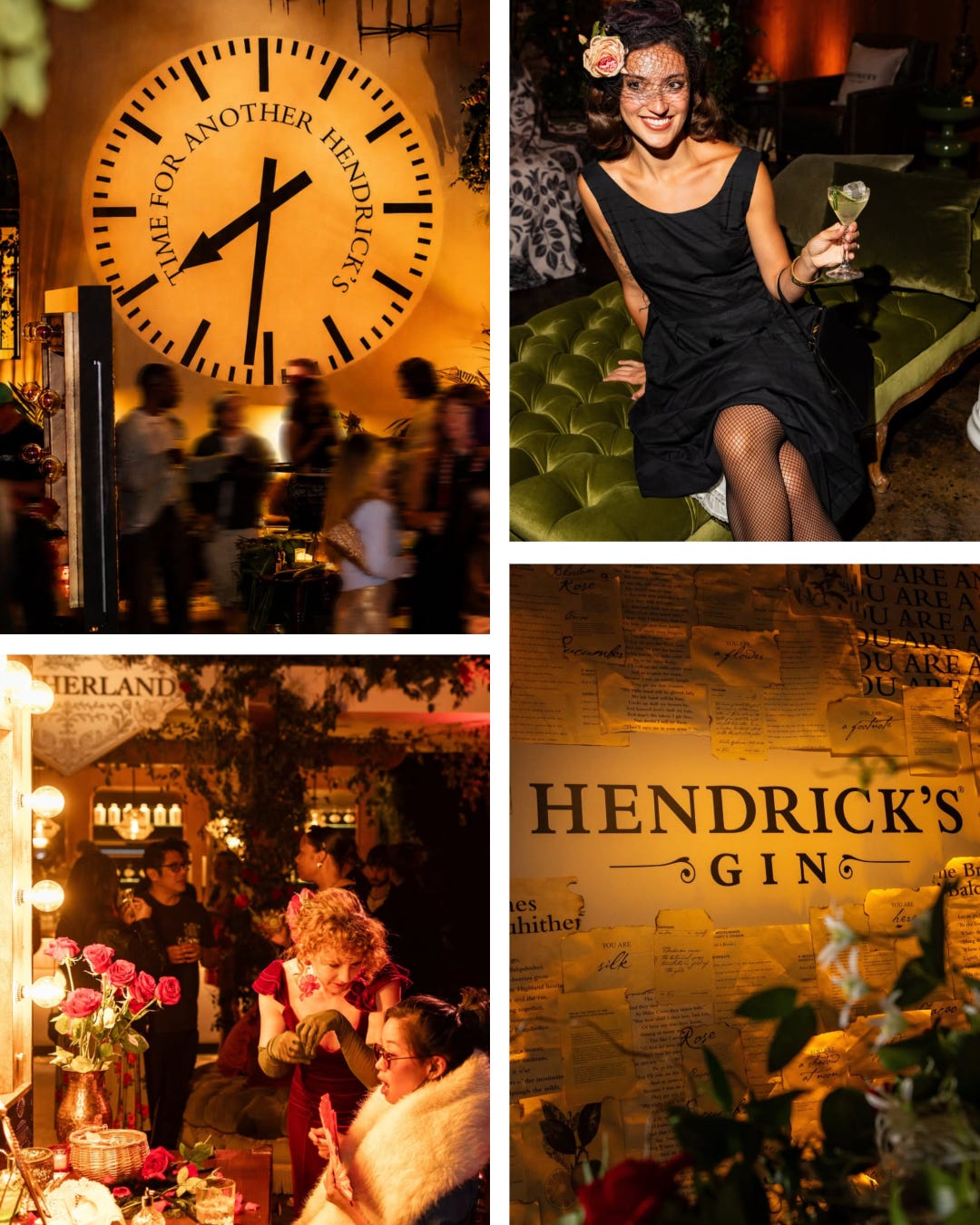
This year, for the launch of Another Hendrick's, Hendrick's Gin created Anotherland, an immersive theatrical experience that transformed a three-storey townhouse into a fully realised brand world.
The objective extended far beyond filling a venue. The experience was designed to generate cultural visibility at a scale that traditional media alone could not achieve.
Guests moved through a series of immersive environments inspired by the botanicals behind the new expression. Every room combined theatrical performance, spatial design, cocktails and curated food moments, allowing guests to experience the character of the liquid before ever tasting it.
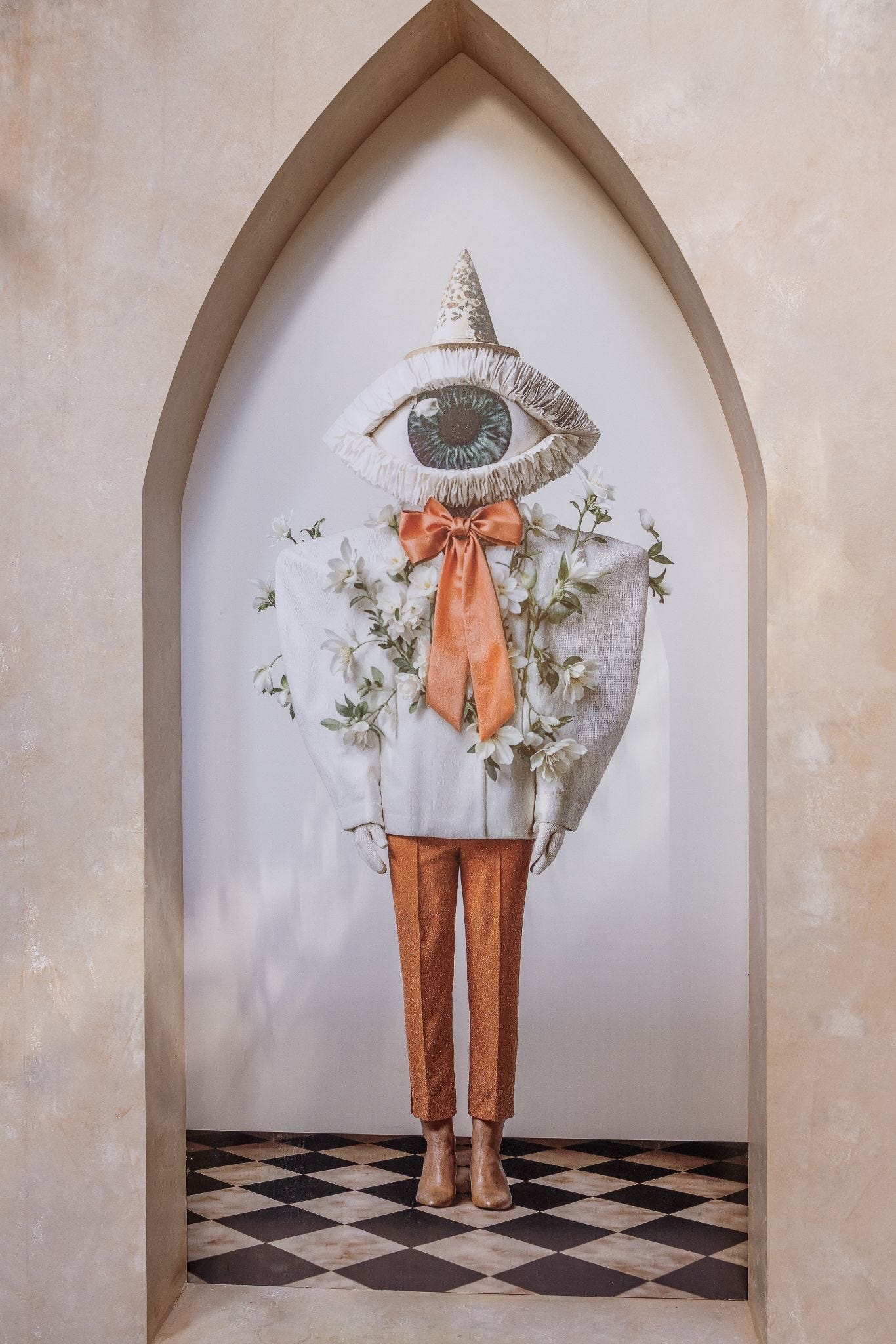
Performed by talent with backgrounds in productions including Sleep No More and The Drowned Man, the experience invited guests to choose their own path through the space, rewarding curiosity with unexpected interactions and discoveries around each corner.
The campaign extended well beyond the walls of the venue. The townhouse façade became an ambient media installation that sparked curiosity before guests even stepped inside. Private viewings, press trips and early access introduced creators and media to the experience ahead of launch, while earned media, consumer content and footfall measurement ensured the campaign continued generating value beyond those who attended in person.
The results demonstrate what can happen when experiential is planned as the centre of a campaign. Anotherland exceeded its impressions target by 18 times, increased Hendrick’s share of voice by 25% during launch and generated advertising value worth more than double the total campaign investment. Most notably, 90% of impressions came through earned media rather than paid distribution.
Rather than supporting the campaign, the experience became the campaign itself.
Anotherland’s success can be traced back to several strategic decisions that are becoming increasingly important for spirits brands looking to build long-lasting relevance through the experiential.
Consumers can quickly tell the difference between brands that chase culture and brands that genuinely contribute to it.
Anotherland succeeded because it built upon ideas that had always been part of the Hendrick’s identity. The surreal storytelling, curiosity and unexpected moments felt like a natural extension of the brand rather than an attempt to participate in an unrelated cultural conversation.
For spirits brands, authenticity matters. The strongest experiences don’t simply attract attention. They reinforce what makes the brand distinctive and give people a reason to engage beyond the product itself.
The most effective experiential campaigns are designed with amplification in mind from day one.
Anotherland created moments that naturally extended into creator content, earned media and social conversation. The façade invited curiosity from passersby, while every room offered guests opportunities to document and share the experience in ways that felt organic.
Physical experiences should never end when guests walk out the door. When planned strategically, they continue generating attention, conversation and content long after the final visitor leaves.
Brands shouldn’t simply rent creator attention. They should create genuine brand advocates.
Through private dinners, curated press trips and early access, Hendrick’s gave creators time to immerse themselves in the world of Anotherland before asking them to tell its story. That investment created authentic enthusiasm rather than transactional promotion.
The result was content that felt personal, credible and naturally aligned with the brand, helping extend the campaign far beyond the guest list.
For years, experiential has struggled to earn its place in the boardroom. Too often, success has been measured through attendance and impressions rather than business outcomes, making it difficult to compare against more established marketing investments.
That conversation is beginning to change. Campaigns like Anotherland demonstrate how experiential can drive earned media, strengthen brand equity and deliver measurable commercial results when it’s planned as part of the broader marketing strategy from the outset.
As competition across the spirits category continues to grow, brands are no longer competing solely for shelf space. They’re competing for memory space. The brands that pull ahead will be those that treat experience as a strategic investment, not simply an event.
Gradient Experience’s 2026 Spirits I.M.P.A.C.T. Report explores the research, trends and case studies shaping the future of experiential marketing in the spirits category, and how leading brands are using experience to drive long-term growth.
Comments
Nothing yet. Say the first thing.
Sign in to join the conversation.