
I first read Frankenstein a few years ago for a book club I facilitated. I dove into it with Hollywood in my head, expecting something about a green guy with neck bolts and bad posture. A campy monster romp.
Instead it was a story that floored me with its depth and complexity. It’s a book about creation, loneliness, moral responsibility, and what happens when ambition outruns empathy. (Which, honestly, smacks of relevance in a world where a deeply unsettling AI robot clone of the late Suzanne Somers exists.)
My Own Creation: Mwa ha ha ha
With Guillermo del Toro’s Frankenstein streaming on Netflix (Nov. 7), it feels like the perfect moment to do what any responsible literary nerd/travel writer would do. And that is to transform the classic novel into a travel plan.
Turns out Frankenstein makes a surprisingly good itinerary. From the thunder-shaken lake where Mary Shelley dreamed it up to the Alpine peaks and Arctic edges where it all comes undone, this story makes for a real journey.
Aside: If you want to do a close read of Frankenstein through a feminist lens, my friend Tarra over at Heavy Meta has an online course about women’s erasure in the novel.
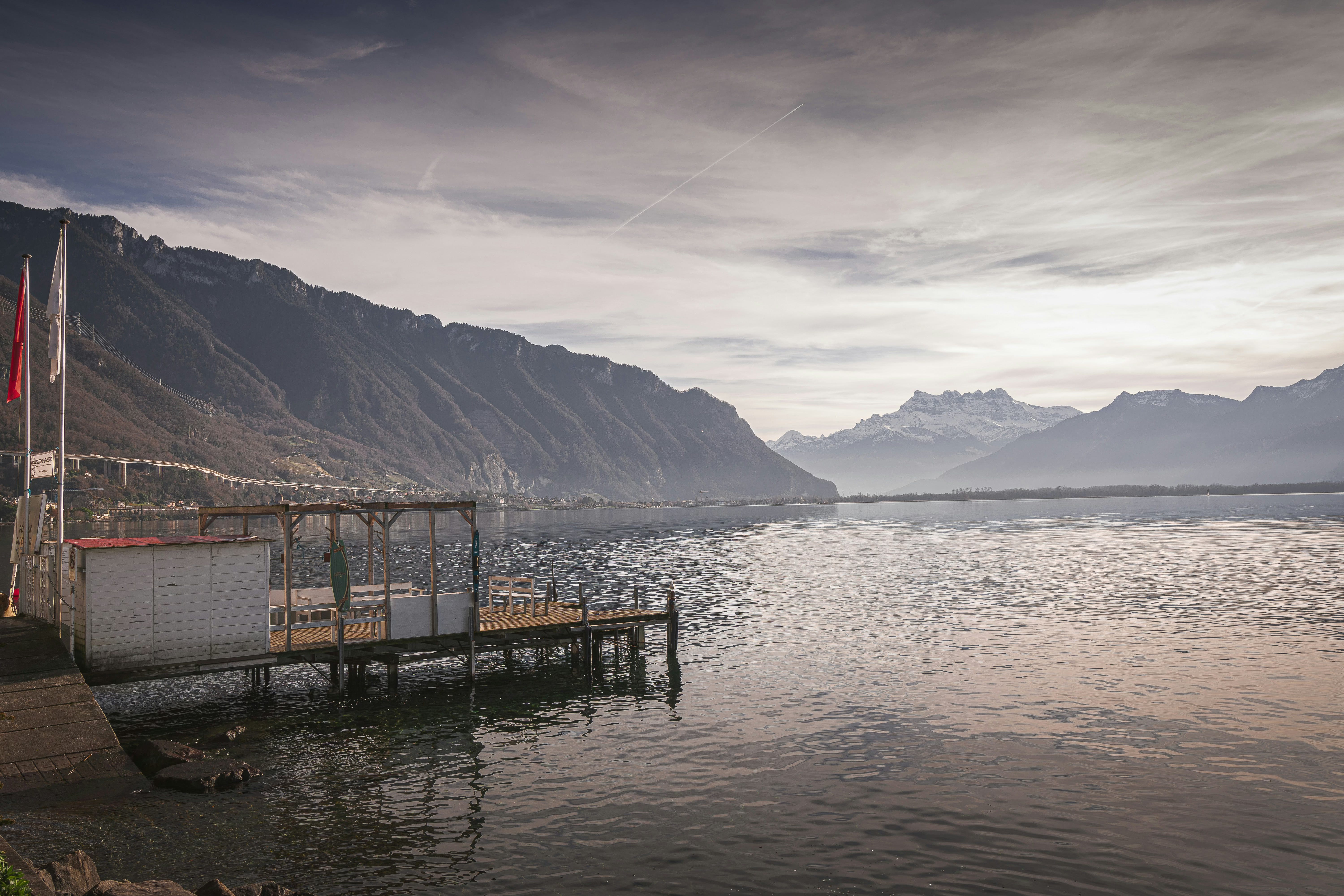
1. Geneva, Switzerland: Where the Story Began
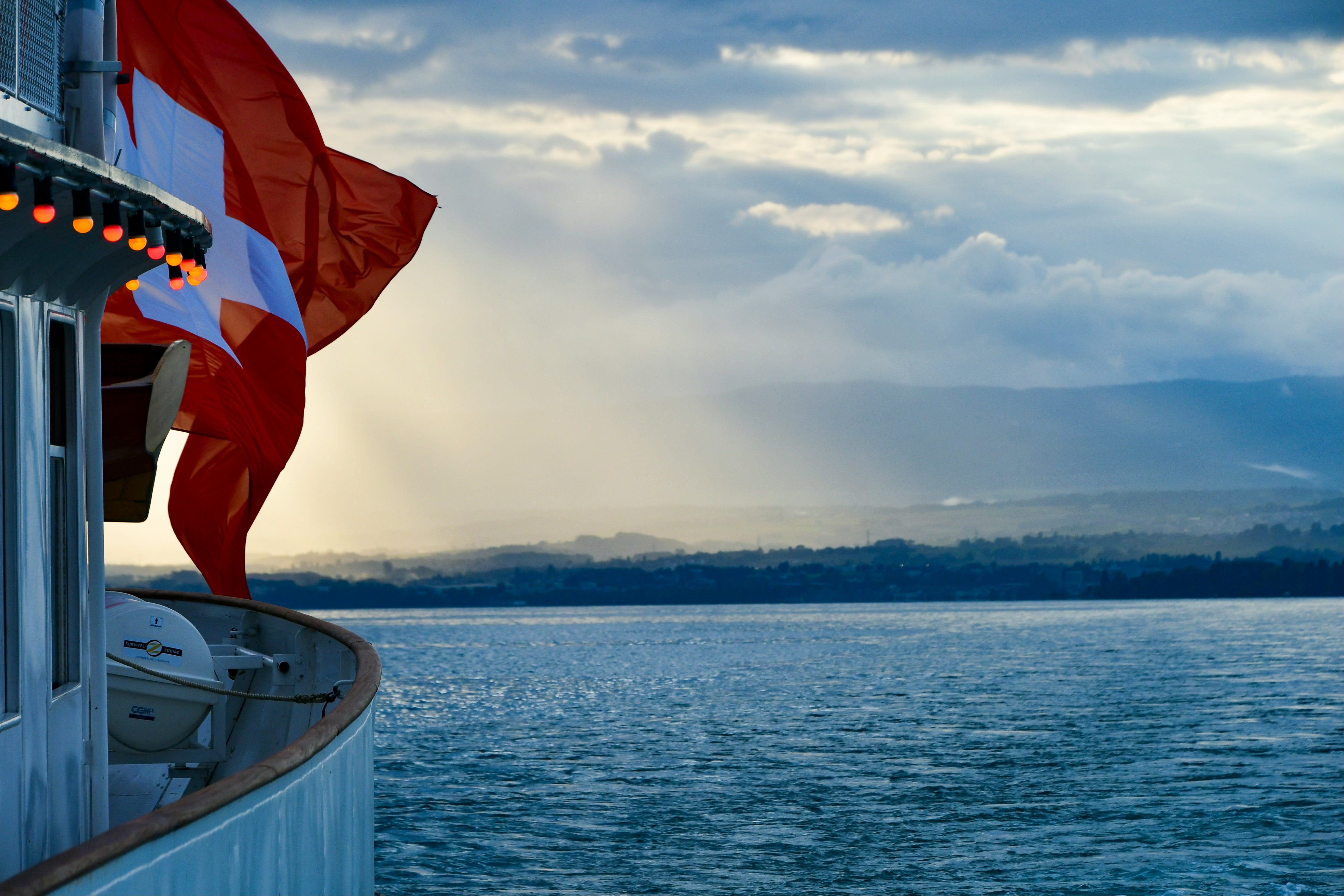
It began, as all good Gothic tales do, in a storm.
Well, technically, it began with a volcano. When Mount Tambora erupted in Indonesia in 1815, it spewed so much ash into the atmosphere that it dimmed the sun around the world. By the summer of 1816, Europe was trapped in a gray haze known as “the year without a summer.”
Thunder rolled over Lake Geneva. The days never quite brightened. And within that gloom, a 19-year-old named Mary Shelley invented modern horror. (No biggie. That’s basically what I was doing at 19 too.)
She, Percy, and Lord Byron were holed up in Villa Diodati. They were bored, brilliant, and probably a little drunk, when they dared each other to write ghost stories. And that’s when Shelley accidentally changed literature forever.
You can’t visit the inside of the Villa (it’s privately owned), but you can walk the lakeside promenade at dusk to soak up the ambiance that sparked Frankenstein. It’s also a perfect place to remember that creation doesn’t always come from light. Sometimes it needs a blackout.
2. Ingolstadt, Germany: Where the Monster Awoke
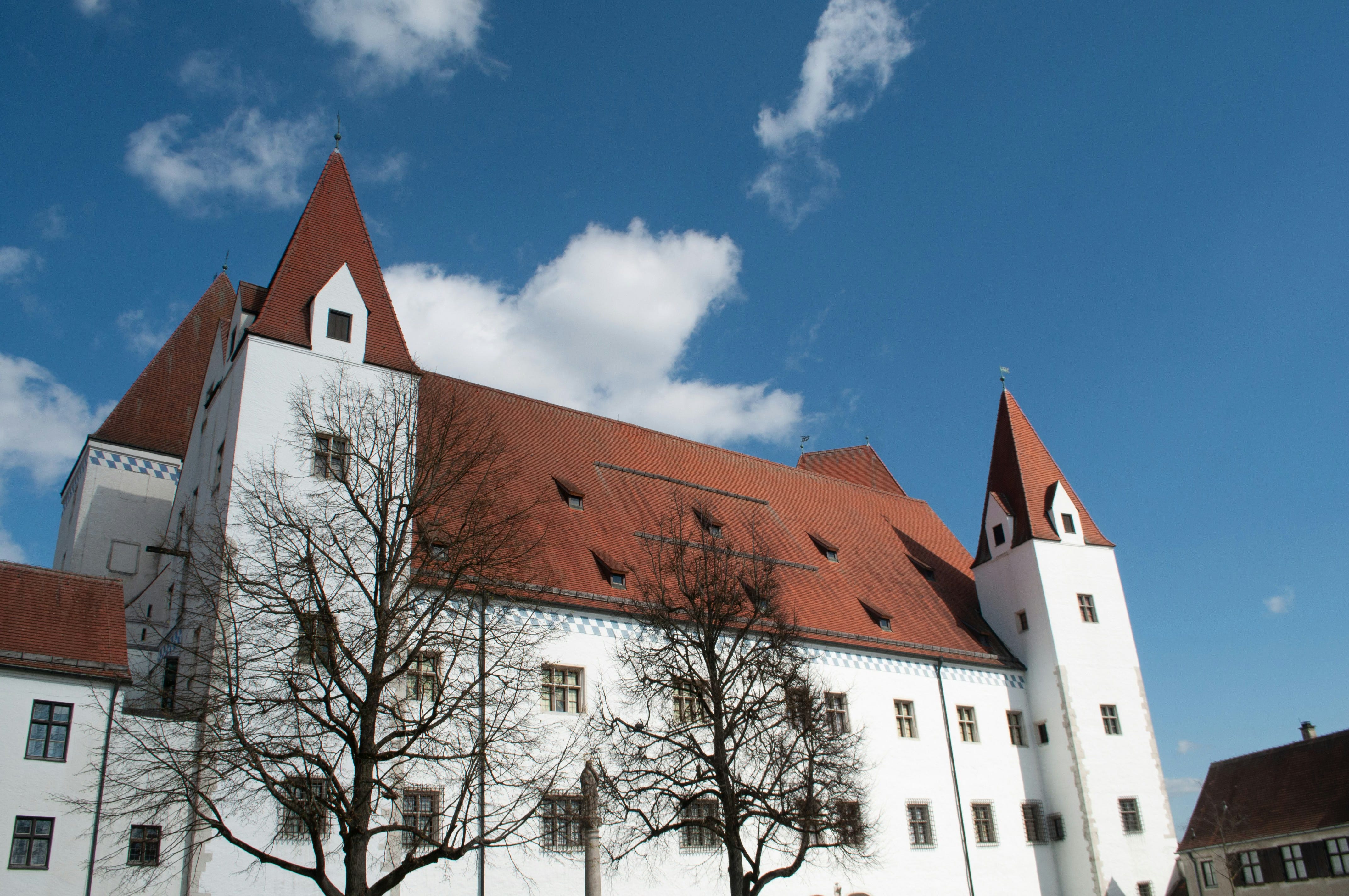
Shelley never made it to Ingolstadt, but she clearly nailed the vibe when Frankenstein builds his creation: cobblestone streets, flickering candles, medical students with unfettered access to lab equipment. This Bavarian university town hosted one of Europe’s first anatomy theaters, where science tiptoed right up to the edge of the divine.
Today you can wander through the Museum of Medical History, where bone saws, antique scalpels, and jarred body parts deliver a dose of dread. Step outside, though, and Ingolstadt looks perfectly ordinary. People sip beer in sunny squares. Kids ride bikes past gothic spires. It’s all very civilized, which can make it easy to forget that monsters still walk among us.
Like Tom Brady, who cloned his dog.
3. The Alps: The Sublime and the Terrible
To escape his sorrows, Victor Frankenstein flees into the mountains. And honestly, that resonates with me. That’s what I do when I’m stressed out too.
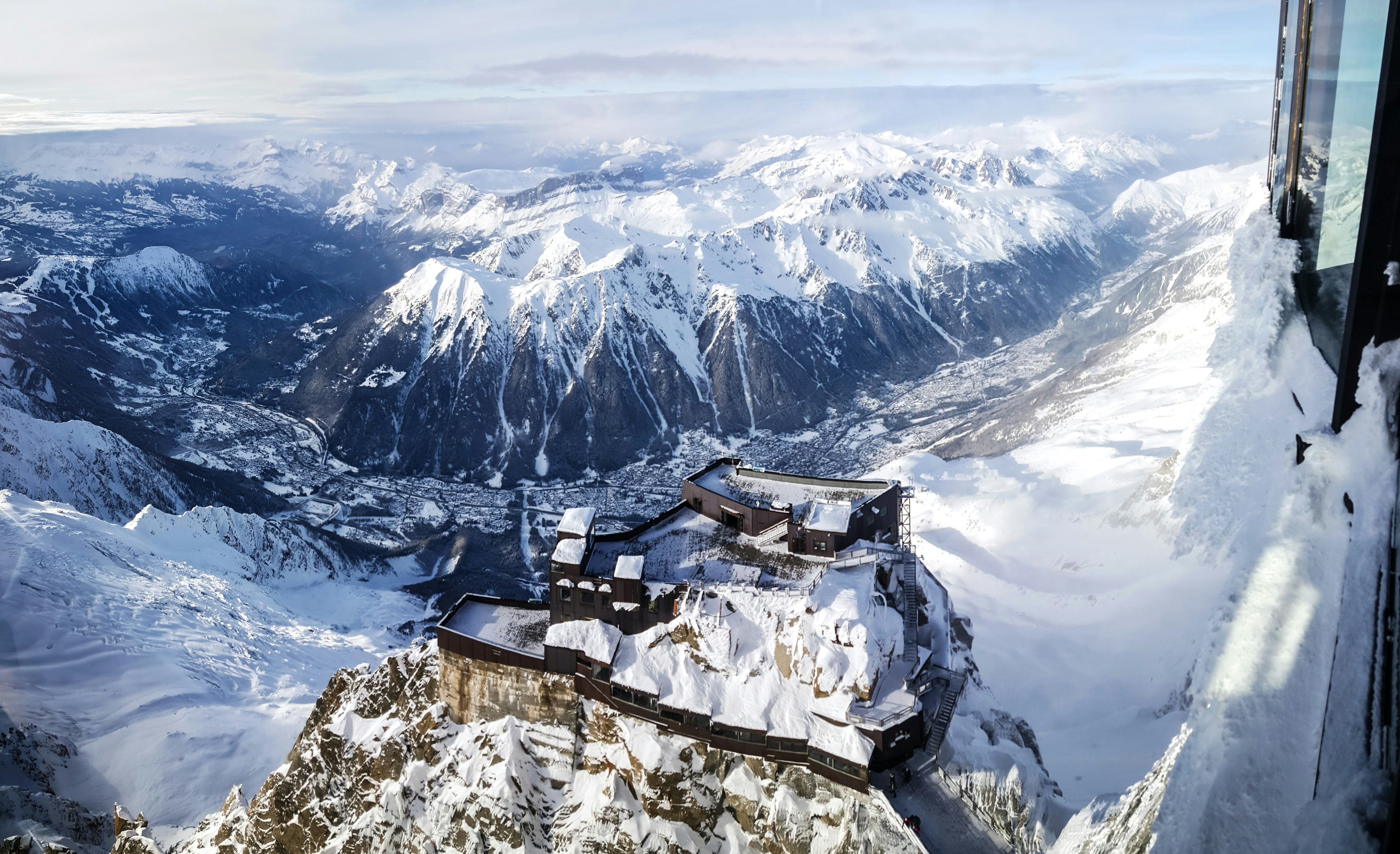
The Mont Blanc region is where Victor has a confrontation with his creation, surrounded by glaciers so breathtaking they almost make you forget all the emotional carnage. Shelley called them “sublime and magnificent,” and you can still see exactly what she meant. The peaks are merciless and perfect, truly awe-inspiring.
Hike the trails around Chamonix and you’ll understand why both creator and Creature came here to fall apart.
4. The Arctic: The Frozen Mirror
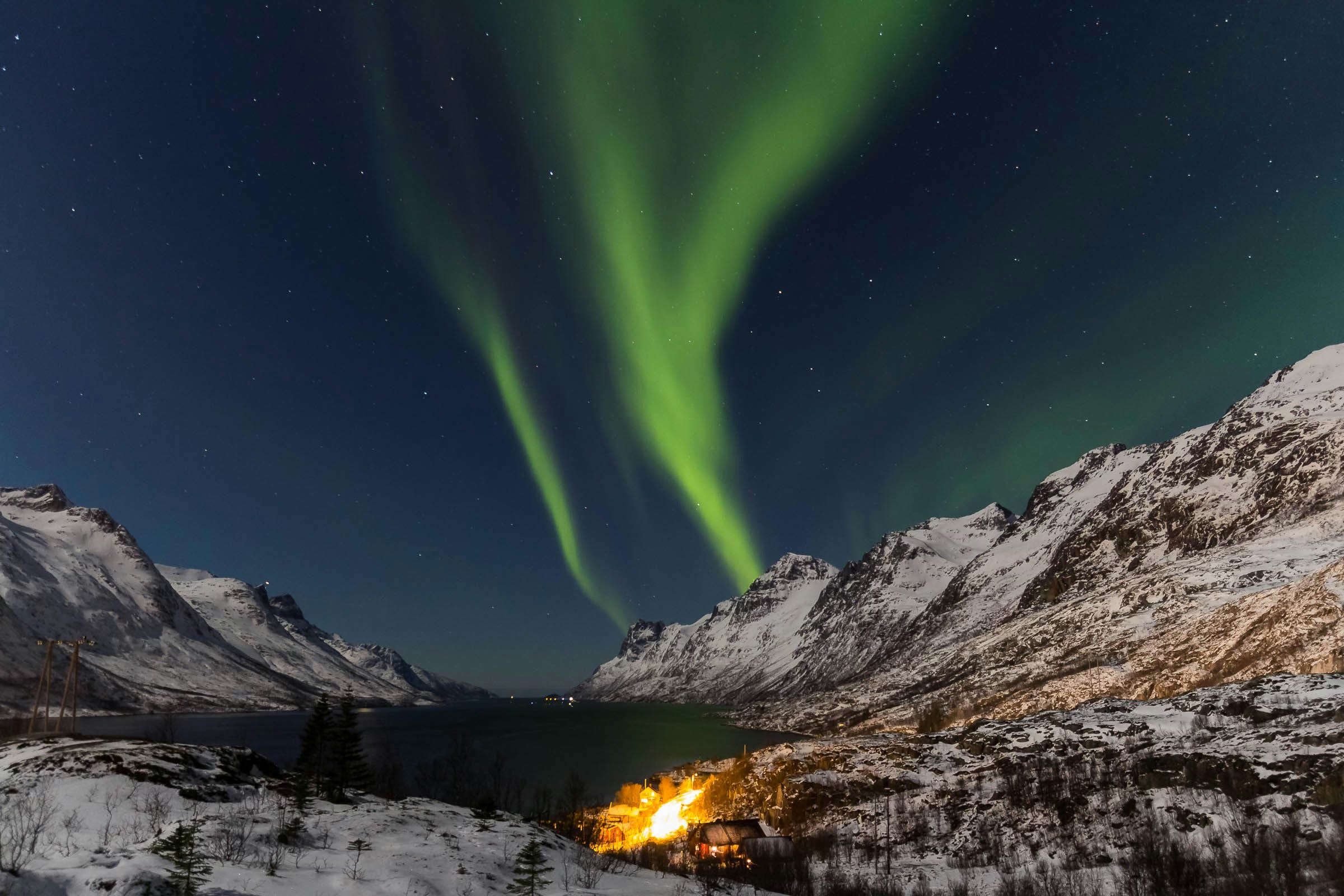
Frankenstein begins and ends at the top of the world. Though they’re not quite as far north, Svalbard and Tromsø carry the same haunted stillness: long stretches of daylight that never end, darkness that refuses to lift, and the low hum of self-reckoning that comes when you’ve run out of places to hide.
This is where Victor and his Creature meet for the last time — two wanderers pacing the edge of the map, each one reflecting the other’s ruin. The landscape here serves as a mirror, allowing you to decide what you see.
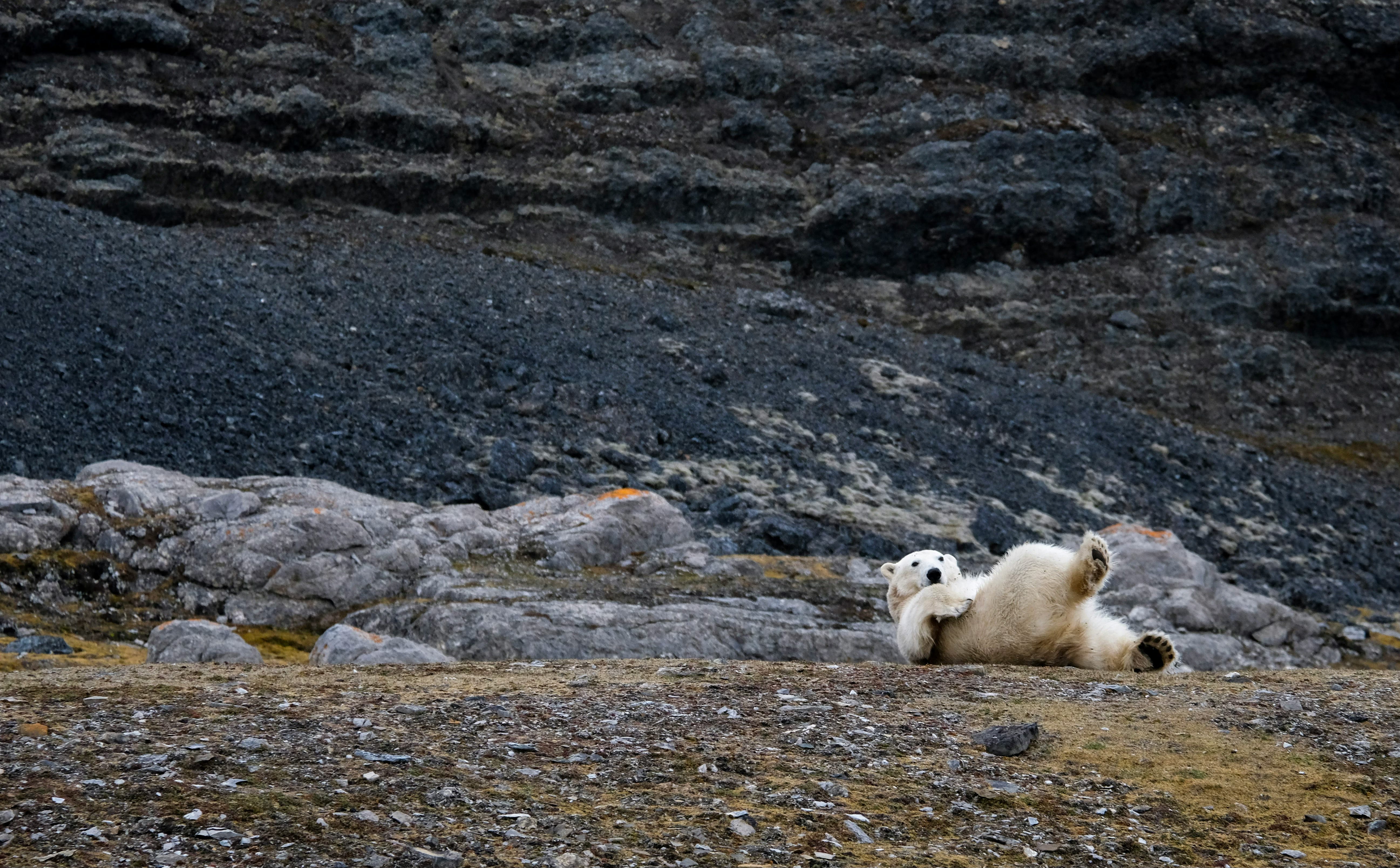
Side note: The older I get, the more obsessed I become with the Arctic, and I’m not sure what that’s all about. I’ve been daydreaming about doing a writing residency in Svalbard, holed up in a frozen cabin with polar bears outside my door. Let’s see if I can make that happen in the next year.
5. London & Oxford, England: The Mind Behind the Monster
Over in England, meet the real genius behind the myth. Mary Shelley was the daughter of revolutionaries, wife of a poet, inventor of science fiction before “sci-fi” was even a word. She grew up in a world of ideas, surrounded by arguments about politics, philosophy, and love, and managed to wrangle all of that into a story that continues to unnerve us two centuries later.
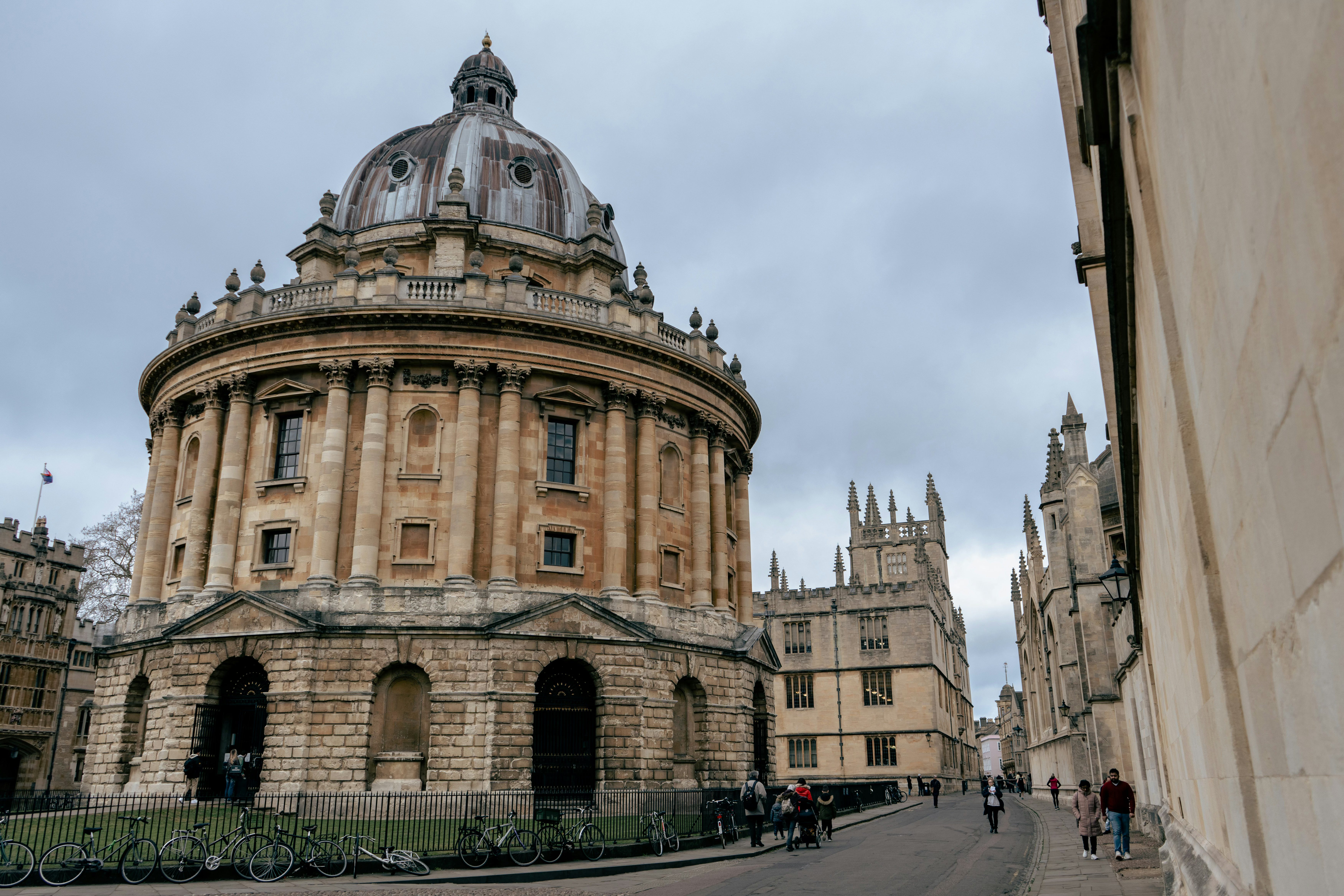
In Oxford’s Bodleian Library, you can see early editions of Frankenstein, with Shelley’s careful handwriting preserved in the margins. Down in Bournemouth, you can visit her grave in St. Peter’s Churchyard, where she’s buried beside her parents, Mary Wollstonecraft and William Godwin.
The Real Monster Was the Itinerary All Along
There are a handful of other locations in the book — Frankenstein covers a lot of ground — but for this post, I focused on the destinations that felt most alive from my perspective. The ones that crackle with tension and/or the ache of solitude.
To me, following Frankenstein’s trail isn’t about chasing monsters. It’s about mapping the very human impulse to make, to escape, to hope that what we create might outlast us.
Since I can’t resist a good bookish-inspired adventure (a lit-inerary, if you will), should I do another? Which book should I pull apart and turn into a journey?
P.S.
I’d love to thank Shannon Gomes for having me as a guest on her podcast, Mixtape Travels, to chat about magical European holiday markets. To listen or to read the interview highlights, check out her Substack, The Gomes Guide.
Also I have a new piece in Travel & Leisure about one of California’s most charming small towns.
Comments
Nothing yet. Say the first thing.
Sign in to join the conversation.