

I’ve followed the Mask & Mitten Instagram account for a while now and always enjoy their posts of vintage catchers gear and memorabilia. But when they recently posted a walk through of their display area, I knew I had to find out more and share their incredible (and beautiful) collection with Beauty of a Game readers. So read on to find out more about this unique collection and I encourage you to view the photos full size (on a computer screen, rather than a phone) if at all possible.
My name is Jeff Fields. I’m a tool-of-Ignorance devotee, vintage catcher’s equipment collector specializing in pre-1945 gear, and aspiring baseball historian. I’m passionate about preserving and showcasing the history, craftsmanship, and enduring beauty of the backstop.
I am a former D1 catcher and MLB draftee.
I have always had a passion for history, especially the history of baseball. Not just the polished version of the game, but the pure, rough-around-the-edges era that helped shape America's pastime. As a former catcher, I quickly realized that while many collectors focused on baseball's stars and memorabilia, few were dedicated to preserving the history of the game from behind the plate. That realization inspired me to begin collecting and researching vintage catcher's equipment, particularly pieces from baseball's early years. My goal is not only to preserve these artifacts, but also to educate others about the craftsmanship, innovation, toughness, and unique legacy of the catcher's position. Through sharing these pieces and their stories, I hope to showcase the beauty of the backstop and ensure that an important part of baseball history is not forgotten.
There are countless pieces of baseball history sitting in attics, barns, garages, and forgotten storage rooms across America, slowly deteriorating and taking their stories with them. Baseball is America's game, rich with tradition, innovation, and generations of unforgettable moments. Once these artifacts are lost, a part of that history is lost forever. I have always felt that the history of the catcher is one of the most overlooked areas in the hobby. While bats, gloves, jerseys, and player memorabilia often receive much of the attention, the equipment and stories from behind the plate are frequently forgotten. Yet no position on the field evolved more dramatically than the catcher.
The development of masks, chest protectors, mitts, and protective equipment tells a fascinating story of courage, ingenuity, and the evolution of the game itself. My mission is to help preserve these pieces before they disappear, research the stories behind them, and share that knowledge with others. Every artifact saved is another chapter of baseball history preserved for future generations. Through collecting, documenting, and educating, I hope to ensure that the rich legacy of the backstop continues to be appreciated long after these artifacts have left the field.
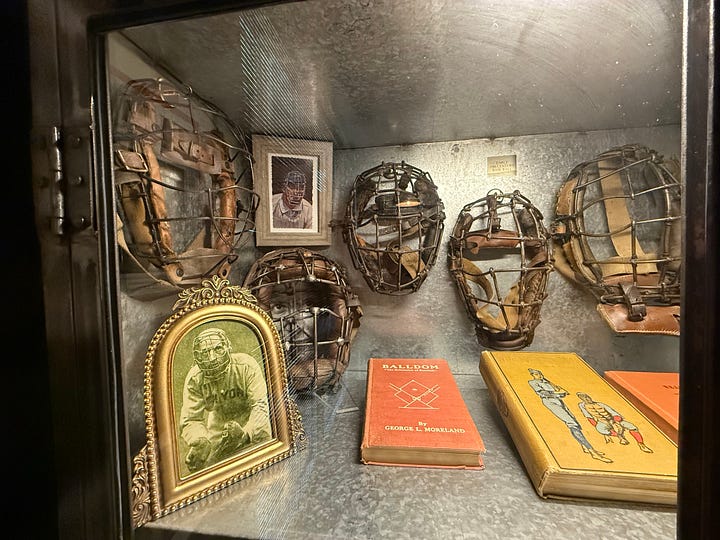
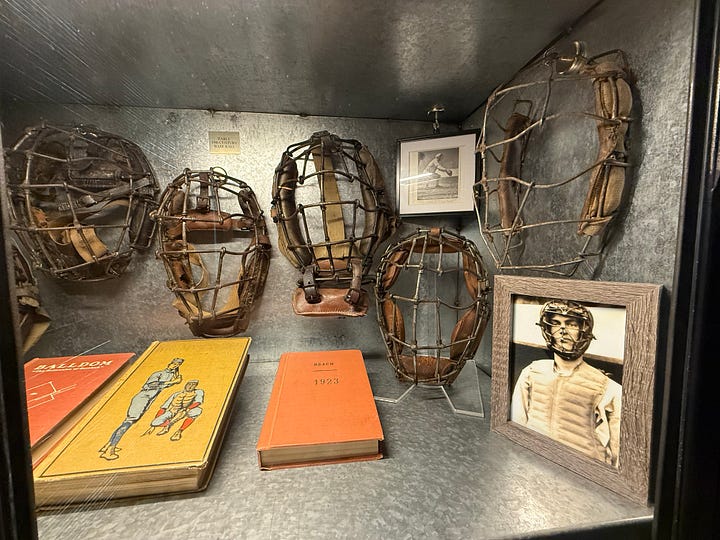
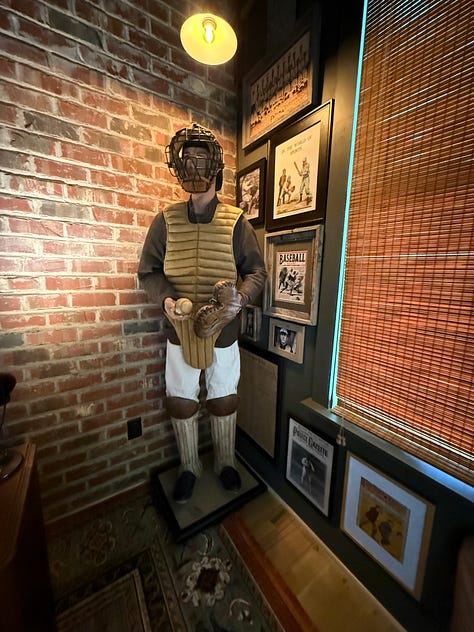
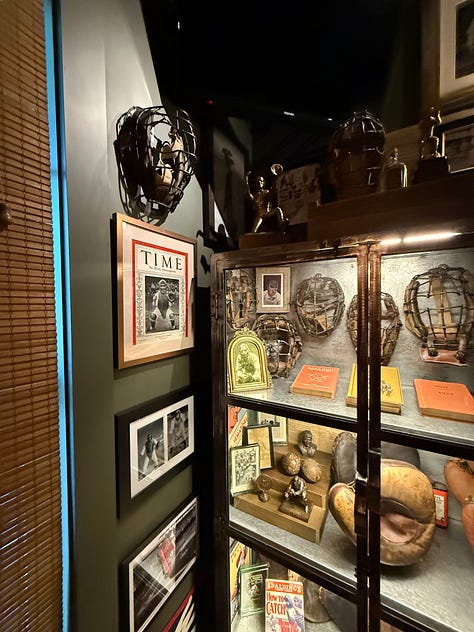
Like most collectors, I have several pieces that rise to the top of my list because of the challenge of finding them and the stories they tell. Among my most prized artifacts is a circa 1910 Reach inflatable chest protector, a remarkable example of the innovation that helped shape the catcher's position during baseball's early years. I am also fortunate to own several late 1800s pre-weld "goggle eye" face masks, often referred to by collectors as "Spider-Man" masks because of their distinctive appearance. These masks represent some of the earliest efforts to protect catchers from the dangers of the game. Finding original examples today is becoming increasingly difficult, especially those that have not been bent, repaired, or stripped of their original padding. For me, these pieces are more than collectibles. They are surviving artifacts from a time when the game was still evolving and catchers routinely put themselves in harm's way with limited protection.
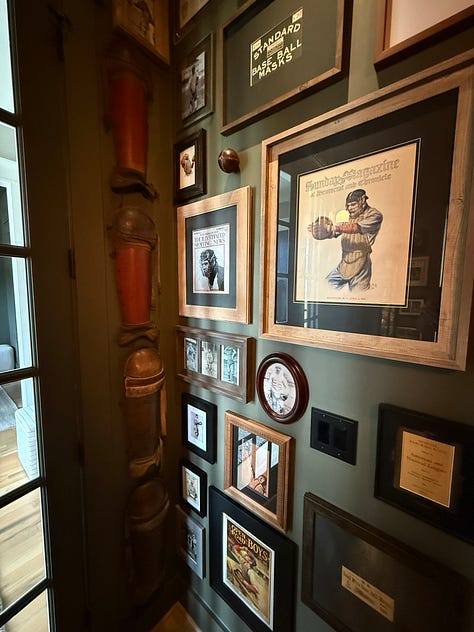
When it comes to baseball art, I have long admired the work of Graig Kreindler. His paintings do an incredible job of bringing baseball's past to life, capturing the details, personalities, and atmosphere of the game's early eras in a way that few artists can. On social media, I would also give a shout out to the Vintage Baseball Memorabilia Facebook page. They consistently showcase outstanding antique baseball magazines, books, publications, photographs, and memorabilia that help preserve the rich history of the game.
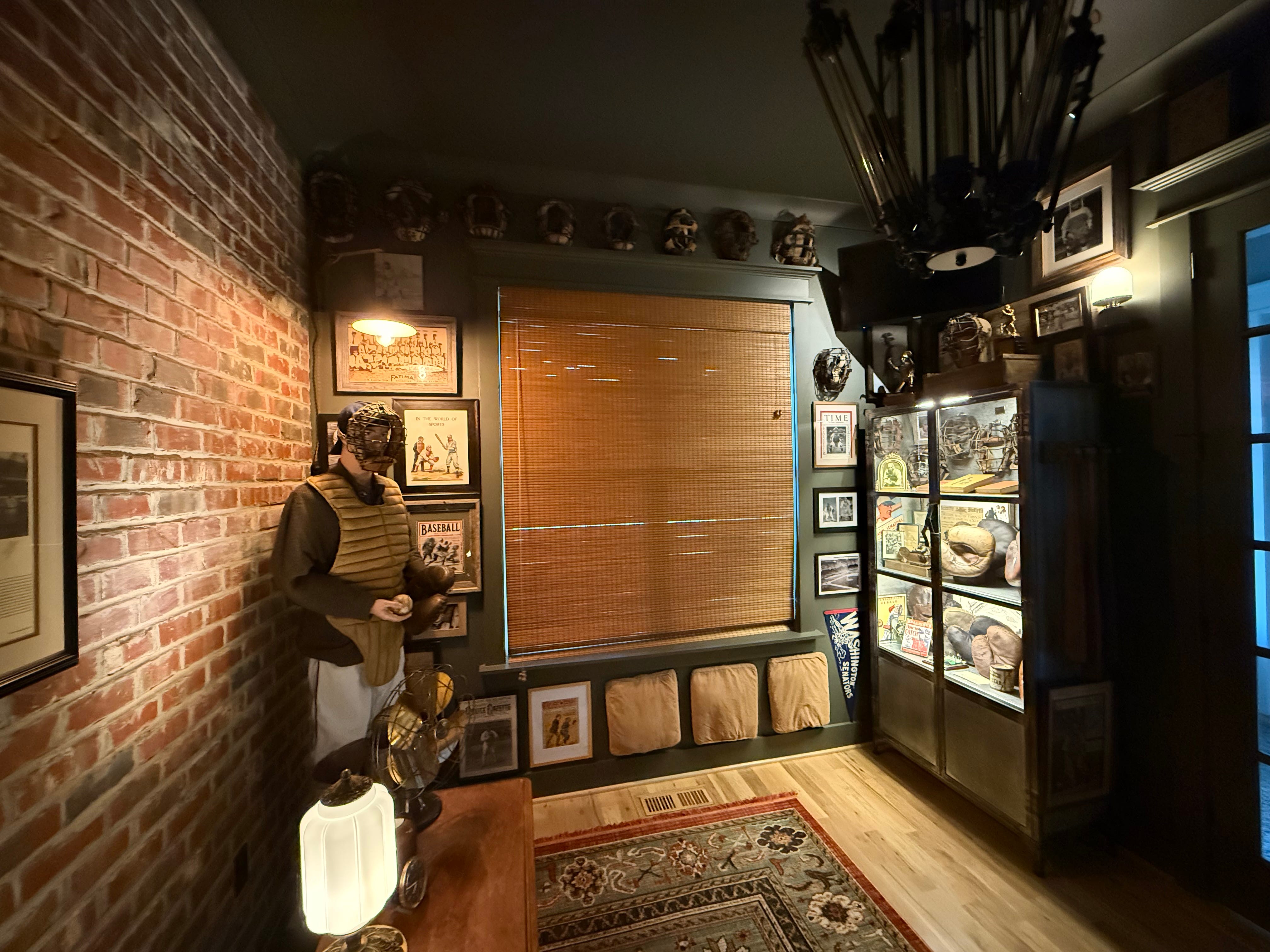
One philosophy that guides my collection is simple: a piece stored away is a treasure lost. While preservation is important, I believe these artifacts should be seen, appreciated, and used to educate others about the history they represent. I take a museum-like approach to displaying my collection, showcasing pieces in their current condition rather than attempting to restore them to look new. Every scuff, repair, stain, and sign of wear tells part of the story. Those marks are evidence of the players who used the equipment and the era in which it existed.
As a result, I do very little cleaning or refurbishment. Beyond responsible leather conditioning, climate control, and protection from sunlight, I prefer to leave the pieces largely untouched. My goal is preservation, not restoration. I never want to wash away the history that makes these artifacts unique. The age, character, and imperfections are often what make a piece truly special. To me, these artifacts are more than collectibles. They are historical documents made of leather, canvas, felt, and steel, each with a story that deserves to be preserved and shared with future generations.
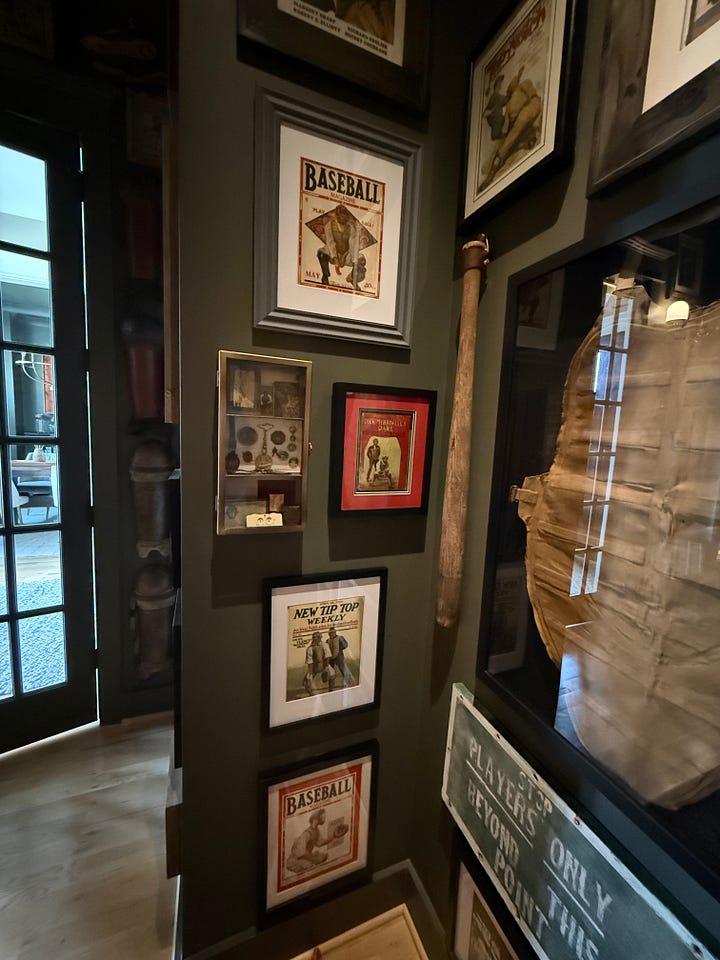
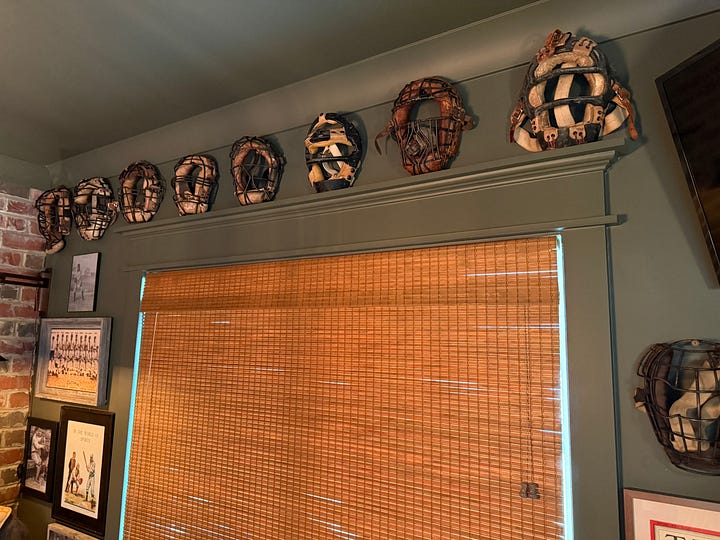
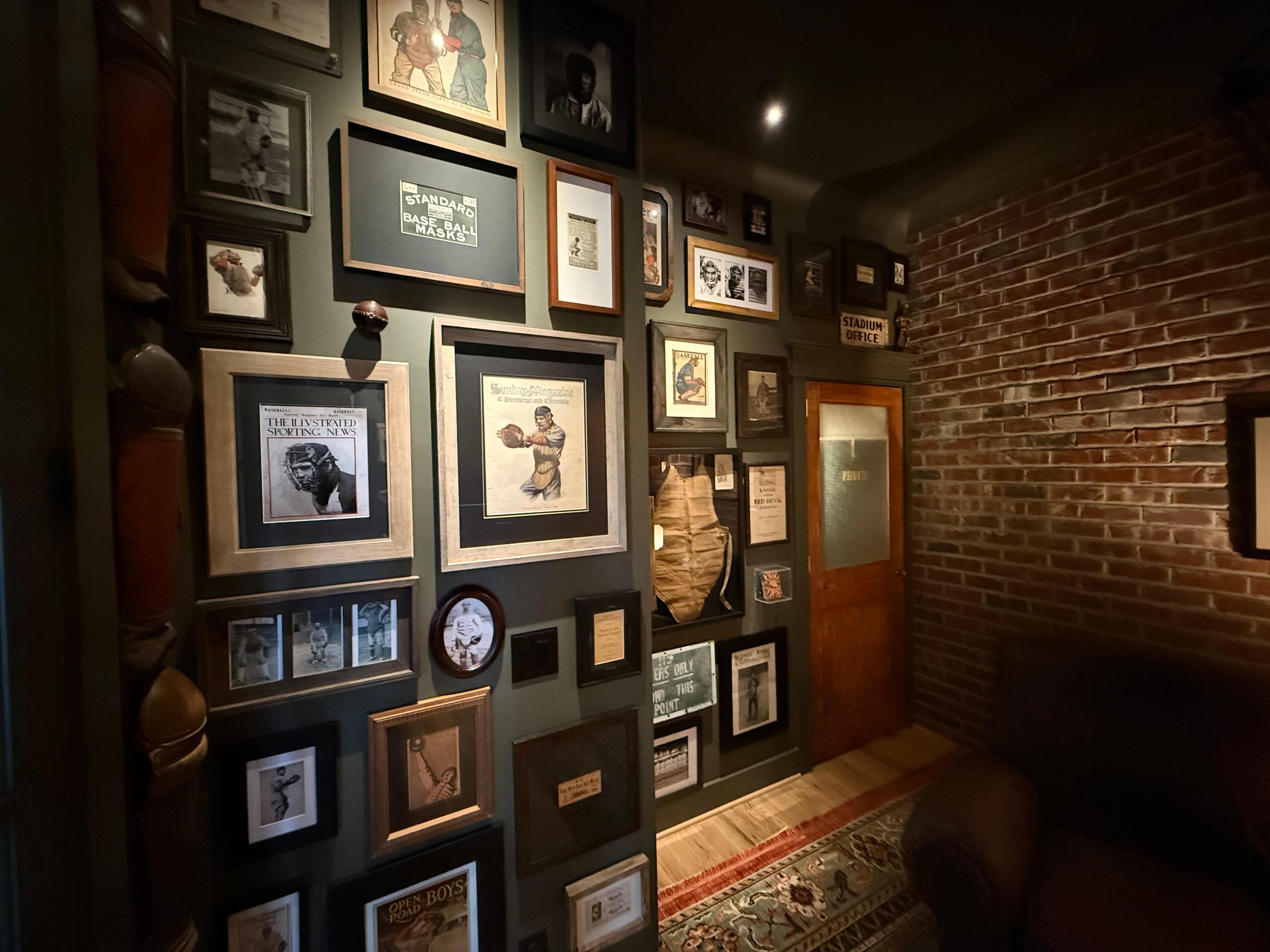
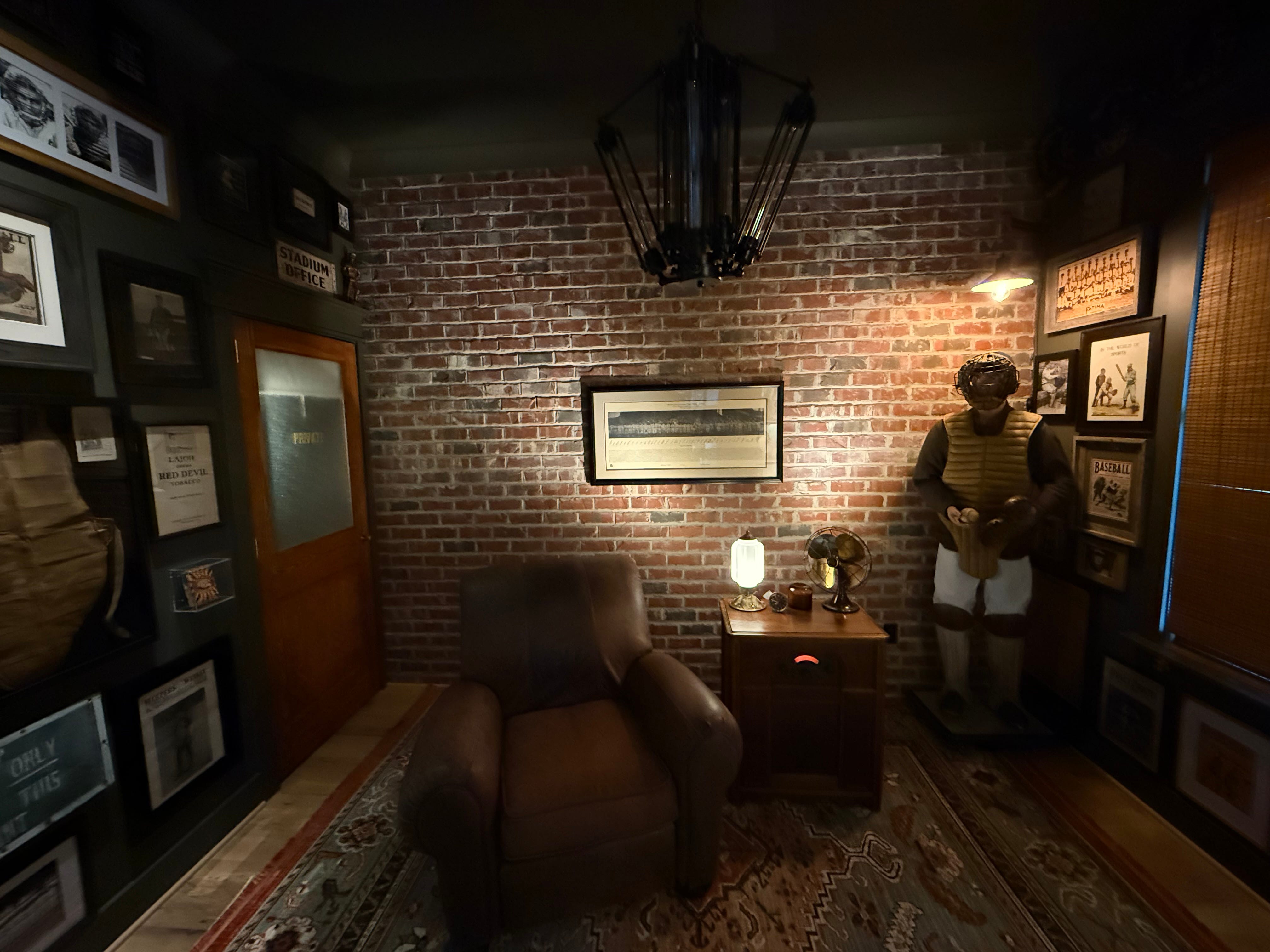
This is my study space, or more accurately, my baseball man cave. It serves as both a workspace and a personal museum dedicated to preserving and celebrating the history of the game. While I appreciate all eras of baseball, my collection is primarily focused on the Deadball Era through the 1940s, a period that represents some of the most fascinating years in the baseball’s evolution. My goal has been to create an environment that tells a story. Every piece, whether equipment, photograph, publication, or artifact, helps paint a picture of baseball's early days and the players who helped shape the game we know today.
I am on Instagram as Maskandmitten.
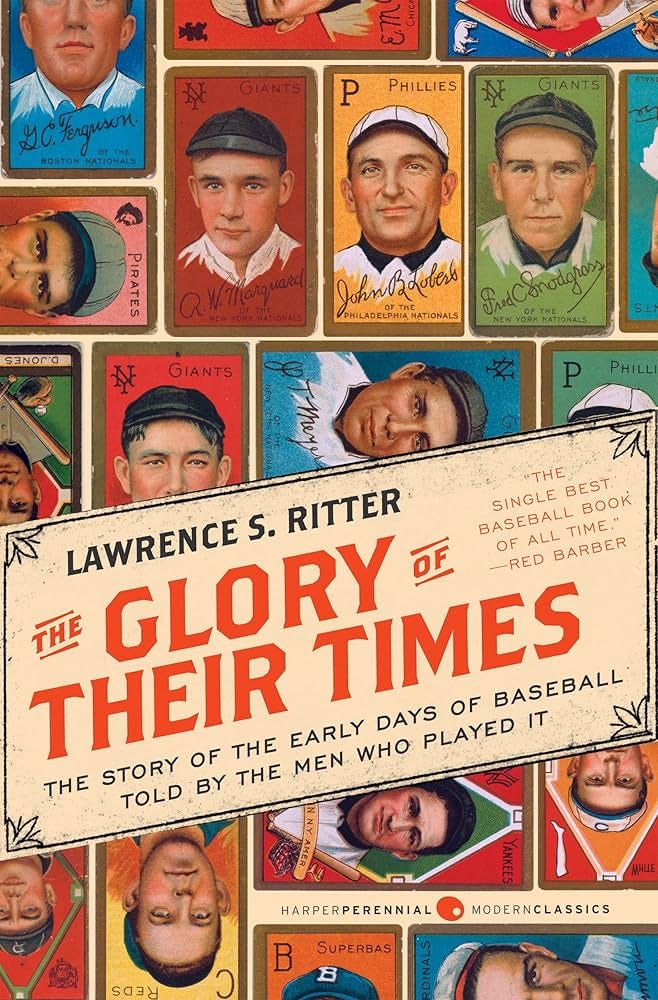
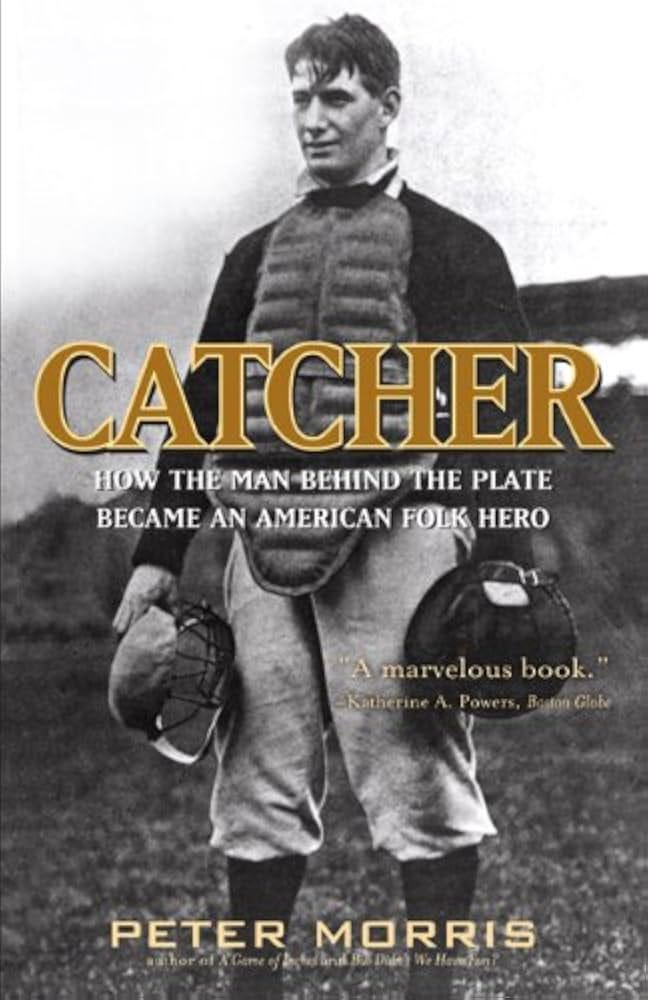
Glory of their Times by Lawrence Ritter, and Catcher by Peter Morris
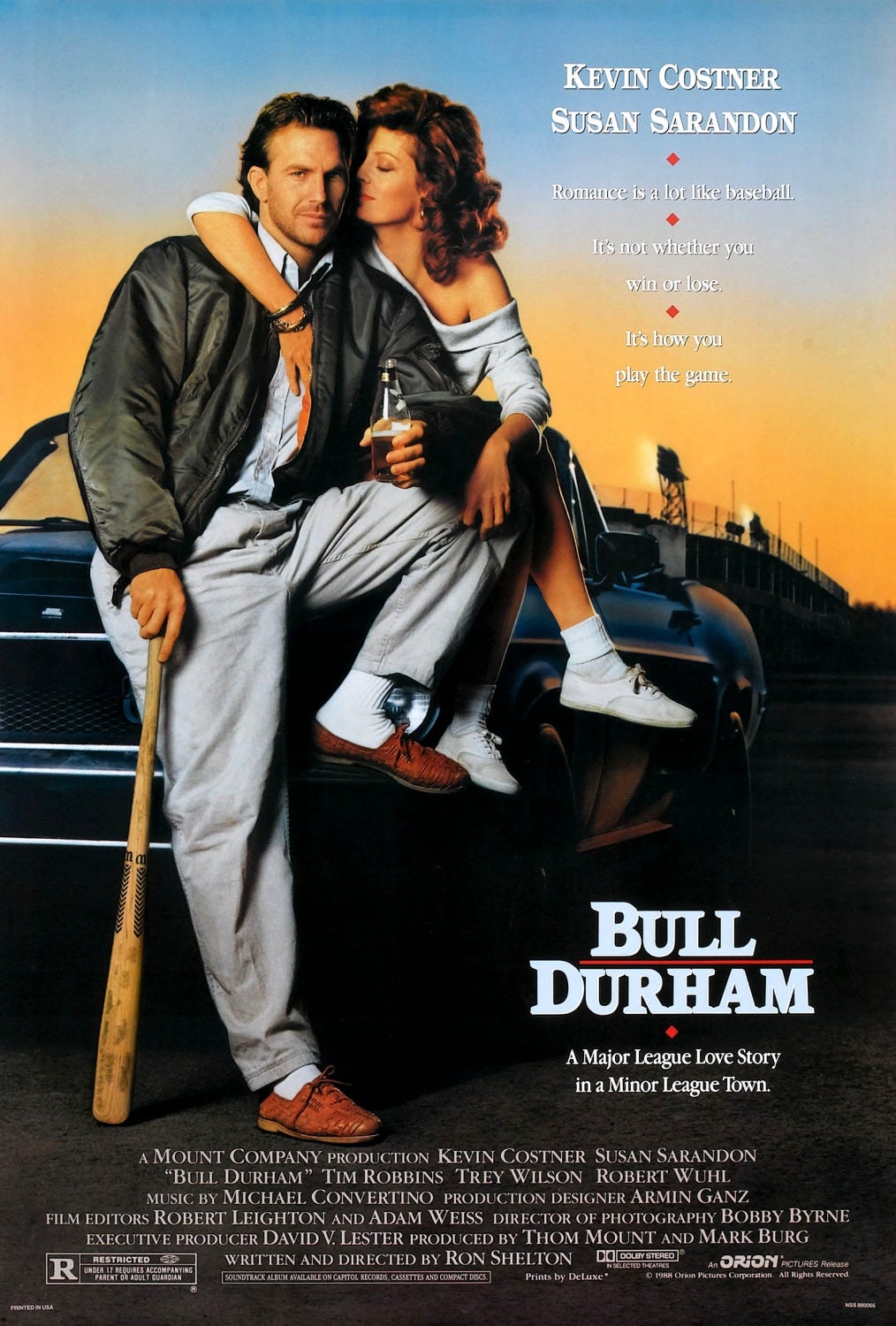
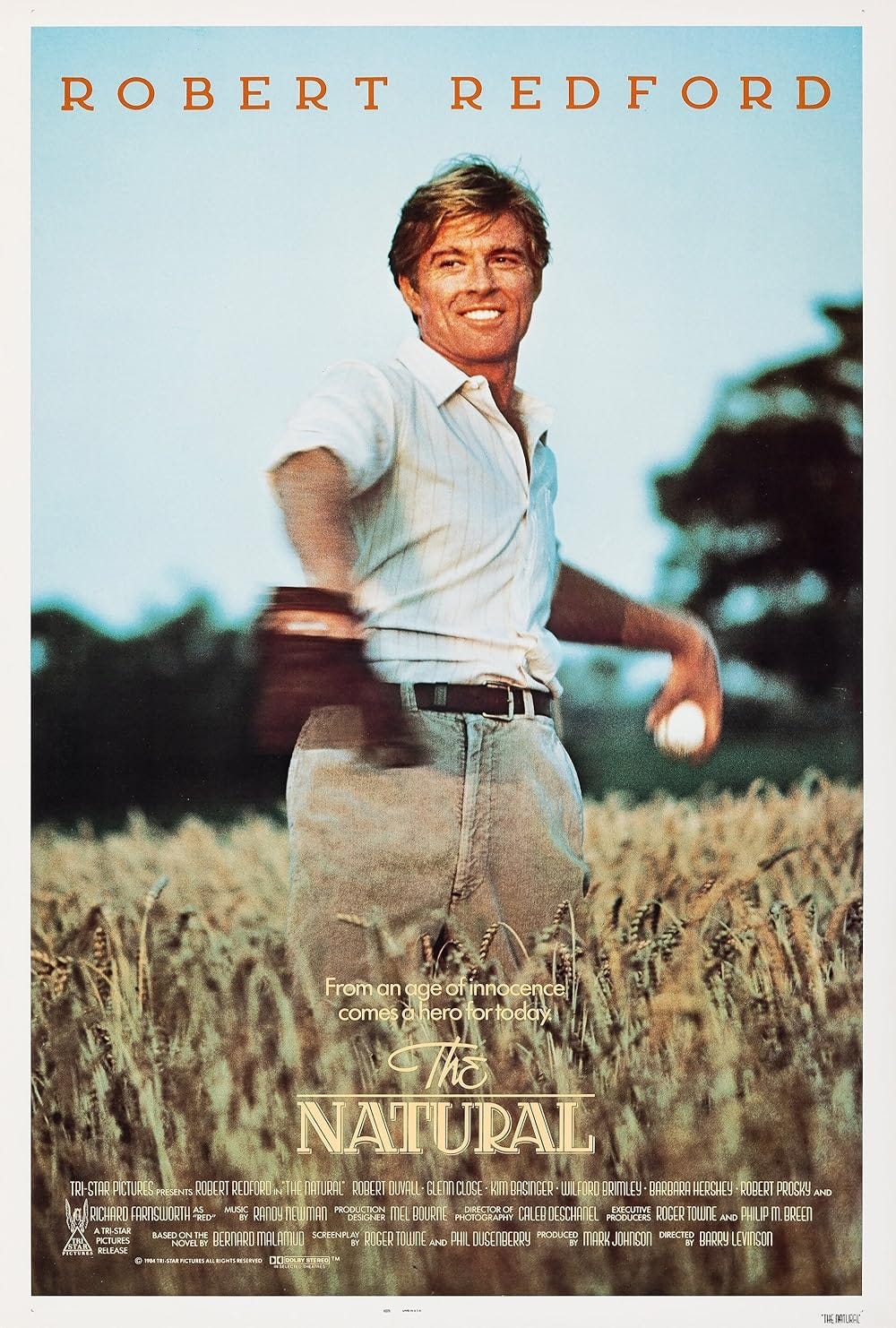
The Natural and Bull Durham (hard pick)
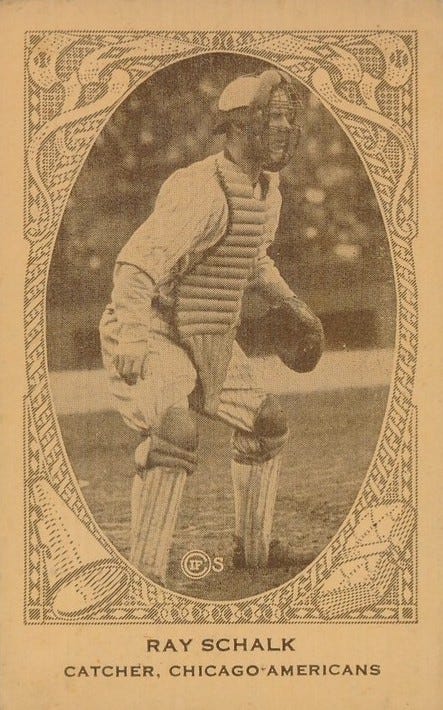
Ray Schalk 1922 American Caramel Co. card.
Thanks to Jeff Fields for taking the time to answer my questions and sharing his collection with Beauty of a Game readers.
Thanks for reading Beauty of a Game! Share this post with someone you think would enjoy it.
No posts
Comments
Nothing yet. Say the first thing.
Sign in to join the conversation.