The Vale of Soul-Making
In the formulation of his own personal "system of salvation," John Keats has fallen victim to two perennial temptations to which we human beings are subject.

Savor the beautiful. Strive for the good. Seek the truth. News, politics, culture, and life interpreted through the lenses of beauty, goodness, and truth and a faithfully Catholic perspective.
Subscribe:.rss.atom.json.md.m3u.pls
Live Last read · last published · next check
In the formulation of his own personal "system of salvation," John Keats has fallen victim to two perennial temptations to which we human beings are subject.
Our finite freedom finds its ultimate fulfillment by entering into the infinite freedom of the divine dynamic of self-giving love.
We’re all here to learn how to love.
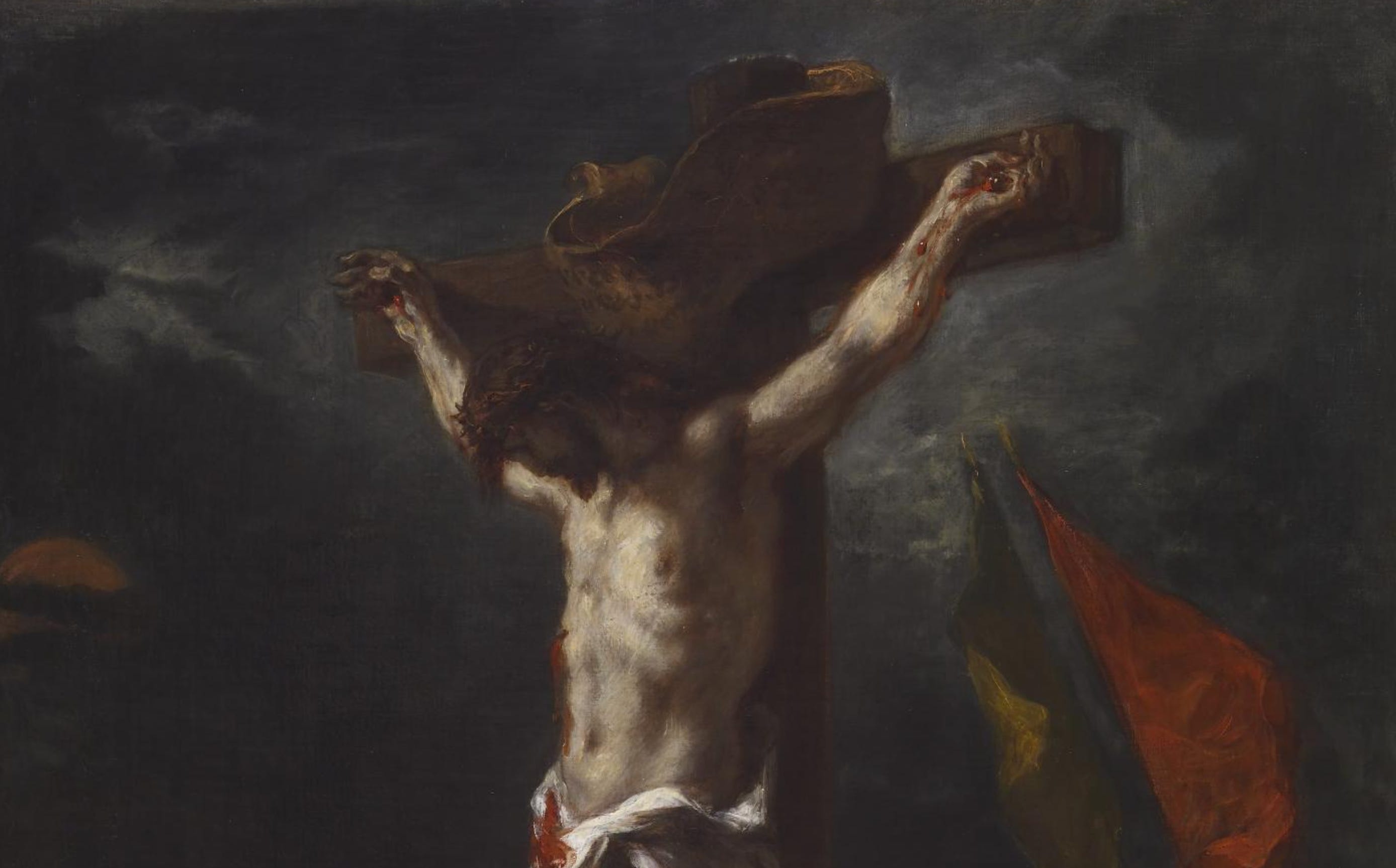
The path to our intended destination is the path of self-giving love, perfectly exemplified for us by Jesus in his sacrificial death on the cross.
We want more than being able to break free from the limits that constrain us. We want to break out of finitude entirely, to find our way into the fullest possible life.
One can argue that materialism, rather than religion, is the true "opiate of the masses" as it prevents people from seeing the world as it really is.
It's important, even crucial, always to remind ourselves that the salvation of the world doesn't depend entirely on us.
True and lasting peace has both a horizontal dimension (peace with our fellow human beings) and a vertical dimension (peace with God).
On Rediscovering the Image of Human Nature
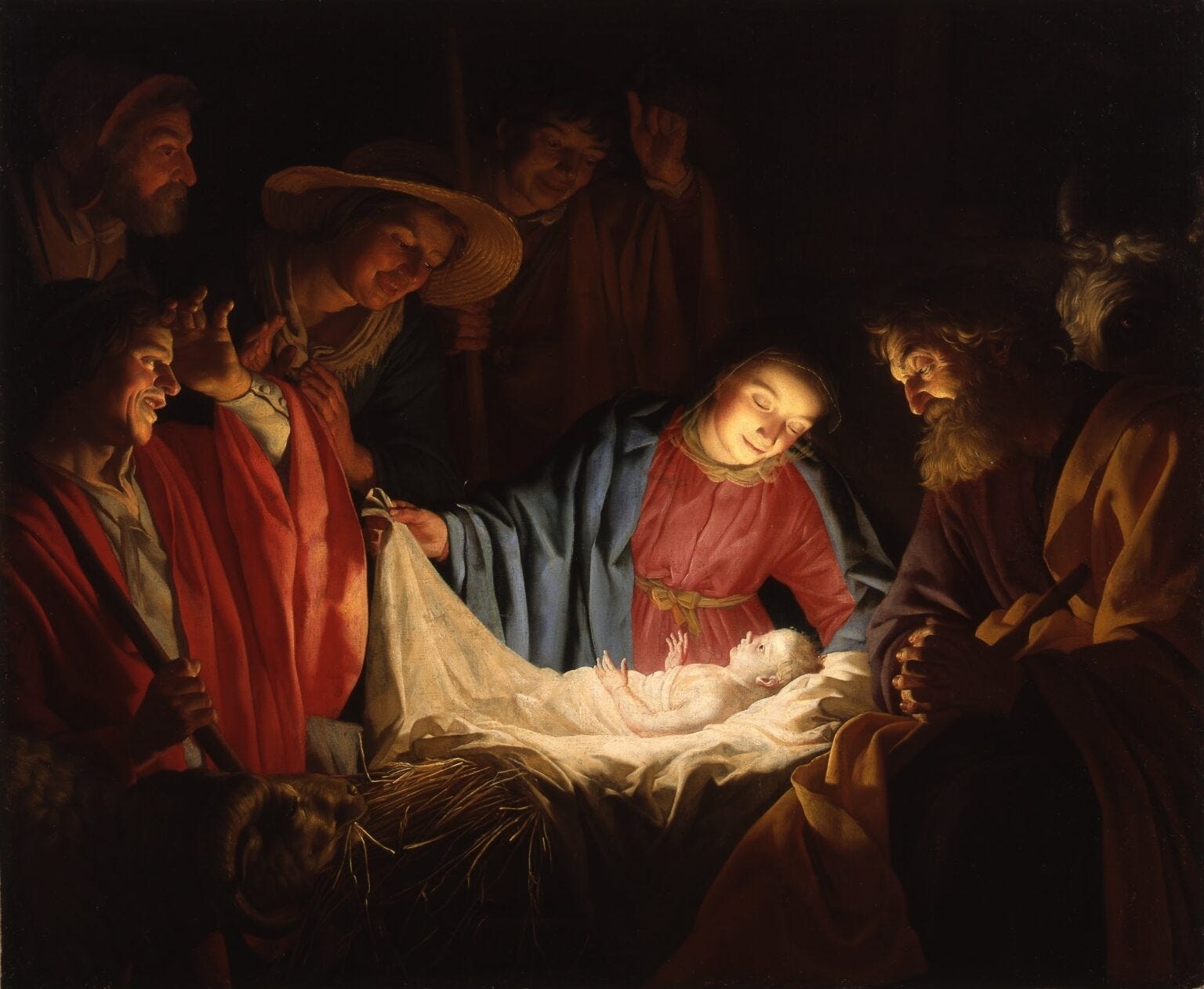
Every Christmas, I find my thoughts returning to a passage from Hans Urs von Balthasar’s book, Heart of the World. In this passage, Balthasar reflects on the dilemma that confronted the Son of God when he came into the world as one of us.
Love makes the seemingly impossible possible. Love carries within itself the power to create, the power to bring something into existence that did not exist before, the power to transform a potentiality into a reality.
Our desires are infinite because they are, at their deepest level, a desire for the infinite good, who is God. Nothing less than God will satisfy us.
Some people find their way to God and to Christian faith via the beautiful or the true, but some find their way there via the good.
What are we to make of the shocking number of people who are cheering and celebrating the assassination of Charlie Kirk?
The ongoing decline in societal stability is troubling in many ways, but perhaps one of its most concerning consequences is its detrimental effect on the ability of many adolescents and young adults to form a solid and stable sense of personal identity.
For several millennia, the human race has dreamt of a utopia, a perfect earthly society.
In one of his most famous lines, St. Augustine exclaims, “You have made us for yourself, O Lord, and our hearts are restless until they rest in you.” Hans Urs von Balthasar took St. Augustine’s profound insight and reflected upon it from a different perspective—God’s perspective. Addressing Jesus, and speaking for all human beings, Balthasar exclaims, “Your Heart is restless until it rests in me.…
Thomas Nagel, an American philosopher, once wrote a candid admission about both the nature and the source of his atheism: “It isn’t just that I don’t believe in God.
It’s going to be extremely difficult for our politicians to work together to serve the common good when many of them aren’t willing to join together with each other for even a brief moment in order to applaud obvious instances of the good.
As life wears on, things get more, not less, morally complex.