
We’ve covered contractor issues, rebuilding failures, and the gaps in county oversight extensively on our podcast After the Ashes and in our private group. These issues keep coming up and I wanted this primer to exist in writing—somewhere you and your neighbors can bookmark it, save it, and share it widely with anyone navigating the rebuild process now or in the years ahead. This is a practical guide and a warning.
Thousands of Altadena families in unincorporated Los Angeles County are facing ground-up rebuilds, major remediation, grading, retaining walls, soil replacement, utility work, and a hundred other expensive decisions. Some excellent local contractors are doing honest, quality work, and many of them are working around the clock. But there simply aren’t enough of them, and that gap has created a real opening for out-of-area contractors, opportunists, and in some cases outright bad actors.
Everything below has come up in our neighbors-only group. These aren’t hypothetical concerns. We’re seeing bad contracts, unlicensed work, poor workmanship, permit problems, soil dumping, trespassing, and neighbors who already need legal representation. The elders in our community are especially vulnerable.
If Los Angeles County won’t adequately protect homeowners during this rebuild, we need to know how to protect ourselves and each other.
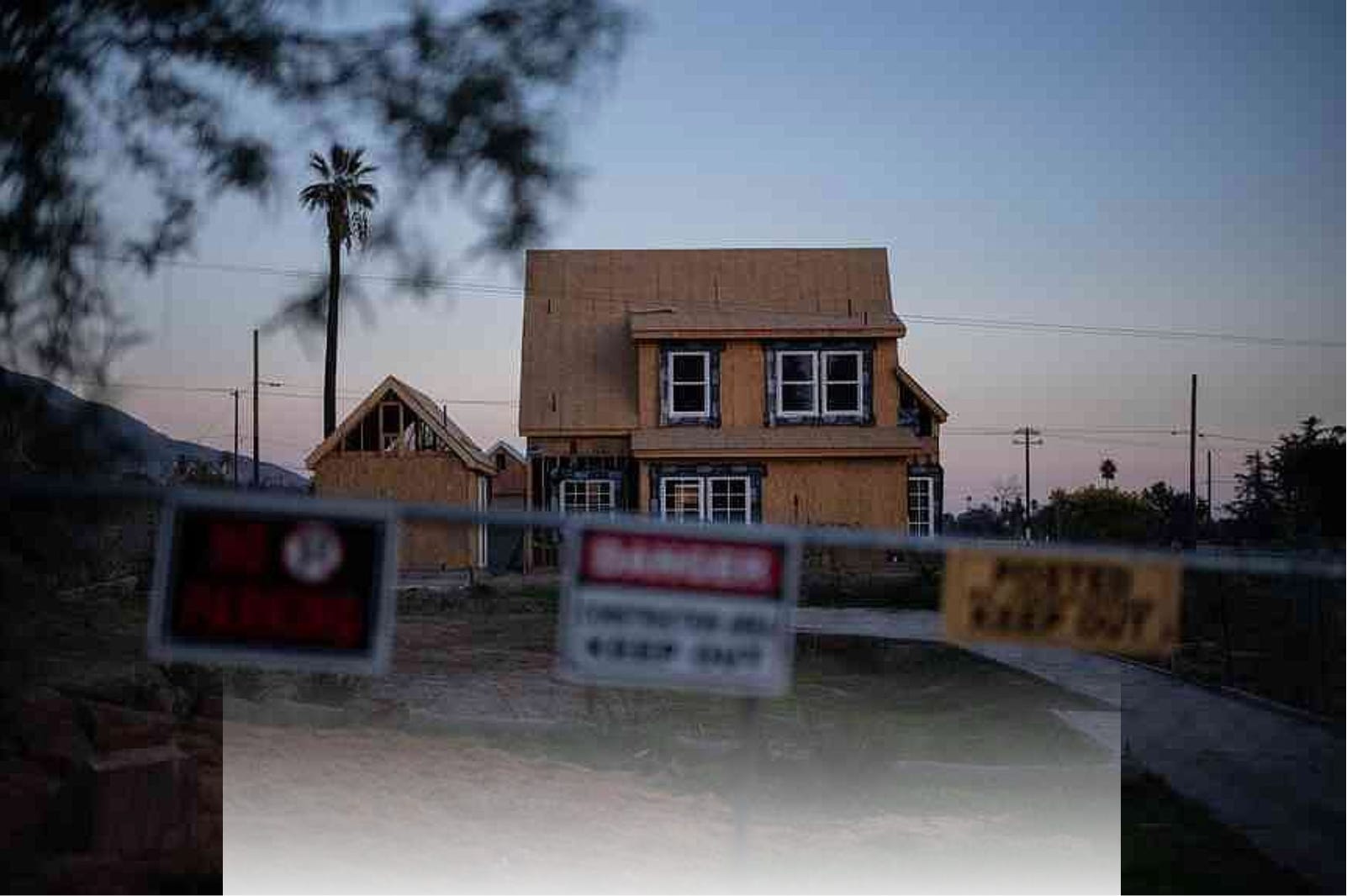
Start With the License — But Don’t Stop There
The first thing you want to do with anyone you’re considering hiring is check their license through the California Contractors State License Board (CSLB). A license alone isn’t enough.
You need to verify:
The license is active and in good standing
The classification matches the work being done
Bonding is current
Insurance is current
Workers’ compensation is current
There are no open disciplinary actions
Past complaints, lawsuits, or enforcement actions don’t show a pattern
All subcontractors are licensed for their specific trade and carry their own workers’ compensation coverage
Don’t skip the subcontractors. Ask whether the contractor uses their own employees or subcontractors, and verify that all subs are also licensed for their trade. A fully licensed GC can still run crews without proper workers’ compensation coverage — and if someone is injured on your property under those circumstances, you may bear liability. Request certificates of insurance from subcontractors, not just your GC.
License Classification Matters
B — General Building Contractor: required for new home construction and major structural projects
B-2 — Remodeling Contractor: not licensed to manage a full ground-up rebuild
Specialty licenses (electrical, plumbing, concrete, roofing) cover only those specific trades
Don’t assume someone can legally build your home just because they have a license. Verify the contractor license type (there are many) and the exact scope allowed under their classification directly with CSLB.
Dig into the Name Behind the NameOnline reviews matter, but they’re only the start. Check:
Google and Yelp reviews
Business filings
Civil court records
News mentions
What neighbors in our group are saying, both referrals and warnings
Whether they previously operated under a different company name
We’ve seen neighbors hire companies with glowing reviews, only to find out the same people had run another company under a different name, with terrible reviews and unresolved complaints. If a company has rebranded, find out why.
Demand Proof of Real Past Work
Anyone can show you glossy renderings or photos from the week a project finished. The real test is how work holds up years later. Ask to see:
Completed rebuilds or major projects you can visit in person
Homes that are several years old, not just finished
Past client references you can actually call or meet
Projects similar in size and complexity to yours
Then go look. Talk to former clients. Ask what went wrong, not just what went right. No human references, no real projects to visit — that’s a major red flag.
The “Owner-Builder” Trap
This one keeps coming up in our group. Contractors — or people posing as general contractors — push homeowners to pull permits as owner-builders. They’ll say it’s faster, easier, more efficient. It’s not. When you pull an owner-builder permit, you take on the responsibility that a licensed GC would otherwise carry:
Managing subcontractors
Site safety obligations
Insurance exposure
Workers’ compensation risk
Code compliance responsibility
Liability when something goes wrong
This gets worse if unlicensed or uninsured workers are on site. As the permit holder, you may be treated as their employer of record. A worksite injury can become personal liability.
Don’t agree to owner-builder status unless you are qualified to project manage and fully understand the legal and financial responsibilities you’re signing up for.
Illegal Contractor Signage Say It All
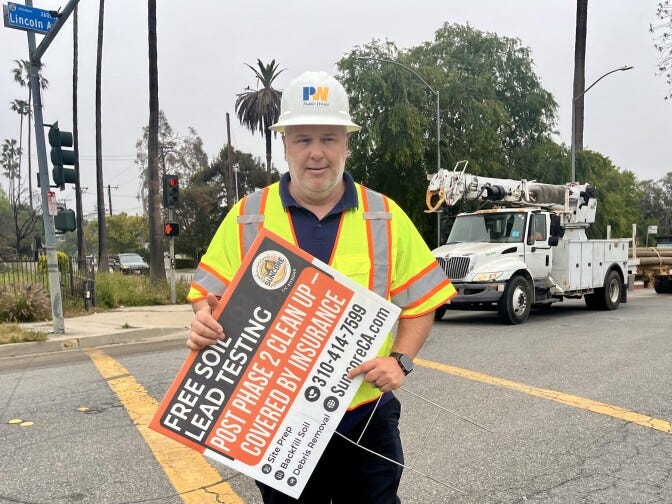
Illegal signage is common all over Altadena right now. Some contractors pull it down when told. Others treat the fines as a cost of doing business. And rather than enforce the rules (which clearly state nothing larger than 6 square feet, no vinyl banners, no signage in easements or on public property, and no signs unless there is active construction) Los Angeles County decided recently to relax them because they couldn’t keep up. The result is more illegal signage, more clutter and more trash. A neighborhood that’s already been through enough getting treated like a free-for-all.
The county’s job is to protect residents from bad actors, especially in a disaster zone where they’re moving in fast. Relaxing the rules does the opposite. And too many contractors out here are taking advantage.
That tells you something about how they handle rules and codes, neighbors, and accountability in general. If someone disregards basic laws in public, ask yourself how they behave when no one’s looking.
What to Know About Contracts & Money
California law caps contractor down payments at 10% or $1,000, whichever is less
Tie progress payments to verified milestones and passed inspections, not calendar dates or contractor requests
Never release payment for a phase until the relevant county inspection has passed. A contractor who pressures you to pay before sign-off is a red flag
If your GC doesn’t pay their subs, those subs can lien your property. Demand conditional lien releases from your GC and all subcontractors at each payment milestone, and unconditional releases at project completion
Ask for bids broken down in CSI MasterFormat — the industry-standard structure organizing work by division: site work, concrete, framing, mechanical, electrical, and so on. Itemized estimates let you compare bids on equal footing and spot where scope is missing. A low bid usually means something was left out, not that someone found a better deal
Watch for contract red flags: vague scope, no completion date, mandatory arbitration clauses, excessive deposits or fee schedules
Require written change orders for every scope change, no matter how minor. Verbal agreements about added work, substituted materials, or schedule shifts are nearly impossible to enforce. If it isn’t in writing and signed before work starts, it didn’t happen
The Cheapest Bid is Often the Most Expensive
Hiring the wrong contractor isn’t just about crooked walls or bad finishes. The real costs often shows up later:
Foundation movement
Permit and code violations
Delayed certificate of occupancy
Costly litigation
Reduced resale value
Trouble getting or renewing insurance
The cheapest bid can become the most expensive decision of the entire rebuild.
Keep Your Own Records
Keep a construction log with dates, who was on site, what happened
Photograph and get video of every phase before it gets covered — soil import, soil compaction, foundation, framing, rough-in
Know what your options are if you discover a problem mid-construction versus after completion. The answers are different, and the window to act can close fast
The Inspection Crisis
Los Angeles County failed to warn Altadena residents when the fire started. It failed to stop the fire from burning our town unchecked for days. Now that same county, understaffed and overwhelmed, is responsible for inspecting and approving every step of our rebuild. And residents are already reporting what you’d expect: critical work moving forward with too little oversight, including blatant code violations that are passing multiple checks and inspections, especially with the loophole of “self-certification”.
That includes compaction, grading, foundation readiness, drainage, retaining walls, survey and setback compliance, and code compliance generally. If proper soil testing doesn’t happen before concrete is poured, problems may not surface until settlement, cracking, or seismic activity forces them into view.
We aren’t just experiencing this, we are hearing it from inside the system itself. In off-the-record conversations, a senior county inspectors describe an environment unlike anything they have seen in their careers. An unspoken expectation to be lenient and let things move forward, even when they might not otherwise pass. He was blunt that the county is woefully understaffed, and that the current pace and scale of approvals will leave behind years of issues to sort through. This reinforces a difficult reality. You cannot assume the system is catching what it is supposed to catch.
“Passed” does not mean protected. You need to verify that work is actually being done correctly and to code. If you don’t feel equipped to do that yourself, consider hiring an owner’s representative, construction manager, or independent inspector to watch out for you.
Plans & Builds Are Getting Approved That Shouldn’t
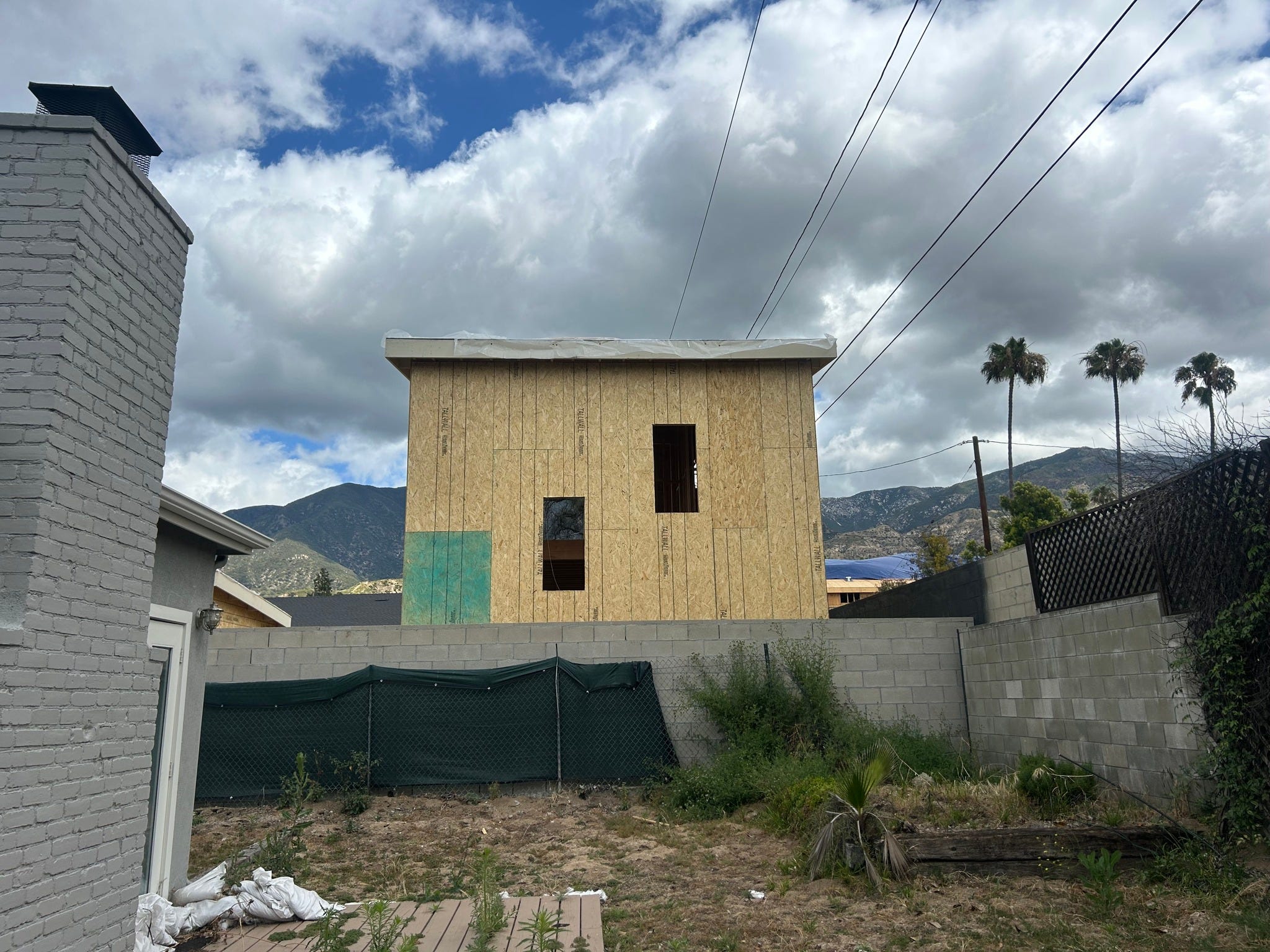
Another recurring issue we’re hearing: code-noncompliant plans and construction are getting approved, and homeowners find out after the fact.
Raise it with Los Angeles County and the answer too often is – it’s a civil matter.
That leaves homeowners stuck between contractors, designers, neighbors, attorneys, and bureaucracy, while the agencies that are supposed to manage this process and catch these problems absolve themselves of responsibility. This isn’t just about one property. It’s a county system that cannot manage a disaster rebuild at this scale, and that was already struggling to manage basic governance before the fire.
Dirt Work, Dumping & Contaminated Soil
This is another issue that deserves serious attention. We keep hearing about lots being developed without proper secondary debris removal and clearing. If you want to ensure your site is safe for the long haul, you can follow the EPA’s more stringent recommendations* that include:
6” scrape of your entire property, lot line to lot line
2’ (or more) cap of clean material
Other issues that continue to be raised include:
Illegal dumping on vacant lots
Unverified fill dirt being imported
Fire contaminated material moving from one property to another
Contaminated soil hidden under clean fill and buried under new foundations
If soil leaves your property, ask for:
Trucking receipts
Disposal tickets
Destination records
If soil is brought onto your property, ask for:
Source or supplier information
Clean fill certification
Soil testing and a report from a geo firm
If material is being used for structural or flat work, ask for:
Compaction records from a geo firm
Geo records that include a moisture and density report to ensure proper compaction occurred before you begin over x, compaction and construction
Using someone you know you can trust for this work is critical and you can’t assume your contractor has it handled or is it doing it the right way because many are not since no one knows better. Import and export quantities should be clearly outlined in any proposal or contract for dirt work and you need to know where it came from and where it’s going. You’re paying for this. You have every right to expect proper documentation.
* It’s worth noting that past fire cleanups in our state, as recently as the Woolsey Fire in 2018, the Army Corps of Engineers’ cleanup included a 6” lot line to lot line scrape, post remediation soil testing, and additional remediation as needed. Our community got none of that and are now left holding the bag. Act accordingly.
Protect Your Lot
Ongoing reports include trespassing, theft, property damage, boundary disputes, encroachments, and confusion around recently sold or absentee-owned lots. If your lot is vacant, consider:
A professional survey properly recorded with the county
Temporary fencing
No trespassing signage
Lighting and cameras
Regular photo documentation
Frequent site checks
Don’t wait until something happens. In a years-long rebuild environment, proactive protection matters. No power or wifi? No problem. Neighbors are using solar powered trail cameras that would work incredibly well on the hill.
Look Out for Your Elder Neighbors
Older residents are carrying a lot right now: insurance claims, grief, displacement, decisions about whether to rebuild at all, and contractors who recognize a vulnerable homeowner when they see one.
Predatory tactics are real. High-pressure visits. Contracts signed under stress. Bids accepted without comparison. Demands for illegal deposits. It is happening here.
If you have elder neighbors, don’t just check in. Actually help. Sit with them through contractor meetings. Look over bids together. Verify a license before they sign anything. A second set of eyes costs nothing and can prevent a disaster inside a disaster.
There are extra penalties for contractors doing anything illegal when a person is 65+. If you believe an elder neighbor is being financially exploited, Adult Protective Services, the CSLB and the DA’s office are real options. You don’t have to be certain. A call is enough.
Where the Rebuild Actually Stands
There’s visible activity, especially now that county has allowed construction to expand to seven days a week, and you can follow the progress daily on the county dashboard. But the reality is:
The majority of parcels haven’t started
Many owners are stuck in insurance disputes
Many can’t afford to rebuild and are dependent on a lawsuit settlement
Many are waiting on plans, permits, financing, or a decision about whether they will stay at all
Many with approved permits aren’t actually building for a multitude of reasons
Seven to ten years. That’s the estimate, and it doesn’t feel wrong. For the thousands of residents who never left, or who came back because they had nowhere else to go, that’s not an abstract timeline. It’s their daily life right now.
Renters who couldn’t afford to move. Homeowners whose standing structures were too damaged to sell and too uncertain to leave. People who simply refused to abandon the community they’ve spent their lives building. They’re living inside a construction zone. The dust, the traffic, watching their town change block by block, carrying grief and uncertainty with no end date in sight. We’ve said it before and we’ll keep saying it – it’s a crisis of its own, and it doesn’t get the attention it deserves.
These neighbors are owed the same consideration we give to rebuilding families. Clean and safe construction practices. Dust mitigation. Respect for hours and noise limits. Respectful contractors and crews who don’t treat our lots and occupied streets like an open job site. And a community that doesn’t forget them in the conversation about what we’re all rebuilding for.
What We Owe Each Other
We lost our homes, our businesses, our trees, our culture, our history, and our neighbors. We didn’t lose each other.
The county failed to protect us when it mattered most. No warnings. A fire that burned unchecked for days. At least nineteen neighbors who died in their homes. We have demanded accountability for that and we will keep demanding it. That same standard applies to what comes next. The rebuild is not a fresh start for the institutions that failed us. It’s another test. And a test that so far, they are failing.
Everyone in this process needs to understand what’s at stake. Rebuilding Altadena means rebuilding it right. Honest contracts. Legal work. Clean sites. Respect for neighbors and the community. Accountability when things go wrong. Protection for elders. Enforcement of our codes and our CSD (Community Standards District). Government that actually does the job we pay it to do.
And just as importantly, if you are rebuilding something different than what previously existed—whether that’s a larger footprint, a second story, or adding an ADU—you owe your immediate neighbors a proactive, upfront conversation about what’s coming. We are hearing too many stories of people being completely blindsided by new construction going up right against property lines that was never there before, blocking views and eliminating privacy. By the time they realize what’s happening, it’s too late for them to adjust their own plans, protect light and privacy, or even ask basic questions. Communication is not just courteous, it’s part of being a good neighbor in a community that is healing from trauma and rebuilding together.
Right now, too much of the burden has fallen on residents. That’s not how disaster recovery should work. Until it does, we keep doing what we’ve been doing since January 8, 2025. We stay on it, we look out for each other, and we don’t back down.
Protecting Altadena is part of rebuilding Altadena. Stay strong, neighbors.
Thanks for reading Beautiful Altadena! This post is public so feel free to share it.
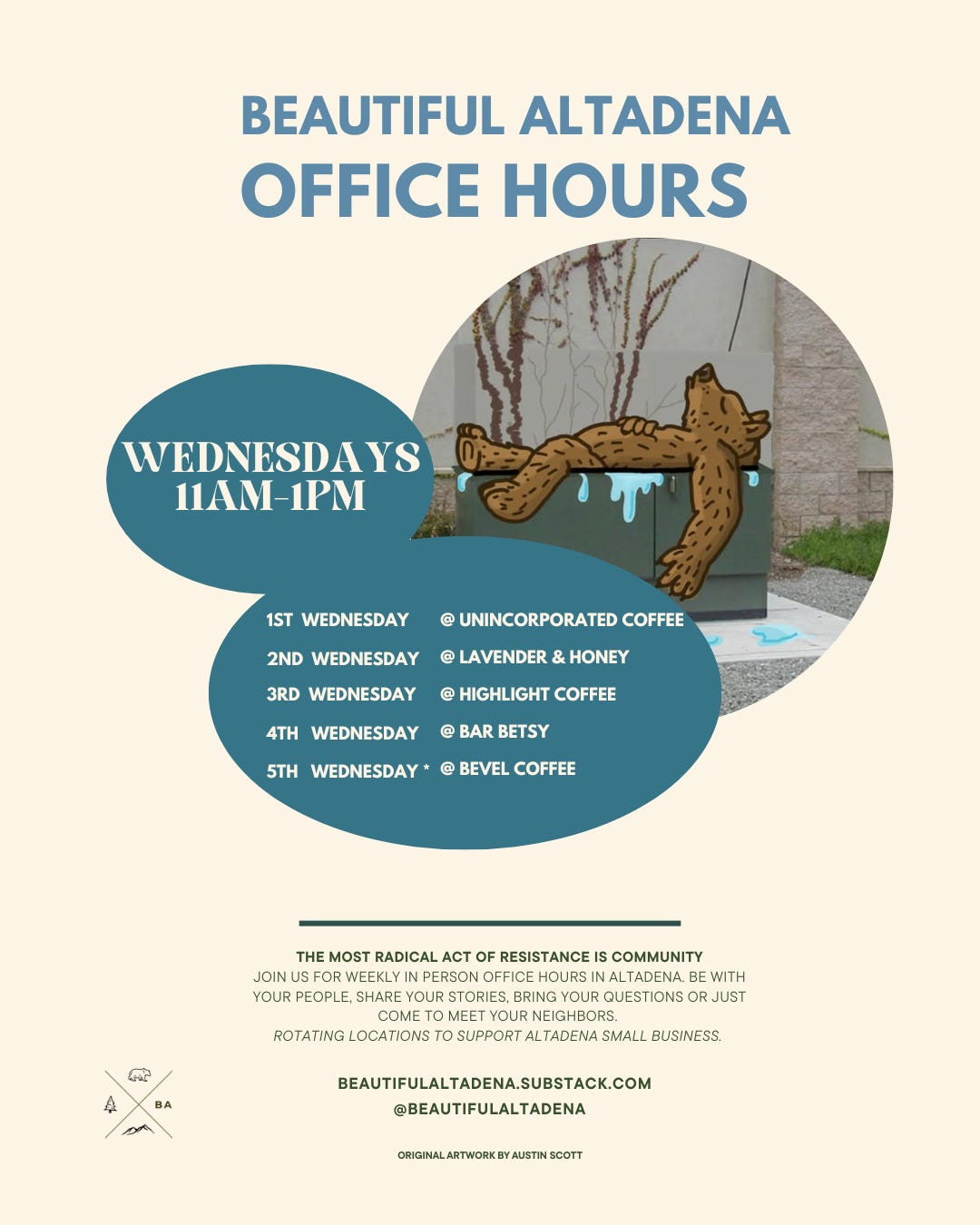
In case you missed it, we are hosting weekly “Office Hours” on Wednesdays from 11am to 1pm at coffee shops in Altadena. The most radical act of resistance is community. Bring your questions, your stories, and meet your neighbors. All are welcome.
Comments
Nothing yet. Say the first thing.
Sign in to join the conversation.