
Hello everyone, happy Friday!
Welcome to Part 2 of our eating for fertility series with certified nutritionist Chloe Ring. Last week we tackled inflammation, and this week we’re diving into egg quality: what it actually means, what you can (and can’t) control, and how nutrition fits into the picture.
Before we dive in, let me be really honest: the wellness industry talks a lot about “improving egg quality” with superfoods and supplements. A lot of it is utter bullshit (or ‘sus’, if you’re Gen Z). But here’s what’s also true: there are meaningful factors you can influence when it comes to egg health, especially around mitochondrial function and oxidative stress. So let’s cut through the ‘woo’ noise and talk about what actually matters.
What “egg quality” means
Egg quality primarily refers to whether an egg has the correct number of chromosomes. A “normal” egg has 23 chromosomes. The percentage of genetic abnormalities increases with age, so by our 40s, there can be up to 80% more abnormal cells than in the eggs of someone in their 20’s.
The primary reason that egg quality declines is age. As we age, our bodies, and therefore our eggs, are exposed to infections, stress, free radicals and toxins that cause harm (this stuff causes harm to every cell in your body, not just eggs). Once an egg is damaged and develops chromosomal abnormalities, you can’t reverse that damage with a salmon filet. But here’s what’s interesting: many chromosomal errors actually occur shortly before ovulation, when oxidative stress impacts mitochondrial function (we’ll explain that in plain English later on…). And that’s exactly where nutrition comes in.
But here’s what nutrition CAN do
Each egg takes around three to four months to mature before ovulation. During that 90-day window, your eggs are developing in an environment that you can influence. Egg cells contain about 100,000 mitochondria, the highest amount of any cell in the body (yas queen 💅). The health and functionality of mitochondria are paramount in supporting the egg’s energy demands, and there are early promising studies here we can look to for nutrition impacting mitochondrial function in egg cells.
So while you can’t reverse age-related decline or “fix” eggs that are chromosomally abnormal, you can support optimal conditions during that egg maturation window. Antioxidants can help buffer the cumulative effects of stress, pollution, pesticides, and modern environmental exposures. You can reduce oxidative stress and support mitochondrial function. Think of it as creating the best possible environment for your eggs, not reversing biology.
And with the massive ‘bullshit detectors out’ disclaimer out of the way… let’s dive in with Chloe.
Alright Chloe, let’s set realistic expectations here. What can nutrition actually do when it comes to eggs?
Great question, and I’m glad we’re being honest about this. Nutrition can’t turn back the clock. But what it can do is support your eggs during their maturation phase, which is really important. We’re talking about reducing oxidative damage, supporting the mitochondria that power egg development, and creating optimal conditions for fertilization and early embryo growth.
So we’re not “improving” egg quality so much as “not making things worse”?
Exactly. And that matters more than you’d think. Research in mice has shown that a diet rich in omega-3 fatty acids was associated with improved egg quality including better mitochondrial dynamics, though we do need more human studies. In humans, adherence to healthy diets favoring seafood, poultry, whole grains, fruits and vegetables are related to better fertility in women.
What’s actually happening during those 90 days of egg maturation?
Your eggs are growing and developing, and they need energy. Lots of it. That’s where mitochondria come in. They’re the powerhouses that fuel egg development, fertilization, and early embryo growth. The choices you make during this window can support that process by reducing inflammation, providing antioxidants to combat oxidative stress, and giving your body the nutrients it needs for optimal hormone production.
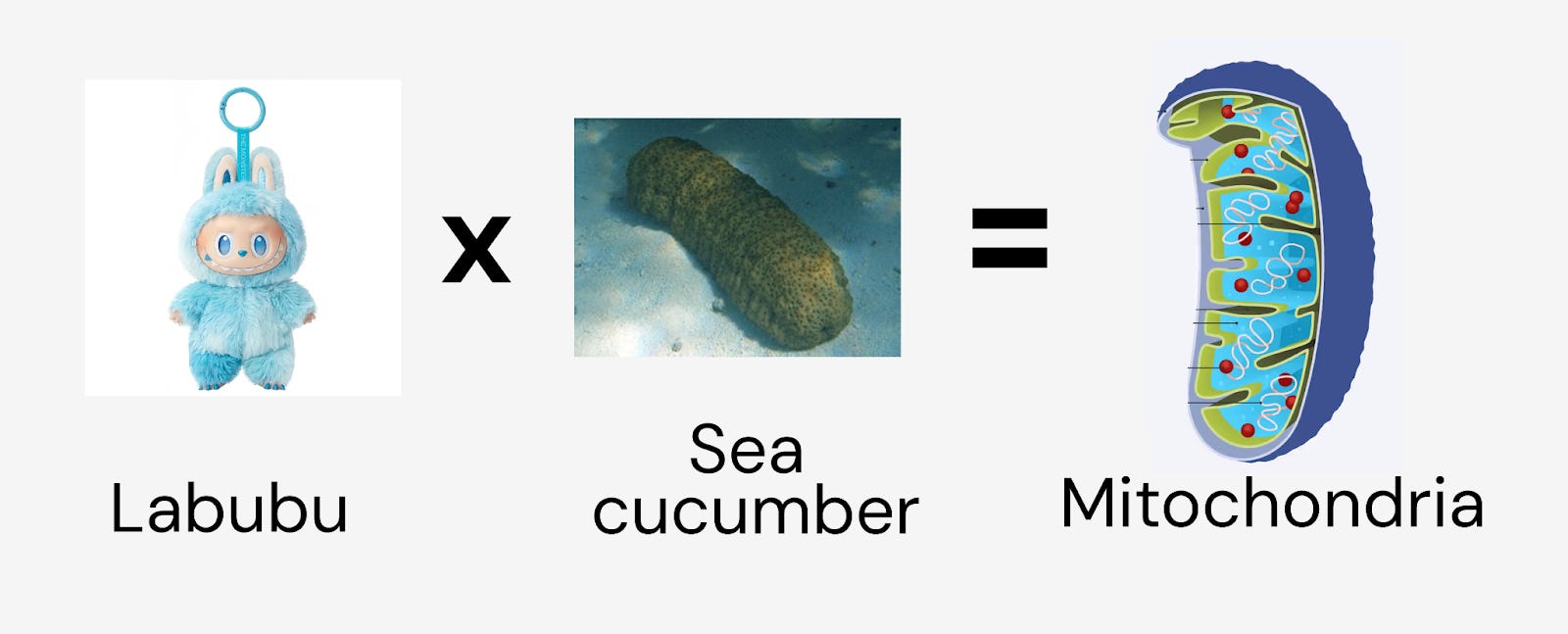
Tess here: if you didn’t always listen in high-school biology and are wondering what ‘mitochondria’ are, same girl. Let me break it down: mitochondria are sub-units of a cell that ‘power’ the cell by converting food and oxygen into usable energy for that cell. They look a bit like Labubu’s crossed with a sea cucumber. No joke. But they’re really, really powerful, so pay attention to Chloe, she really knows what she’s talking about.
So what should I actually be eating?
We’re back to the Mediterranean-style, anti-inflammatory approach. Some studies show increased fertility with higher adherence to the Mediterranean diet, and fish intake has been linked to higher live birth rates with IVF. Here are three rules that we can hold to be true:
Healthy fats for hormone building: avocados, olive oil, full-fat dairy, nuts, and seeds. Your body needs these to make the hormones required for reproduction.
Colorful vegetables: sweet potatoes, kale, mushrooms, broccoli, chard, peppers, cabbage, spinach. Different colors mean different antioxidants, which help protect cells from oxidative damage.
Antioxidant-rich fruits: pomegranates, berries, apples, citrus, grapefruit, and kiwi. These help combat the cellular stress that can damage eggs.
And omega-3s? I know we talked about those last week.
Yes, and they matter here too. Some researchers have found that women with sufficient omega-3 levels typically have higher-quality embryos and are more likely to become pregnant. Cold-water fish like salmon and sardines, plus chia seeds, flax, and walnuts. Aim for at least two servings of fatty fish per week. If you’re veggie or vegan, double down on the chia, flax and walnuts.
What about fiber and protein?
Absolutely essential. Fiber from whole grains, legumes, and beans supports gut health and helps regulate insulin. Stable blood sugar is crucial for hormonal balance. For protein, focus on eggs (nature’s multivitamin), lentils, fish, shellfish, and moderate portions of quality meat. Protein helps stabilize blood sugar and provides the building blocks for hormone production.
And protein for Veggies and Vegans?
For vegetarians and vegans, we do need to be more intentional with protein intake, since plant proteins are generally less bioavailable and may require slightly higher overall targets to meet fertility needs. If you’re vegetarian, a diet that includes eggs and/or dairy is incredibly helpful for supporting optimal fertility and nutrient sufficiency.
For fully plant-based options, great protein sources include:
Beans, peas, lentils, and all legumes
Organic, non-GMO soy products like edamame, tofu, and tempeh
Nuts, seeds, and quinoa as supporting sources of protein
Quality does matter with soy, so choosing minimally processed, organic options is ideal if that’s available for you. One other tip: Pre- soaking (and in some cases sprouting) beans, grains, lentils can help greatly with bioavailability. You can also purchase some pre-sprouted grains etc.
I’ve seen a lot of supplements marketed for egg quality. CoQ10, DHEA, all that. What’s the deal?
Some studies found that a higher level of CoQ10 inside developing eggs was associated with higher-quality eggs and higher pregnancy rates. But supplements are not a substitute for diet, and you should talk to your doctor before taking them, especially DHEA, which can have side effects. The foundation is always whole foods first.
How long do I need to eat this way to see any benefit?
Remember those 90 days of egg maturation? That’s your window. If you’re planning to conceive in the next few months, whether naturally or through IVF, now is the time to focus on creating optimal conditions.
So if I’m 38, is it too late?
No! Remember, you can impact cellular function and mitochondrial function by changing your diet in that 90-day maturation window. And there is some promising data that it is helpful.
This sounds expensive…
Let’s be real: fertility is already financially draining, and I’m not about to tell you to shop at Whole Foods. Here’s how to do this without breaking the bank: frozen vegetables are just as nutritious as fresh and often cheaper. Canned sardines and salmon cost a fraction of fresh fish and are packed with omega-3s. Eggs are one of the most affordable complete proteins. Dried beans and lentils are dirt cheap and excellent sources of fiber and protein. Buy seasonal produce, or whatever is on sale. And honestly? A bag of frozen mixed berries will do more for you than some $30 “superfood” powder. The goal is nutrient-dense whole foods, not expensive specialty items.
Ok Chloe… Give me the bottom line without the bullshit.
Our eggs are always aging. That’s biology, and no amount of salmon will change it. But during the 90-day maturation window, you can reduce oxidative stress, support mitochondrial function, and create optimal conditions through anti-inflammatory eating. It’s not a guarantee, it’s more: it’s something within your control. And when so much of fertility feels out of your hands, that matters so much.
Next week, we’re wrapping up this series with Part 3: eating for sperm health. Because the guys need evidence-based guidance too, and honestly, the bar is pretty low right now.
Take care of yourself this weekend. Eat some salmon (or chia seeds), get some sunshine, hug someone you love, and remember, there are parts of this turbulent, rollercoaster journey that we can control. You’ve got this.
Warmly,
Tess
Co-founder & CEO
Comments
Nothing yet. Say the first thing.
Sign in to join the conversation.