Why benchmarking AI models in a vacuum is a critical security blind spot
Developers often treat agent harnesses as neutral wiring, but new red-teaming research shows that your choice of harness can make or break your AI security.

In-depth discussions about machine learning, deep learning, reinforcement learning, neural networks, artificial general intelligence, AI business, and other technology trends.
Live Last read · last published · next check
Developers often treat agent harnesses as neutral wiring, but new red-teaming research shows that your choice of harness can make or break your AI security.
Giving an LLM thousands of tools leads to noisy decisions. Learn how to optimize AI agent planning and tool routing without overwhelming the context window.
Current interpretability tools fracture continuous concepts into isolated points. Goodfire's new approach preserves the full shape of AI reasoning.
Passive RAG floods LLM context windows with noise. MRAgent’s active memory reconstruction improves reasoning and cuts token costs.
With harness engineering becoming a main focus of AI engineering, new frameworks allow AI agents to write their own execution logic and optimize their performance.
Nvidia's ASPIRE and the new era of self-improving AI frameworks are drastically reducing token costs and deployment friction for real-world robotics applications.
OpenAI is doing hardware, Nvidia is doing models, xAI is doing data centers, Google is doing everything.
Use agentic loops to speed up your AI applications. But don't overdo it.
Chain-of-Thought prompting is slow, expensive, and largely an illusion. The future of machine reasoning happens in latent space.
Casual AI prompting breaks down as codebases grow. Codev introduces strict protocols and multi-model reviews to help teams ship maintainable software.
Scaling LLMs hits limits when dealing with agentic AI tasks. For that, we need to look at the harness and the system built around the model(s).
A deep look at the self-distillation techniques that make Composer 2.5 such a great coding model (and the hidden tradeoffs they introduce to AI reasoning).
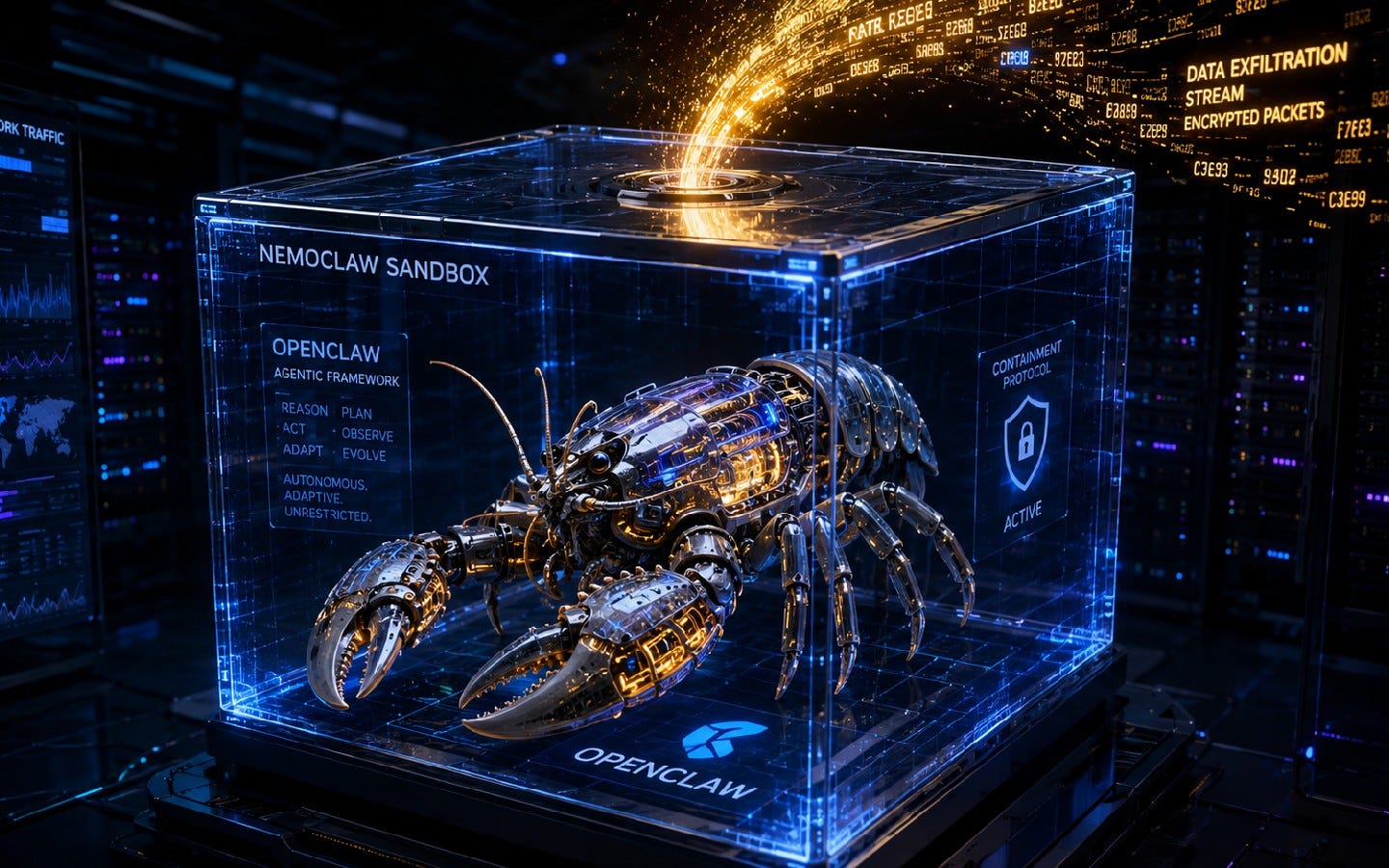
Research into Nvidia’s NemoClaw reveals that sandboxes don't stop AI agents like OpenClaw from leaking data. We need to rethink security from first principles.
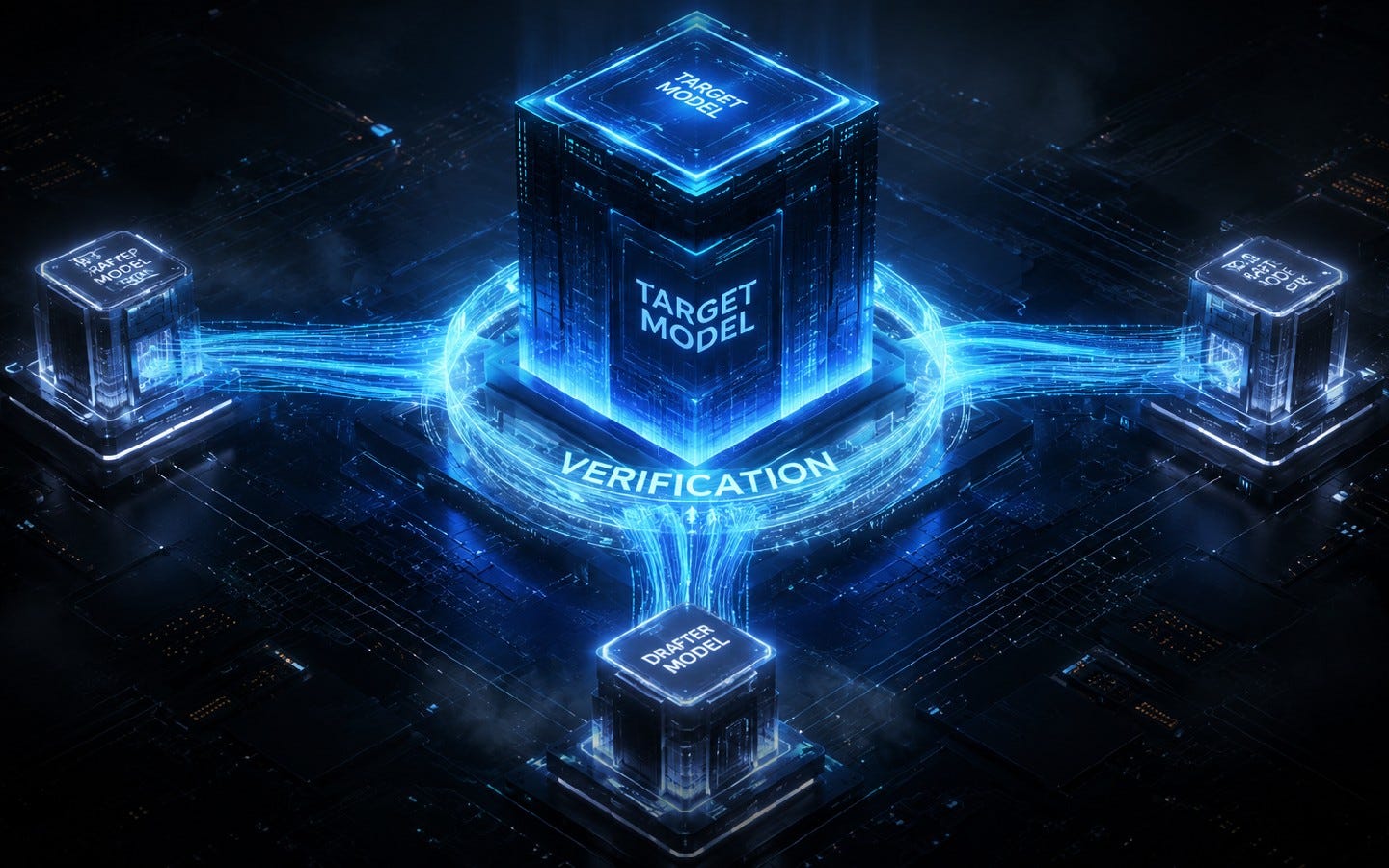
How Gemma 4’s multi-token prediction and community-driven DFlash are speeding up local LLM throughput by 3-6x.
Memory Sparse Attention (MSA) scales LLM context windows to an unprecedented 100 million tokens while preserving accuracy.
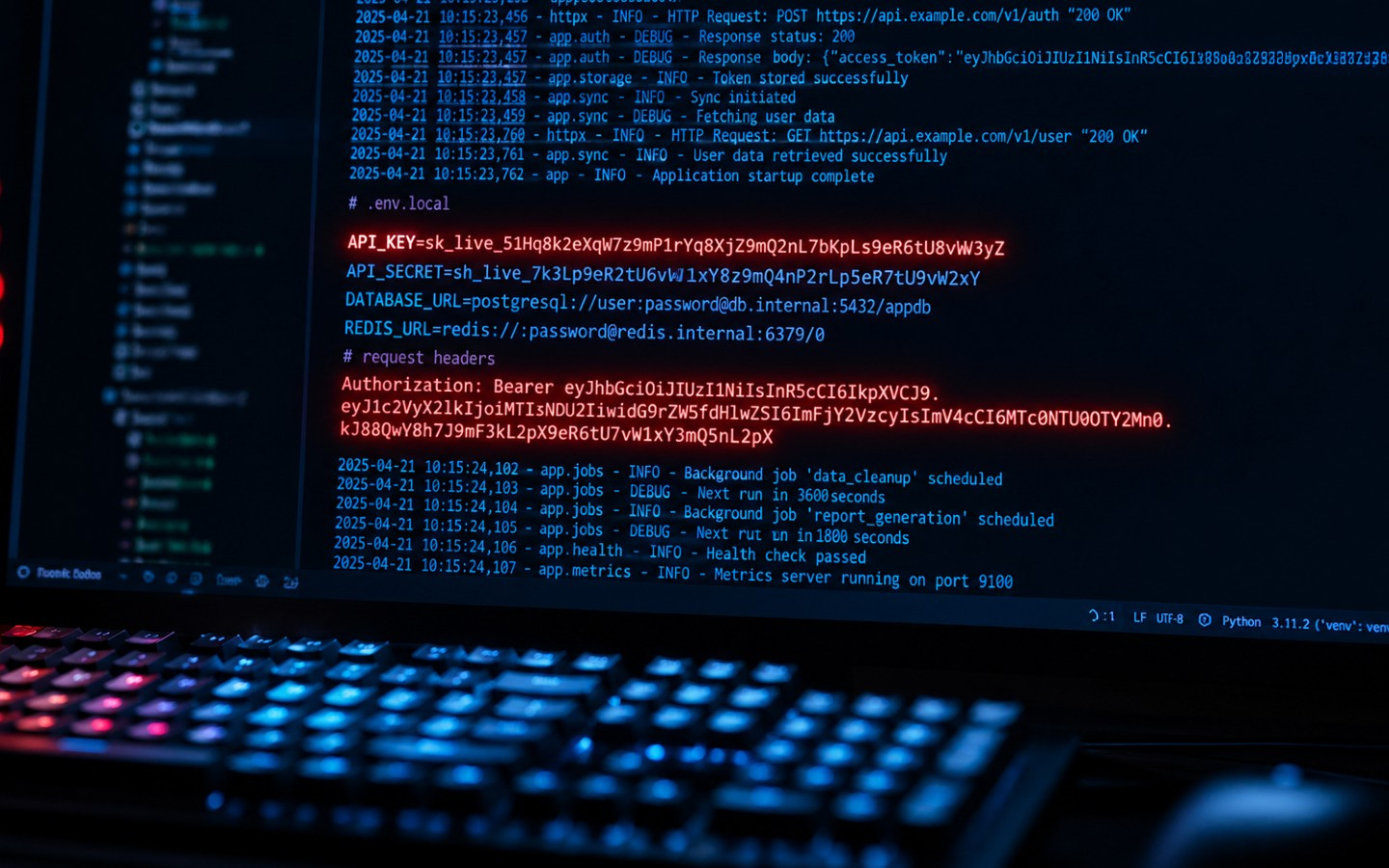
A new study reveals how AI coding assistants like Claude Code are quietly hoarding and publishing sensitive API keys to code repositories.
Security researchers have uncovered a massive architectural flaw in Anthropic's Model Context Protocol, exposing millions of AI applications to remote takeovers.
Optimizing LLMs for concise answers can destroy their ability to explore alternative solutions on difficult problems. New study reveals the hidden cost of self-distillation.
The recent leak of Anthropic's Claude Code reveals a hard truth: as LLMs become commoditized, the sophisticated engineering harness built around them is becoming the real moat.
As developers rush to run local AI agents on Mac Minis, GhostClaw malware exploits macOS binaries to silently harvest credentials.