
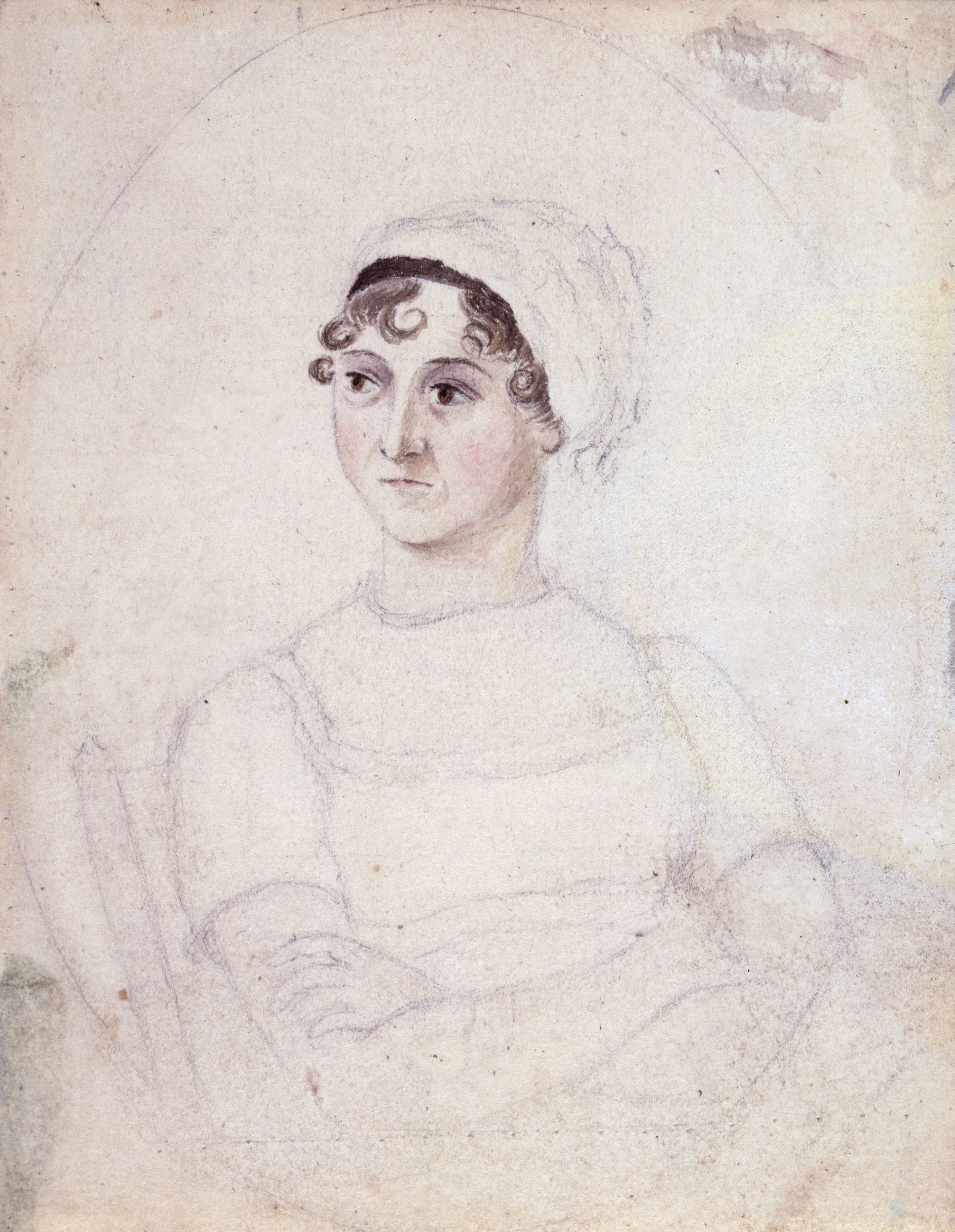
Jane Austen is 250 today!
One of my projects this year had been to read or re-read all of Austen’s novels in order. Earlier, I had read Pride and Prejudice (back in 2000) and Emma (in 2019) — her remaining four novels were new to me. Here are some loosely developed thoughts at the end of my Year of Austen.
You — yes, you — should also take the time to read Jane Austen.
Yes, all of Jane Austen’s novels! There are only six. Even her lesser-read novels are good, and her popular ones are magnificent.
I highly recommend David Shapard’s annotated editions. True, the language of Austen’s era is not so different from ours. Any reasonably literate modern reader will be able to read and enjoy Austen without help. However, Shapard’s explanations guide those of us who do not regularly study history through the Regency Era’s technology, economics, and social expectations. That background helped me enjoy the stories more.
“Enjoy the stories” — this is why I can confidently state that everyone should read Austen. The stories are good! The writing is witty! Reading Austen is fun. Enjoy it. I’m not giving you “eat your vegetables” advice about a worthwhile but dull task you endure because it’s good for you. This is “eat buttered popcorn at the movie” advice about something you should do because it’s tasty.
But! Before this year I’d absorbed Austen’s popular culture reputation of being the first rom-com writer. I expected her wit but not her depth. Thus, my biggest surprise this year was, for the first time, starting to understand Austen’s strong moral vision. I like how Henry Oliver explained it in his recent, eloquent appreciation of Austen:
The central concern of all her novels is moral education—how to raise daughters who grow up to be Lizzie Bennet, not Lydia; how to become Fanny Price not Mary Crawford; how to ensure you don’t spoil a child of talents so that they risk being too superior to find their own happiness or ruin others, like Emma Woodhouse.
Drawing on her knowledge of the Enlightenment philosophers, especially Adam Smith and his book The Theory of Moral Sentiments, Austen’s novels are all about what it means to see things from someone else’s point of view. That is the moral lesson Lizzie Bennet learns about Mr. Darcy, it is what Marianne learns about Elinor, and it is what Emma Woodhouse learns about all her meddling.
The biggest downside risk of reading all of Austen is you may find your perspective so altered that you begin to wonder how much you really belong in 21st century America. However: Perhaps that’s not so bad.
Thanks for reading Brian’s Brain! This post is public so feel free to share it.
Comments
Nothing yet. Say the first thing.
Sign in to join the conversation.