
👉 Download the mix - next to the “30” fast-forward circle above are three dots - click, and you’ll see the download option
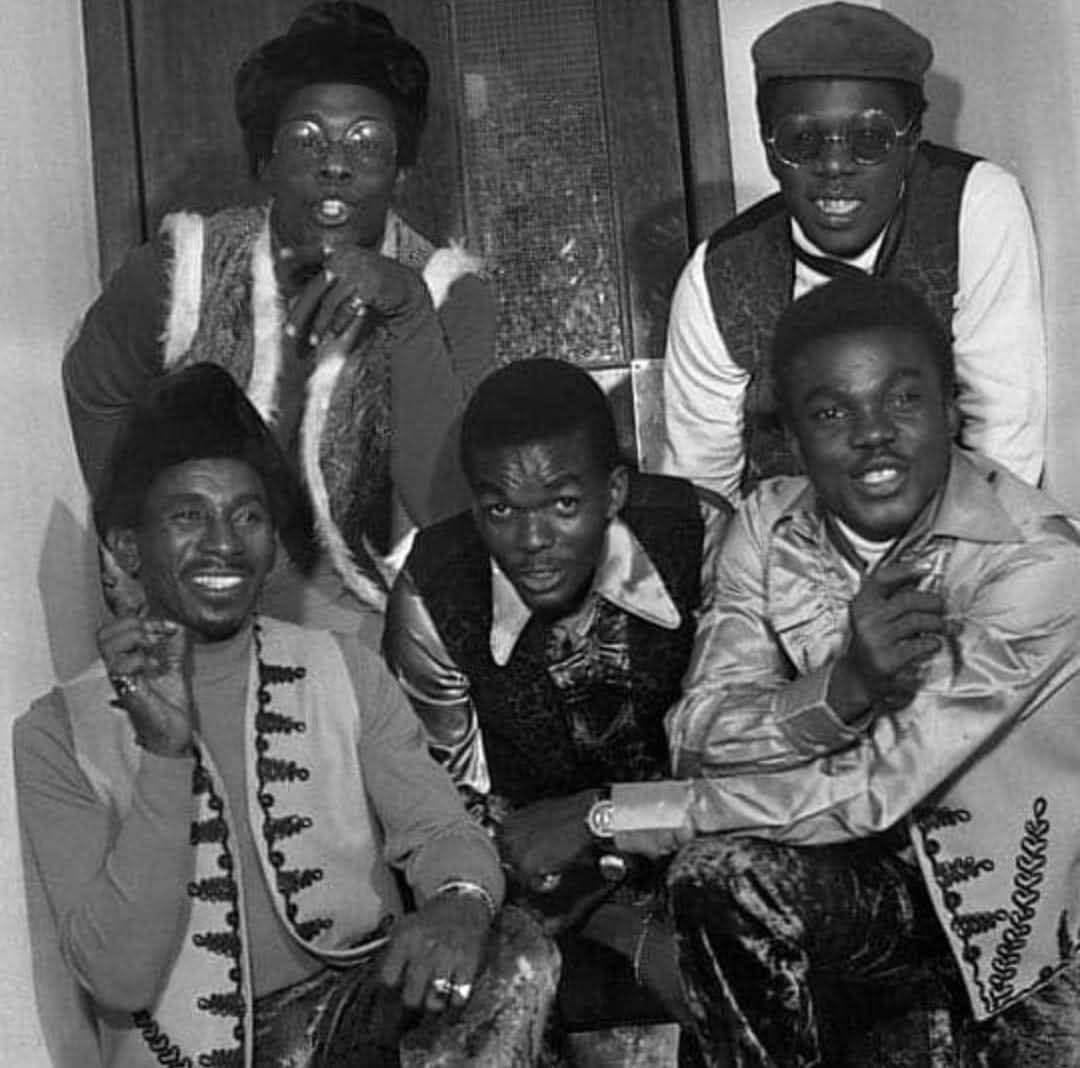
(Gladstone Anderson, Alva Lewis, Lee “Scratch” Perry, Carlton Barrett, Aston Barrett)
Every revolution needs its instruments, and the revolution that Lee “Scratch” Perry launched in Jamaican music between 1968 and the early 1970s required a band that could travel with him to places no Jamaican recording had been before. The Upsetters were that band. They were the rhythm section that gave Perry his sound, the ensemble whose collective intelligence and musical ferocity made the Black Ark revolution possible, and the group whose recordings represent one of the most fertile and most underappreciated periods in the entire history of Jamaican popular music. This is their story.
The Breaking Point: From Gibbs to Upsetter Records
To understand why the Upsetters existed, you have to understand the specific moment of fury and liberation that produced them. Lee Rainford Perry, born on 20 March 1936 in Kendal, Hanover, Jamaica, had spent a decade working first for Coxsone Dodd at Studio One and then for producer Joe Gibbs at his Amalgamated Records operation. He was already a significant figure in Jamaican music, his production instincts sharper and his sonic ambitions larger than either employer fully understood or accommodated. The break with Gibbs in 1968 came amid personal and financial disagreements that Perry addressed in characteristically direct fashion: he released a diss record, “People Funny Boy,” whose recycling of the crying baby sound from Jackie Mittoo’s “One Step Beyond” over a grinding reggae rhythm was simultaneously a musical innovation and a public act of aggression toward his former employer. The record sold well. The relationship ended permanently.
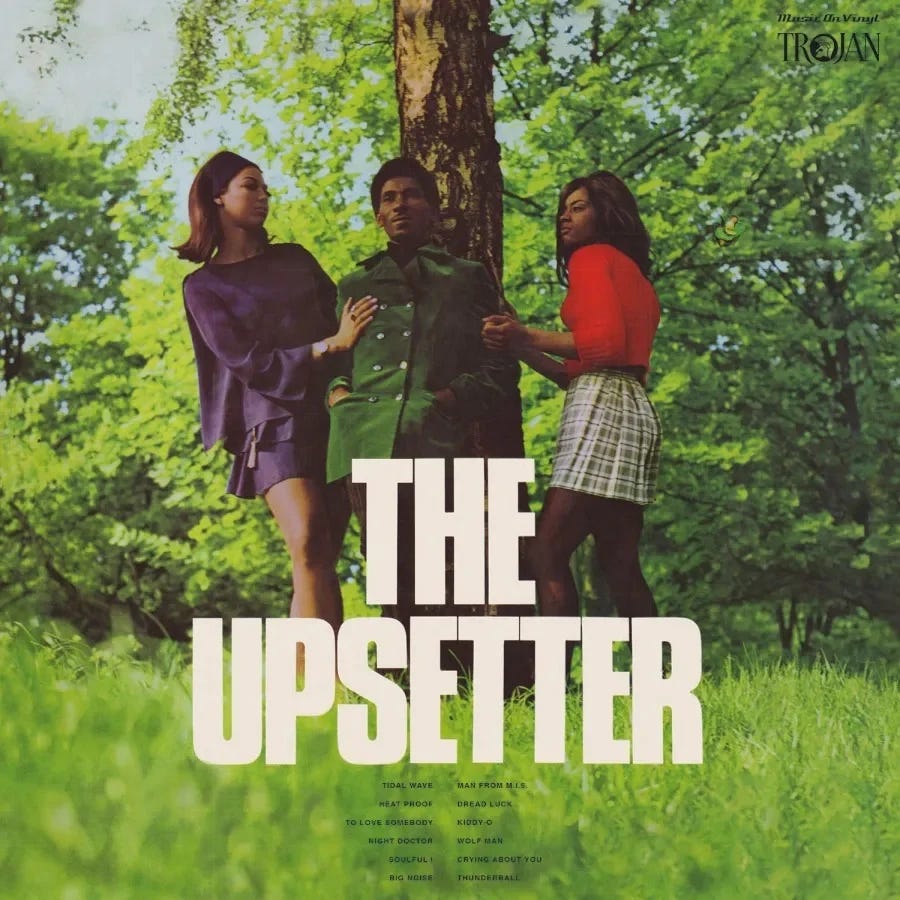
Perry founded Upsetter Records in 1968 and opened the Upsetter Record Shop in Kingston, where he sold the productions he was making. The label’s name referenced both his reputation as a disruptor and the 1965 single “The Upsetter,” which had announced his solo production ambitions several years earlier. What the label needed was a band, and the band that Perry assembled in the months following his departure from Gibbs became the most important backing ensemble in the history of early Jamaican reggae.
The Original Upsetters: The Rhythm Section That Made History
The founding Upsetters lineup combined musicians who were already significant figures in the Kingston session circuit with younger players whose skills and instincts Perry had identified through the network of contacts he had built across a decade of studio work. The rhythm section that anchored the original band was extraordinary by any standard. Carlton “Carly” Barrett on drums and his brother Aston “Family Man” Barrett on bass formed the foundational unit, two musicians whose individual abilities were already considerable and whose combined understanding of rhythm could not be manufactured or taught. Alva “Reggie” Lewis and Ronnie Williams handled guitars. Glen Adams and Winston provided keyboards. As a collective, they were, in the assessment of virtually every serious student of Jamaican music who has examined the period, the greatest rhythm section in the history of reggae.
The first major recording that brought the Upsetters to international attention arrived in 1969 when the instrumental “Return of Django,” a saxophone reworking of Fats Domino’s “Sick and Tired” featuring what biographer David Katz described as a driving rhythm and impressive percussion work with a vibrant saxophone that added a delightful flair, reached number five on the UK Singles Chart. The achievement was remarkable: a Jamaican reggae instrumental, released on Trojan Records in London and given almost no promotional support, reaching the top five of the British chart entirely on the force of its groove. Trojan immediately assembled the Upsetters’ most popular instrumental releases into the Return of Django album, capitalizing on the unexpected success. Perry was secretly selling the recording tapes to Trojan and keeping the proceeds for himself, an act of financial audacity that caused the original Upsetters lineup to depart and eventually form their own separate operation. He was not troubled by the departure. He rebuilt the band and continued.
The Wailers Connection: The Most Consequential Session Relationship in Reggae History
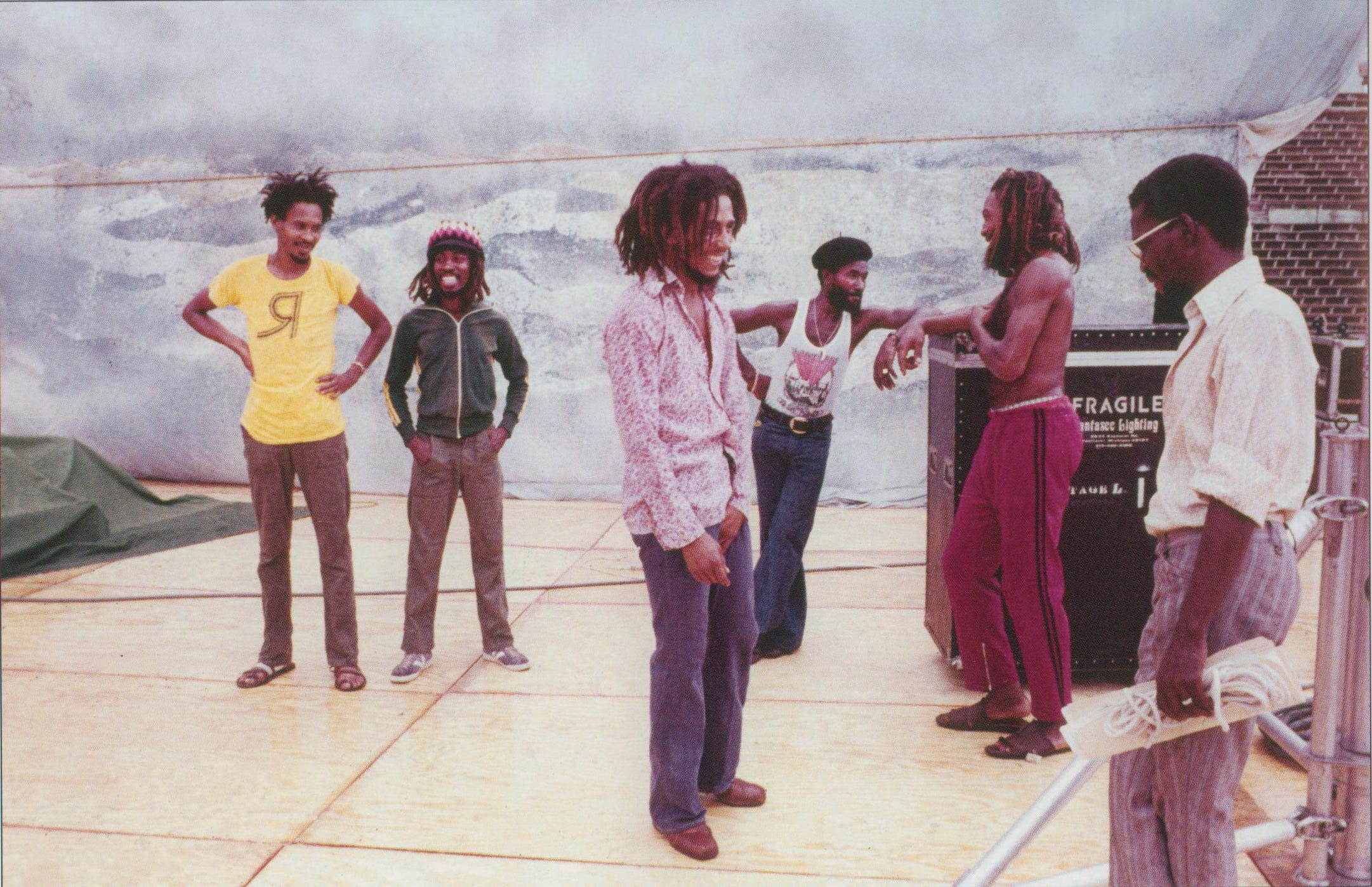
The period between the original Upsetters’ departure and the opening of Black Ark Studio in 1973 was the most creatively productive of Perry’s entire career, and the recordings gathered on this playlist represent some of its finest hours. The reason for that productivity was the arrival of a new rhythm section whose quality matched and in some respects exceeded the founders: Carlton Barrett and Family Man Barrett returned to play on Perry’s sessions, now as members of the group that had become the most celebrated in Jamaican music. Bob Marley and the Wailers began working with Lee “Scratch” Perry in 1969, and the combination of the Wailers’ vocal genius with the Upsetters’ rhythmic authority produced recordings including “Duppy Conqueror,” “Small Axe,” “Soul Rebel,” and “Trench Town Rock” that remain among the most important in the entire reggae canon.
The working relationship between Perry and the Wailers was one of mutual benefit and mutual creative provocation. Perry pushed the Wailers toward a harder, more rhythmically complex sound than their earlier Studio One recordings had achieved. The Wailers pushed Perry toward the spiritual and political depth that would define his greatest work. When the relationship ended in the early 1970s, each party carried forward something essential that the other had contributed. The Wailers took the rhythmic sophistication and sonic ambition that Perry’s production had developed in them. Perry took the understanding that music could carry philosophical weight without sacrificing its physical force, an understanding that his Black Ark work would push to its absolute limits.
The Playlist: The Full Range of the Upsetters World
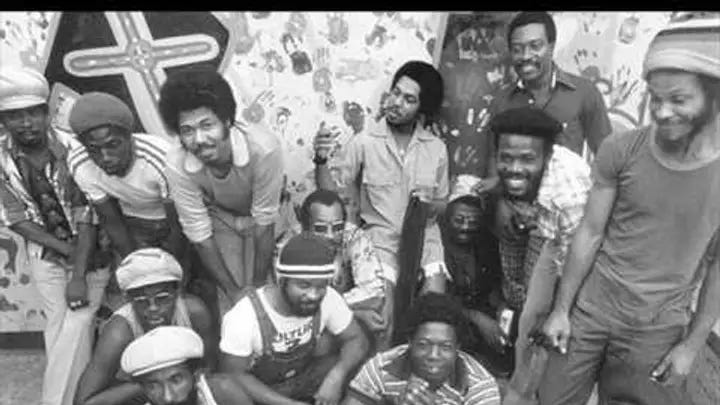
The twenty-two tracks gathered on this playlist represent the Upsetters and their collaborators across the full range of the early 1970s period, the moment before Black Ark when Perry’s productions were simultaneously their most commercially accessible and their most rhythmically aggressive. The variety of vocal talents that appear alongside the Upsetters tells its own story about the way Perry worked: not as a producer who imposed a consistent aesthetic on whoever came through his door, but as a creative intelligence who identified what each individual voice needed and built the musical environment around it.
Junior Byles, one of the most spiritually intense vocalists of the roots era, appears on both “Demonstration” and “Live As One,” his voice carrying the weight of genuine Rastafarian conviction over Upsetters’ rhythms of extraordinary precision. Junior Byles was one of the most important collaborators of Perry’s pre-Black Ark period, their work together including “Beat Down Babylon” and “Place Called Africa” demonstrating the social and spiritual range of what the Upsetters could support.
Val Bennett, the veteran saxophonist whose playing had graced dozens of ska and rocksteady recordings, appears on “Serious Joke” in one of the most musically sophisticated combinations on the playlist, his saxophone line threading through an Upsetters rhythm that demonstrates how completely the band could accommodate jazz-influenced improvisation within the reggae framework. Dave Barker, who had achieved significant commercial success with “Double Barrel” alongside Ansel Collins, appears on “Prisoner of Love,” his smooth vocal style given an Upsetters context that adds textural richness to his melodic delivery.
Count Sticky, appearing on both “Dry Acid” and “I’ve Caught You,” represents the deejay dimension of the early Upsetters catalog, his toasting style sitting naturally over rhythms that the band had built for vocal improvisation. U-Roy, the founding father of Jamaican deejay culture, appears on “Rightful Ruler,” his presence on a Perry and Upsetters production a reminder of how central the deejay tradition was to the full range of what these recordings were attempting. David Isaacs on “Can’t Take It Anymore” and Carl Dawkins on “Cloud Nine” represent the more conventional soul and reggae vocal traditions, their voices given context and depth by arrangements that the Upsetters’ rhythm section makes feel inevitable.
Pat Satchmo on “Goosy,” The Reggae Boys on “Selassie,” and Candy Mackenzie on “Long Enough” complete the picture of a band so rhythmically and harmonically accomplished that they could serve any vocal style without losing the essential character that made them the Upsetters rather than a generic backing group. The instrumental tracks, “Scandalising,” “Ginal Ship Version 2,” “Righteous Rocking,” “Bad Luck,” “Till I Can’t Take It Any More,” “Silverlocks,” and “Move Me,” demonstrate the range of the band’s own compositional voice, from the hard-driving funk of “Righteous Rocking” to the more meditative groove of “Silverlocks” to the urgent forward momentum of “Move Me.” “Mean and Dangerous” and “Beware,” the two tracks credited primarily to Lee “Scratch” Perry and the Upsetters, capture Perry himself in a rare vocal role, his voice adding the dimension of his own creative personality to the ensemble sound he had built around him.
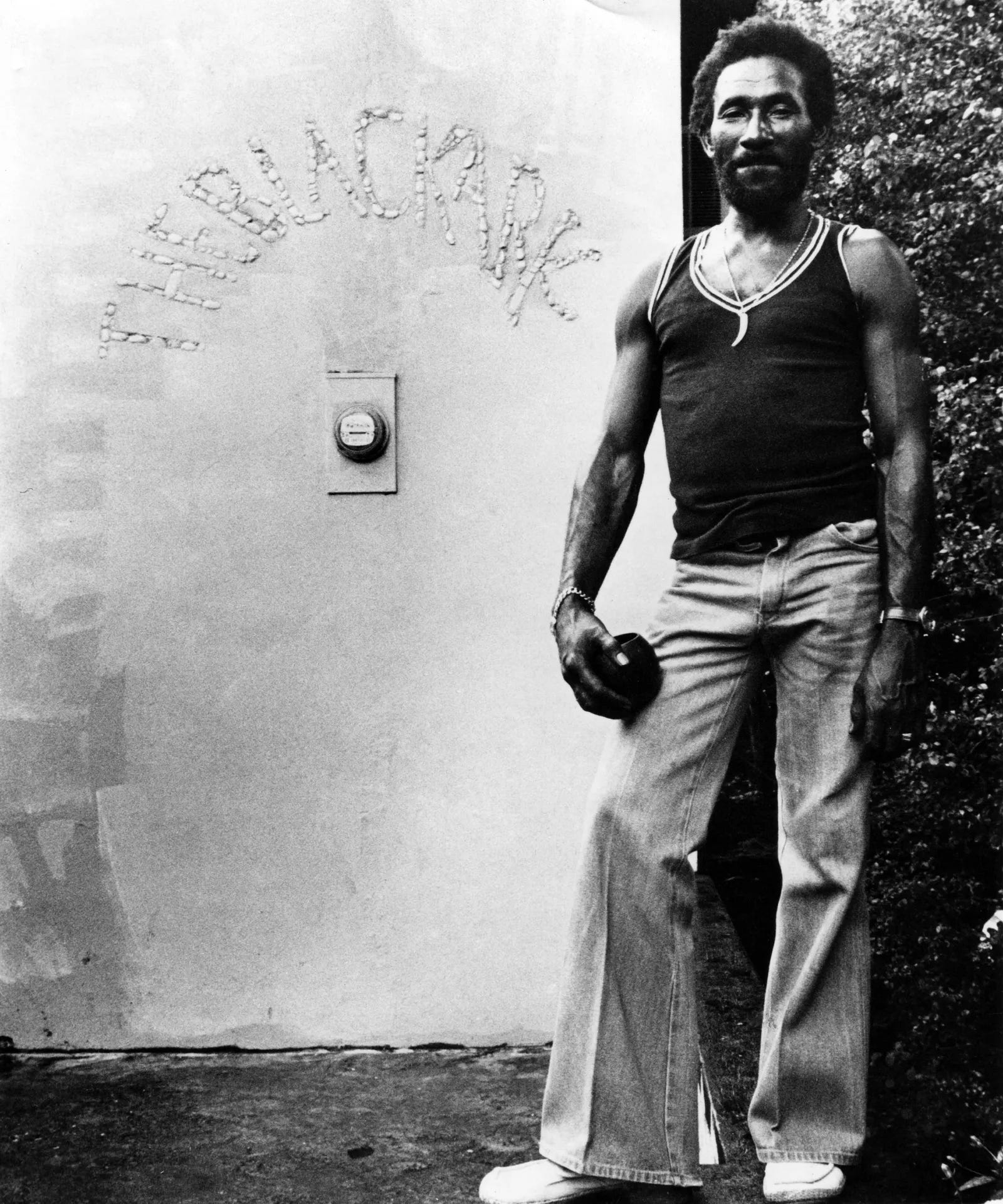
(Perry at his Black Ark studio in the ’70s (Photo by Echoes/Redferns)
The Black Ark and Beyond
In 1973, Perry built Black Ark Studio in the yard of his home on Washington Gardens in Kingston, a small four-track facility whose technical limitations he immediately began treating as creative parameters rather than obstacles. The Upsetters who played at Black Ark sessions through the mid-1970s were drawn from the same Kingston session community that had produced the originals, their musical relationship with Perry now operating in a studio that was itself an instrument, its valve equipment, spring reverb units, and unconventional recording techniques producing the cavernous, textured sound that defines the Black Ark aesthetic. Max Romeo, Junior Murvin, Culture, The Congos, Susan Cadogan, and the young Bob Marley and the Wailers before their Island Records transition all passed through Black Ark, each leaving with recordings that the Upsetters’ rhythm section had made possible.
Perry burned Black Ark to the ground in 1979, an act of destruction that remains the most dramatically unexplained event in the history of Jamaican music. He left Jamaica for London, then for Switzerland, rebuilding his career with new incarnations of the Upsetters in each location and continuing to produce music of genuine quality across four more decades. The Upsetters name traveled with him, applied to whatever collection of musicians he was working with at any given moment, the band becoming less a specific lineup and more a concept: the musicians who played behind the Upsetters, whoever they happened to be and wherever they happened to be playing.
Lee “Scratch” Perry died on 29 August 2021 in Lucea, Hanover, Jamaica, aged eighty-five. The musicians who had been the Upsetters at the formation of it all, the Barrett brothers most consequentially, had long since taken their talents into the history books through their subsequent work with the Wailers and with productions across the full spectrum of Jamaican music. Their contribution to the recordings on this playlist is the contribution of musicians who were, for a specific and extraordinary window of time, exactly where they needed to be.
The Upsetters were more than a backing band. They were the musical environment in which Lee “Scratch” Perry’s most adventurous ideas found their first expression. Every producer needs musicians who can follow them into the unknown and make the unknown sound inevitable. For the most important years of his career, Perry had the Upsetters. The recordings they made together demonstrate, over and over again, what happens when a producer of genius meets a band of equivalent power and neither one is willing to settle for anything less than the full force of what the music can do.
The Upsetters - Scandalizing
Junior Byles, Lee “Scratch” Perry & The Upsetters - Demonstration
Val Bennett, Lee “Scratch” Perry & The Upsetters - Serious Joke
The Upsetters - Ginal Ship Version 2
Pat Satchmo, Lee “Scratch” Perry & The Upsetters - Goosy
Junior Byles & The Upsetters - Live As One
Lee “Scratch” Perry & The Upsetters - All Combine
The Reggae Boys, Lee “Scratch” Perry & The Upsetters - Selassie
Count Sticky, Lee “Scratch” Perry & The Upsetters - Dry Acid
David Isaacs, Lee “Scratch” Perry & The Upsetters - Can’t Take It Anymore
Lee “Scratch” Perry & The Upsetters - Beware
The Upsetters - Righteous Rocking
Carl Dawkins, Lee “Scratch” Perry & The Upsetters - Cloud Nine
The Upsetters - Bad Luck
Lee “Scratch” Perry & The Upsetters - Mean And Dangerous
Count Sticky, Lee “Scratch” Perry & The Upsetters - I’ve Caught You
U-Roy, Lee “Scratch” Perry & The Upsetters - Rightful Ruler
Candy Mackenzie & The Upsetters - Long Enough
The Upsetters - Till I Can’t Take It Any More
Dave Barker, Lee “Scratch” Perry & The Upsetters - Prisoner Of Love
The Upsetters - Silverlocks
The Upsetters - Move Me
Comments
Nothing yet. Say the first thing.
Sign in to join the conversation.