
Howdy! Welcome to a new section of Based in Paris called Can I Say Something. Inspired by Keese.
This space will feature shorter commentary (rants?) on a given topic. I won’t email the list about these posts, so you’ll find them right here.
It’s my way of sounding off without letting my Substack presence become too Twitter-fied.
Today’s topic, sparked by a conversation with a dear friend, is the mystery of getting published and where.
The publishing world is big, opaque (deliberately so, in my opinion), and often vibes-based. But there is, in fact, hope for you and your brand. Today, I’m breaking down a few distinctions in the spirit of giving you…a chance to see your name, or brand, in print.
To begin, there are three main categories to understand:
Reportage
Opinion pieces (about 500–800 words)
Long-form commentary in “prestige” publications
Every publication, journal, and paper is different, so this is a broad overview. Your mileage may vary.
Also known as beat reporting. This means sending a press release or pitch to reporters who cover your topic, the the goal of them writing an article about your brand.
This process is fairly meritocratic. The New York Times, the Omaha World-Herald, or the Jewish Press may cover your story if it’s timely, relevant, and falls within a reporter’s beat.
Keep in mind: reporters receive hundreds of pitches per week. Statistically, this means they are unlikely to take yours. But even smaller organizations can earn media mentions this way.
Good beat reporters are looking for stories that serve their readers. It’s less about who your dad is or how big your brand name sounds, and more about whether the story is timely and relevant.
(Stay tuned for a piece on writing press releases.)
These are typically 500–800-word opinion pieces published in outlets ranging from the Jewish News Syndicate to The Wall Street Journal. Writers offer concise, clear perspectives on a current issue and usually have a reason readers should trust their expertise—they teach the topic, live in a community affected by the issue, or work in the field.
Most publications have a “Submissions” page that clearly outlines how to submit an opinion piece. Follow the instructions. Read them carefully.
Turnaround times are usually three to five days. Some outlets will hold a piece for up to 10 days. I avoid outlets with longer holds if the topic is time-sensitive.
Op-eds are an accessible and effective way to build visibility. Many publications are actively looking for interesting, credible voices. Strong editors often work hard to source perspectives that readers wouldn’t otherwise encounter.1
This is where things get trickier.
These pieces can range from 2,000 words to well over 10,000. They require significant research, reporting, writing skill, and structural discipline. Writing one well takes time and expertise.
Access to these outlets can sometimes be relationship-driven or vibes-based. Some publications don’t clearly accept submissions, and their processes may not be transparent. Networks, referrals, and going to the same tony private school matters.
One friend pointed out that conservatives in particular pride themselves in meriotcracy, but the DEI (Didn’t Earn It) programs in “prestige” journals and institutions rivals that of Havard’s administrative offices.
That doesn’t mean the work isn’t excellent—it often is. But the path in can be less straightforward than in other categories.
If you’re early in your writing journey, I generally recommend starting with a blog, newsletter, or op-eds. You’ll build clarity, confidence, and an audience. You’ll also get feedback faster.
Personally, I focus on platforms where I generate traction and dialogue directly. I recommend my clients pursue this route as well.
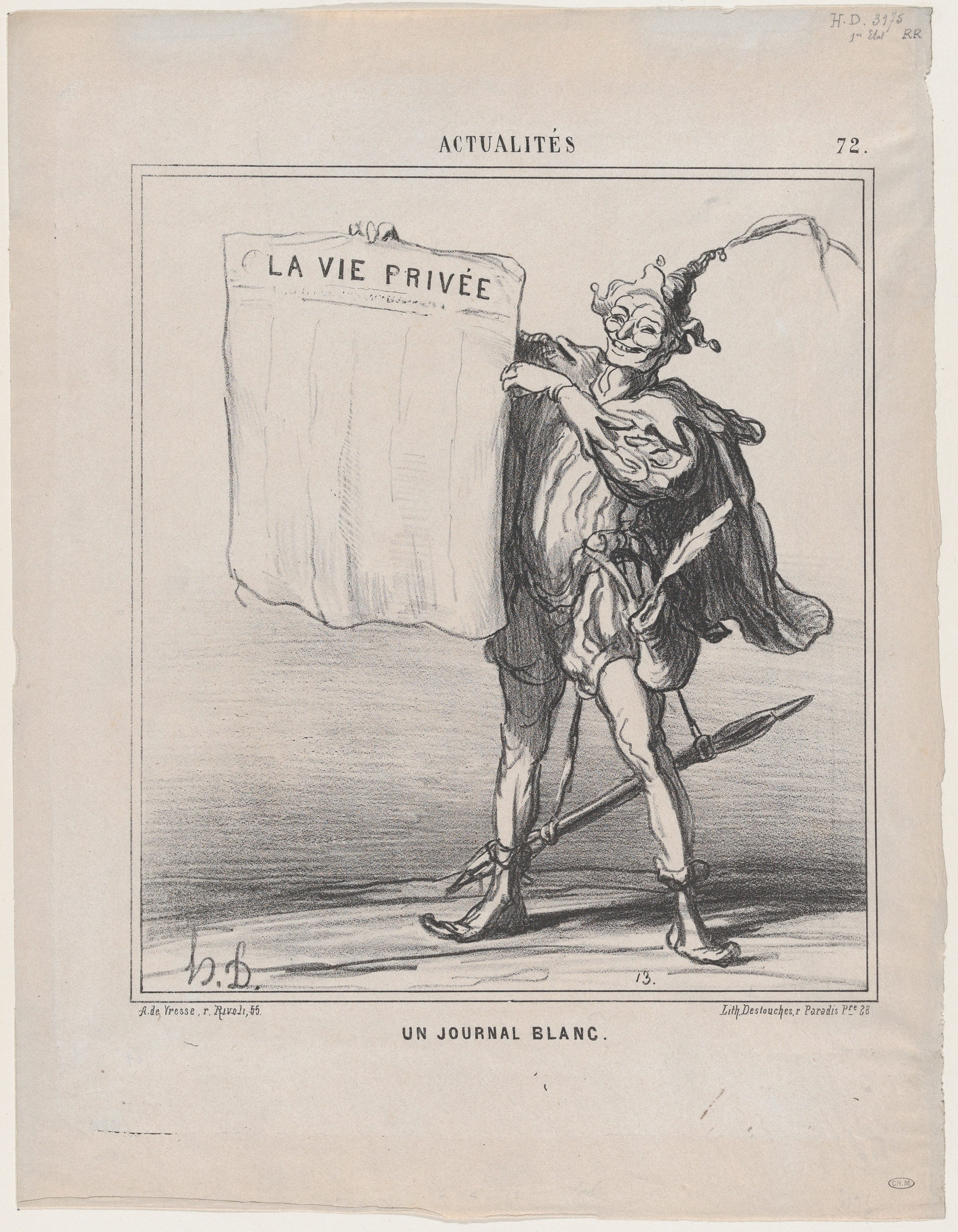
I hope this breakdown helps demystify the landscape a bit.
I’m Ellie. I help think tanks, impact litigation groups, and advocacy organizations get their messages in front of the right audiences.
If you have questions, feel free to reach out.
📰8 Media & Communications Myths I’m Tired of Debunking
✡️Hath Not a Jew Eyes? When Fighting Antisemitism Becomes a Commodity
🤹🏼♂️True Freaks Union: Why the Same Experts Keep Showing Up in the Media
🏆You Can’t Succeed By Hating Yourself
Jane Pratt is known for finding interesting, diverse voices that you wouldn’t find elsewhere.
No posts
Comments
Nothing yet. Say the first thing.
Sign in to join the conversation.