
Last weekend I was at a party—a small one, just a few people lounging on couches with snacks—when I heard somebody say the word “Zionist.” It was an offhand comment, lightly made; I hadn’t caught the context, though I could tell from the speaker’s expression that they didn’t mean any offense. By the time someone else said the words “…has a nuanced view of the issue,” I understood enough of what was being said to reply, “As more people should.” Then the conversation moved on, and the moment was over.
But I couldn’t help noting the reaction I’d had at the sound of that word. My nervous system sparked like a live wire. I didn’t move from the couch, but it took me several minutes to internally settle down.
Those who know me well know that I’m no great fan of labels. I mostly talk (and write) about this in terms of identity markers for sexuality and gender: such words can be expedient insofar as they allow us to fight for civil rights and connect with community, but they can also be limiting, forcing us into the box of identifying as instead of embracing the nebulous potential of identifying with. I’m fine with identifying myself by basic demographics—female, American, Jewish, etc.—but, with very few exceptions, I don’t believe in calling myself anything that ends in the letters I-S-T. And I think we should all think twice—or three or four or a dozen times—before slapping such labels on other people.
When it comes to the word “Zionist,” it’s been disturbing to see it increasingly used as an accusation, a weapon, a litmus test, or a condemnation. Until recently, I’d always understood Zionism to be a thing of the past: it was the twentieth-century movement that eventually led to the establishment of the state of Israel. That was all. I had hardly ever heard the noun “Zionist.” I didn’t know that it was still something one could be, much less that it was a contentious thing to be. I still don’t fully understand how that shift happened. My reaction upon hearing the term at that party came from the knowledge that it is now often used—pejoratively and prejudicially—in place of the word “Jew.”
Zionism is defined as “the pursuit of an independent Jewish state.” Well, that pursuit is over: the state exists. No matter what you think of its recent actions (and I don’t think much of them) we can no more erase its existence than we can that of the United States, Canada, or Australia, countries that still exist today despite the deeply problematic activities of the people who settled there—and, in the case of the US, the continuously catastrophic actions of the people who are currently running the place.
Yes, there is a lot more potential nuance to that discussion, but in my view, that’s the bottom line. Israel exists. The tragedy is that it is squandering its delicate existence by perpetrating the very atrocities that it was originally established to counteract.
The Torah tells us, “You shall not oppress a stranger, since you yourselves know the feelings of the stranger, for you also were strangers in the land of Egypt.” This is quite literally a command for empathy. The fact that the government of the world’s only Jewish state has ignored this command for decades is beyond ironic. It’s crushing. I find it unutterably sad.
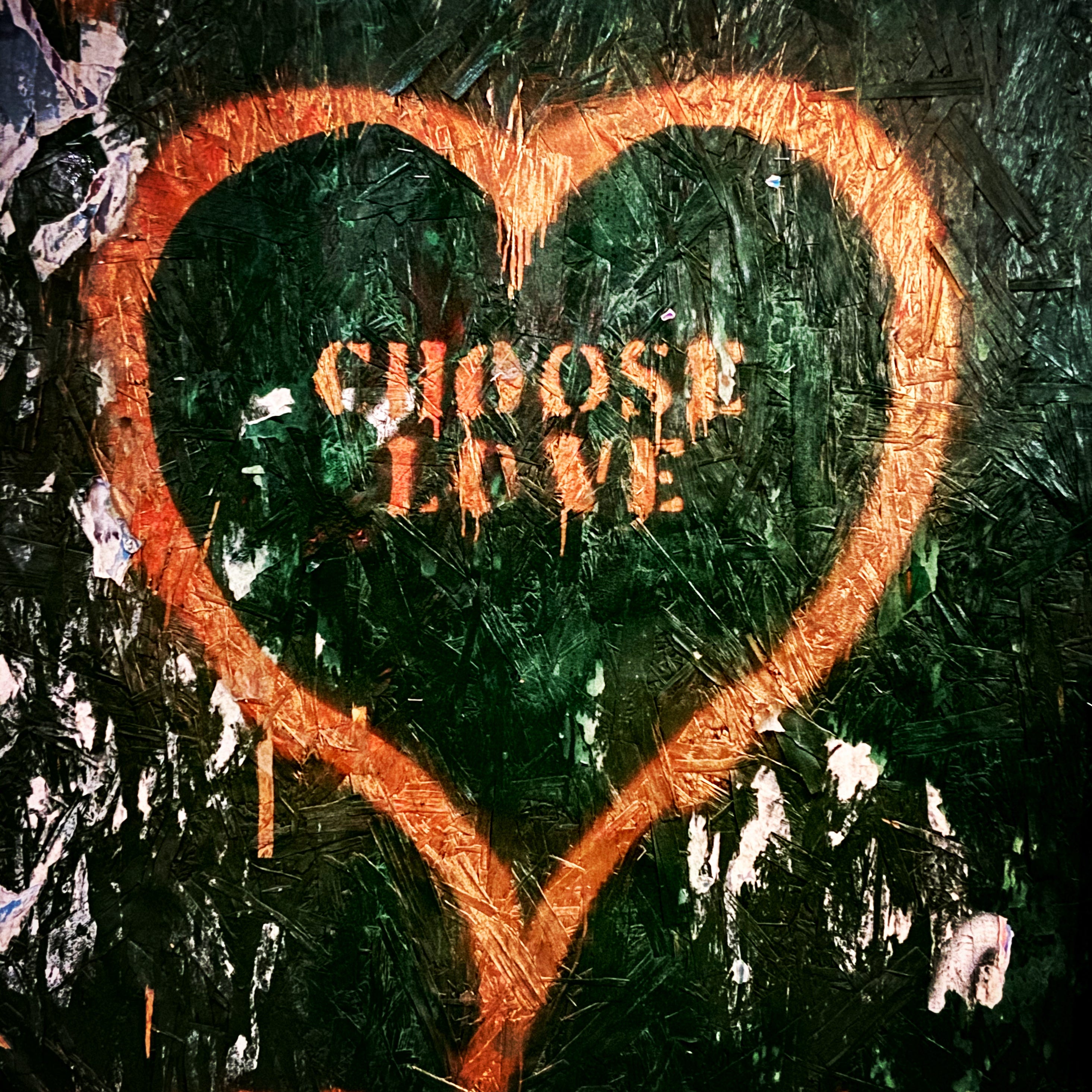
What if we could meet this dismal reality with more empathy instead of less? What if it could inspire in us the desire to identify with the suffering of others, rather than identifying others as enemies?
Now we have a war in the name of peace: the ultimate oxymoron. I’m devastated that two countries that were held up throughout my life as beacons of freedom and democracy—Israel and the United States—have both in their own ways, separately and together, sunk so horrifically low. But my opposition to the actions of those countries’ governments does not make me anti-Israel or anti-American. It makes me a human being watching powerlessly as evil men do terrible things, just as evil men have done for millennia.
Here’s an -ism I can get behind: I’m a pacifist. I loathe violence. I don’t believe in war. I can hardly even bear to watch people get hurt on TV or in movies. I know it’s pretend, but my body flinches as though it’s real, no matter how unrealistic the violence is. (Hello and goodbye, vampires.) I love a good cop show as long as there’s not much fighting, but I can’t abide a medical drama and I’m repulsed by war films. No offense to this year’s Best Picture winner, but from the title alone, I knew One Battle After Another was not a movie I could watch.
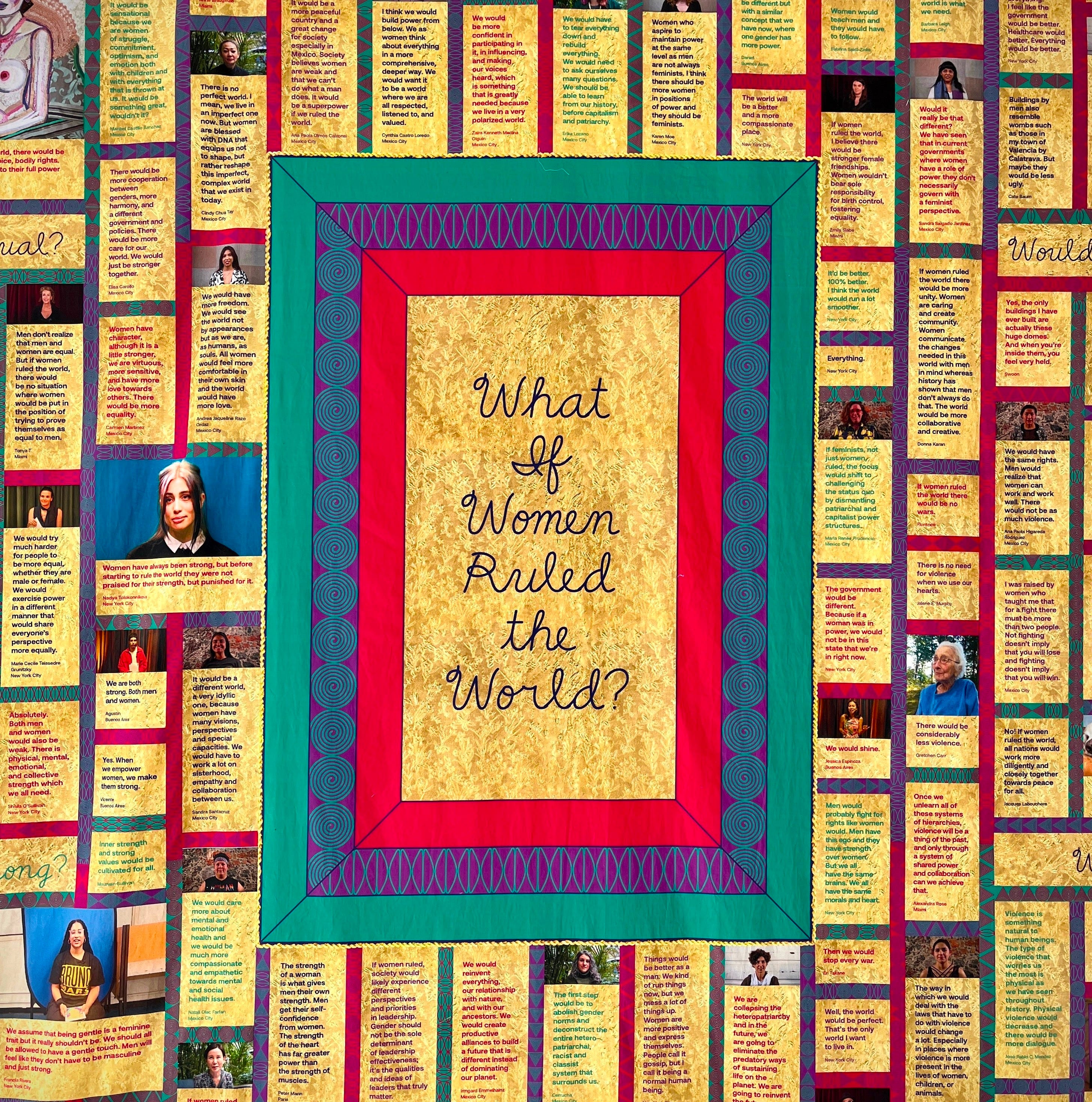
Am I burying my head in the sand? Maybe. But my avoidance isn’t about denying that violence happens, or that war is a reality of life on this planet and always has been. Quite the opposite: I know those things well. I don’t need reminding. If I allowed myself to fully take in the astronomical amount of suffering that exists in this world, I would never get out of bed.
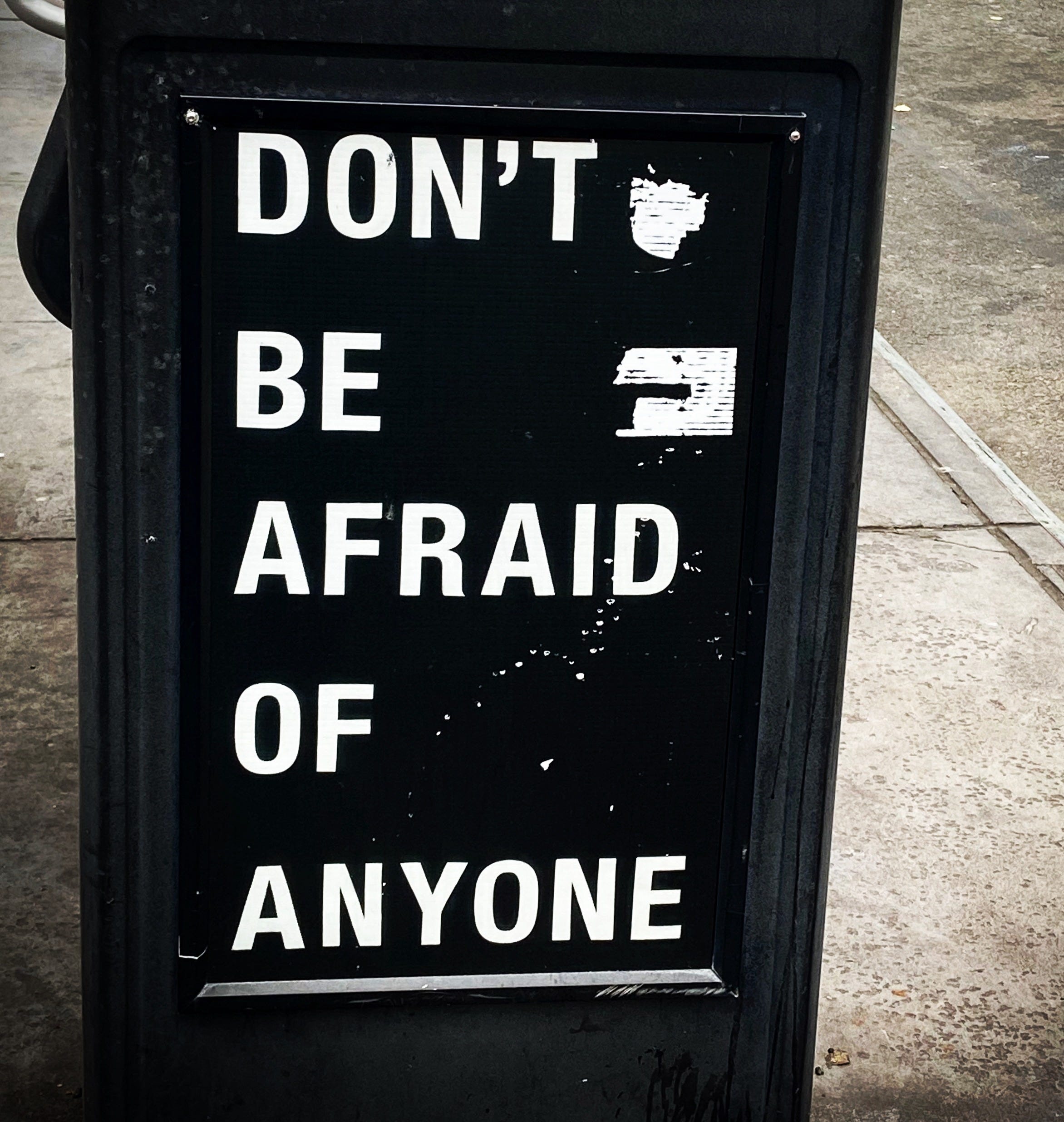
So can we hit pause on the -isms? Can we engage with people instead of labeling them? Can we bring kindness and compassion to each other instead of hurling accusations like grenades?
I certainly hope so.
Thanks for reading. If you enjoyed this post, please give it a heart. And if you think others would enjoy it too, feel free to share it.
Comments
Nothing yet. Say the first thing.
Sign in to join the conversation.