
This article is part of a series on the history of the Egyptian army in Sudan.
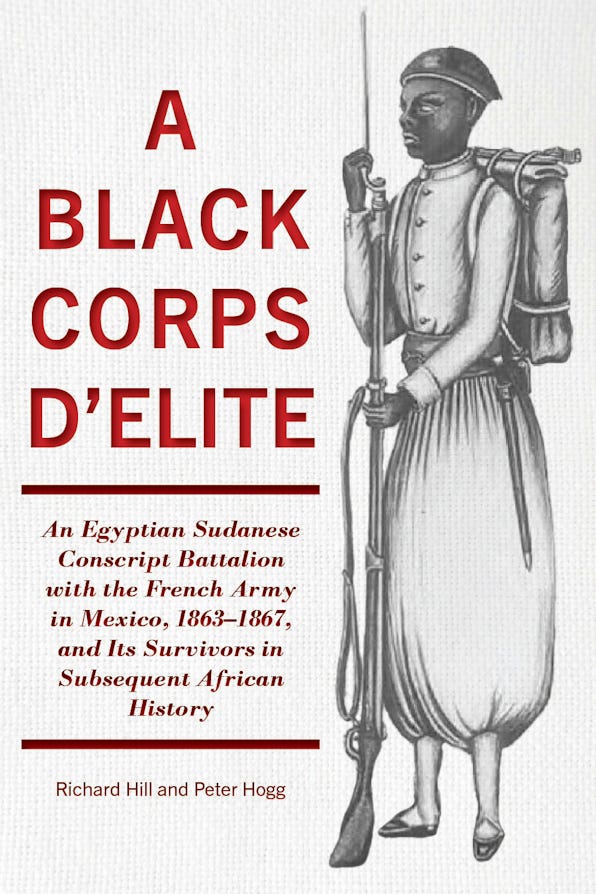
Before I tell this story, I should say plainly that I am relying here on Richard Hill and Peter Hogg’s A Black Corps d’Elite. This is not a review of that book. It is an attempt to retell, for readers interested in the history of the Egyptian military in colonial Sudan, one of the strangest and most revealing episodes in that history. Anyone interested in the subject should read the book itself, because the full story is even richer, stranger, and more expansive than what can be captured in a single essay.
An Imperial Detour
In January 1863, a battalion of Egyptian-Sudanese troops sailed secretly from Alexandria for Veracruz. There were 446 officers and men, plus a civilian interpreter. They were being sent by the ruler of Egypt at the urgent request of Napoleon III to help sustain the French occupation of Mexico.
The French faced a serious problem as yellow fever in Veracruz’s coastal belt was killing European soldiers. French troops guarding the route between the Gulf coast and the inland plateau were dying in large numbers. Paris preferred troops thought better suited to the environment, supplied from Egyptian black regiments in Sudan.
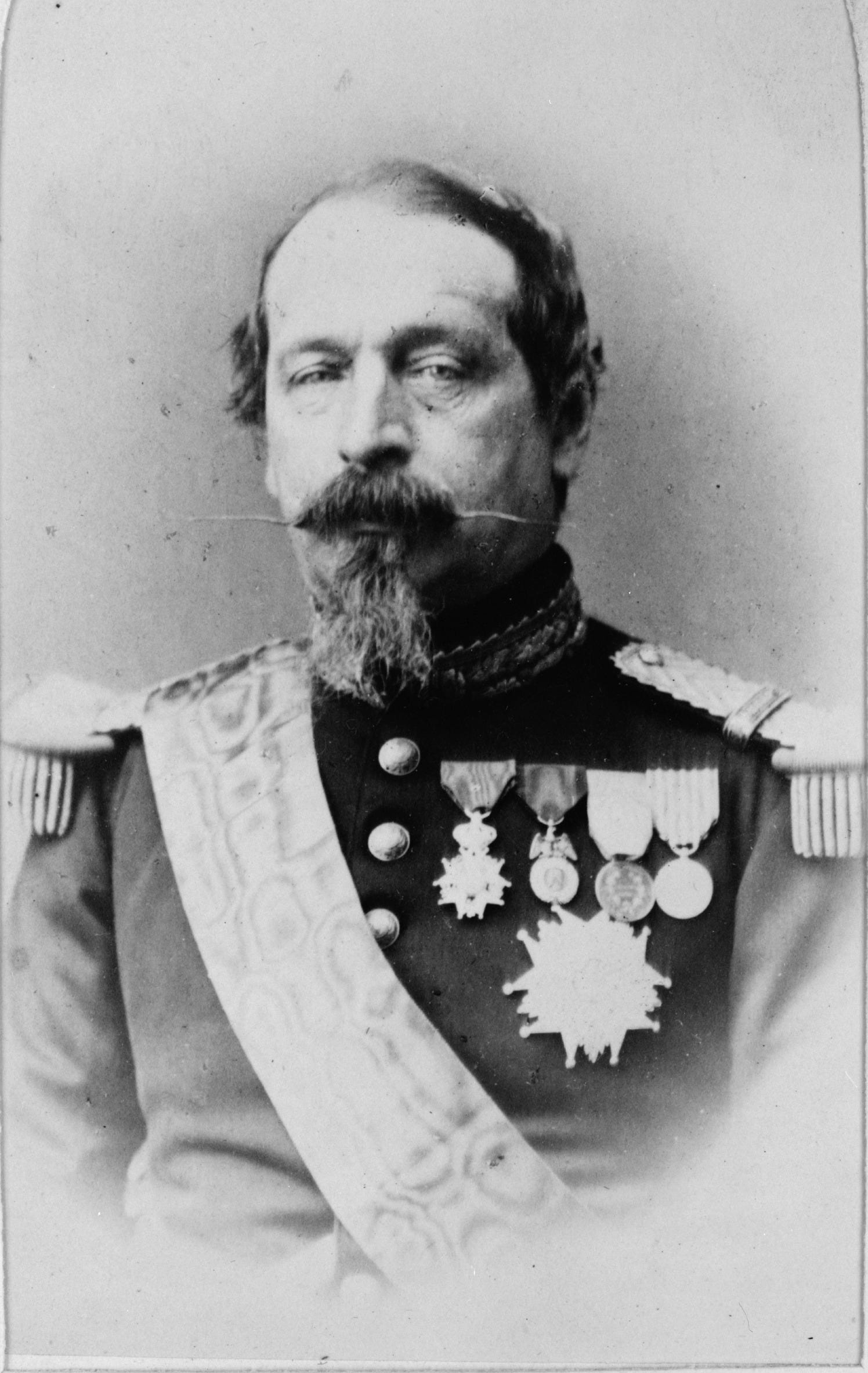
Colonial armies weren’t locally rooted; they served as labor sources. Men captured in one area could be taken, trained, and transported across oceans to fight elsewhere. For instance, Sudan supplied soldiers for the Egyptian army, which then contributed troops to French efforts in Mexico.
Who These Soldiers Were
The battalion was part of the military order built by Mehmed Ali after the invasion of Sudan. Its rank and file were black Sudanese troops, many of whom were originally seized through the violent machinery of Egyptian conquest and enslavement.
By the 1860s, these men were not just passive captives; they had formed their own military identity and sense of pride. They viewed themselves as members of al-ḥukūma, the government, functioning as regular soldiers with ranks, discipline, and an institutional culture. Some even bore names that expressed pride in their service or loyalty to the state.
They were also Muslims, and that mattered in daily life. French observers quickly noted their observance of Ramadan during the voyage from Alexandria to Veracruz. In hospital, Sudanese patients insisted on eating meat slaughtered according to Muslim requirements. These details are not decorative. They remind us that this was not a generic contingent of “African troops.” It was a very specific military formation produced by Ottoman-Egyptian rule in Sudan, with its own internal world, its own codes, and its own sense of itself.
Veracruz and the Dirty Work of Empire
When they arrived in Mexico, the Sudanese soldiers encountered language barriers, unfamiliar military traditions, a different climate, and many diseases they were not immune to.
Nevertheless, French officers grew to respect them. The Sudanese soldiers protected the railway, escorted trains, patrolled Tierra Caliente, and took part in river operations in southeastern Veracruz. They defended roads and depots, laid ambushes, and maintained exposed positions. This routine was essential for the occupation.
Mutiny at Home
For local Mexicans, the Sudanese were seen as part of the French occupation and as agents of violence, even though the battalion’s soldiers were oppressed by foreign powers in their homeland. They had become tools of oppression elsewhere.
Back in Egypt, efforts to recruit more soldiers faced resistance; by late 1864 and early 1865, Cairo planned to send 1,000 Sudanese infantrymen under Colonel Adam Bey al-ʿArifi to replace losses in Mexico, choosing Kasala as the assembly point—an ultimately disastrous decision. Kasala was unstable, with weak authority, poor discipline, corruption, and a nearly depleted treasury. Rain failure and poor harvests caused delays in troop pay, fueling distrust among officers and soldiers, who believed the system was both incompetent and dishonest.
This distrust became evident in October 1864, when 500 troops at Kasala mutinied over unpaid wages after their commander secretly received his pay. They seized arms, looted Sabdarat, and refused to march. Authorities panicked and enlisted Kasala’s leading Khatmiyya notable, Sayyid al-Hasan al-Mirghani, to mediate. Only after funds were secured did the troops return, bitterly, demonstrating that military loyalty isn’t a fixed cultural trait but depends on pay and trust.
The mutiny at Kasala tells us something essential about the Egyptian colonial army in Sudan. These men were loyal, but not unconditionally so. Their loyalty rested on a bargain. The state armed them, fed them, clothed them, paid them, and gave them status. In return, they served. So long as the machine functioned, they could be remarkably steadfast. Once that machine was corroded by theft, arrears, and administrative collapse, mutiny became entirely rational.
Coming Home
When the battalion finally departed from Mexico in 1867, it was not seen as a neglected colonial unit. Instead, it returned with honor. Napoleon III made sure that the remaining soldiers traveled through France and received a ceremonial welcome.
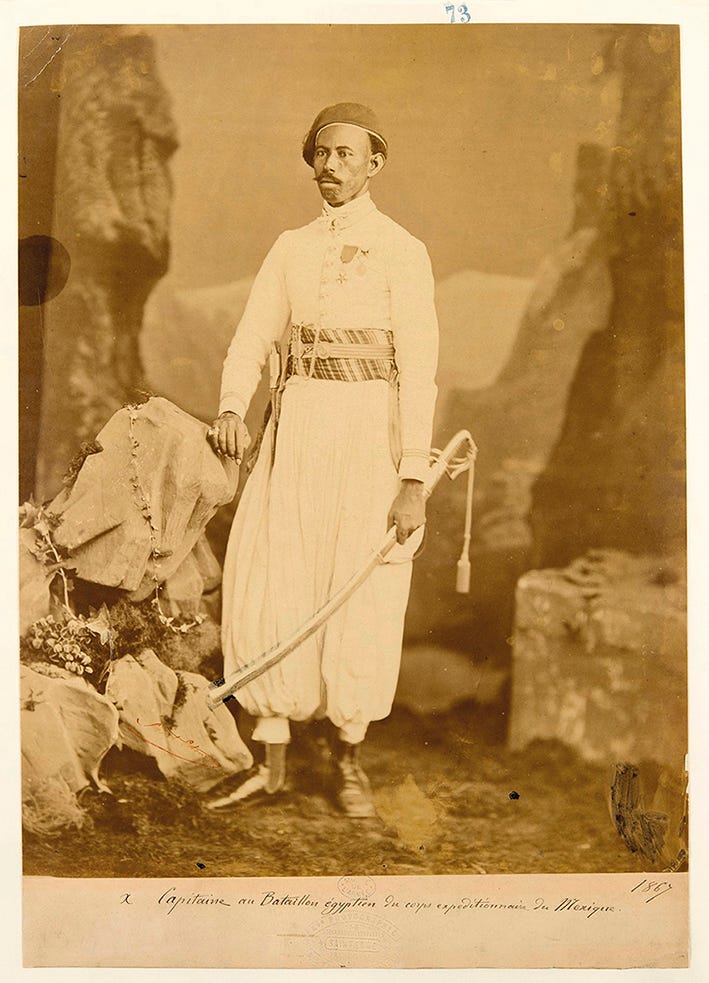
Veterans of the Mexico expedition reappeared throughout later African history. Some served in the further expansion of Egyptian power in the south. Some turned up in the military and political world that would later converge around Equatoria, Khartoum, Emin Pasha, Gordon, and, eventually, the crises unleashed by the Mahdist revolt.
Comments
Nothing yet. Say the first thing.
Sign in to join the conversation.