
If you’ve followed me for a minute, then you know that while I love food and global cuisines, I’m even more interested in the stories behind them. Since day one, I’ve been a storyteller first. Recipes are cool, but they’re really just a way to unite a family and learn about people, traditions, and history.

Growing up in an Italian-American household with a dad who was deeply immersed in New Jersey diner culture, Italian food always felt like it was about more than just dinner. It was about stories I’ve heard a hundred times and bringing everyone together around the table.
I suppose the funny part is that I’ve never actually visited Italy. I feel deeply attached to a place I’ve never been, and I’m not afraid to admit that.
Despite years of learning to make pasta, pizza, sauces, and breads, Italy has remained at the top of my bucket list since I was a kid. I honestly think that the reason I’ve waited so long is that I was afraid.
I’ve spent 30-something years building this place up in my head. It feels like the vacation equivalent of meeting your heroes. What if it doesn’t live up to my insane expectations? What if I don’t know where the best spots are to experience the country for the first time in the best possible way and I leave disappointed? What if it isn’t perfect?
But then I realized that I didn’t fall in love with food because of perfection. If I think about the best meals I’ve ever had, they weren’t the most perfect, the fanciest, and sometimes not even the most delicious. The best meals are the ones where the entire experience is memorable. I realized that’s exactly what my first trip to Italy needs to be built around.
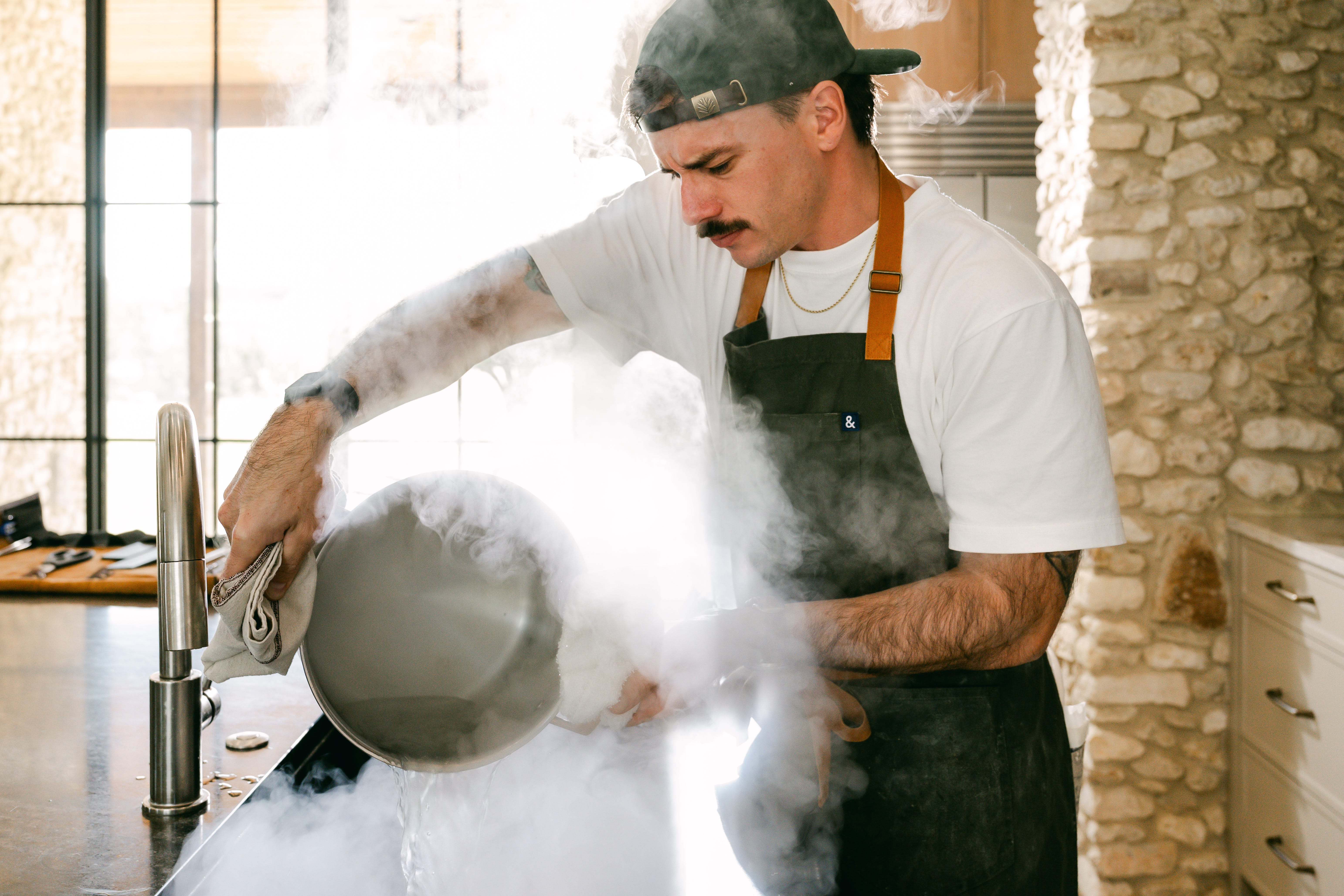
I’m hosting a trip to Eastern Sicily with Via Rosa in April of 2027. They’re handling all the planning and logistics, and will use their network of locals to build the most incredible experience for our small group of 12.
This trip isn’t about checking another country off a list or taking photos in front of famous landmarks. It’s about spending a week immersed in the culture that shaped me through food from afar. We’ll shop in local markets, cook alongside those who have spent their lives making these dishes, visit farms and producers, wander towns, and share long meals around a table together.
The schedule is just busy enough, and is loaded with a bunch of free time that you can spend however you’d like. Check the full plan in the link below.
The Culture of Food in Eastern Sicily with Tim Laielli
Selfishly, I couldn’t think of a better way to experience Italy for the first time than with a small group of people who are just as passionate about food, culture, and conversation as I am. Join me in Eastern Sicily in April 2027.
A focaccia recipe feels most appropriate for today. This is how I’ve made mine for years now, and it’s easy to modify with spices and flavors. I can’t wait to come back home with some fresh new techniques.
Makes: One loaf in a 9x13 pan, or two in 7.5x9 pans
Takes: 24-48 hours total (slow cold ferment)
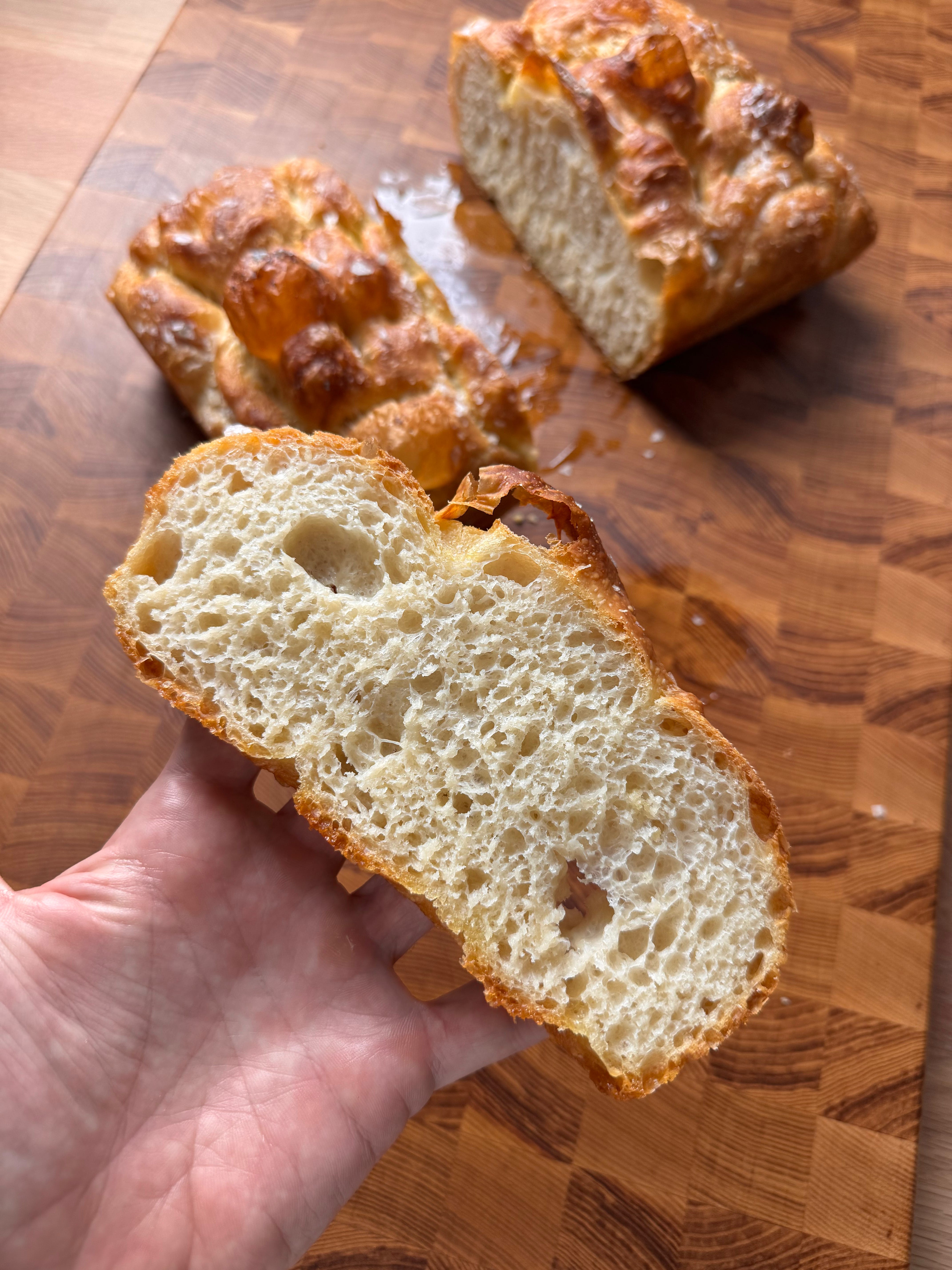
500g bread flour
450g water (weight of water divided by weight of the flour, gives us our hydration = 90%)
10g salt
5g active dry yeast
25g olive oil (for dough)
More olive oil for pan and topping
Flaky salt, herbs, garlic or whatever for topping
⸻
1. Mix the Dough
In a big bowl, combine flour + yeast. Add water, and mix with a spoon until flour is worked in. Add salt and olive oil, and gently mix it in (it’ll be goopy; that’s what we want). Let it rest for like 15 minutes.
2. Coil Folds
This adds strength to the dough without kneading. You’ll do 4 sets of coil folds every 25 minutes, google it if you need to:
With wet hands, lift the dough, let it stretch, and fold it under itself. Rotate and repeat on all sides. Cover with a damp towel between sets.
3. Cold Ferment (This gives us the jiggle)
Cover the bowl tightly and refrigerate the dough for 12 to 48 hours. It should rise a bit and will be full of bubbles. 24 hours is a good amount of time. You can cut corners here by skipping the cold ferment, but you will absolutely notice a difference in flavor and quality.
4. Pan Proof
Generously oil your pan (don’t skimp, at least 2-3 tbsp). Gently pour the cold dough into the pan. Don’t deflate it! Add a drizzle of oil on top. Let it proof at room temp for 2-4 hours, until it’s puffy and bubbly. The warmer your kitchen, the faster this will be.
5. Dimple + Top
Preheat oven to 450°F. With oiled fingers, dimple the dough. Top with flaky salt, rosemary, garlic, or whatever you’re into. Drizzle more olive oil on top; this helps crisp the surface.
6. Bake
Bake 20-25 minutes, until deeply golden and crisp. Cool in the pan for at least 10 minutes before removing.
Note: I’ve experimented with 100% hydration dough, where the only change is 500g flour and upping to 500g water. It’s a little more difficult to work but it makes the dough extra jiggly. Once you master 90%, consider trying 100% to see which one you prefer.
If you have any questions about the trip, or the recipe, feel free to drop a comment or email info@viarosaitaly.com.
No posts
Comments
Nothing yet. Say the first thing.
Sign in to join the conversation.