
It’s taken me the whole year to write this post, and it’s been the hardest one to write.
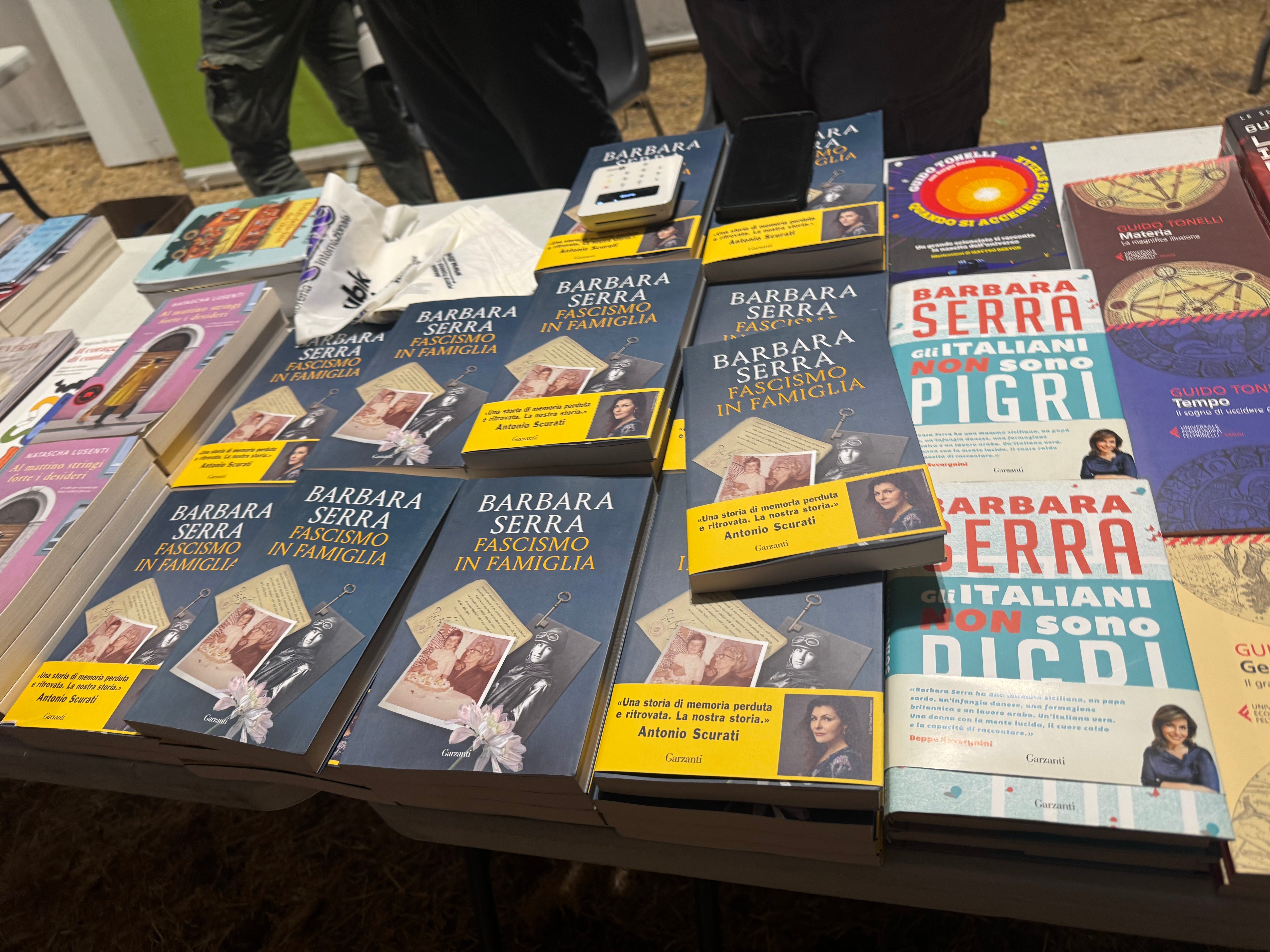
I spent almost every other week in summer and early autumn travelling around Italy for a tour of presentations of my latest book ‘Fascismo in Famiglia’ (Fascism in the Family). Regular readers of this newsletter will know that since 2019 I’ve been researching the story of my grandfather’s high-profile role in Mussolini’s fascist regime from the 1920s to the end of World War 2. The current version of the book is in Italian, but I’ve written about my grandfather’s story in English here (one of my most viral posts) and more generically about Italy’s relationship with its fascist past here.
In truth, as the Gaza war ravaged on, the discussion around immigration in Europe got increasingly febrile, and Trump’s America became….well, Trump’s America, the lessons seemed urgent and much more to do with the present than the past. In such unstable times, the undercurrent to all the questions was “What can we do to stop the horrors of the last century from happening again?”
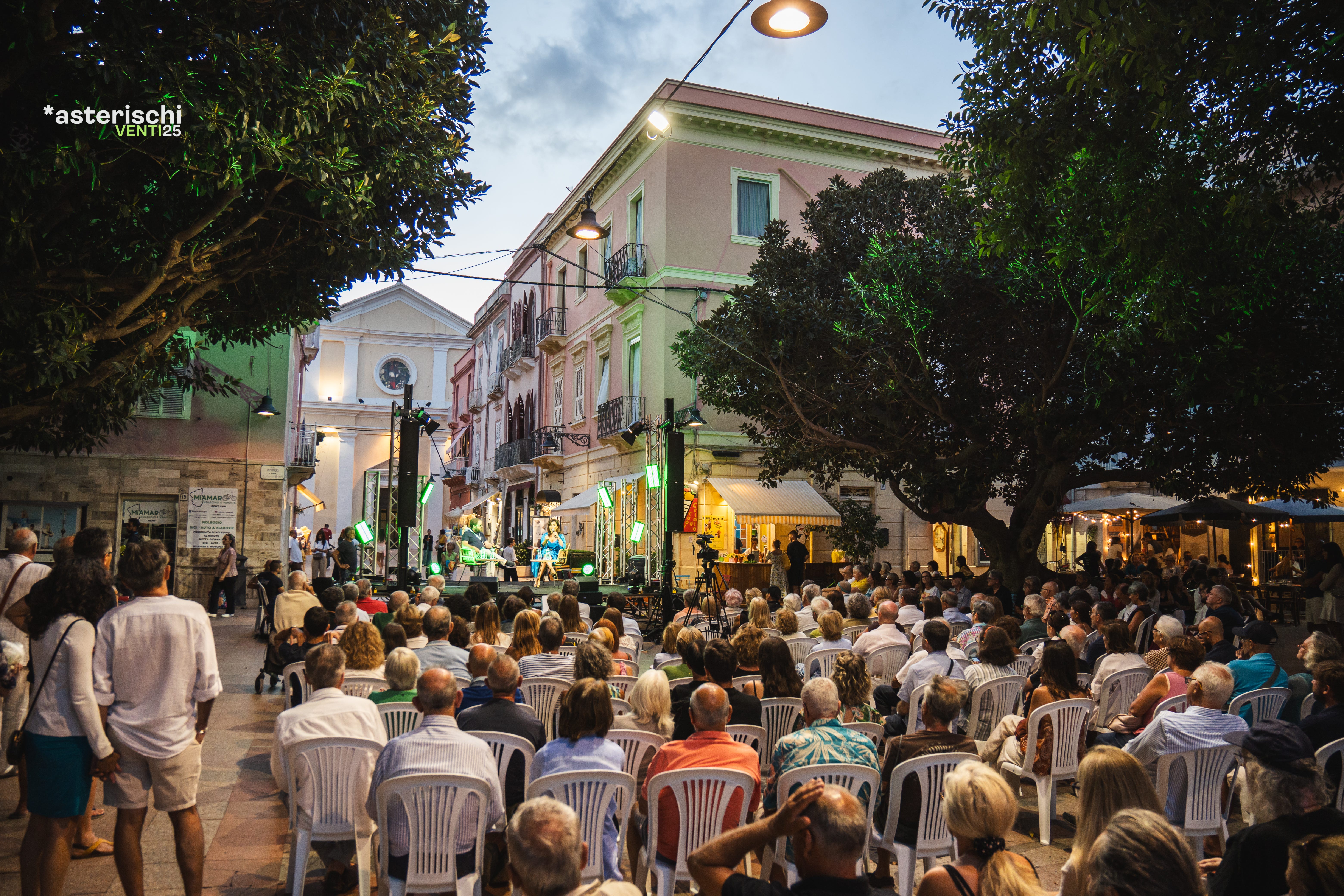
I’ve done dozens of events in the past year, often in front of hundreds of people. It’s been a rewarding experience, though not one without its challenges.
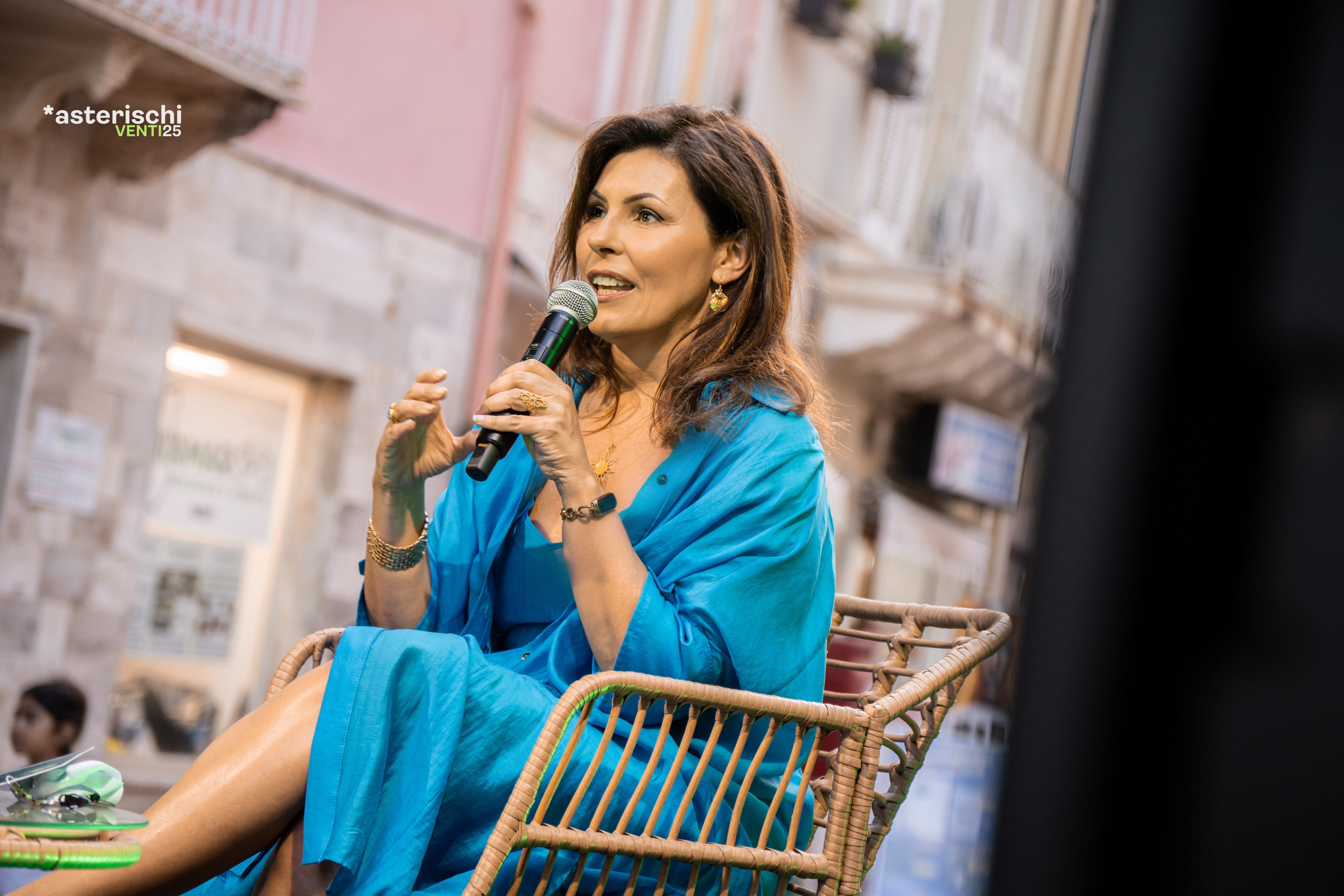
Talking about Fascism to an Italian audience, in the very country where the term ‘fascism’ was coined, obviously hits differently than it does when I talk about these issues with an anglophone/international audience.
Statistically speaking, a considerable part of the assembled crowd would also have had a fascist grandfather. Many others come from families who suffered directly at the hands of Fascism. I’ve had some pretty strong reactions, especially during the book signings, where readers will often share their own experiences in the time it takes me to think of some personalised words of wisdom to write in their copy of the book.
Many readers told me about their own family links to the regime and the war, on both the fascist or anti-fascist sides. Some burst into tears thinking about what they knew of their families. Plenty admitted that it was a taboo subject in their households growing up, or that their own nonno/grandfather had remained a committed fascist until death decades after the fall of the regime.
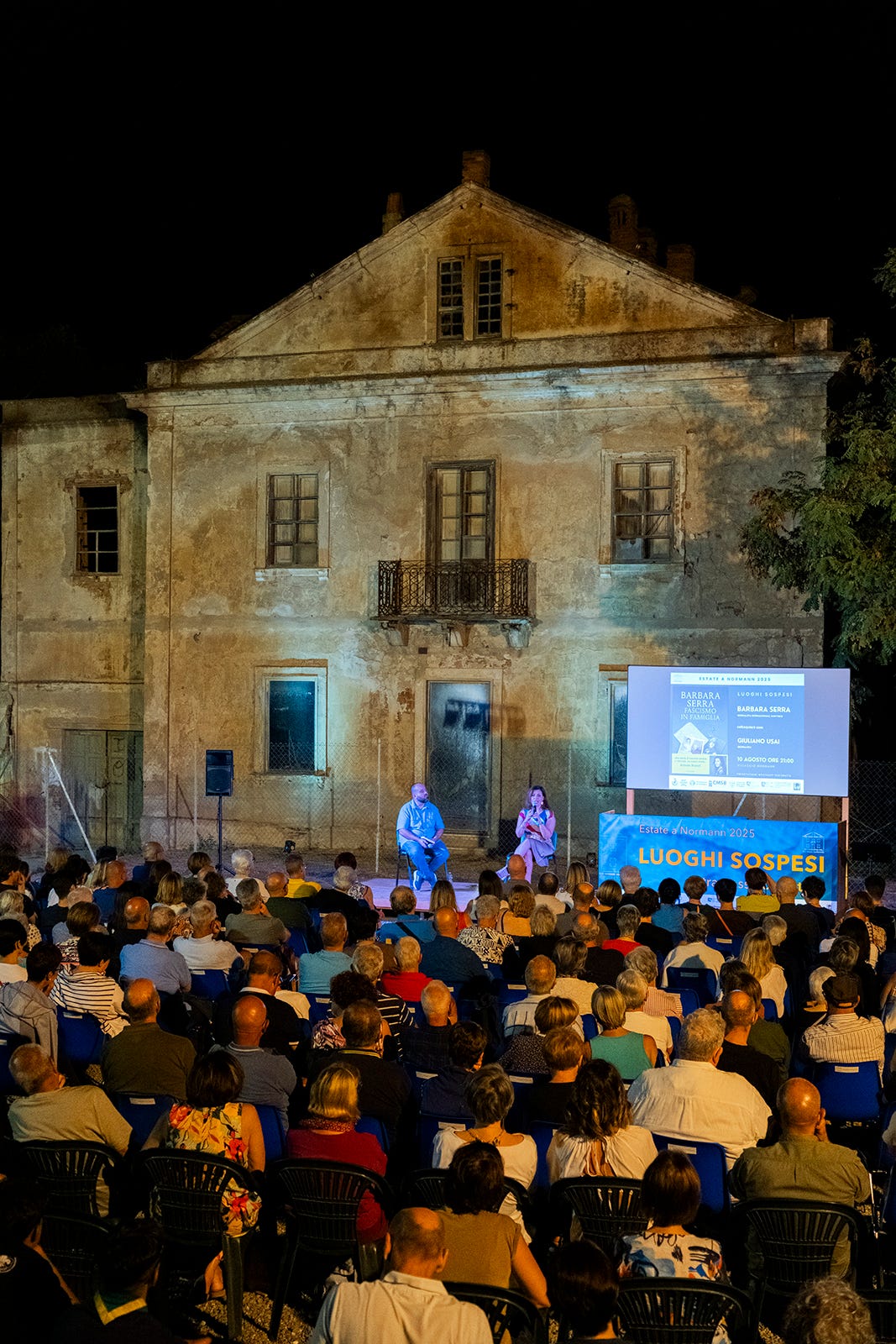
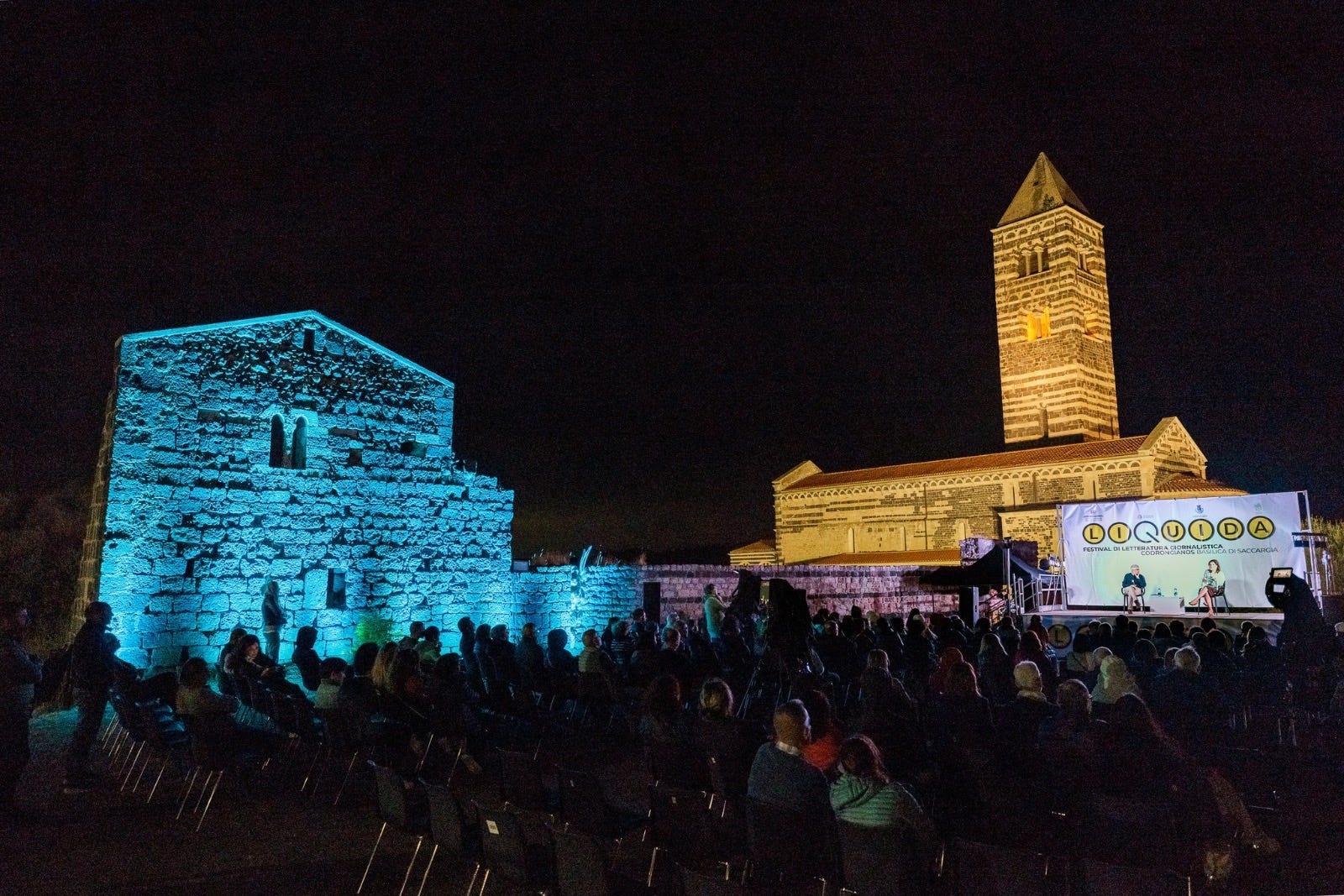
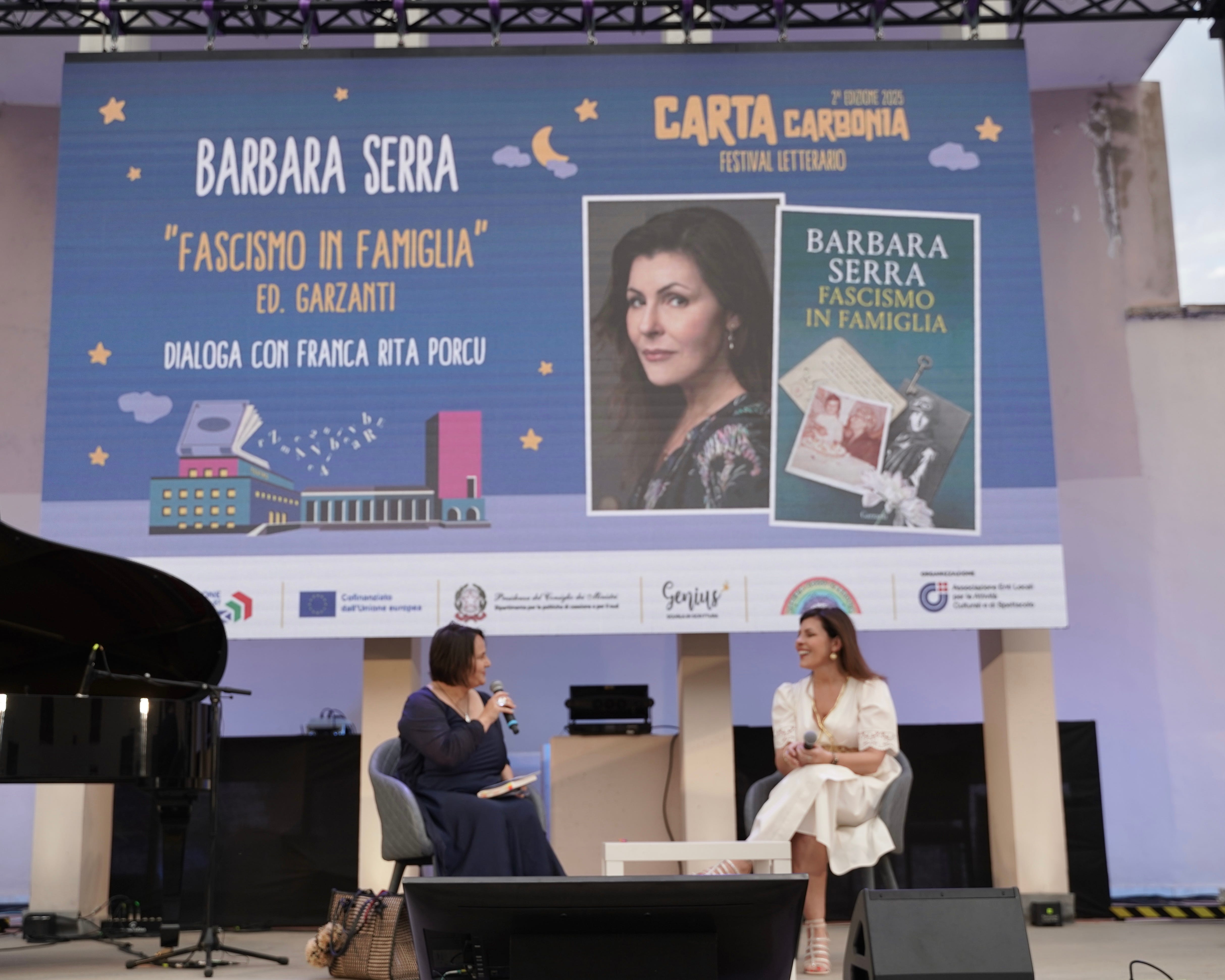
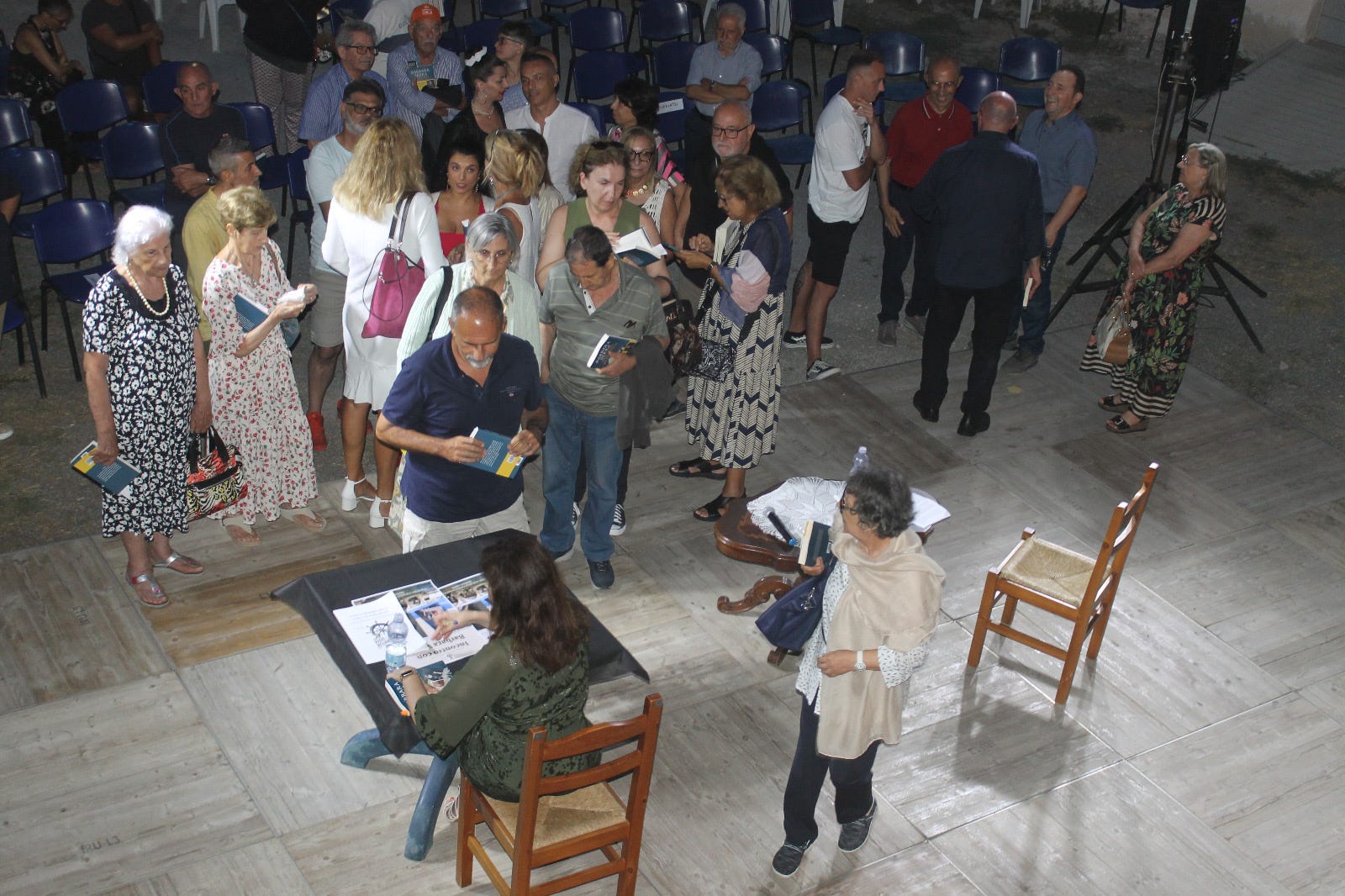
It often got tense. At one presentation in the town of Viterbo (near Rome, and as a bit of added trivia, Viterbo is famous for hosting the first Papal conclaves before these were held in Rome) a woman started shouting at me while I was signing copies, claiming my grandfather must be rolling in his grave, and don’t I understand that the choice back then was between fascism and communism, and that communism would have been infinitely worse? I ventured the opinion that democracy had also been on the cards as an option, but I’ve learnt to quickly sense when someone hasn’t come along in the spirit of open debate. I don’t mind awkward encounters. I don’t relish them, but sixteen years as a western on-air face of Al Jazeera English during the so-called war on terror have given me a high threshold for ‘awkward’. Obviously, I prefer it when the exchanges are actually constructive. I’m less keen to waste time on pointless arguments the older I get.
At one presentation in the Sardinian town of Portoscuso, very close to where my grandfather had been mayor, the descendants of the Fois brothers, two brothers murdered in 1922 at the hands of fascist squadrons, came to introduce themselves and showed me all the historical work they had done in making sure that particular act of violence was properly remembered. Our families had been on opposing sides, but we were united in trying to keep the memory of those years alive and honest. It was a very touching meeting.
So, all in all, plenty there to get stuck into around the topic of fascism.
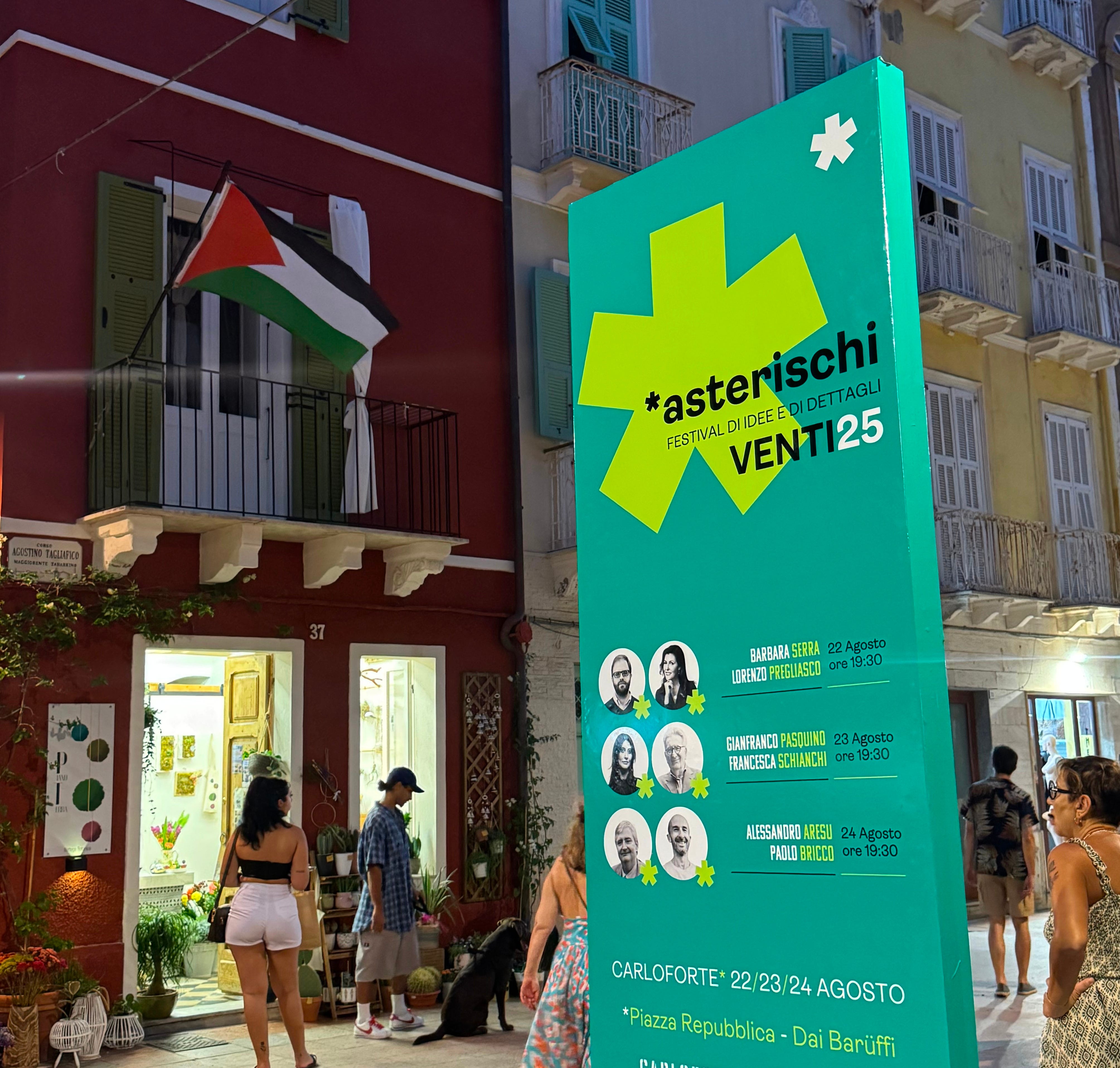
As I was travelling from book presentation to book presentation, my social media feed was full of haunting images of Gaza. Even in sometimes quite remote, idyllic southern Italian towns, Palestinian flags and symbols were everywhere. In summer, many of my scheduled events were in seaside resorts bustling with visitors. But there was always an awareness of the horror unfolding on the other side of the Mediterranean.
Most presentations had a Q&A session afterwards, and the topic of Gaza came up at every single one. Men, women, young and old, all asking a variant of this question: “Are we not being indifferent to a genocide, just like our grandparents were all those years ago?”
The topic of indifference is a big one in Italy’s relationship with its fascist past. Milan’s Holocaust Memorial Museum is adjacent to the main train station, at the train track where the deportation trains filled with Jews would leave headed for Auschwitz and other death camps. At the entrance of the memorial, the word INDIFFERENZA, indifference, is etched in the marble wall. That is the sin that Holocaust survivors like Senator Liliana Segre, who was deported to Auschwitz at the age of 13, accuse their fellow Italians of. The sin that lead to the murder of thousands of Italian Jews.
Since the start of the war in Gaza, Italy has seen repeated mass protests and strikes, with hundreds of thousands of people in cities from north to south taking to the streets to protest against Israel’s military action against the civilian population in Gaza. These protests have been some of Europe’s largest, and have kept pressure on the Government to change its policy towards the conflict.
What I heard at my presentations wasn’t indifference. The people present, and the millions who had protested, were not indifferent: they felt powerless. Protests can influence a government, but don’t necessarily lead to a change in policy. The frustration and pain at the inability to stop the suffering of Palestinians in Gaza was palpable, but it wasn’t indifference.
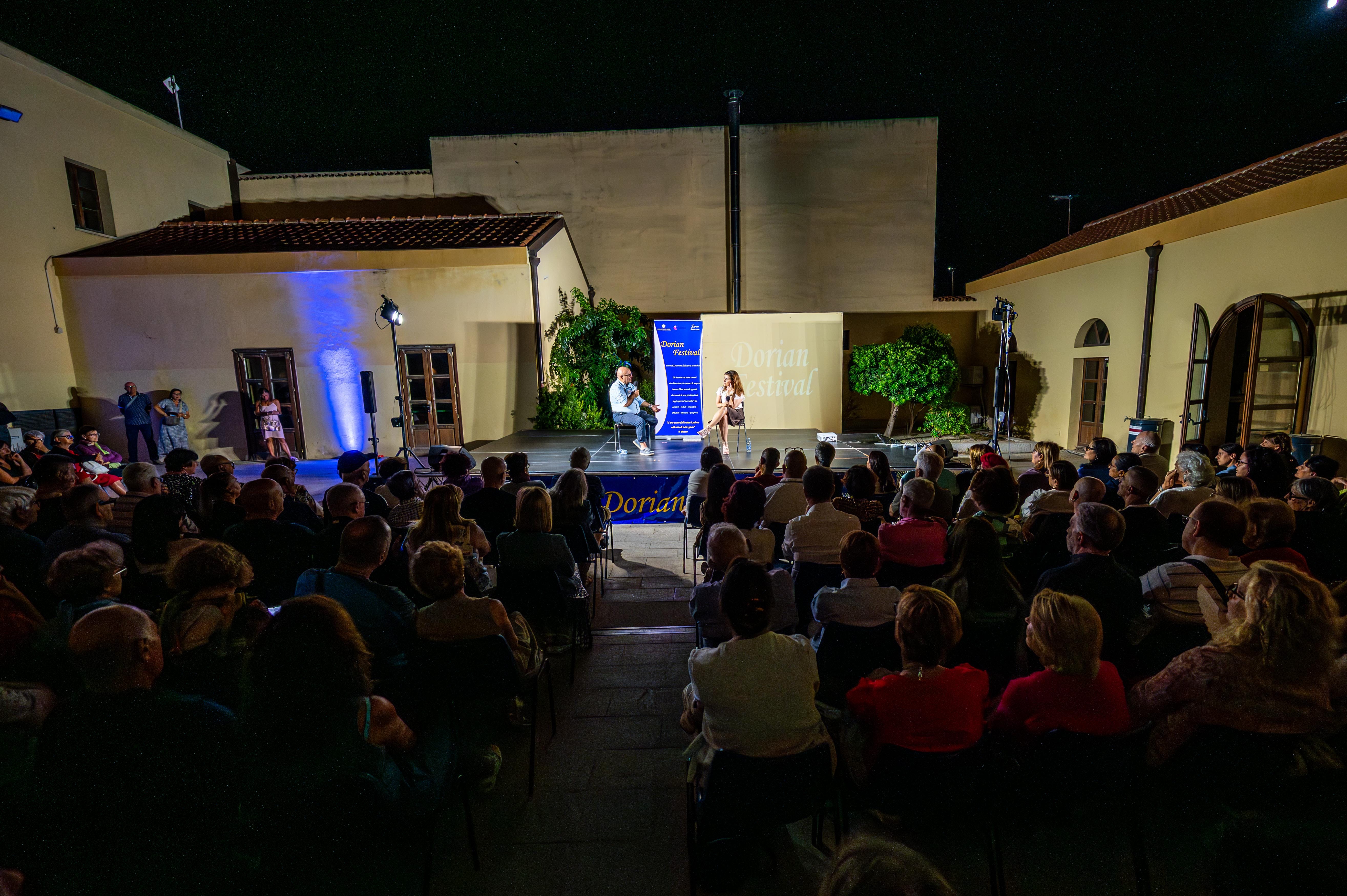
I could always feel it in the audience. Those people who had come not to listen to a book presentation, but to check whether my views perfectly aligned with theirs on this most sensitive, and for many people personal, of topics. Was I an apologist, trying to white wash her grandfather’s actions? Or an opportunistic communist, airing a painful past for profit or to score political point? Obviously, there’s no ‘two-sideing’ the issue itself. The lesson from history on fascism is clear. But I sensed a lot of tribalism from some members of the audience that seemed to have more to do with the present than the past.
These are divisive and divided times. We hear how the political centre is collapsing, that politics is becoming both more extreme and more fragmented. From my own personal exchanges over the past year, with people of varying political persuasions but whose opinions I respect, I definitely think naunce and empathy are in short supply.
Historical Italian fascism has a precious lesson here: Mussolini’s early scapegoats were overwhelmingly political opponents: socialists, communists, trade unions, anarchists, liberals and - ultimately - democracy. Early fascism did not initially target Jews (for a variety of reasons, which I will post about soon). The divisions and demonisations in the years that lead to the rise of fascism fell down political lines. As they tend to do now too, in the ‘US VERSUS THEM’ divisive dynamic which is so dear to populist politicians and social media algorithms.
In 2026, Europe will be in the spotlight. The war in Ukraine and the Trump administration’s often hostile approach to its historic European allies have created a schism within the Western alliance. But fear of war, faltering economies and struggles in dealing with immigration fairly have also shown cracks within our individual countries. And although all eyes have been on the United States and the rise of a global right, each country has its own dynamic based on its specific challenges, culture and history. Donald Trump, Giorgia Meloni and Nigel Farage are not the same.
As I said at the start, this has been the hardest post to write of 2025. It’s been sitting in my drafts folder for months, because I wish I had more clear-cut answers and conclusions. But I wanted to publish anyway and see it as the template for discussions in the new year. What I’m sure about is that I have this sinking feeling about division. About the growing inability to try to see valid points from political opponents and what that can do to our societies. The positive note to end with is that I genuinely believe we have more in common than divides us. Forgetting that is dangerous.
So I wish you a happy New Year with your loved ones. Thank you for all your support over the past 12 months and let’s pick up the conversation in 2026. I doubt we’ll be short of topics.
No posts
Comments
Nothing yet. Say the first thing.
Sign in to join the conversation.