
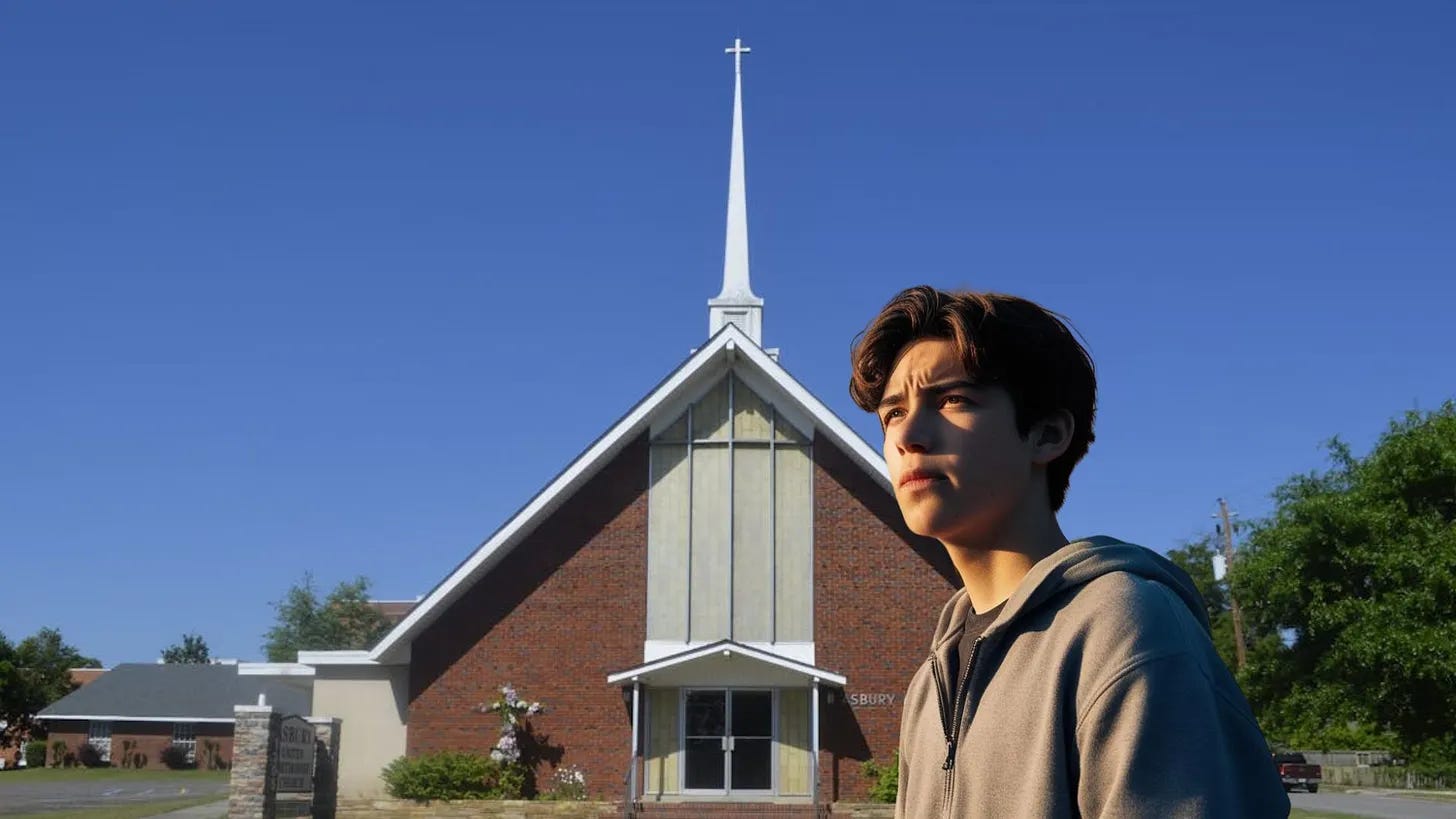
Public confidence in America’s major institutions remains near historic lows, and one of the steepest declines continues to be in organized religion, according to new data released by Gallup July 13. The annual survey, which tracks trust in 16 institutions, shows that confidence in churches and religious organizations has dropped to 30%, tying its lowest point since Gallup began measuring the category in 1973.
Gallup’s findings place organized religion in the lower half of all institutions surveyed, well below the levels it held for decades when churches were among the most trusted pillars of American life. The decline is part of a long‑term trend: confidence in churches hovered above 60% through much of the 1980s and 1990s, but has steadily eroded across generational, cultural, and political lines.
The broader picture is equally stark. No institution in the United States currently enjoys majority confidence, Gallup reports. Small business leads the list at 60%, followed by the military at 59% and the police at 50%. At the bottom, Congress registers just 8% confidence — the lowest of any institution measured.
Gallup’s analysts note that the sustained drop in trust reflects “deep national frustration” and a sense that institutions are not meeting public expectations. But the decline in confidence toward churches carries unique cultural weight, given the historic role religious institutions have played in community life, social cohesion, and moral leadership.
Several factors contribute to the downward trend. Gallup points to generational shifts, with younger Americans less likely to affiliate with organized religion. High‑profile scandals, political polarization within religious communities, and declining church attendance have also shaped public perception. The survey does not assign causes, but the long arc of the data shows a consistent pattern: each decade brings a new low.
The findings come at a time when many churches — including many Southern Baptist churches predominantly located in the South — are navigating post‑pandemic attendance challenges, debates over cultural engagement, and questions about institutional credibility. Nationally, the share of Americans who identify as religious has fallen sharply, and confidence levels appear to mirror that trend.
Other institutions tied to civic life also show weakened trust. Confidence in public schools sits at 28%, newspapers at 19%, television news at 14%, and big business at 14%. Even the medical system, once buoyed by high trust during the early pandemic, remains below pre‑2020 levels.
Partisan divides further complicate the landscape. Confidence in institutions such as the presidency, the Supreme Court, and public schools varies sharply between Republicans and Democrats. Organized religion, however, shows a more universal decline, with trust falling across political groups — though Republicans remain more confident in churches than Democrats.
Gallup’s survey, conducted in June, includes responses from more than 1,000 U.S. adults and carries a margin of error of plus/minus 4 percentage points. The organization notes that confidence levels tend to rise during periods of national unity or economic stability, conditions largely absent in recent years.
Related:
The U.S. Christian population has declined for years. A new survey shows the drop is leveling off (Seattle Times)
Thanks for reading! This post is public, so feel free to share it.
No posts
Comments
Nothing yet. Say the first thing.
Sign in to join the conversation.