
A few weeks ago I wrote about the July Slump, but August brings a different kind of energy.
By the first week of August, my garden stops asking me to plant things and starts asking me to deal with things. If you’ve felt that shift too: less “what should I put in the ground” and more “what do I do with all of this” you’re not imagining it, and you’re not behind. It’s just the season changing shape on you.
At least in August you are getting the full rewards for all your hard work.
I used to fight this. I’d keep trying to garden in August like I gardened in May, wondering why I was exhausted and my tomatoes still looked stressed. What actually helped wasn’t working harder: it was shifting what I was working on. Here are 30 things that have made this stretch of the season easier around here, especially with tomatoes, squash, and cucumbers carrying most of the load right now
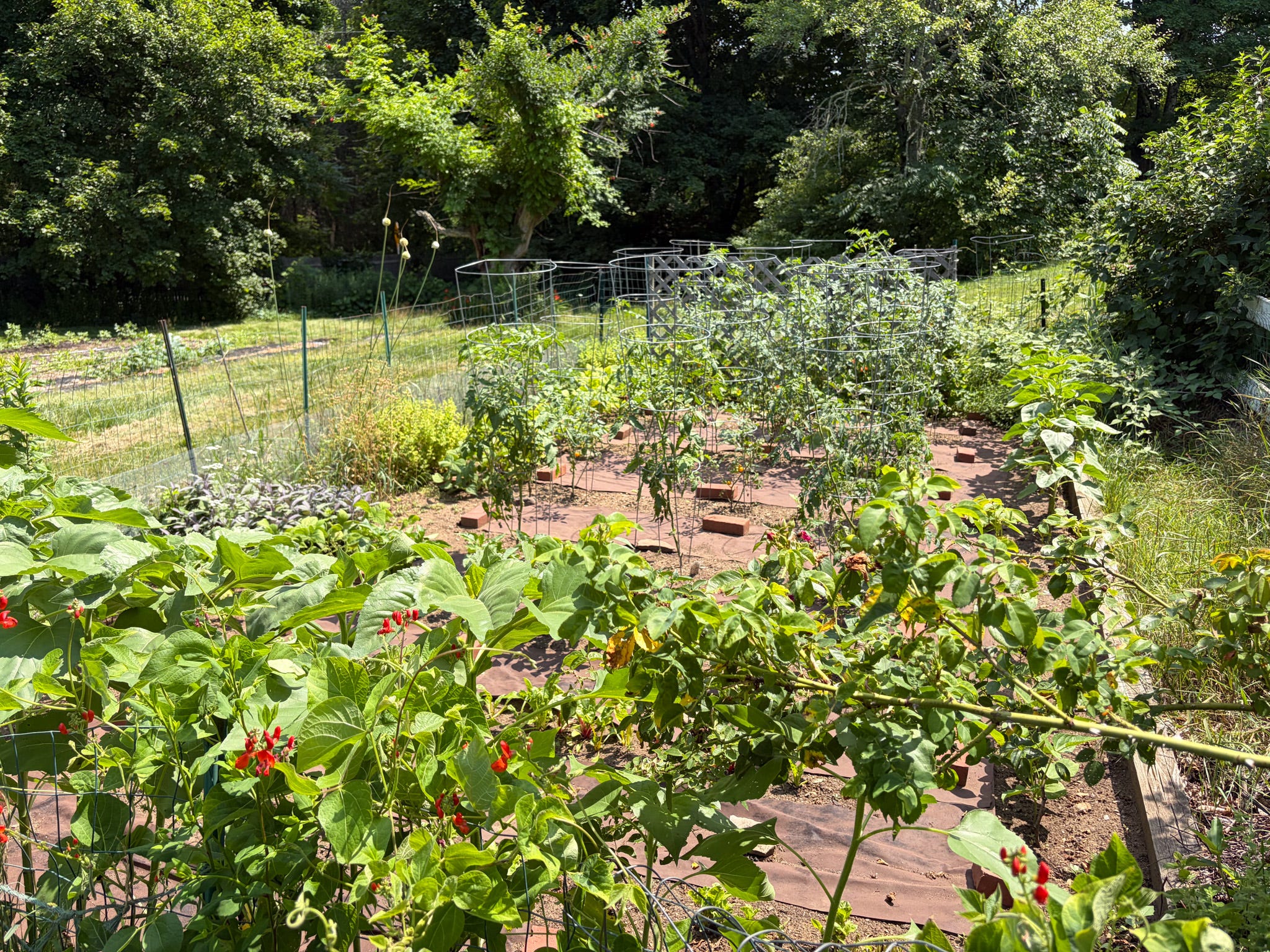
Stop expecting new growth from stressed tomatoes. Once daytime temps sit above 90°F for a stretch, tomato pollen gets less viable and fruit set slows down.
Water deeply, less often. A quick daily splash keeps roots shallow and stressed. I soak the base of my tomatoes and squash 2–3 times a week instead depending on the weather.
Mulch anything bare. Bare soil in August heat is just an invitation for the roots underneath to cook. Often I will use compost as a mulch at this time of year to avoid ordering another delivery.
Give squash a midday break. Wilting leaves at 2pm and perky leaves by evening usually means the plant is fine it’s just protecting itself. Don’t panic-water.
Watch cucumbers for bitterness. Heat stress and inconsistent watering are usually the cause, not the variety. It’s easy to let cucumbers and squash sit too long on the vine and get big and less delicious.
Prune tomato suckers less aggressively right now. The plant needs the leaf cover to shade its own fruit from sunscald.
Let a few “ugly” fruits go. Not everything needs to be saved. Some tomatoes are better composted than fussed over. I know - it’s hard.
Accept that some plants are just done. An early squash plant giving out in August isn’t a failure it did its job. Pull them and then mulch and succession plant.
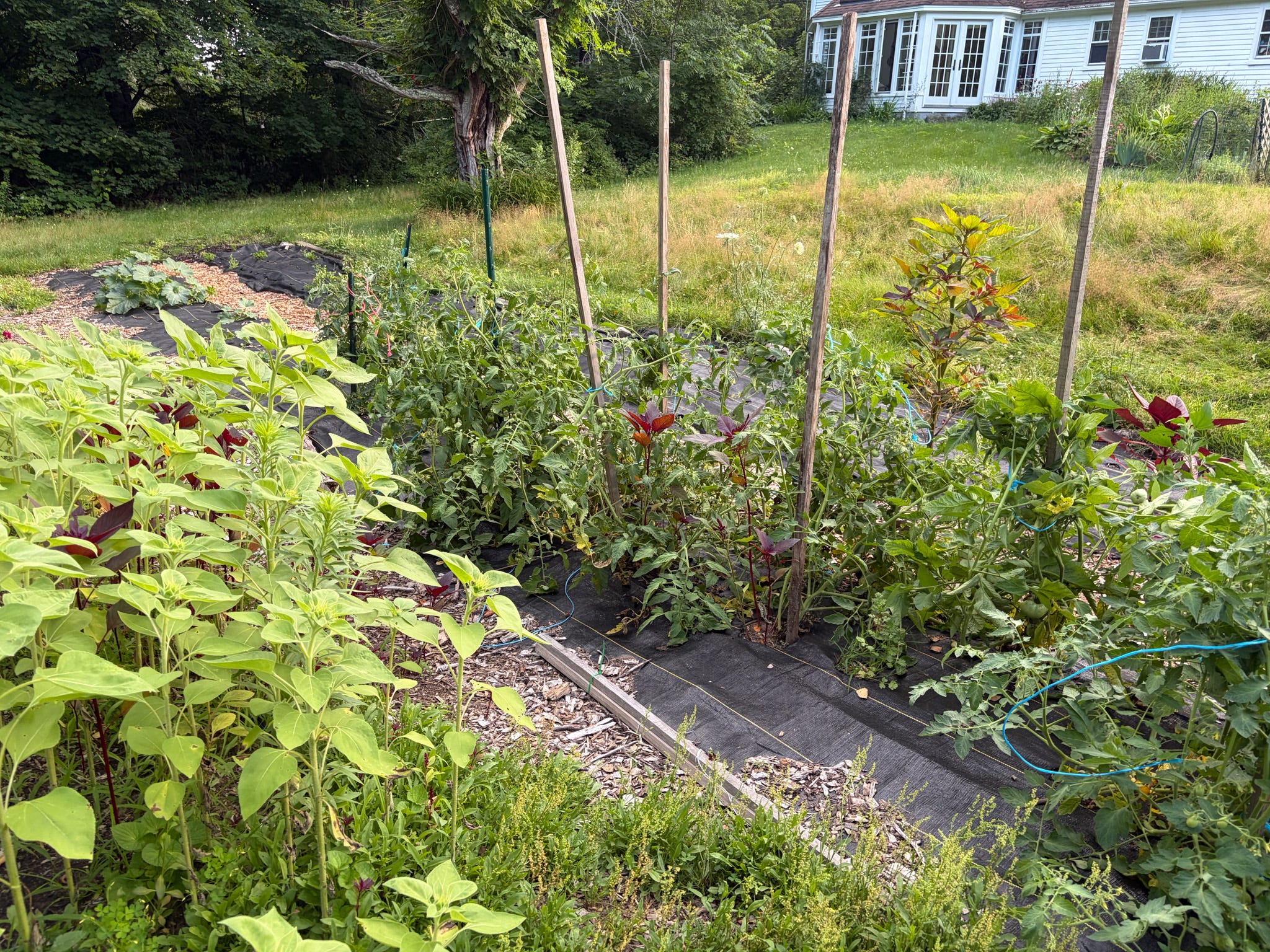
If you are new to the idea of succession planting - you can start here.
Start a second round of bush cucumbers now for a September harvest before frost. (depending on your growing zone)
Direct-sow fast bush beans: they’ll often produce before your first frost date if you get them in by early August.
Think in weeks, not seasons. I plant small batches every 2–3 weeks through late summer instead of one big spring push. Some things love heat to germinate so planting them in August is great.
Keep a running list of what’s finishing so you know what beds are about to open up. I keep a few pack of seeds of what needs to go into the fall garden ready for days I pull something.
Start fall brassicas indoors now so they’re ready to transplant once the tomatoes and squash start winding down.
Don’t wait for a bed to be fully empty: tuck starts in around still-producing plants where there’s room. Just remember where you put things!
This is a great time to re-visit the food preservation skills list.
Make a preservation plan before the harvest peaks, not during it. I sit down in early August and decide what’s getting canned, what’s getting frozen, and what’s getting given away: before the counter is covered in zucchini.
Pick tomatoes a little early if a storm or heat wave is coming, and let them finish ripening inside. I do this often since we end up with pests getting to the tomatoes if I leave them to fully ripen.
Harvest cucumbers every single day during peak production. Skip two days and they’ll go from perfect to baseball-bat-sized. If you get a big one, just give it as a treat to the chickens.
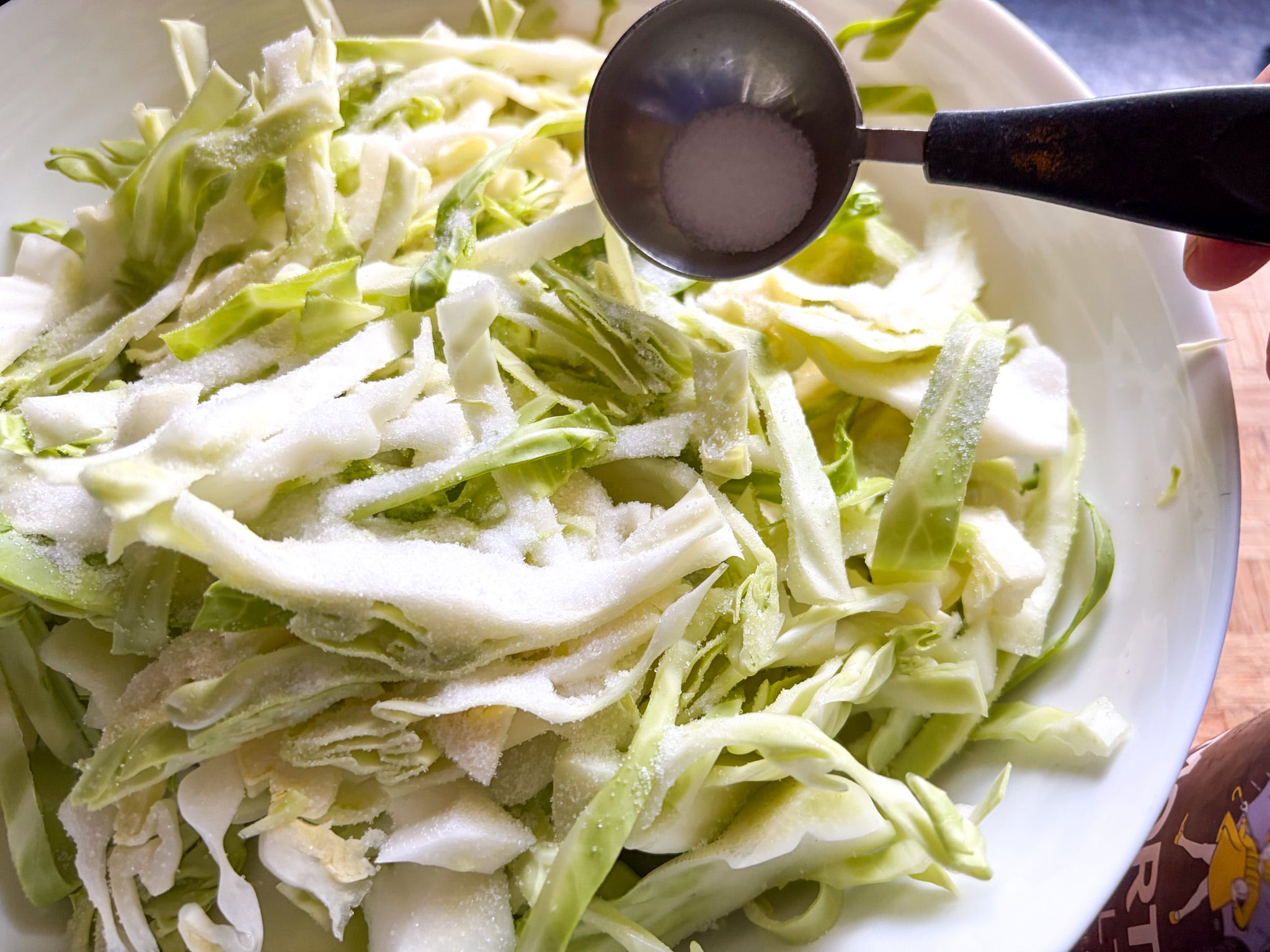
Freeze shredded summer squash now for winter baking: it thaws better than you’d think and saves the “what do I do with all this squash” spiral. This is quick and easy when other things need to also be preserved.
Blanch and freeze extra beans in small batches rather than waiting for a “big enough” harvest day.
Set up a preserving station: cutting board, jars, and labels staged in one spot: so it’s a five-minute task, not a project.
Batch-process on one day a week instead of every day. I pick daily but only can or freeze on Sundays or Mondays.
Give away the overflow without guilt. A full basket on a neighbor’s porch is still a win, even if it’s not in your freezer.
Let the garden be a little messy right now. Weeding can wait; harvesting can’t.
Move garden chores to early morning or evening and treat midday as off-limits. This works well for those with a midday job. I prefer to do an hour a day instead of spending a full weekend days getting jobs done.
Cut yourself off from “should.” You don’t have to preserve everything, plant everything, or keep every plant alive.
Batch your outdoor time. One focused 30-minute session beats three scattered hours of half-attention.
Keep water and shade nearby: a five-gallon bucket doubles as a seat when I need to stop and just pick sitting down.
Say no to new projects this month. August is for managing what’s already growing, not starting something new.
Notice what you actually enjoy about this stage — for me it’s the smell of tomato leaves on my hands — and let that be enough some days.
Remember the slowdown is temporary. By September the pace changes again. You’re not behind; you’re mid-season
Why do my tomato plants look fine but aren’t setting new fruit in August? High heat, especially nighttime temps that stay above 70°F, can reduce pollen viability and stall fruit set. The plant usually picks back up once temperatures ease.
Should I keep planting in August, or is it too late? It depends on your first frost date, but many gardeners can still succession-plant fast crops like bush beans and cucumbers for a late-summer harvest.
How do I stop feeling behind on preserving? Set a realistic weekly rhythm instead of trying to process everything the day it’s picked: freezing shredded squash or blanched beans in small batches buys you time to can or dehydrate later.
Happy Homesteading,
Gretchen
No posts
Comments
Nothing yet. Say the first thing.
Sign in to join the conversation.