
“The thing we kept running into with the state highway administration is that ‘we did a study and the intersection does not merit a light.’ ”
That’s what Richard Boltuck recounted to me about his epic quest in Bethesda, Maryland to get a left turning light at a dangerous intersection near a high school. Sleep deprived teens, usually new drivers, were often rushing to make the first bell around 7:30 a.m. And Richard knew there had been many accidents and near misses. So he wanted to get the data the state was using to make its decision to reject years of requests from neighbors to make the intersection safer.
Ah, you say, surely the government would provide the information and data it had relied on to decide to say no to the residents. After all, it is public money being used by the state’s transportation agency to do its work, and that should make its work product generally available for public inspection.
The state’s rejection of pleas to make the intersection safer had to have some basis in fact, right? And since it did not match Richard’s own recordkeeping about the dangers on the road (River Road, state route 190) and the frequency of accidents, it seemed reasonable that a member of the public could take a look at it. Richard is something of a data guy, an economist by profession. So he checked the state transportation department’s website and found the name of the highway engineer assigned to his region of the state. That engineer then turned down Richard’s request for studies about the troublesome intersection. And thus, Richard’s quest for public records under Maryland’s Public Information Act began – and went on for several years.
After a complicated years-long battle with the state, which Richard lost, the transportation agency decided to give him some of what he was looking for. And surprise, surprise, the state had undercounted the accidents at the intersection.
Then disaster struck.
In February 2016, a horrendous accident occurred at the intersection as a family of four was on their way to see the high school play Noises Off. A driver came barreling through the intersection, striking the family’s car, and killed the mother, father, and son. The 15-year-old daughter was grievously injured but survived.
Suddenly, the state transportation department was paying attention. There was extensive media coverage. One local television station returned to the scene with a speed gun, which measured drivers going as fast at 63 miles per hour in what was at the time a 45 miles per hour zone There were several public meetings and the high school principal said he planned to press the government, saying he hoped the community would be “getting a better ear than we have had in the past.”
While there are many more details I am glossing over, you can read the full story in my book “Backroom Deals in Our Backyards: How Government Secrecy Harms Our Communities and the Local Heroes Fighting Back (The New Press 2025). Richard is one of the accidental activists in my book who learned to overcome government secrecy and obstruction, and soldiered on to make major change in his community. Still, he never obtained all the documents he needed from the state.
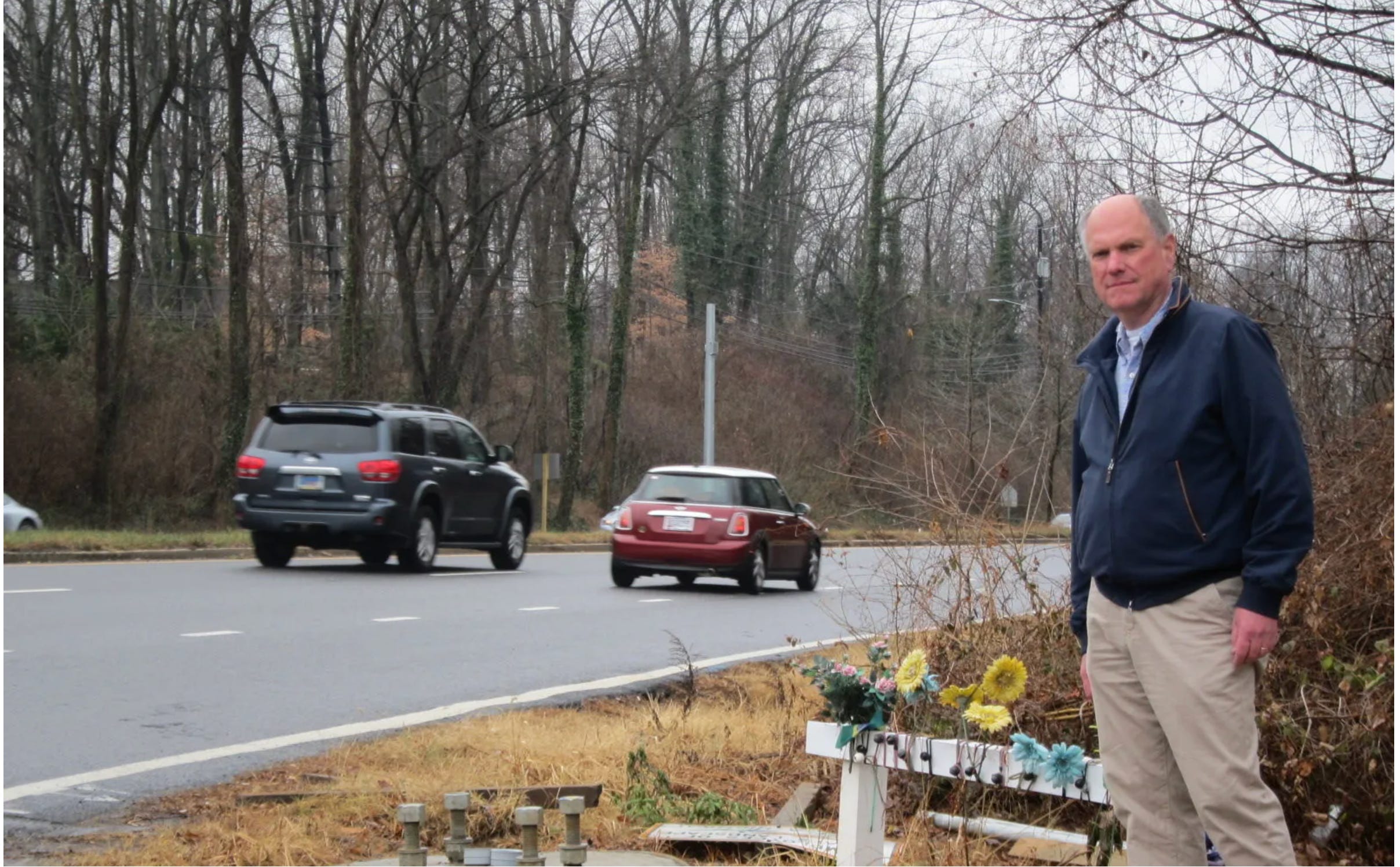
The intersection has been substantially improved, with a turning light, a pedestrian crosswalk and other features. The speed limit on River Road had been reduced to 35 miles per hour in a stretch before and after the site of the 2016 fatal accident.
So why am I telling you this story?
I was reminded of the Maryland transportation department’s reluctance to give up underlying data and documents that it had used for years to resist changes at the intersection when I spoke recently with Kevin Bromberg, also a Montgomery County, Maryland resident – the same county as Richard. Their issues are similar. Kevin wants underlying data from the county’s planning agency because he thinks the agency has published an incorrect analysis of public sentiment about plans to change a portion of the University Boulevard community’s master plan. He says from what he has seen and heard, the community doesn’t like the plan. But the planning agency says it has gotten a largely favorable response.
“The Plan’s recommendations reflect the community’s priorities, balancing development with environmental sustainability, housing affordability, and improved transportation options,” the agency said in its documents about the plan.
But Bromberg disagrees. “The planning agency failed to convey in its public documents the specific views and the overwhelming depth of the community opposition that I heard and saw. ”
So like Richard, Kevin asked for the underlying data and documents the agency used to come to the conclusion that the community was on board. And like Richard, he is getting pushed away. First, the planning agency asked him for about $1,000 in fees to search for the information. He appealed that but it was never resolved. Instead, the agency changed its position and said Kevin could not have the information because it is “research.” The planning agency also said that revealing the information Kevin was seeking was impossible because to do so would amount to an invasion of privacy of the people who had been surveyed for their views of the master plan changes. The agency said it was impossible to redact the identifiers because they were sprinkled throughout individual statements.
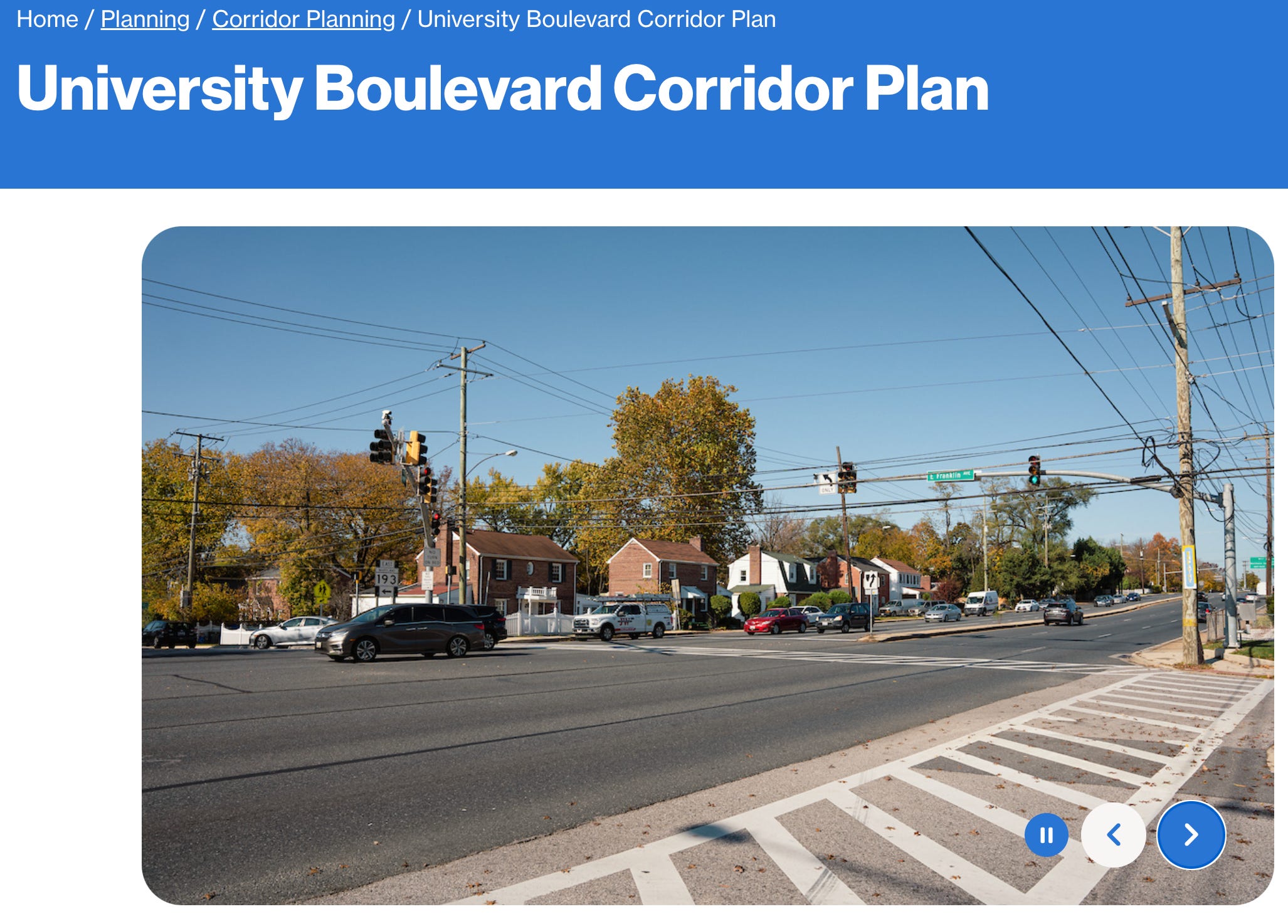
Kevin, a lawyer, has filed various appeals in the complicated appeal system that Maryland has and is now awaiting a decision from yet another review board. He says the risk of a decision going against him is that all government agencies in Maryland might claim that data they use to support their conclusions are now exempt from disclosure. It sounds like what Richard bumped up against, although there is one key difference: federal law allowed Maryland to withhold some transportation information in Richard’s case but there is no applicable federal law in Kevin’s.
Kevin’s issue is arising when local media in the District of Columbia metropolitan area has been fading, most recently with the massive layoffs at my alma mater The Washington Post, where I covered development and secrecy issues for years – a beat the paper has abandoned.
So Kevin has an uphill climb unless he can focus public attention on the issue – or if the state appeals board decides he is right, and this research exemption the planning agency is claiming is invalid.
In Richard’s case, public attention – and media attention – became so intense because of the horrible 2016 fatal accident that killed three family members – the government decide to act and fix the River Road intersection. Before that, when Richard had gotten what turned out to be deficient data from the state, the government had not been moved to act.
I do not want to cast shade on the many effective and forthright people in state and local governments. But these experiences in Maryland are not unique to Maryland. Many states and local governments routinely erect information blockades, ask for big fees, and often wish the pesky members of the public would just go away. Part of the reason is government employees are pressed for time and money, and are underfunded. So dealing with the public can became a burden even though it is part of the government’s job to pay attention to their bosses, the taxpaying public.
It was clear that more than a decade of community activism to get the River Road intersection fixed had not been enough to move the government to act. It took a horrible accident – and substantial media attention – to make a difference. Which is why one of the key messages in my book – and in my Substack - to anyone involved in trying to make change in their communities is to learn to be your own bullhorn, form a community network, and learn to organize, lobby and seek out whatever local media you can find. And if you can, don’t expect to get that local media for free. Many people easily spend $5 a day on coffee; if you are one of those people, think about spending $30 a month to support a local news organization or public radio station.
If you want to read more about state and local secrecy and the harm it inflicts on communities, my publisher The New Press is offering a 30 percent discount on my book Backroom Deals in Our Backyards: How Government Secrecy Harms Our Communities and the Local Heroes Fighting Back. You can order it here and use coupon code Backroom30
No posts
Comments
Nothing yet. Say the first thing.
Sign in to join the conversation.