



The Hidden Infrastructure Cost Behind Every AI Answer
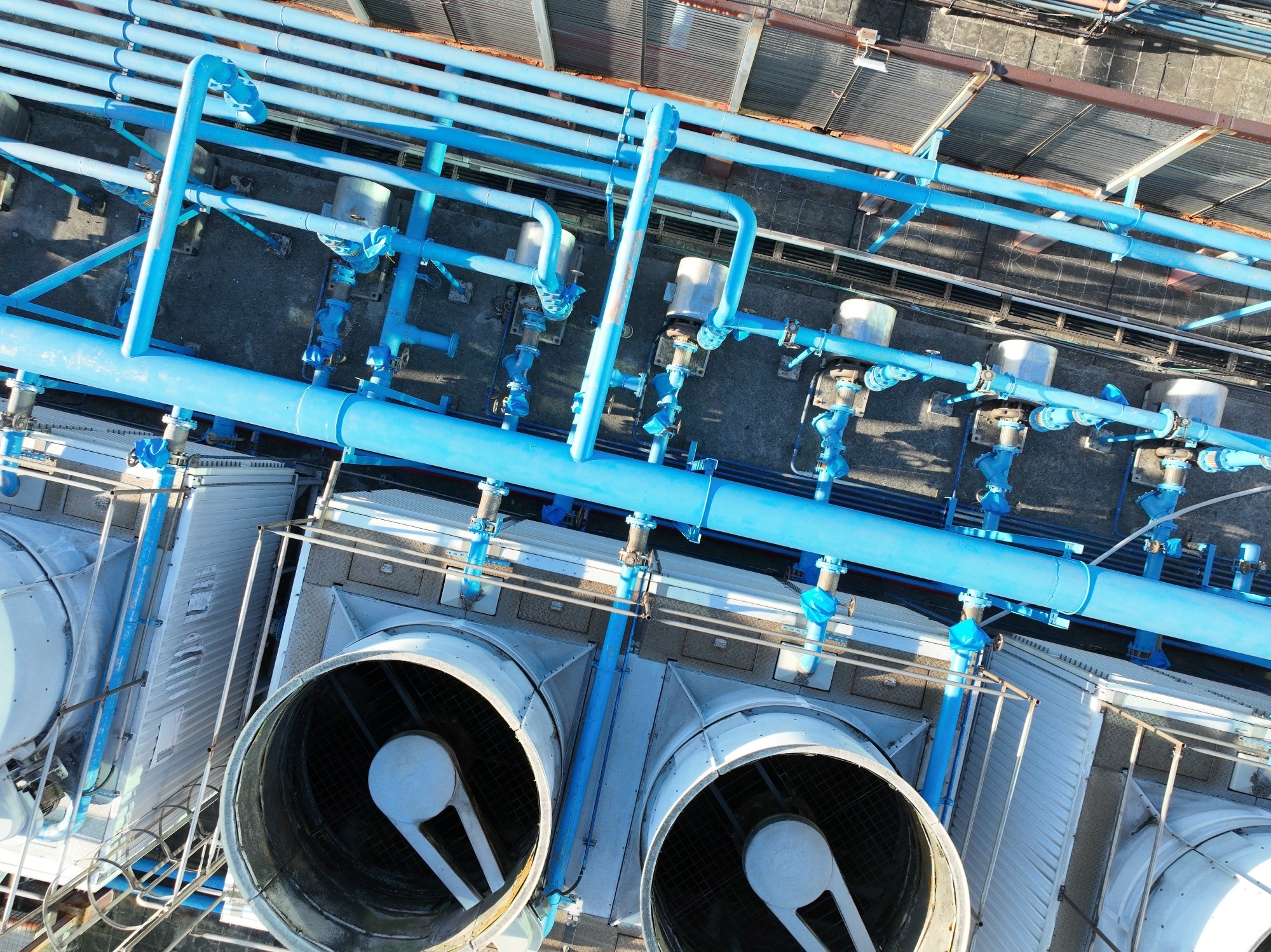
Paligo has published an interactive data-driven investigation that traces the infrastructure behind every AI answer.

The A to Z of AI, AZoAi, is a free-to-access information portal with the latest news, articles, videos, apps and interviews from the AI community.
Live Last read · last published · next check
AI is everywhere in the news right now. Today it went all the way to the top, with the Prime Minister using a speech at the University of Sydney to announce Australian Standards for AI, a new Office of AI, and a clear ambition: Australia designing and building this technology, not just adopting it.
China’s Low-Carbon City Pilot Policy was associated with about 16.9% more AI-related enterprises in pilot cities than in comparable non-pilot cities. Using data from 285 cities from 2007 to 2022, the study suggests that cleaner energy structures and green technology innovation may help align low-carbon policy with AI industry growth.
As organizations across the UK continue to accelerate investment in artificial intelligence, growing evidence suggests that technology alone will not determine who succeeds.
A mass survey of thousands of workers reveals almost half (48 percent) are worried Artificial Intelligence (AI) will take their jobs.
Artificial intelligence that cannot explain how it makes decisions – often called “black box” AI – could soon be replaced by more transparent systems, research suggests.
Paligo has published an interactive data-driven investigation that traces the infrastructure behind every AI answer.
OpenAI’s custom instructions for ChatGPT, widely adopted as the default way to personalize large-language-model outputs, recommend configuring the assistant to be “helpful, thoughtful, and balanced.” Users have been doing this for over two years.
This paper argues that the current AI boom is not just a software story but a massive physical infrastructure buildout, requiring huge investments in data centers, power systems, cooling, and specialized chips. It estimates that U.S. data center capacity could expand by 200 GW from 2026 to 2032, implying about $8.2 trillion in investment and a major shift toward externally financed, increasingly…
his review paper examines AI-based predictive cooling in data centers and edge devices, covering air, liquid, immersion, spray, and hybrid cooling systems alongside control strategies such as PID, model predictive control, and reinforcement learning. It also broadens the discussion to thermochemical process control, arguing that AI, machine learning, and deep learning could improve energy…
This SSRN preprint examined how first data center entry affects U.S. local economies and found that activation was associated with higher employment, wages, business establishments, median household income, and building permit activity. The gains were concentrated in metropolitan counties, tended to be larger for Big Tech and clustered entries, and were accompanied by evidence of higher…